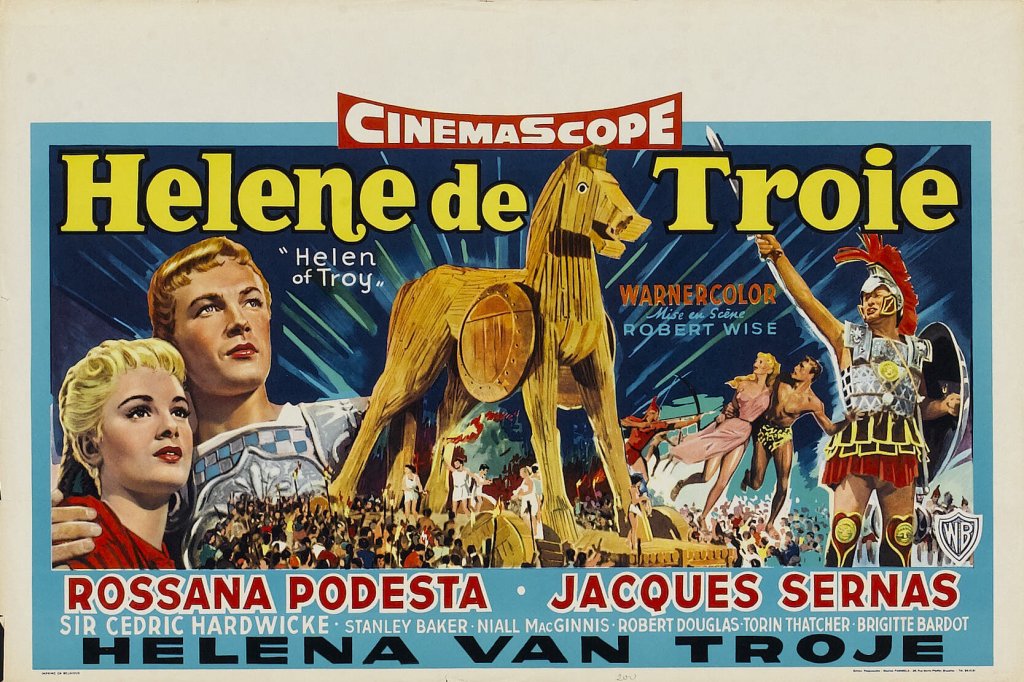
Year – 1956Decade – 1950sDirector – Robert WiseCinematographer – Harry Stradling Sr.Genre – DramaKeywords – 1950s International Co-Productions; Homer AdaptationsStudio – Warner BrosShooting Locations – Italy, including Cinecittà Studio in […]
The Movie After Paramount scored a hit with the international coproduction Ulysses (1954), Warner Bros. mounted its own Italy-lensed Homer epic with this CinemaScope retelling of the fall of Troy.
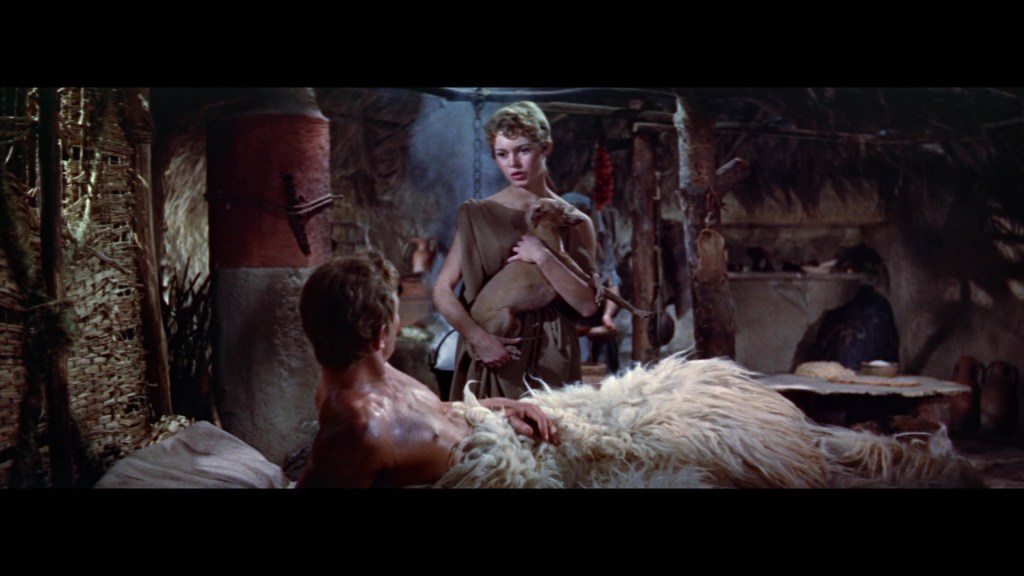
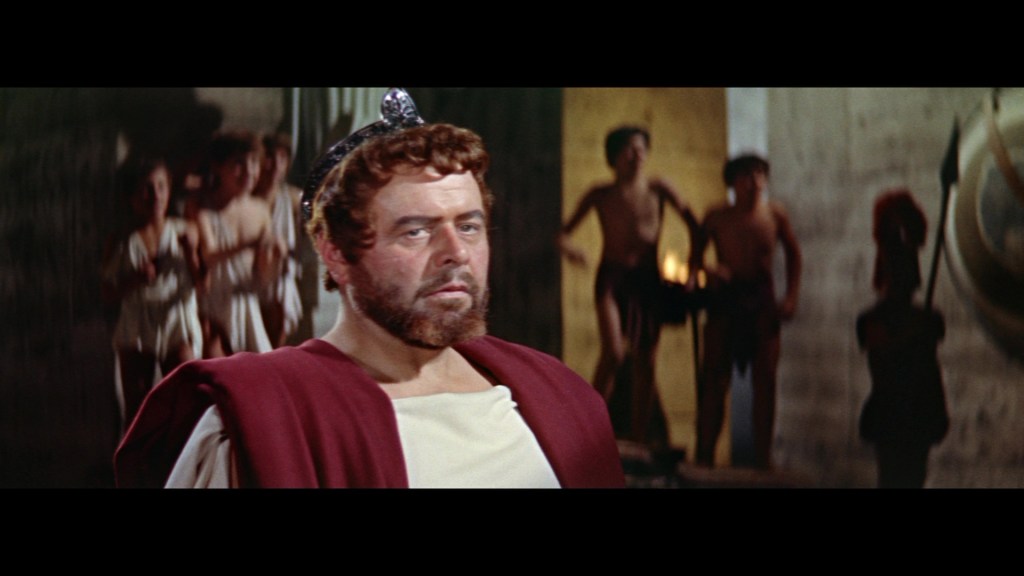
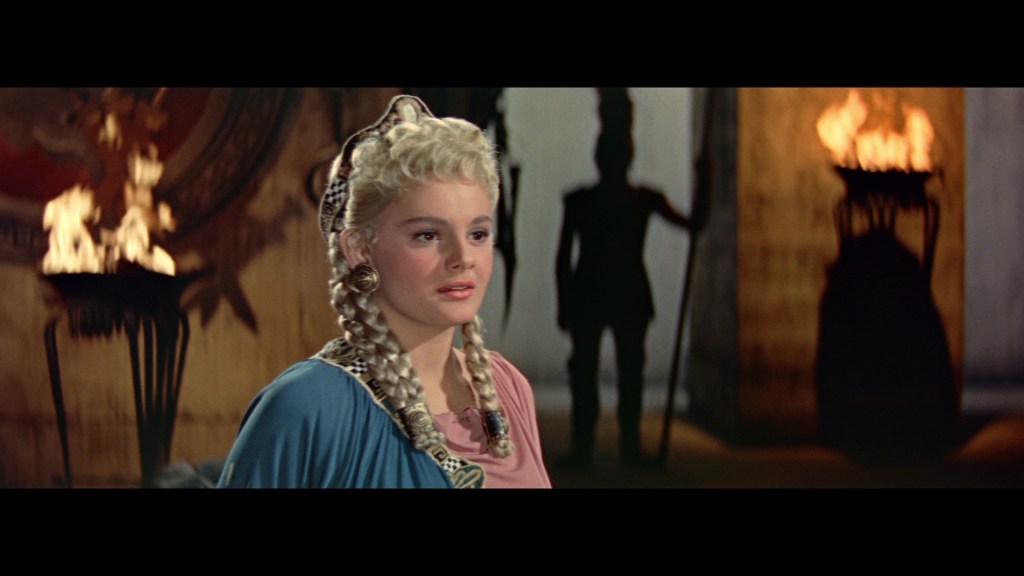
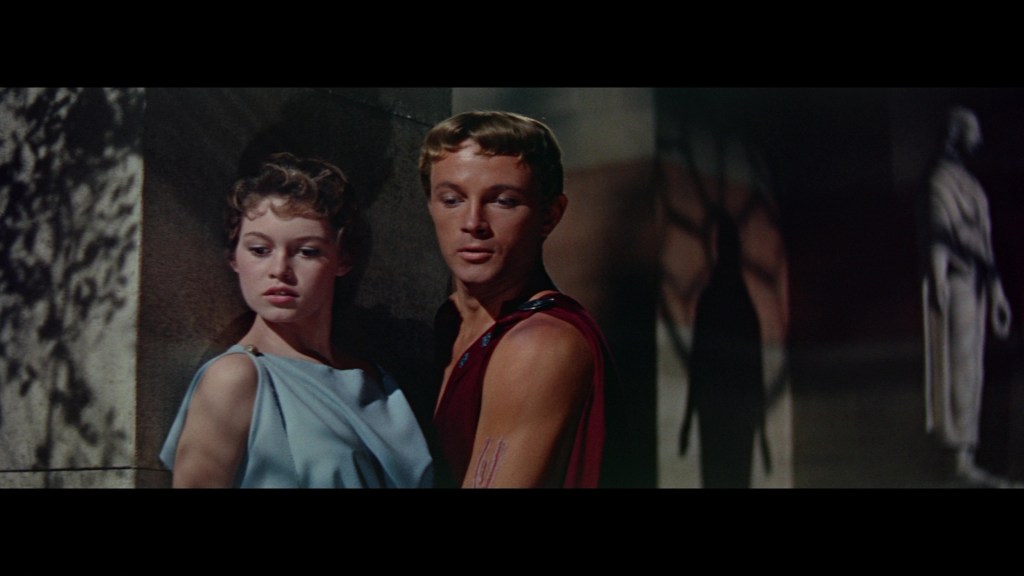
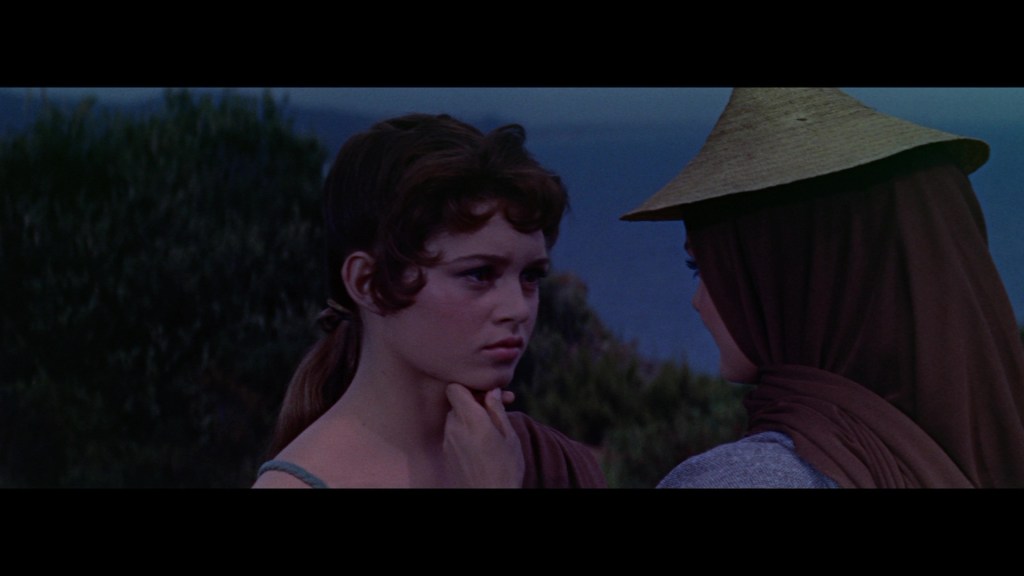
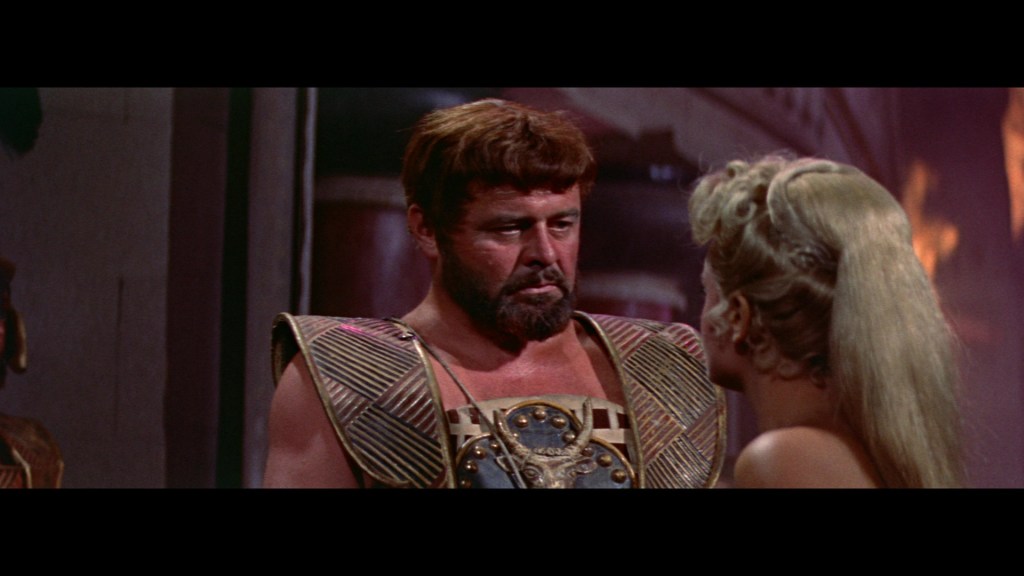
While Ulysses imported stars Kirk Douglas and Anthony Quinn, Helen of Troy features a cast of international actors with considerably less wattage. Frenchman Jacques Sernas as Paris and Italian actress Rossana Podestà as Helen were both dubbed for the stateside release, with the rest of the cast largely filled out by veteran character actors such as Ben-Hur’s Cedric Hardwicke and Irish actor Niall MacGinnis, whose fiery Menelaus is the standout performance. Brigitte Bardot also made an early screen appearance as Helen’s servant before breaking out later that same year with And God Created Woman.
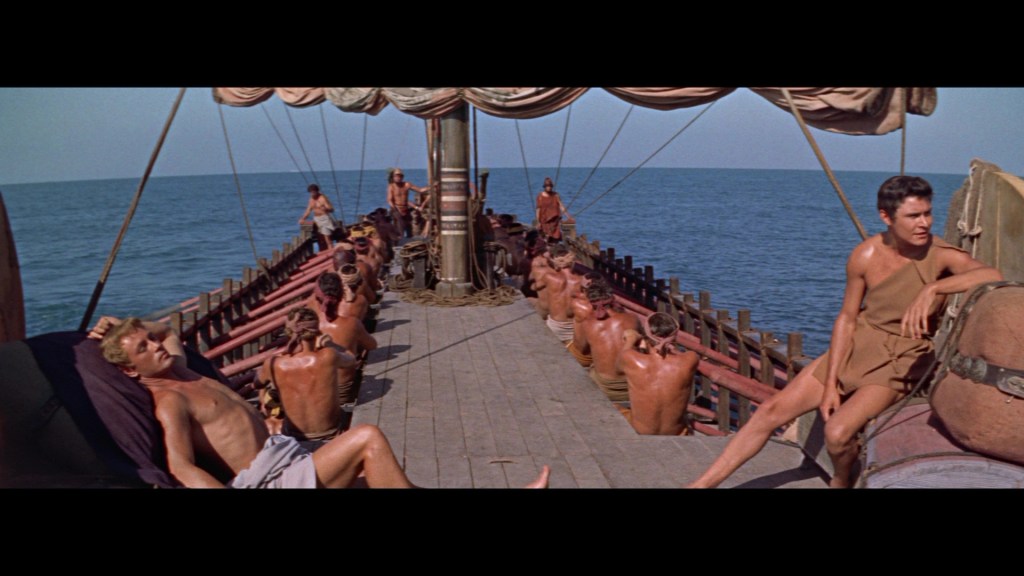
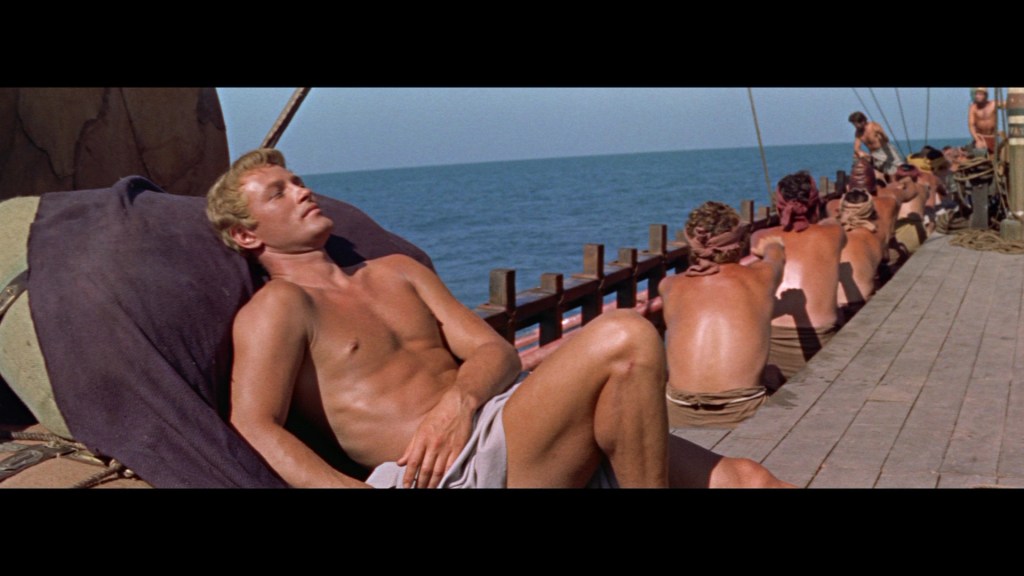
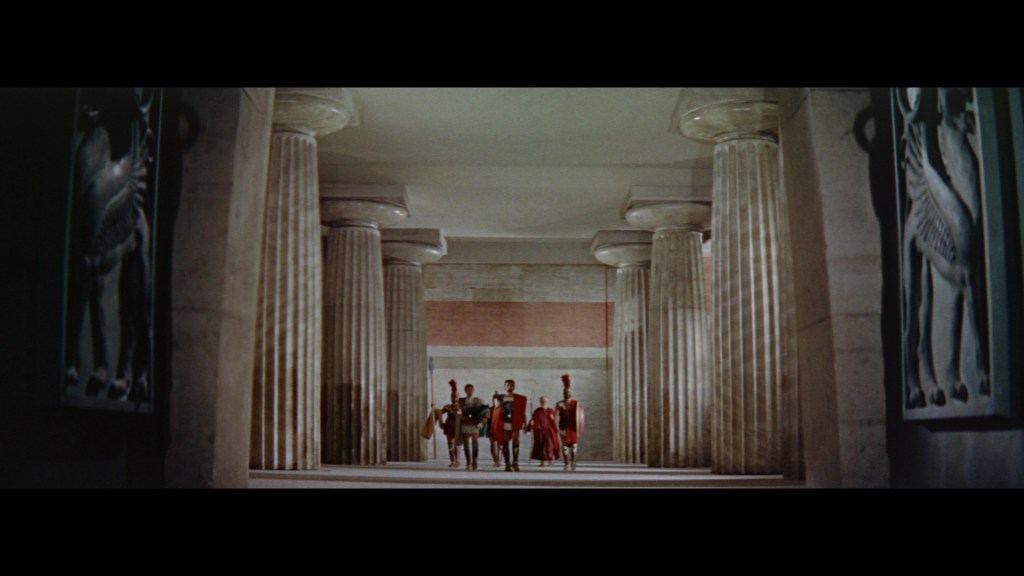
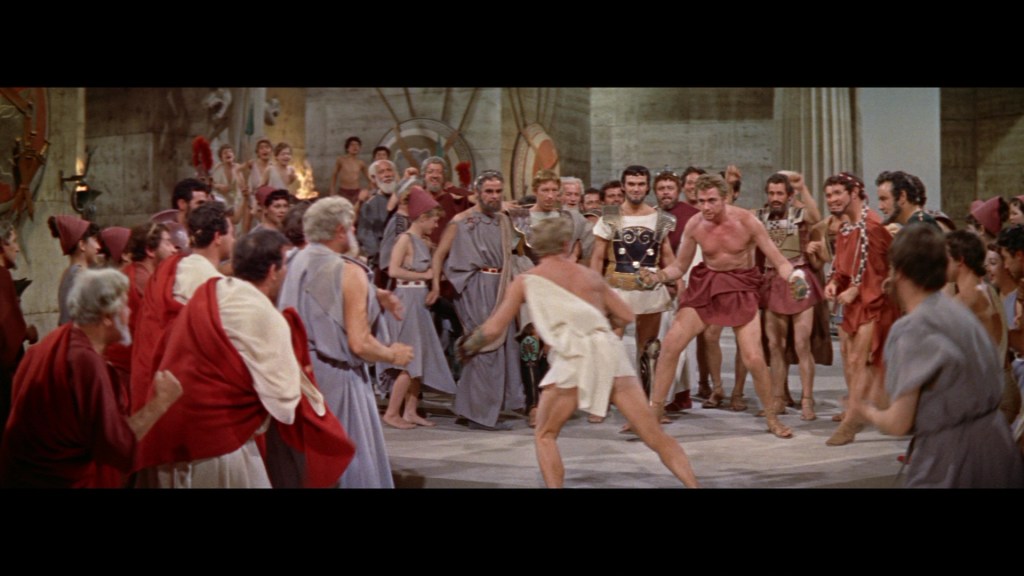
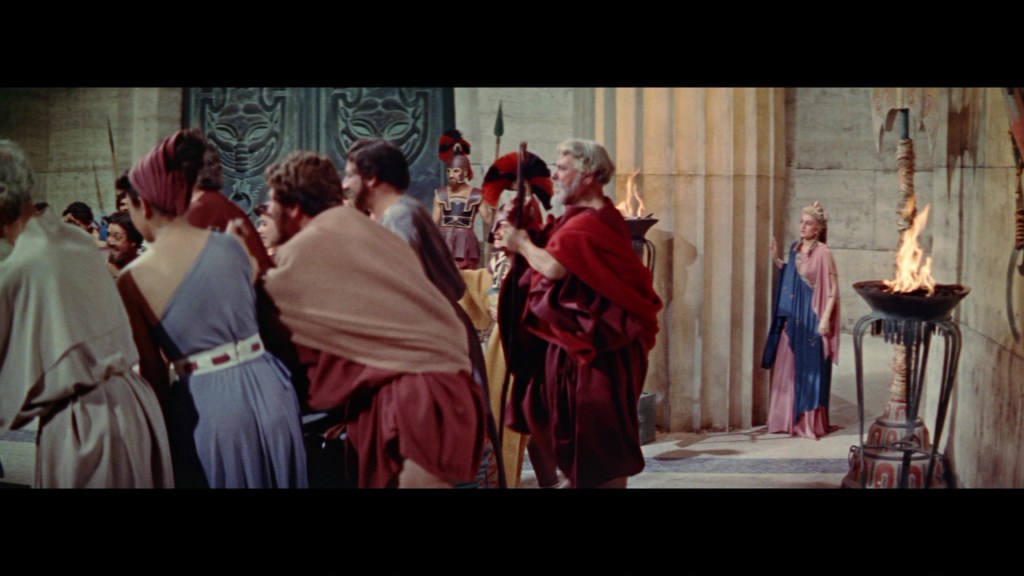
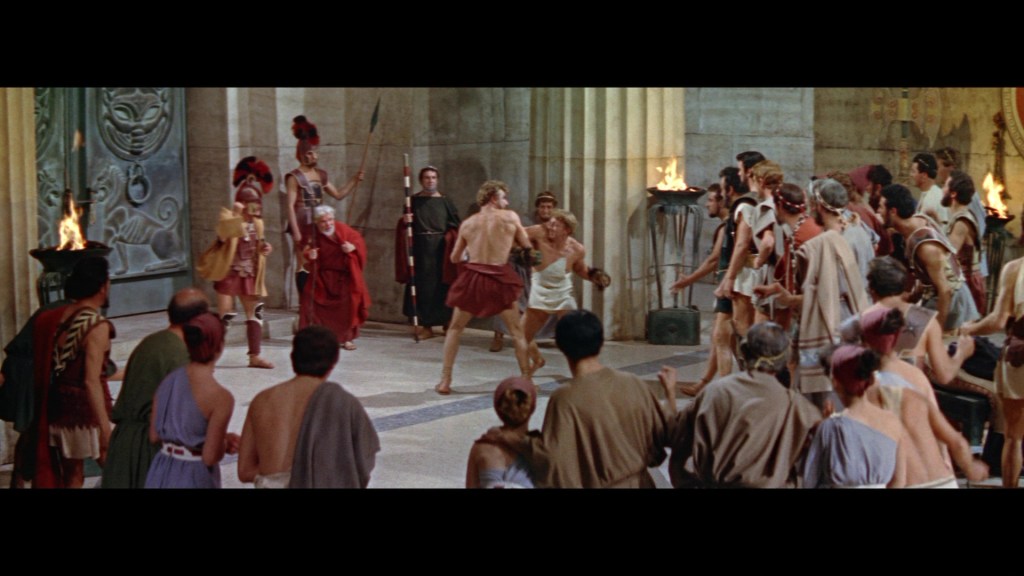
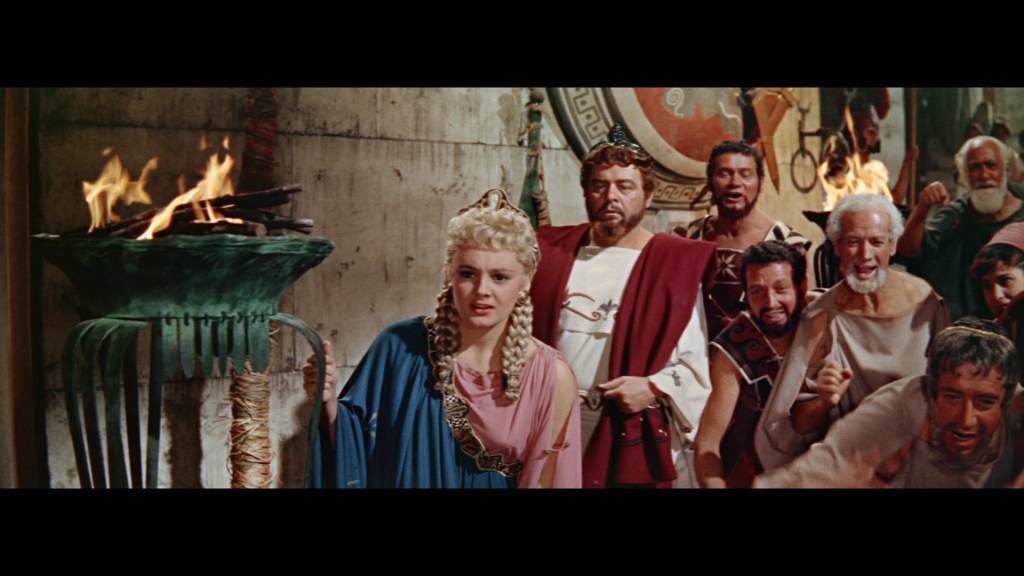
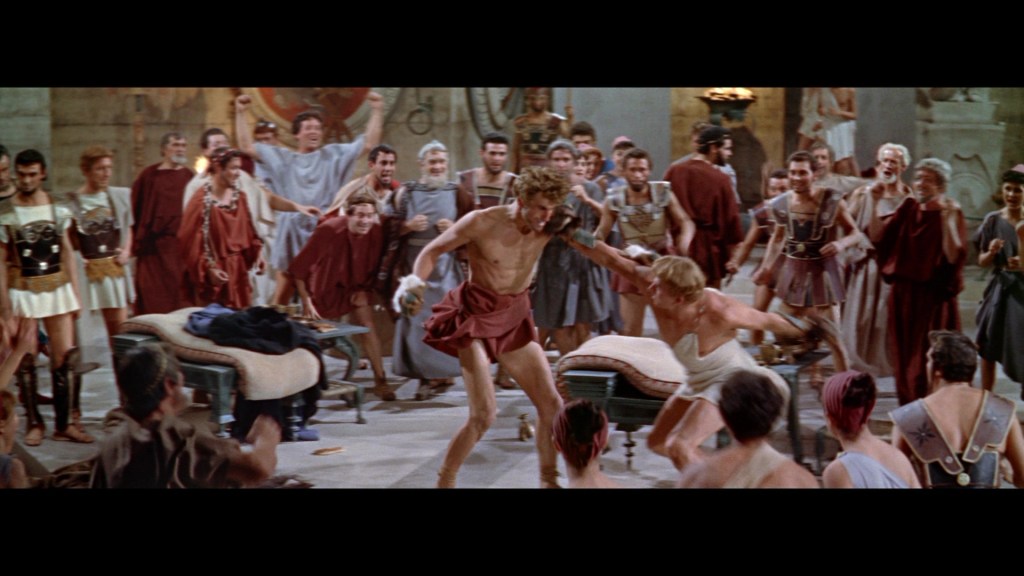
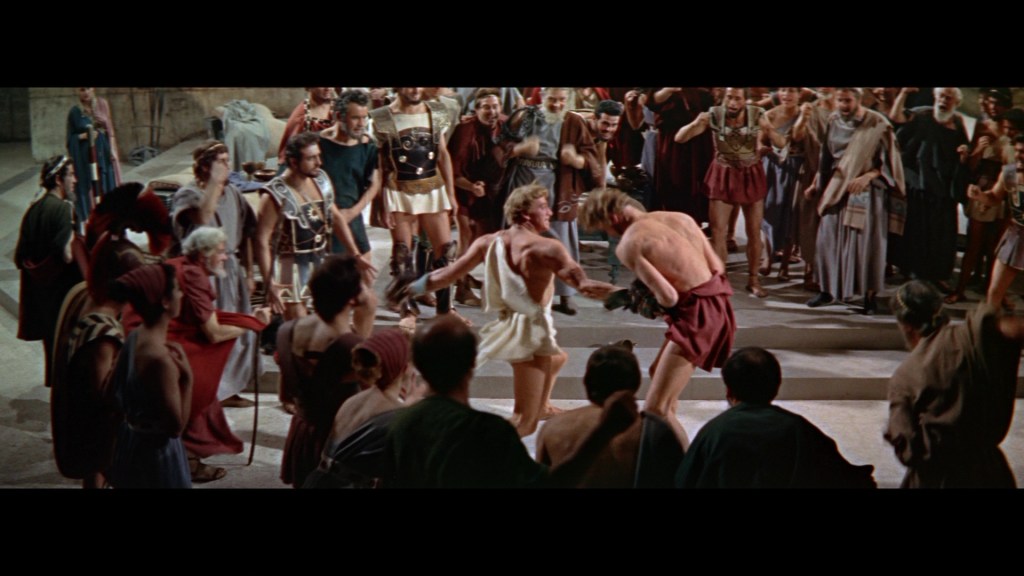
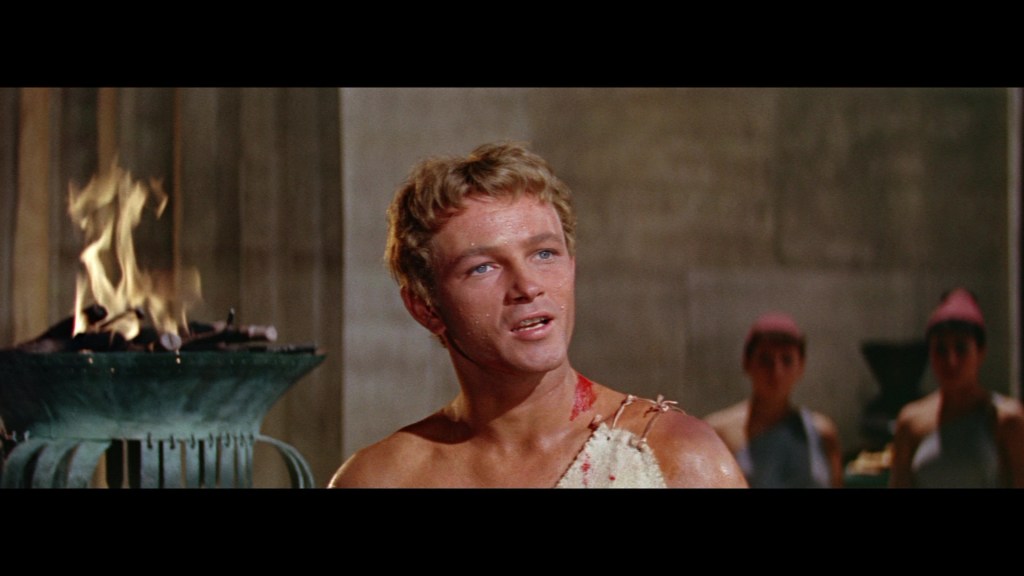
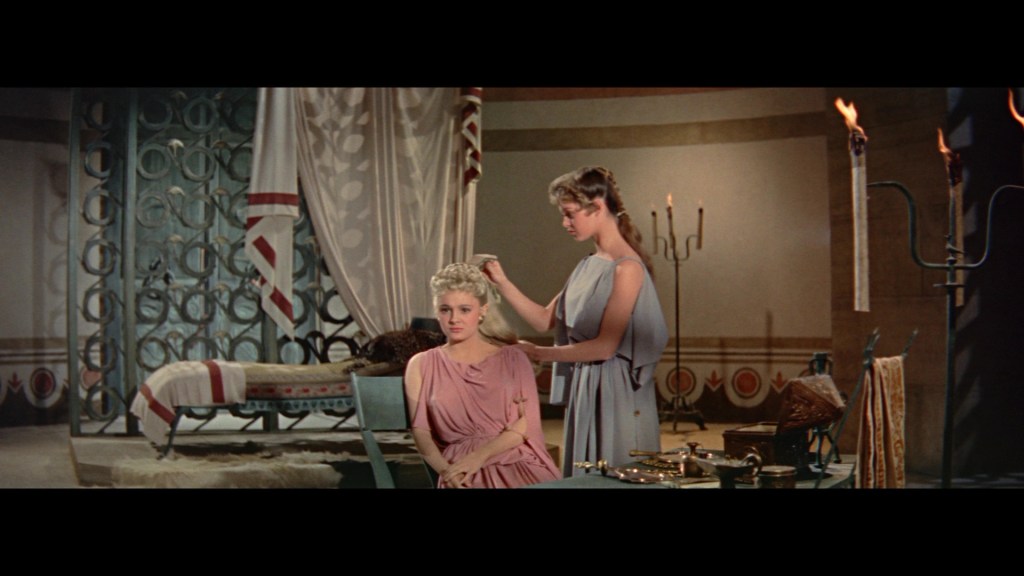
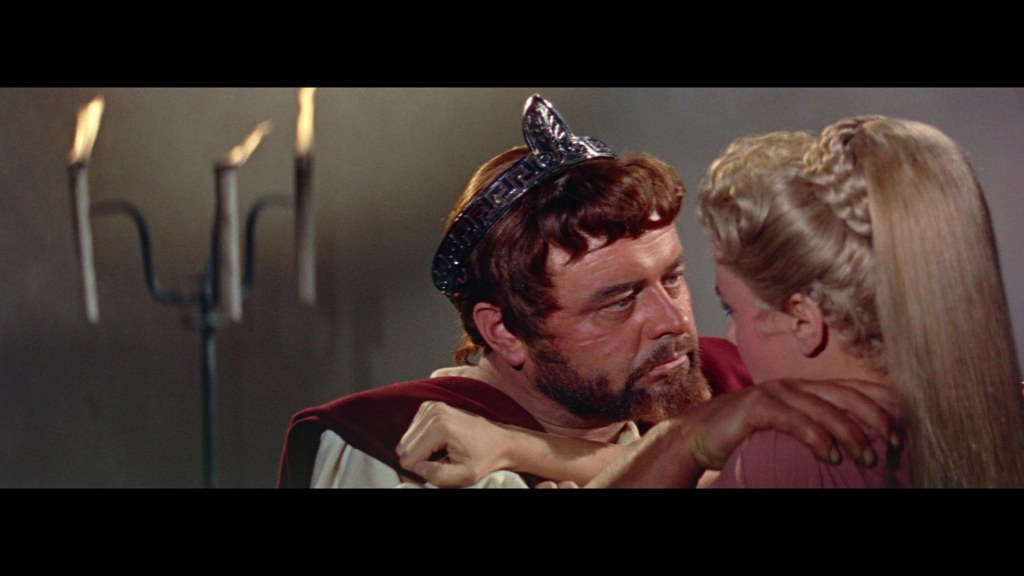
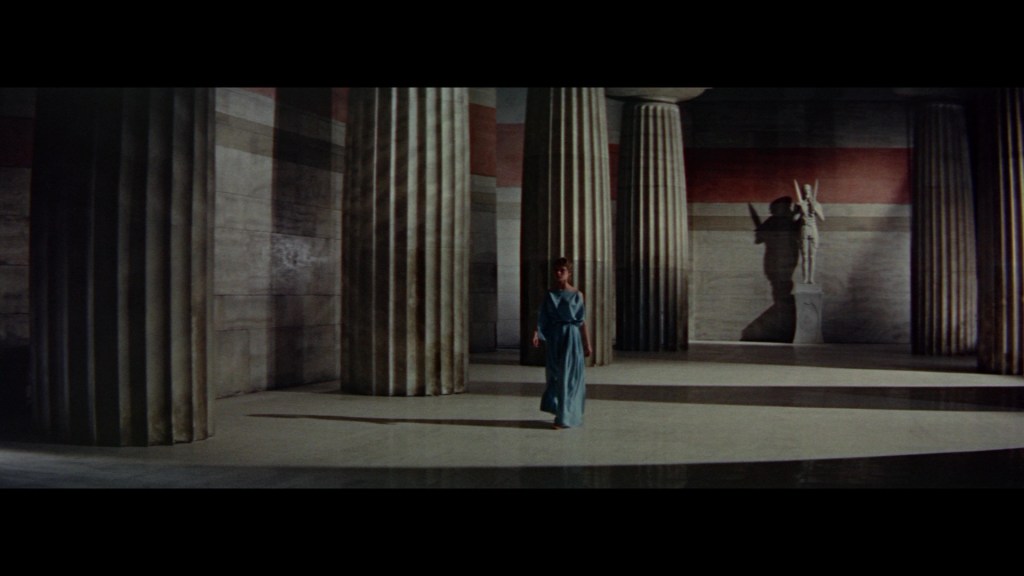
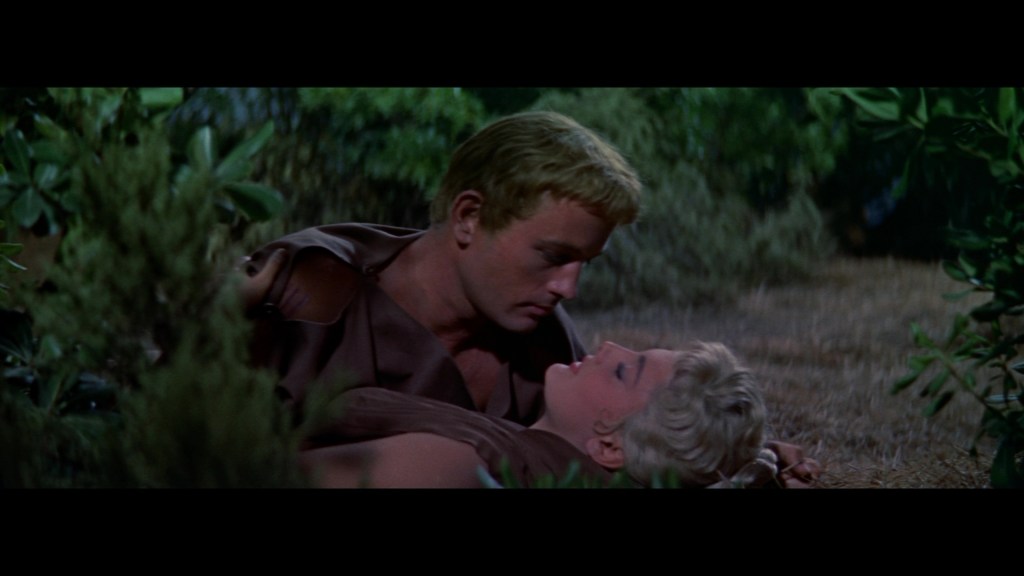
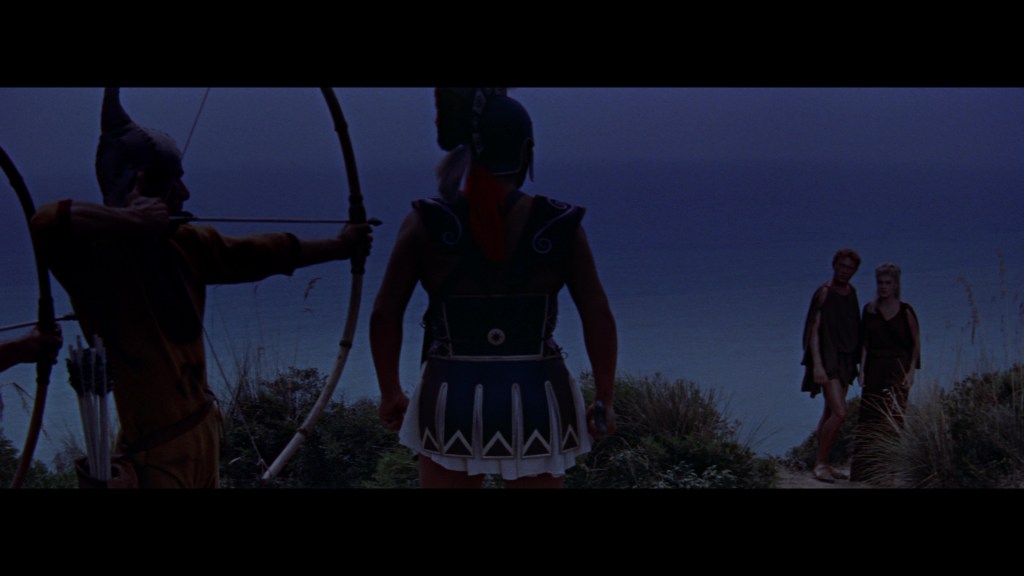
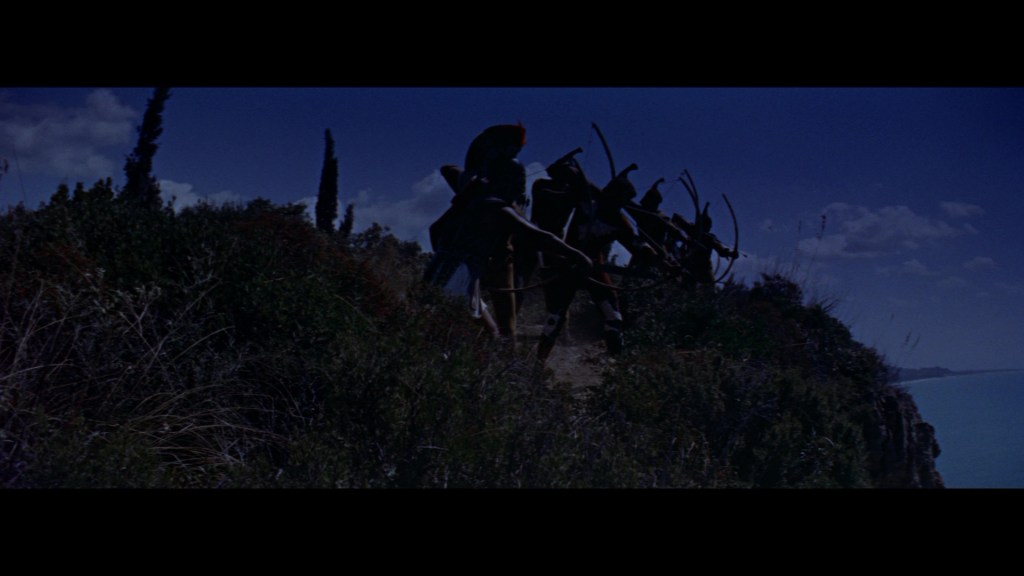
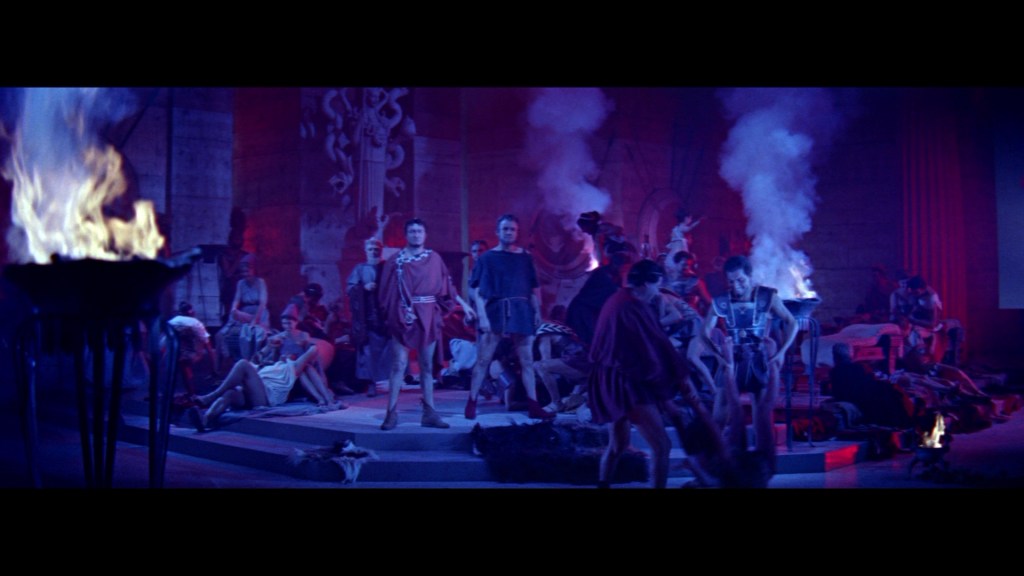
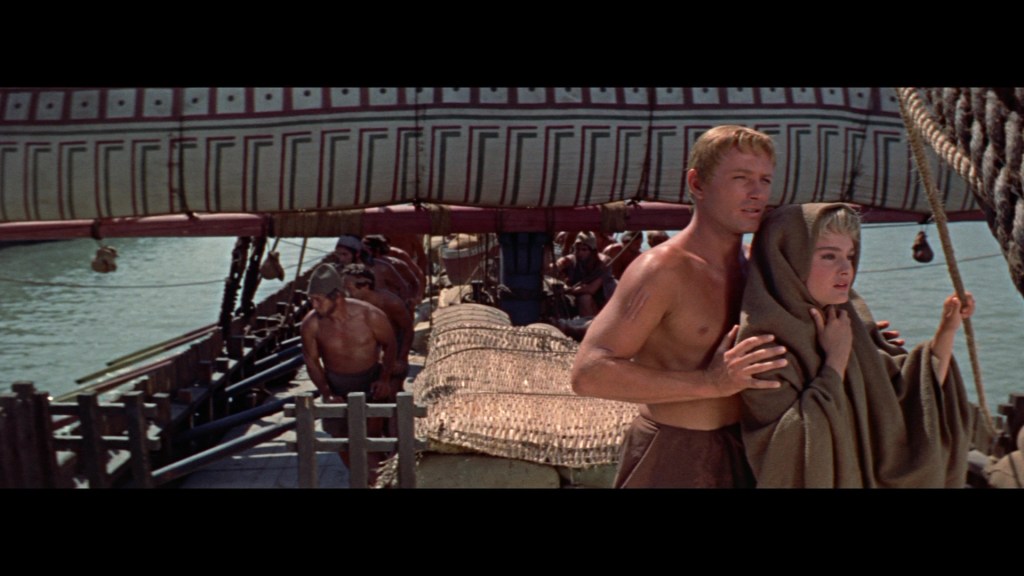
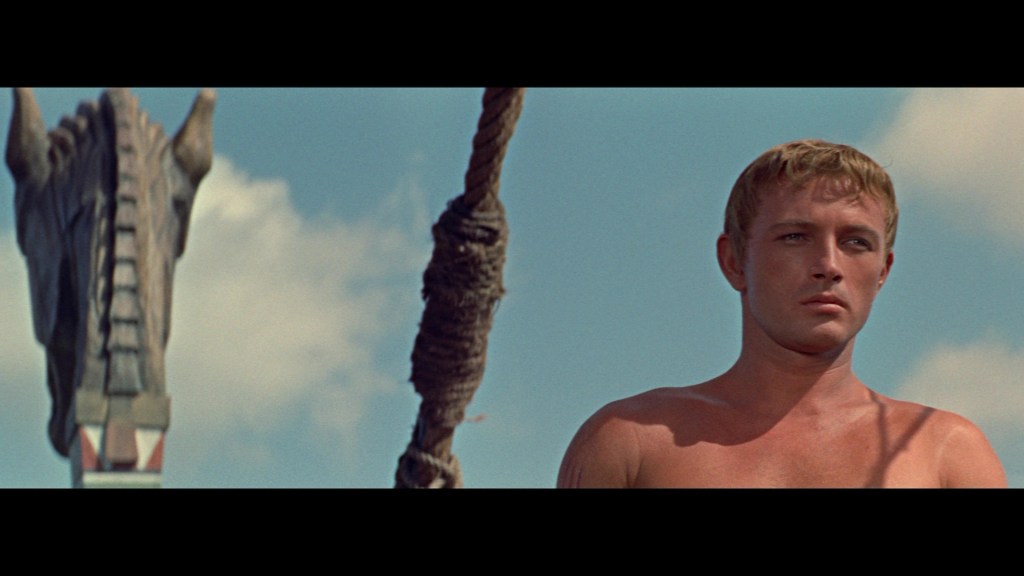
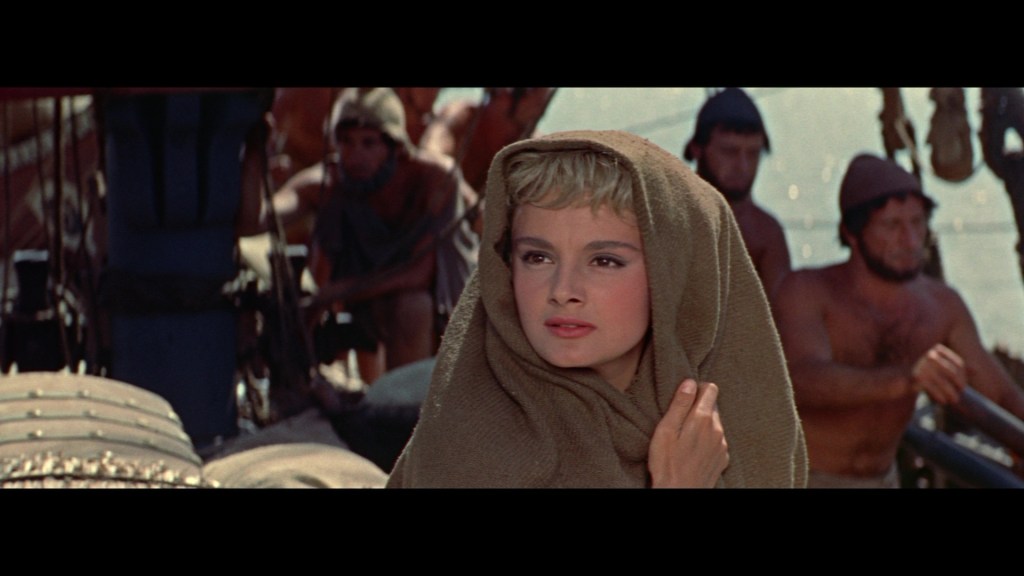
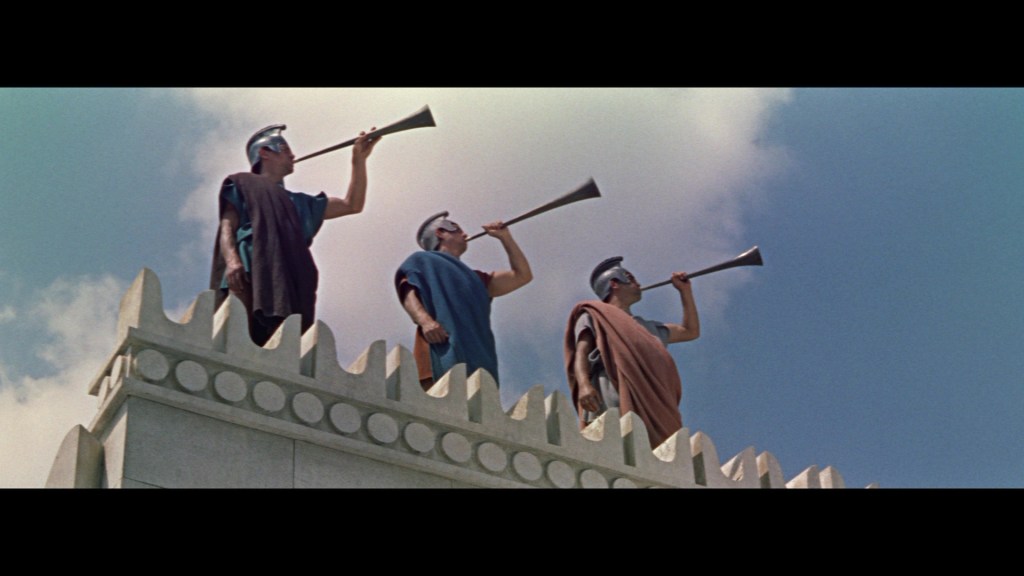
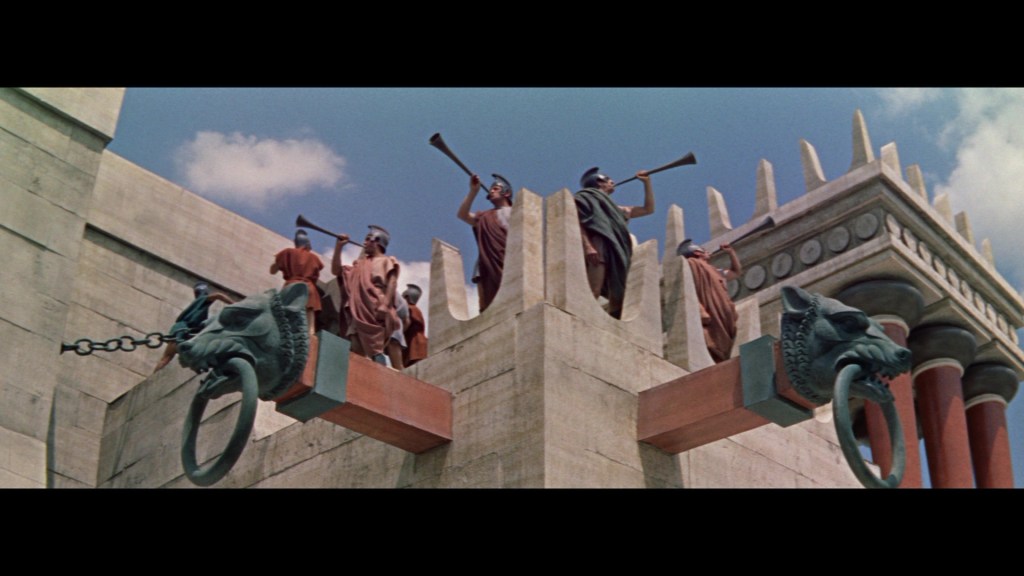
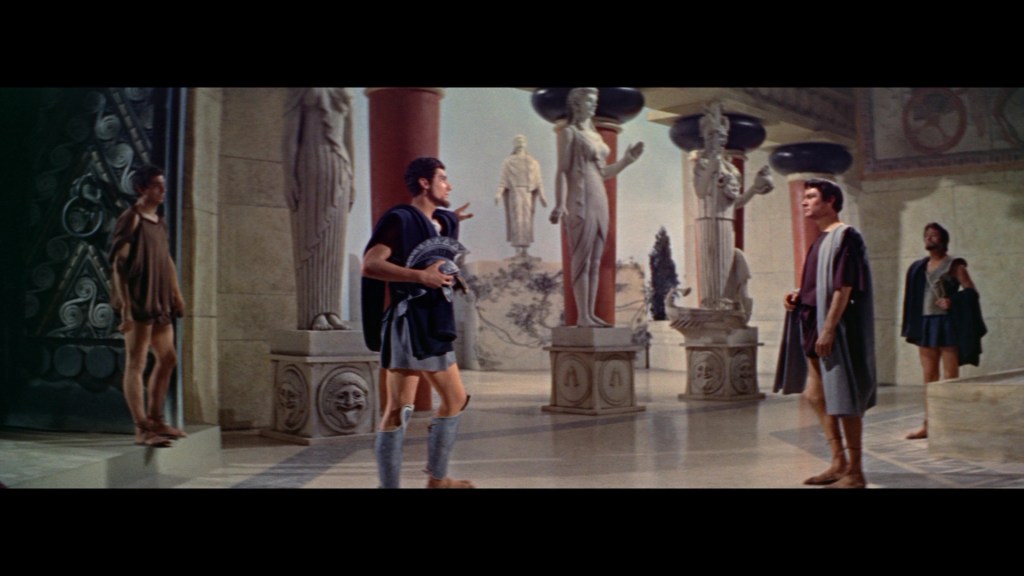
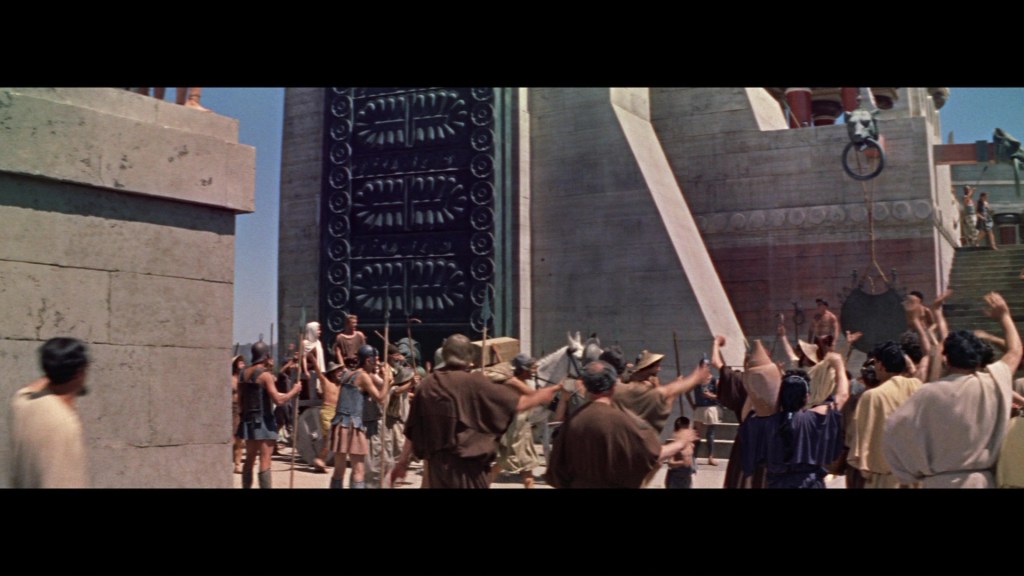
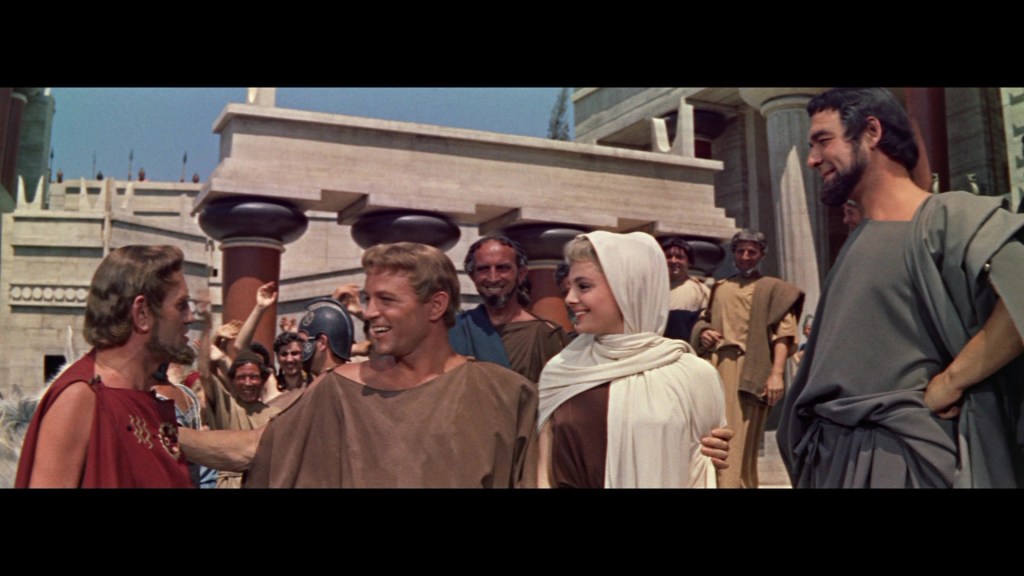
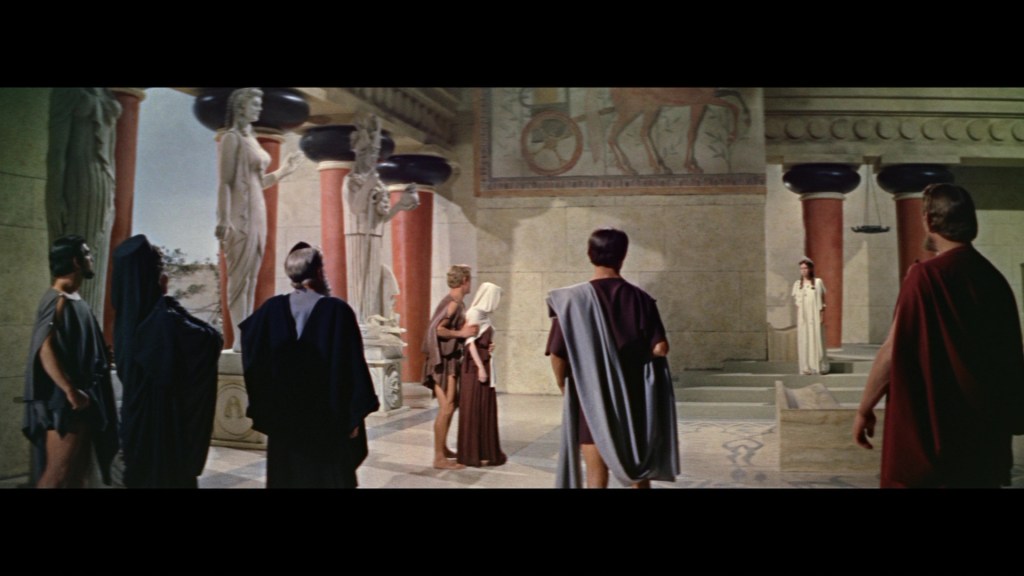
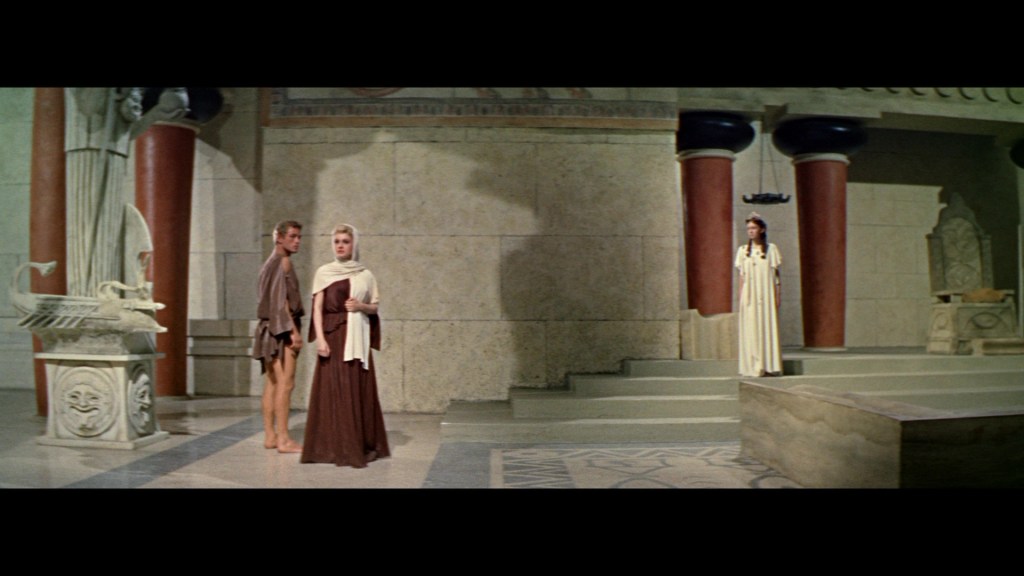
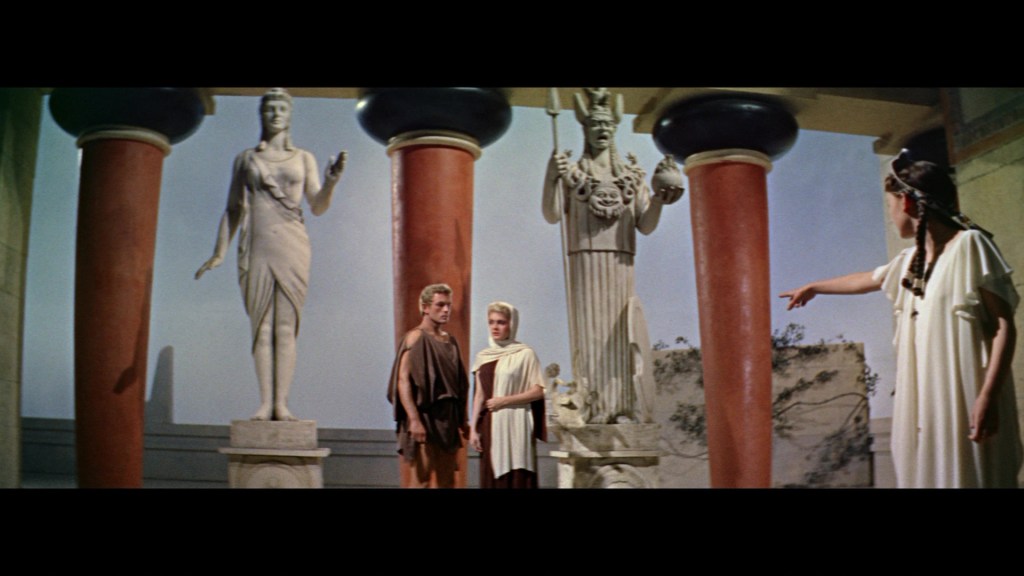
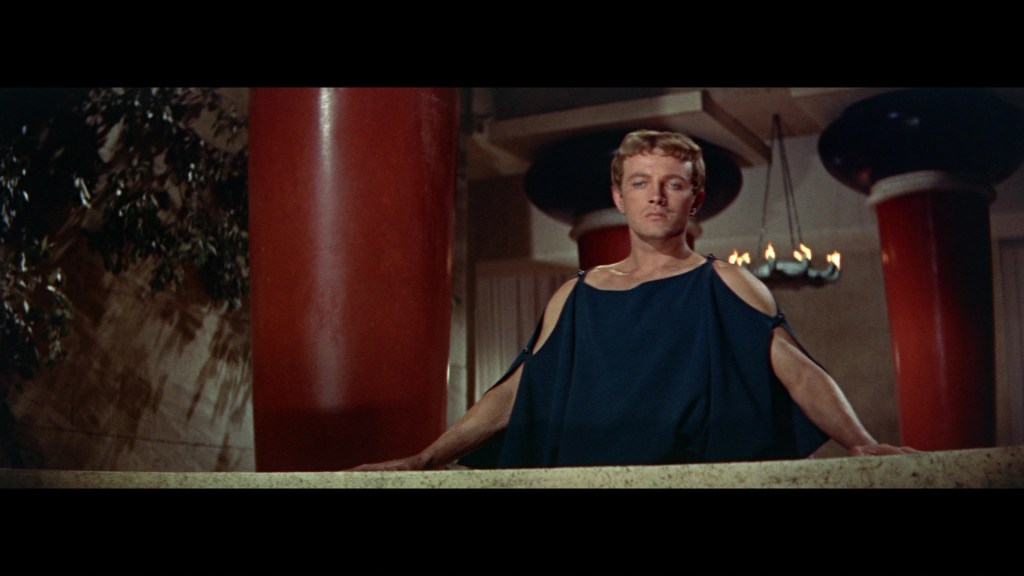
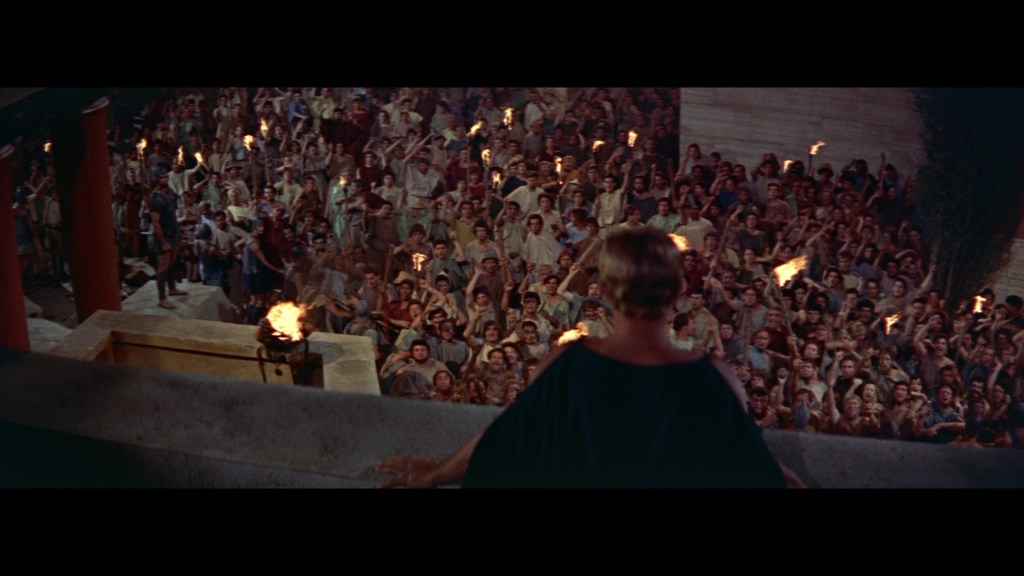
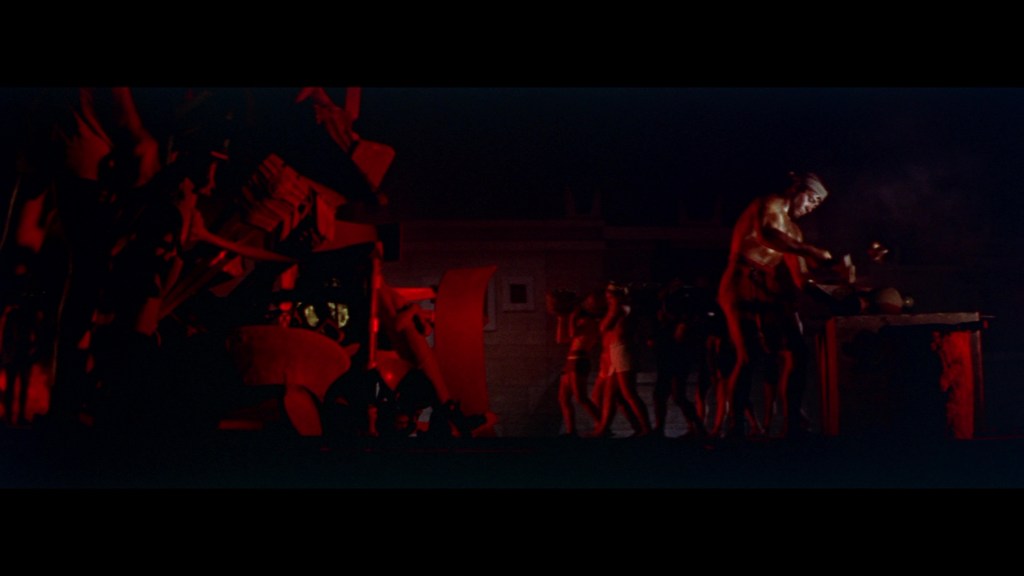
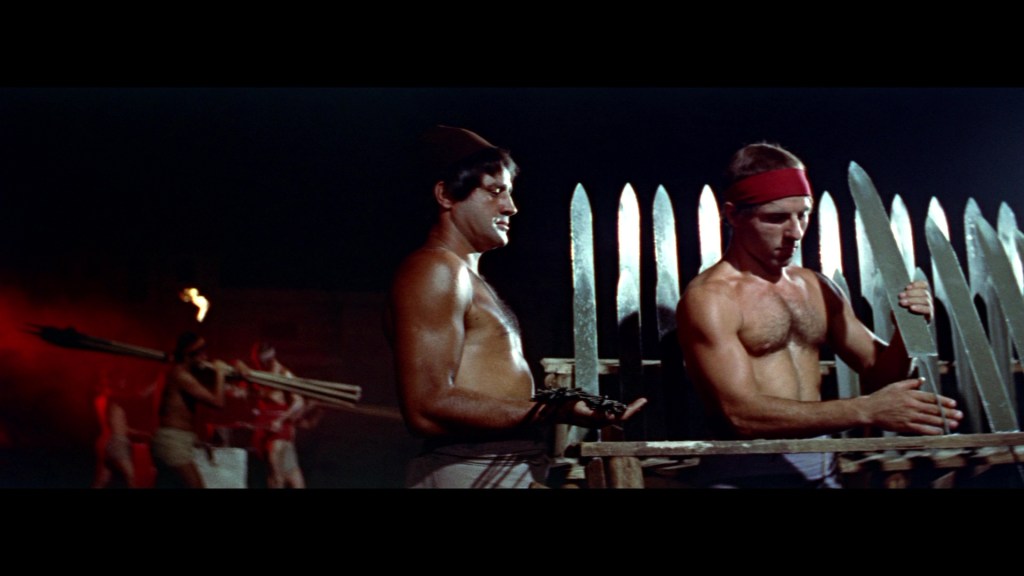
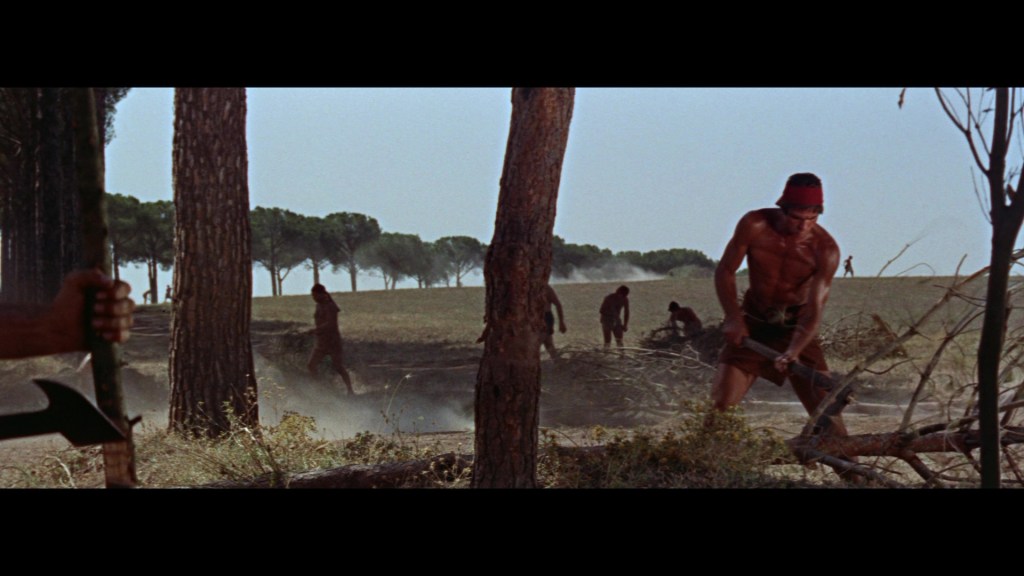
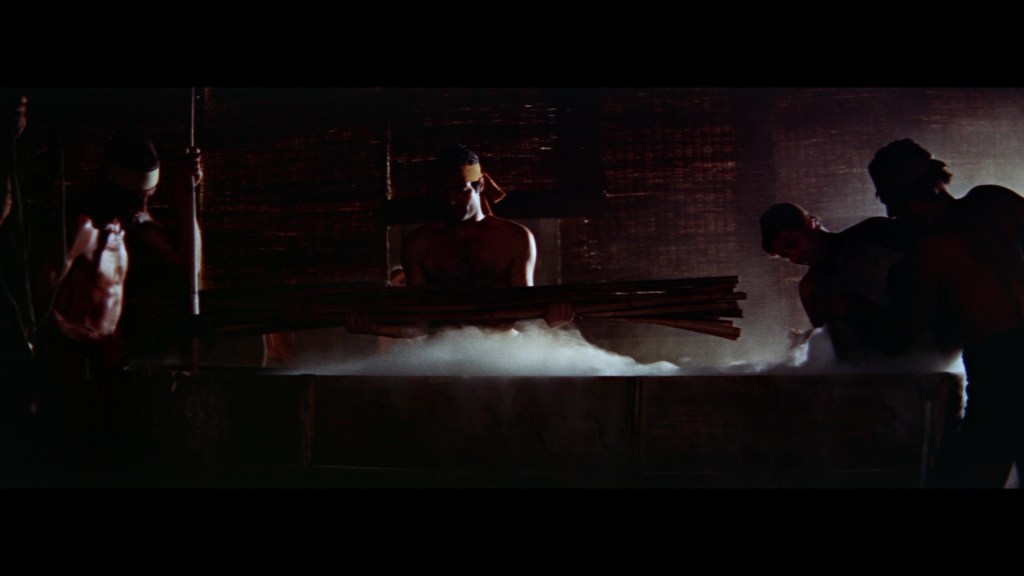
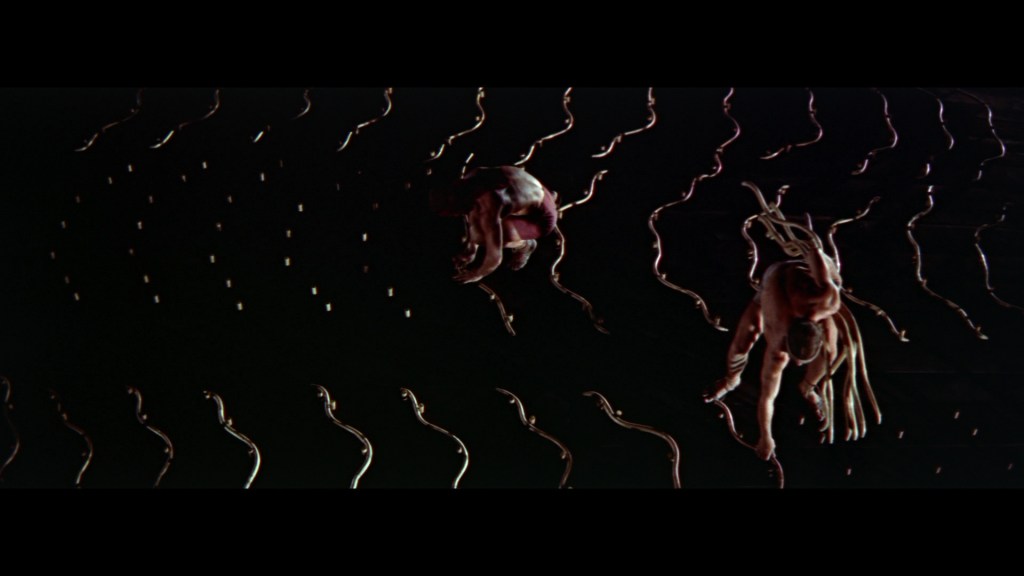
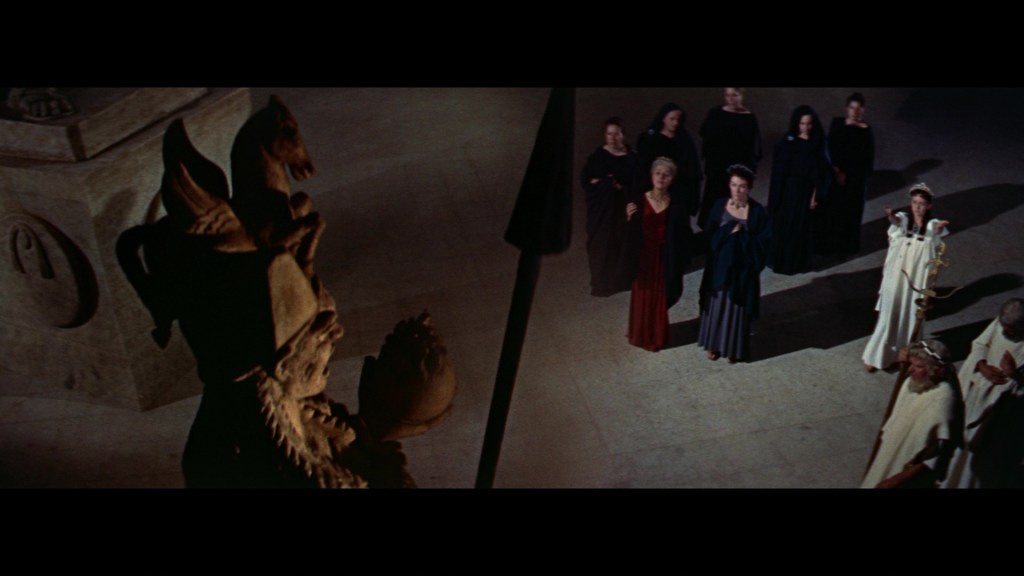
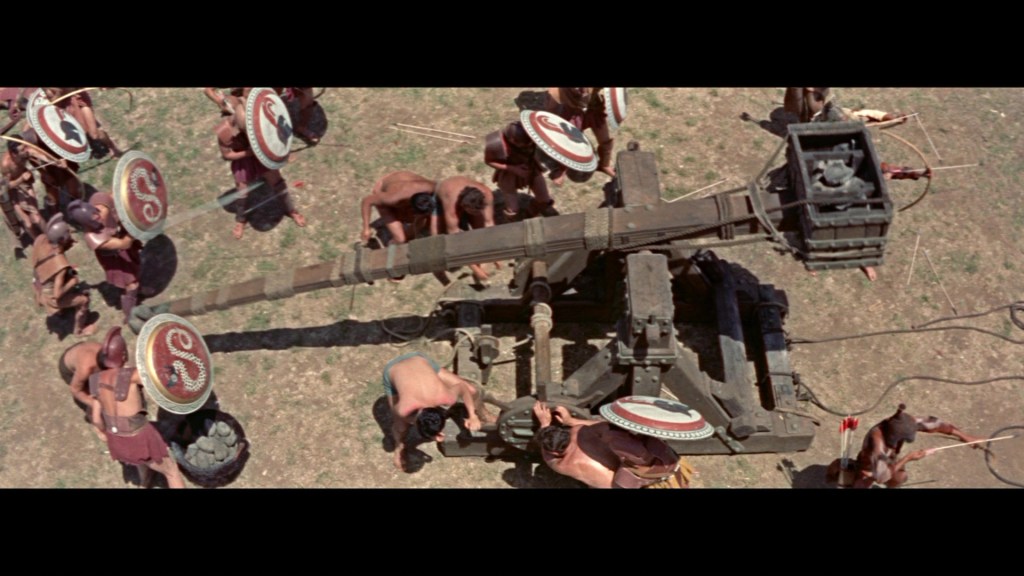
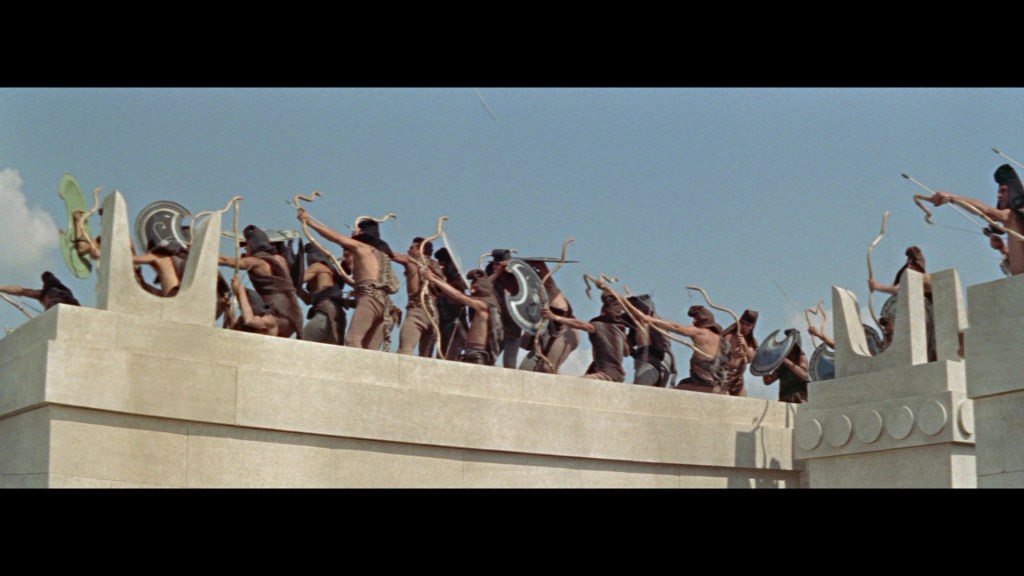
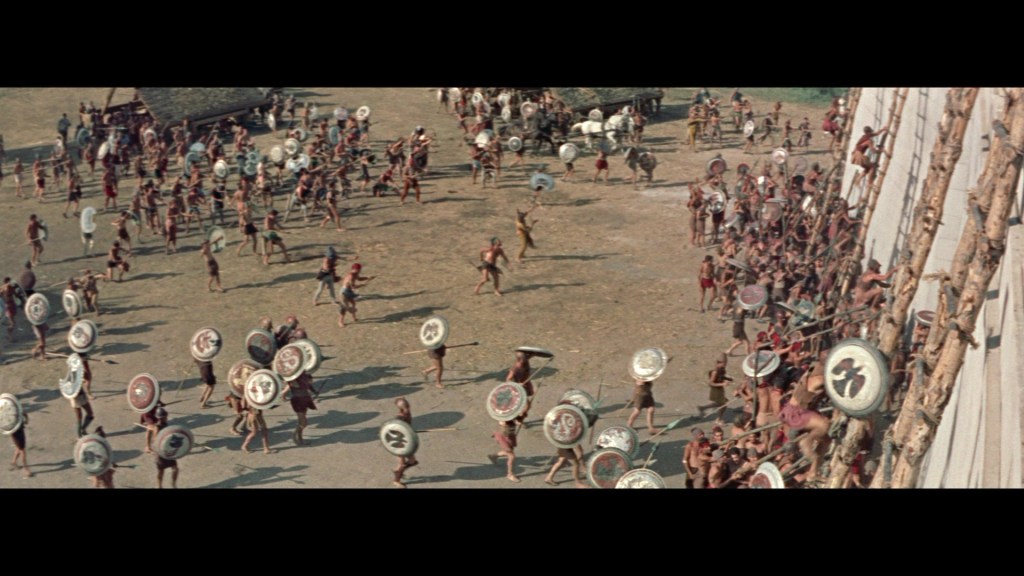
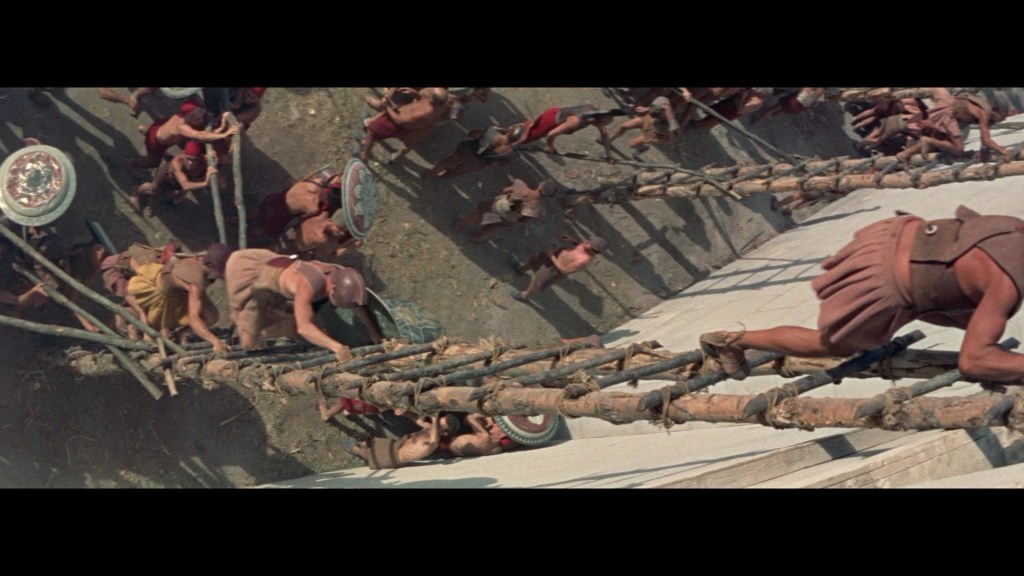
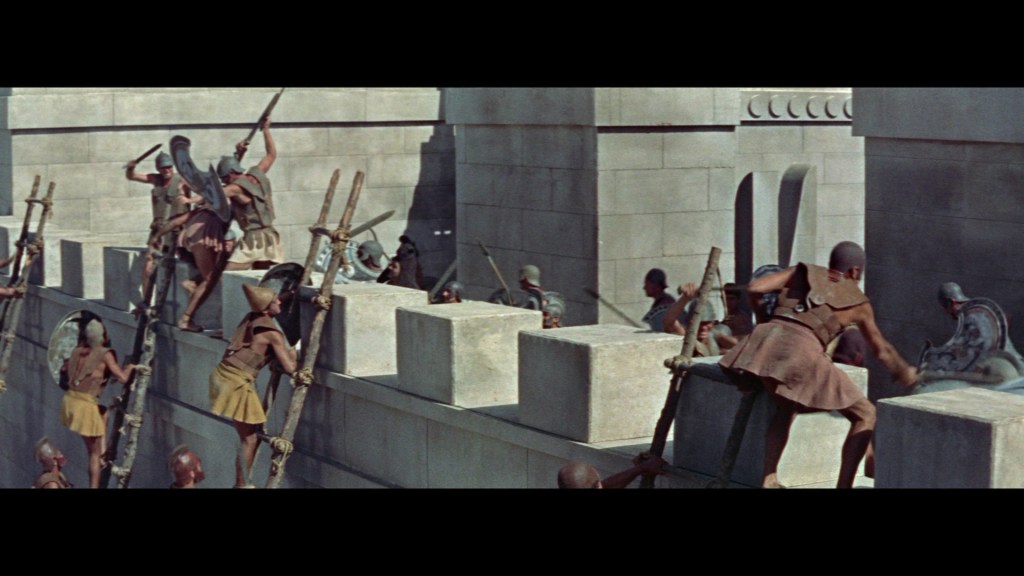
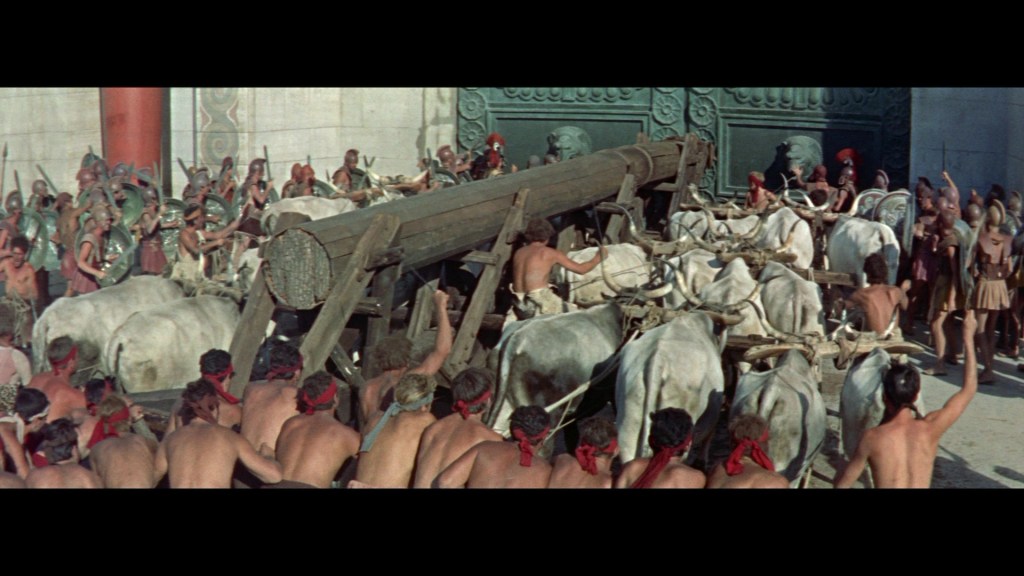
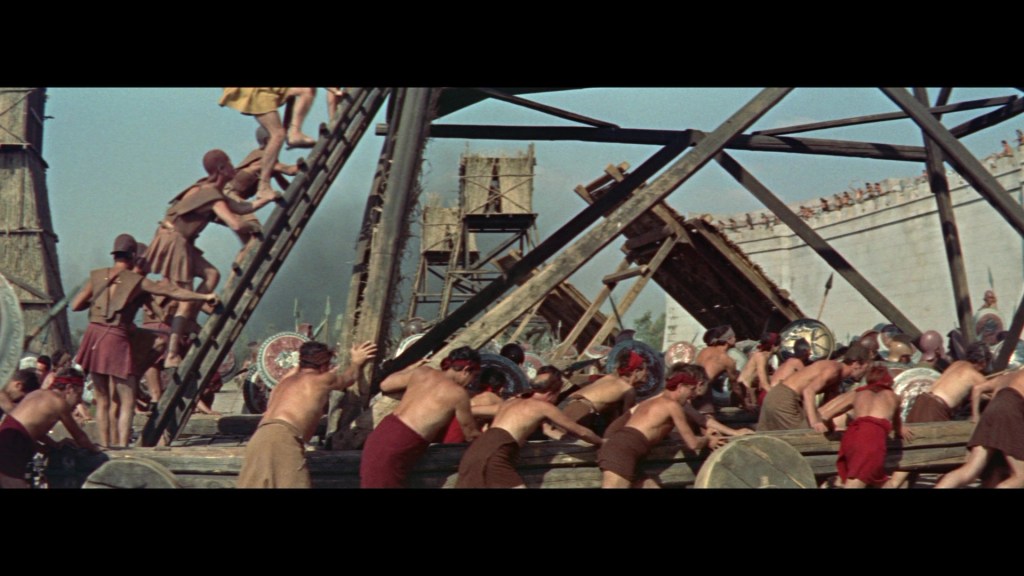
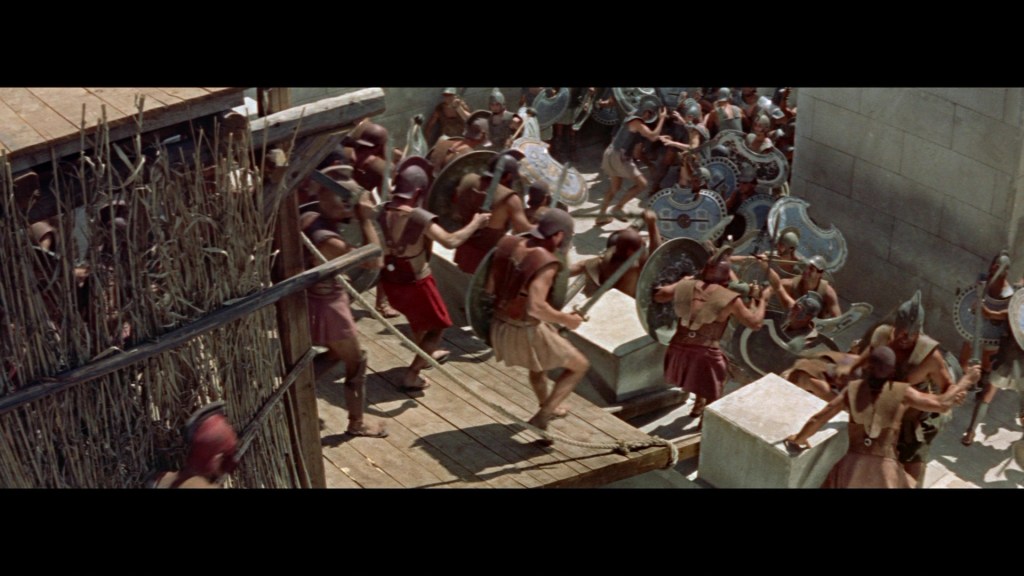
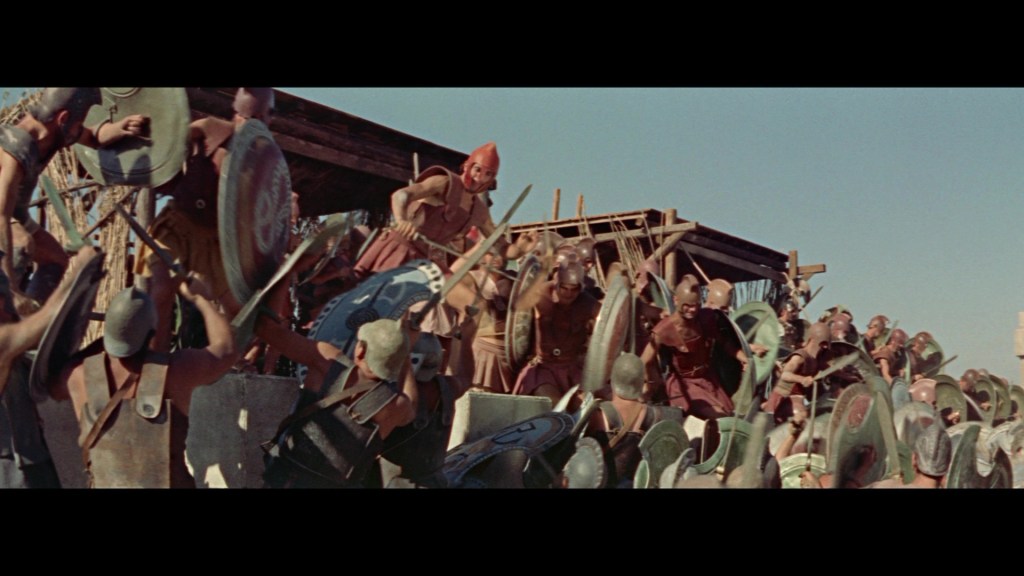
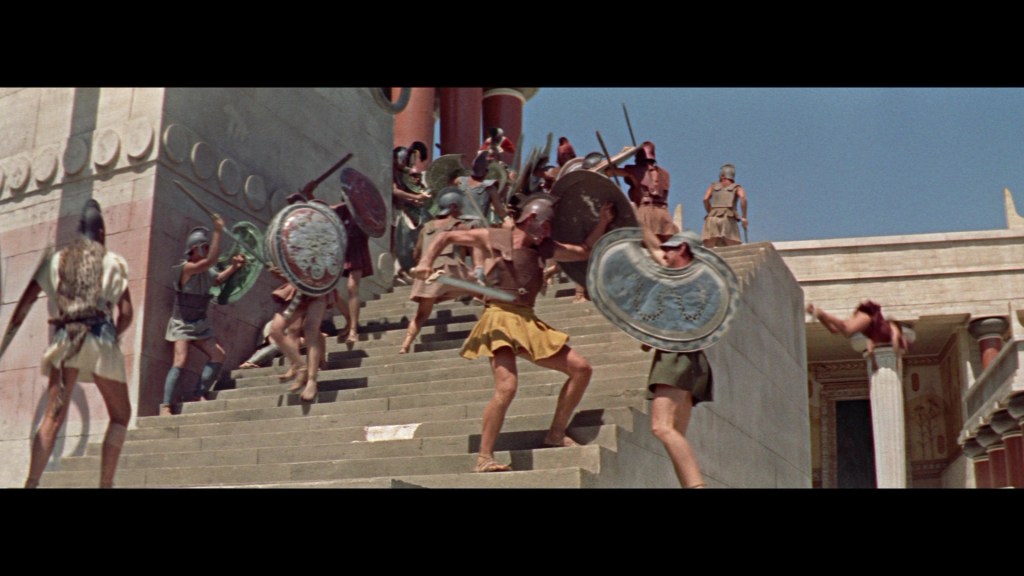
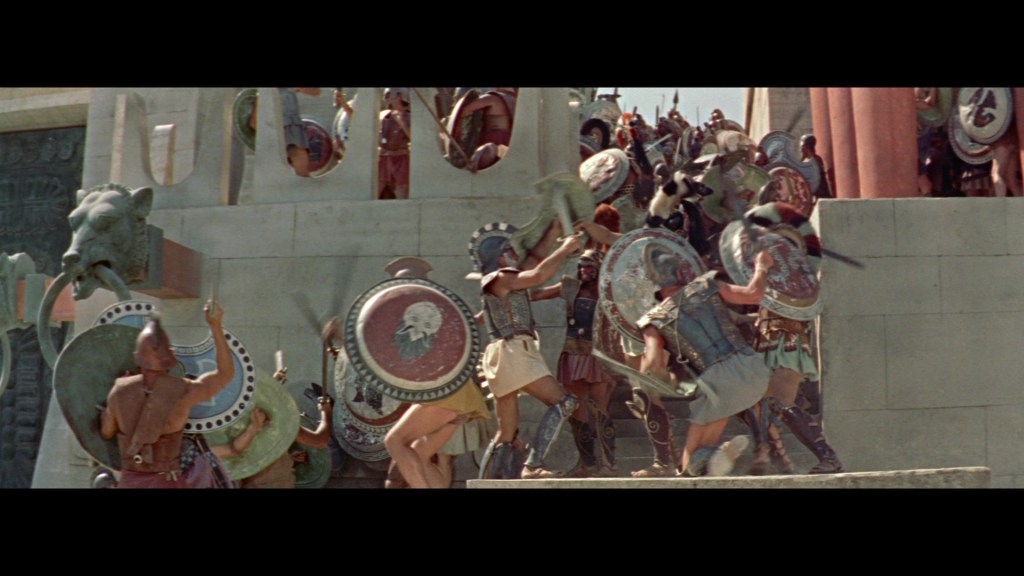
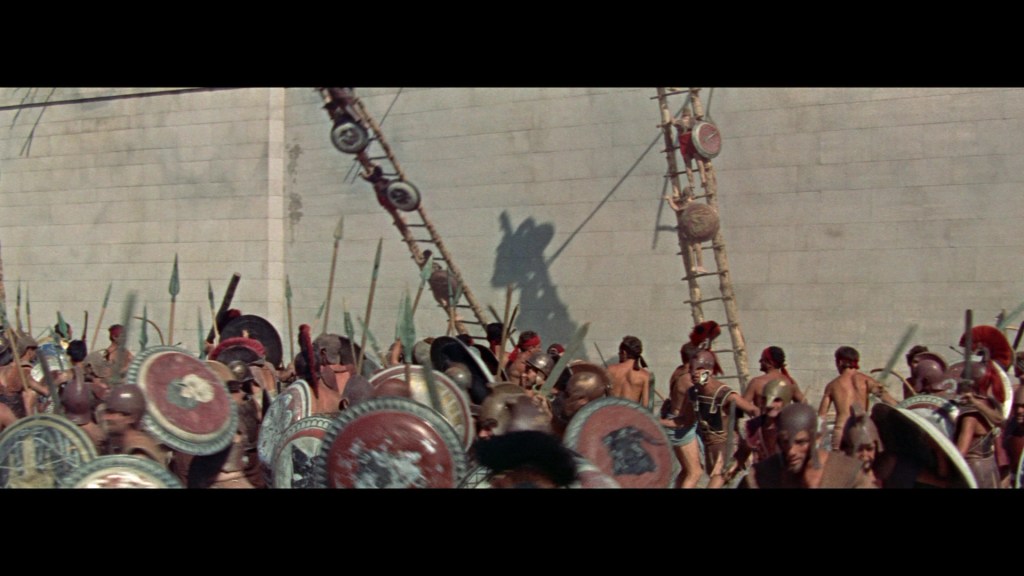
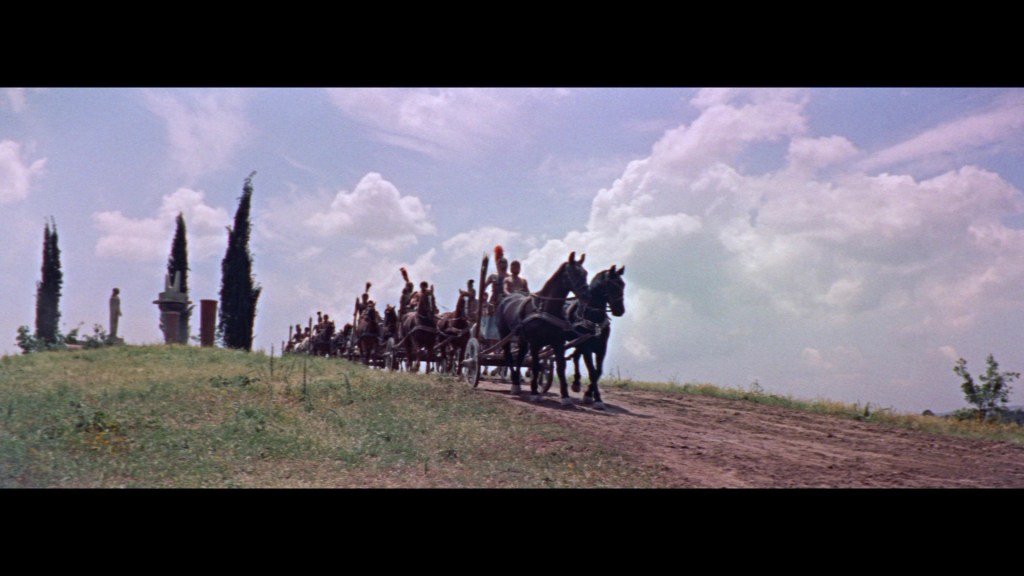
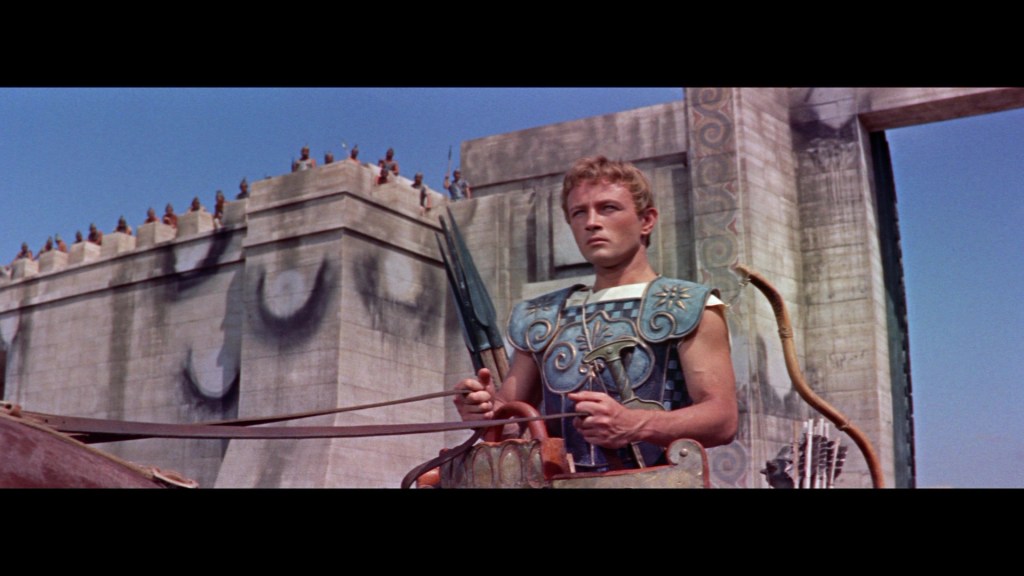
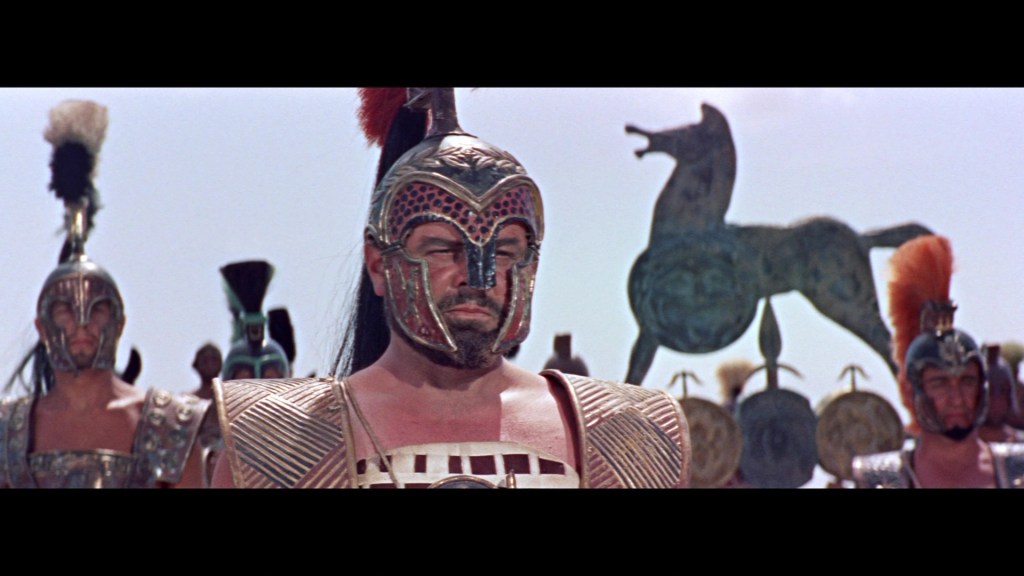
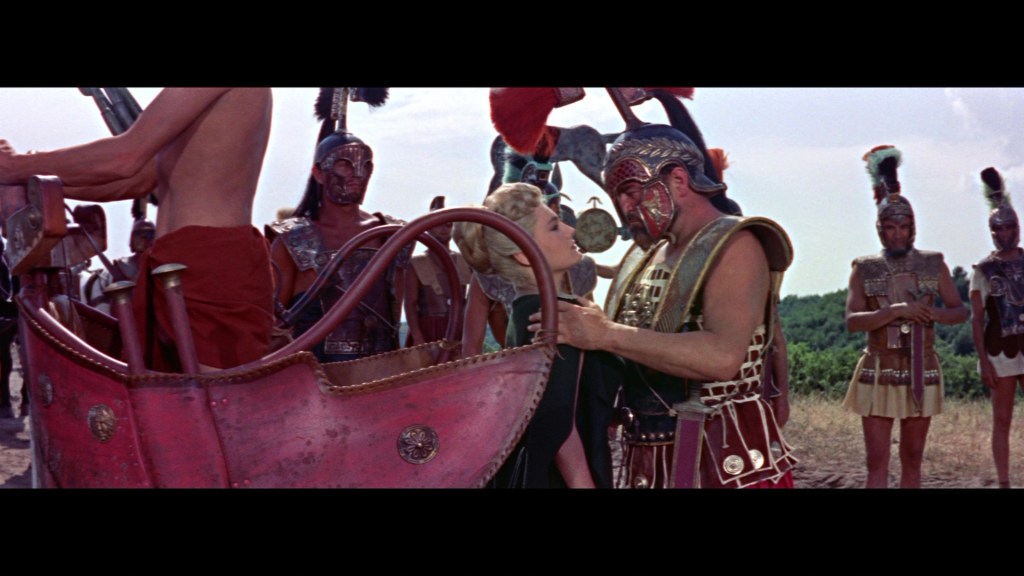
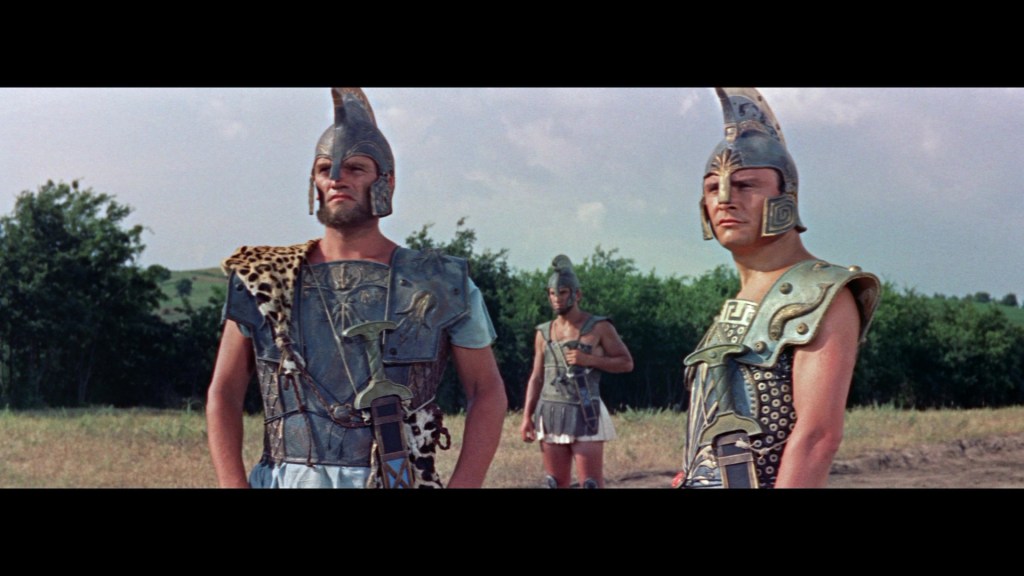
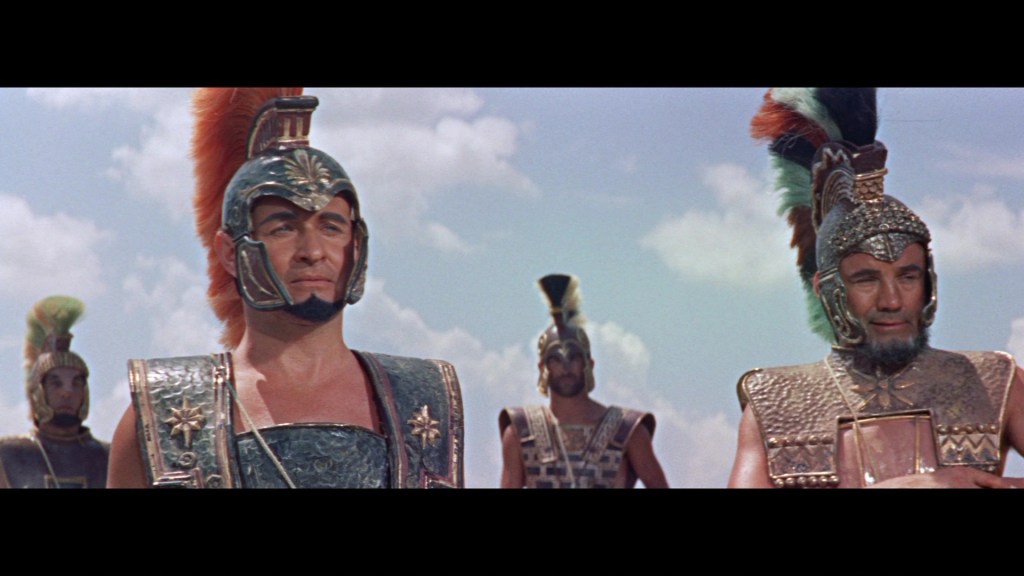
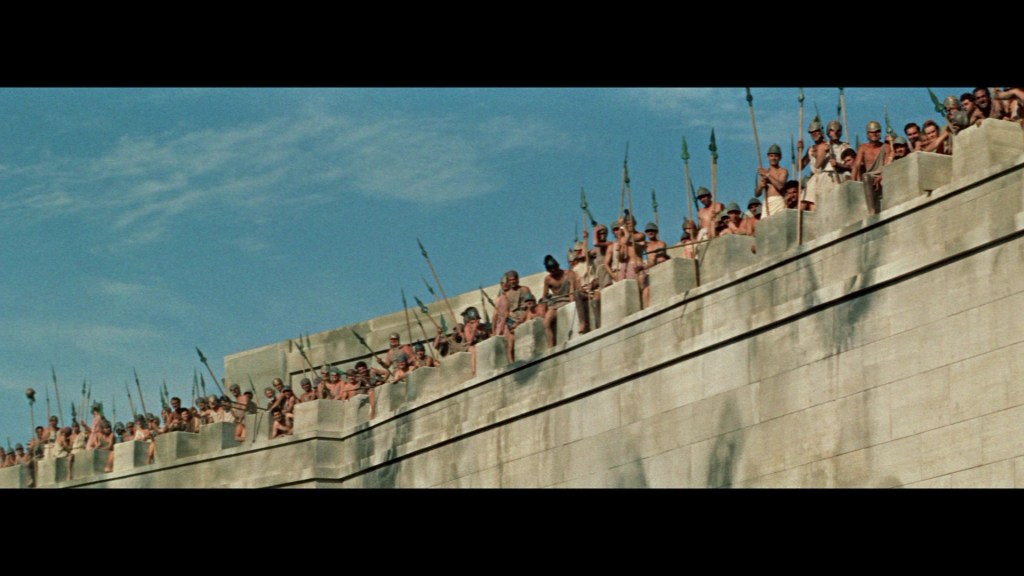
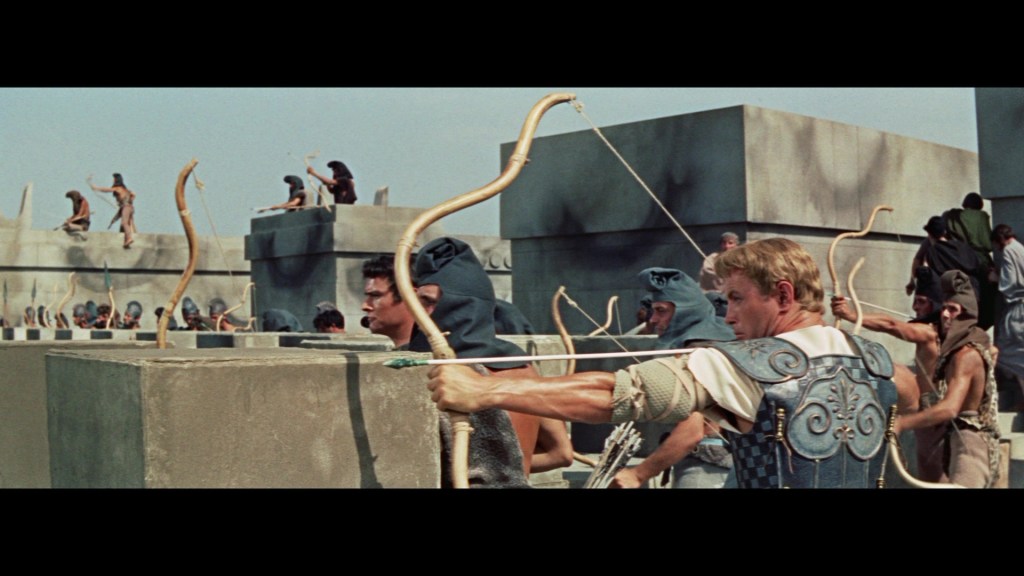
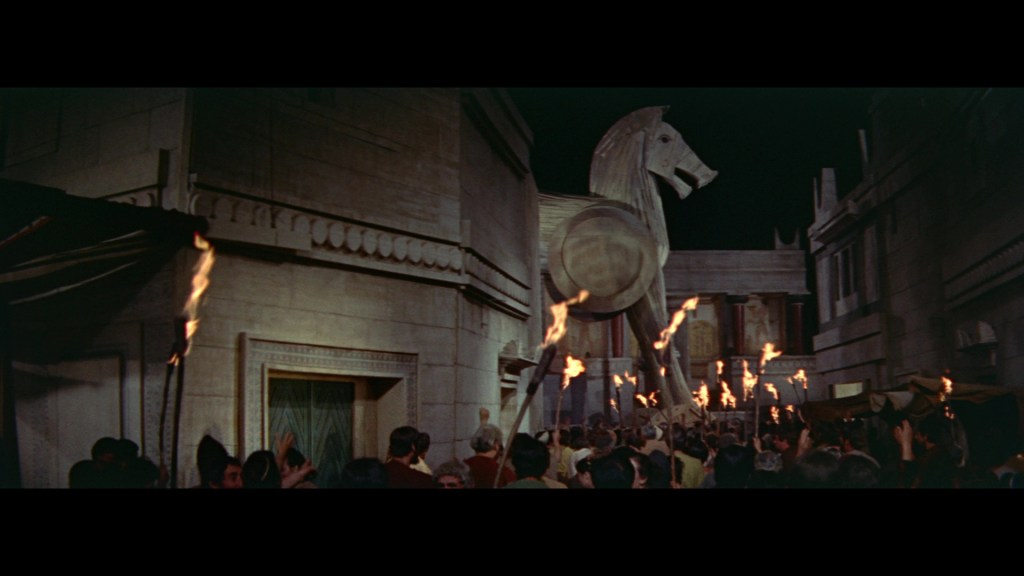
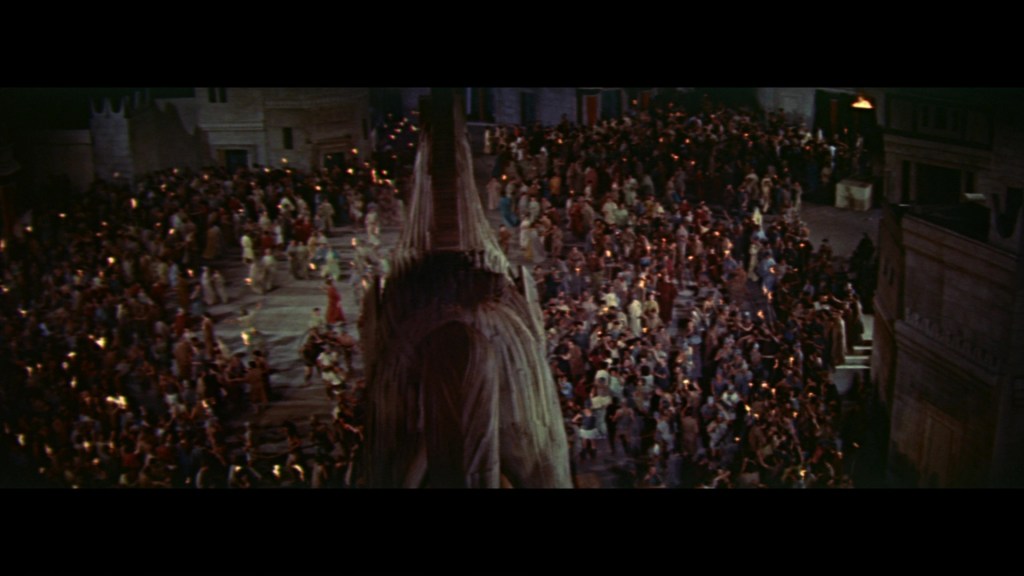
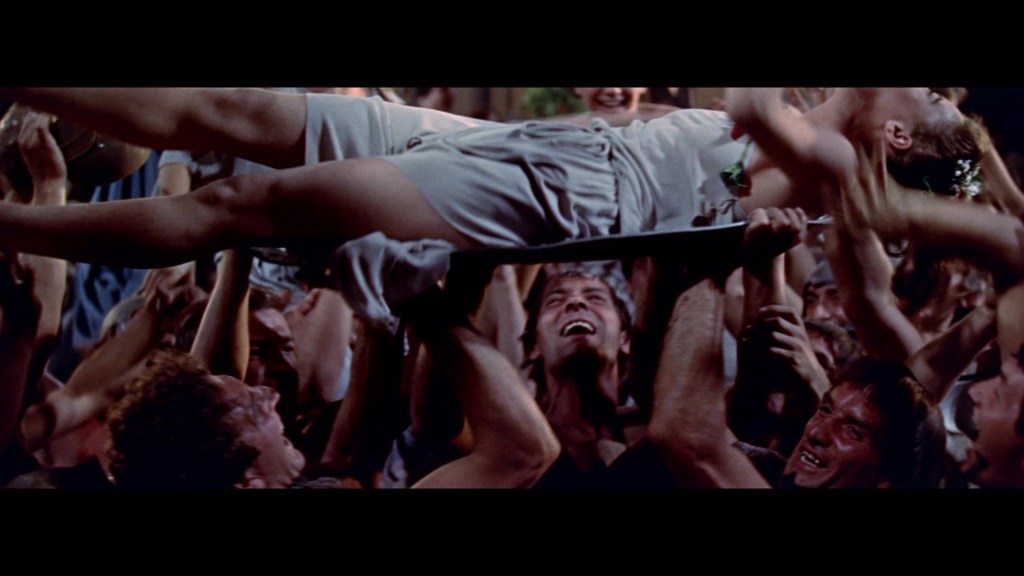
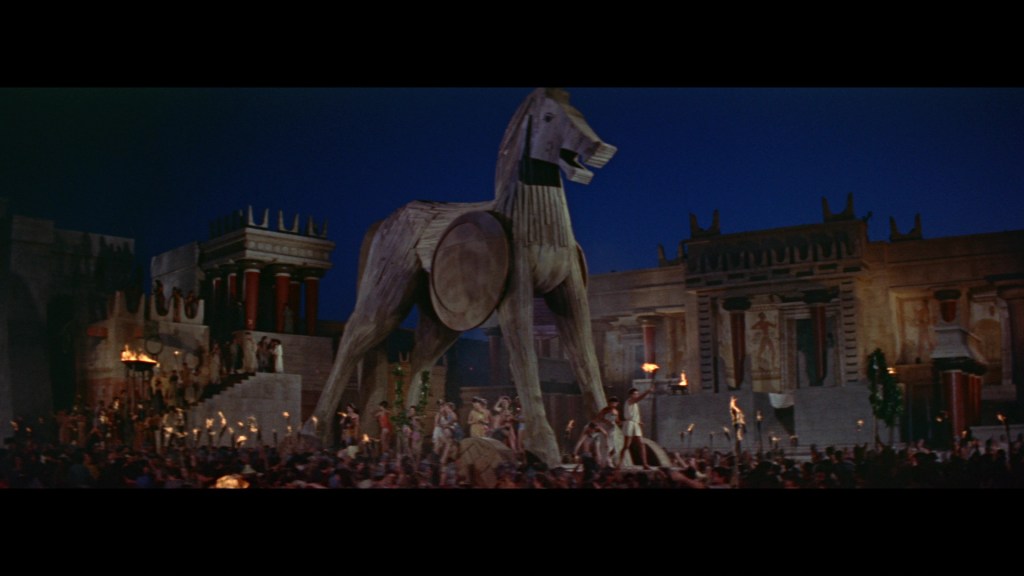
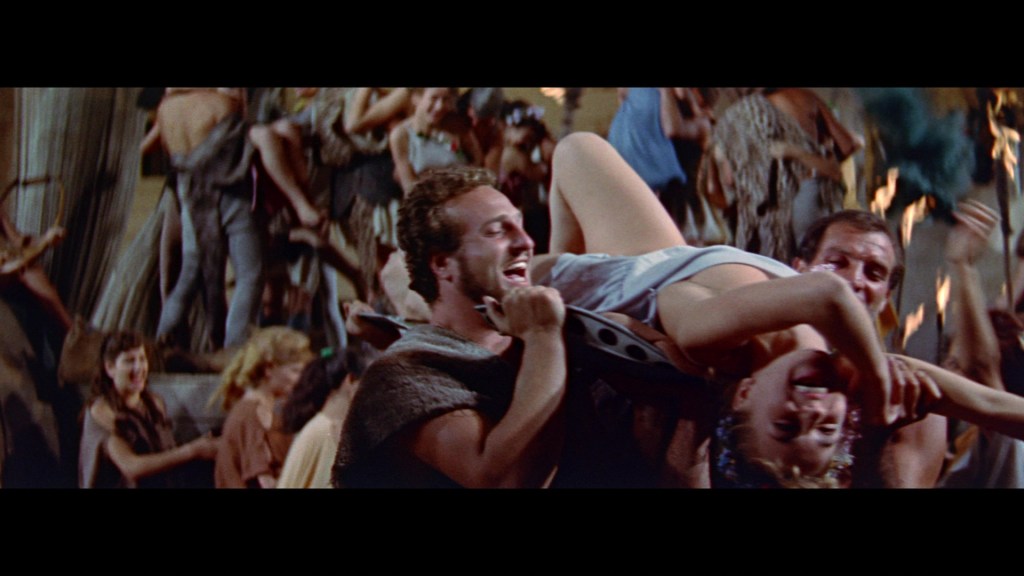
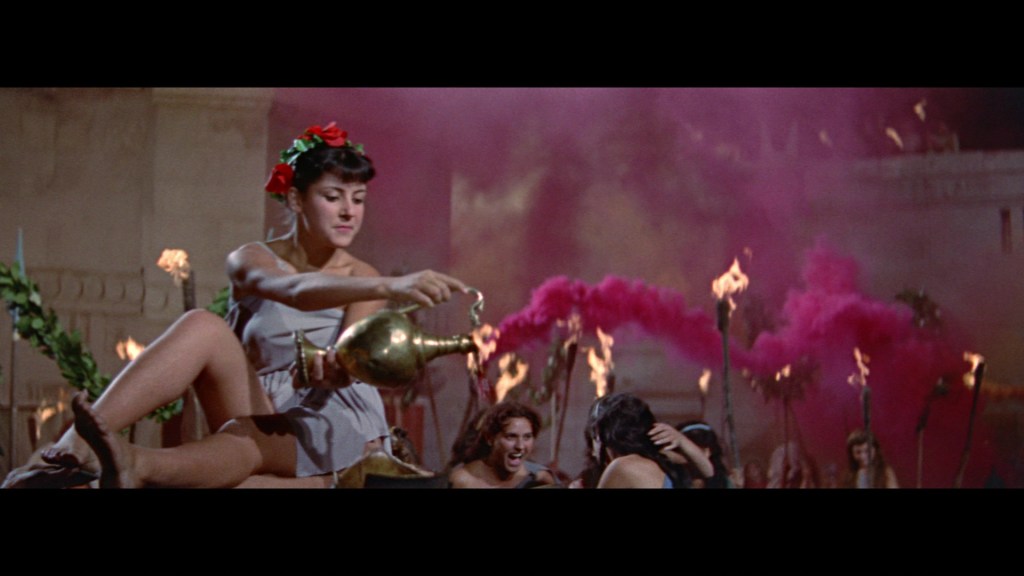
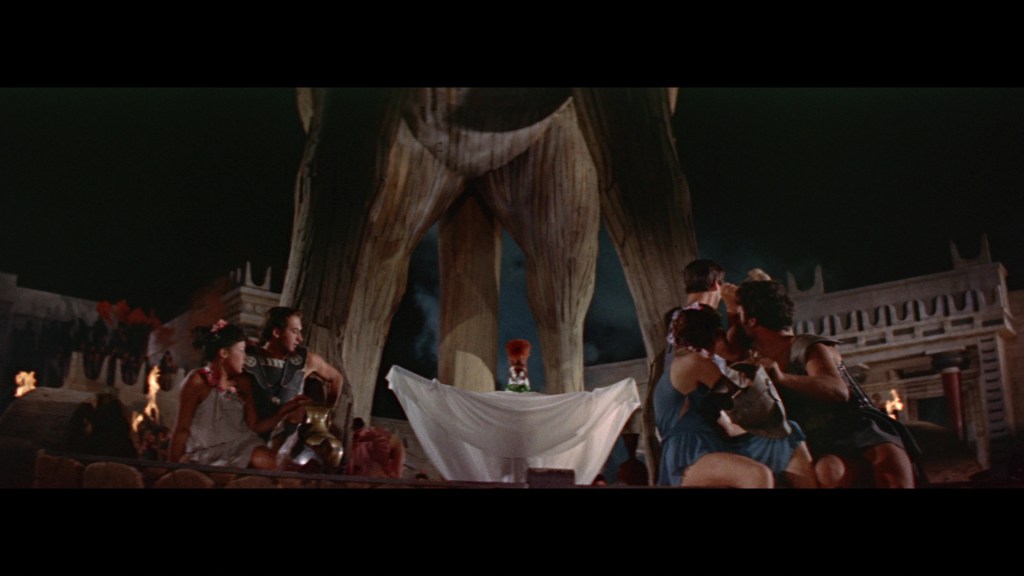
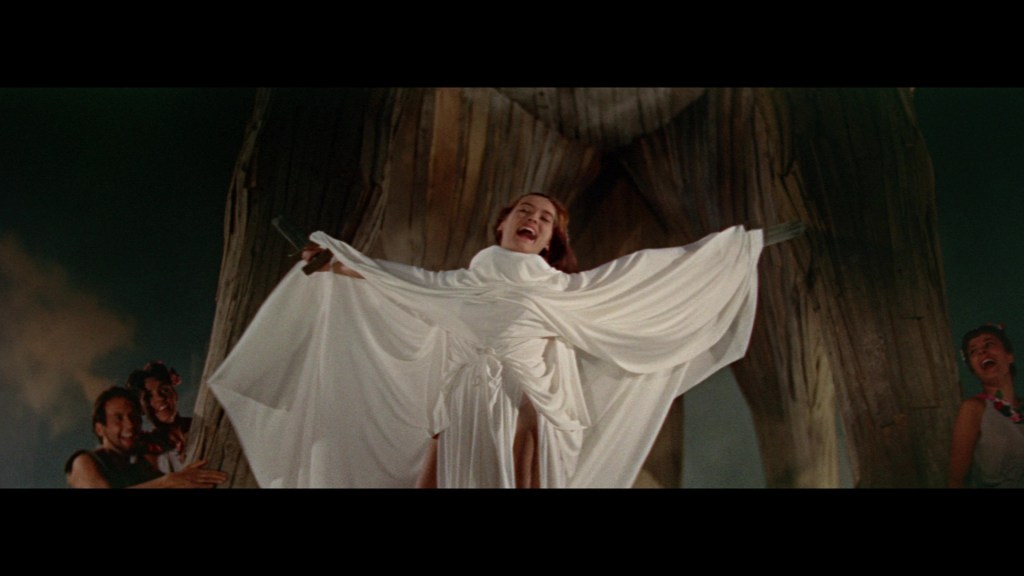
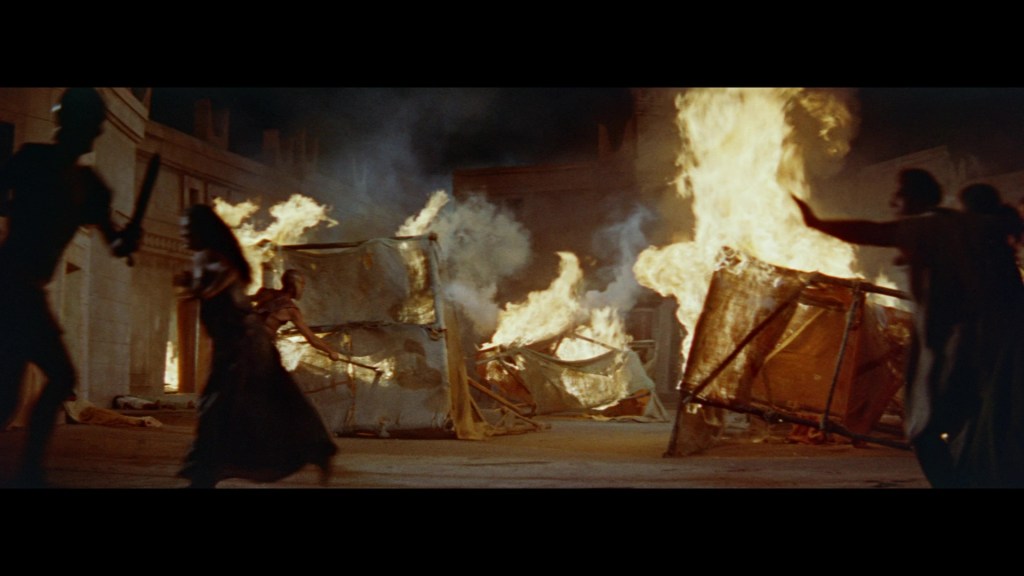
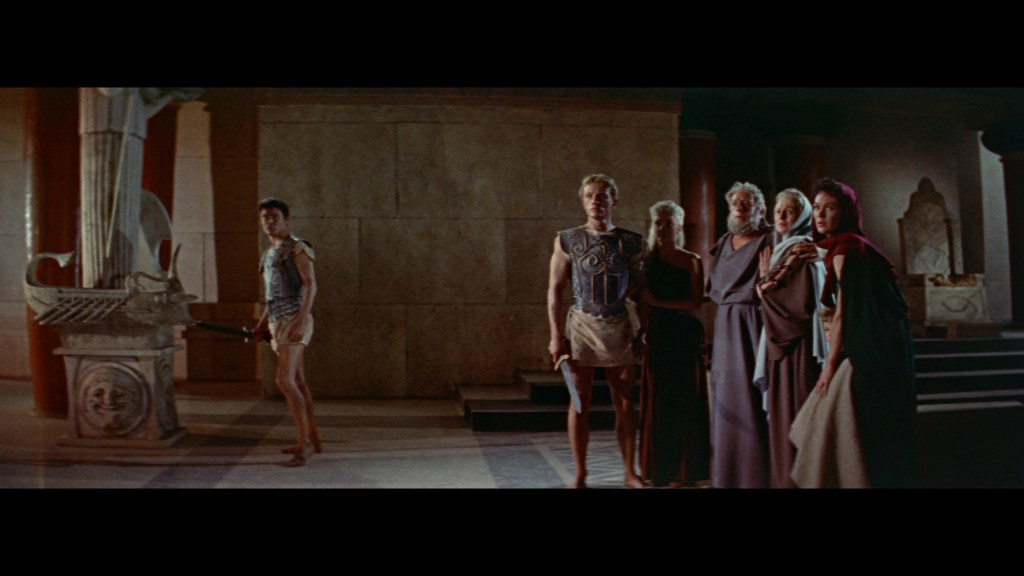
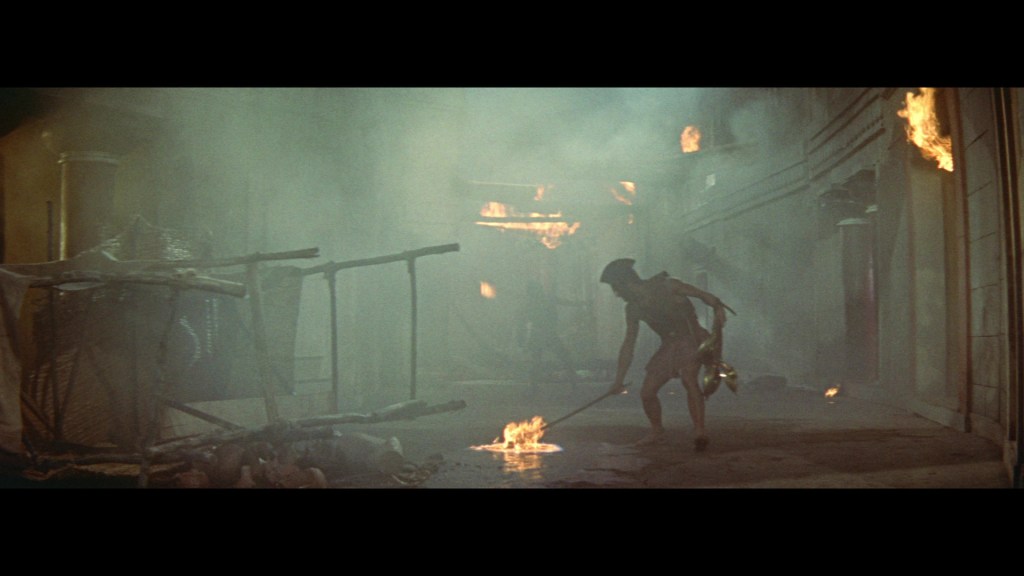
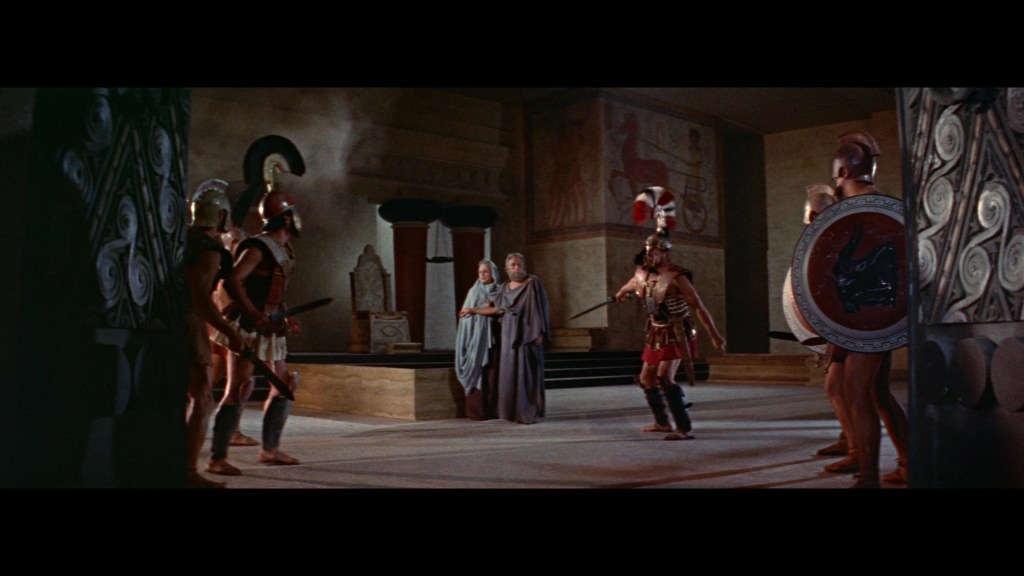
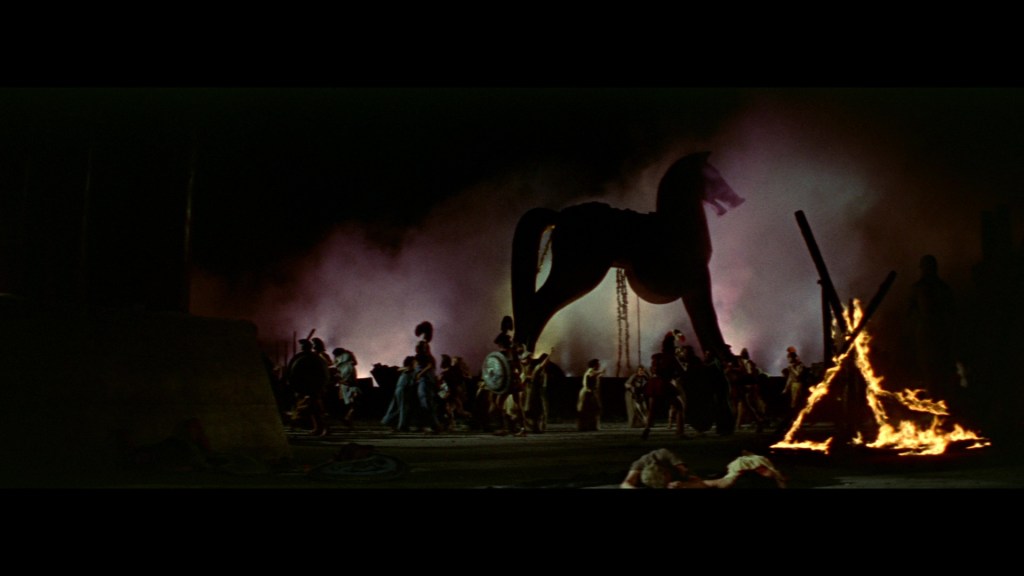
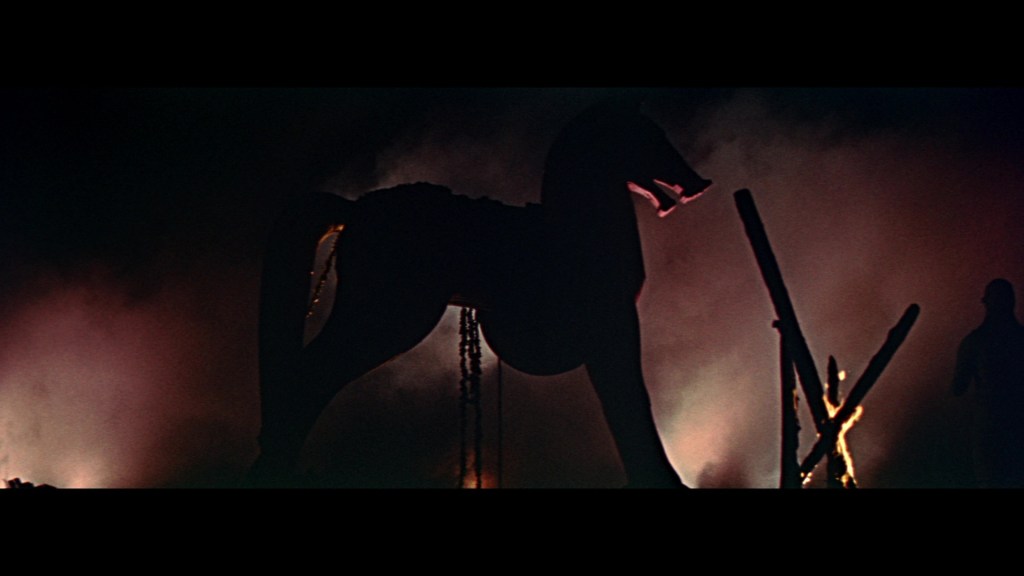
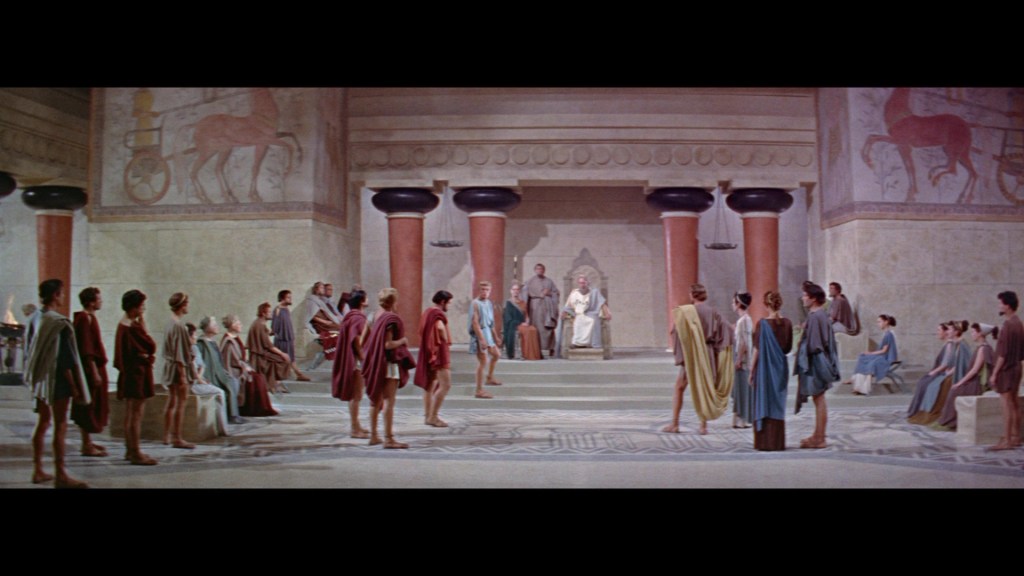
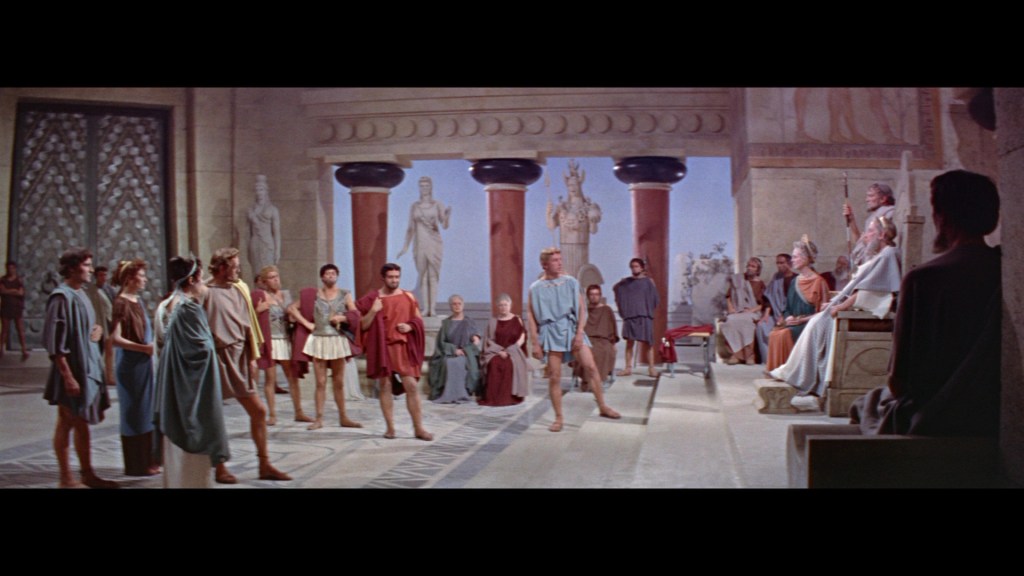
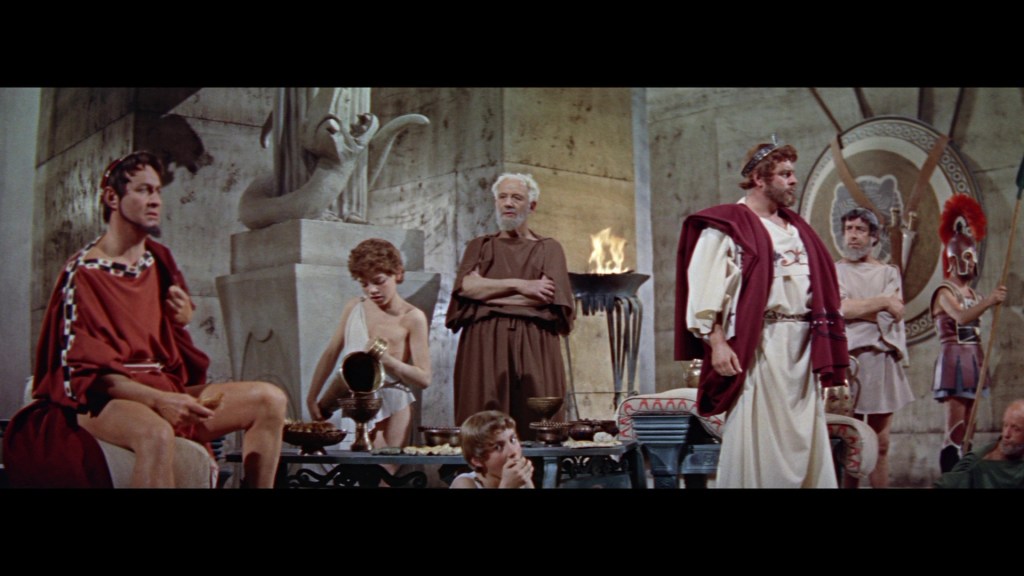
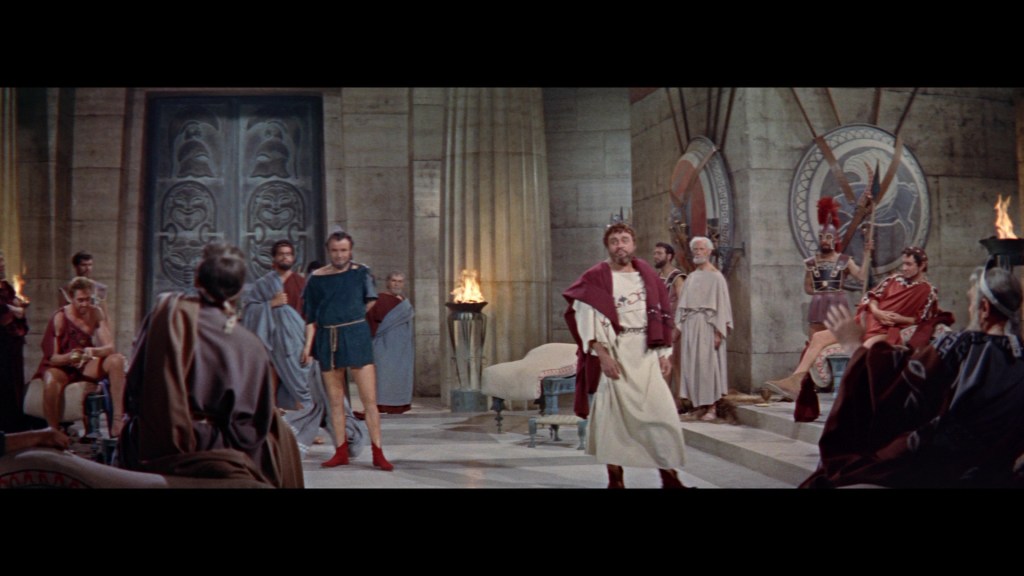
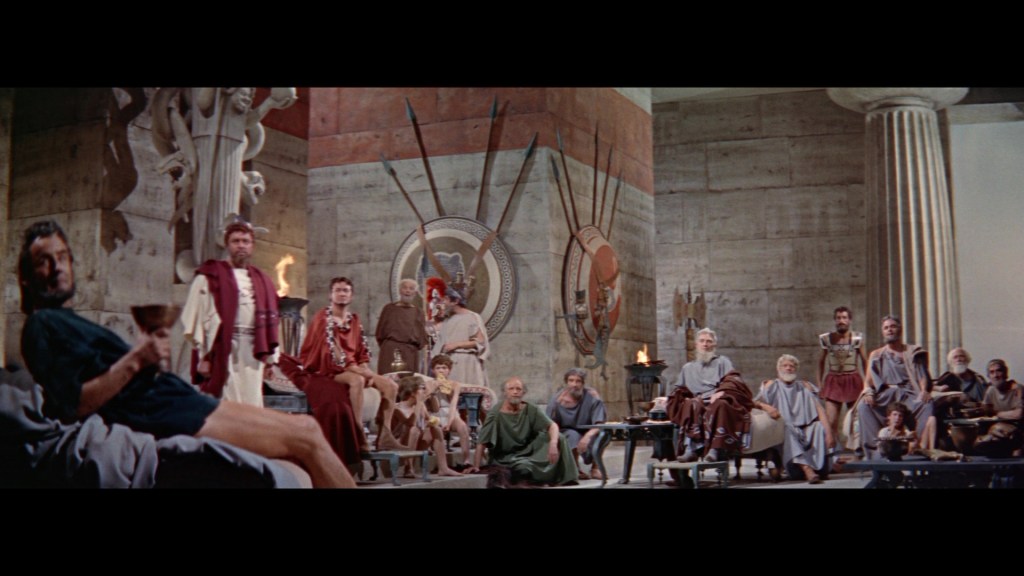
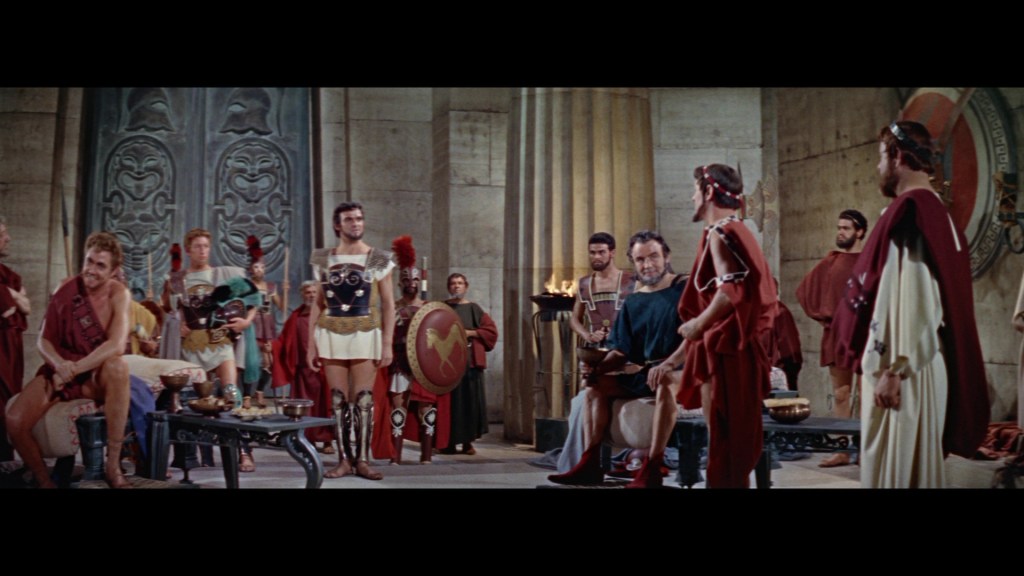
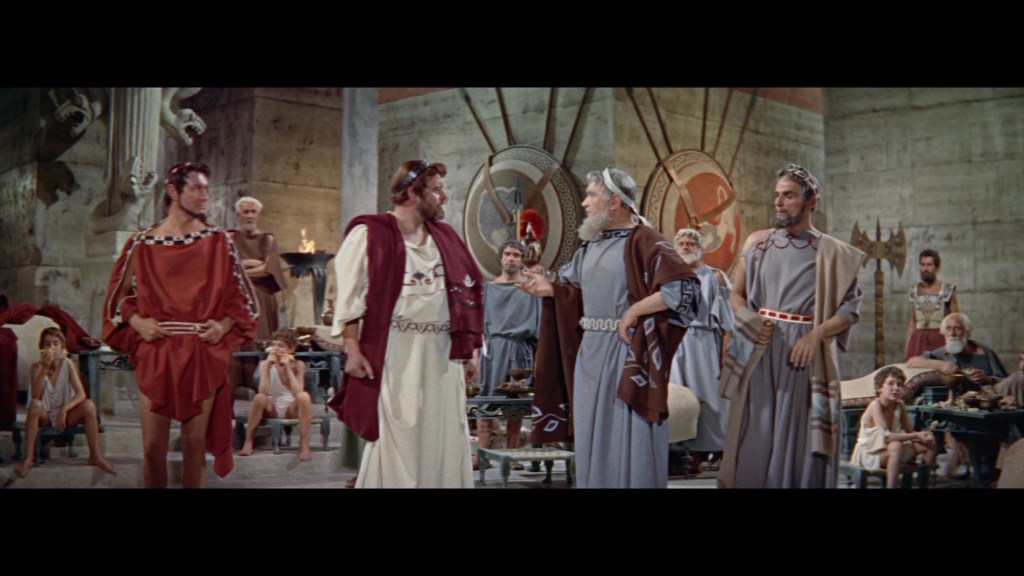
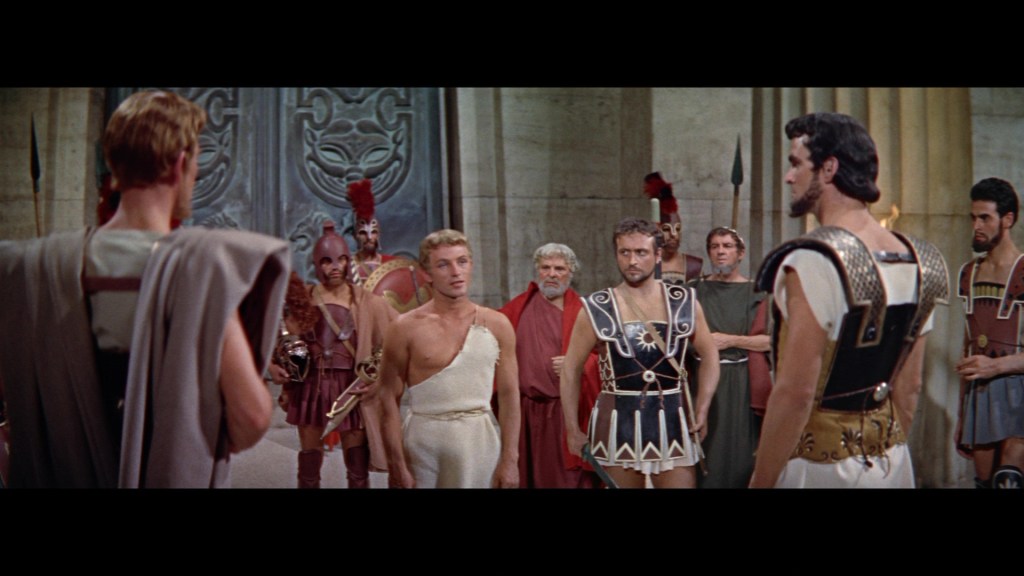
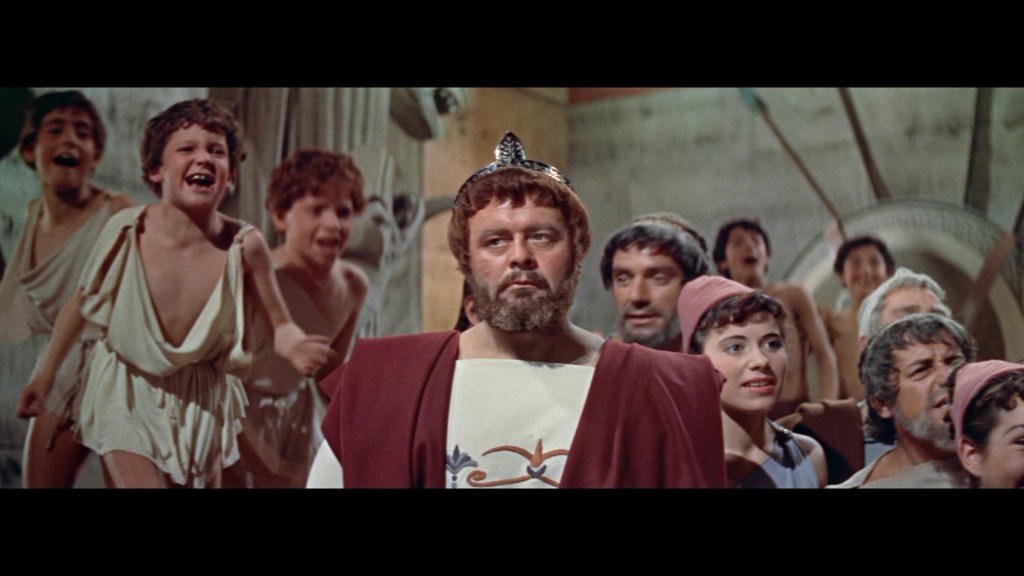
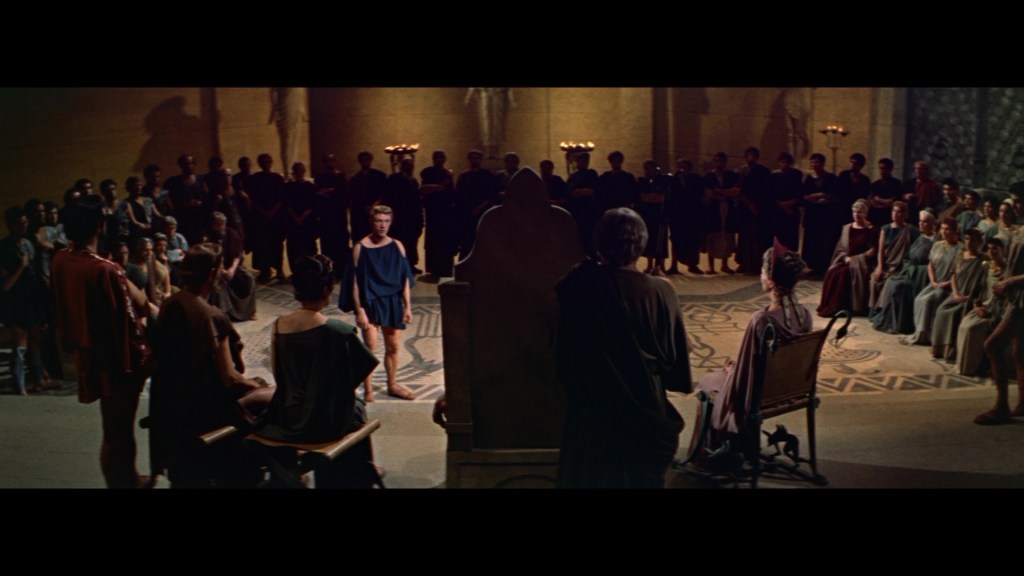
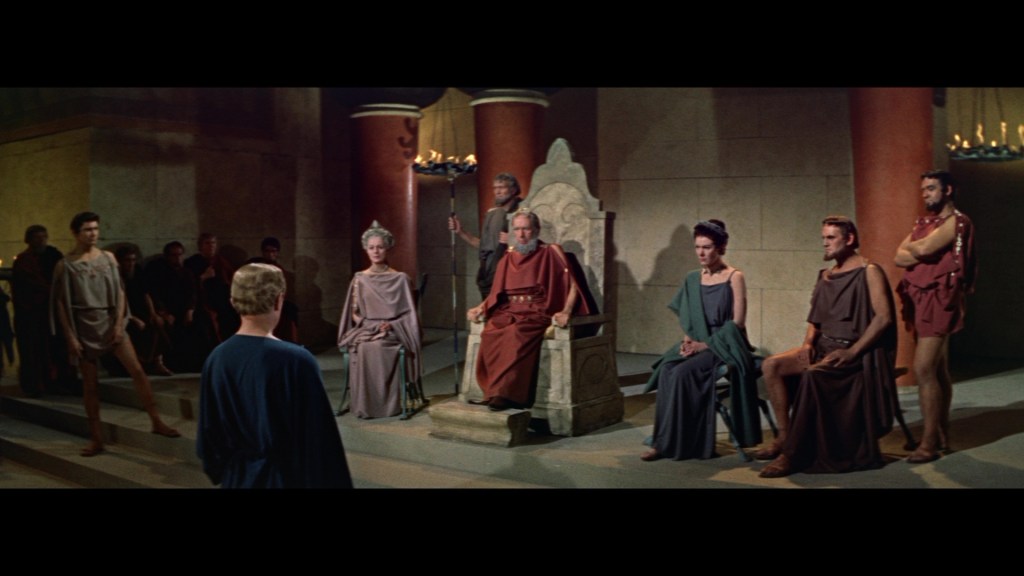
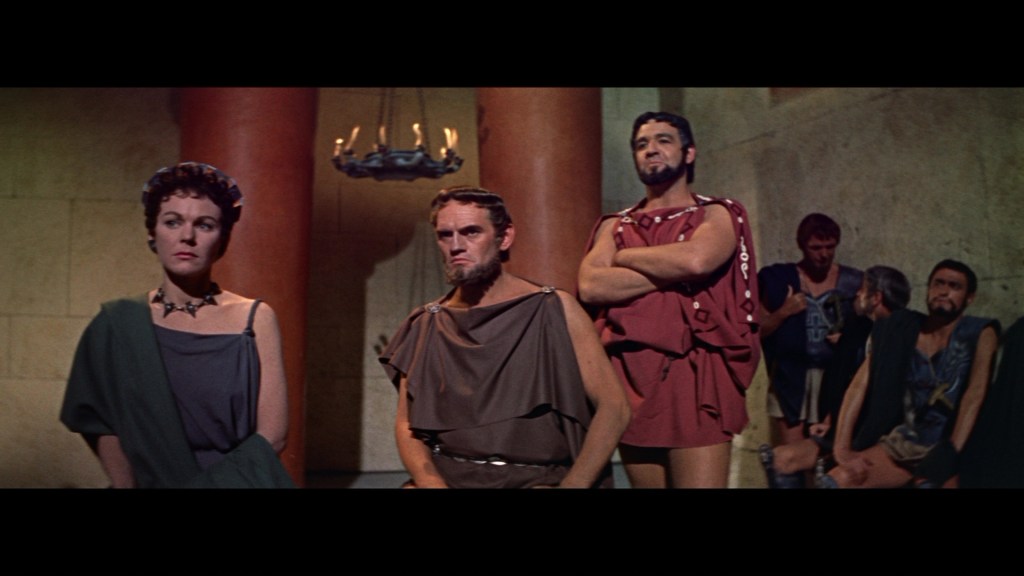
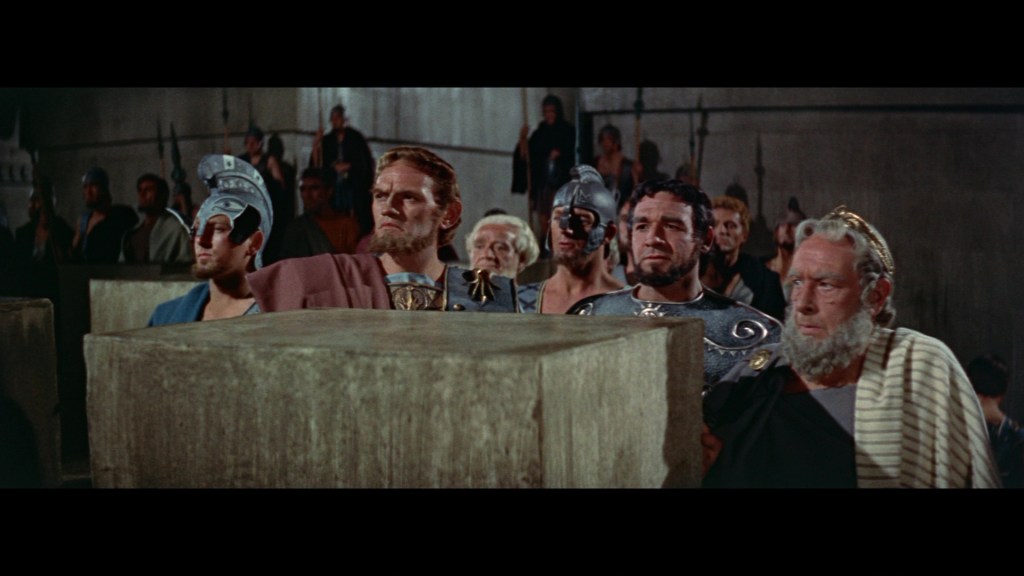
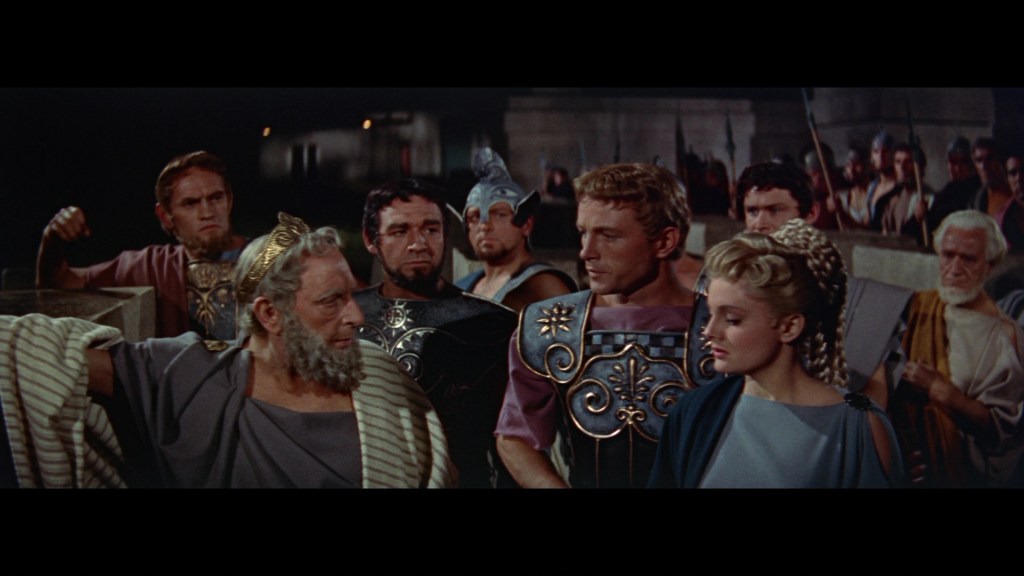
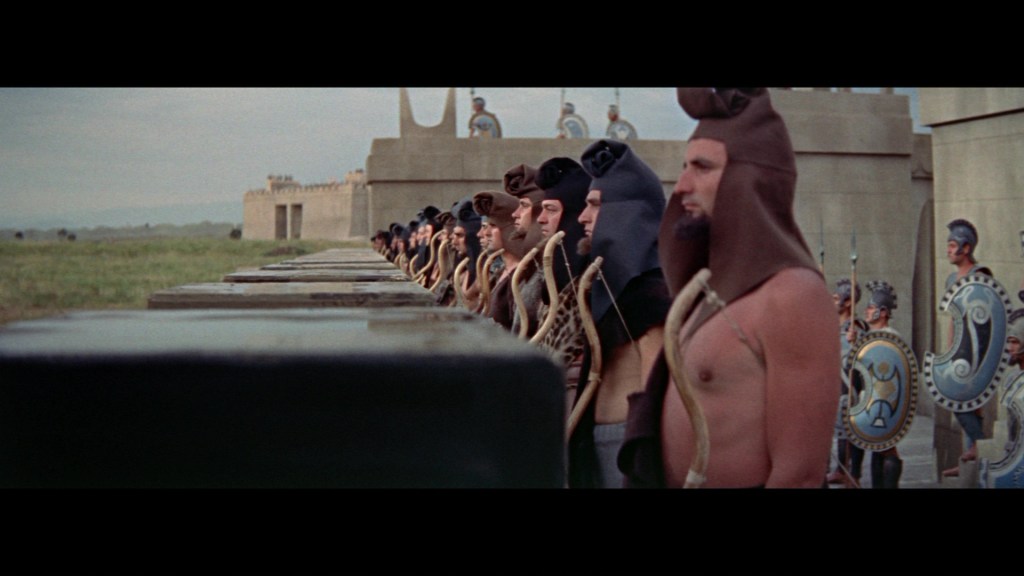
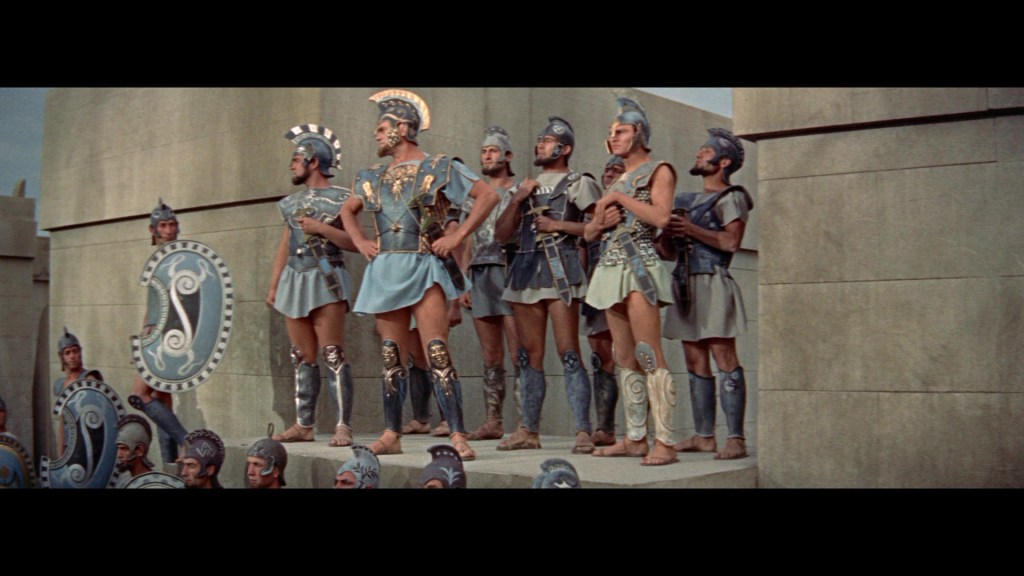
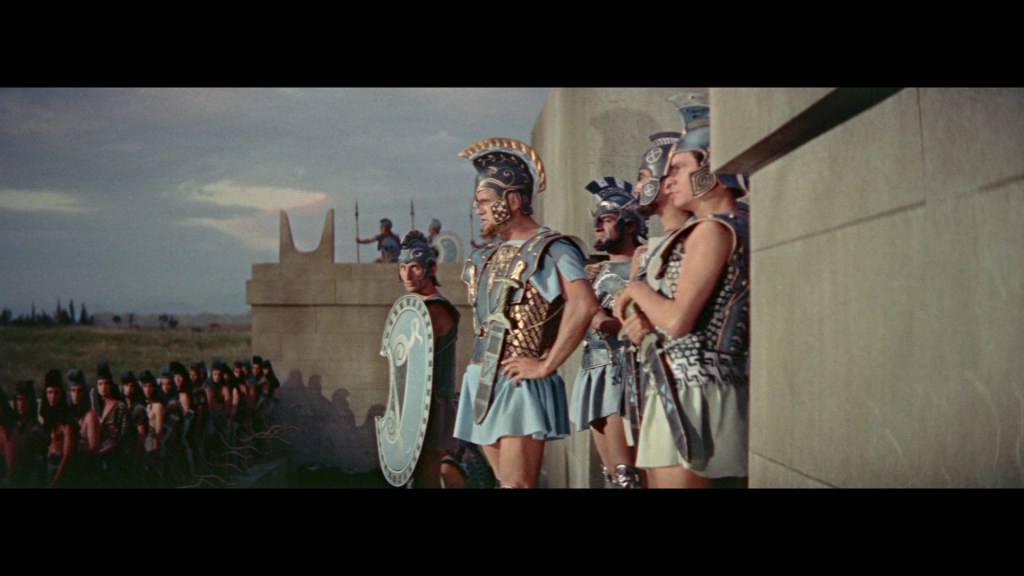
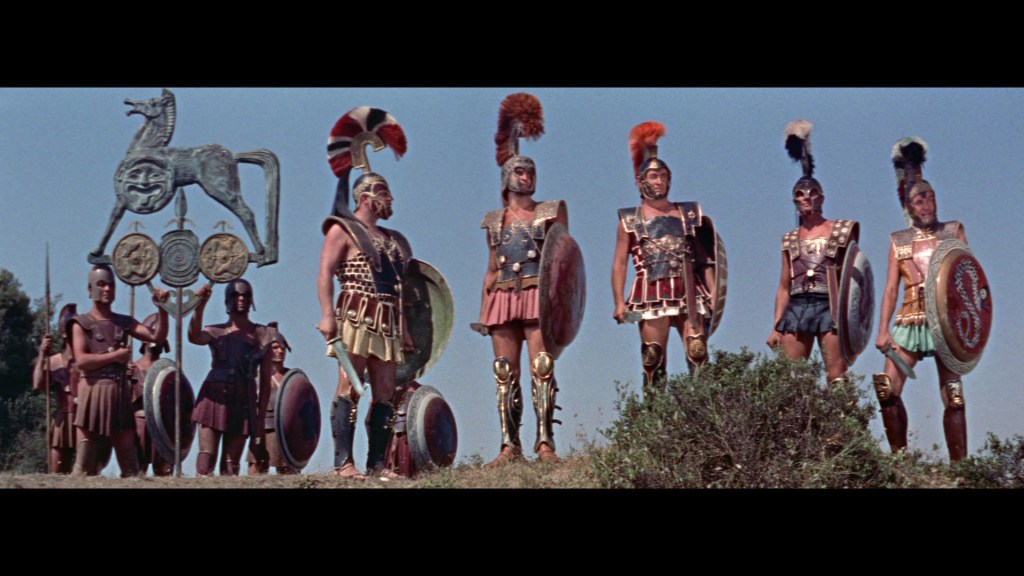
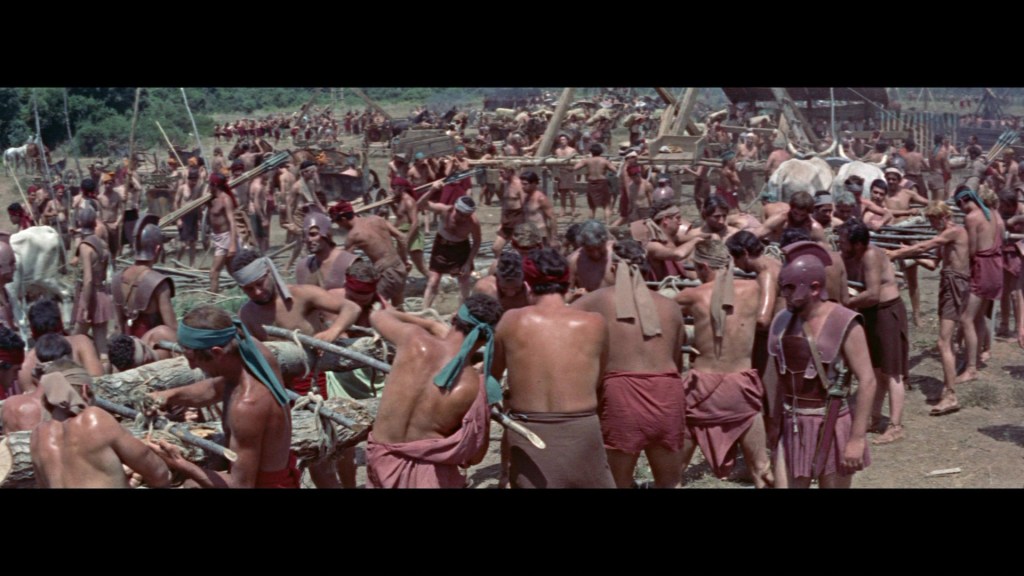
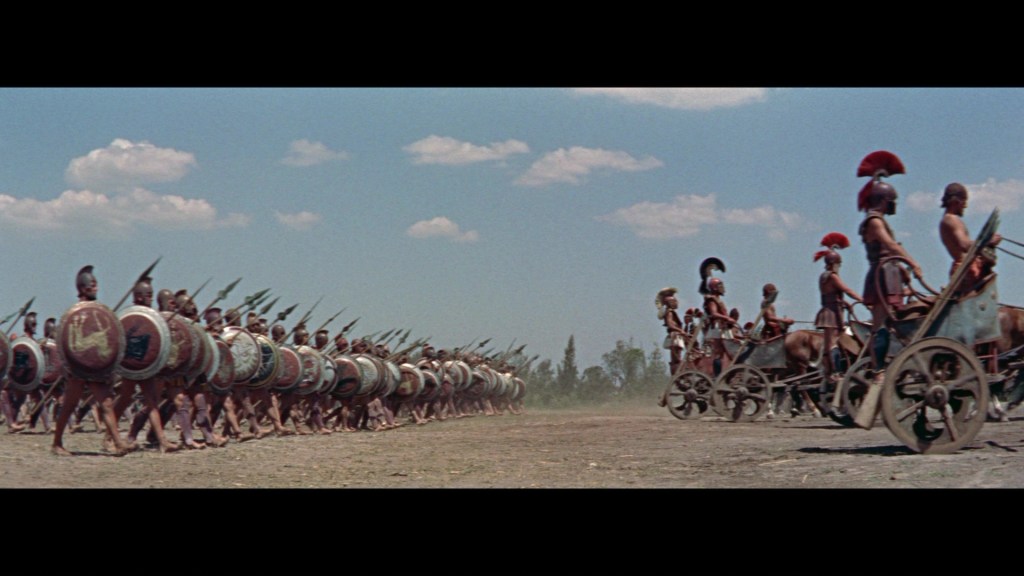
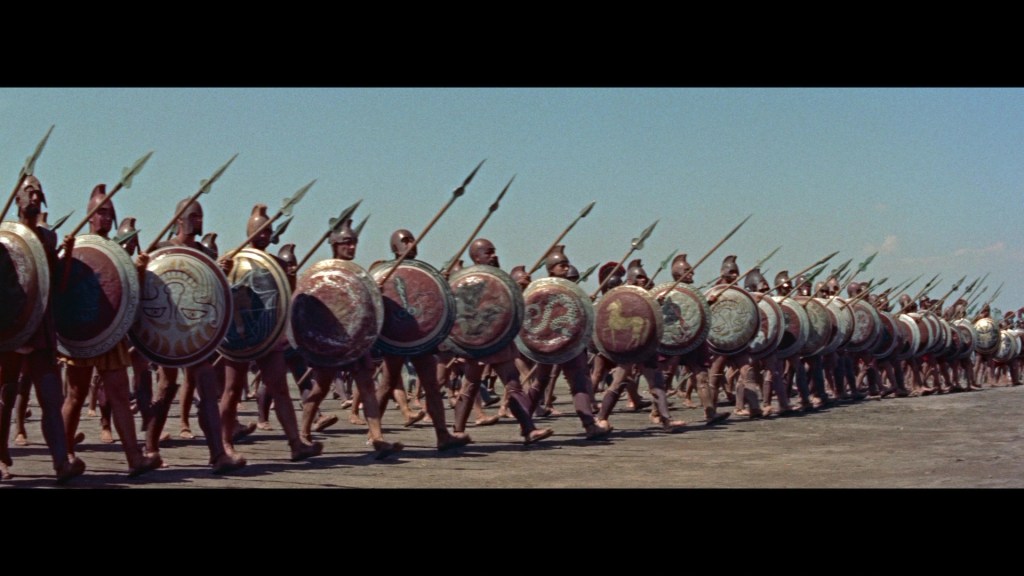
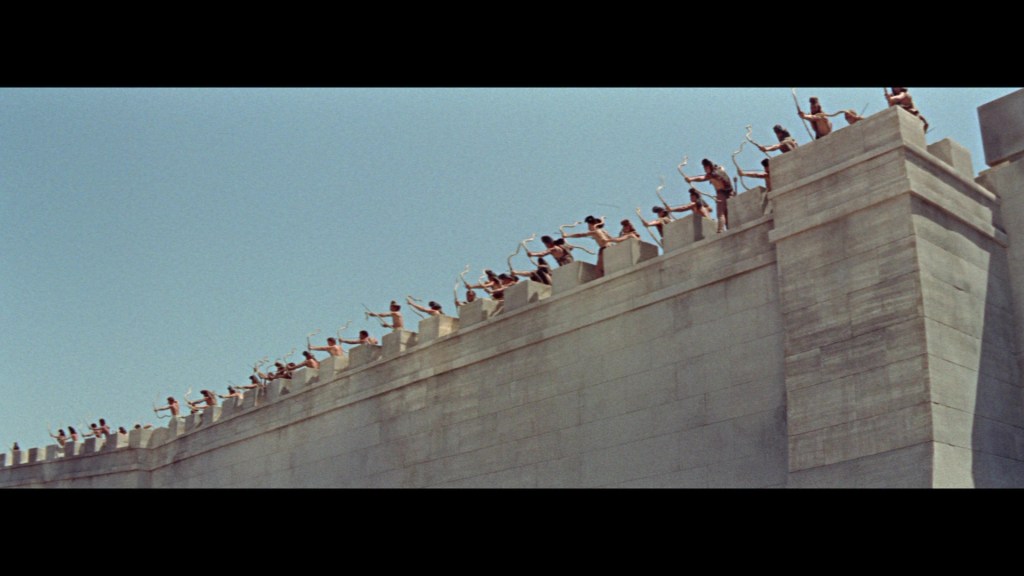
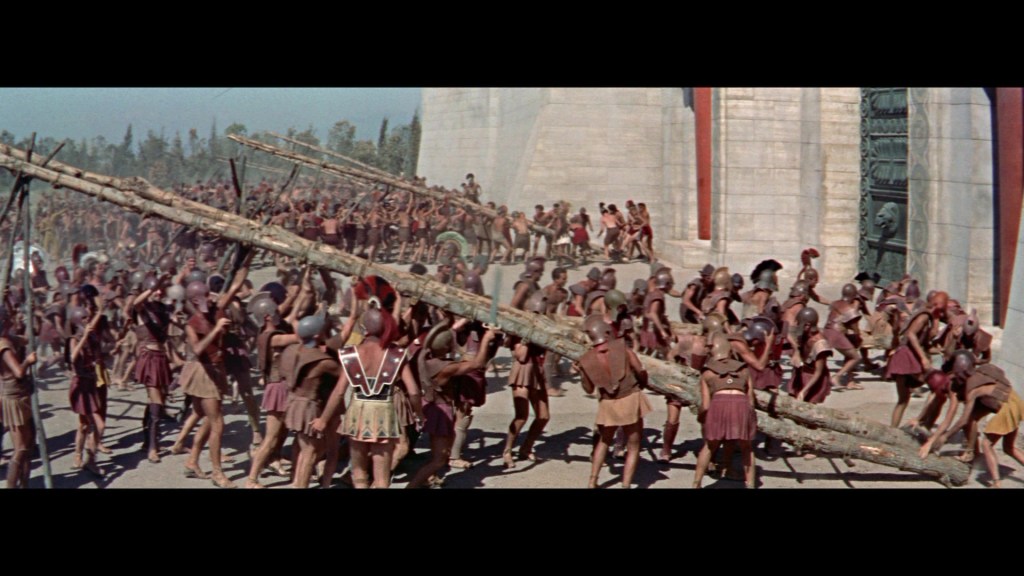
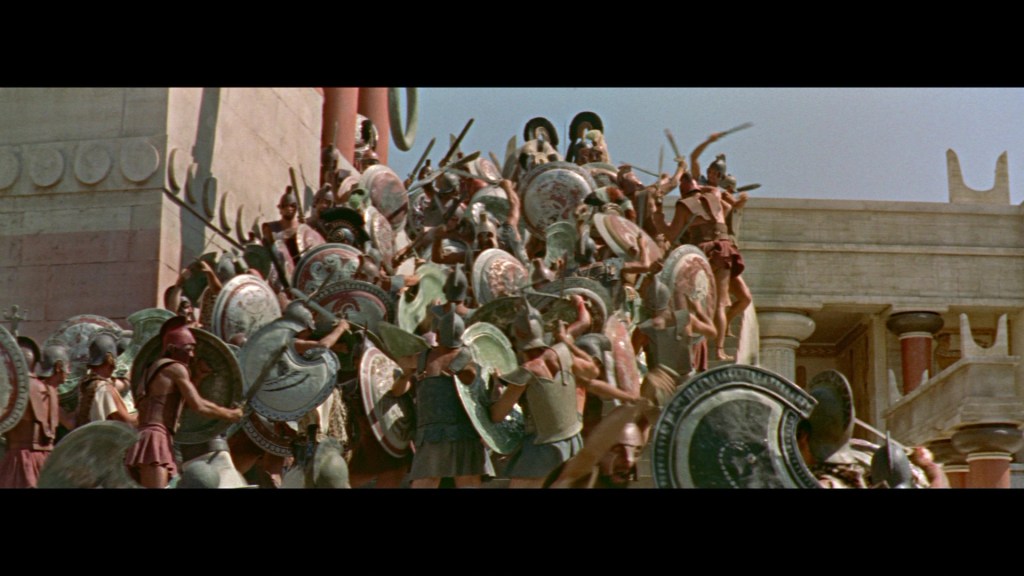
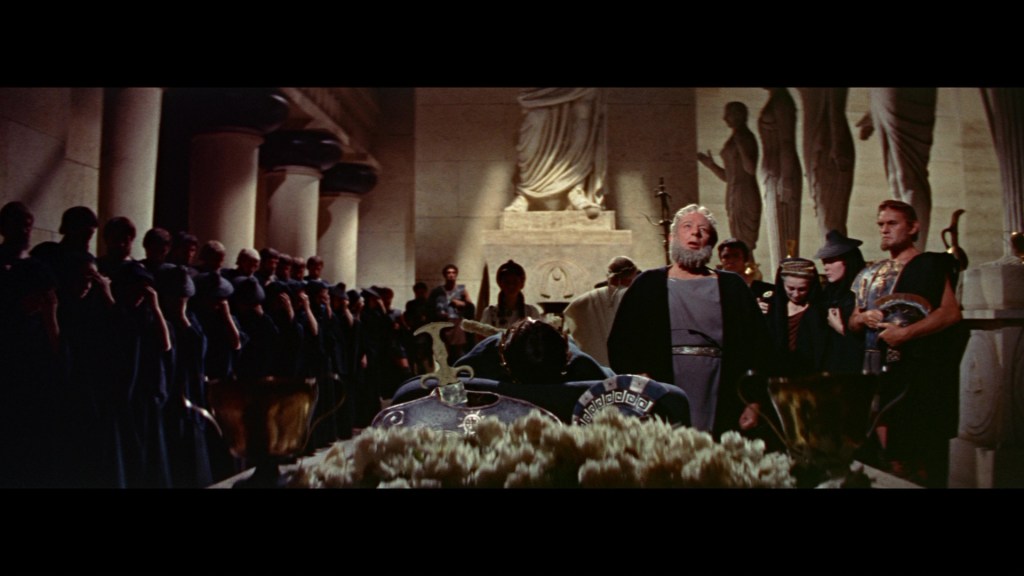
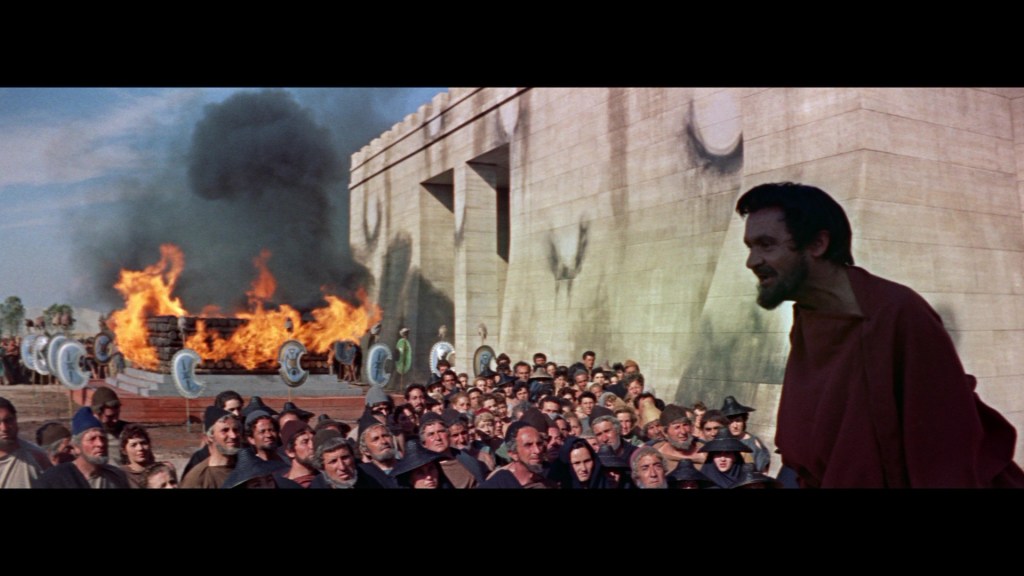
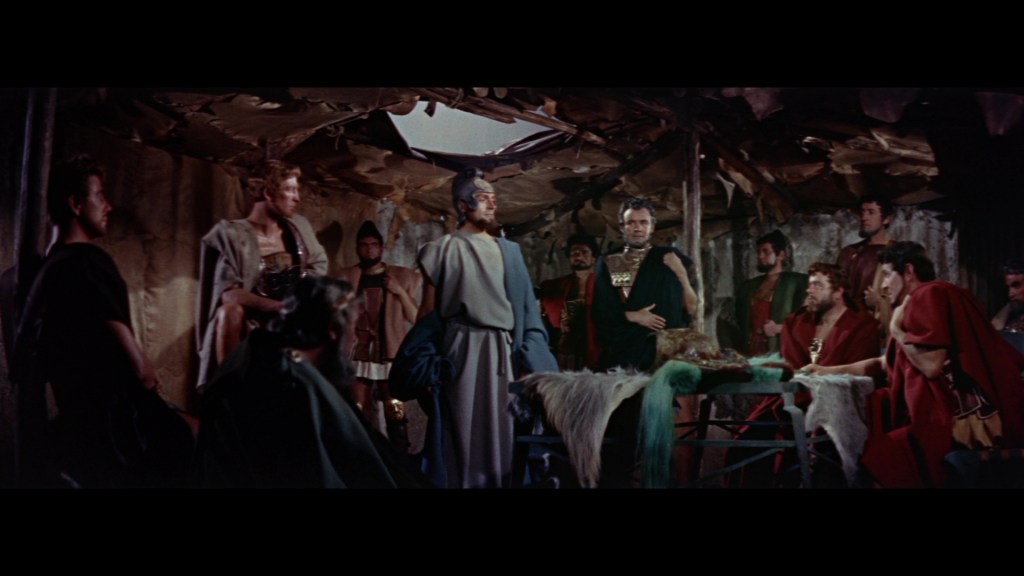
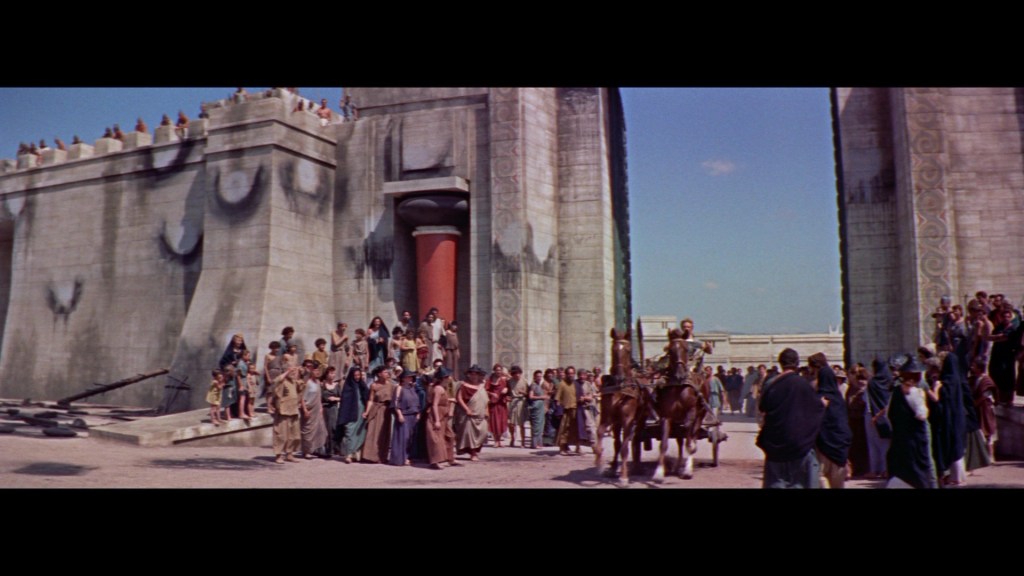
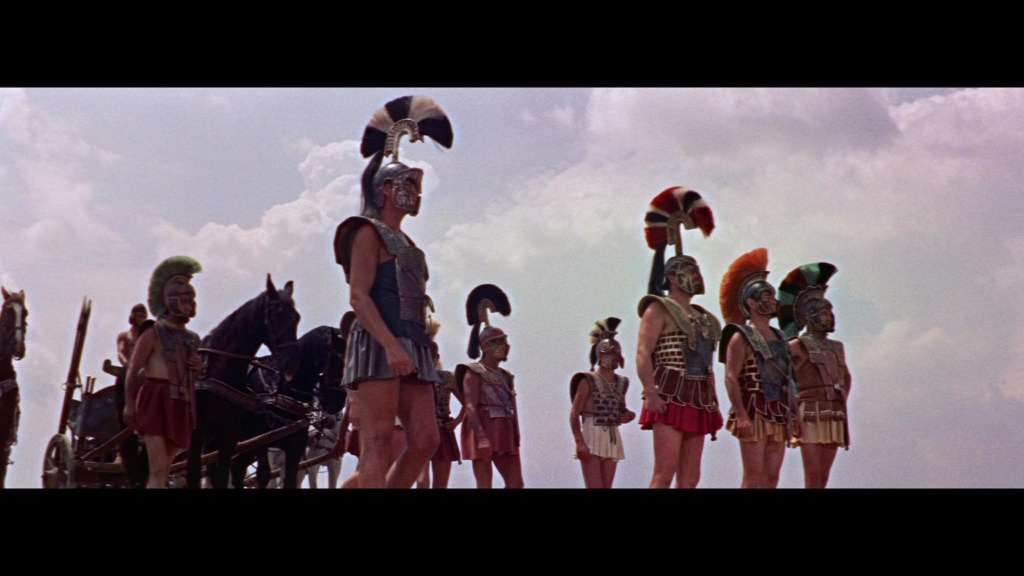
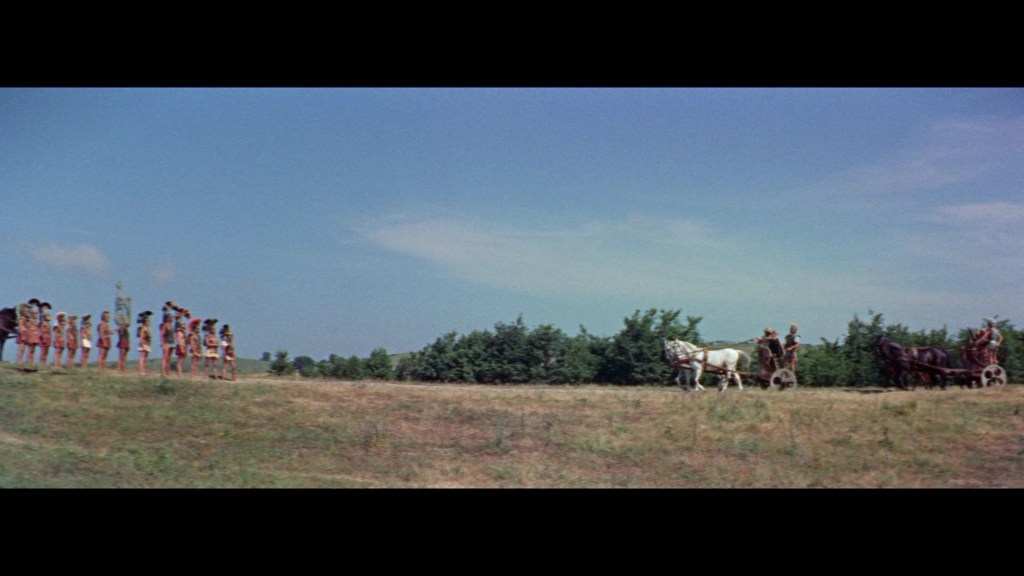
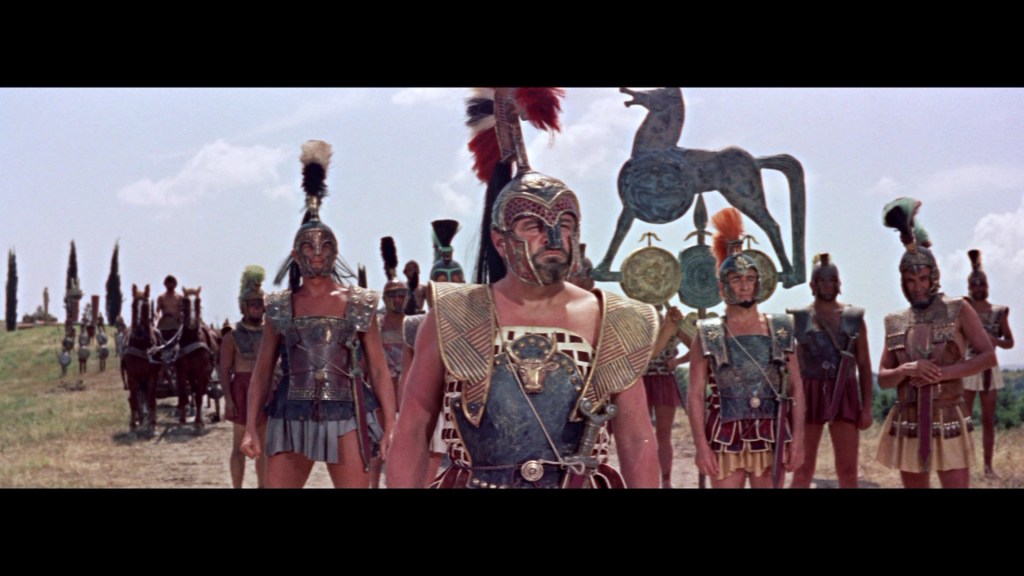
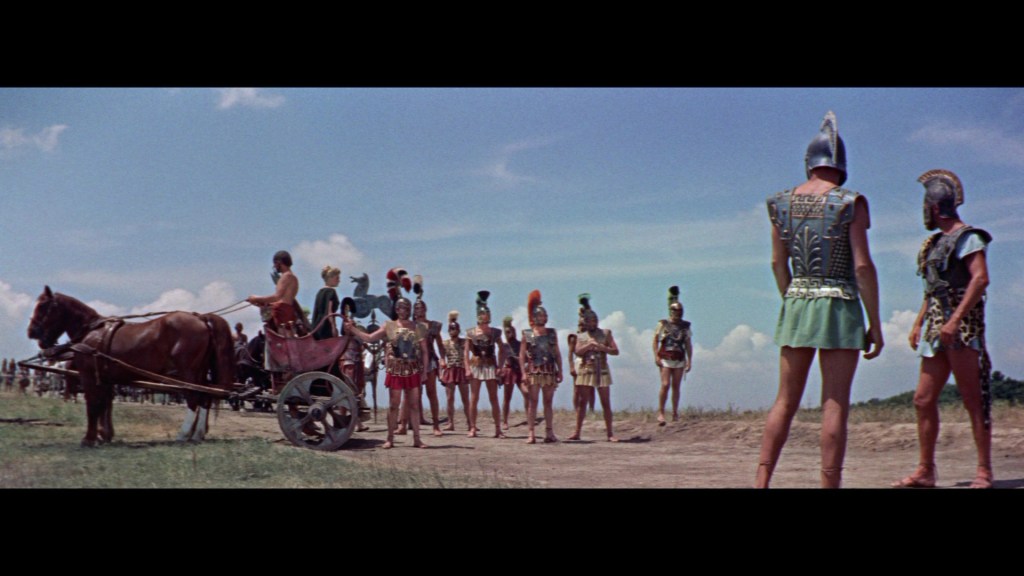
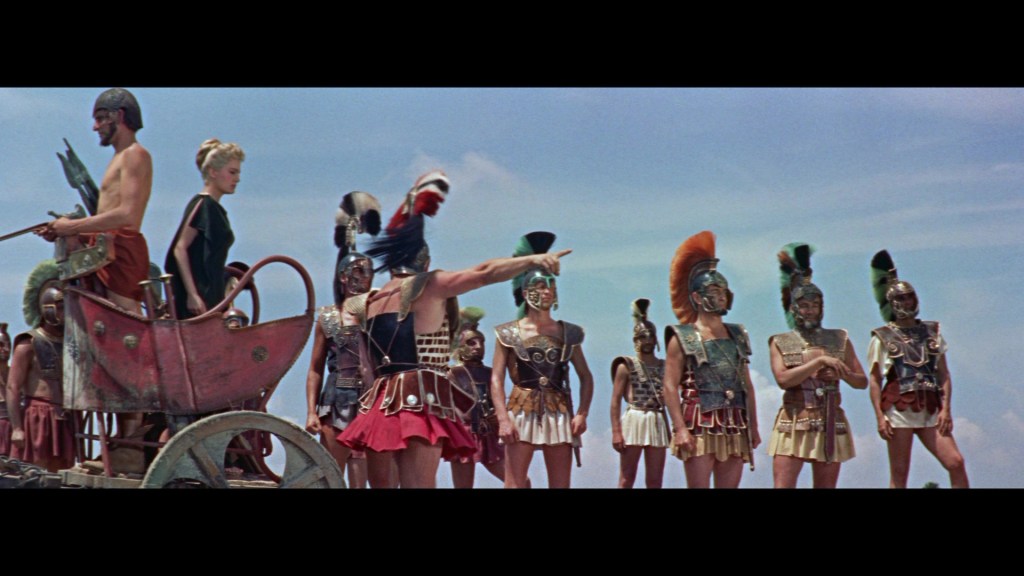
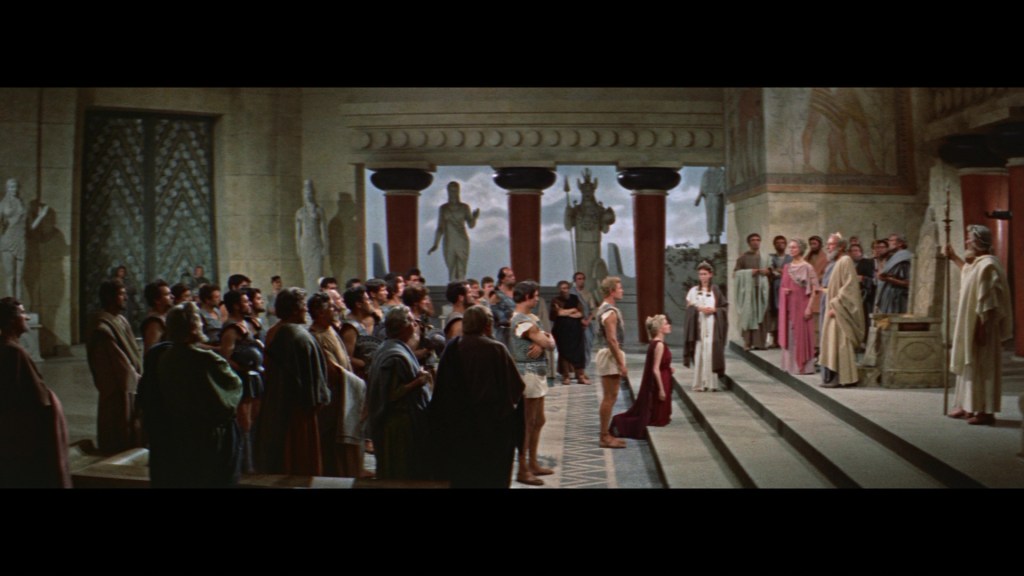
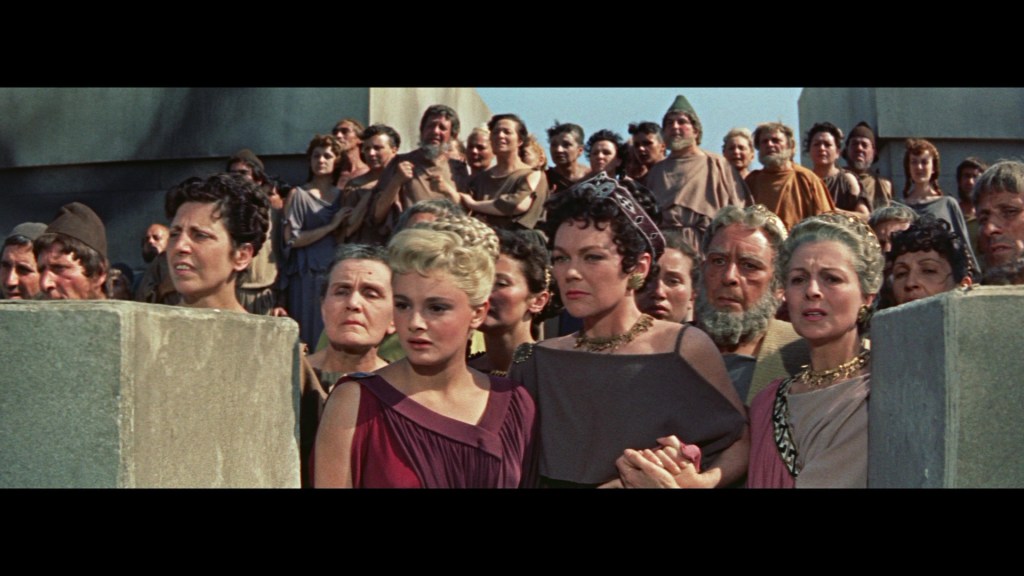
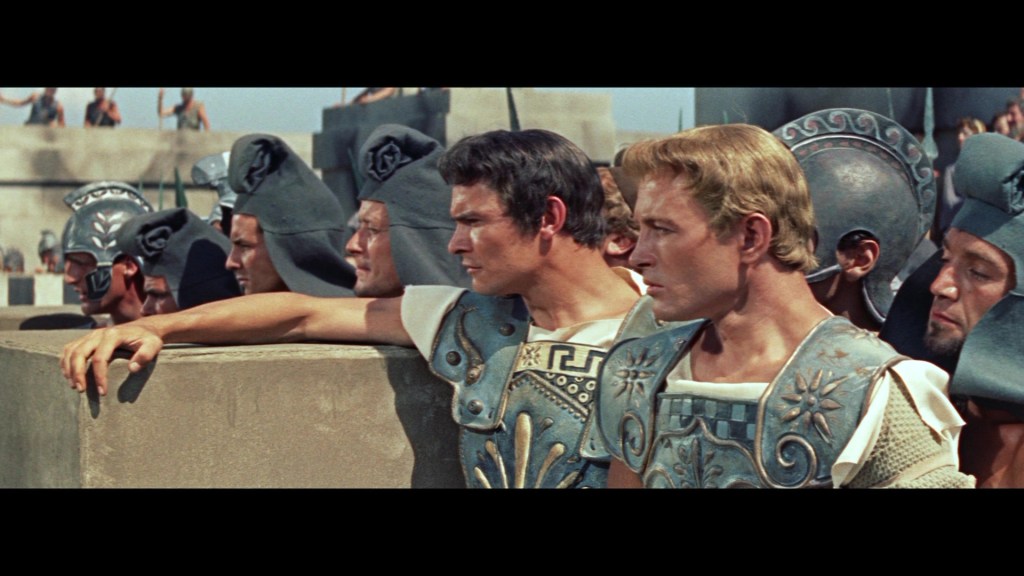
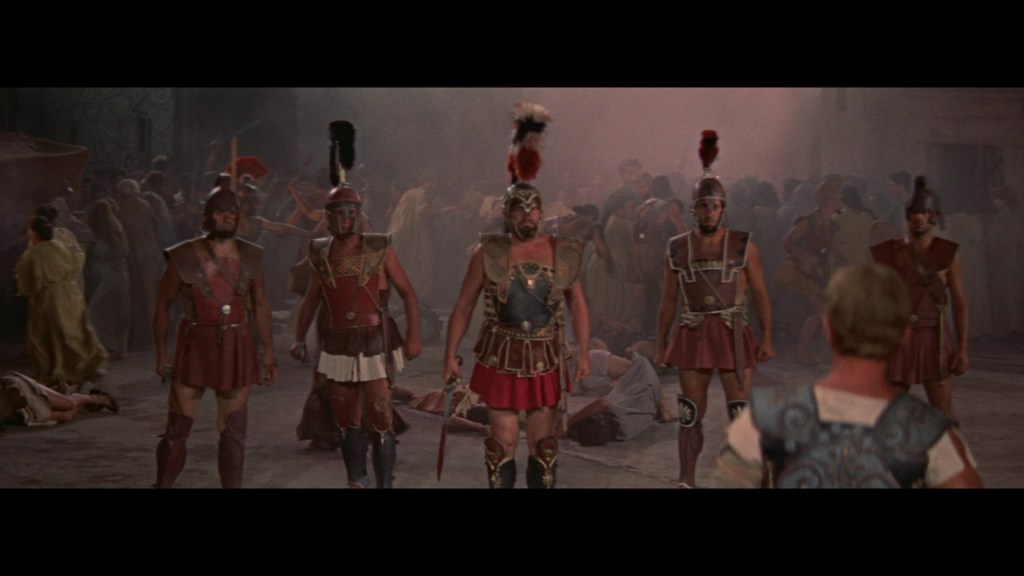
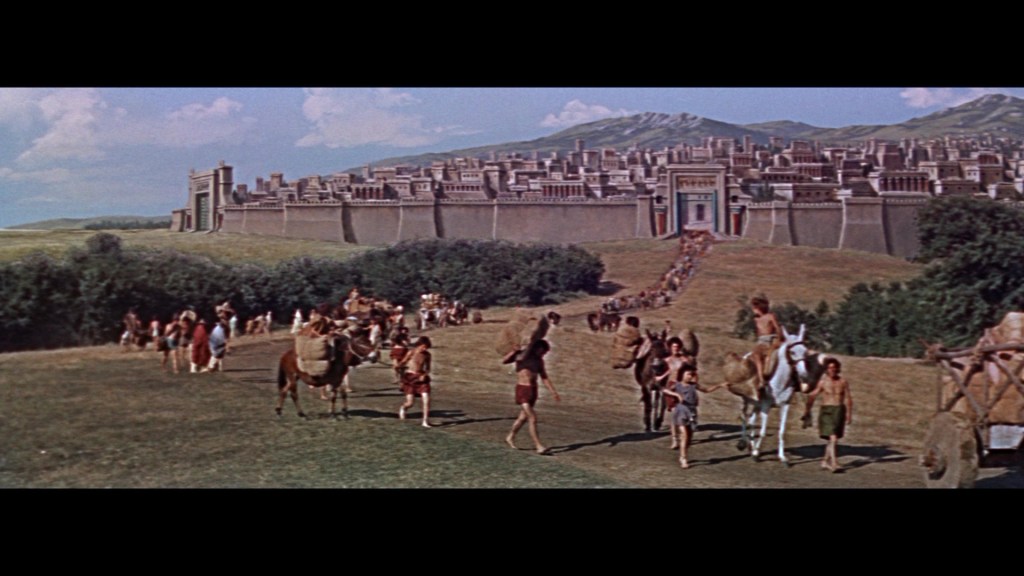
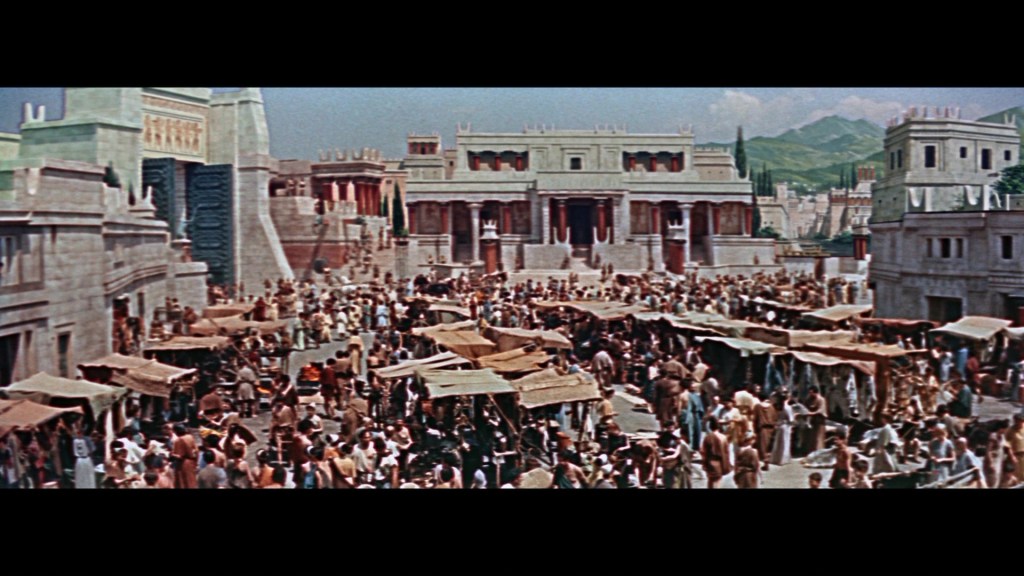
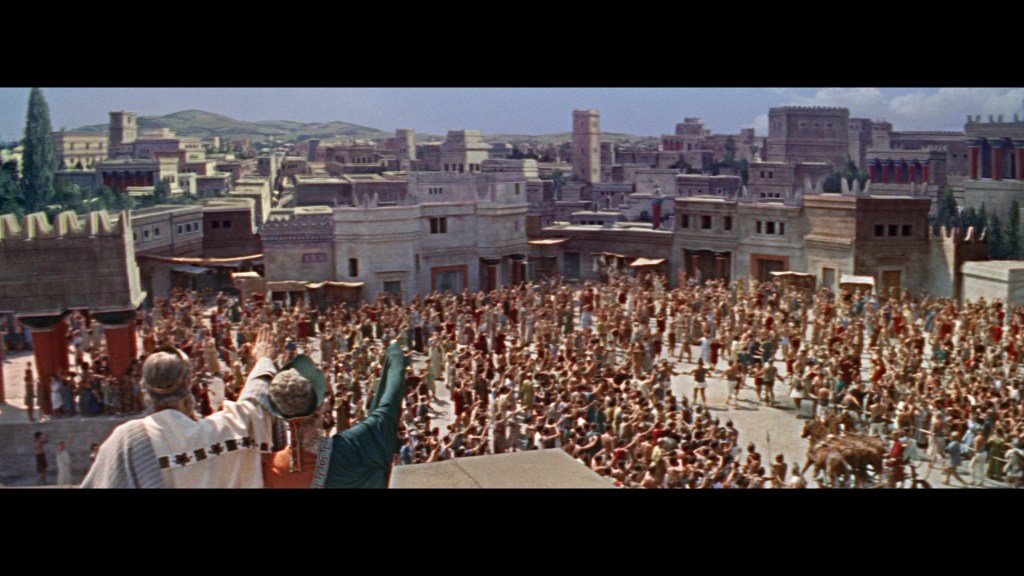
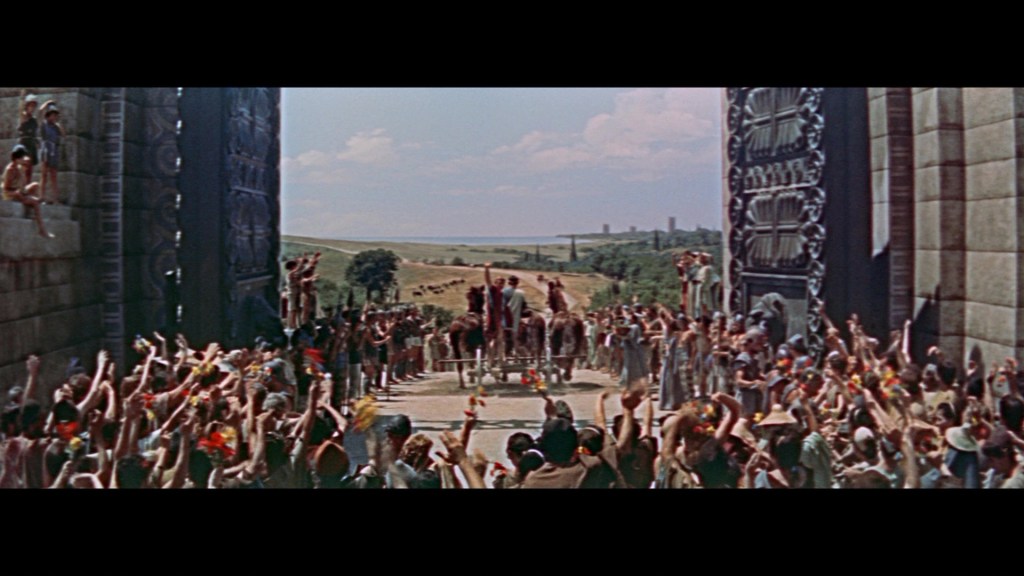
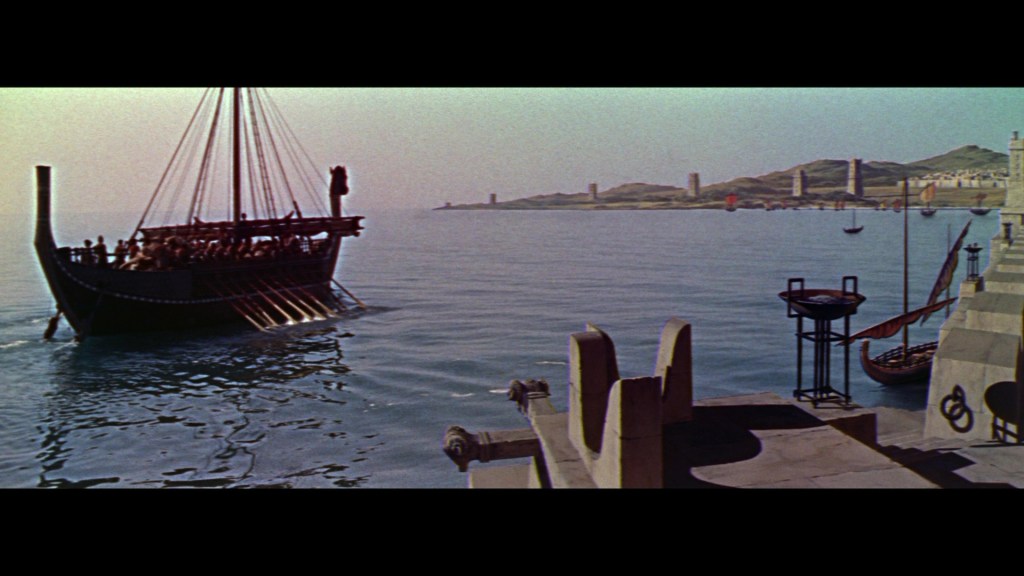
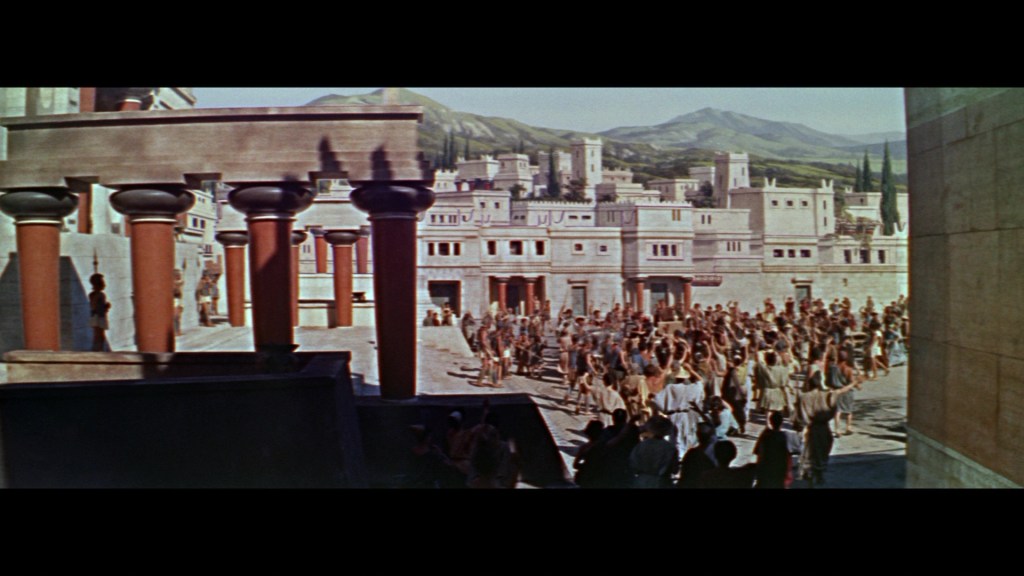
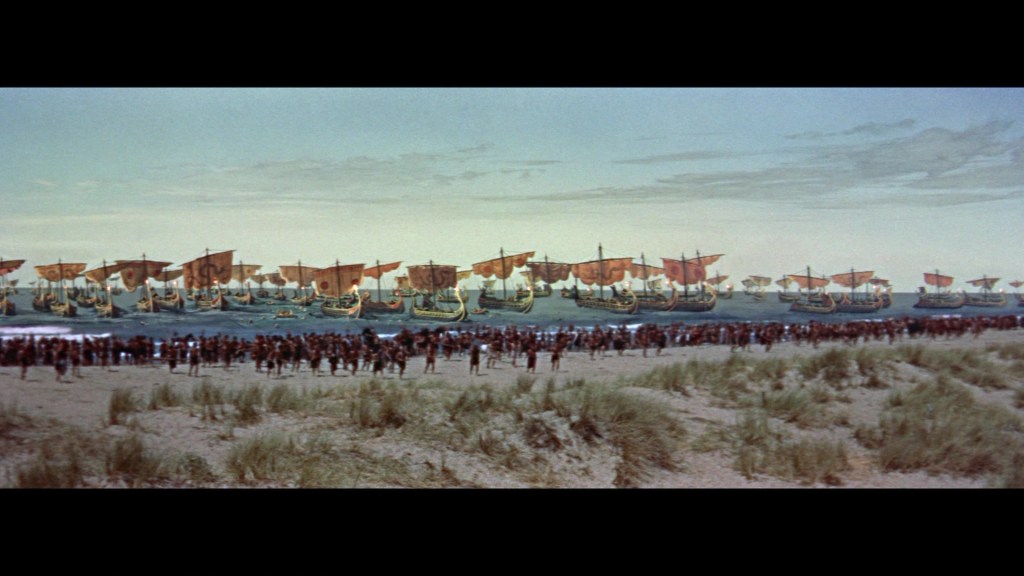
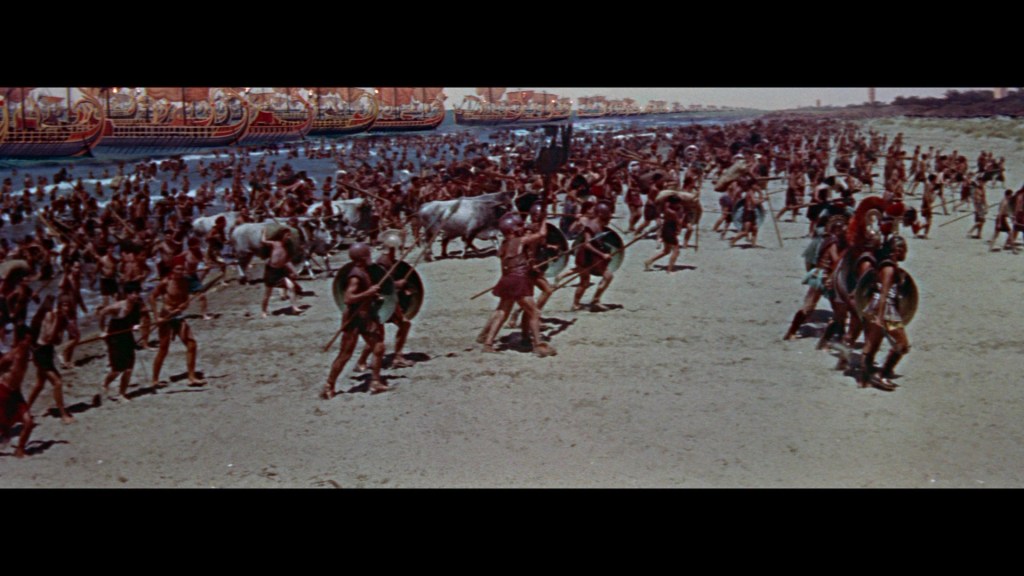
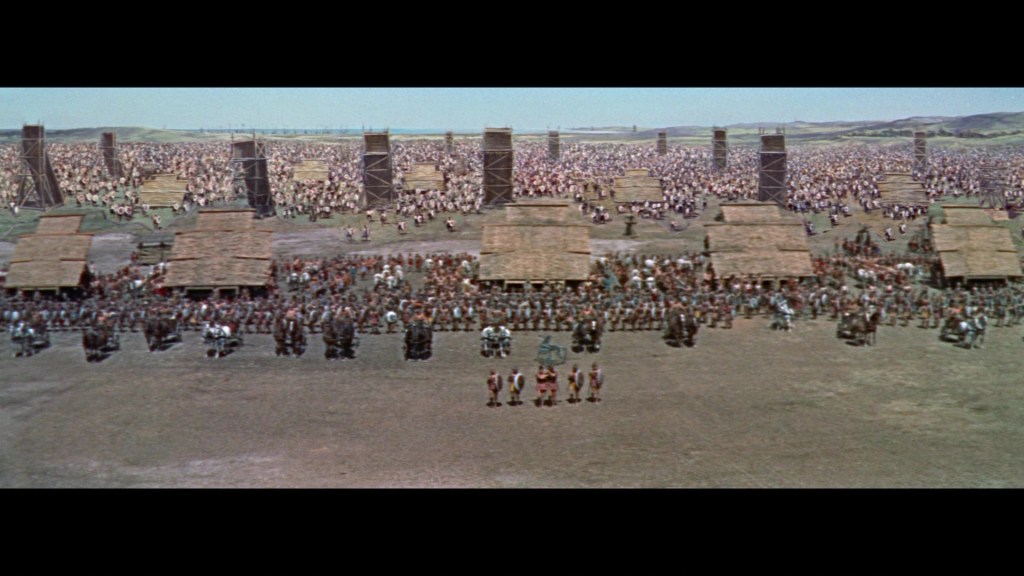
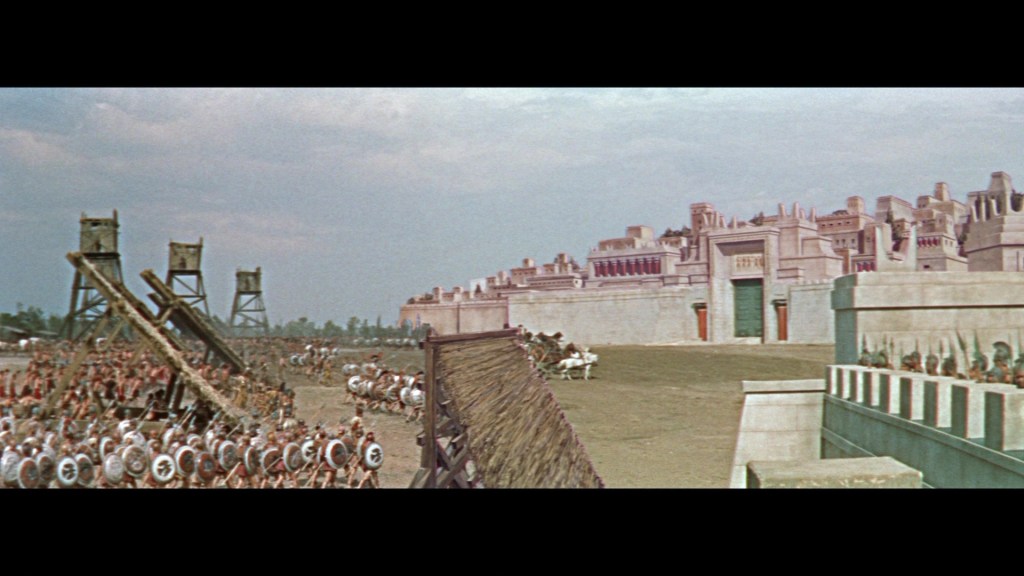
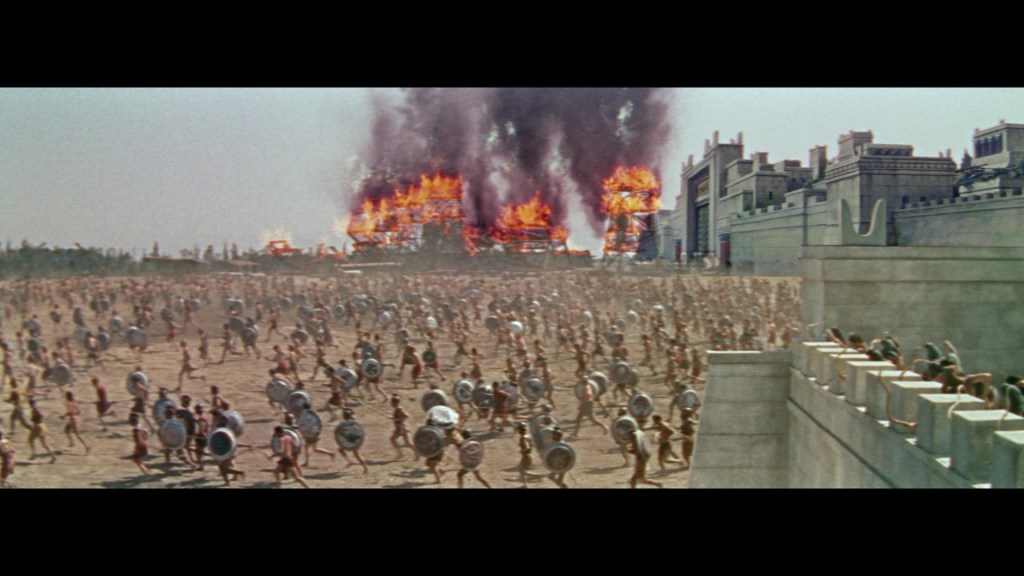
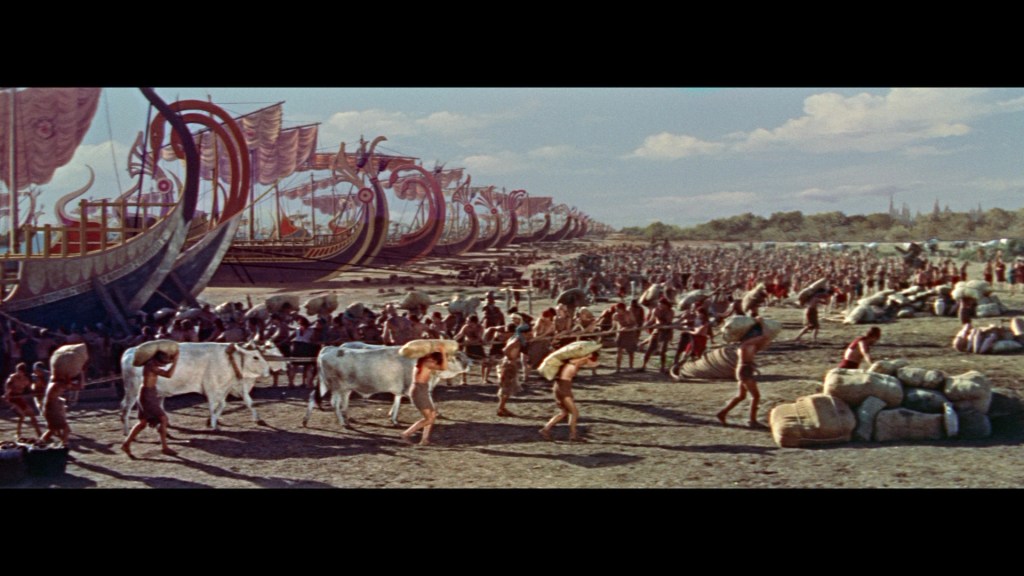
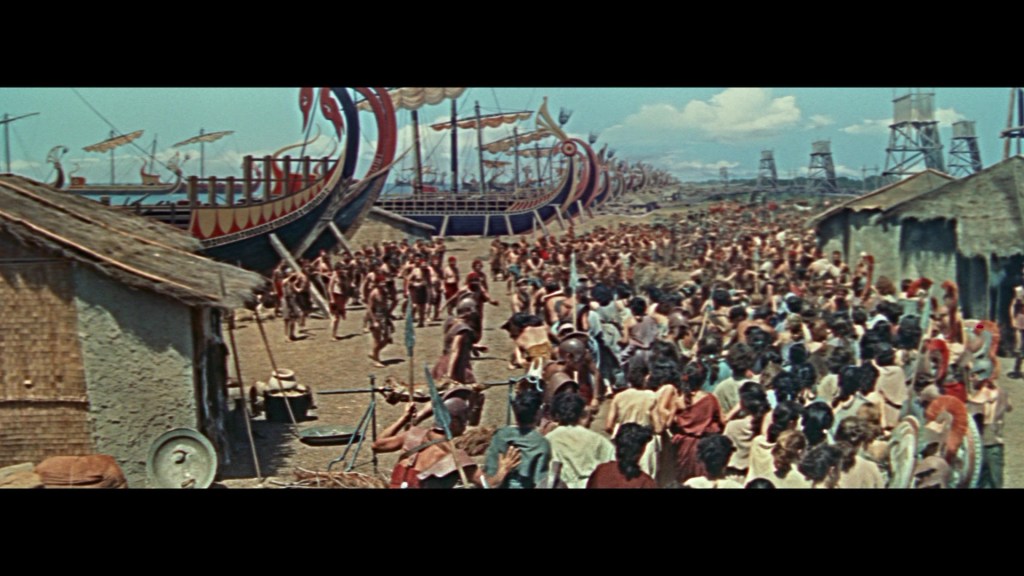
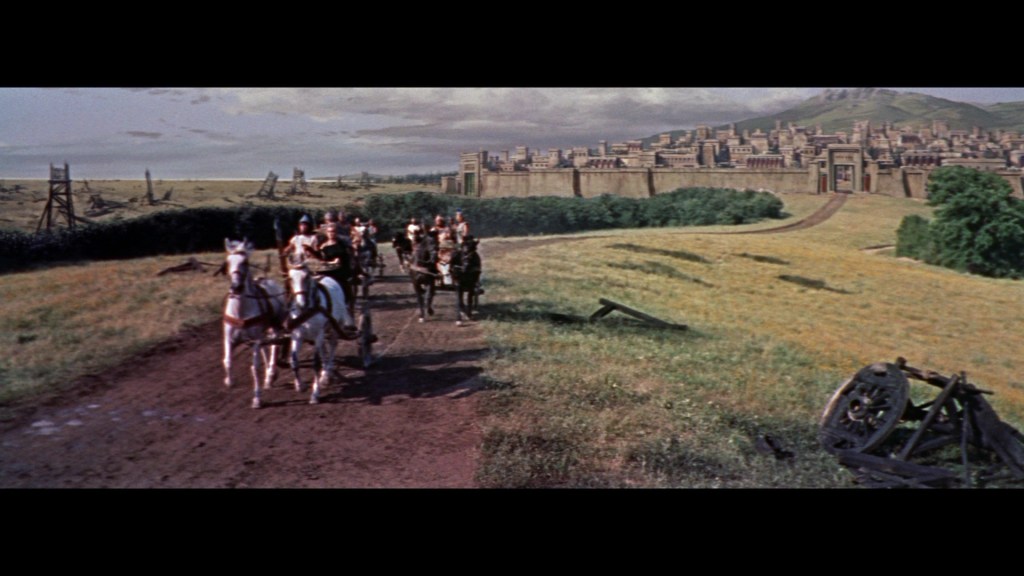
But the real point of interest here for me is as an early example of the sheer scale and spectacle of the nascent CinemaScope widescreen epics.
“Helen of Troy was an experiment of mine. Color was coming into use, CinemaScope had come in, and I felt that it was probably time to get myself into that mainstream of big-size picture making. It was not that I was mad about the material, but I felt it was a challenge and I wanted to see if I could do it successfully. Besides, I was intrigued with the idea of being in Rome and working there. We took about thirty-five crew members from Warners and filled in the rest of the cast with local technicians. It’s so interesting when you work abroad because a film is a common language, not only what we sample on the screen but also among the people who make them. I had my camera, grip, lighting, and special-effects people all from Hollywood, but each one had their own people added from the Italian categories. After two or three days, it was just like being home. They got to know each other and understand the equipment language. It was very interesting to see.”
The movie marks the only teaming of Wise and 14-time Oscar nominated cinematographer Harry Stradling Sr., whose credits include A Streetcar Named Desire, Johnny Guitar and A Face in the Crowd.
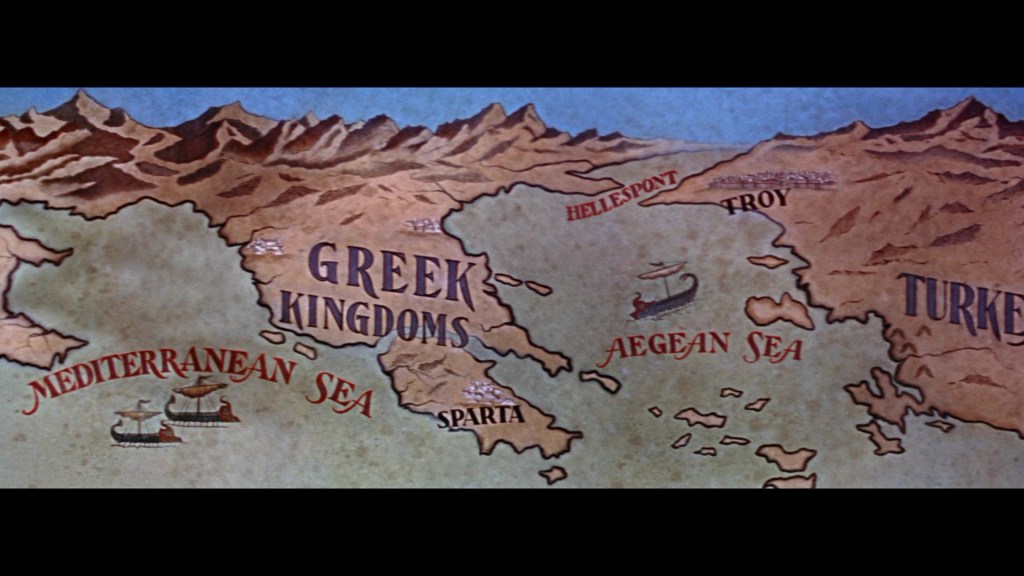
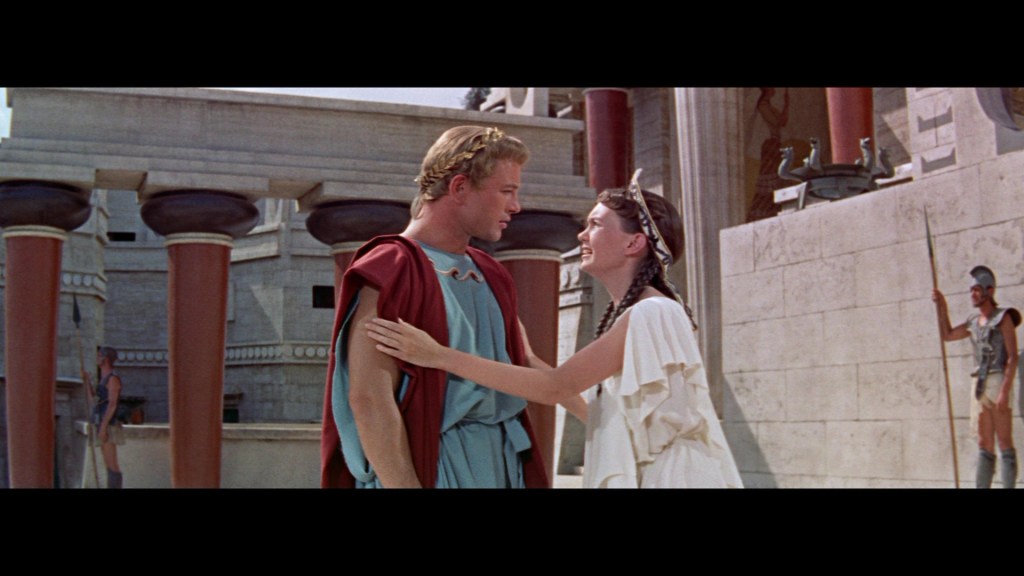
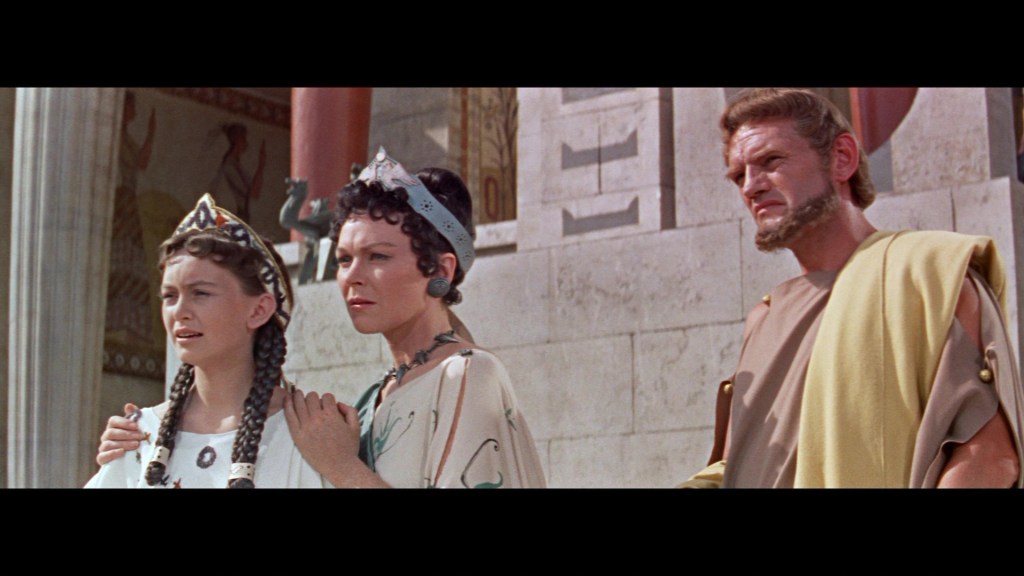
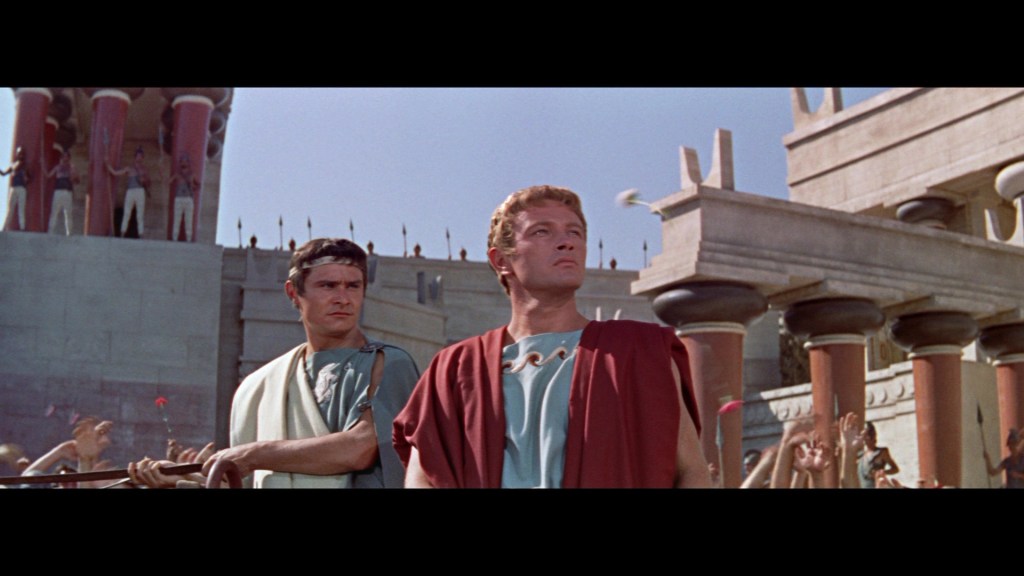
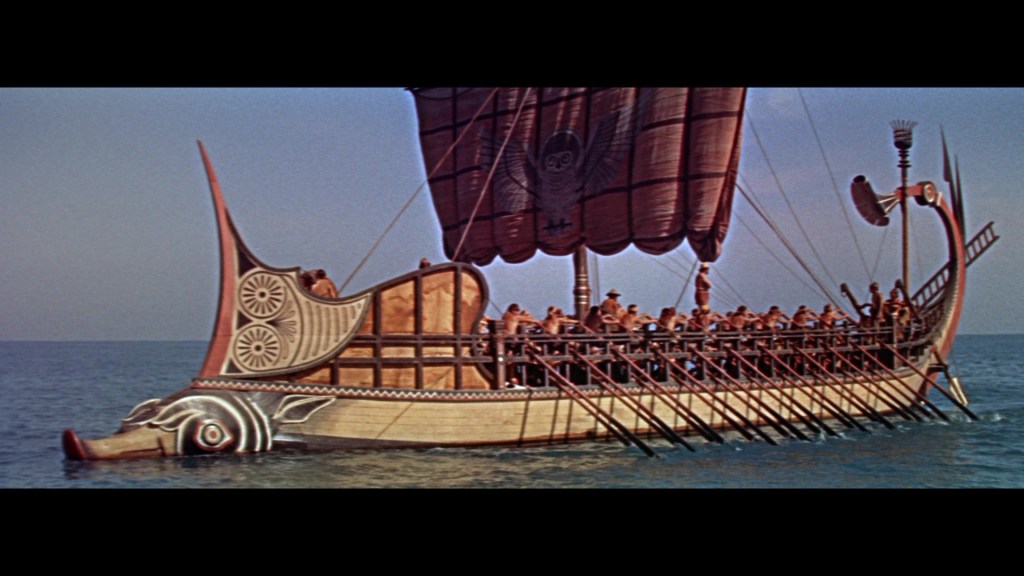
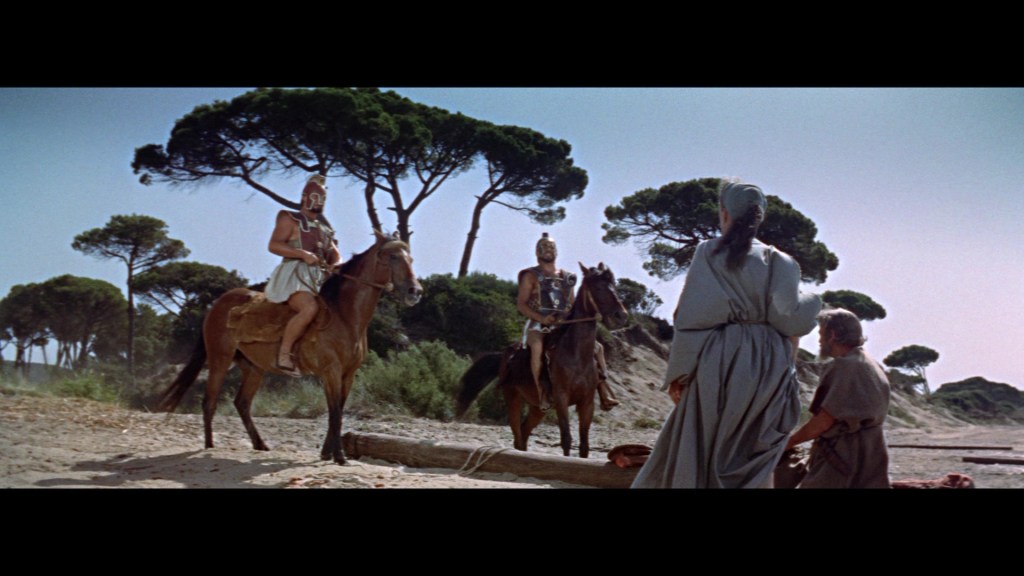
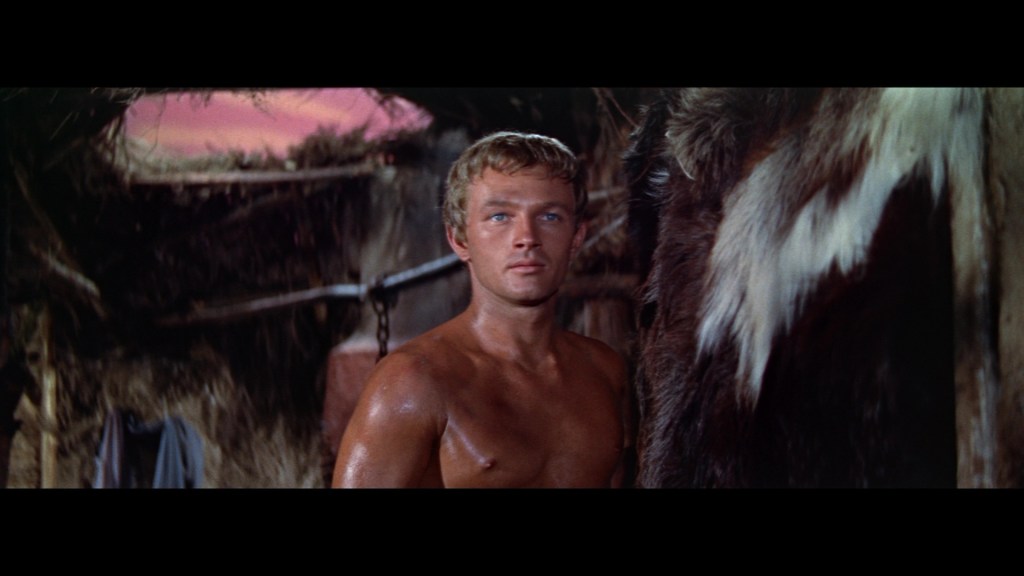
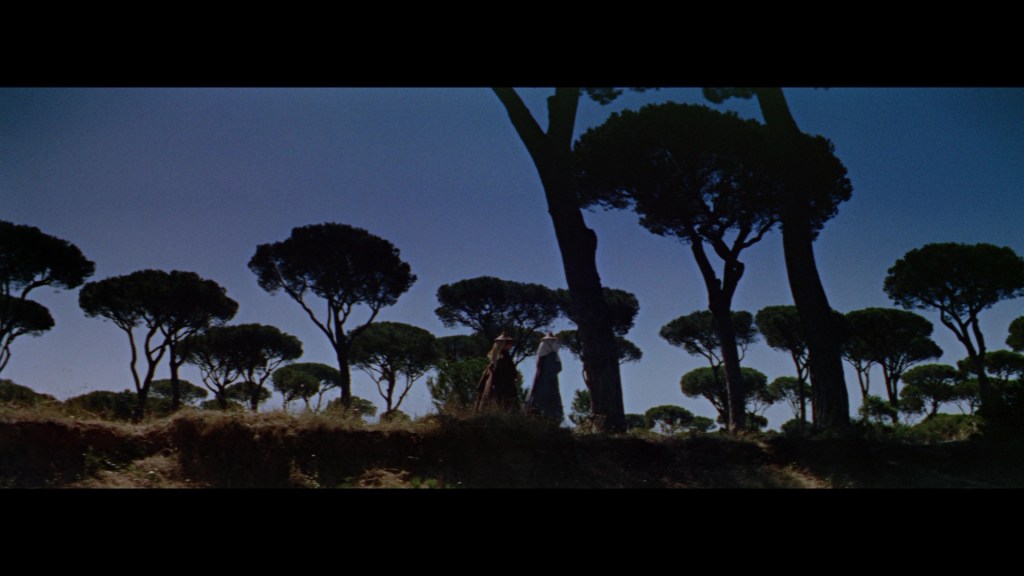
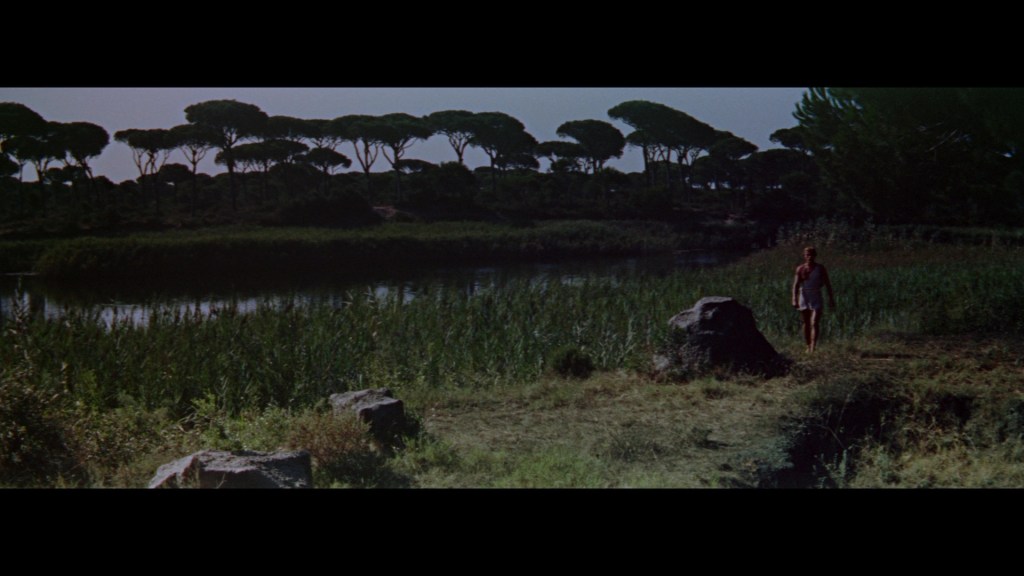
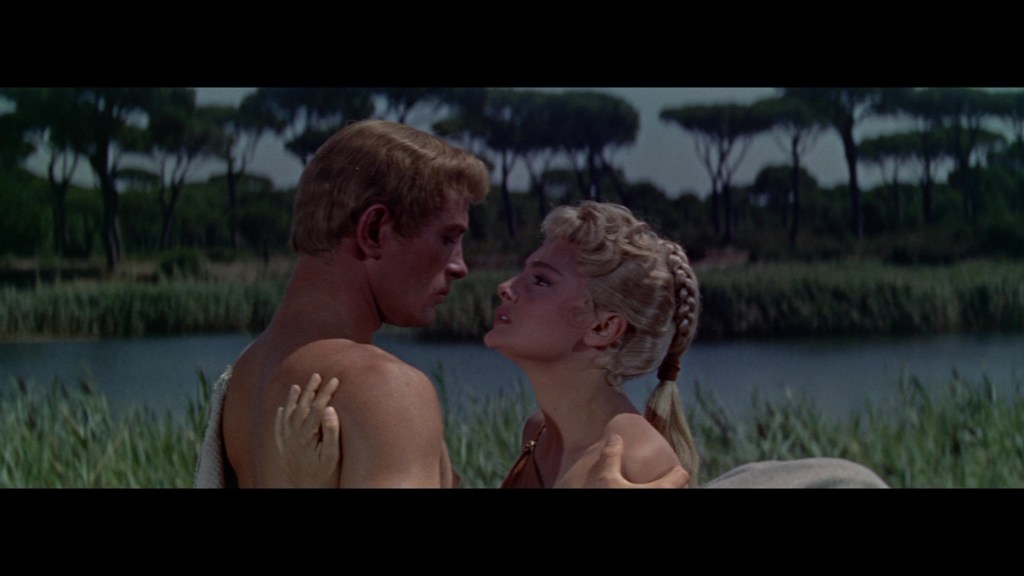
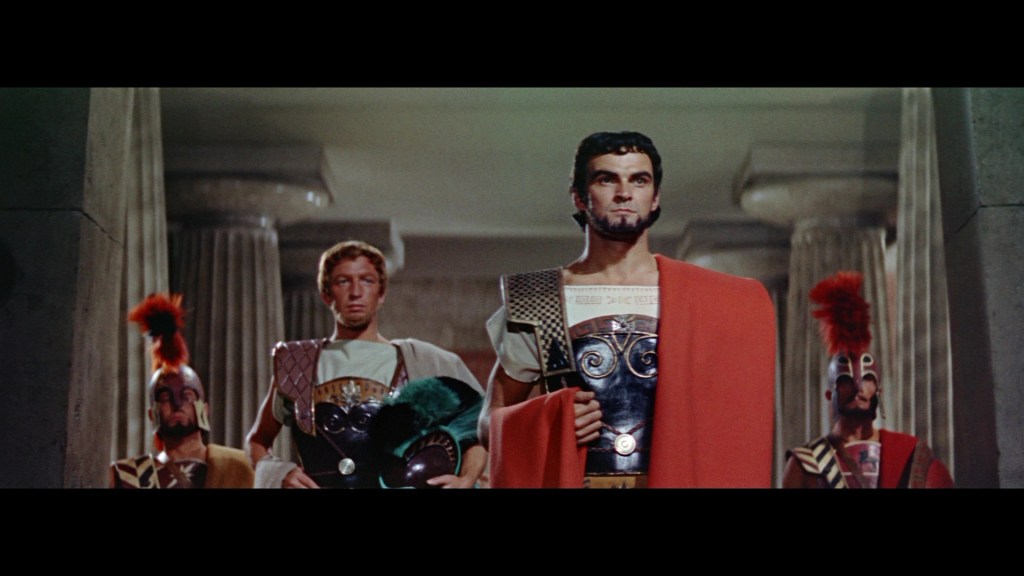
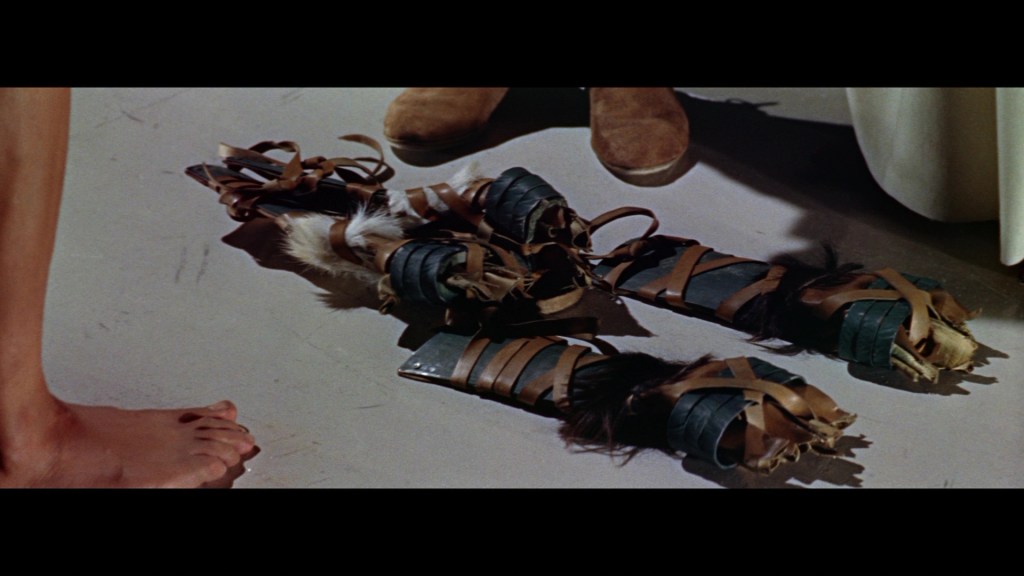
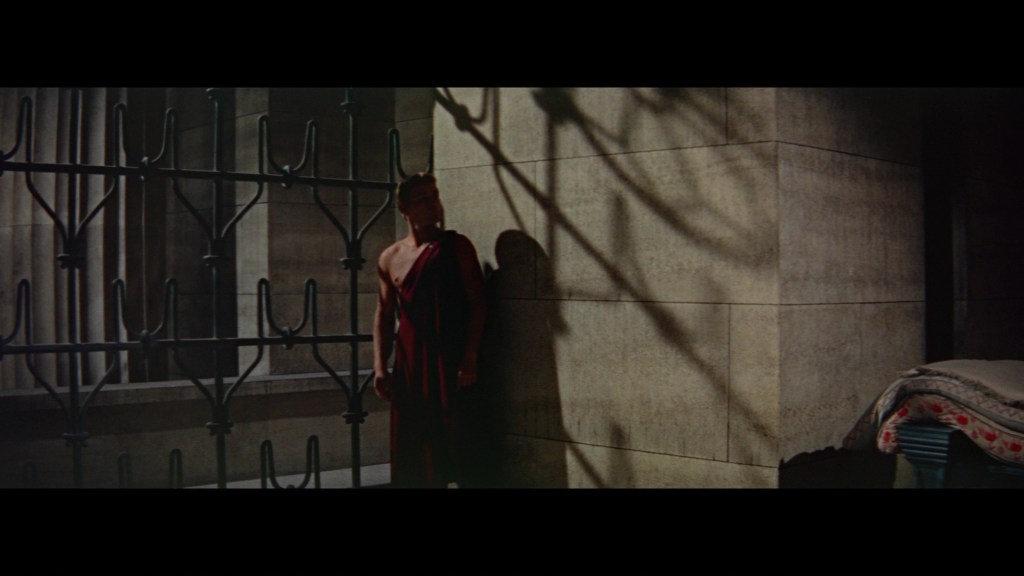
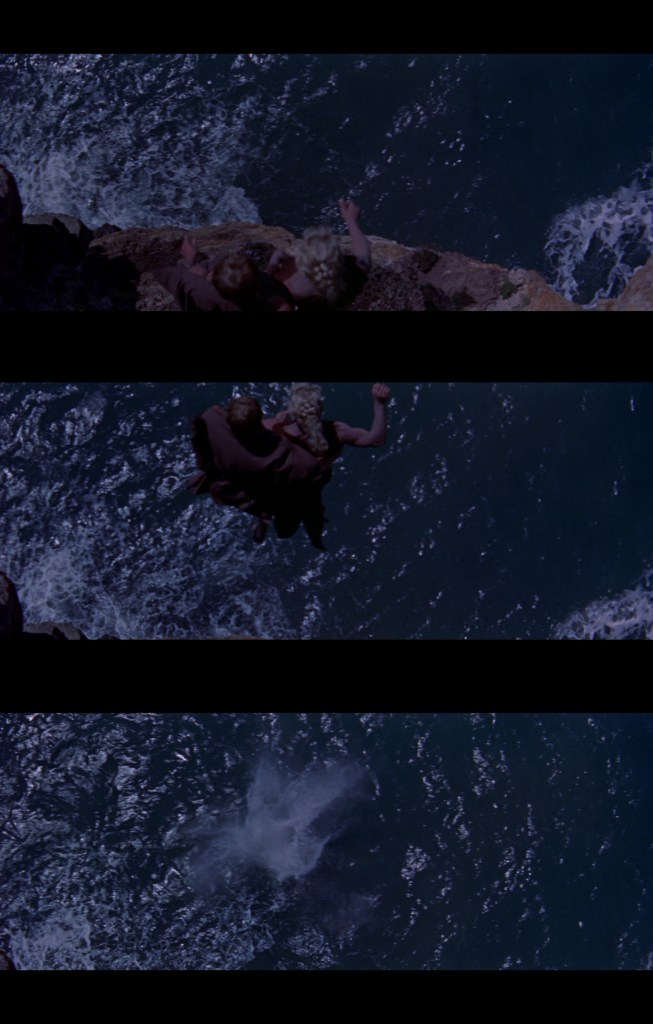
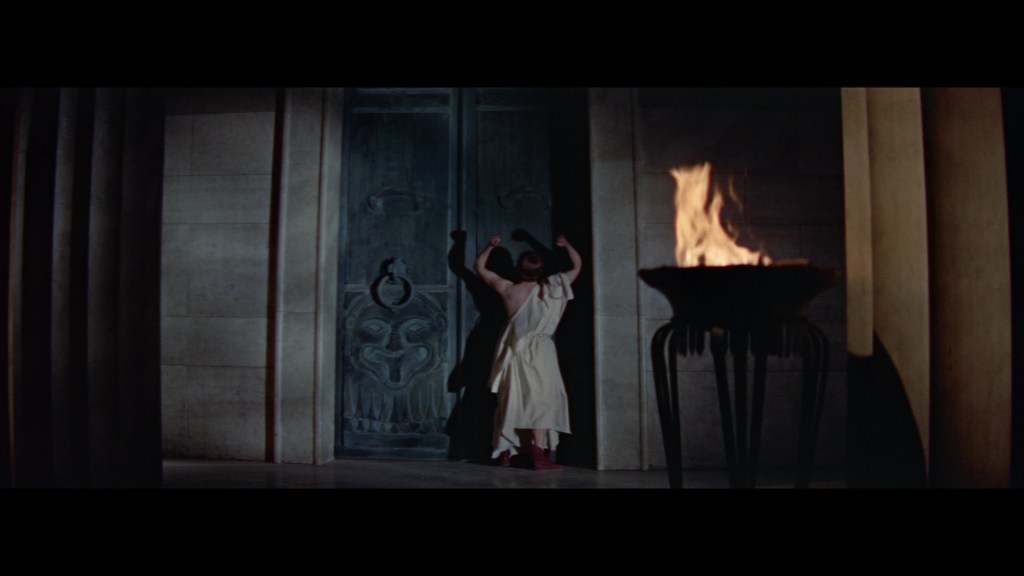
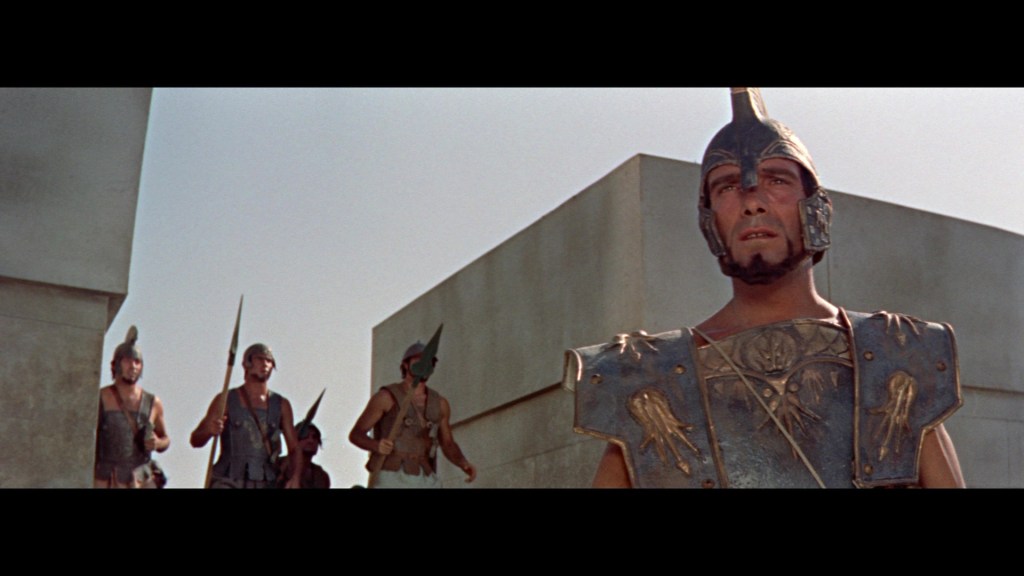
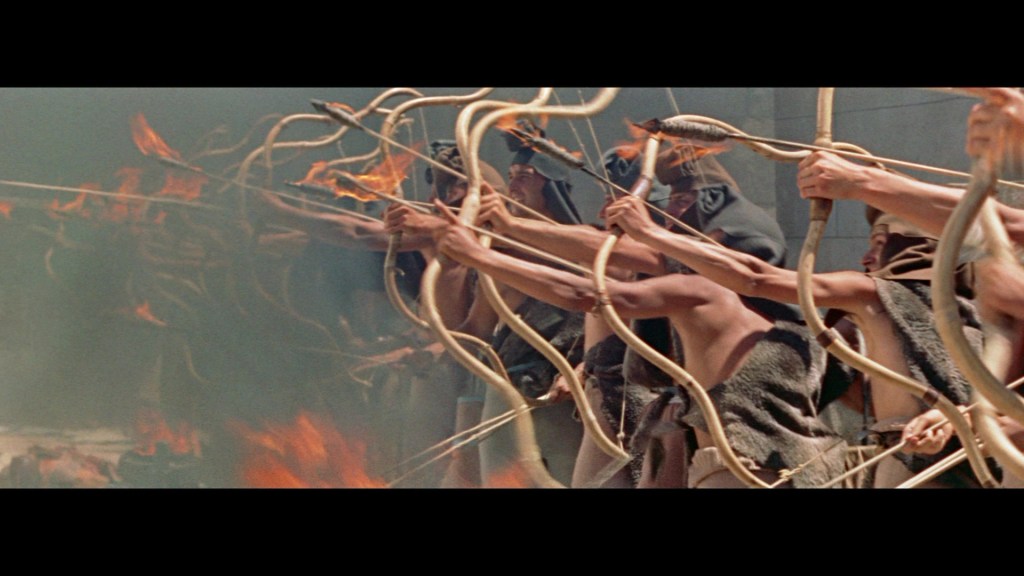
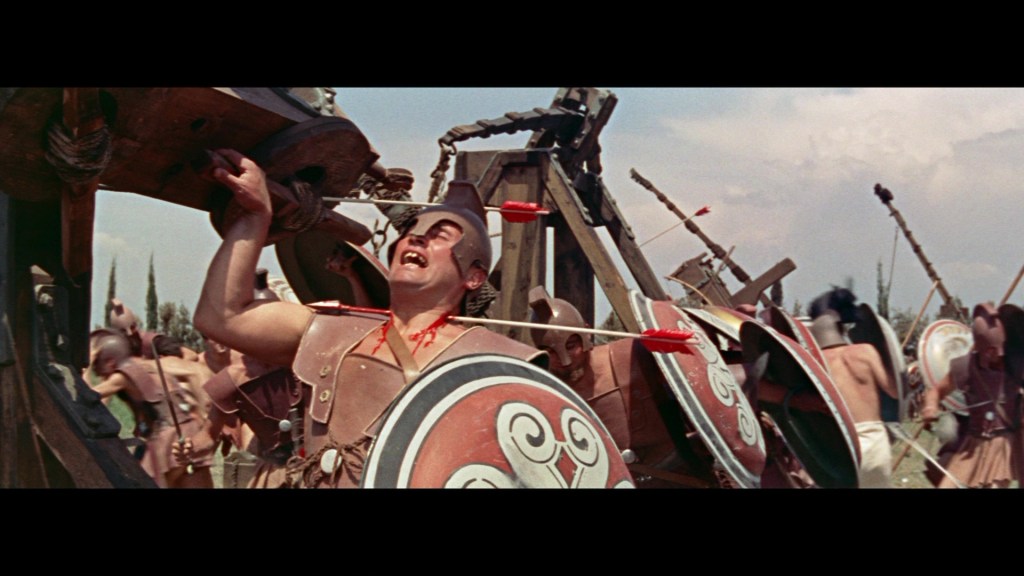
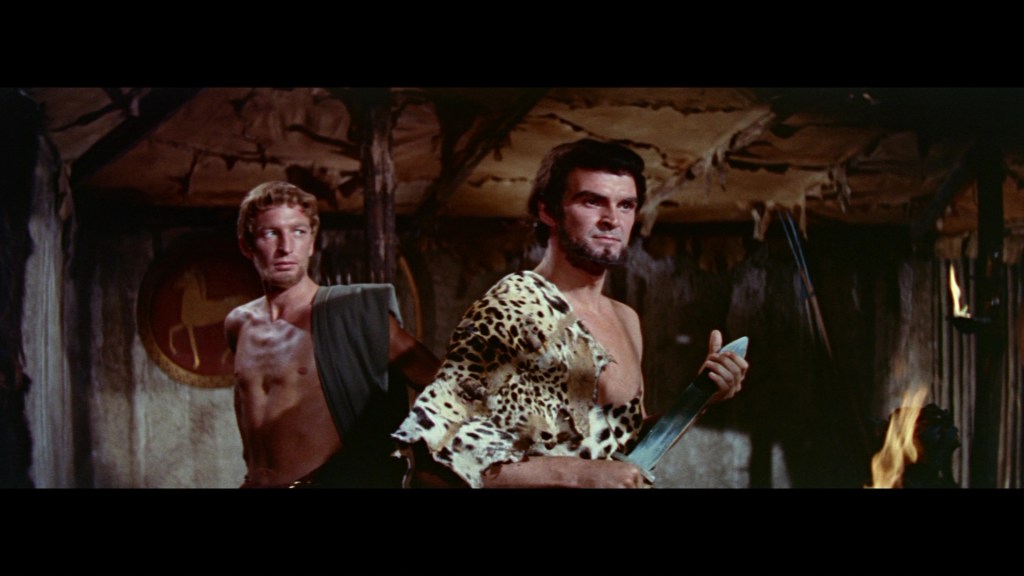
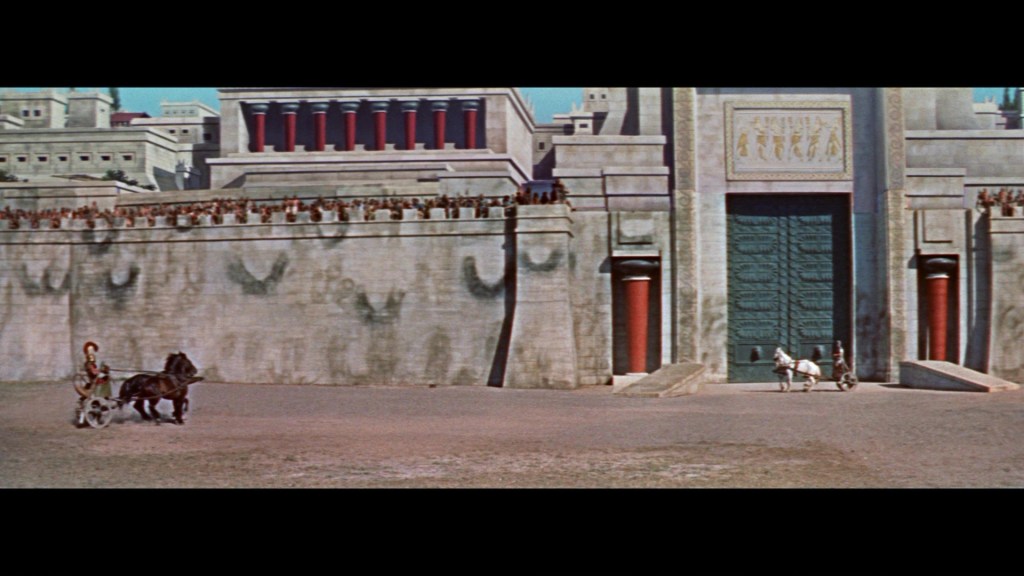
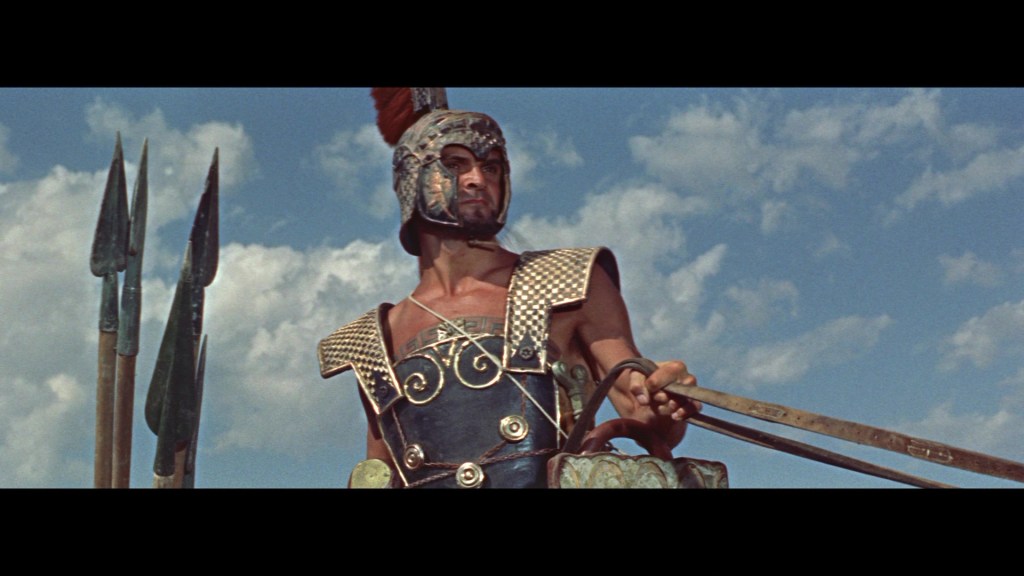
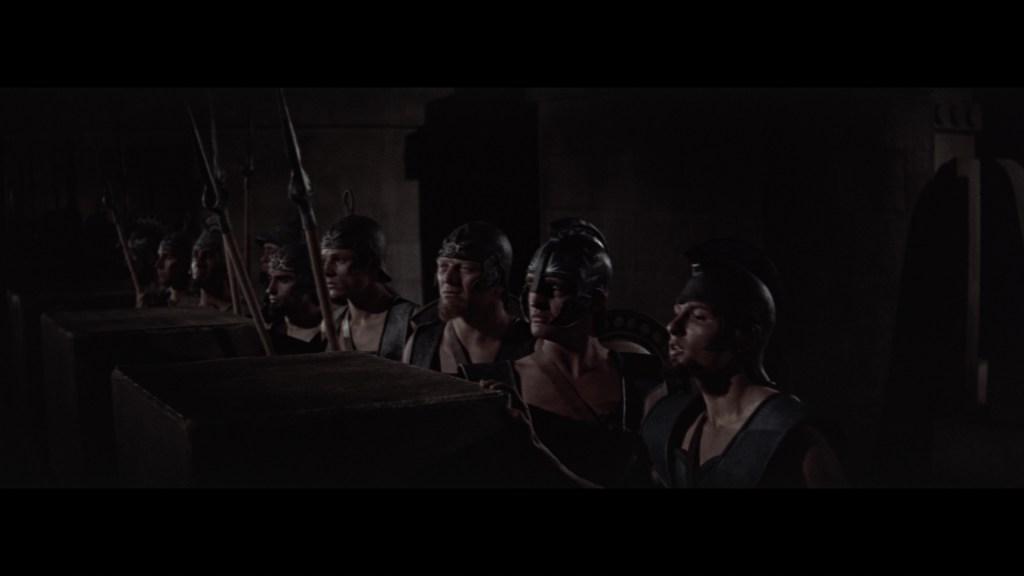
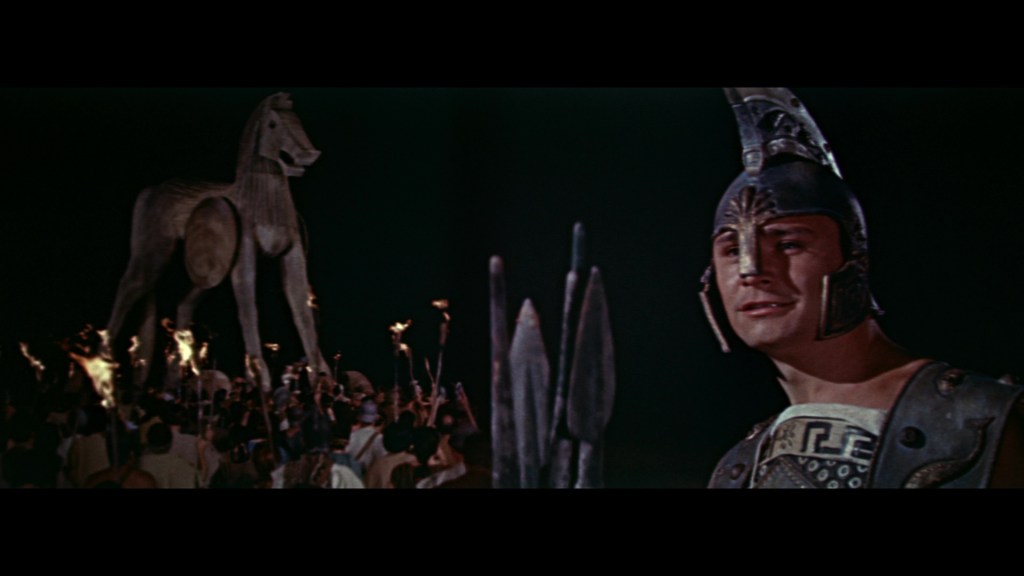
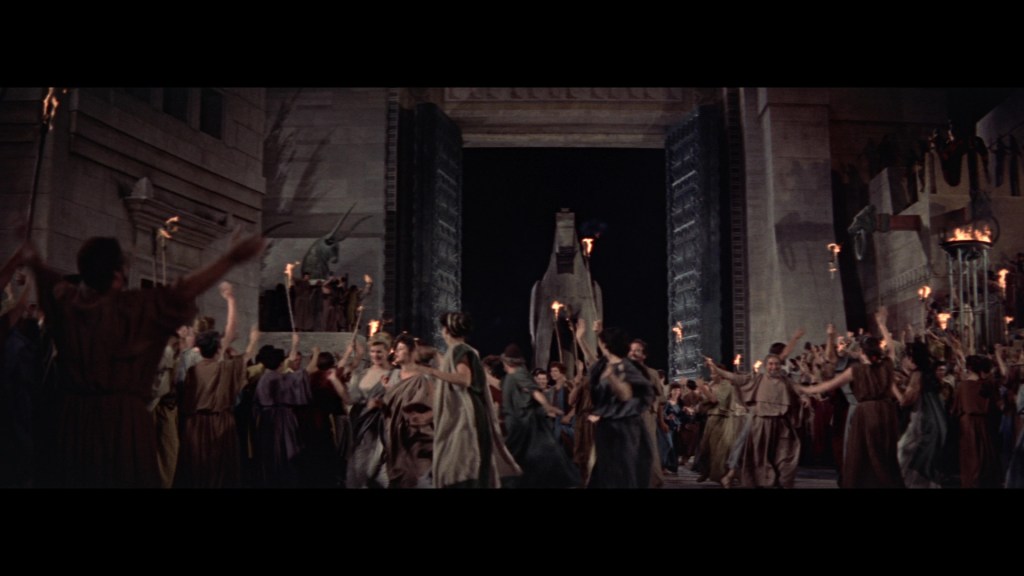
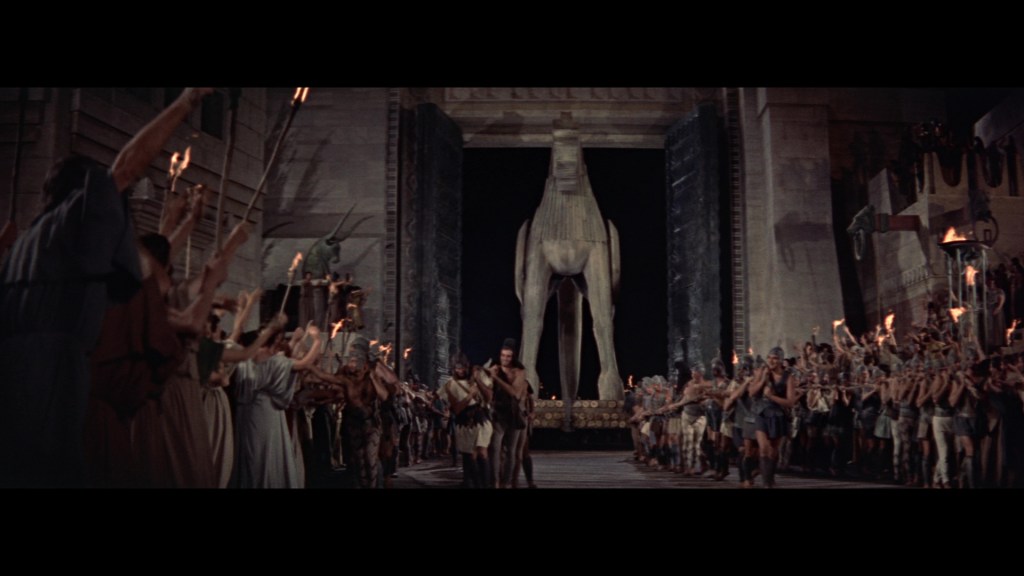
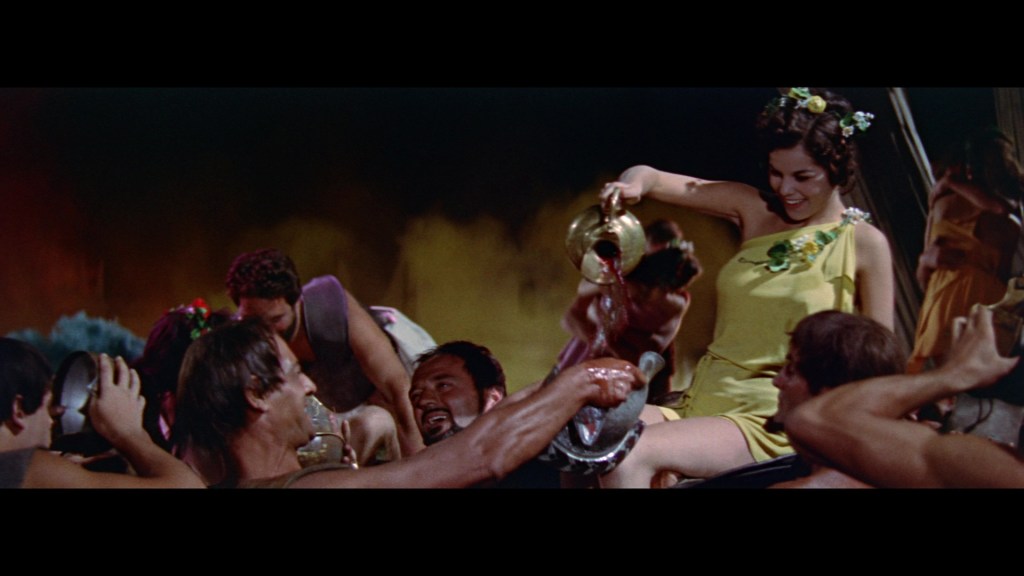
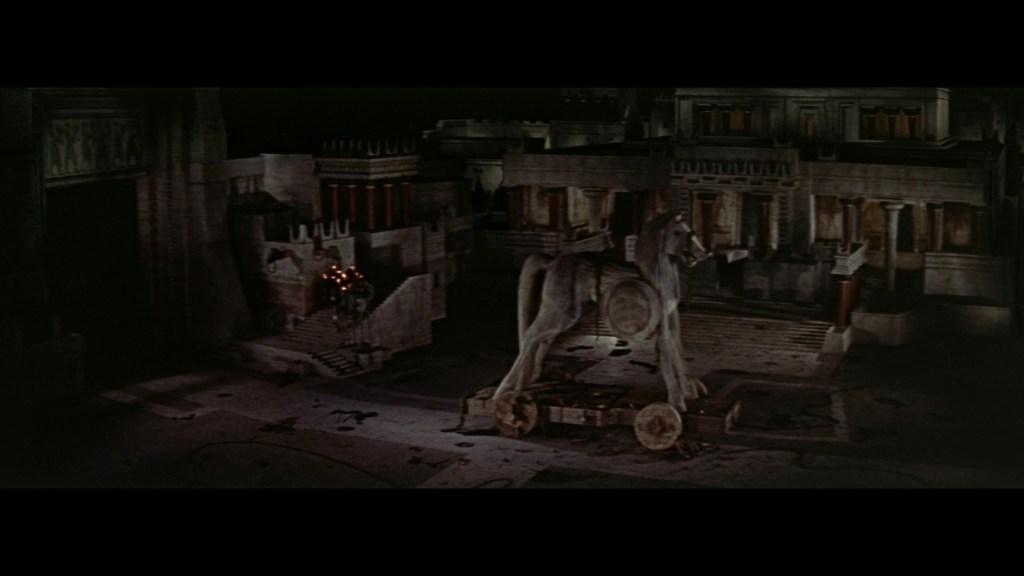
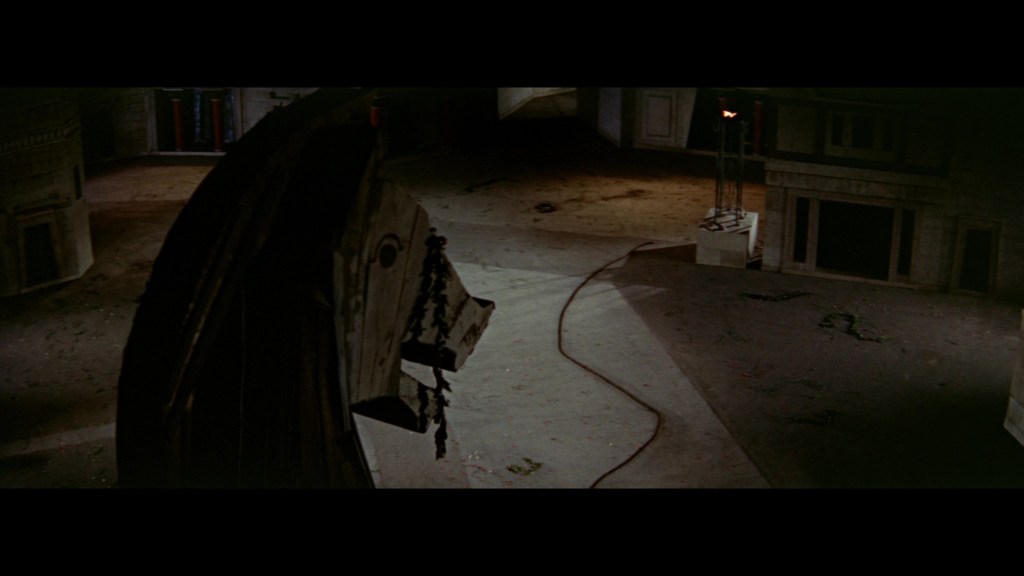
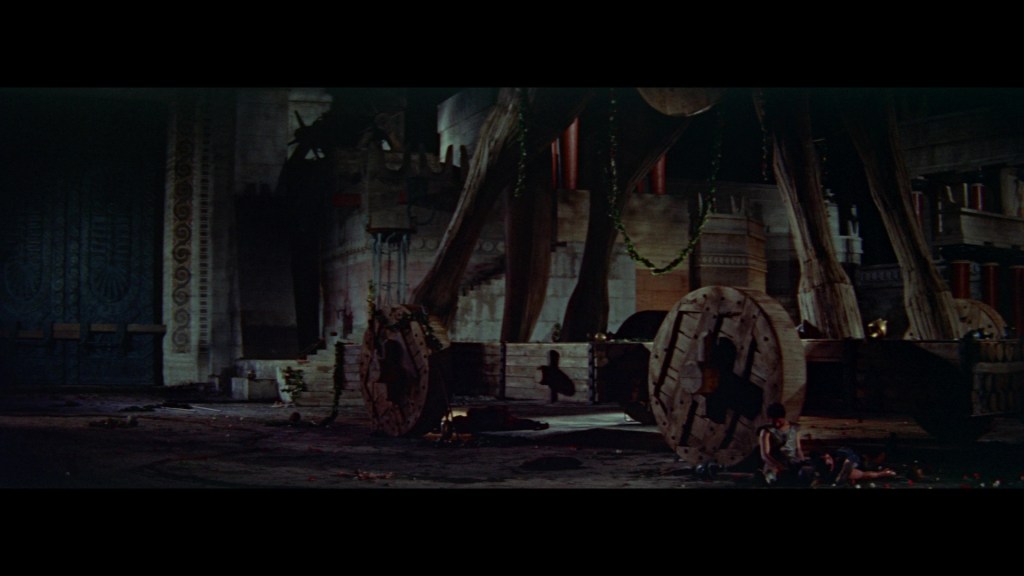
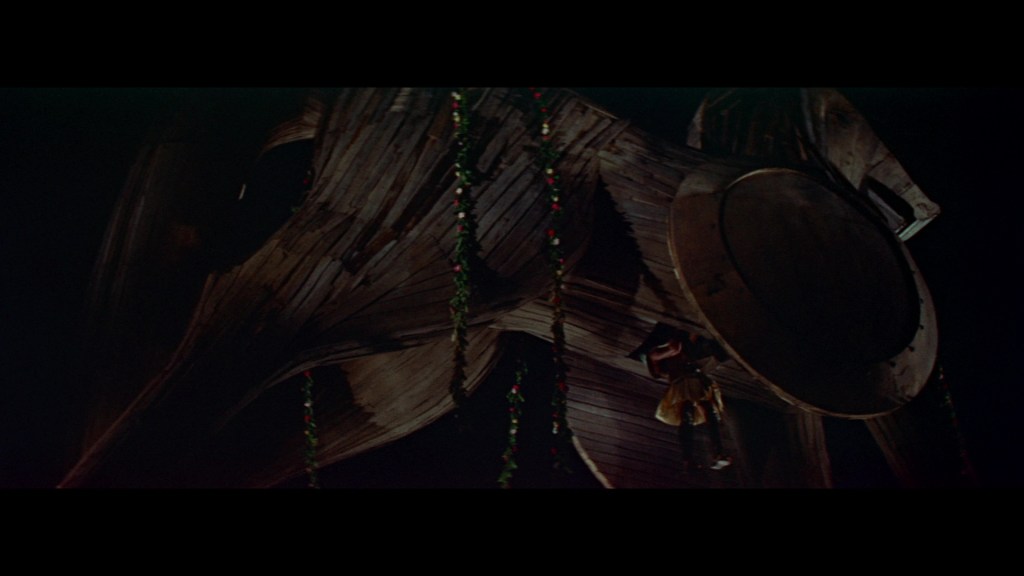
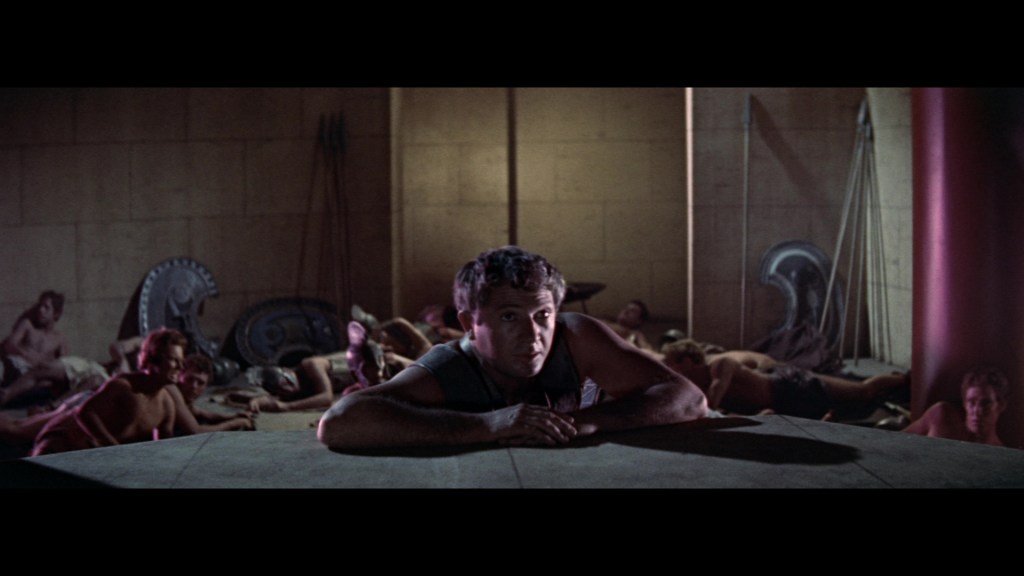
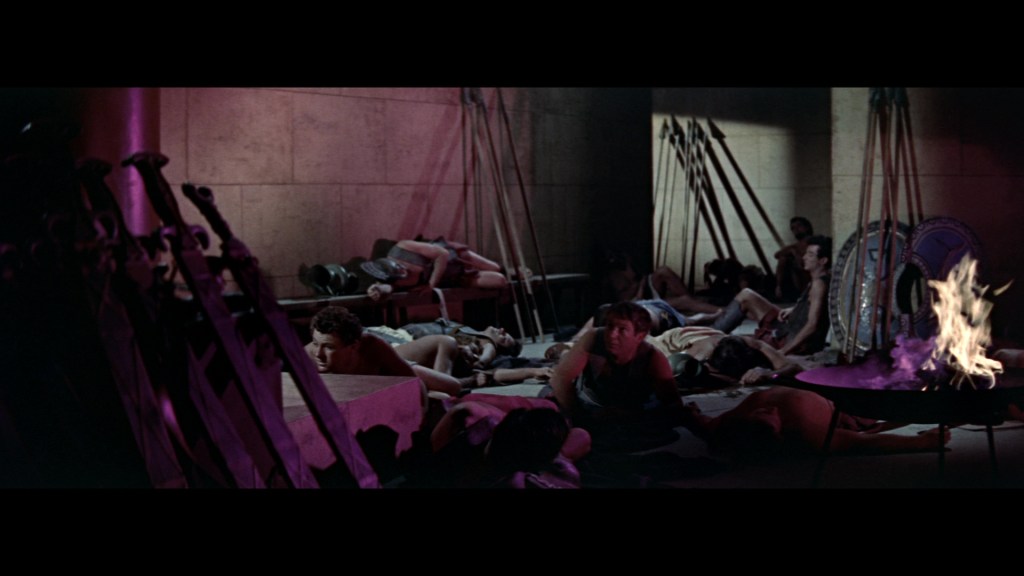
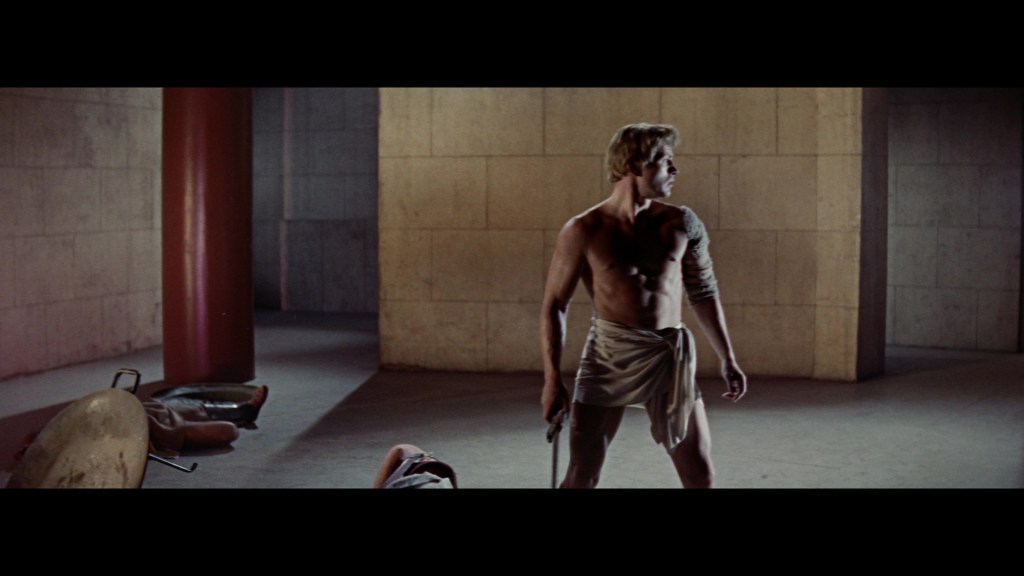
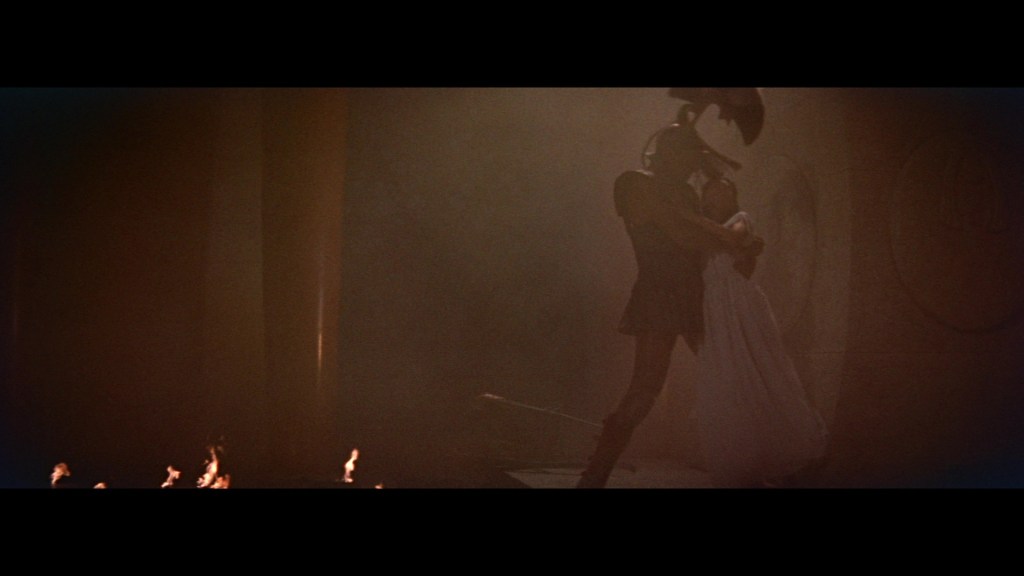
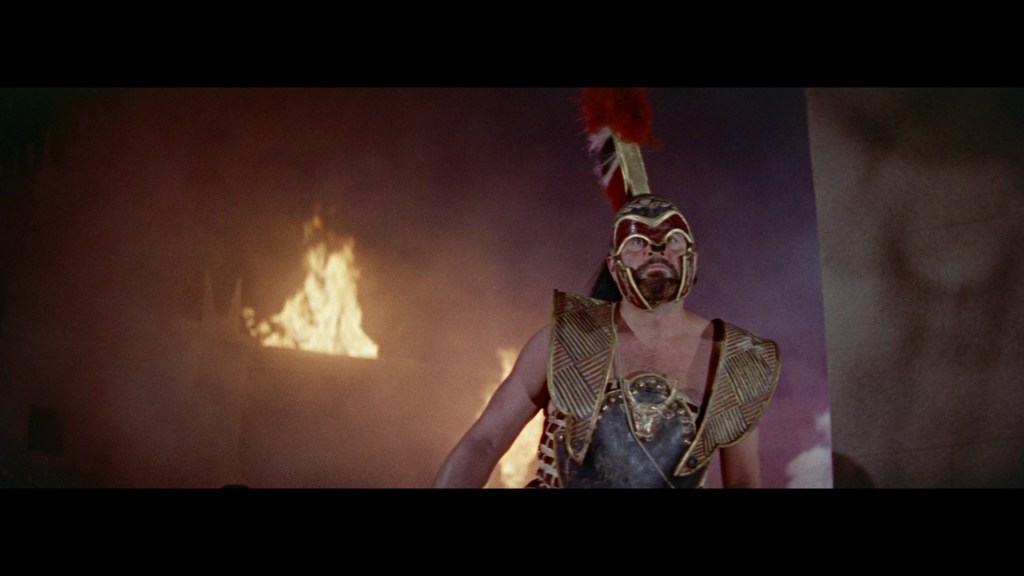
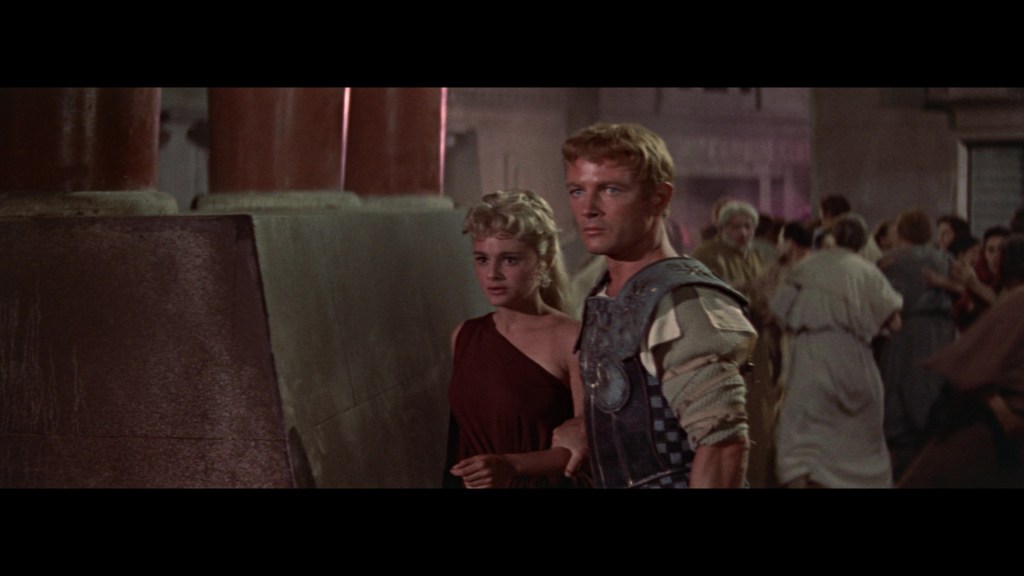
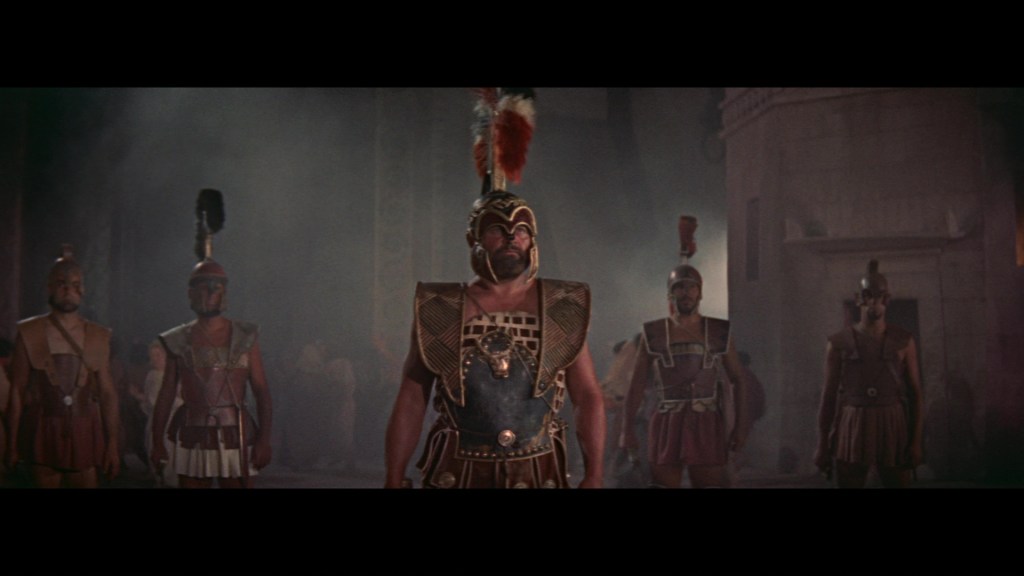
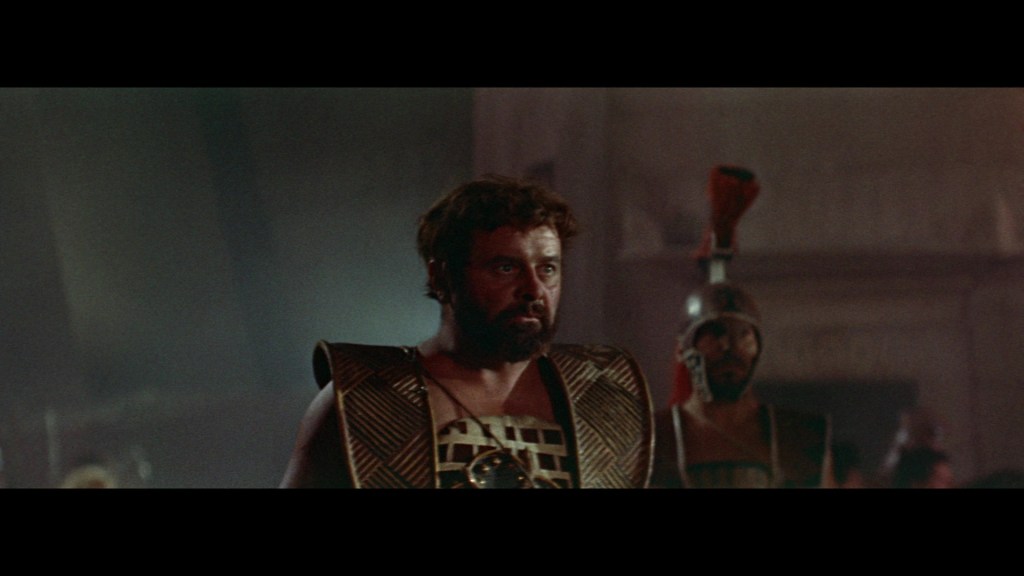
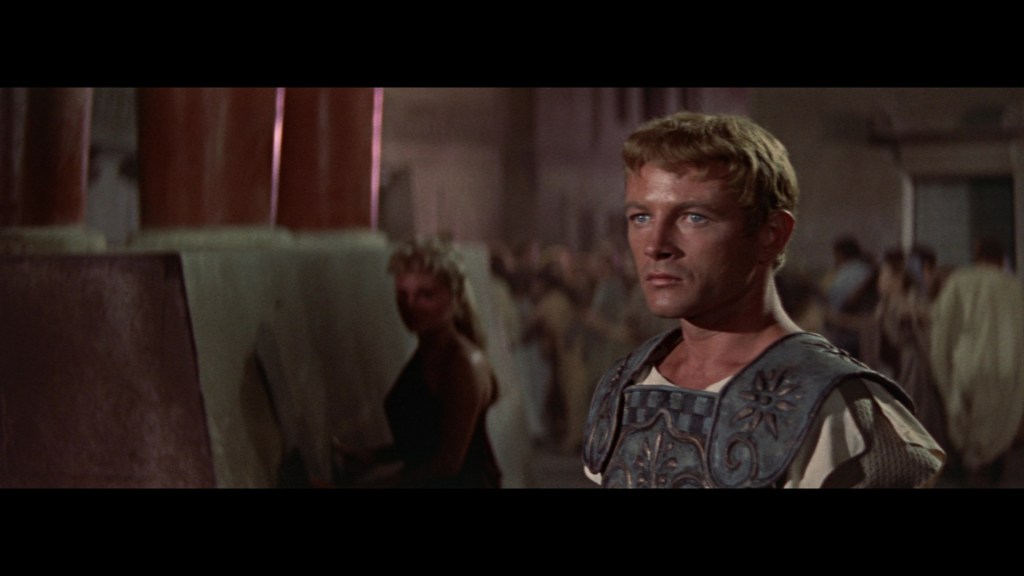
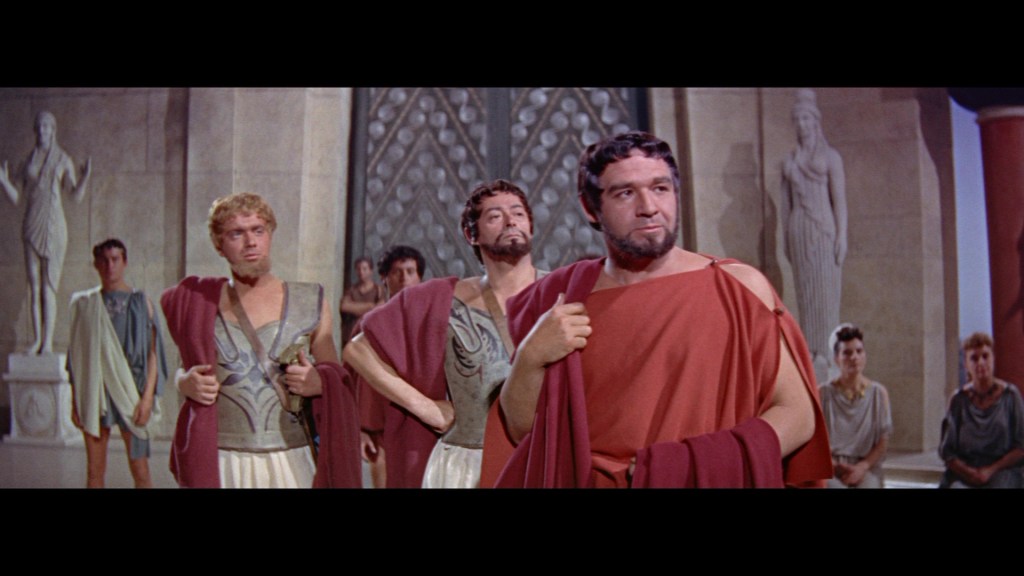
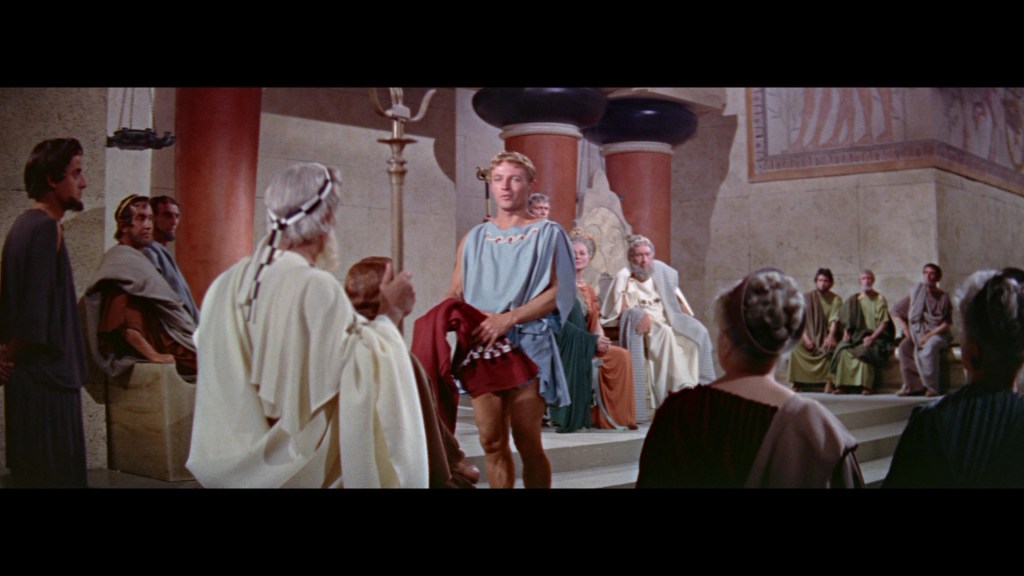
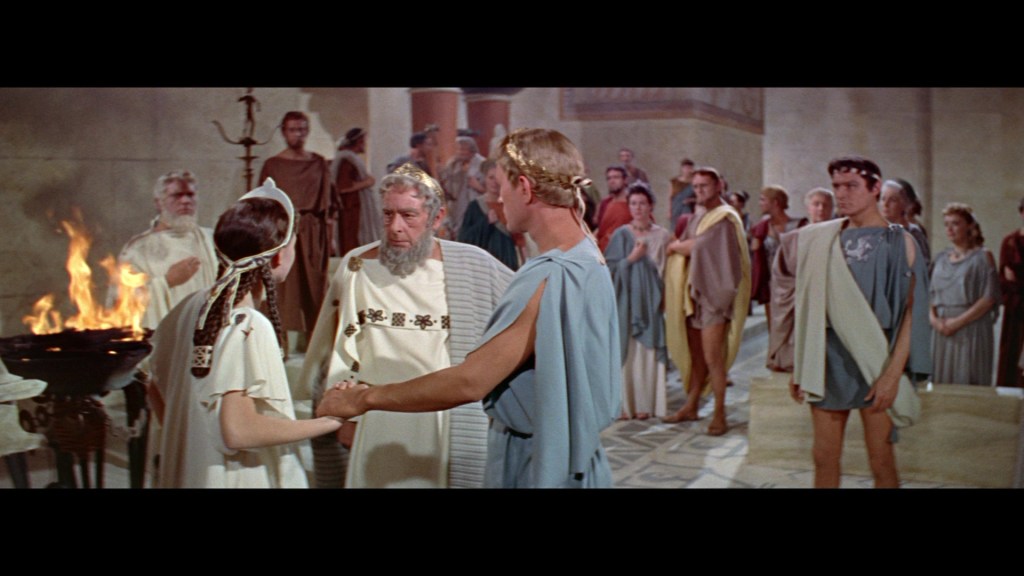
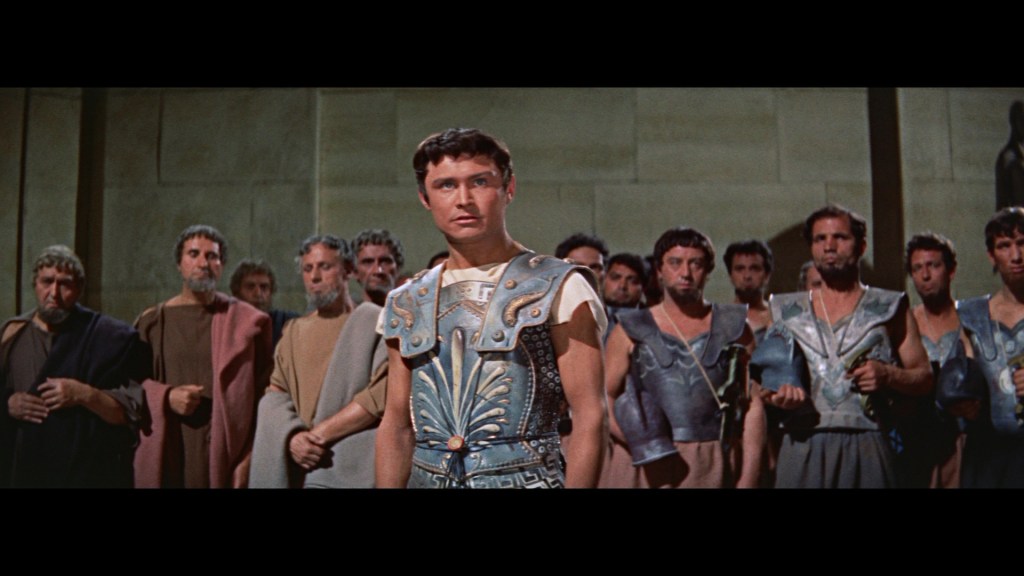
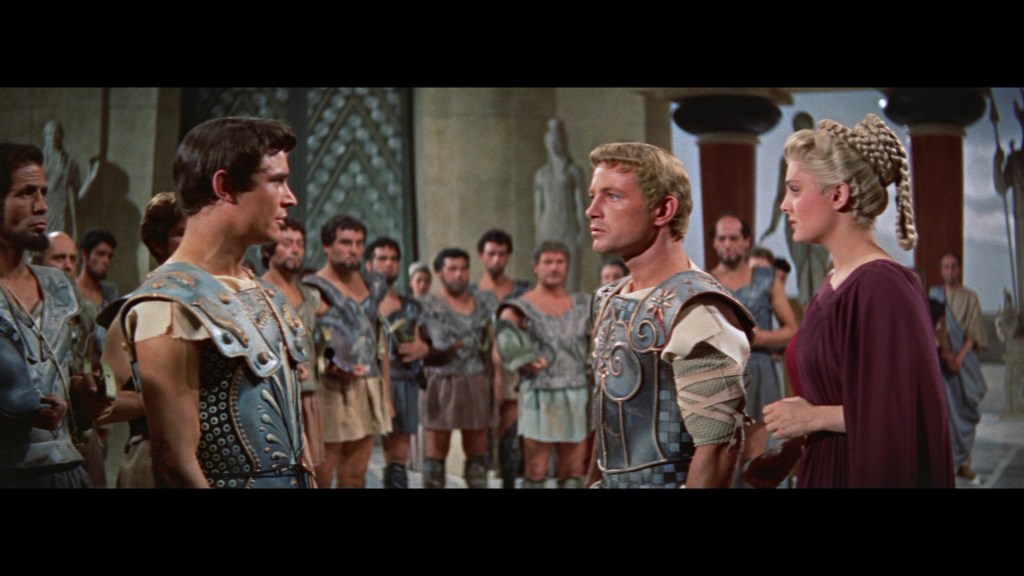
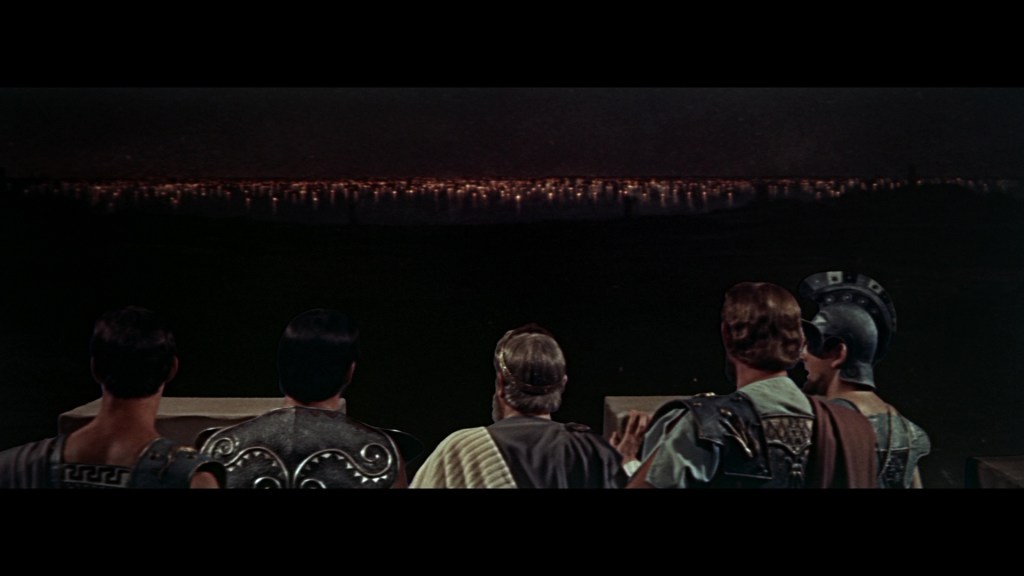
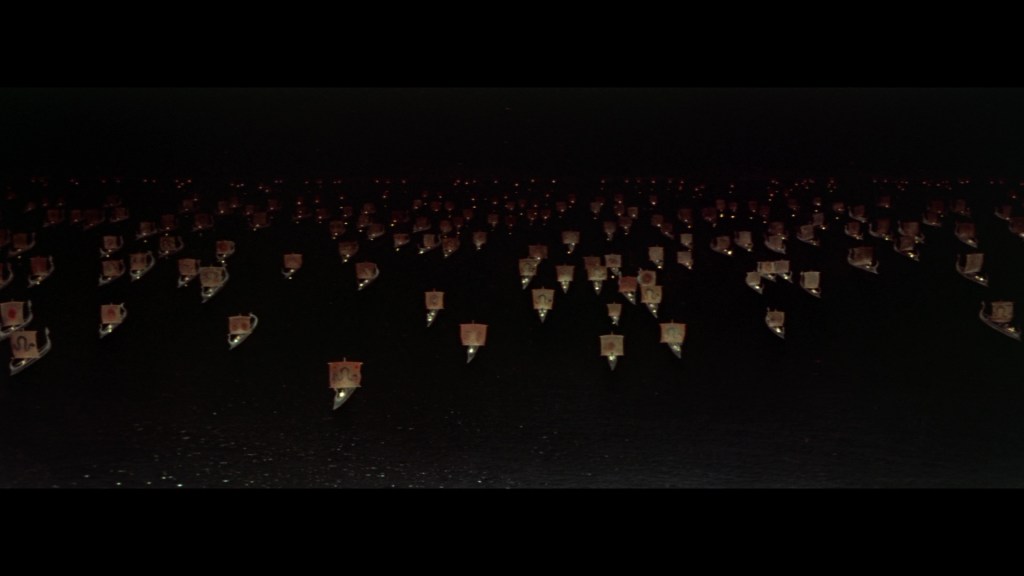
Frame Group #1
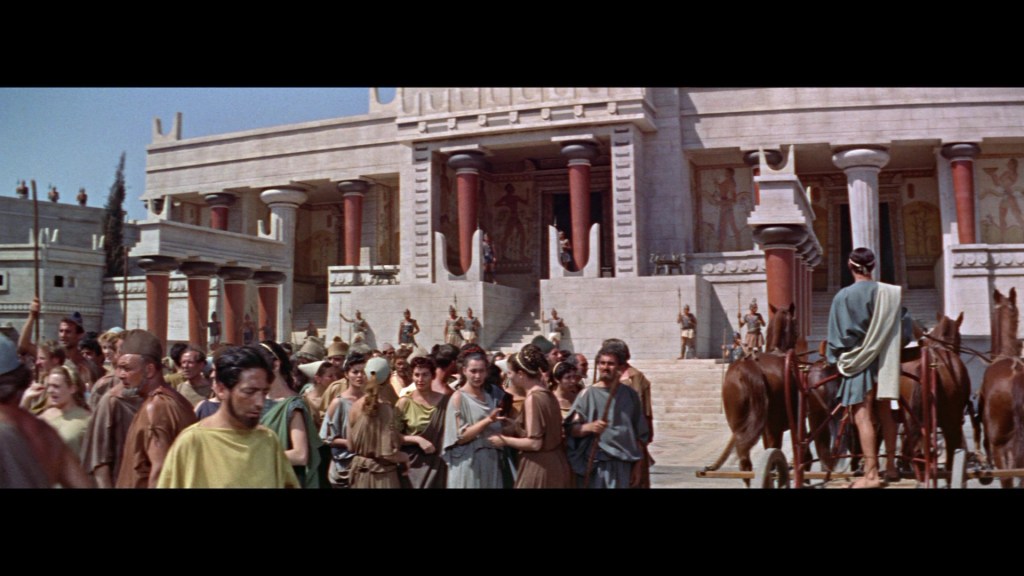
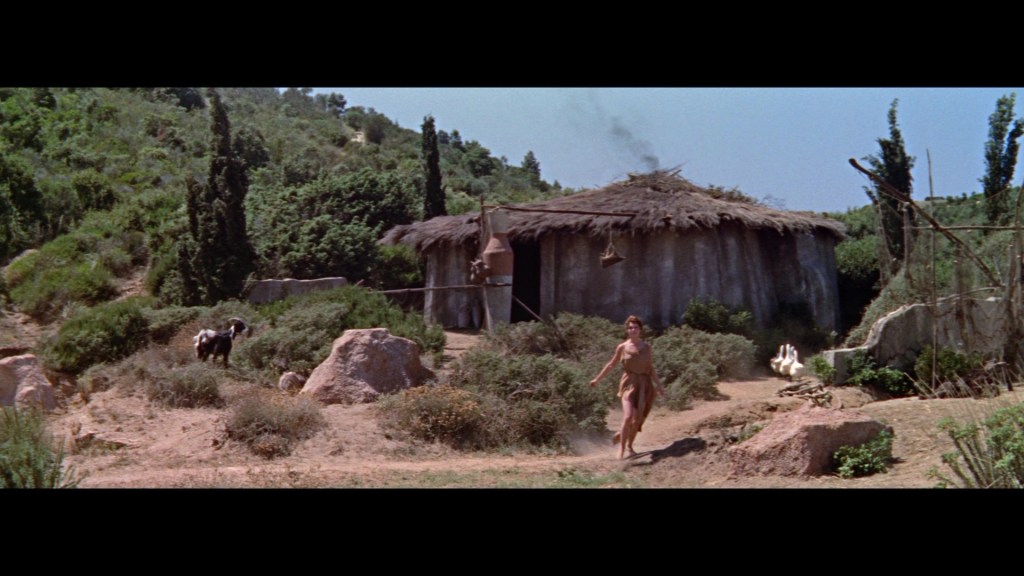
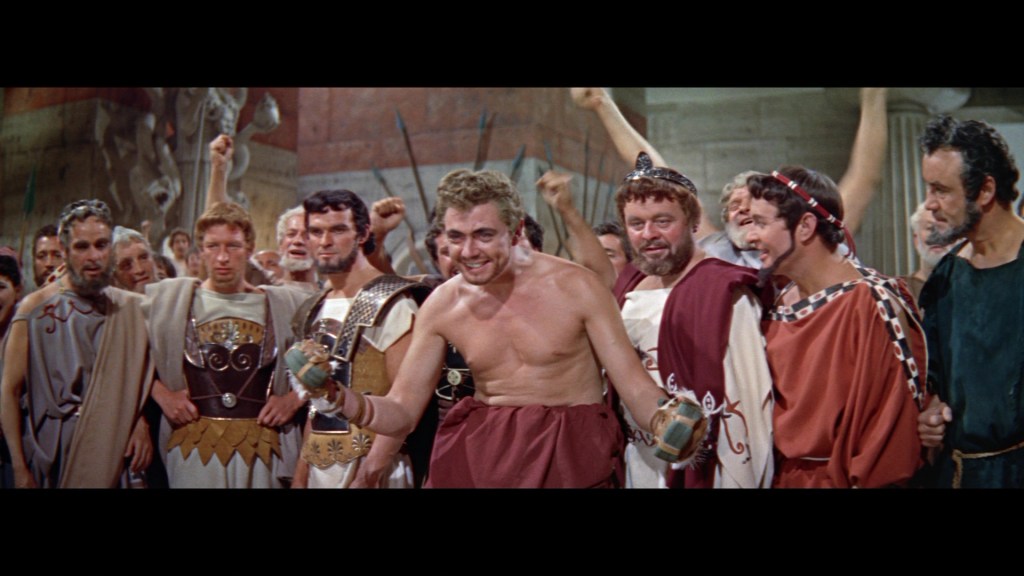
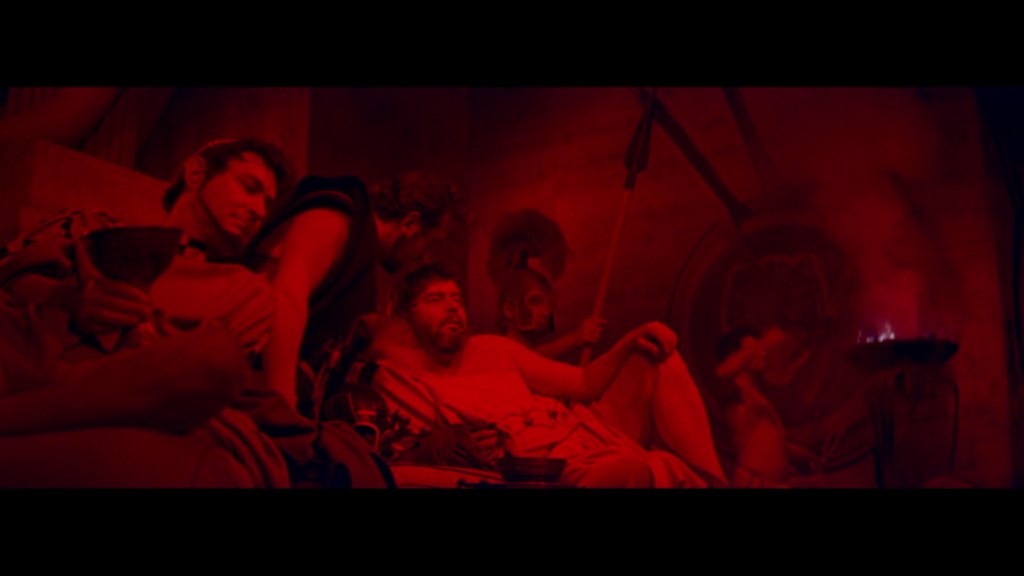
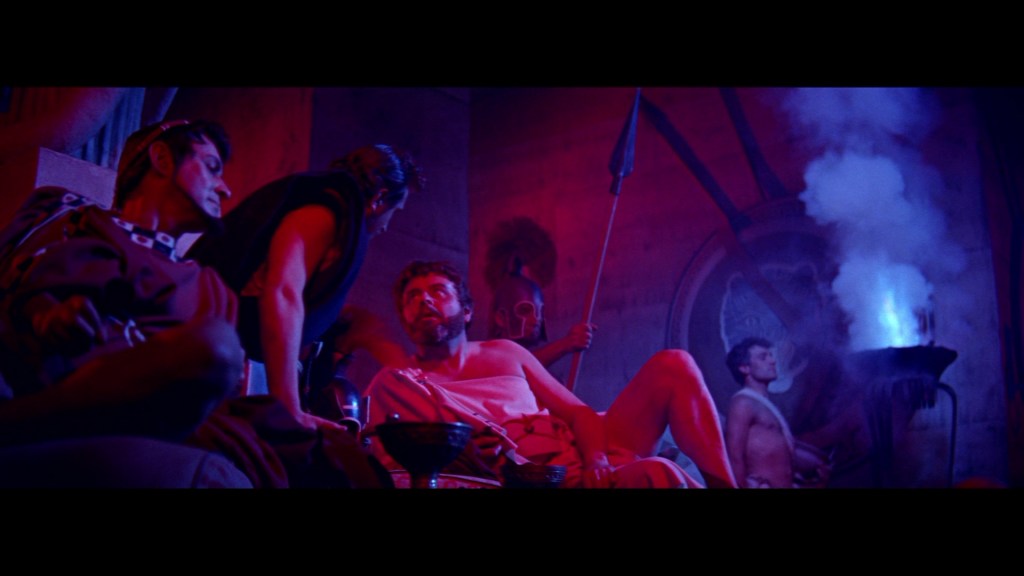
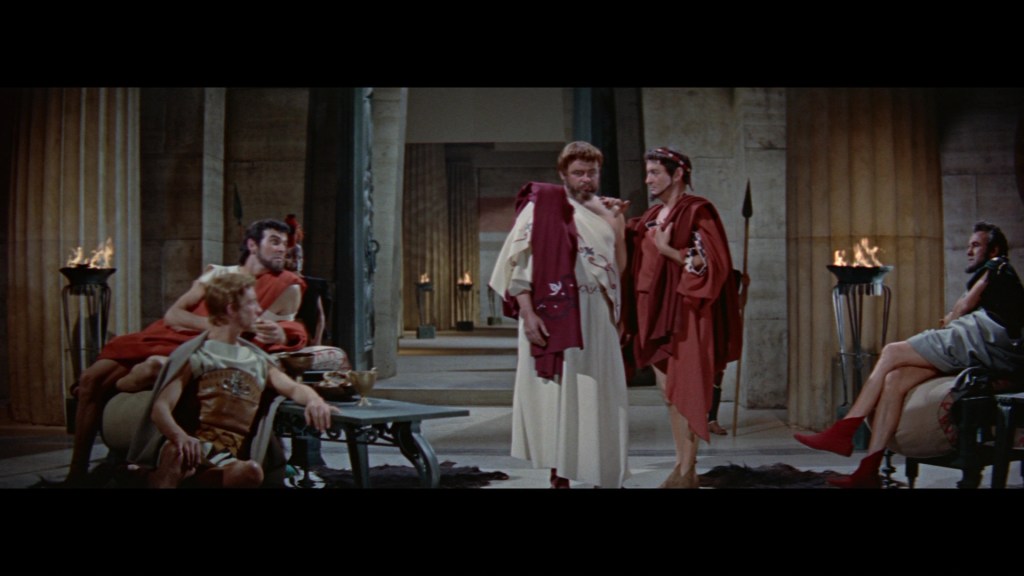
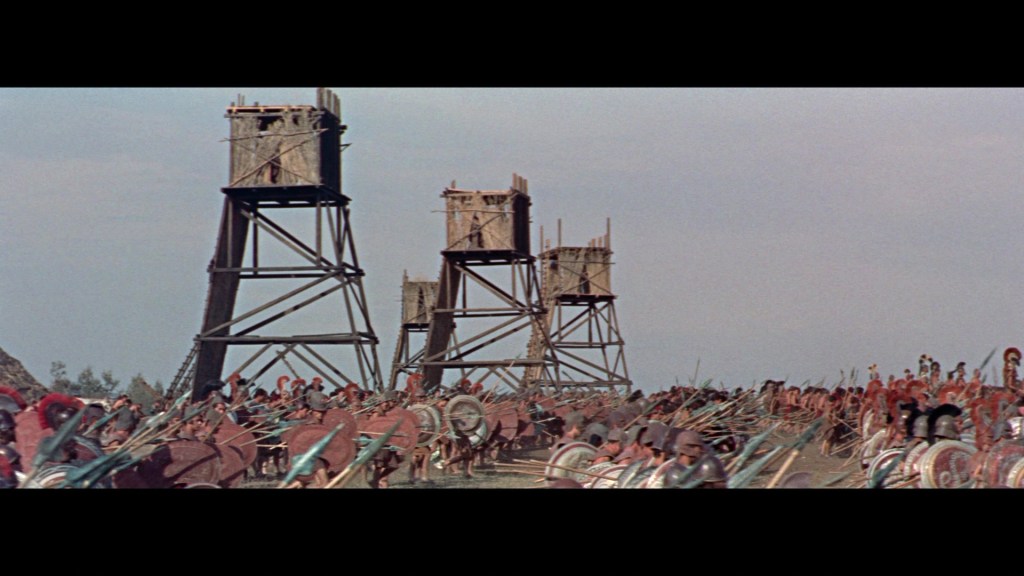
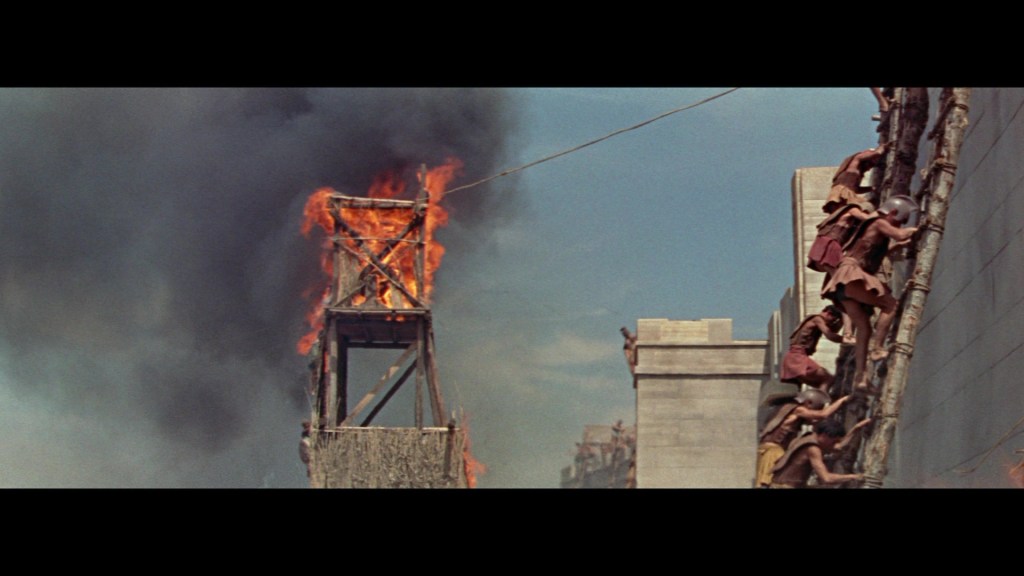
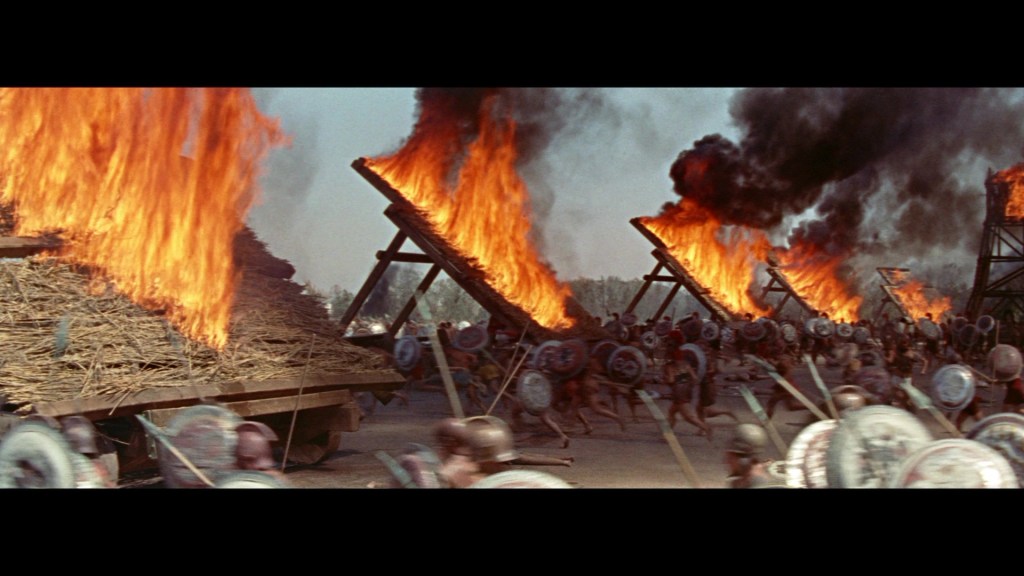
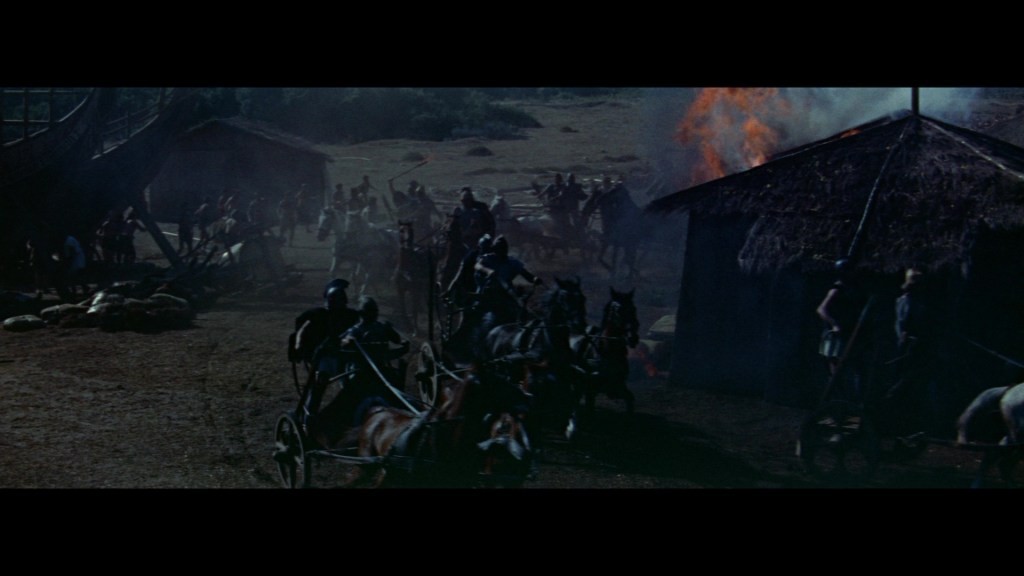
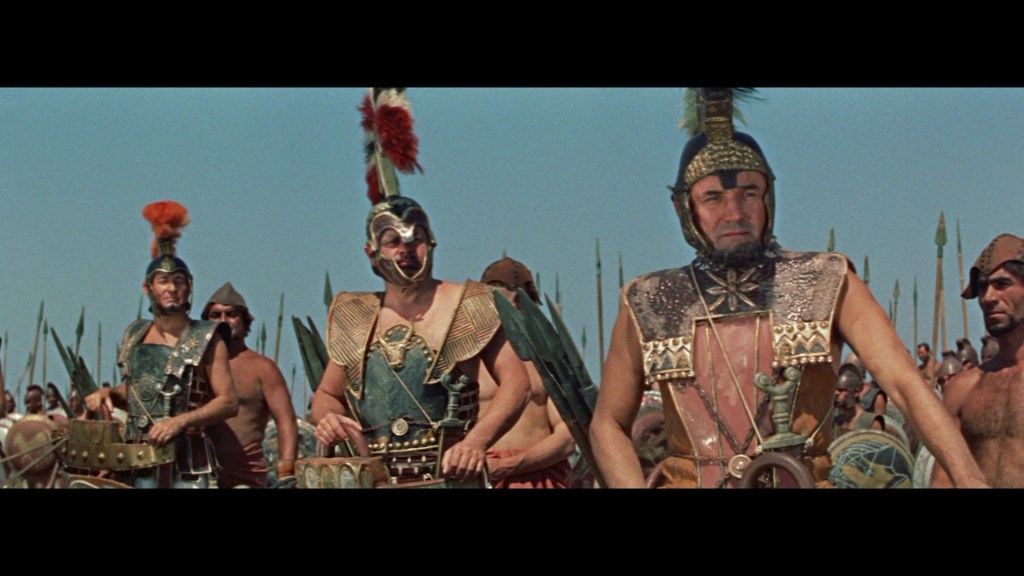
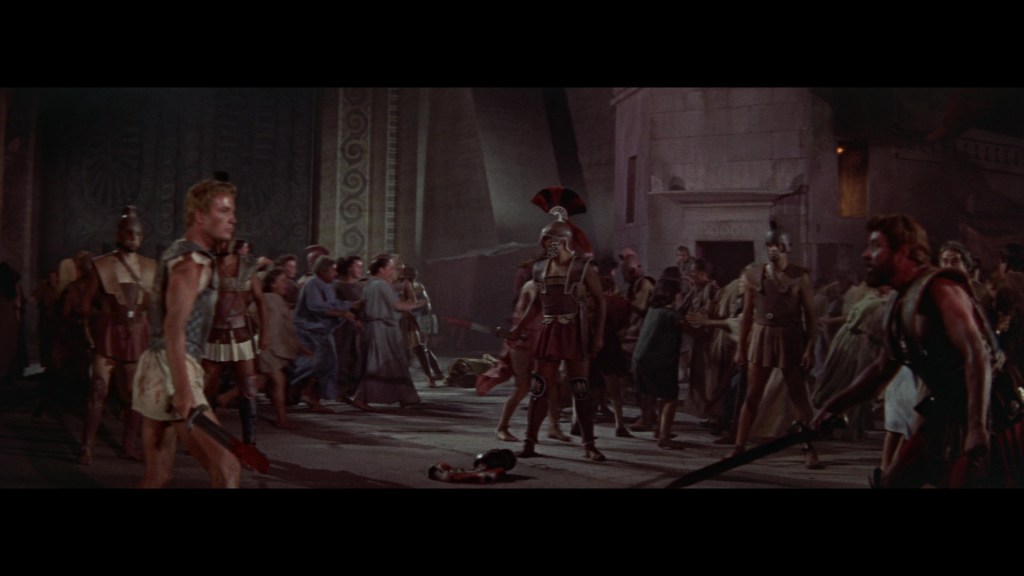
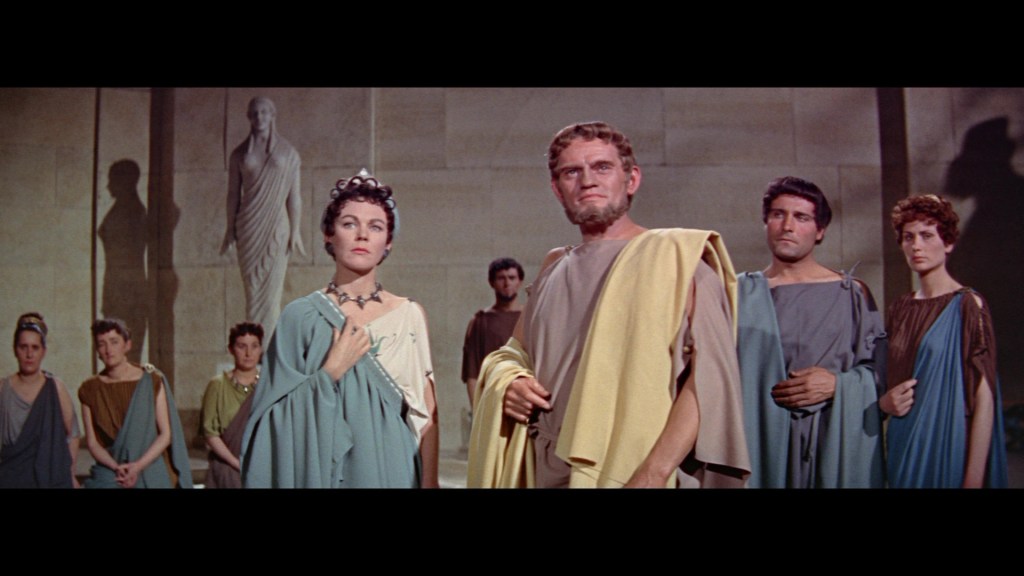
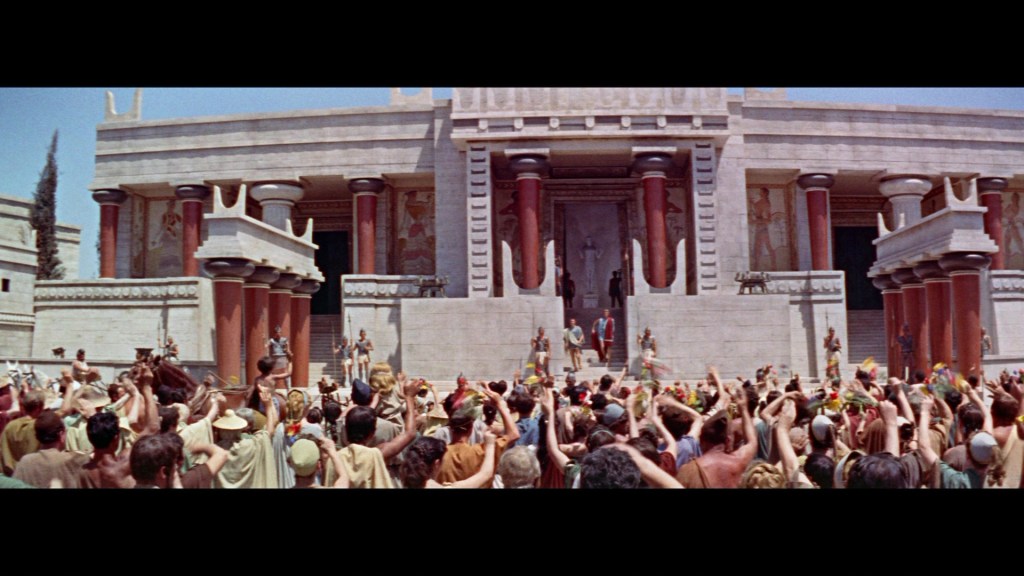
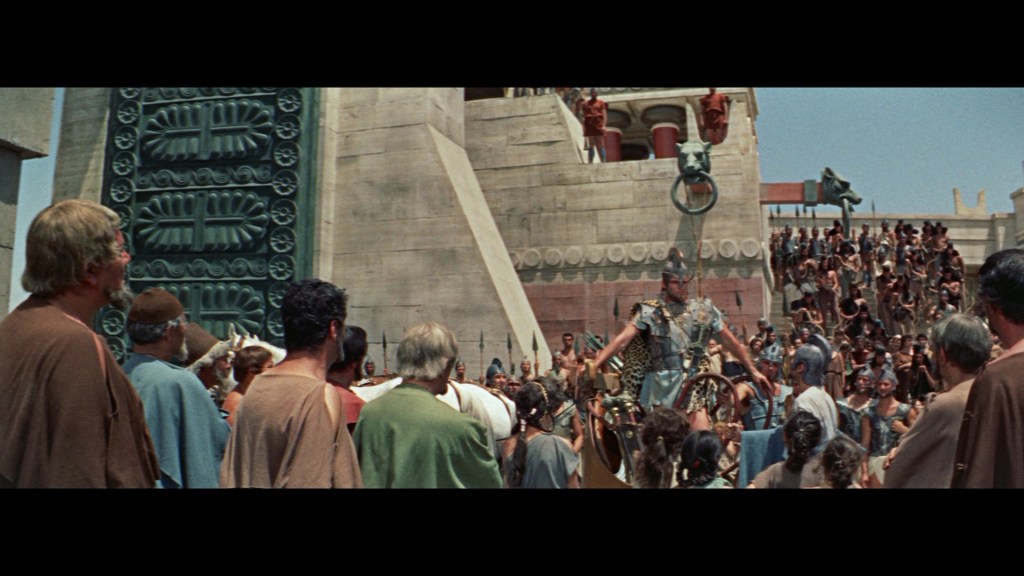
Frame Group #2
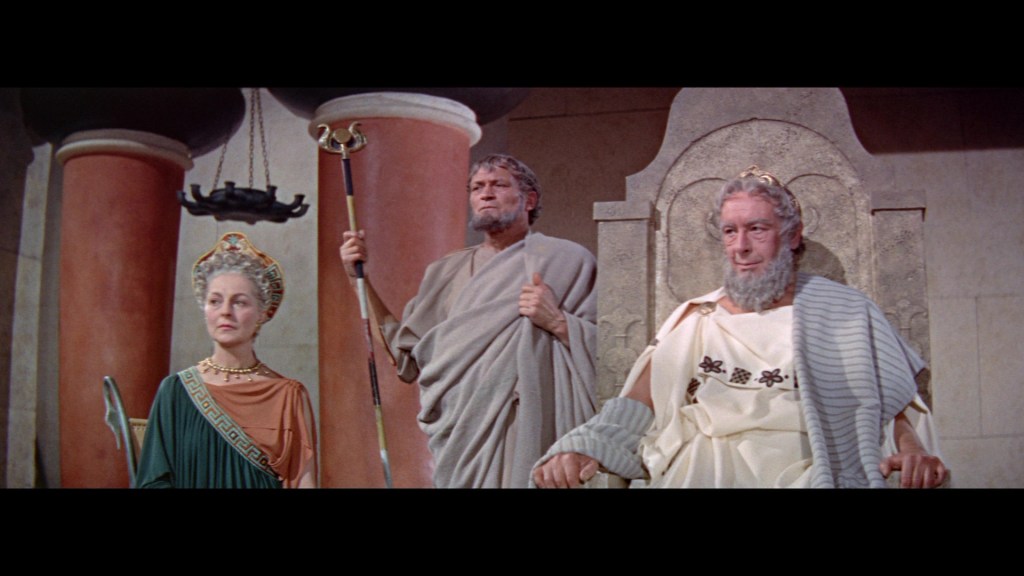
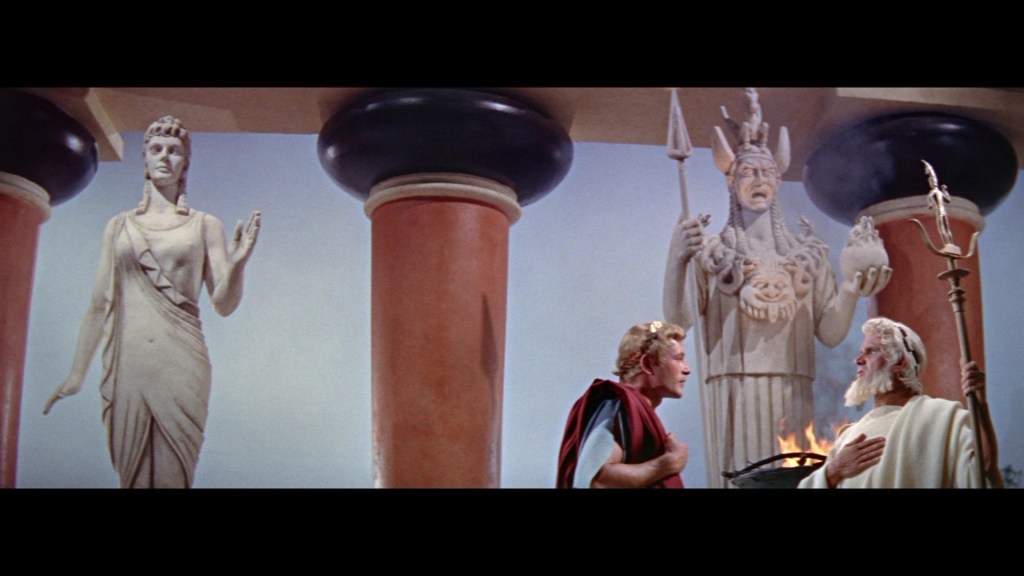
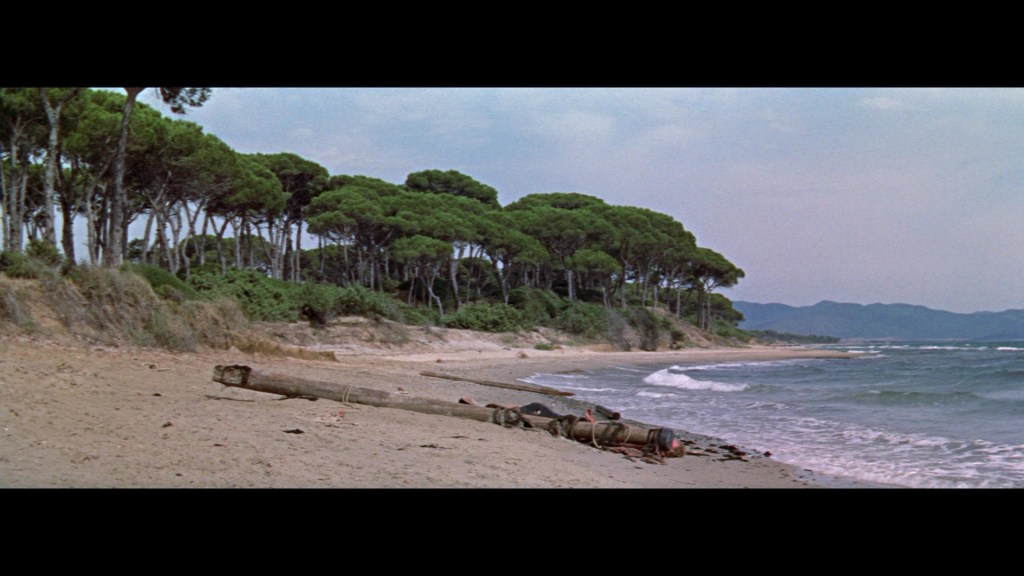
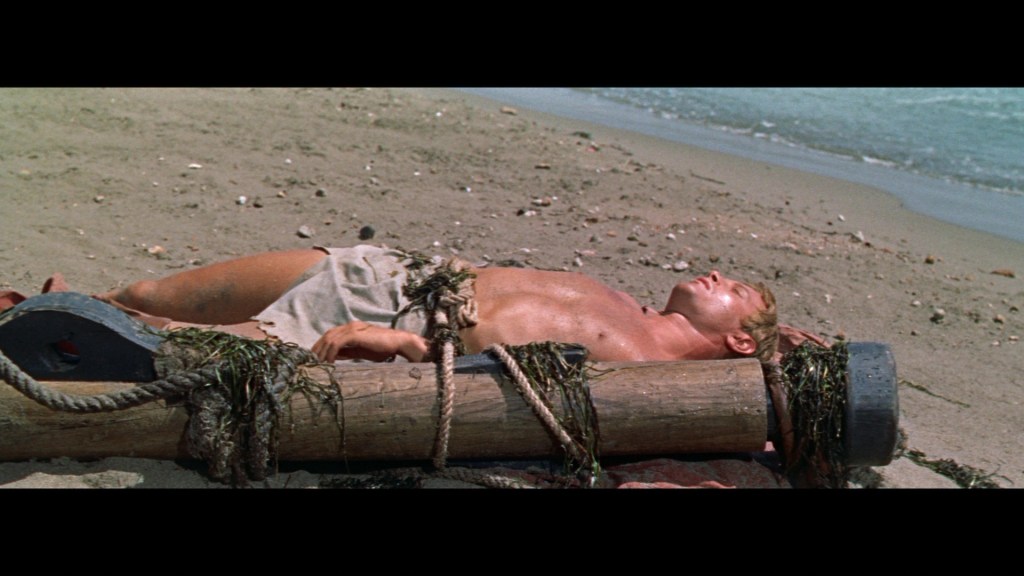
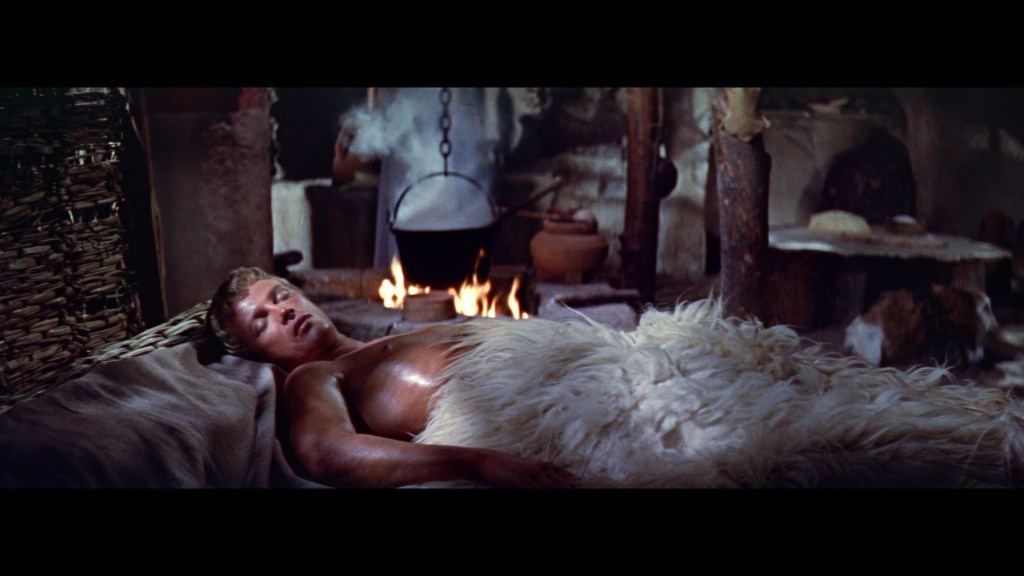
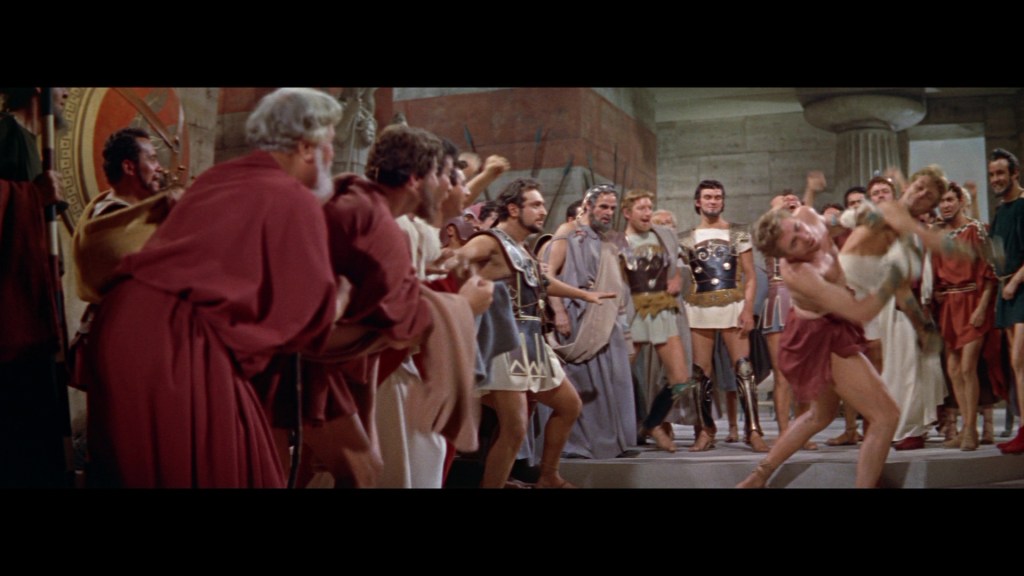
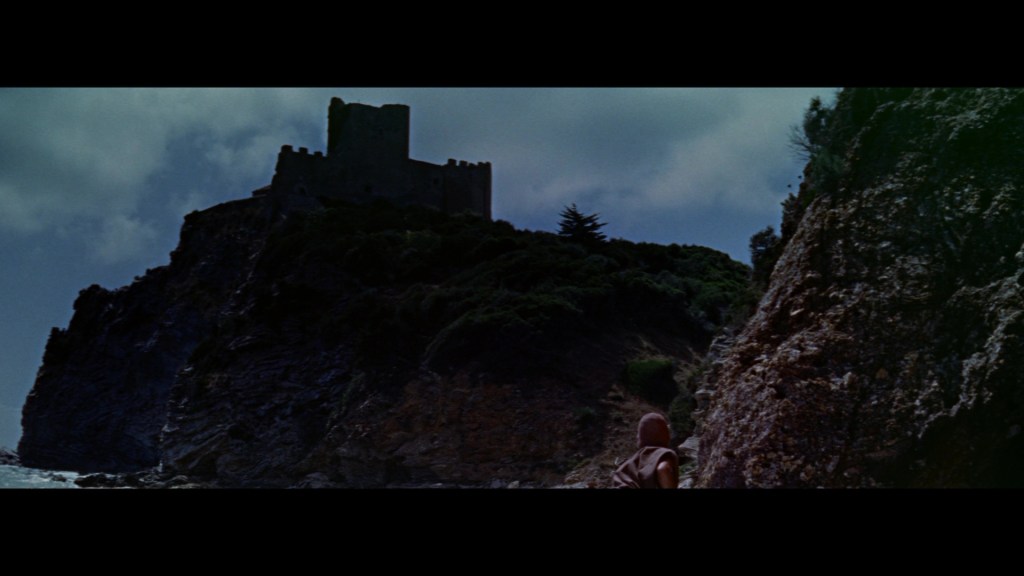
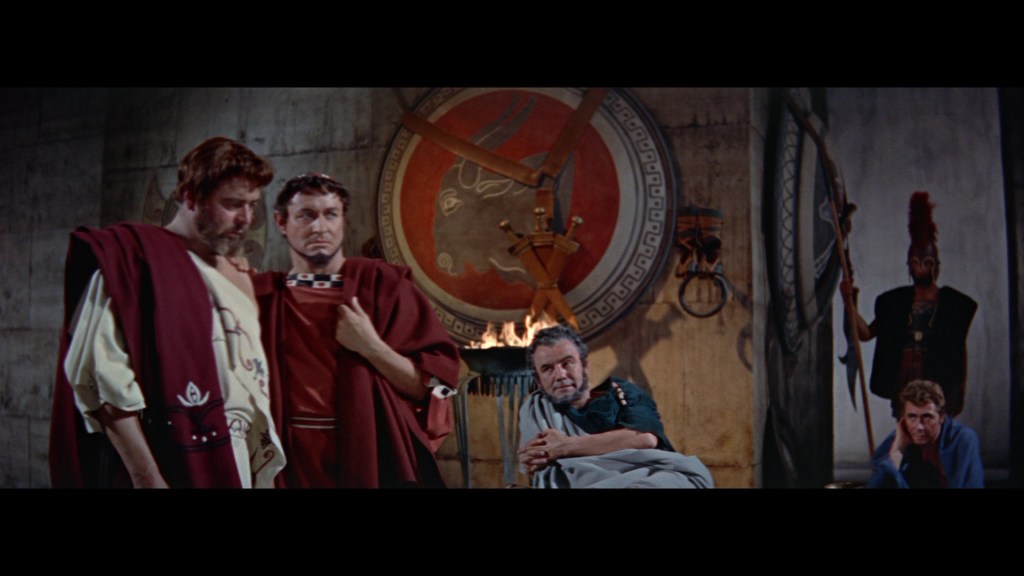
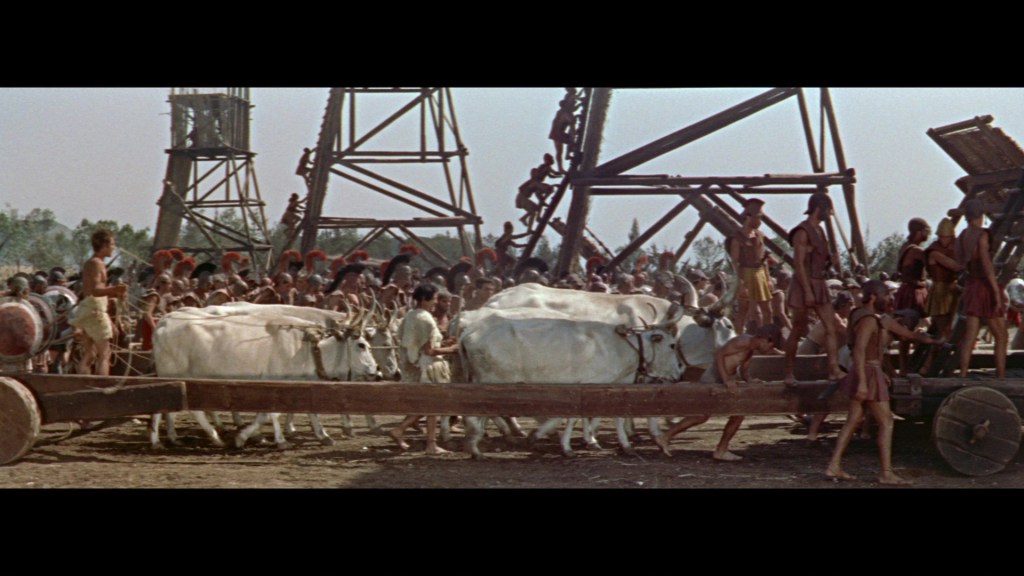
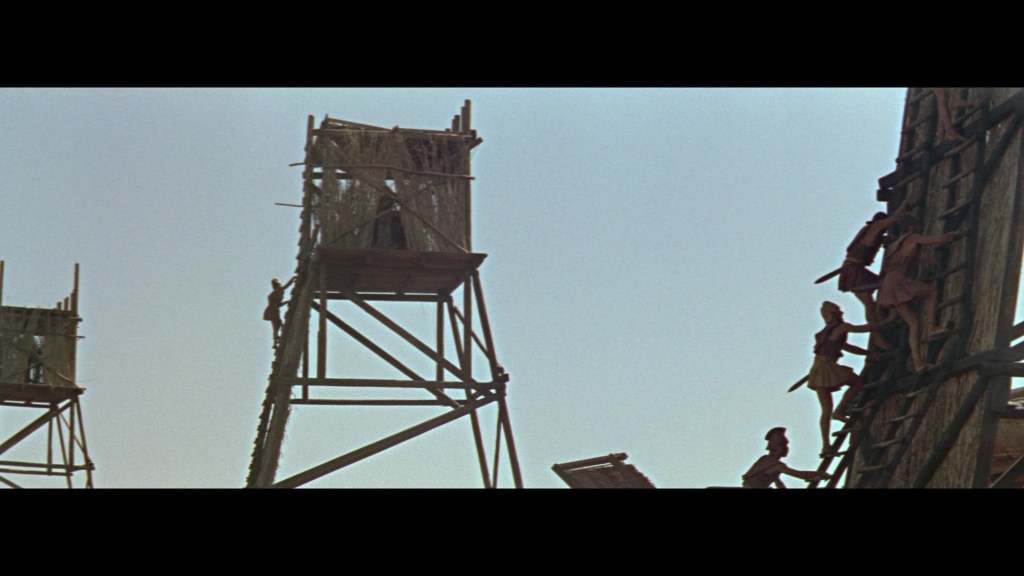
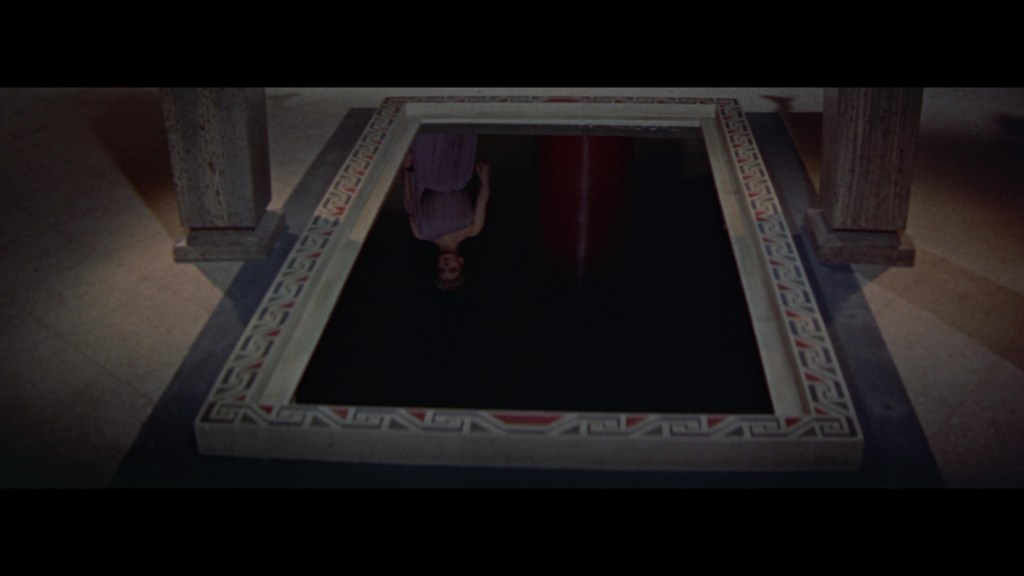
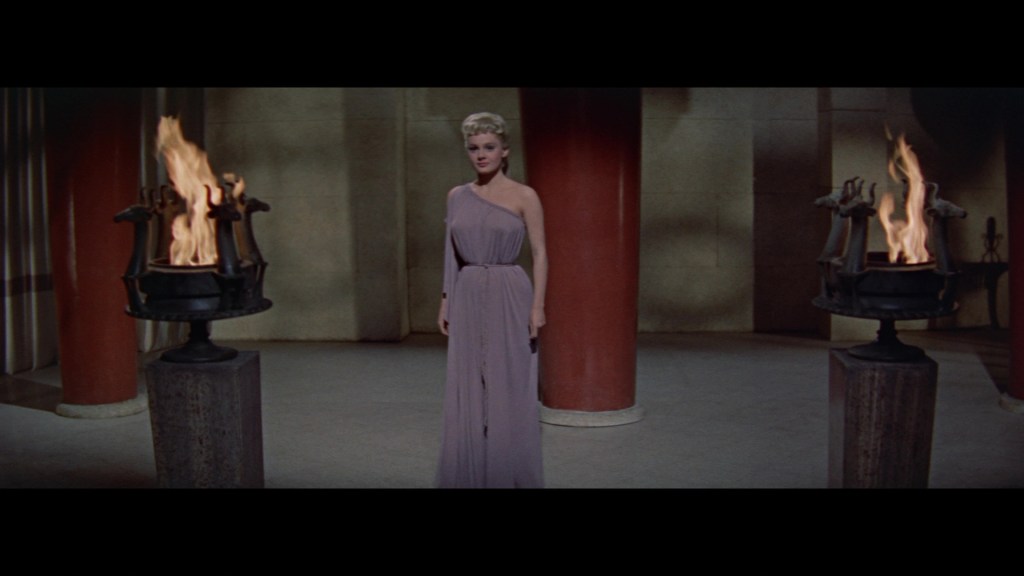
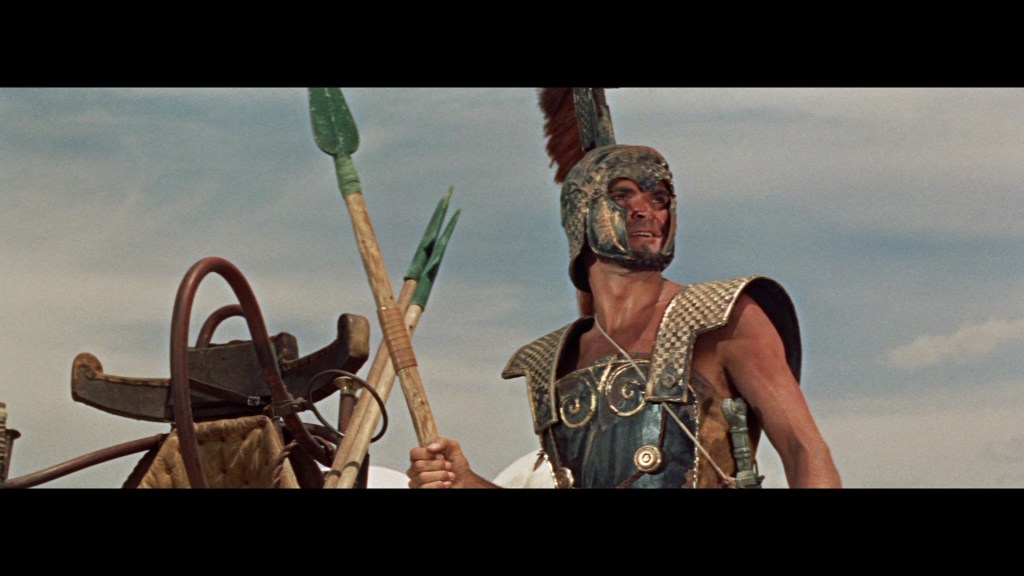
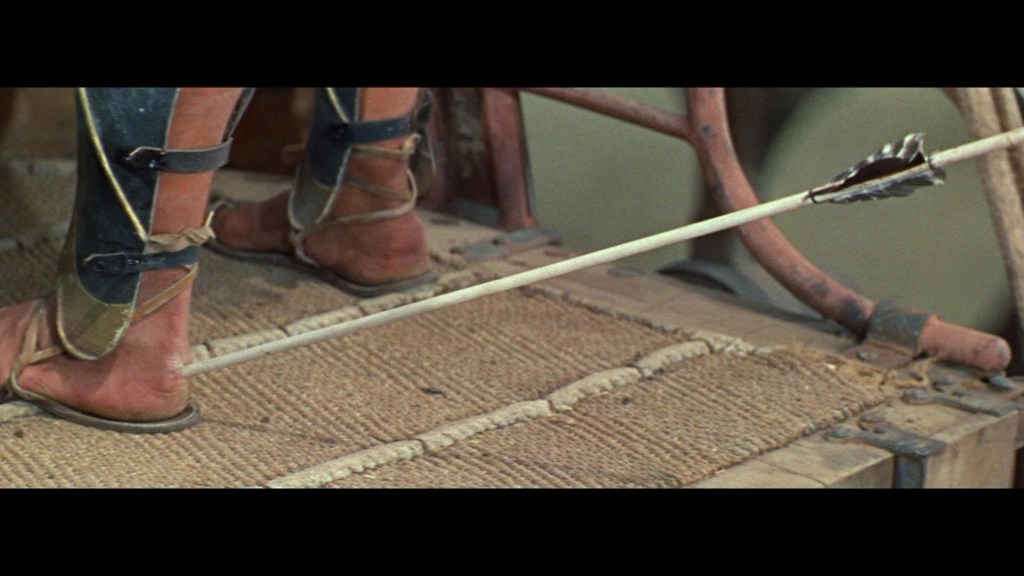
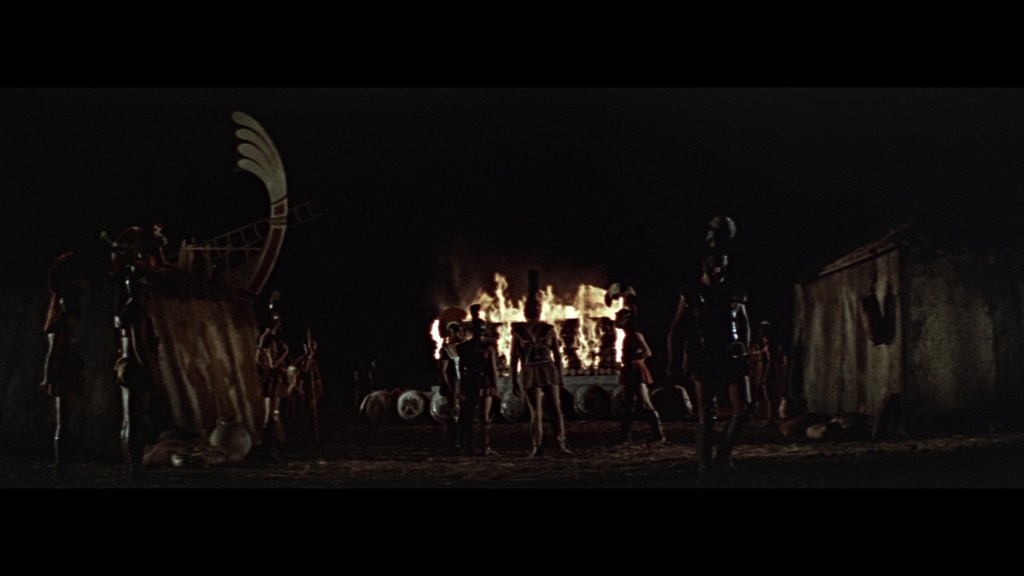
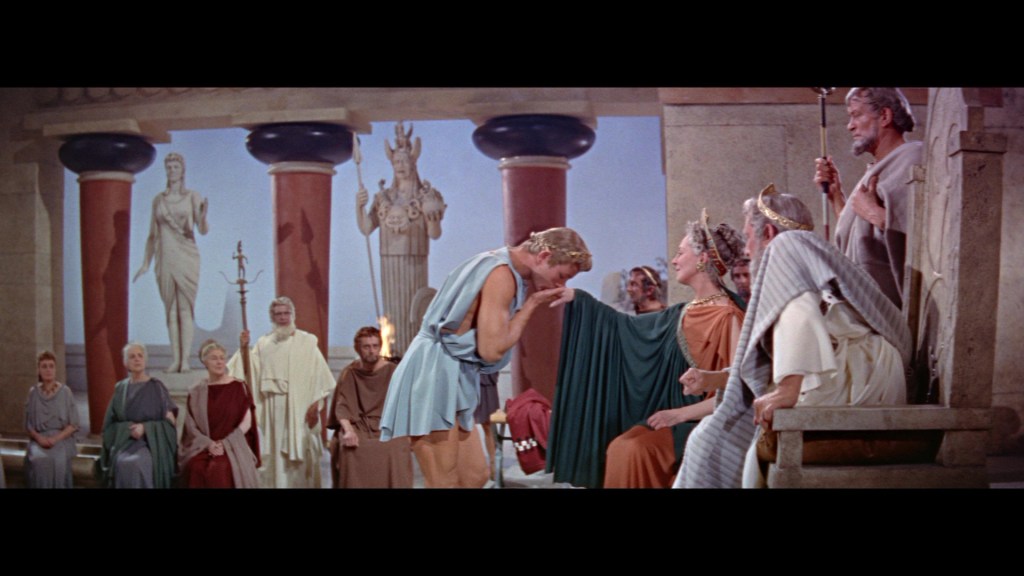
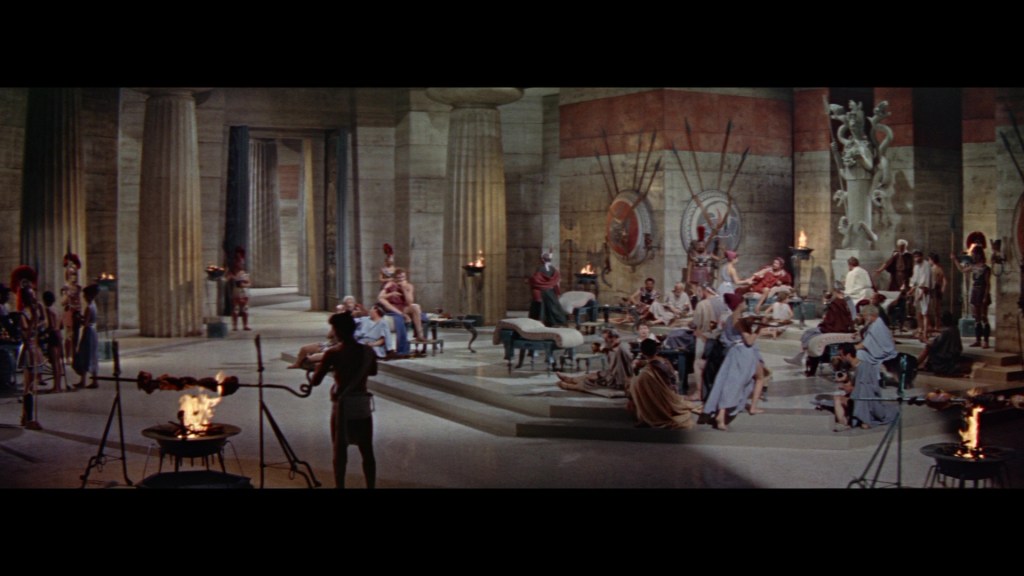
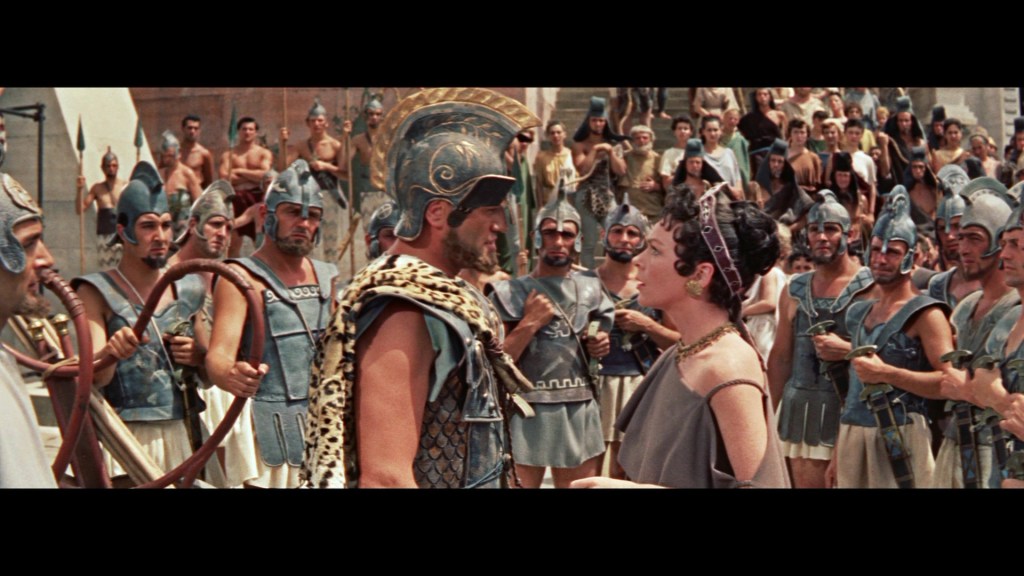
Frame Group #3
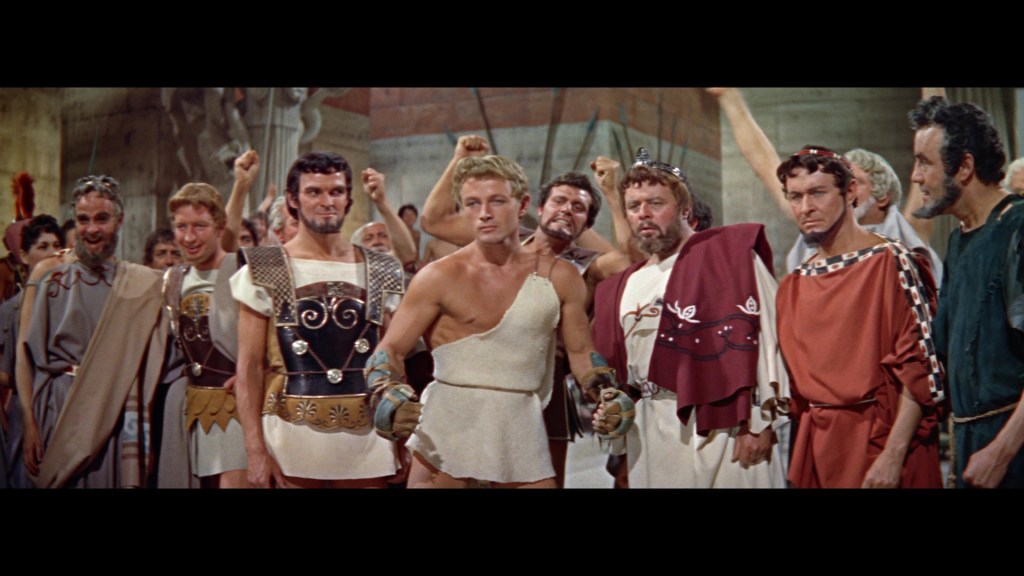
Framing For CinemaScope
Helen of Troy was photographed in the original CinemaScope aspect ratio of 2.55:1, with release prints containing four-track magnetic stereo sound. When some theaters balked at the expense of installing the equipment needed to play the format’s magnetic soundtracks, 20th Century Fox began issuing CinemaScope prints with both magnetic and conventional optical soundtracks. Because the optical soundtrack occupied part of the film strip, the available picture area was reduced, resulting in subsequent CinemaScope releases adopting a narrower 2.35:1 aspect ratio.
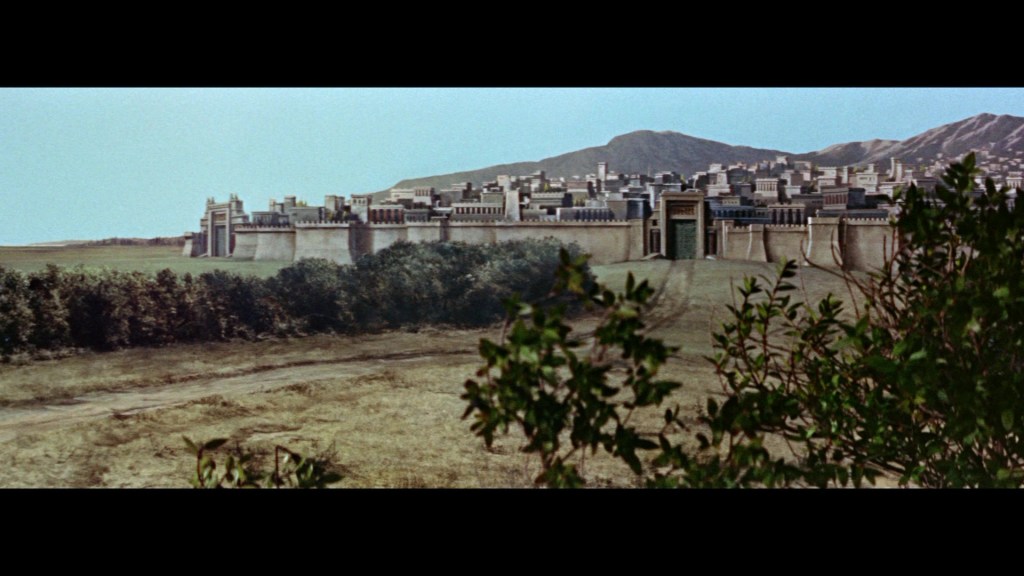
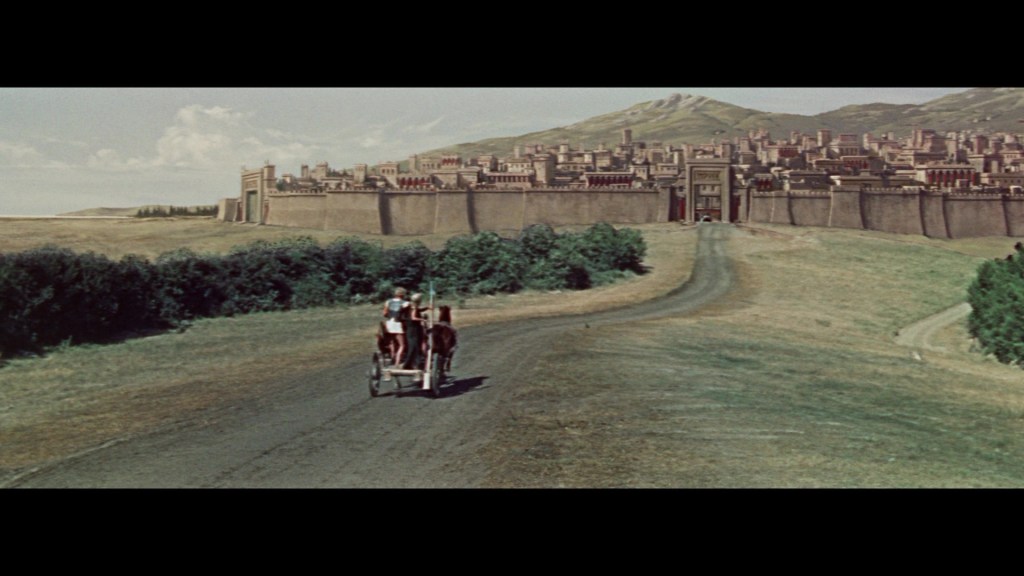
Matte Paintings
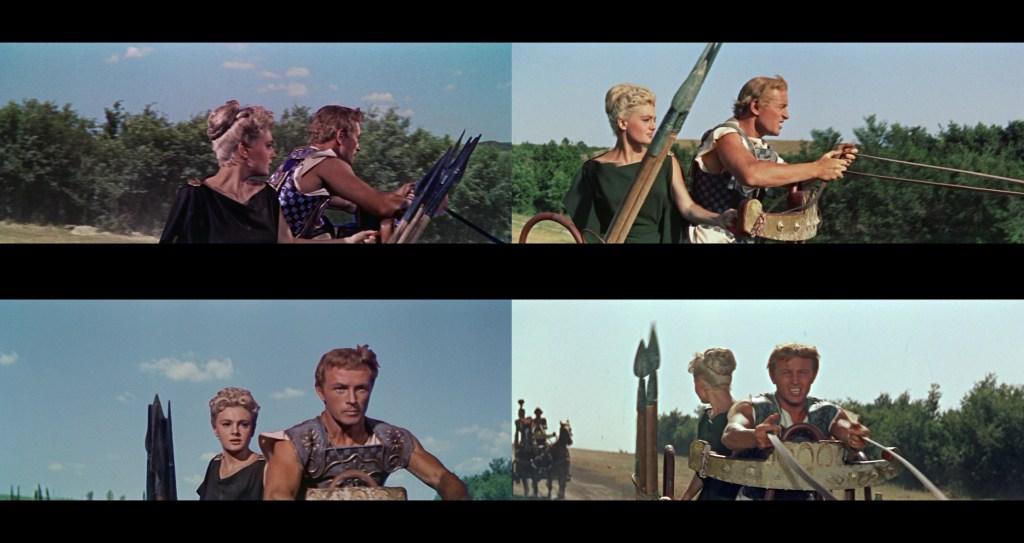
Bluescreen Composites
Below, compare the bluescreen-lensed studio portions on the left with the practical location shots on the right for this chariot chase sequence.
Scene Breakdowns
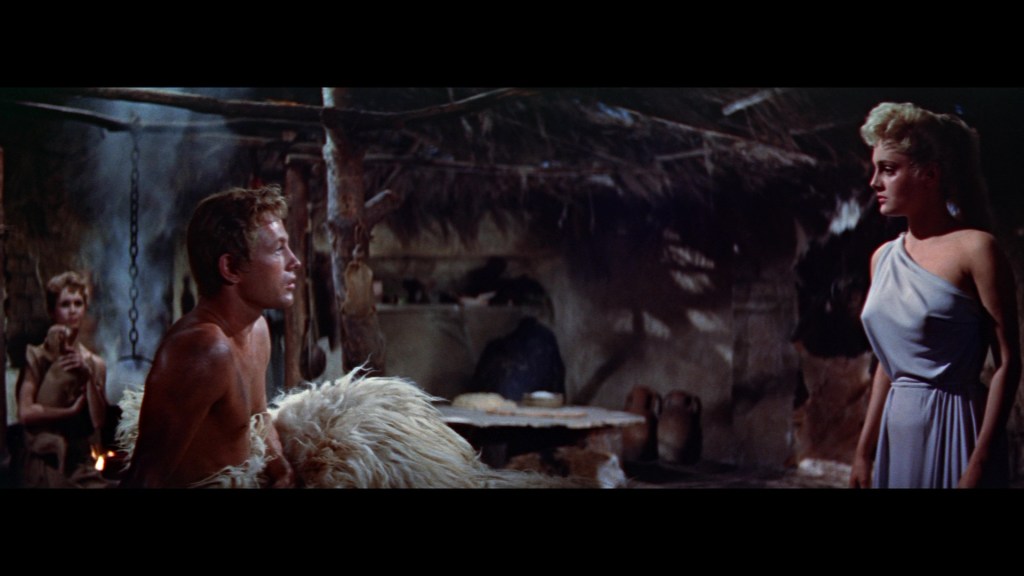
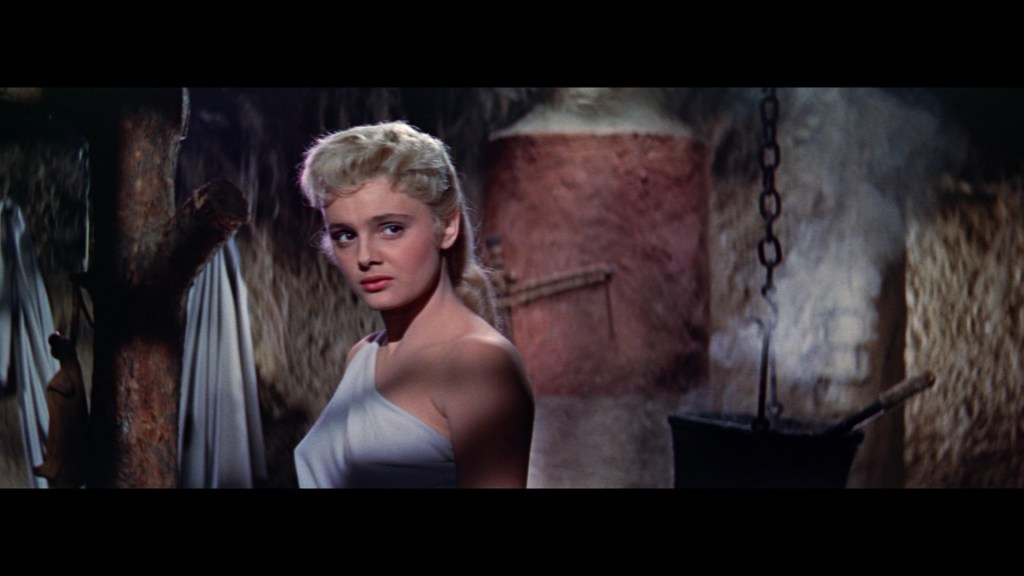
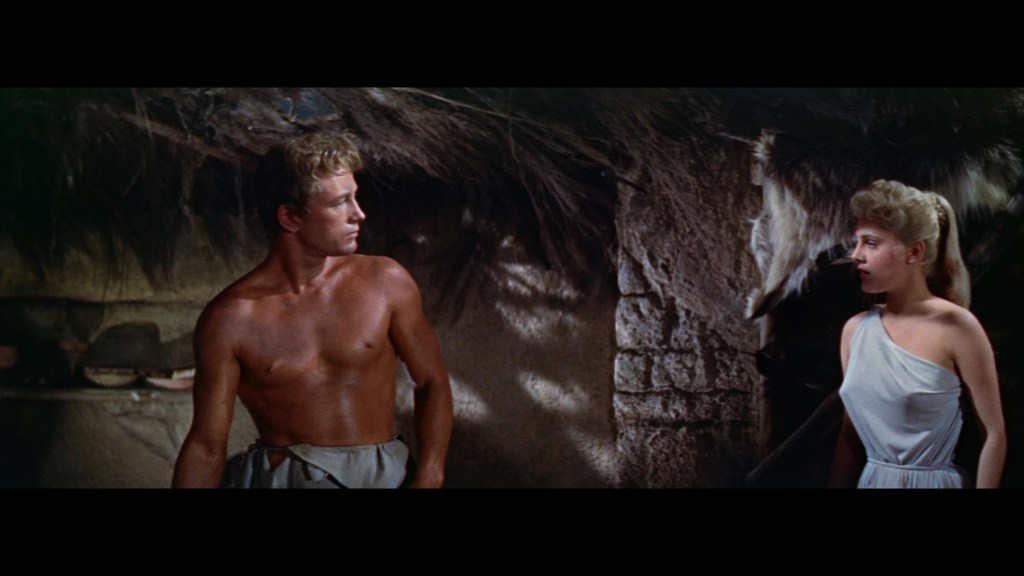
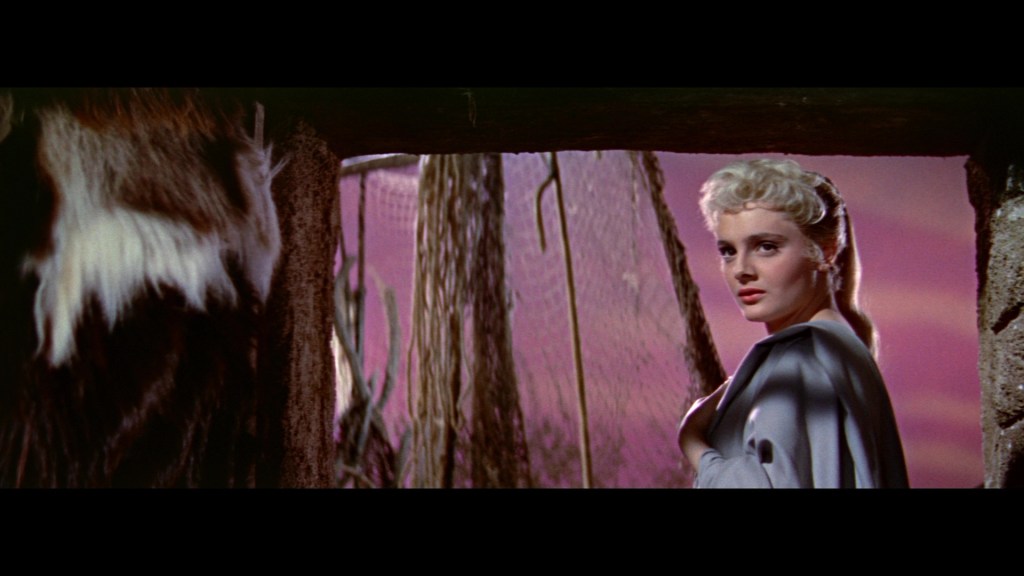
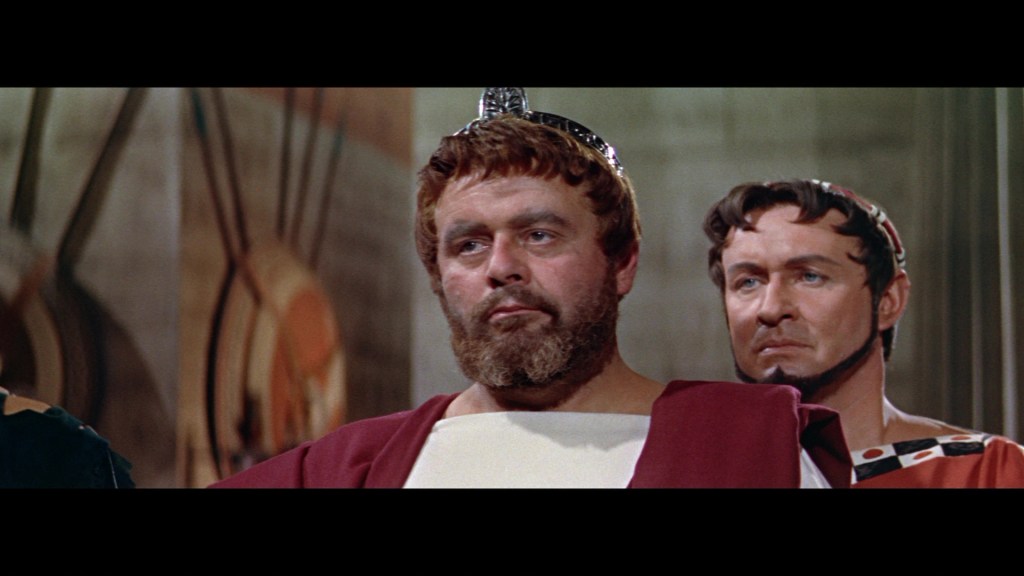
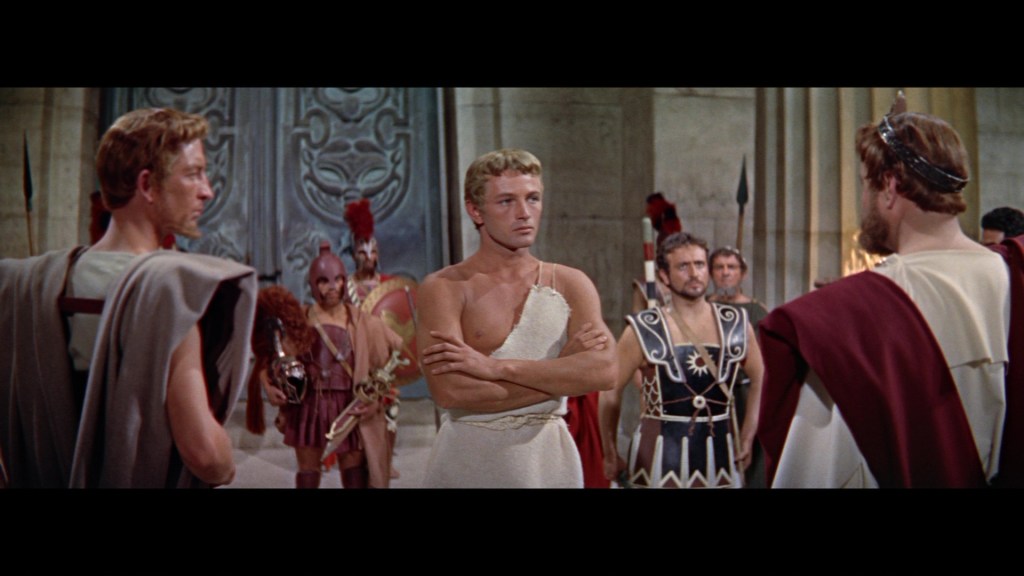
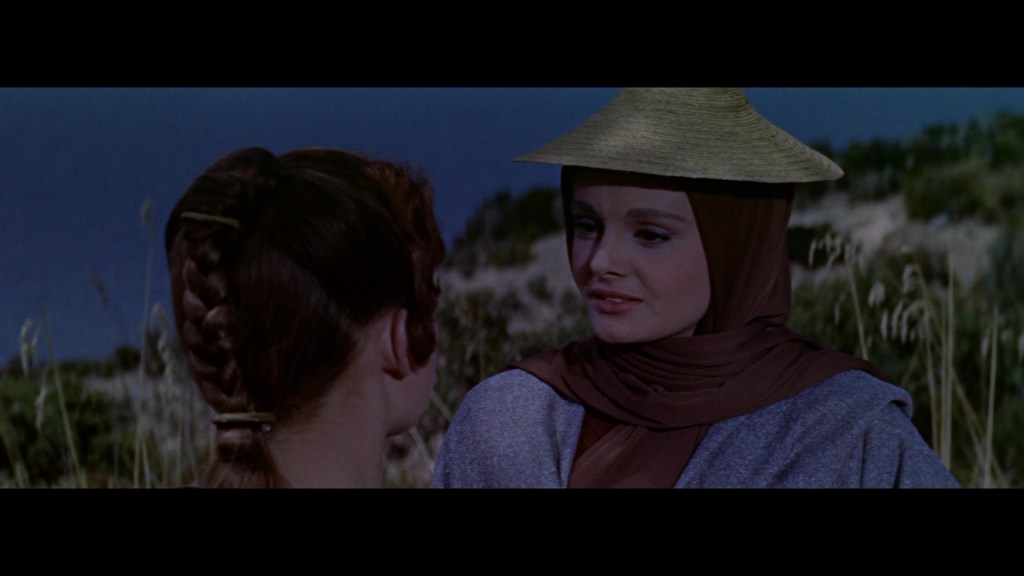
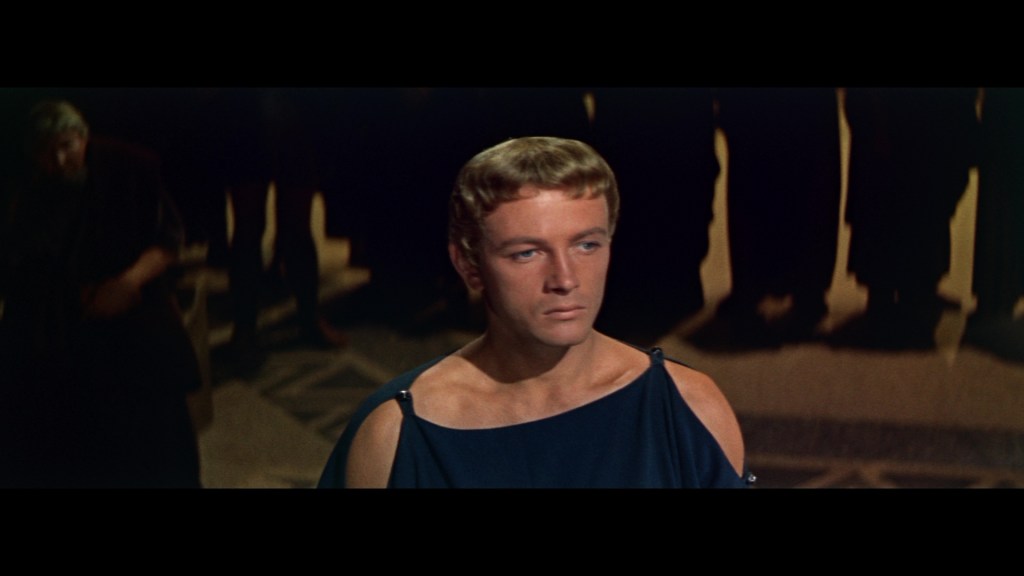
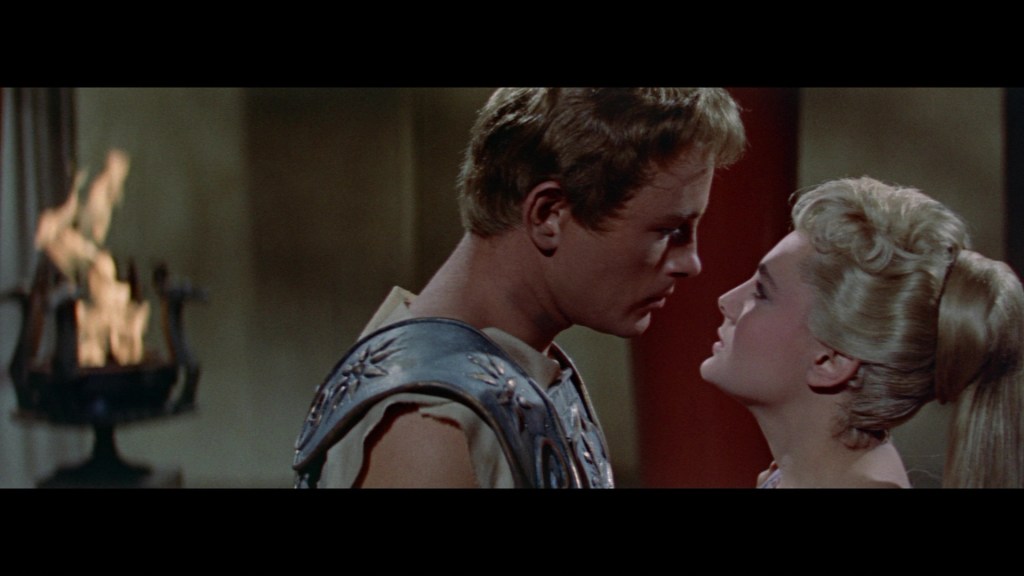
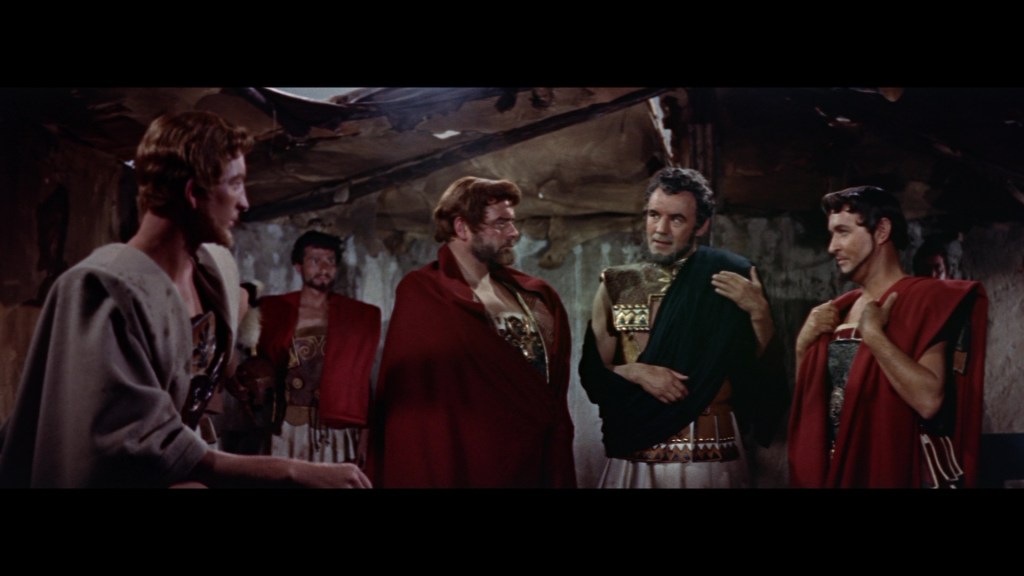
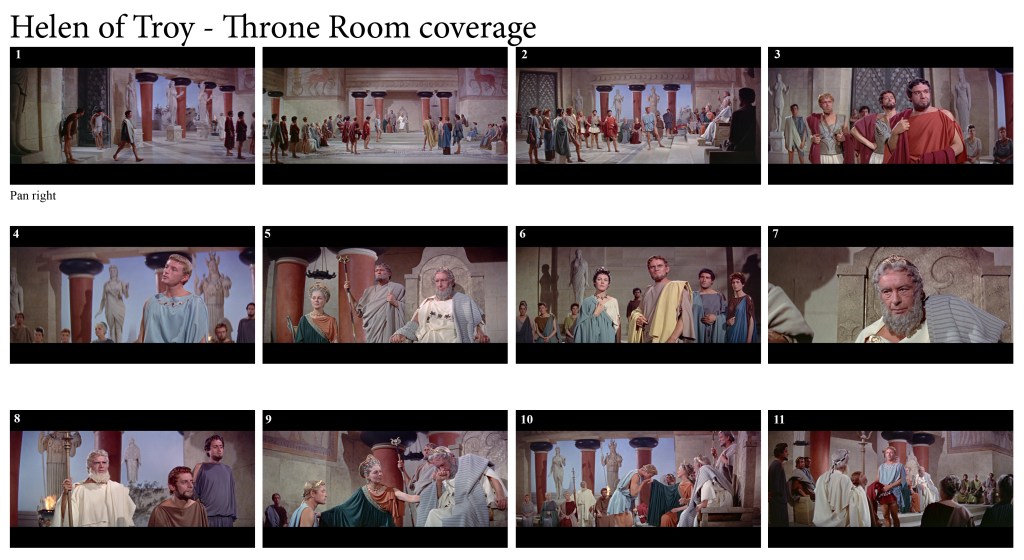
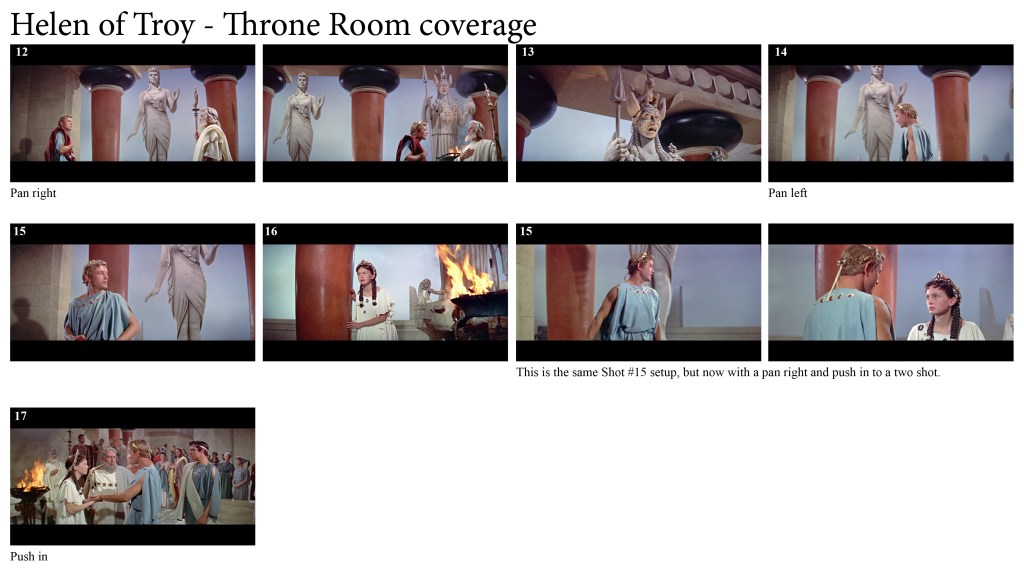
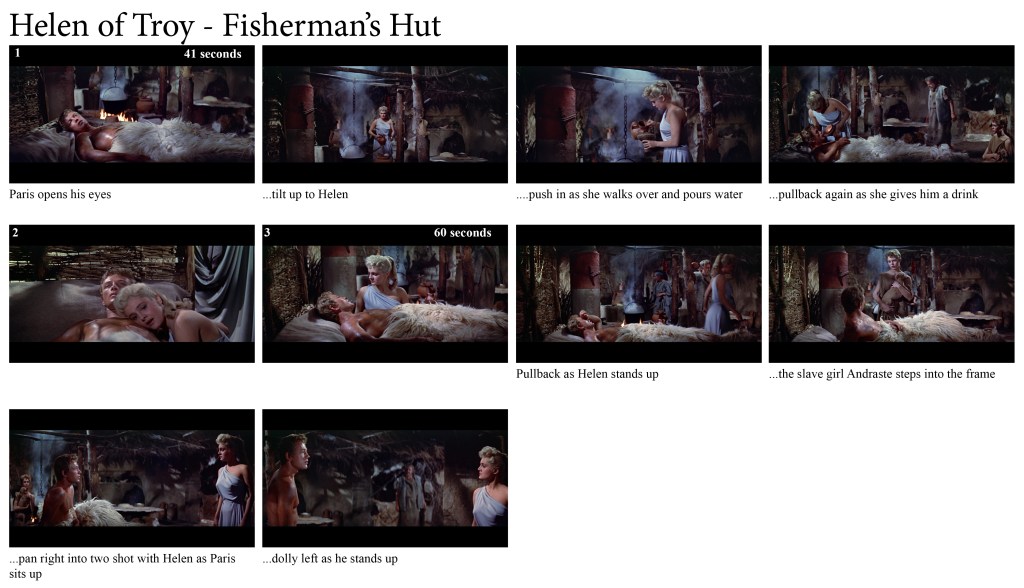
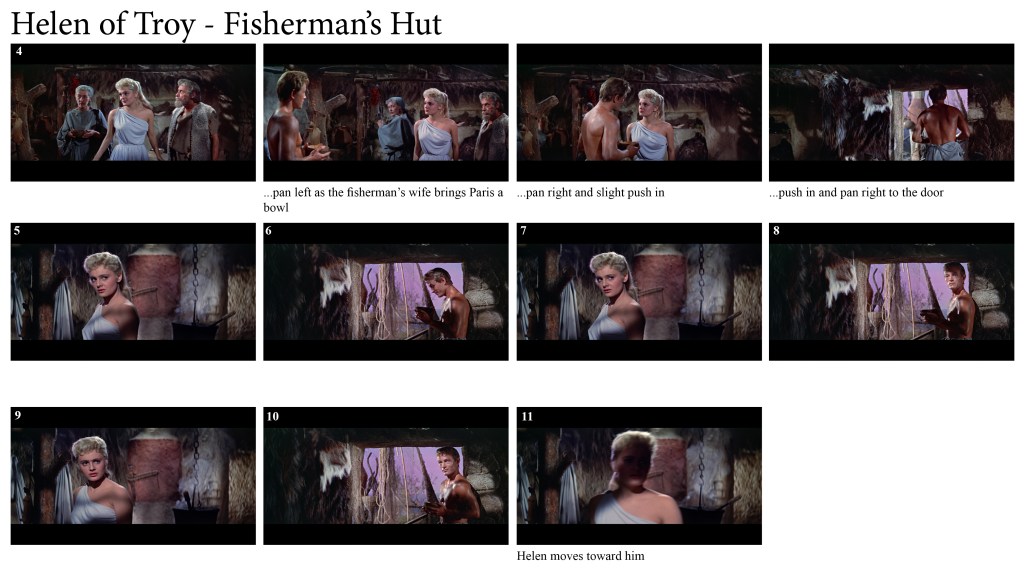
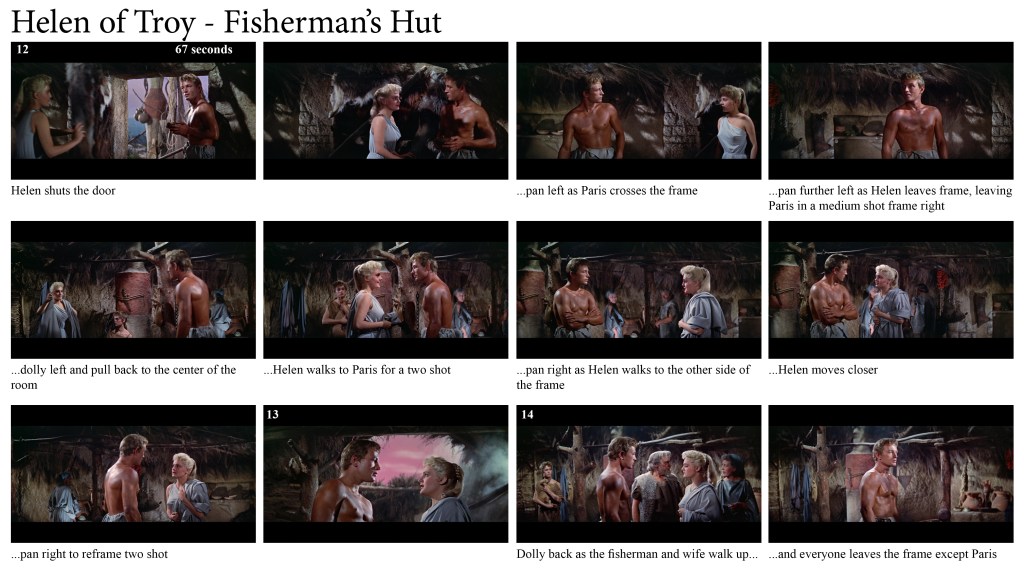
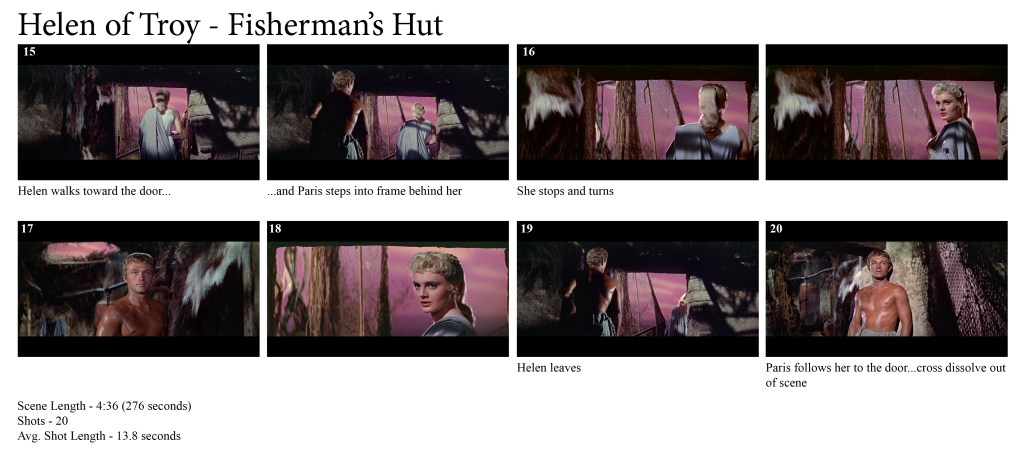
Here’s Robert Wise on his approach to working in CinemaScope for the first time, followed by a few examples of how he approached covering dialogue scenes from the film.
“It had been rather accepted that you couldn’t do a lot of cutting with CinemaScope. The whole concept was that you were able to do more comprehensive shots in the wide screen and wouldn’t need as many angles as were necessary with the smaller frame. This was nonsense. I saw no reason why I couldn’t compose and shoot CinemaScope and edit it just the same way as I had done in the old frame. I decided I could use over-the-shoulder shots, big head closeups and cut them in as long as I composed them carefully, because you have to balance the closeup with something interesting on the other side. I deliberately tried this in tests and found out there was no reason whey I couldn’t get the same kind of angles and coverage that I used to get. The only problem with CinemaScope, or any of the anamorphic processes, is that there’s no depth of field. That’s what I had problems with most of the time in terms of some kinds of shots I’d like to get. I think I was the first one to use editing in its purestsense with CinemaScope.” (From Leemann’s Robert Wise on His Films: From Editing Room to Director’s Chair)
Paris lays out his plan to King Priam for a mission of peace to Greece.
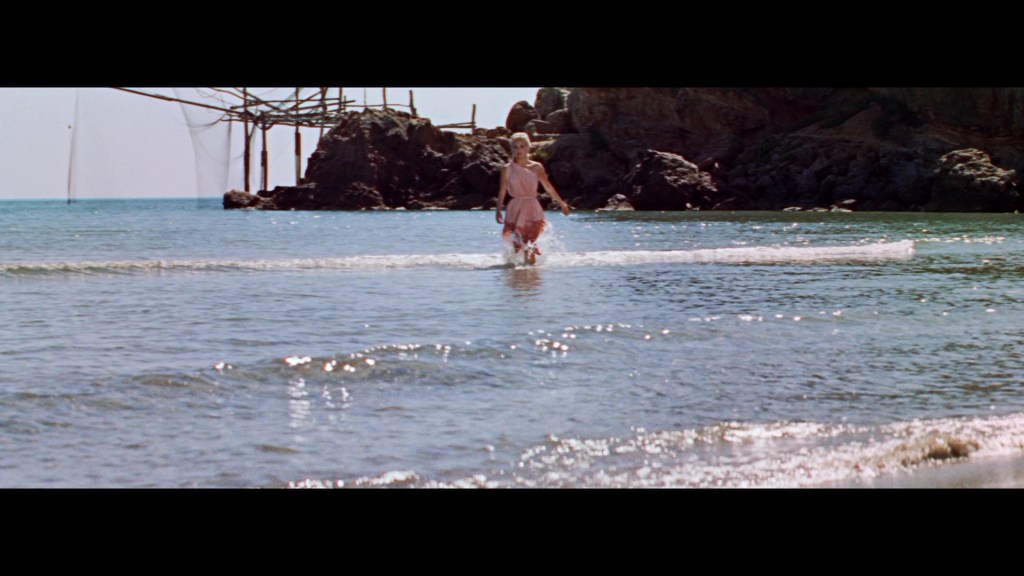
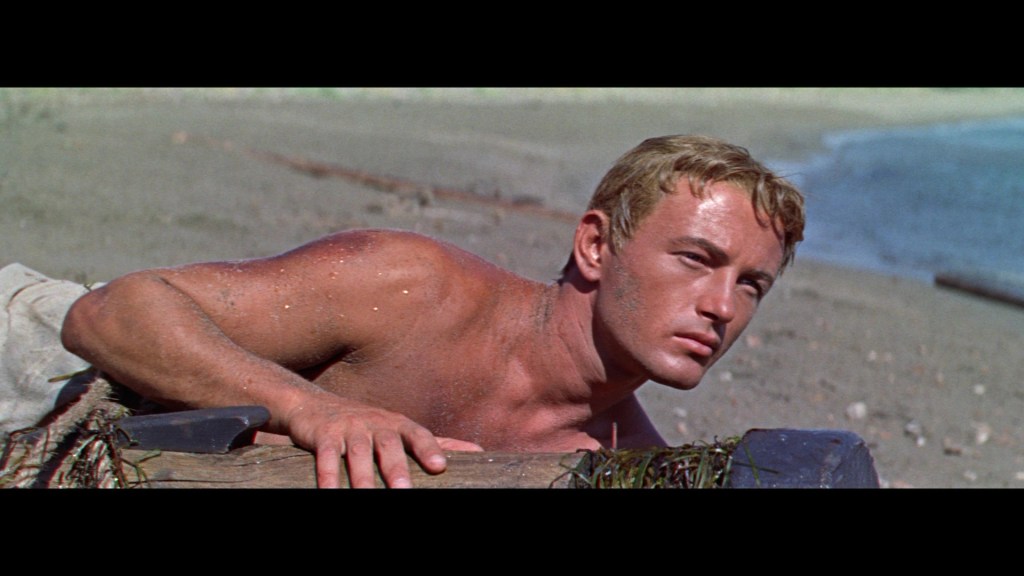
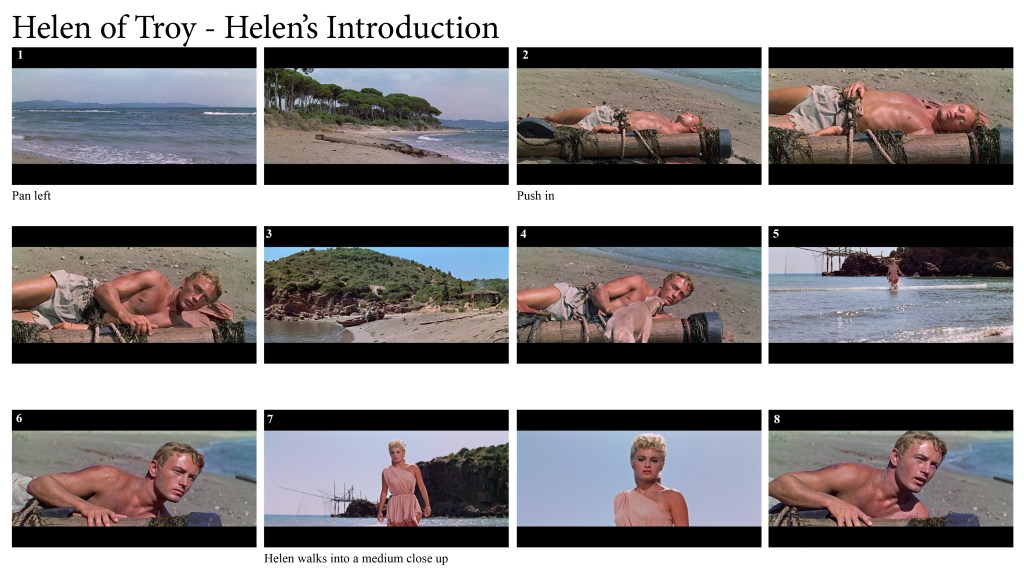
Paris sees Helen for the first time after washing ashore on a Greek beach.
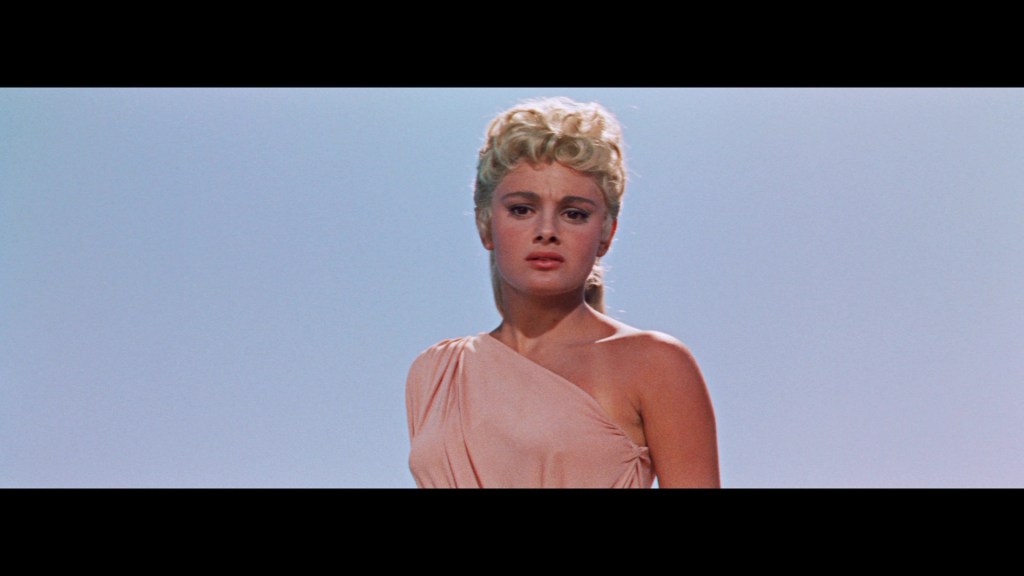
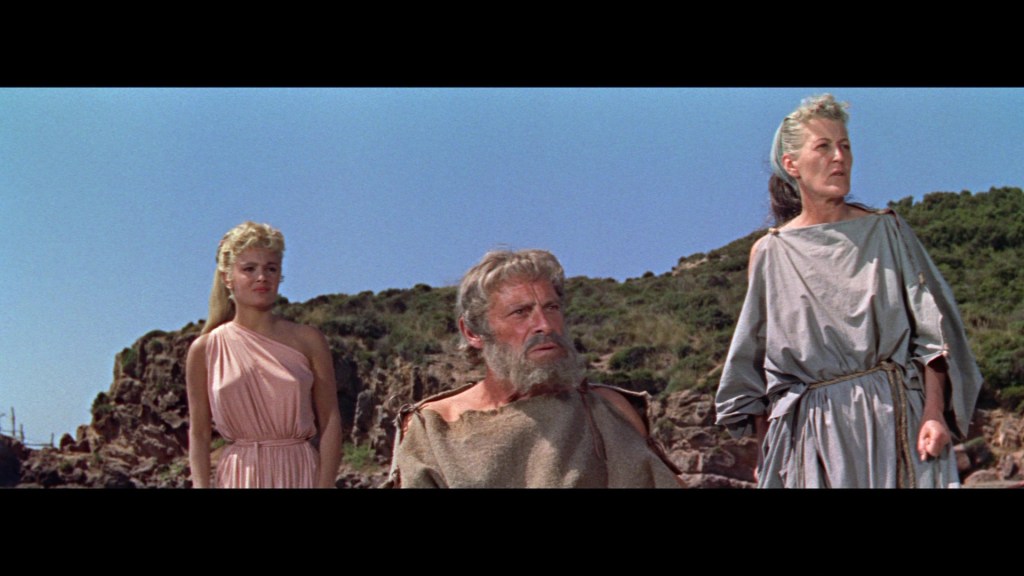
Paris and Helen speak for the first time in the beach-side hut of a fisherman. Paris mistakenly believes her to be a slave girl from the palace.