Year – 1954Decade – 1950sDirector – Mario CameriniCinematographer – Harold RossonGenre – AdventureKeywords – 1950s International Co-Productions; Homer Adaptations; Kirk Douglas MoviesProducers – Dino De Laurentiis, Carlo PontiStudio – ParamountFilming […]
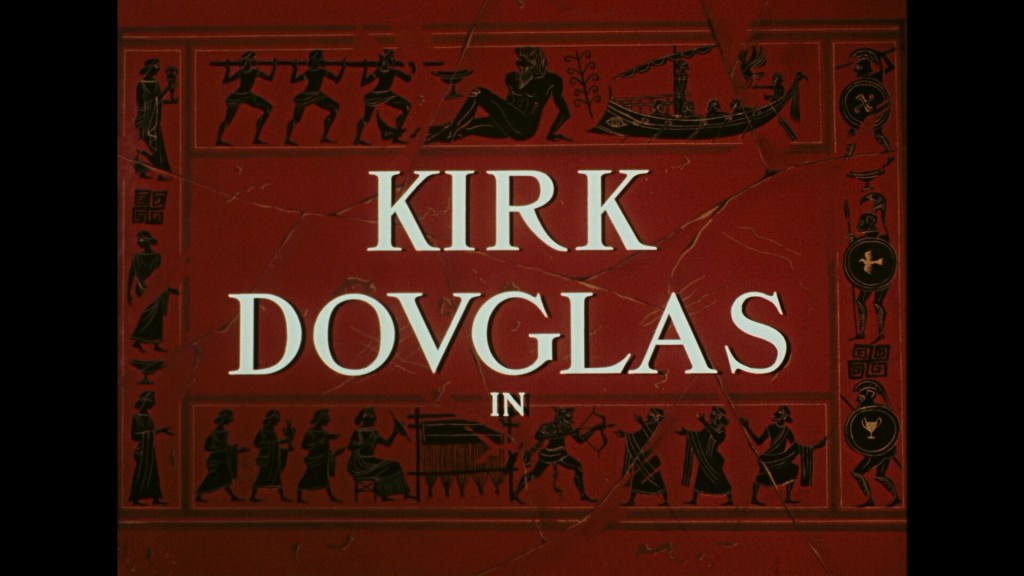
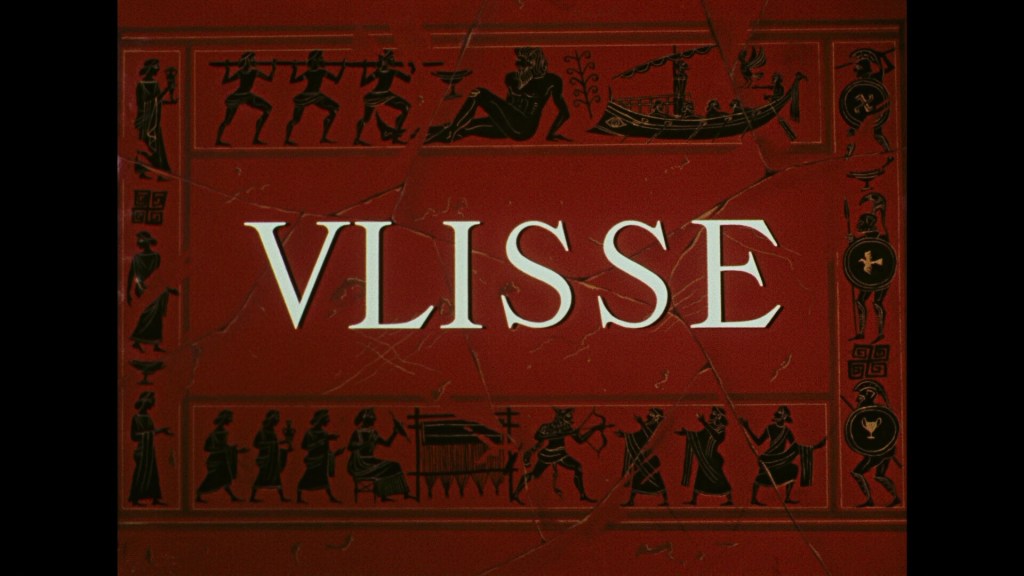
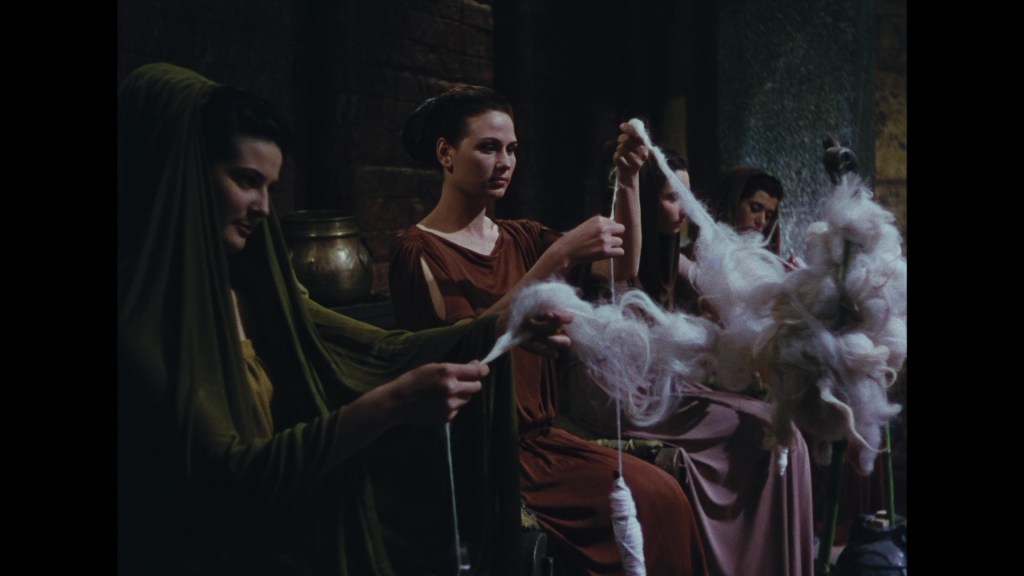
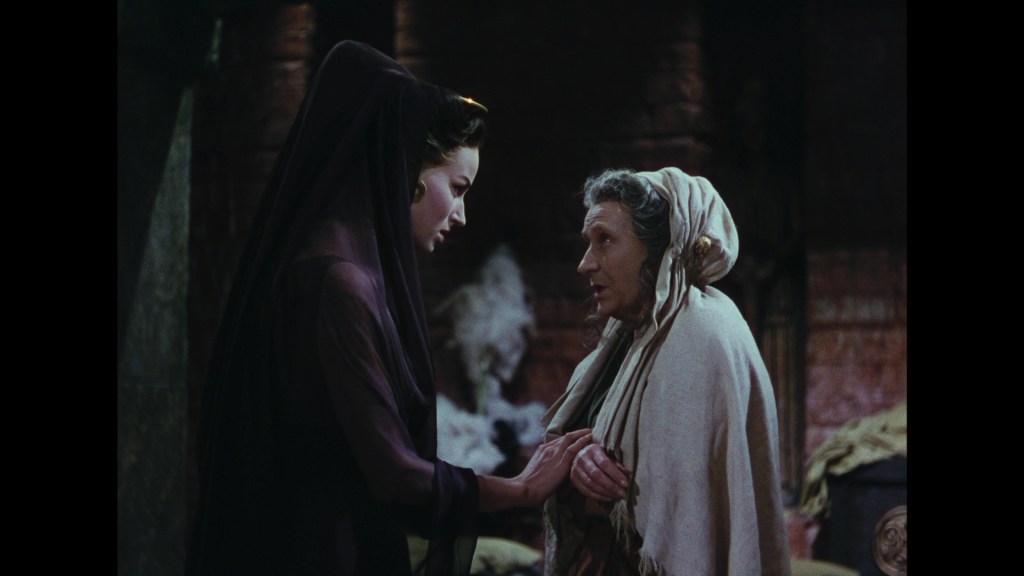
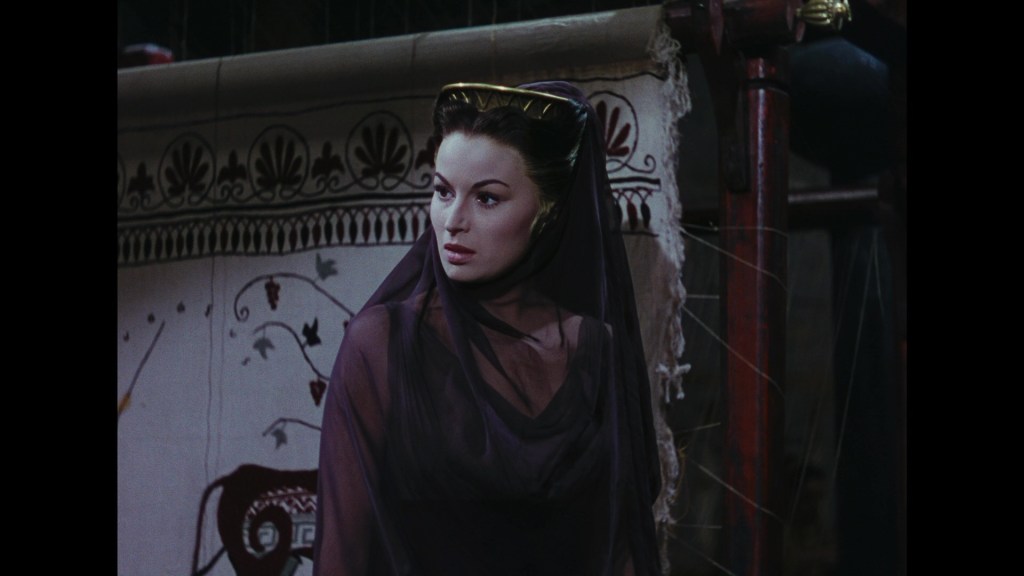
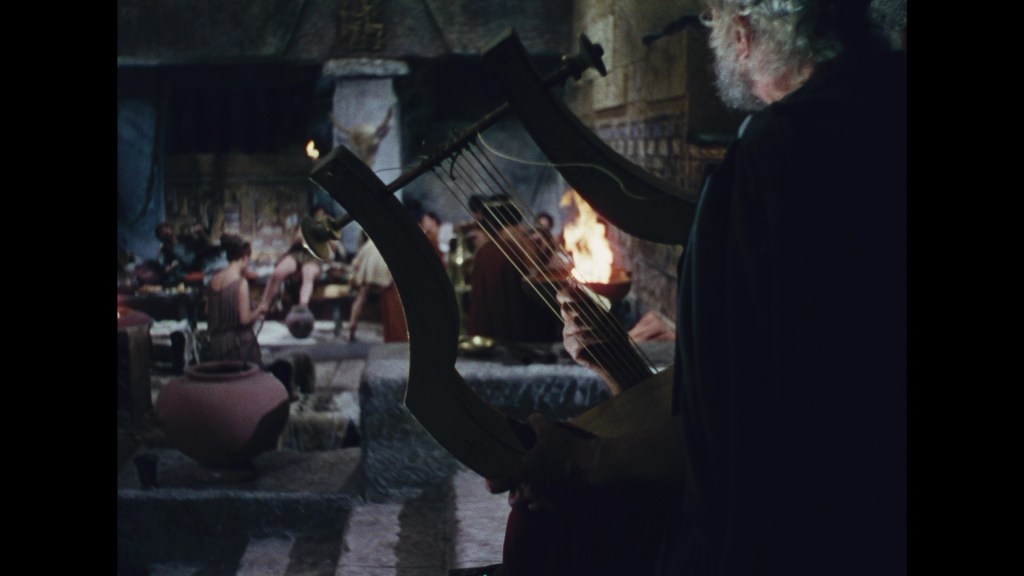
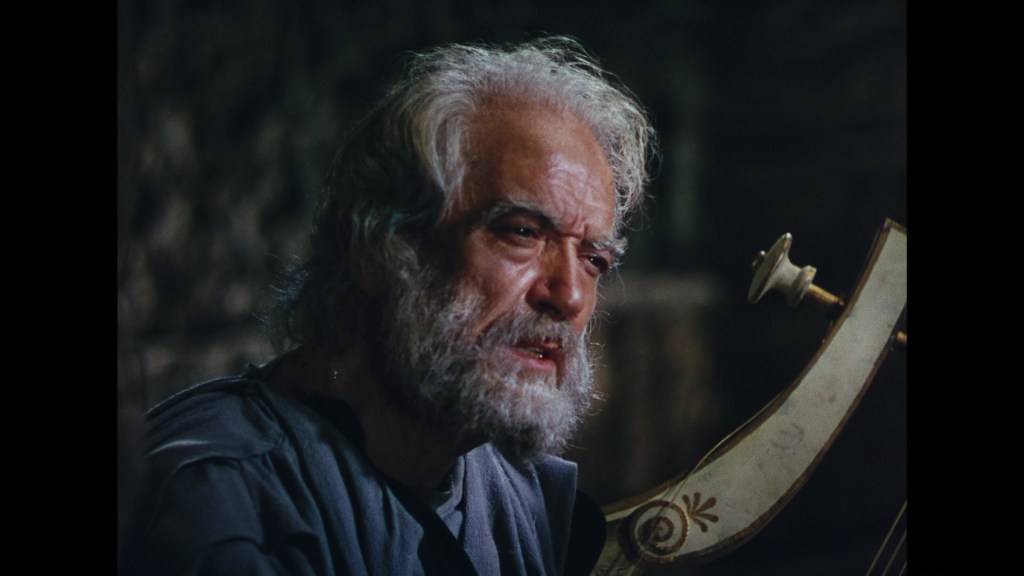
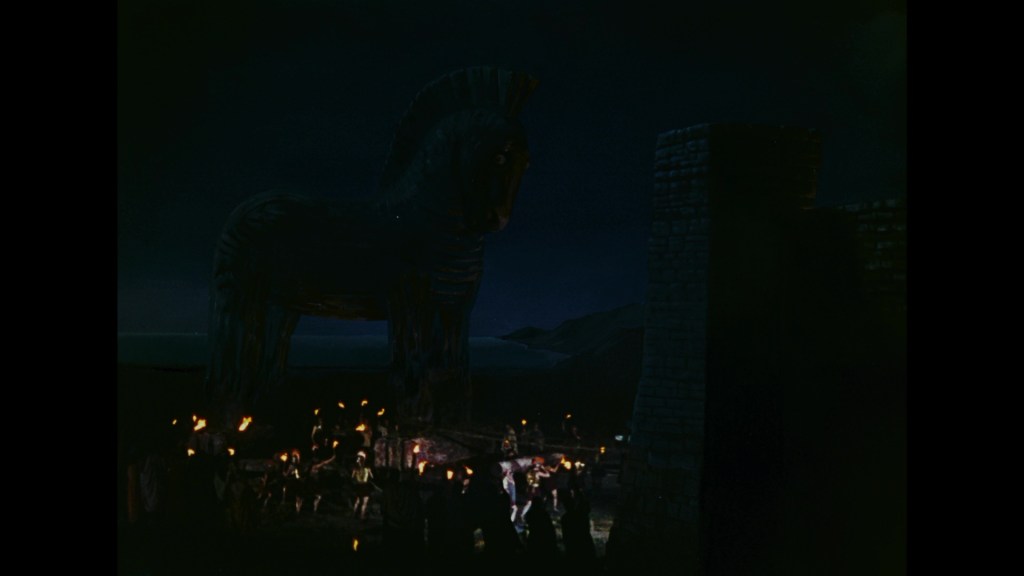
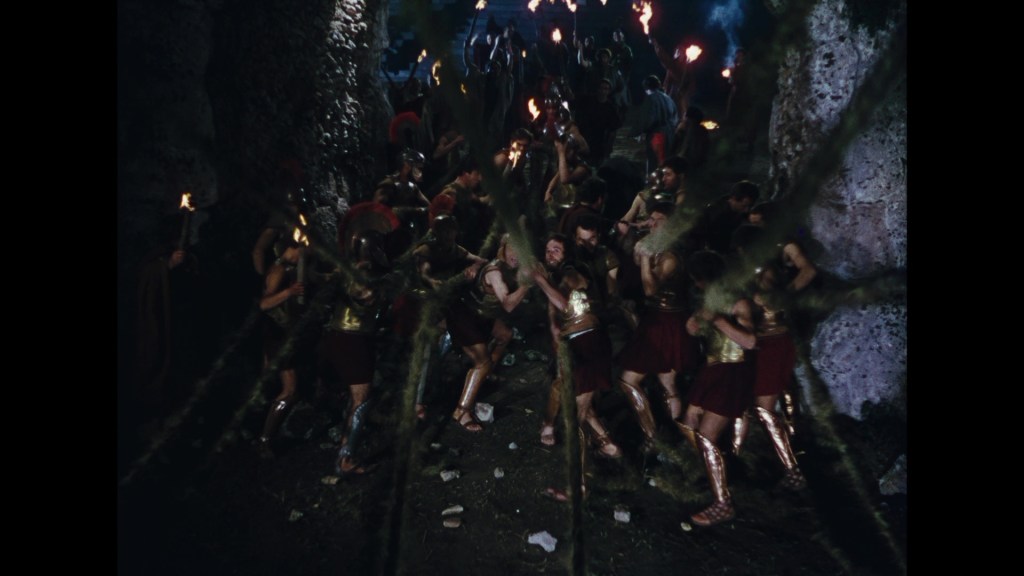
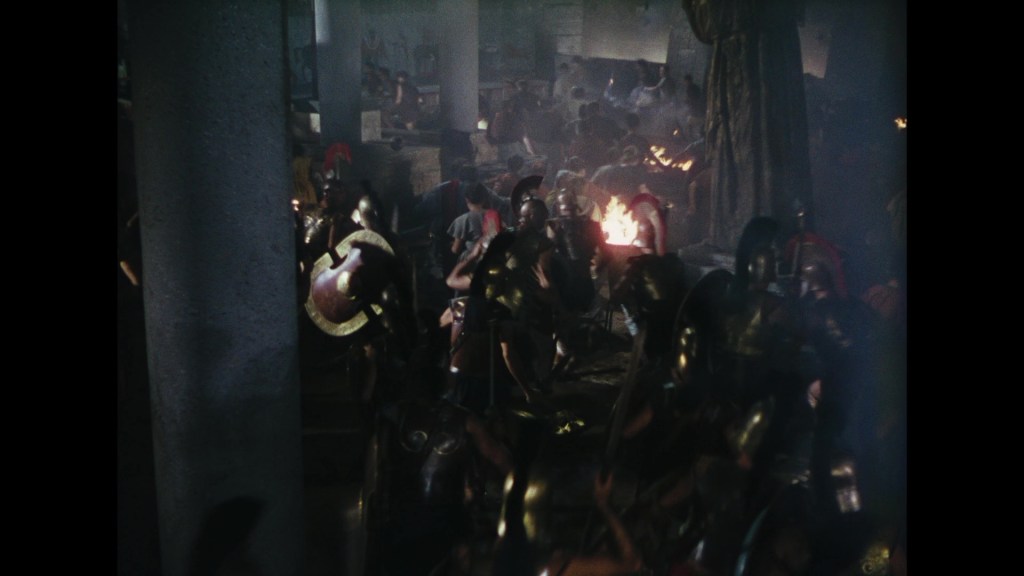
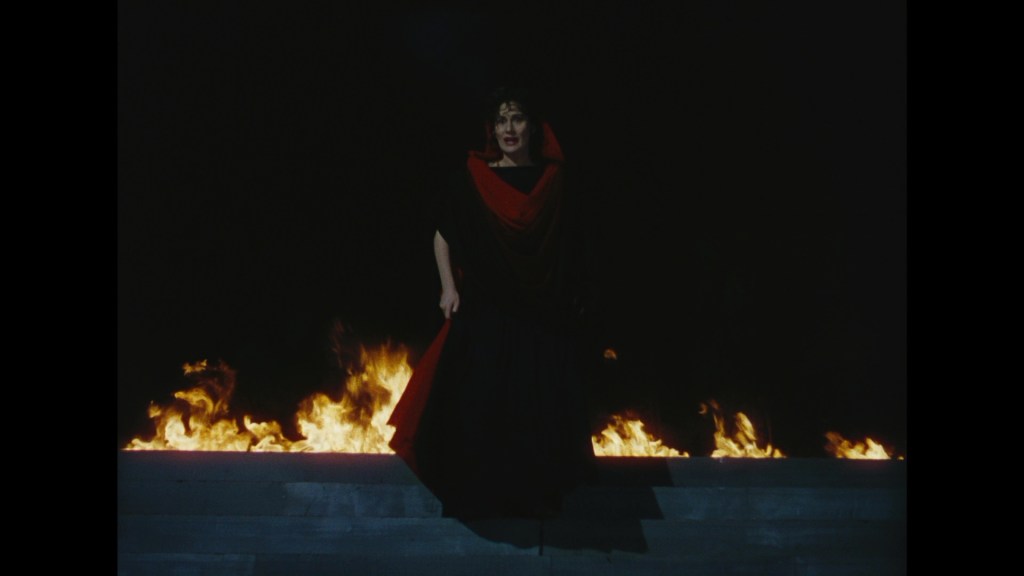
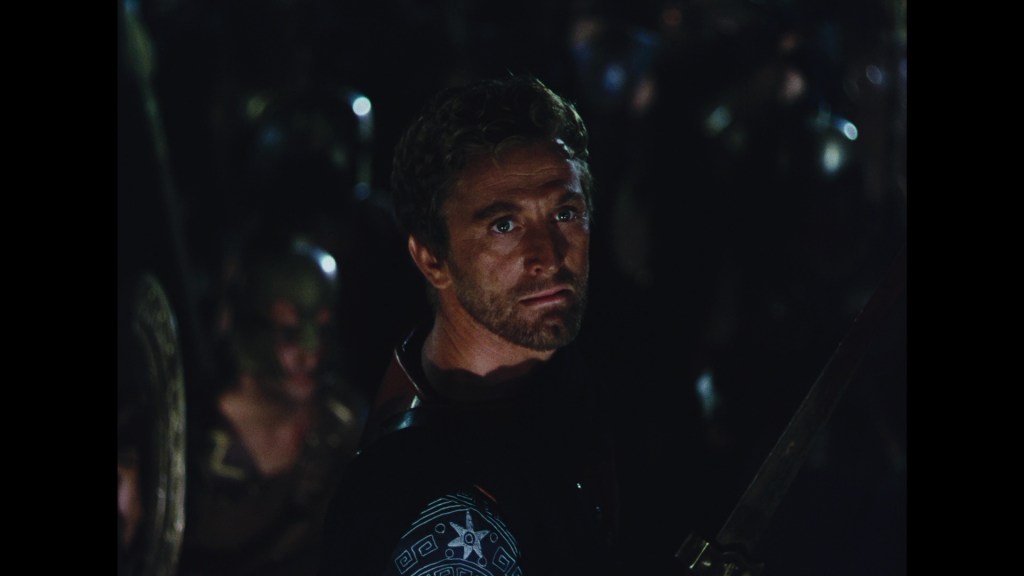
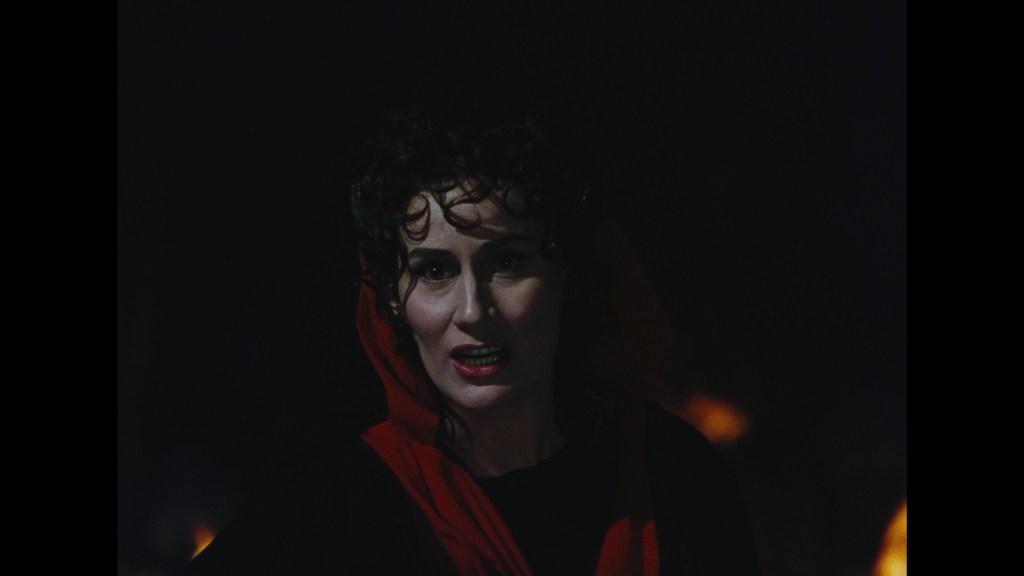
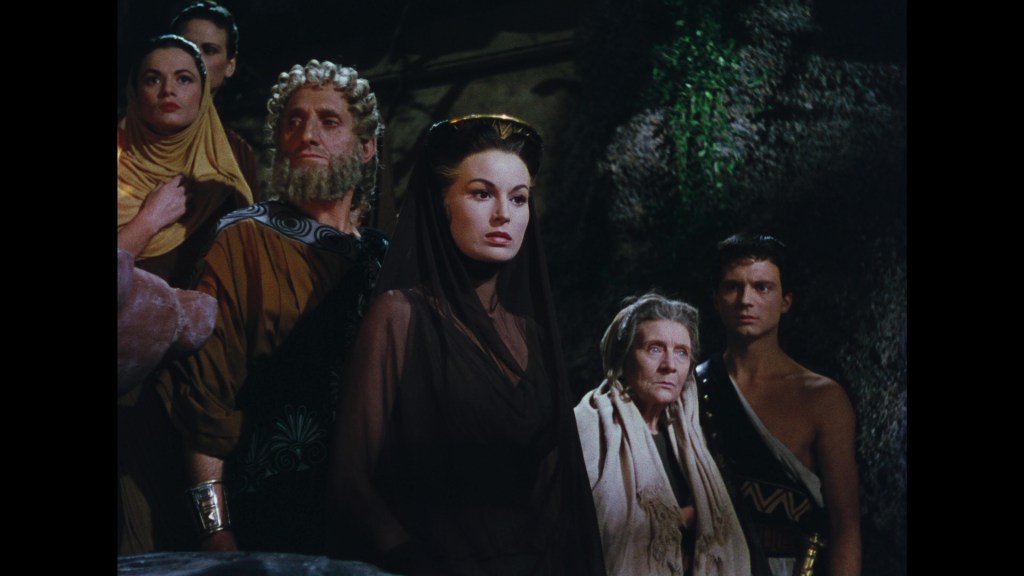
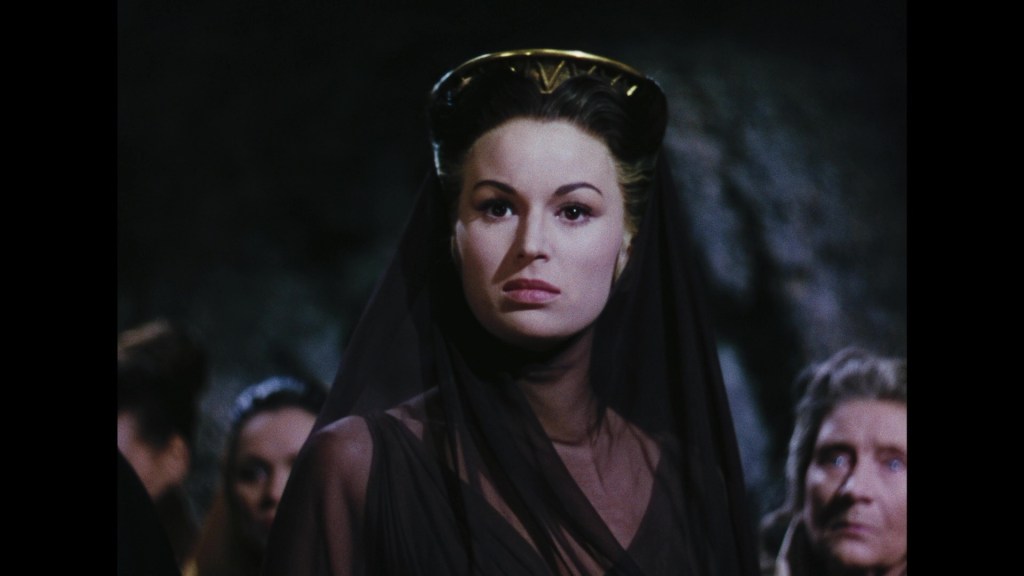
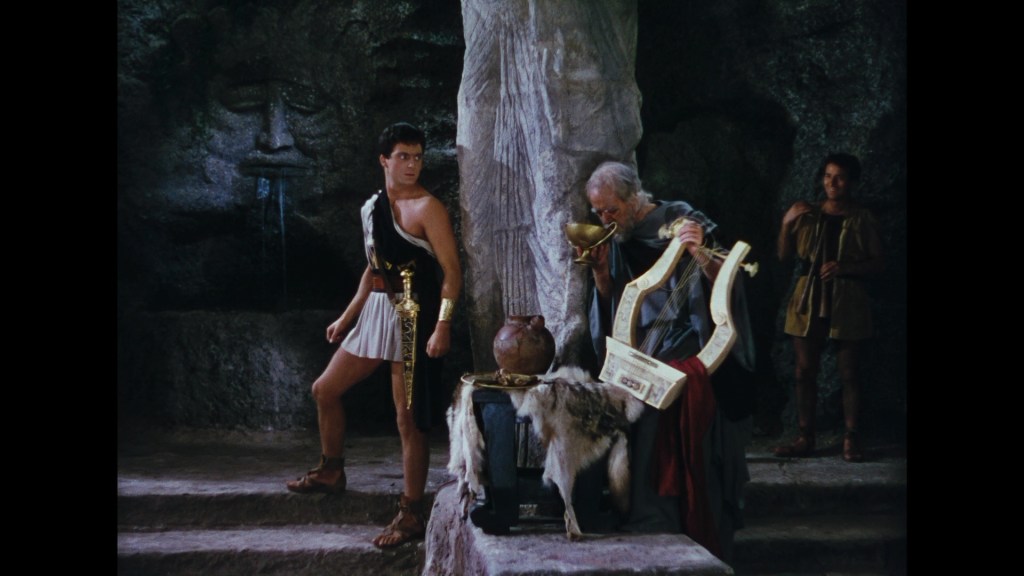
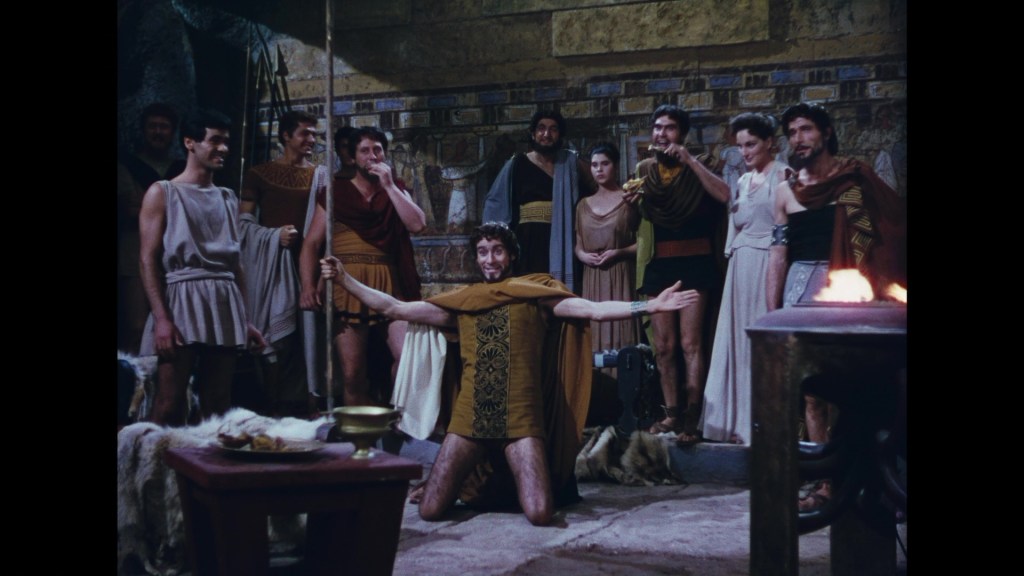
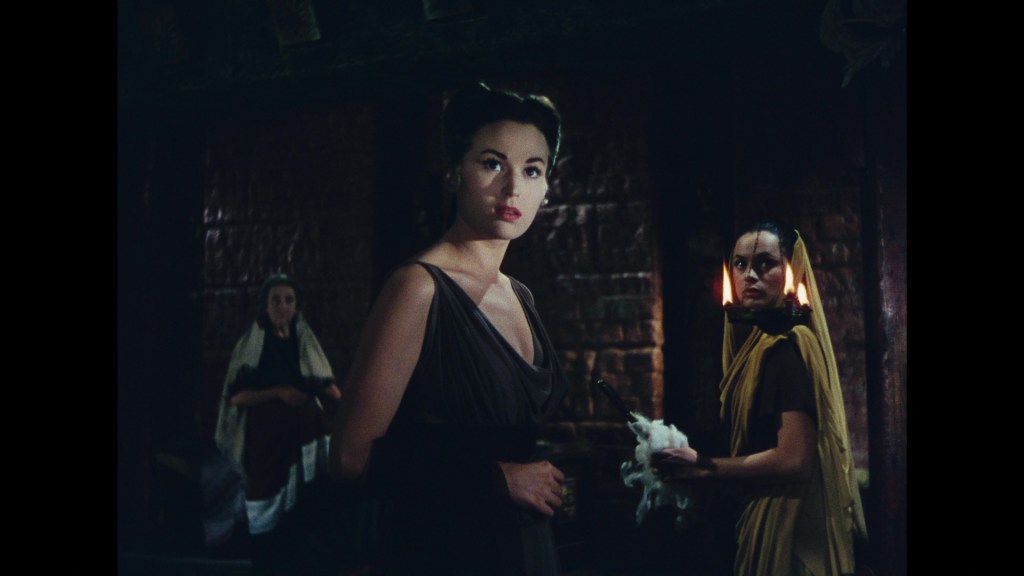
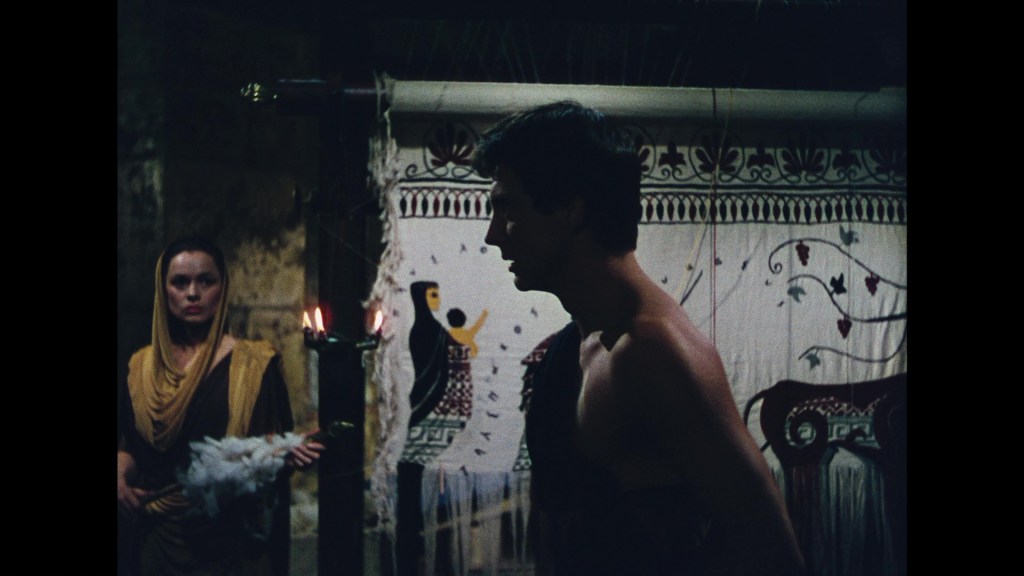
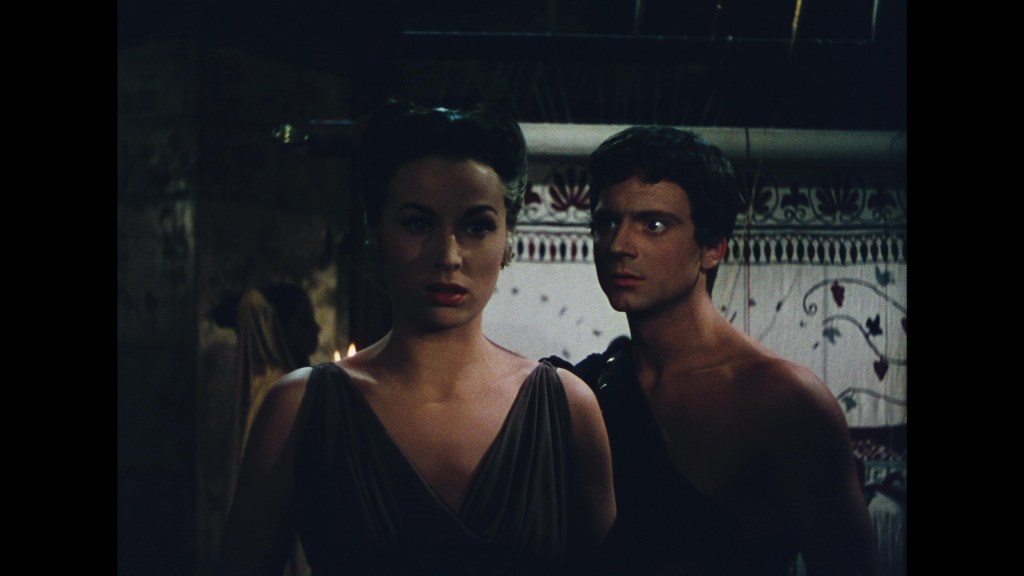
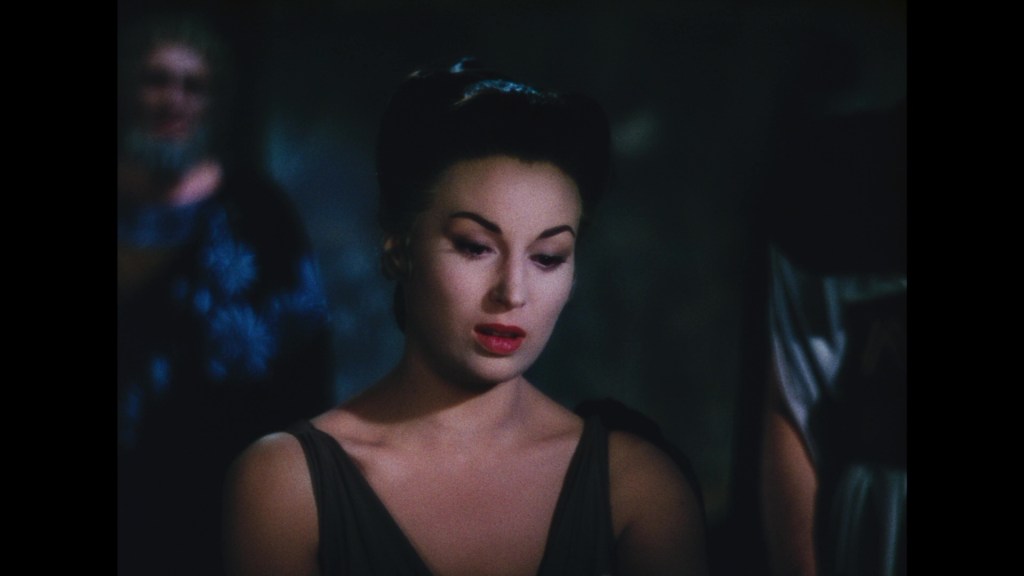
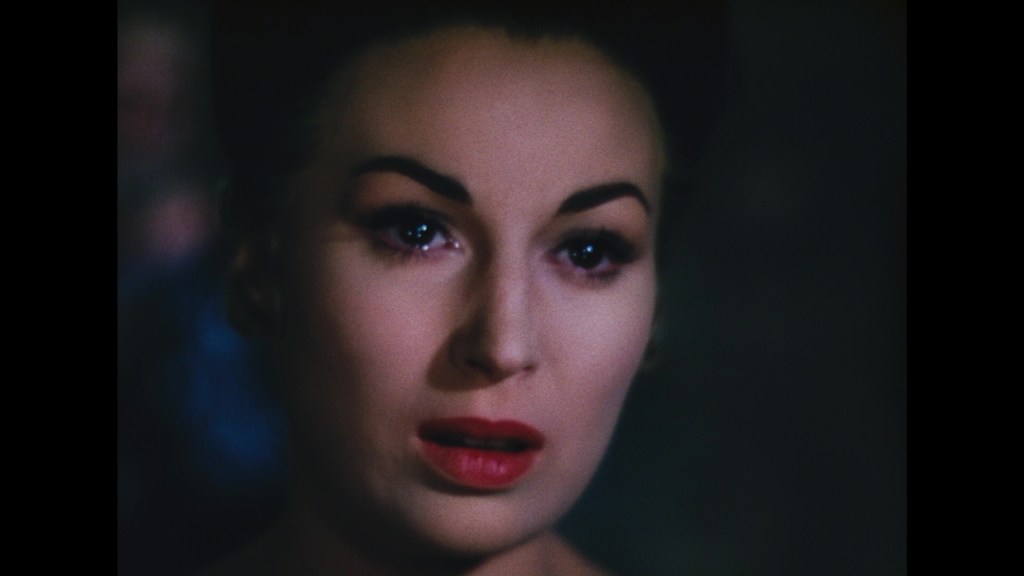
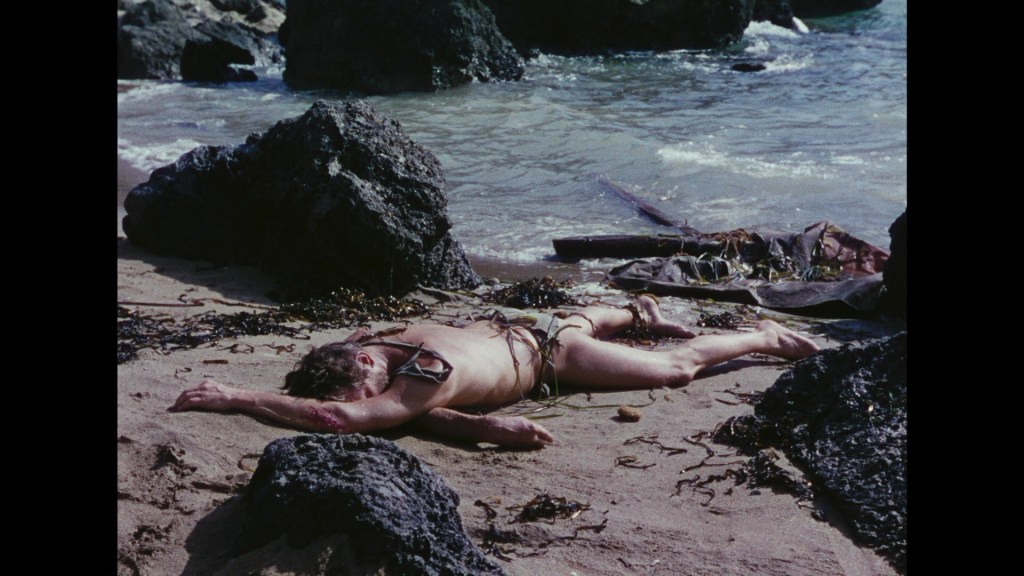
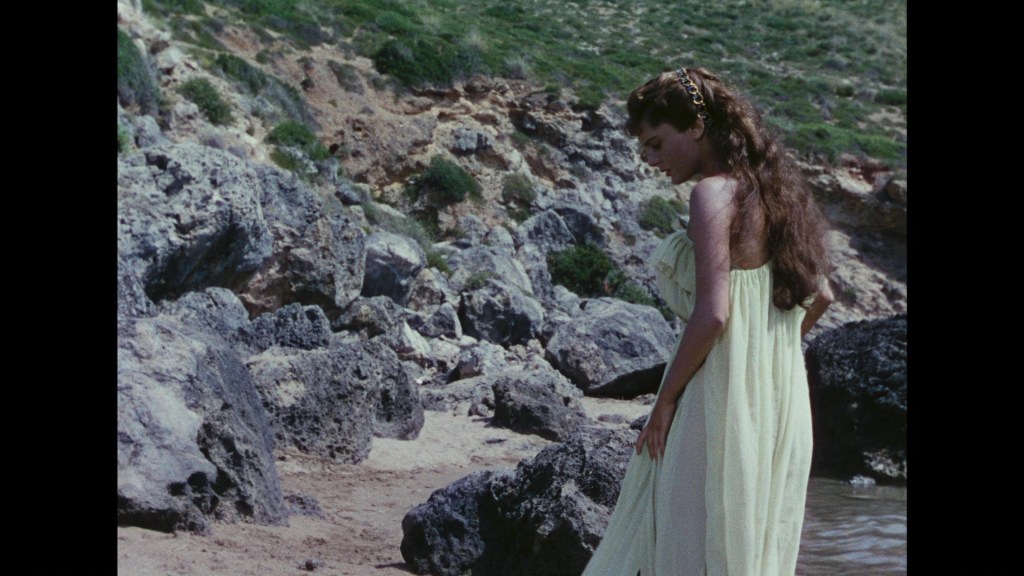
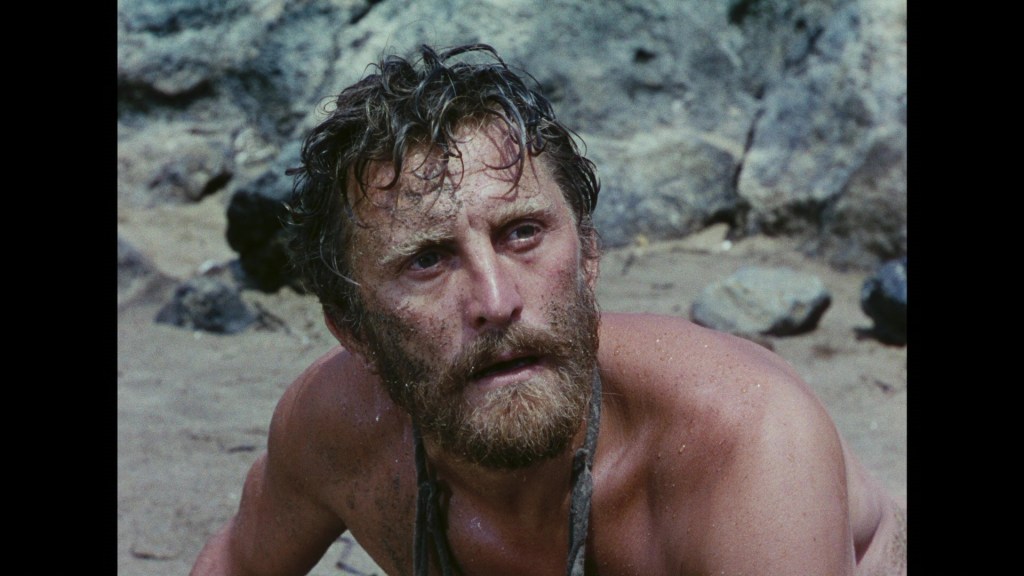
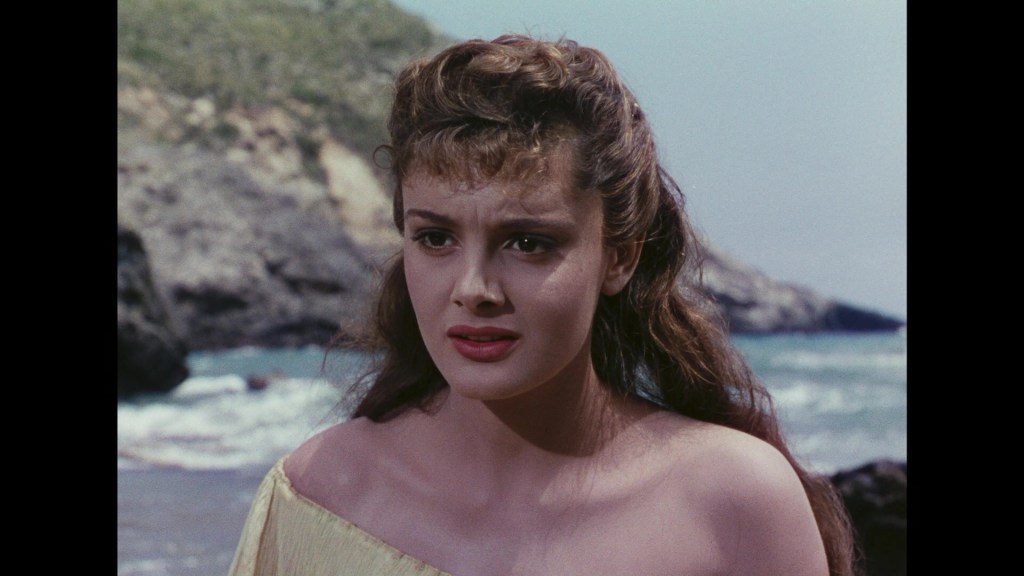
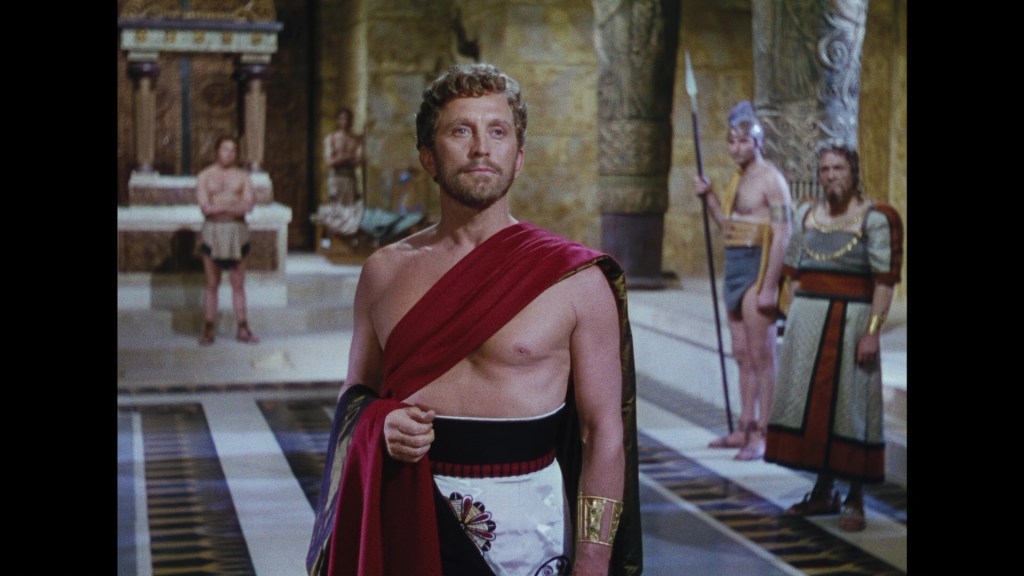
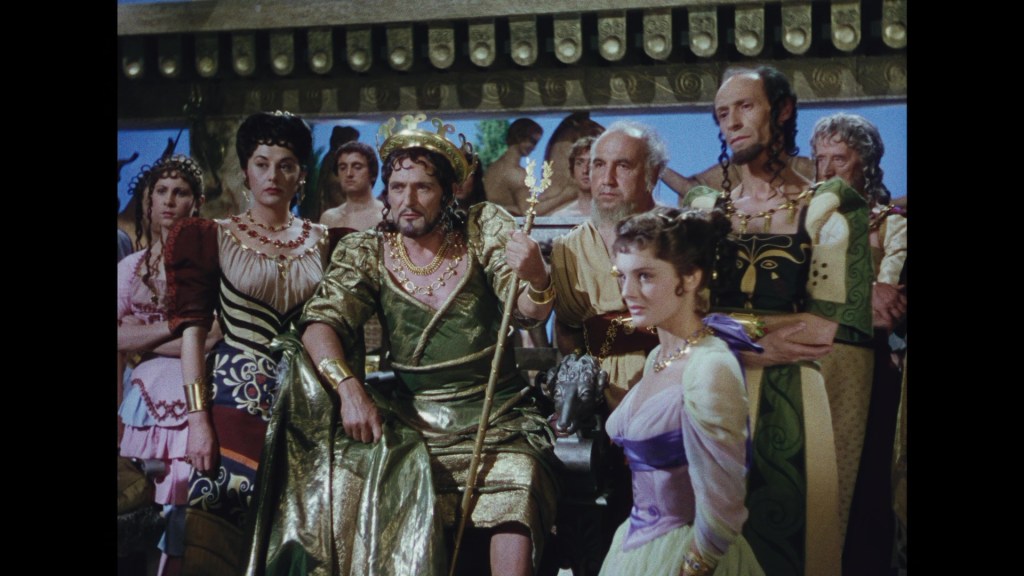
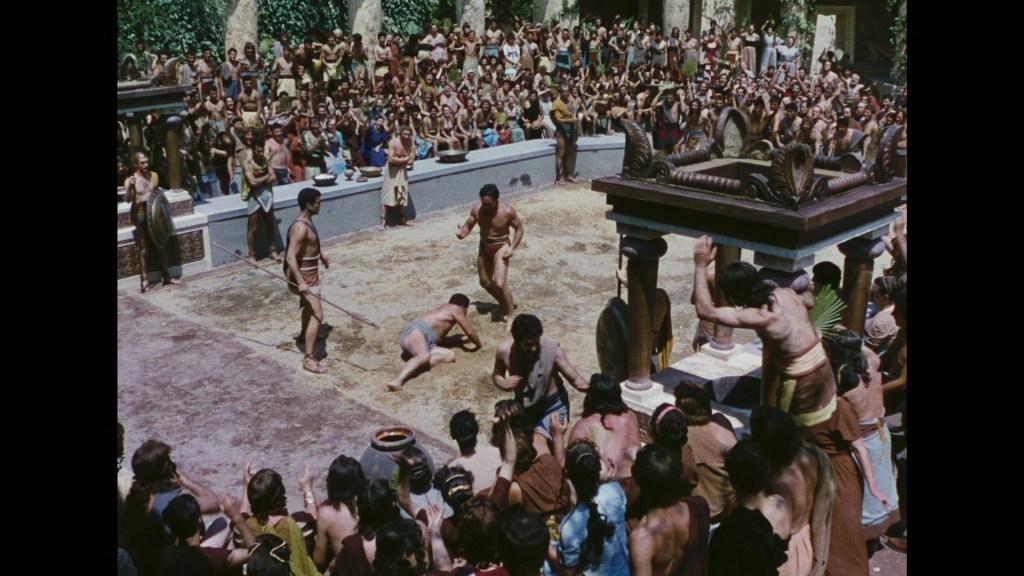
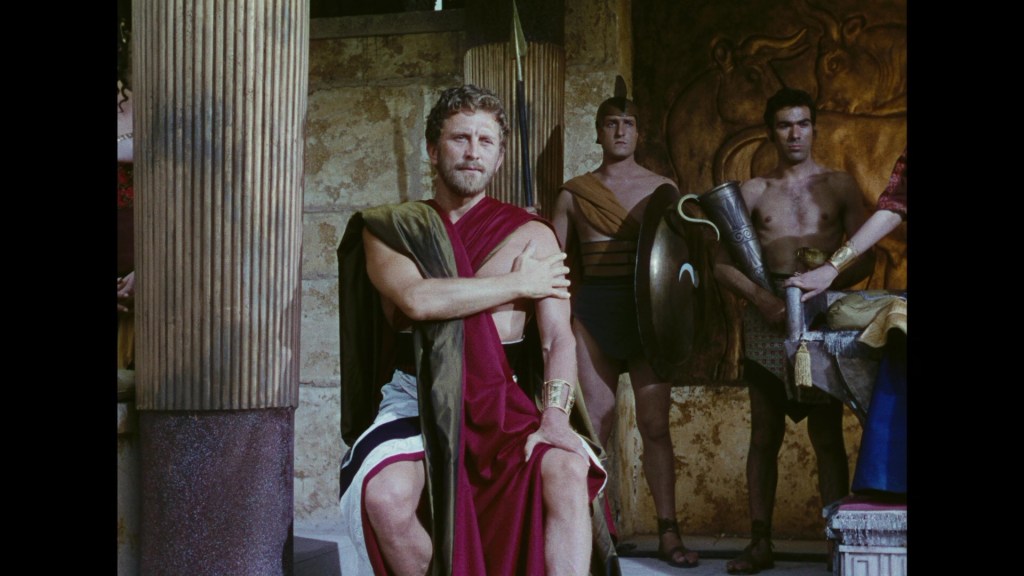
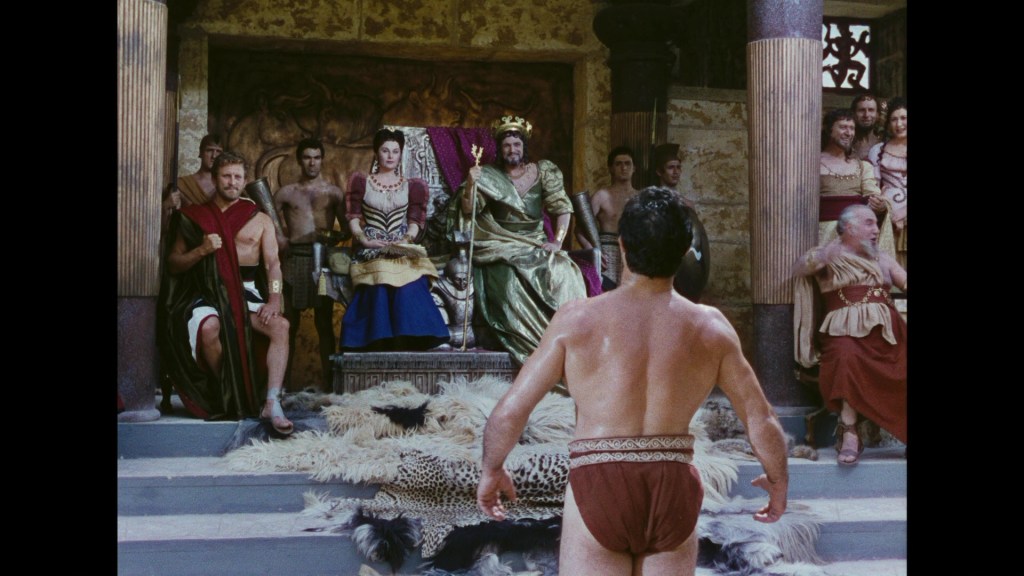
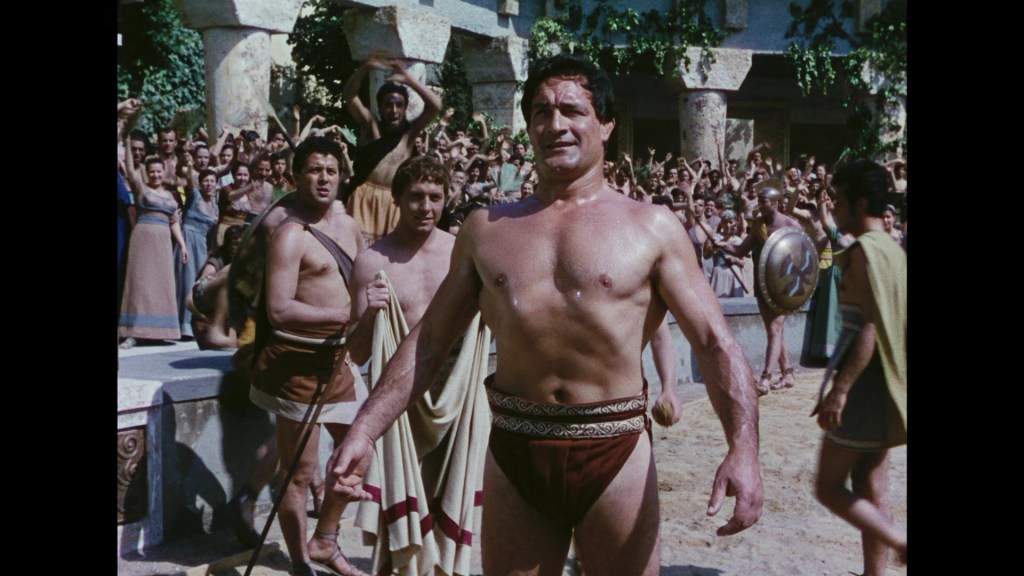
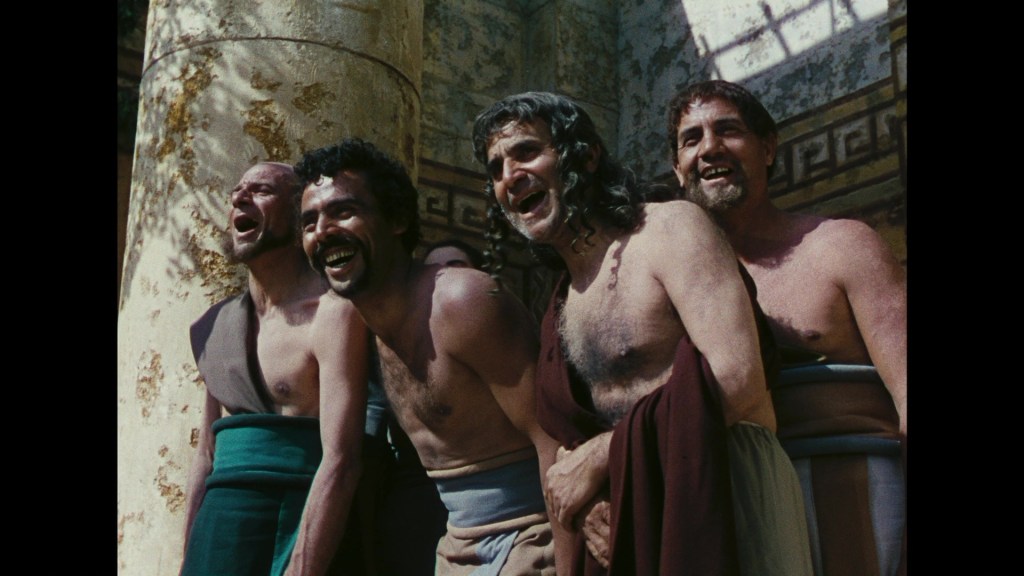
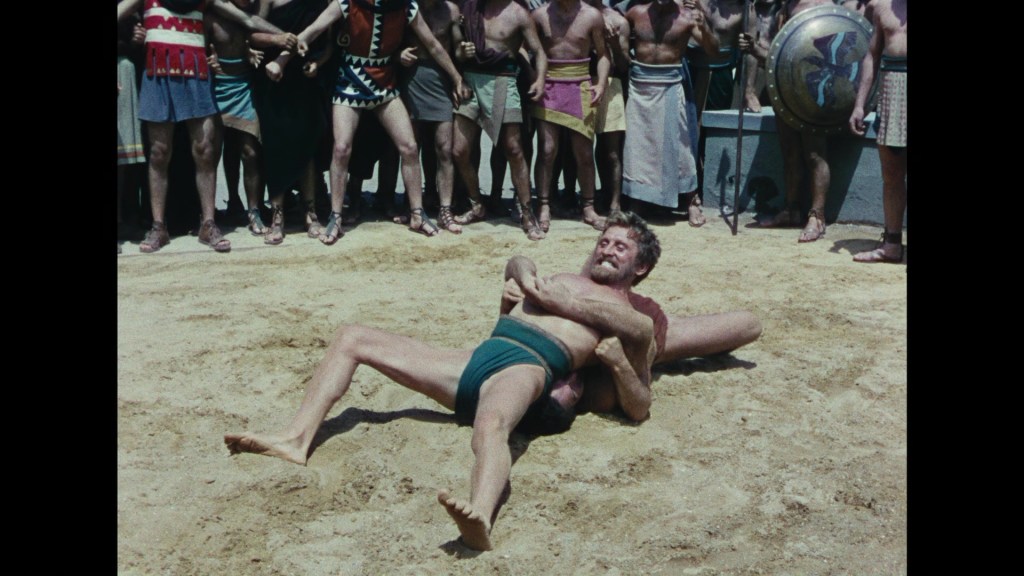
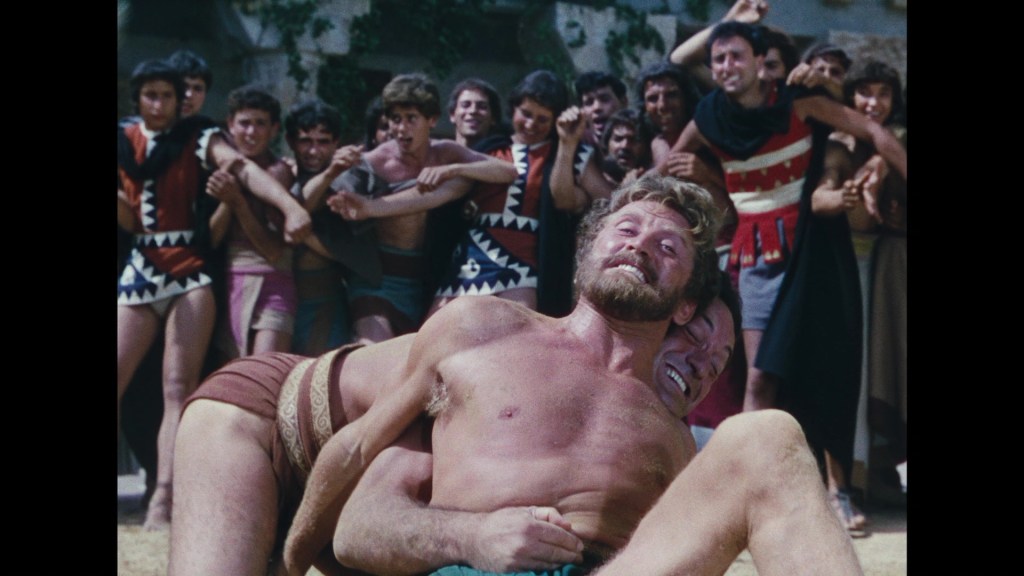
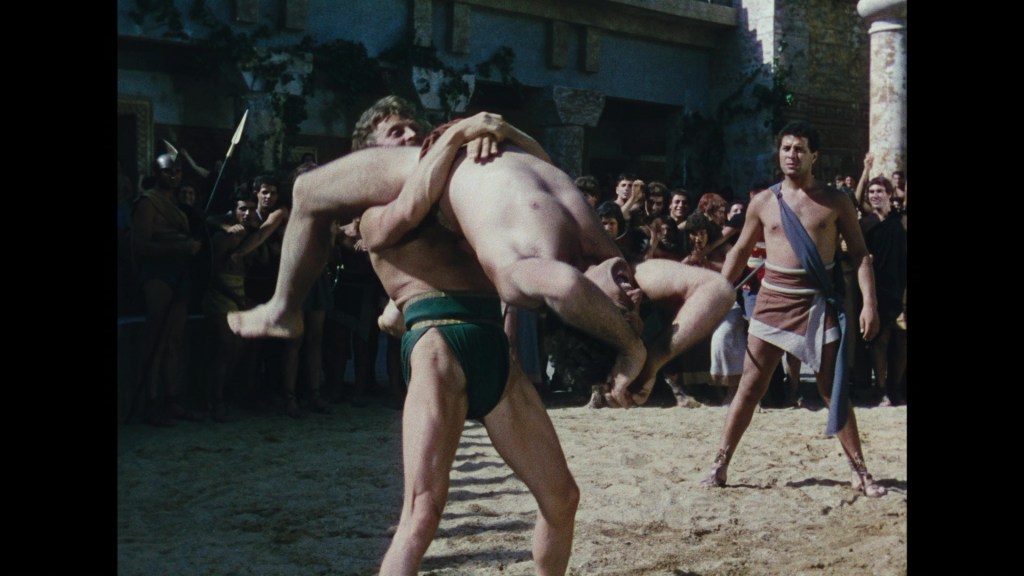
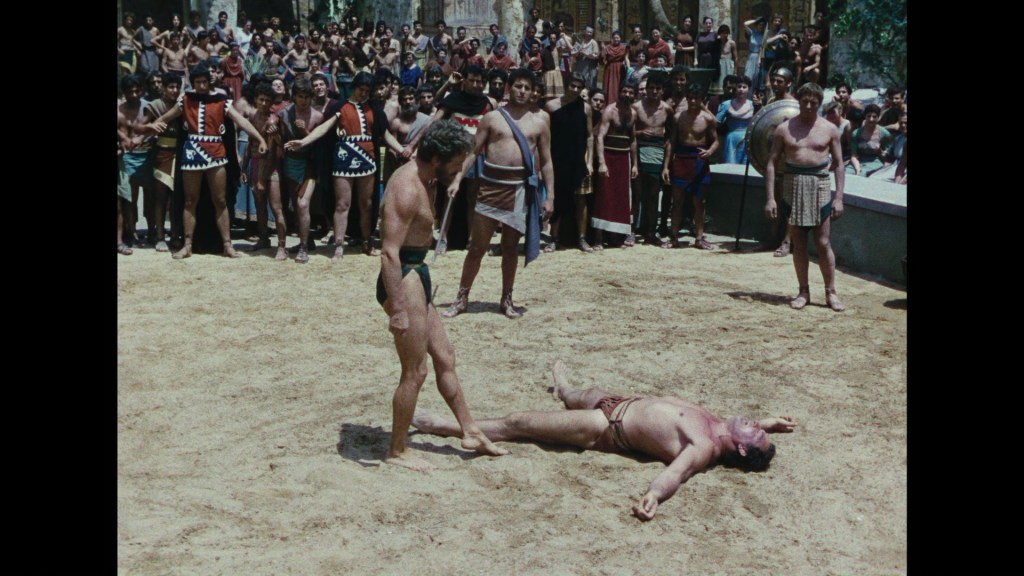
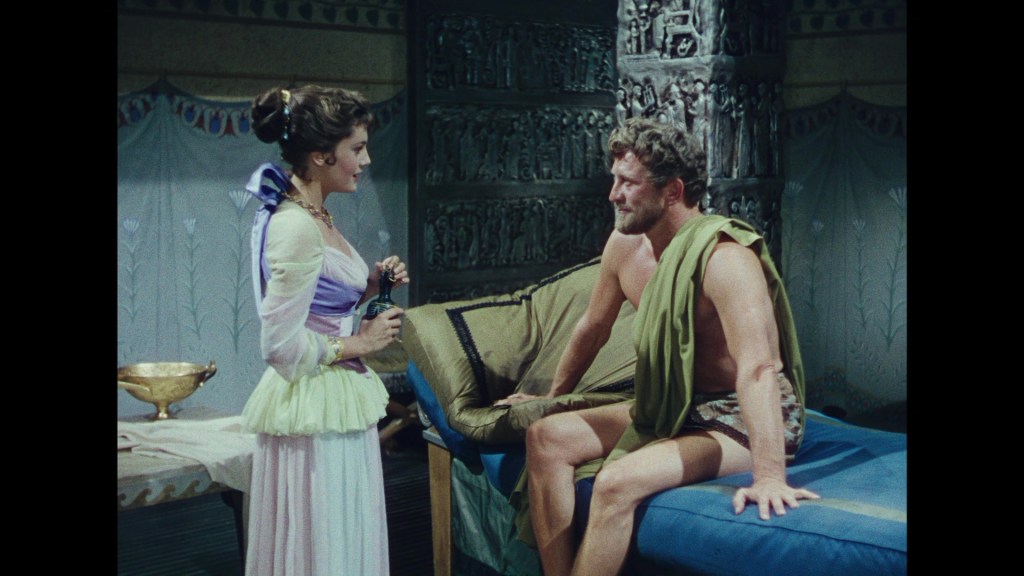
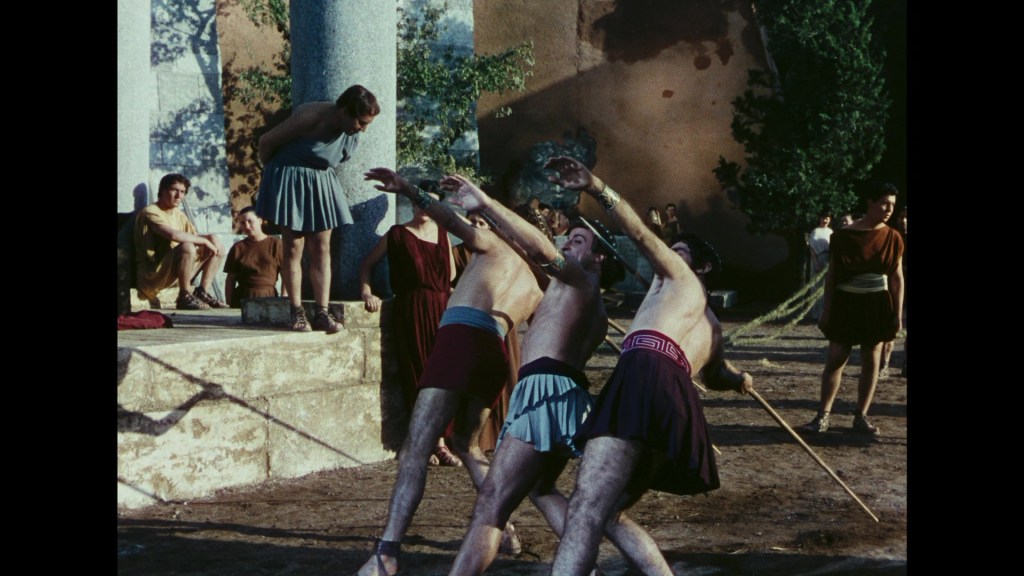
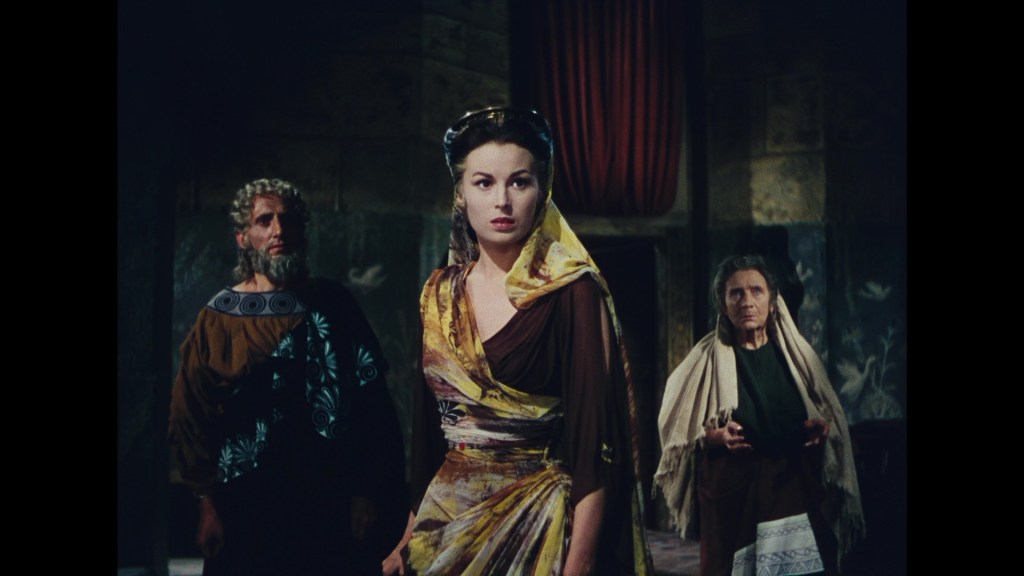
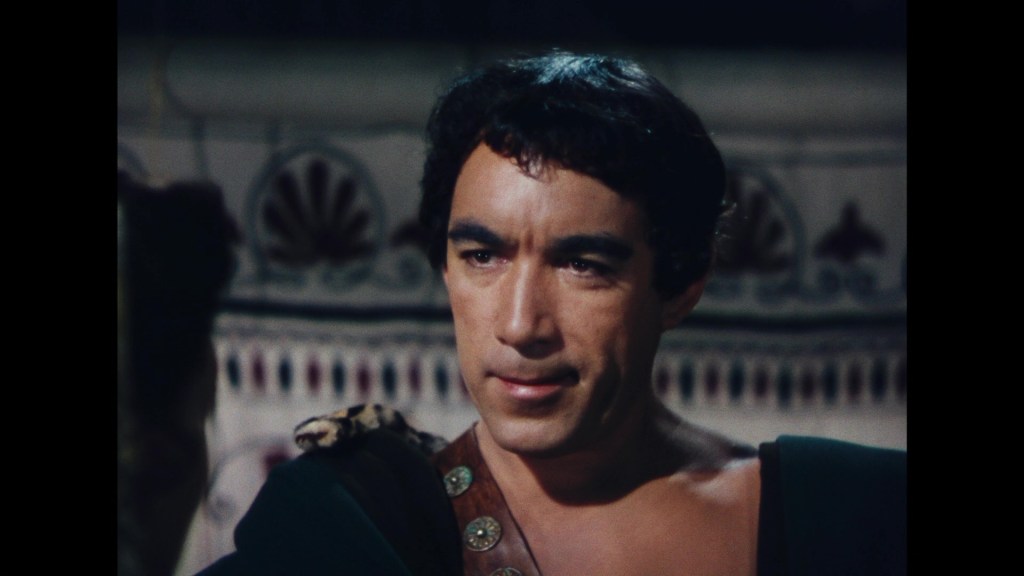
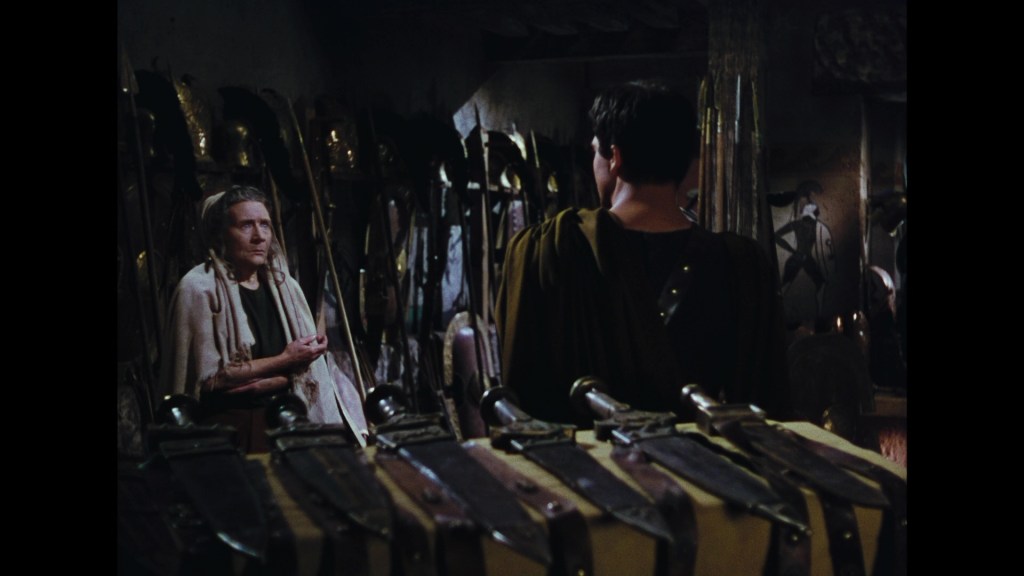
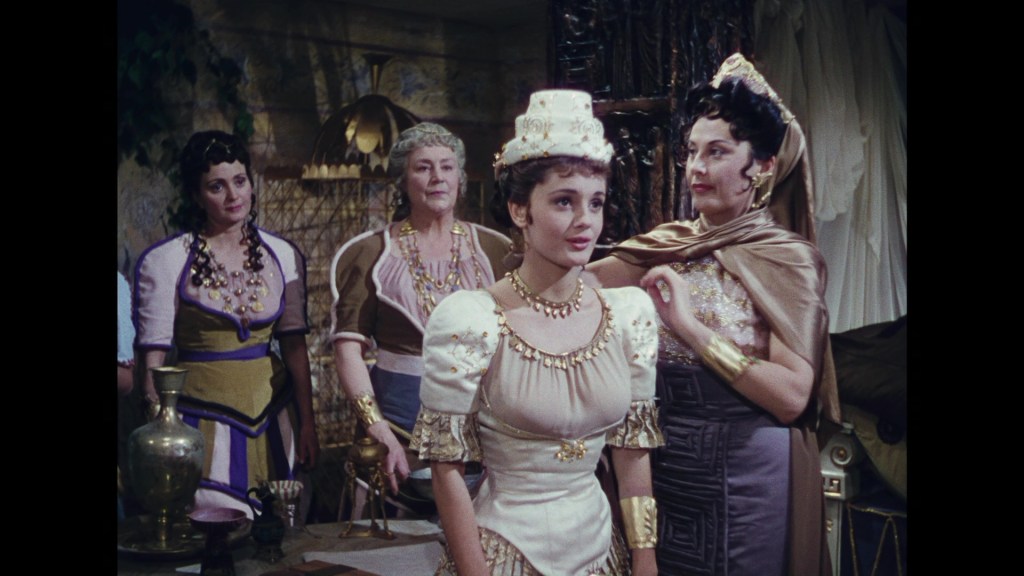
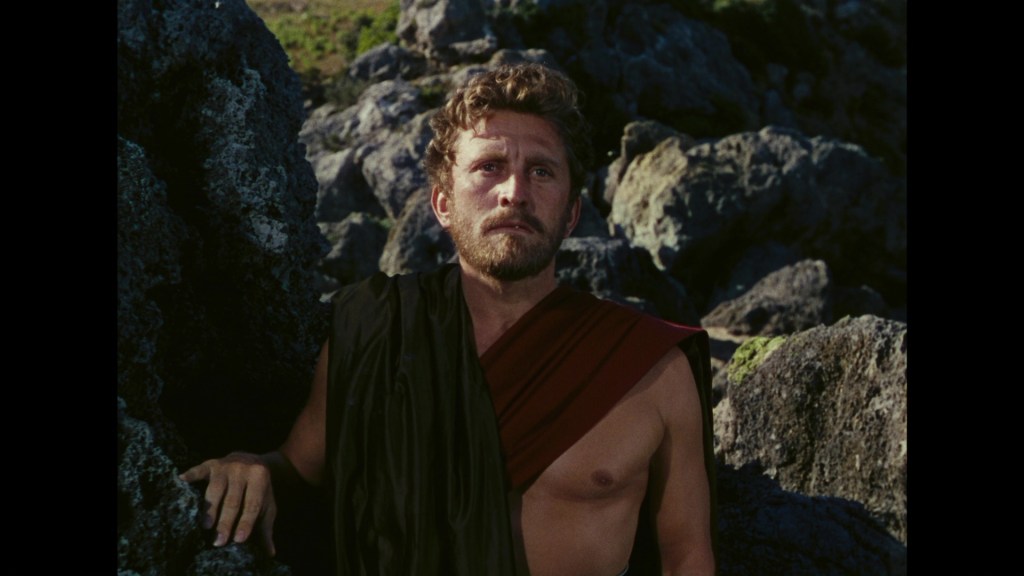
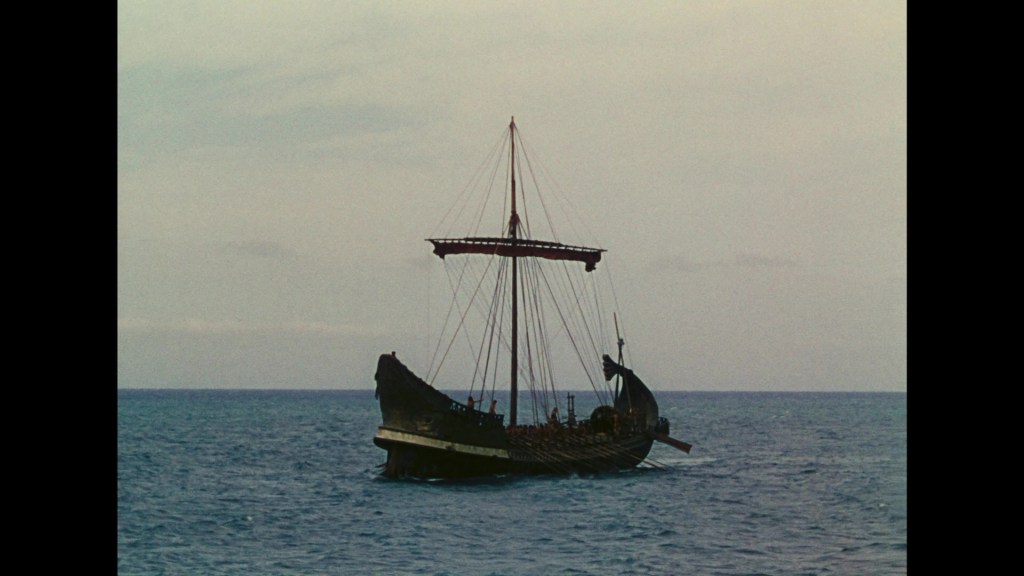
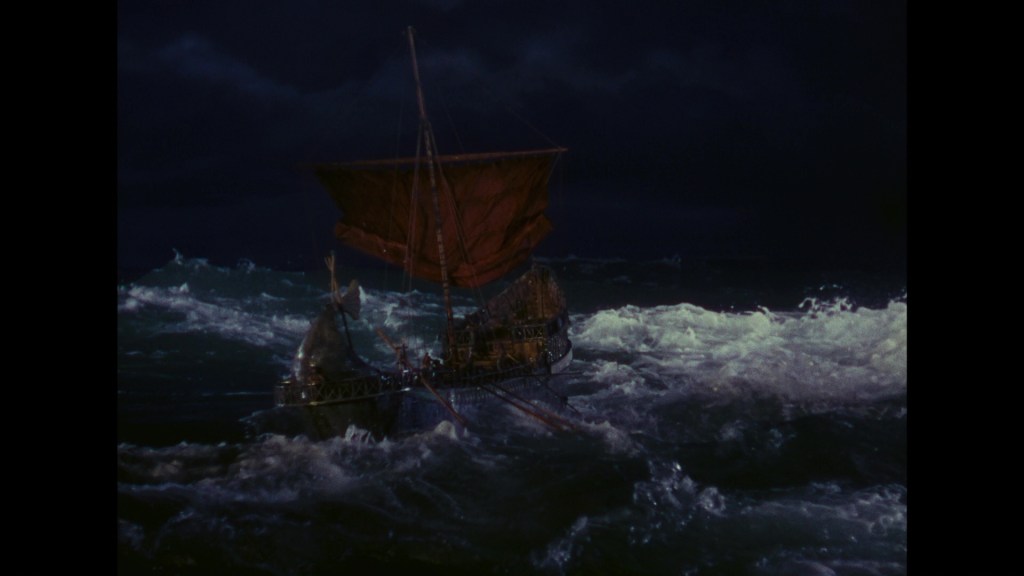
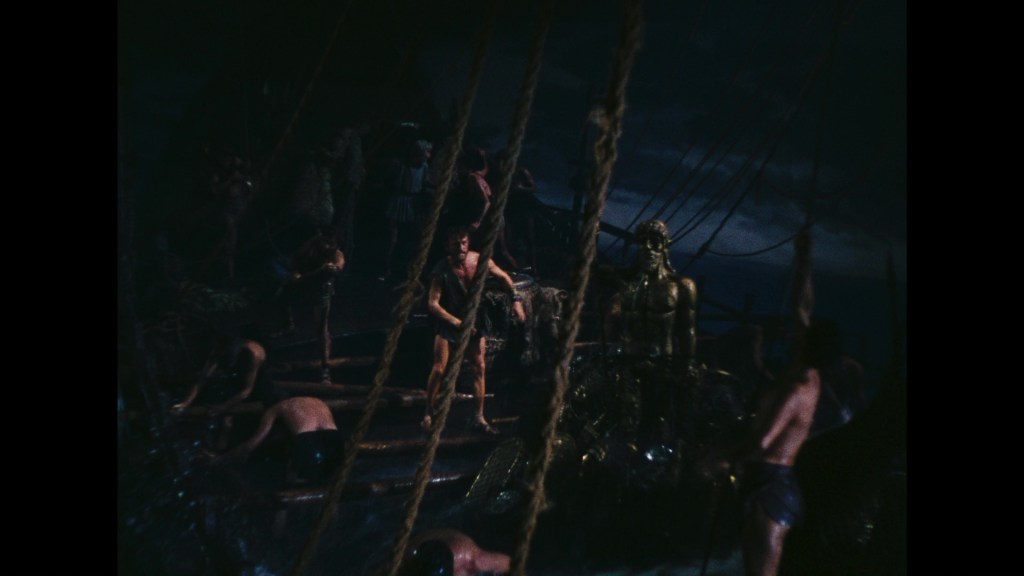
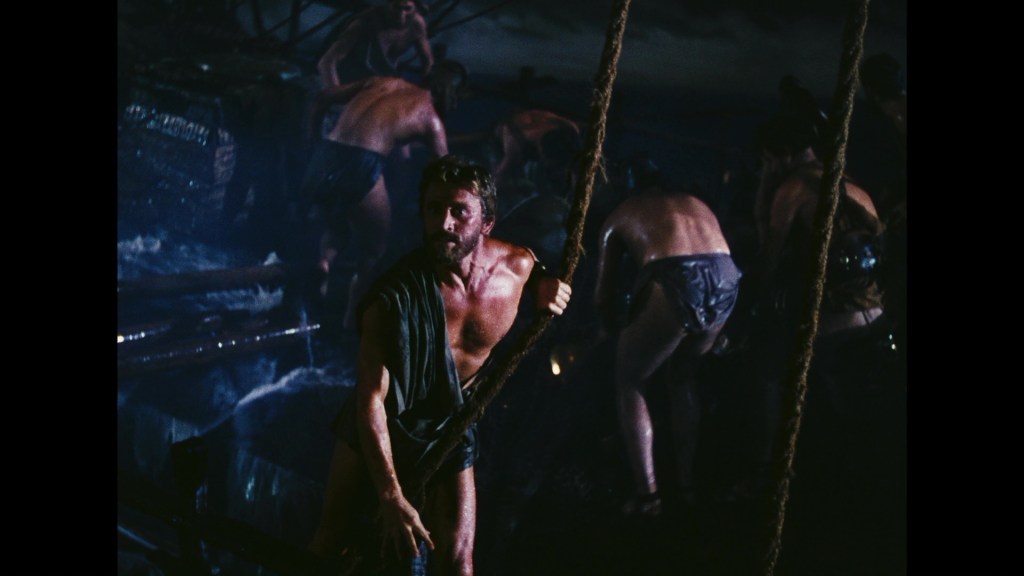
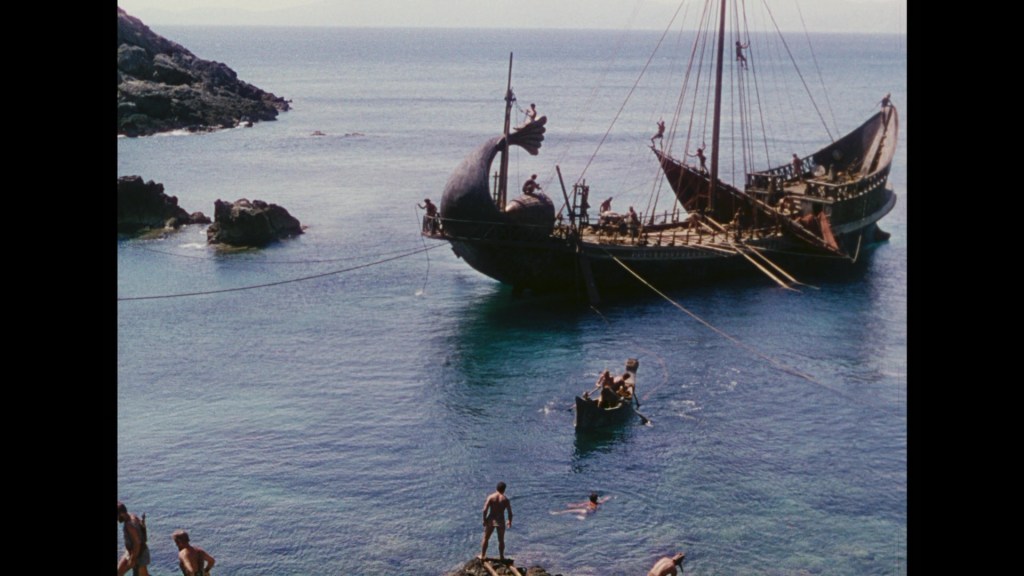
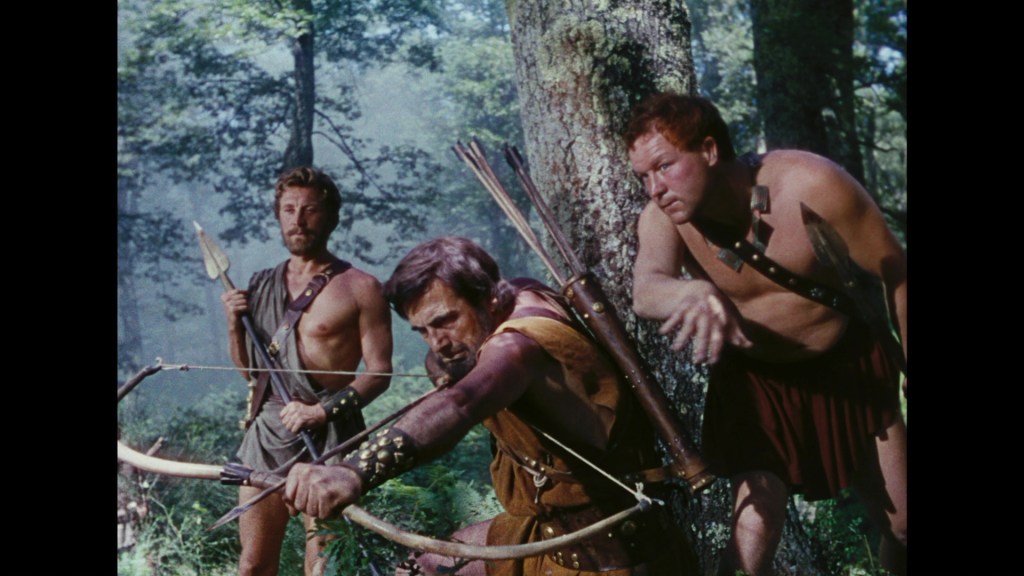
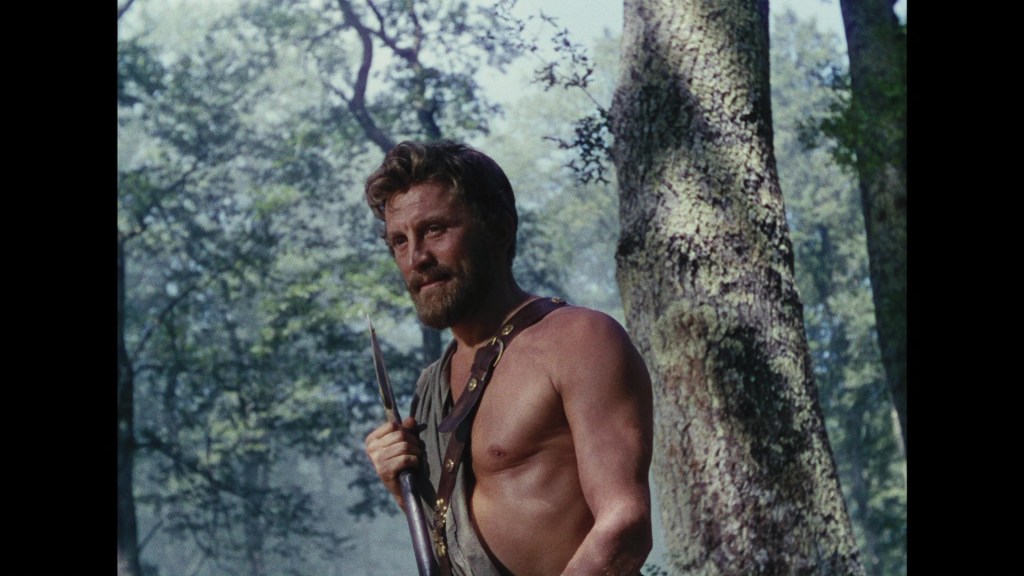
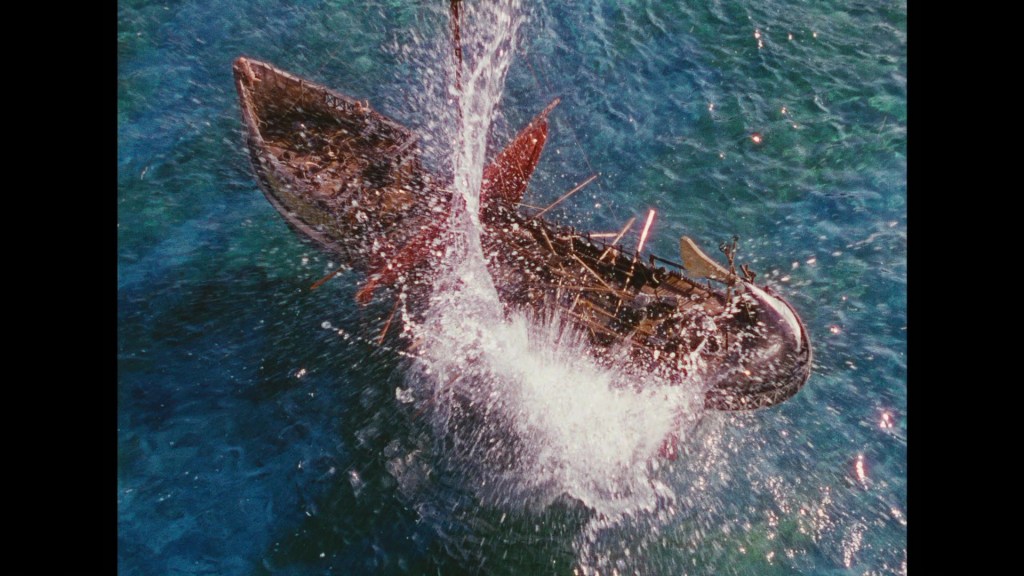
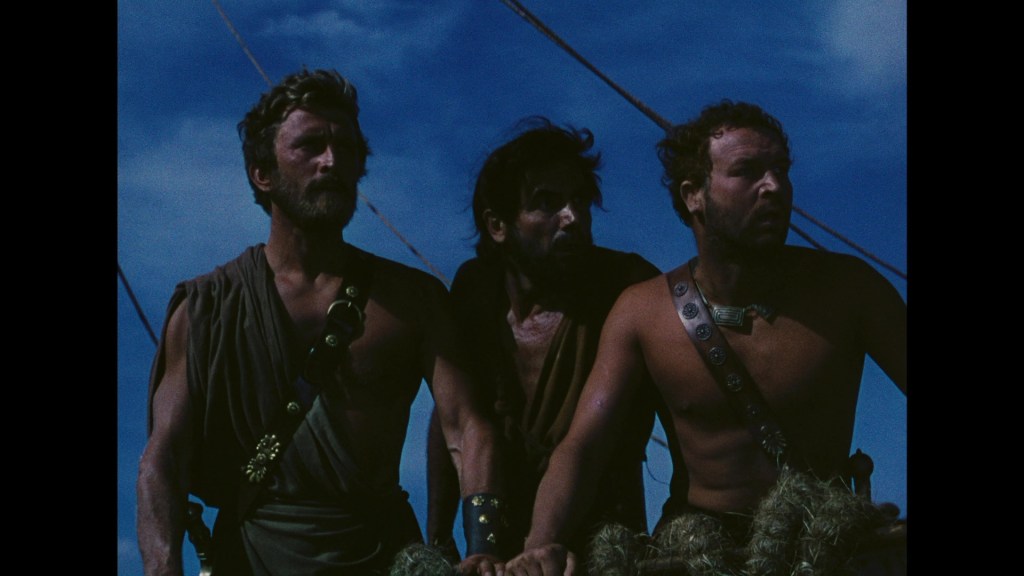
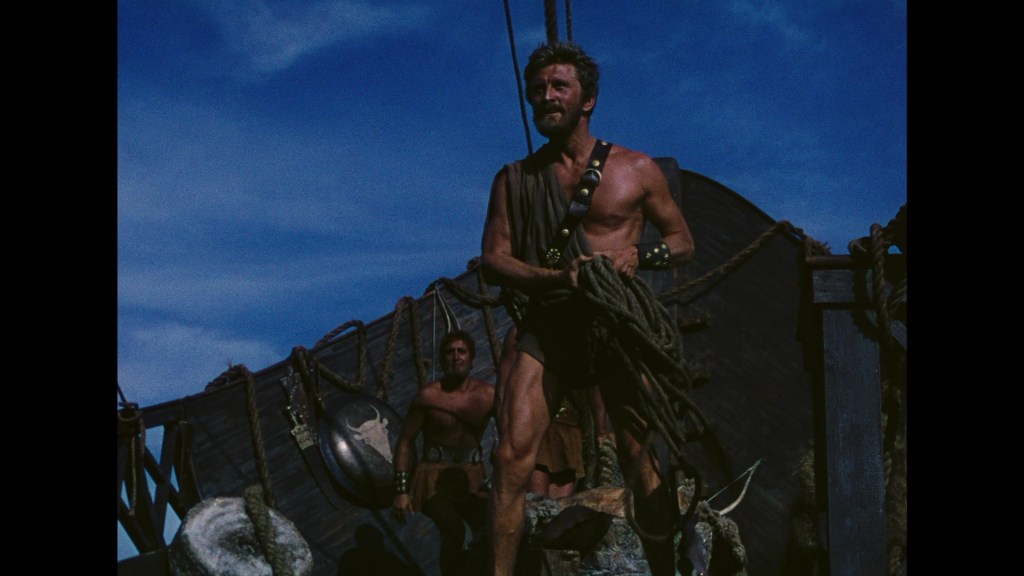
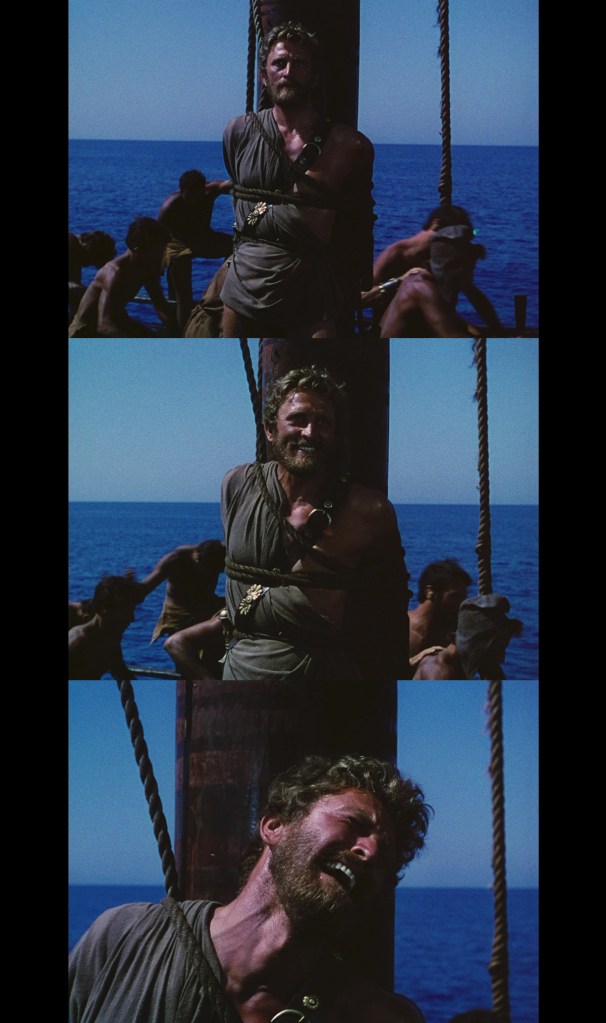
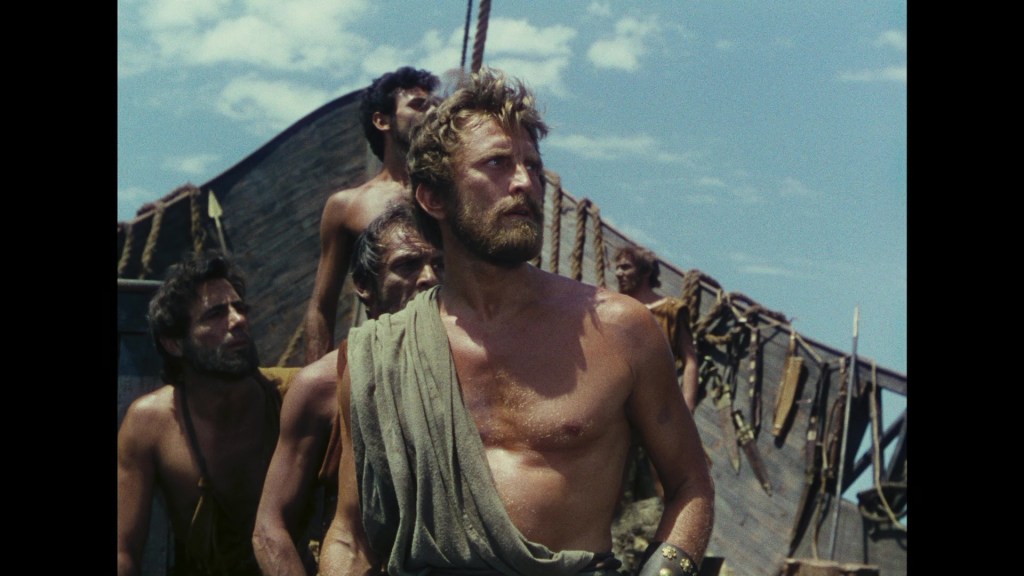
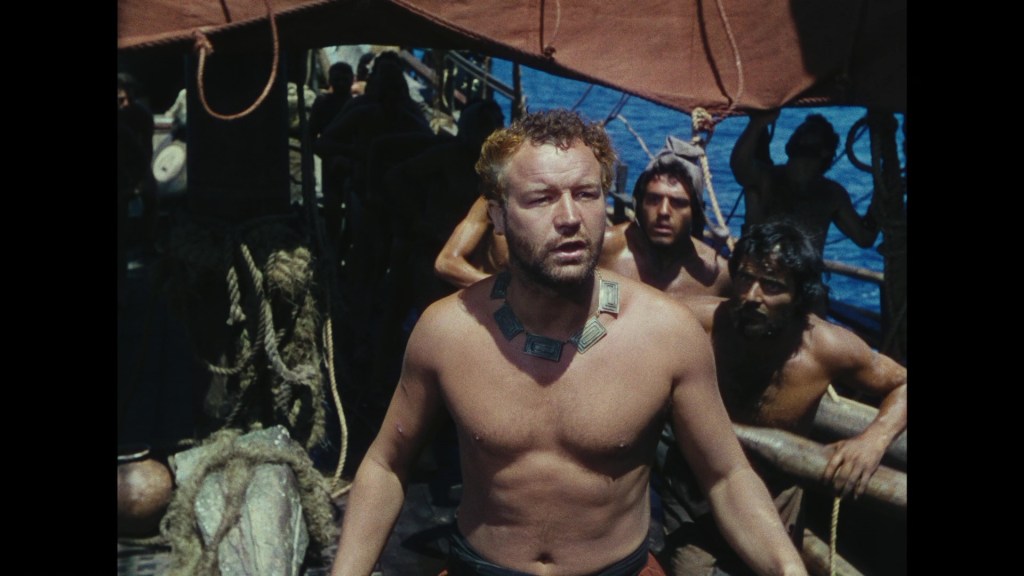
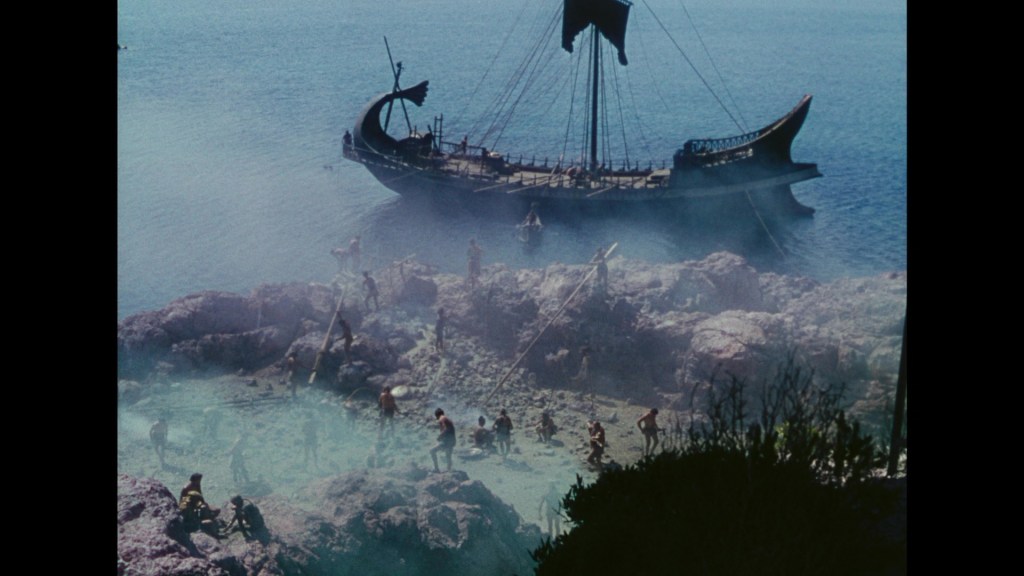
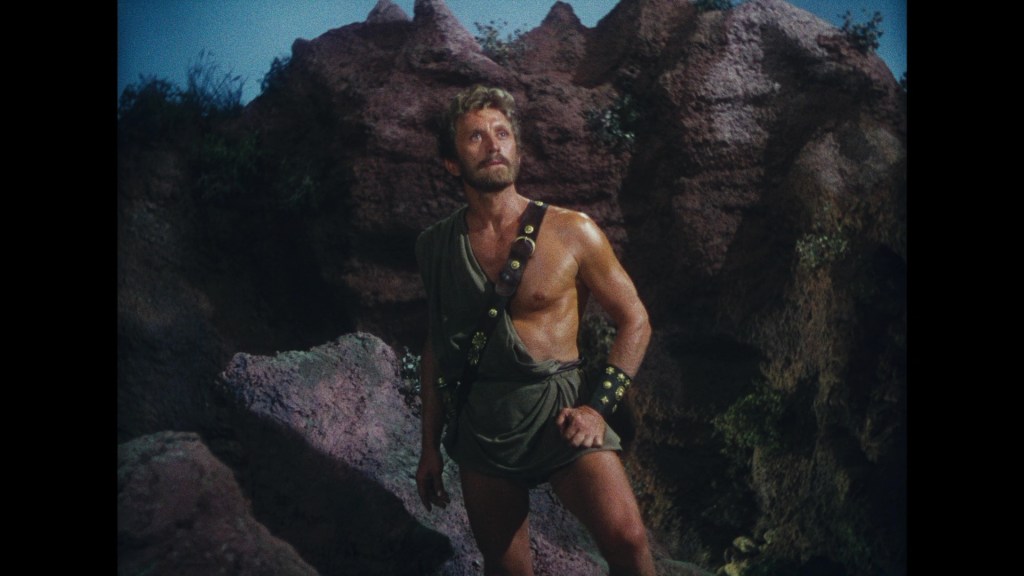
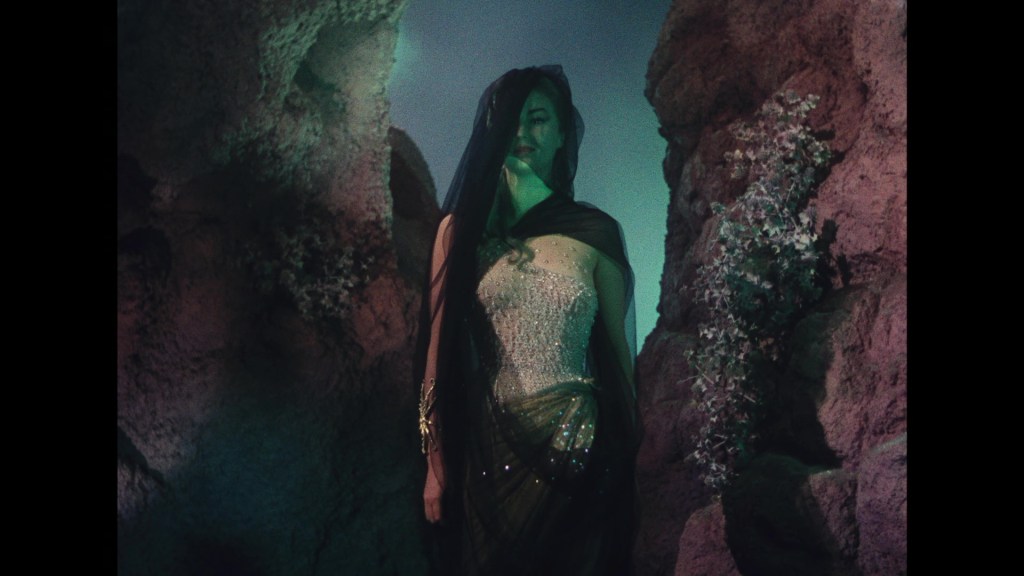
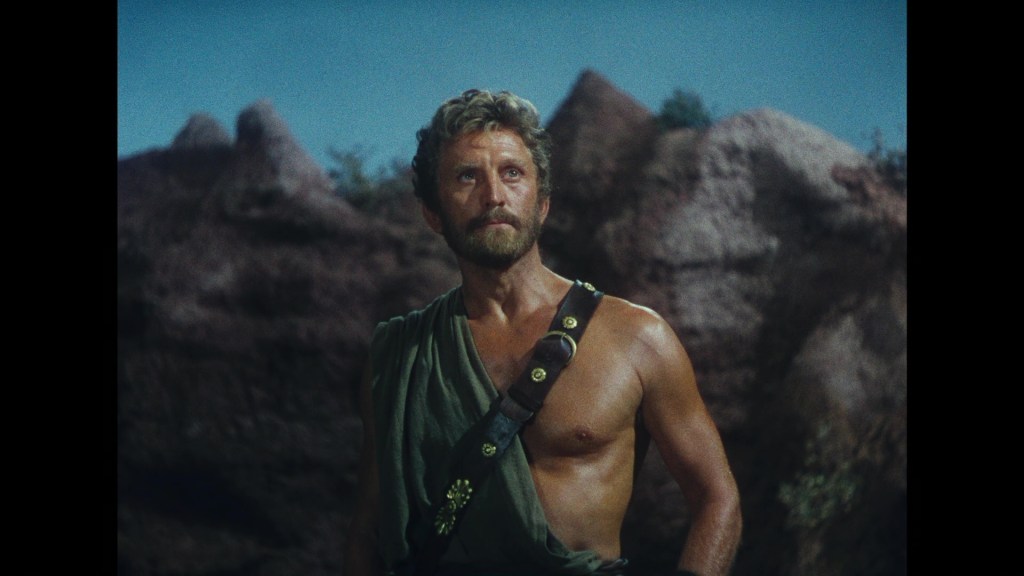
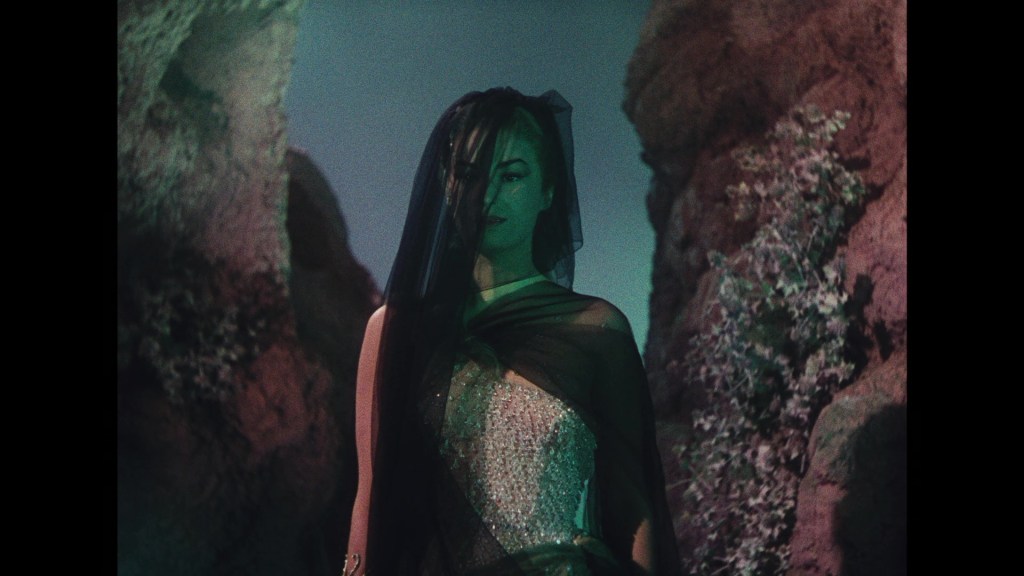
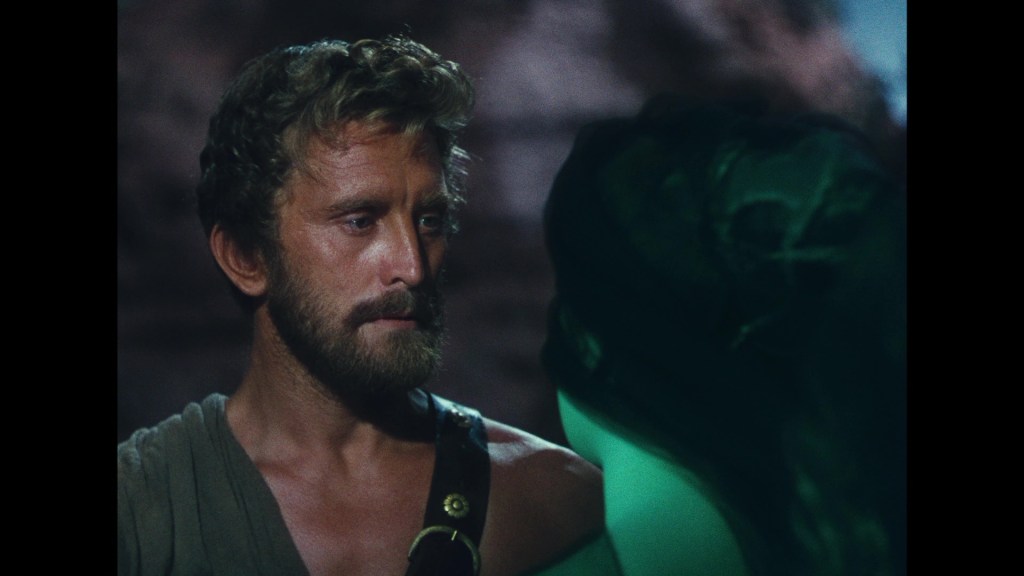
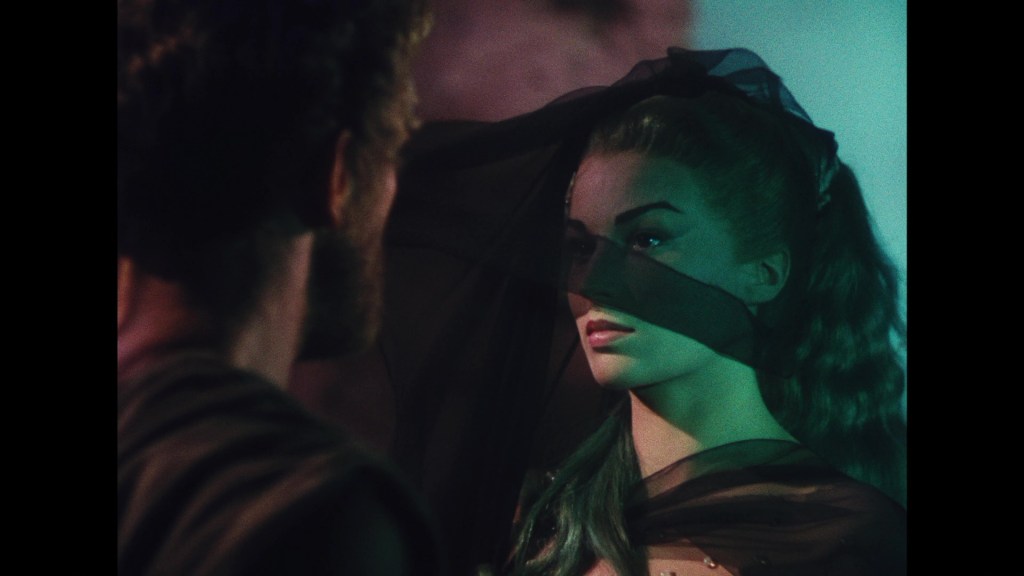
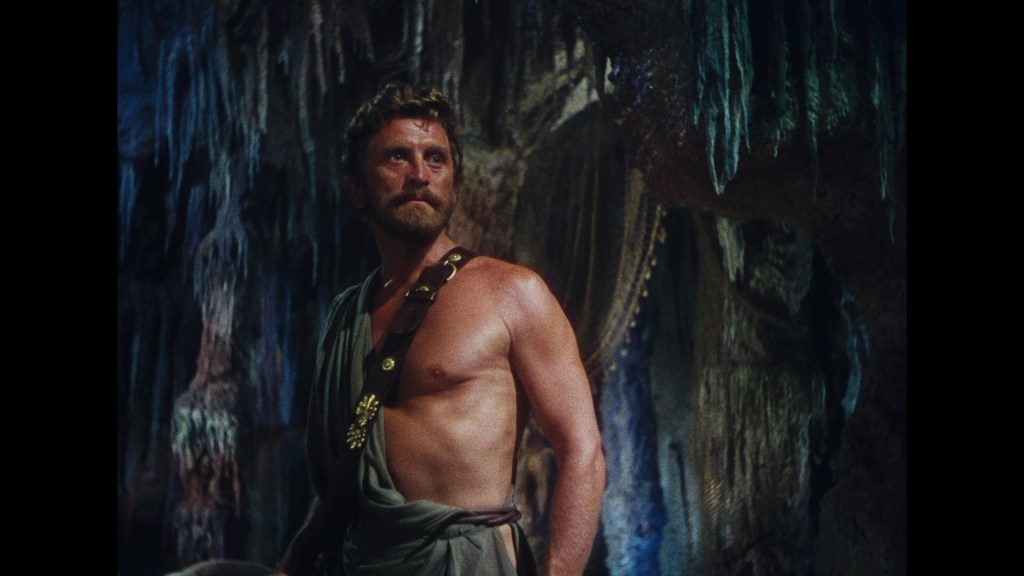
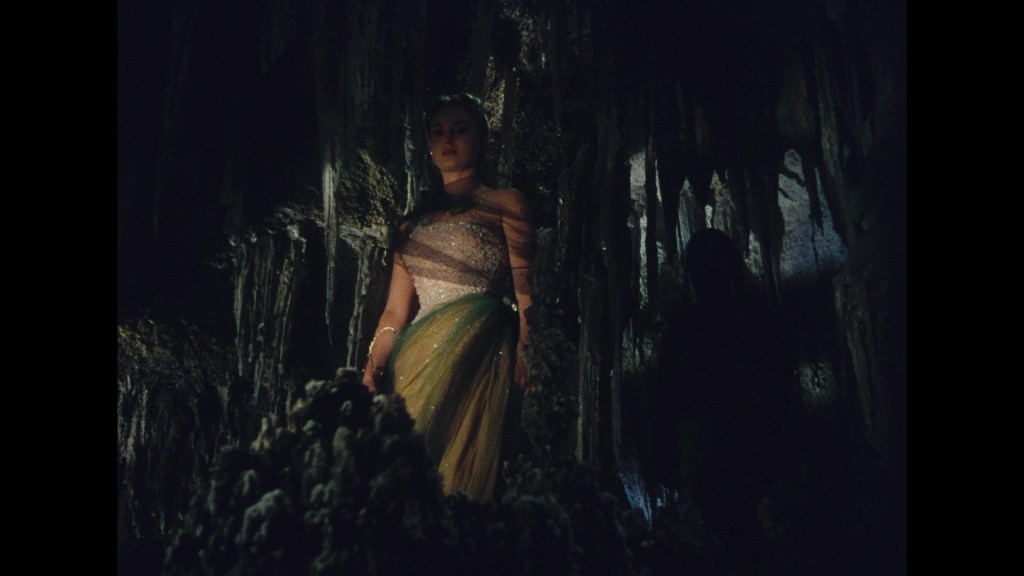
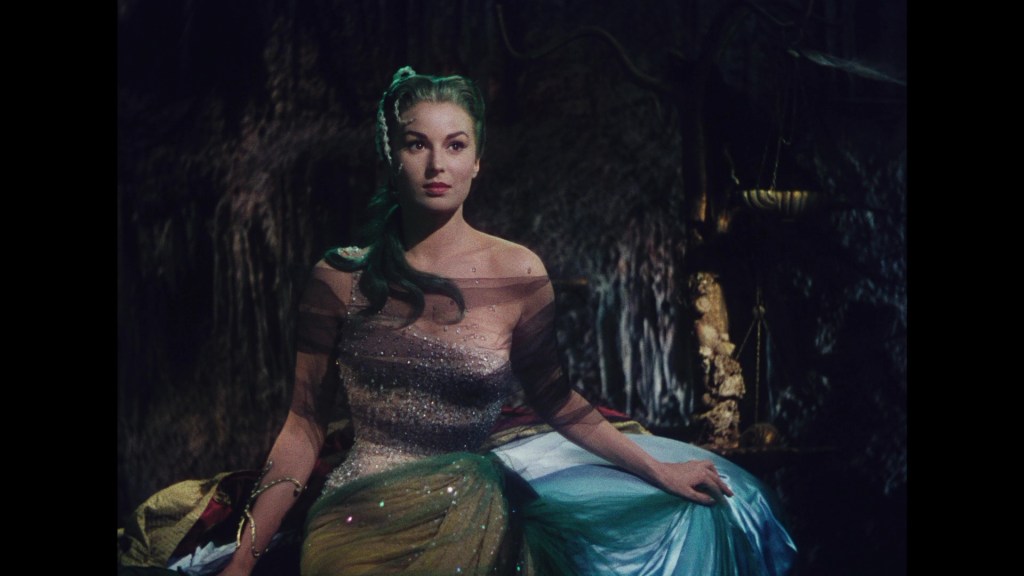
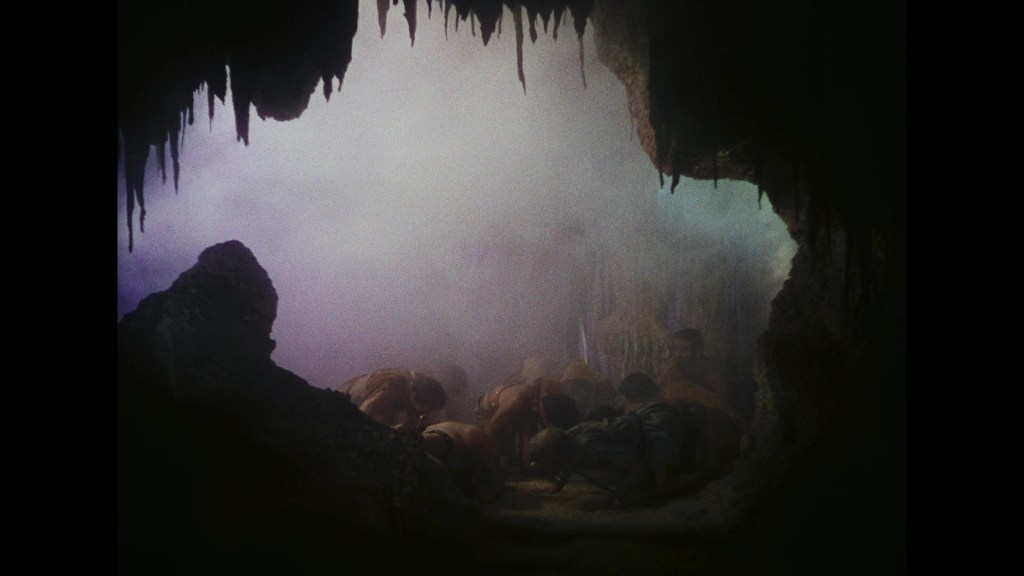
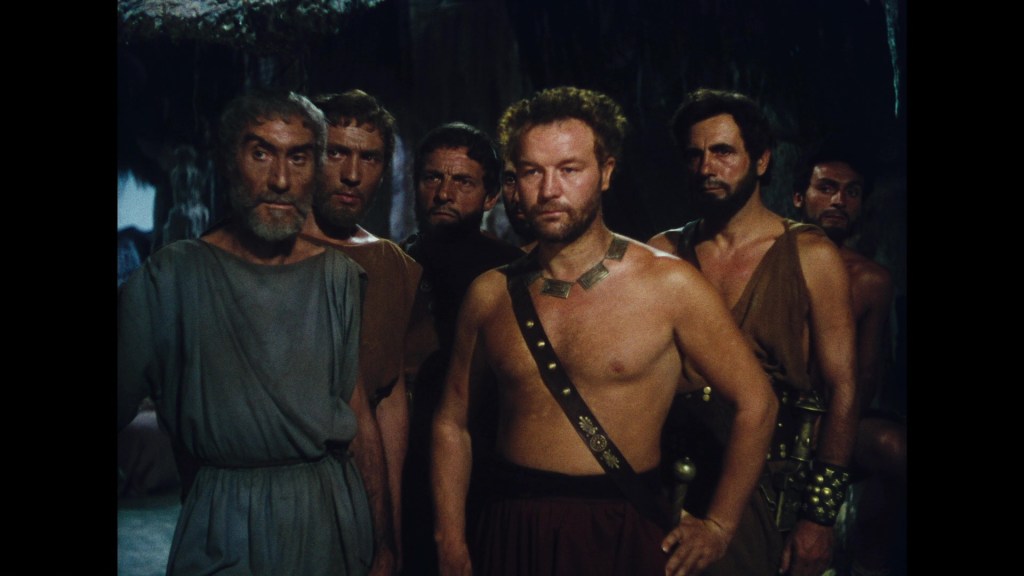
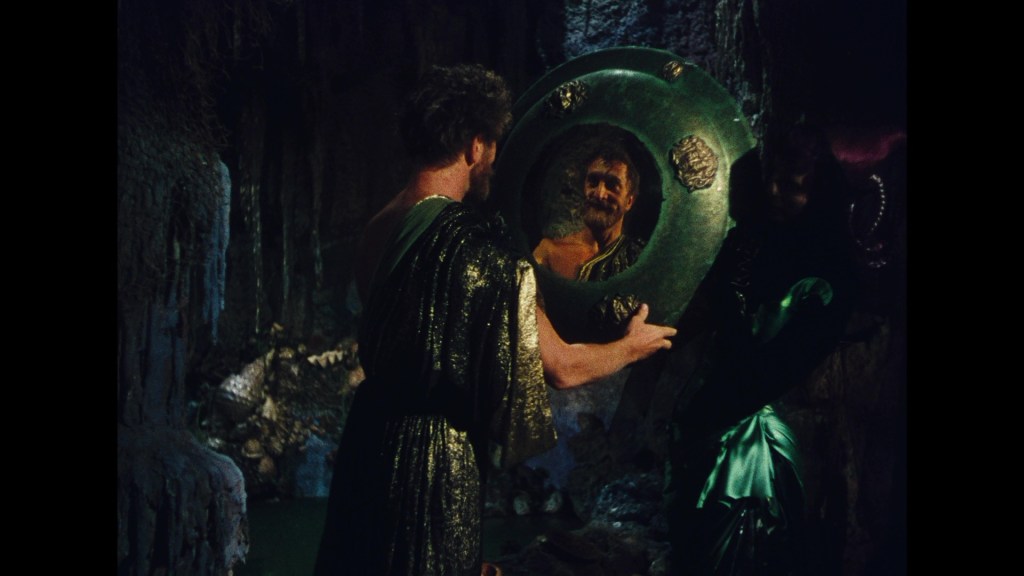
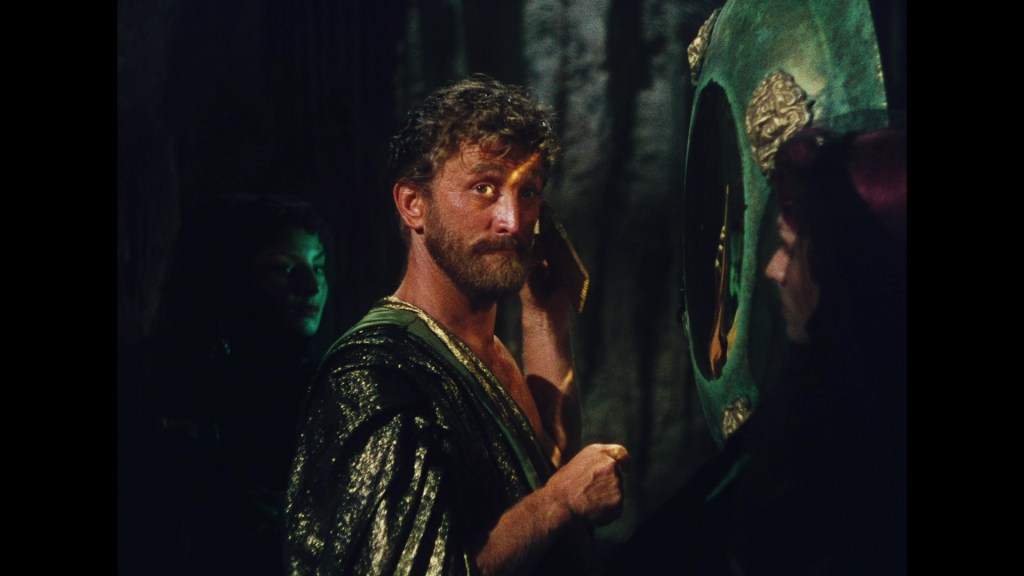
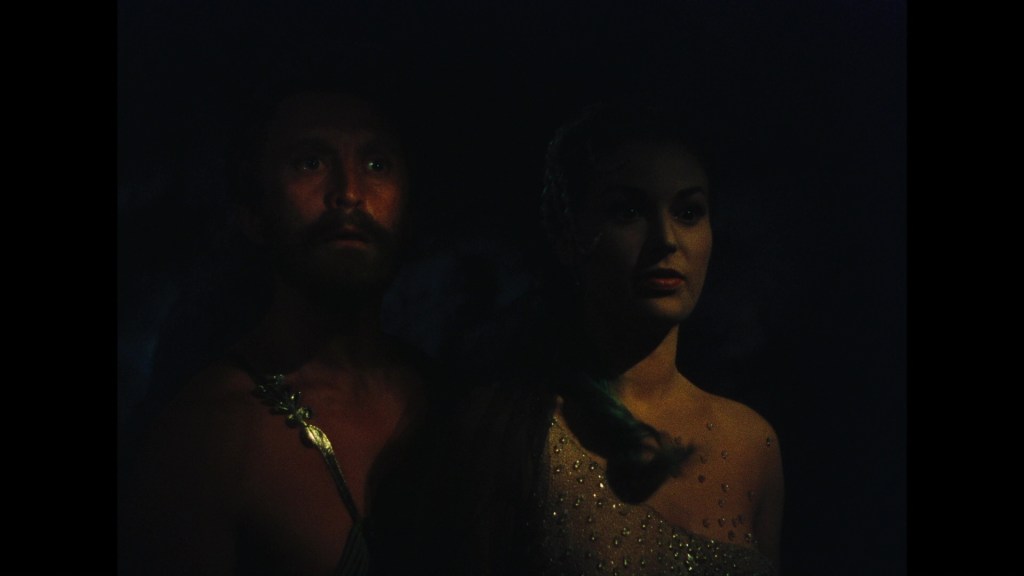
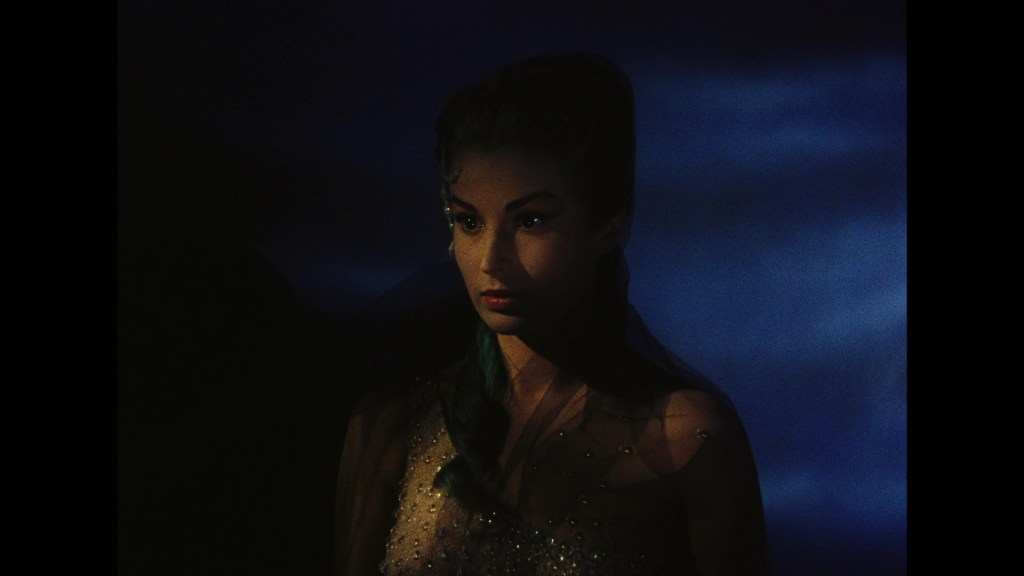
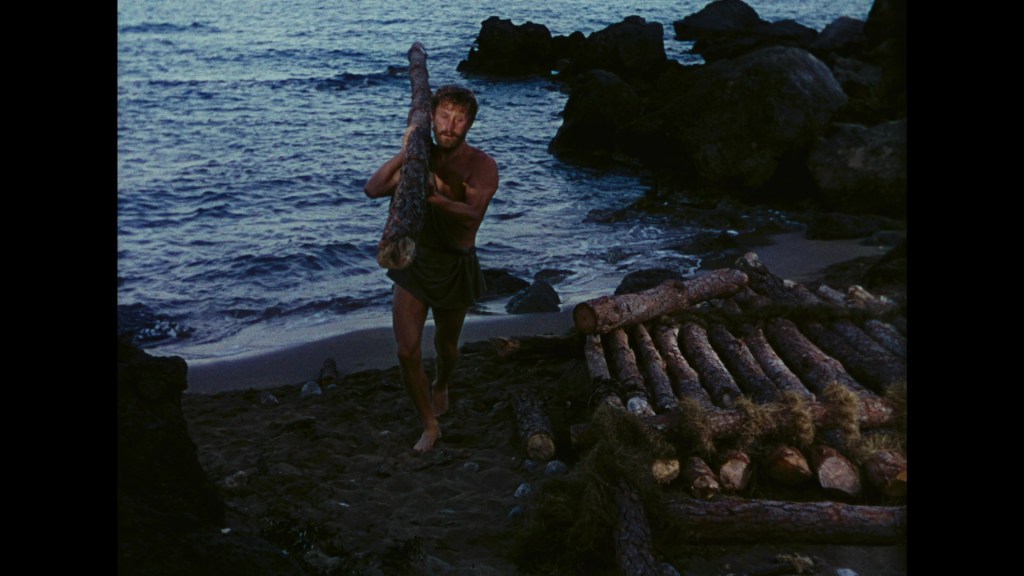
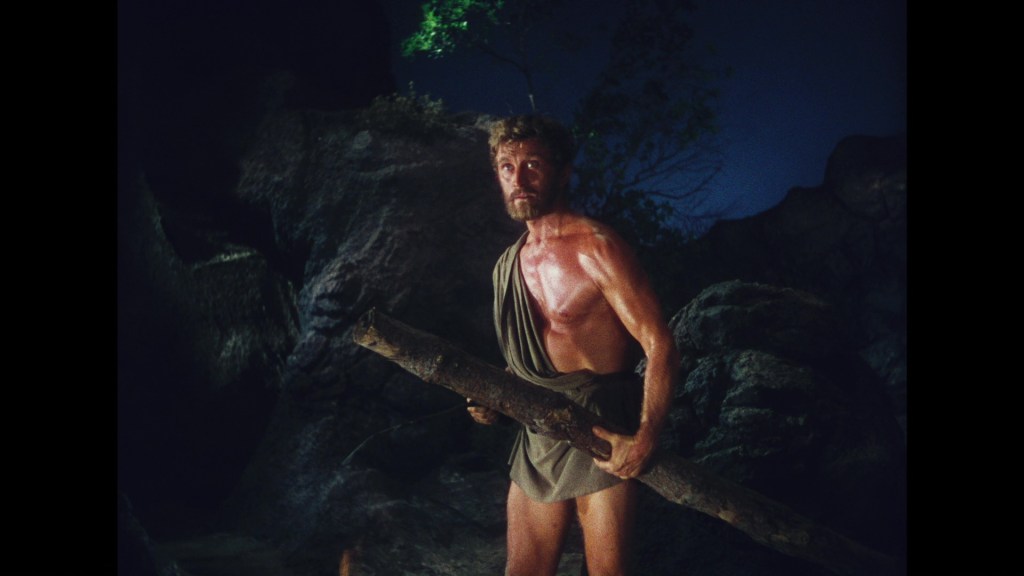
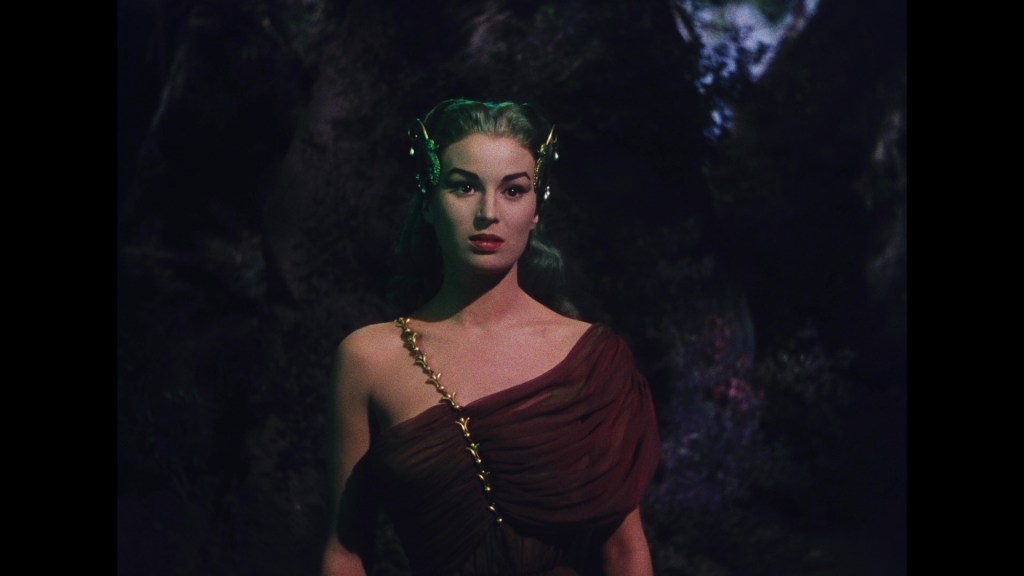
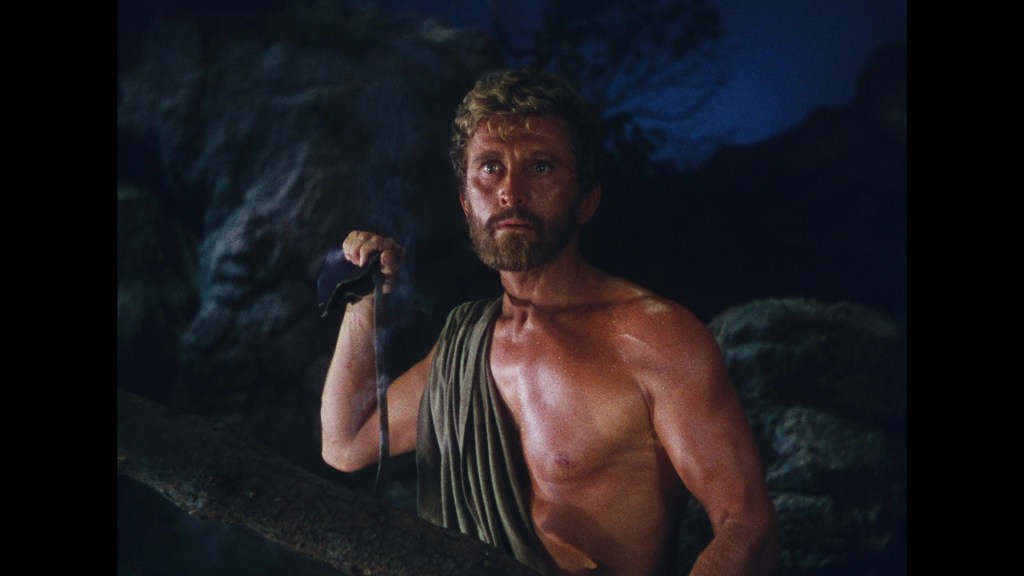
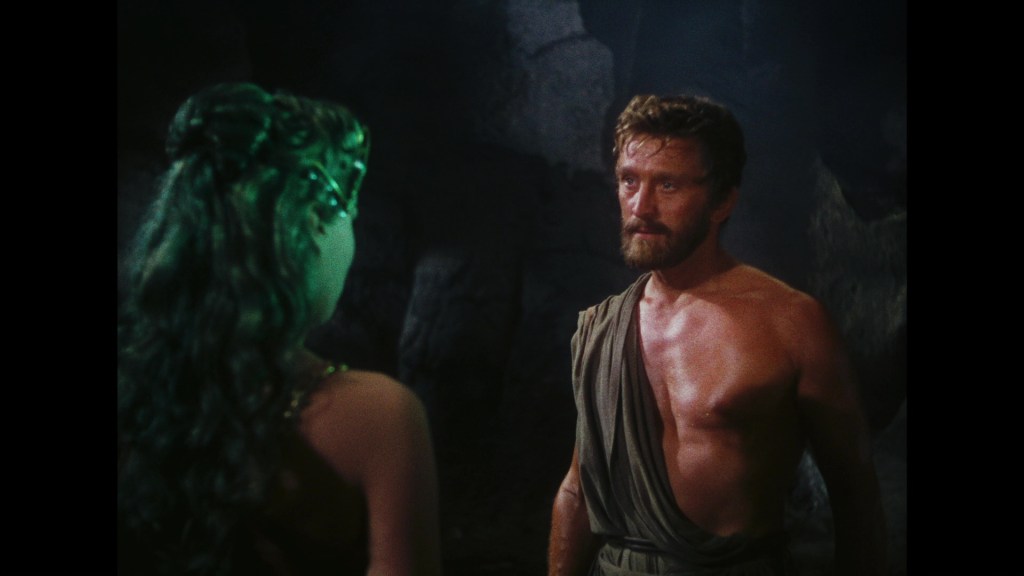
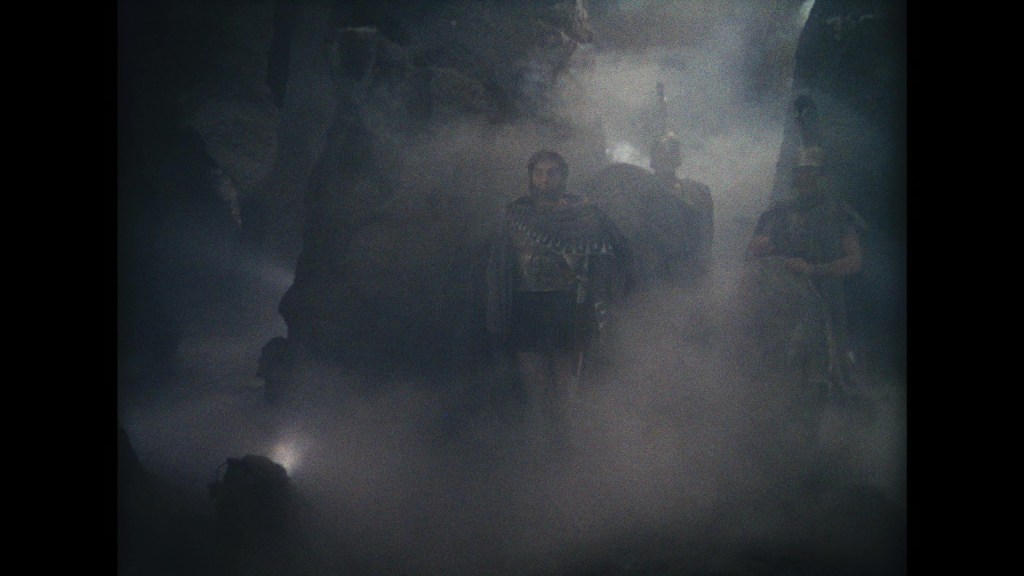
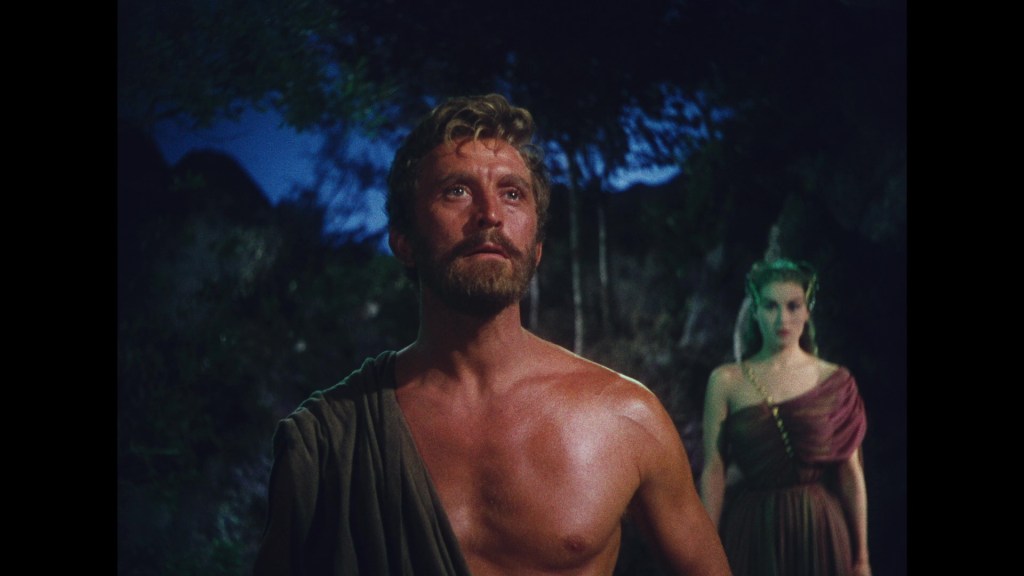
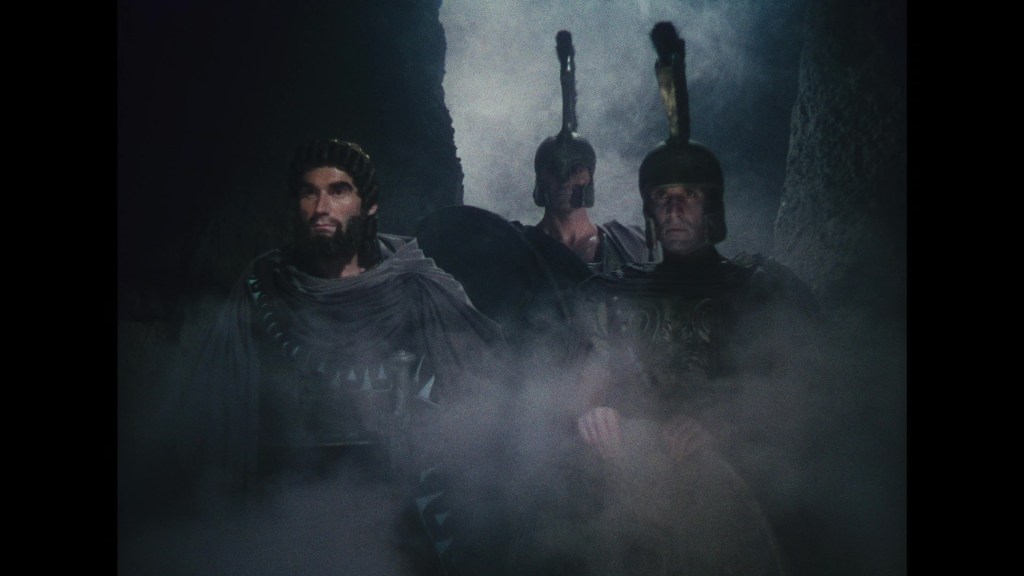
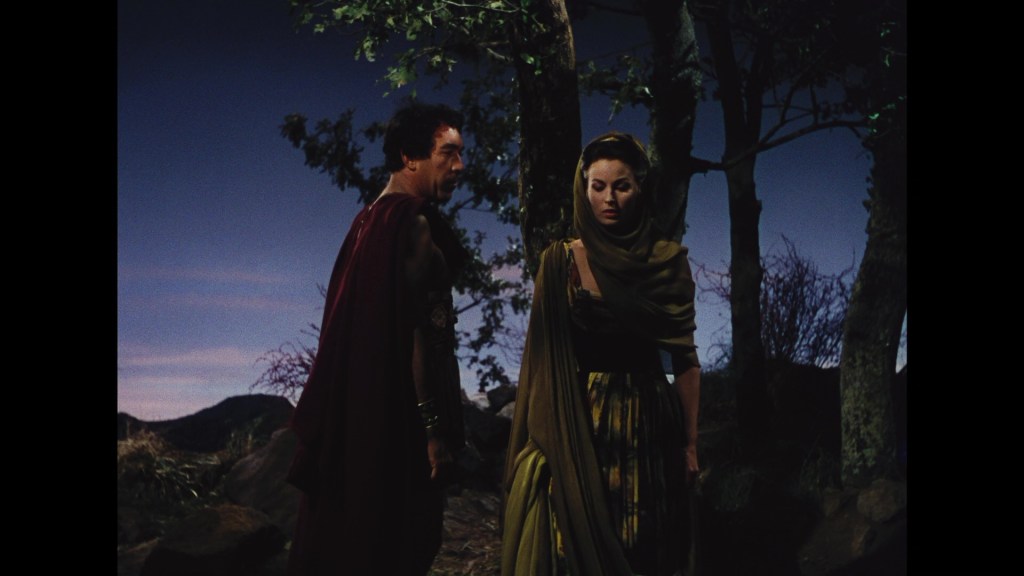
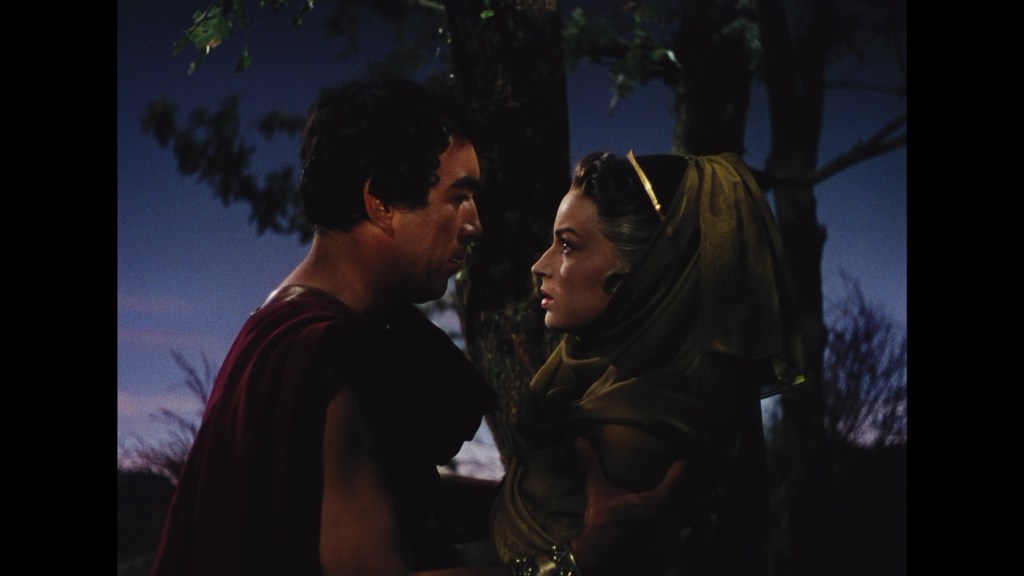
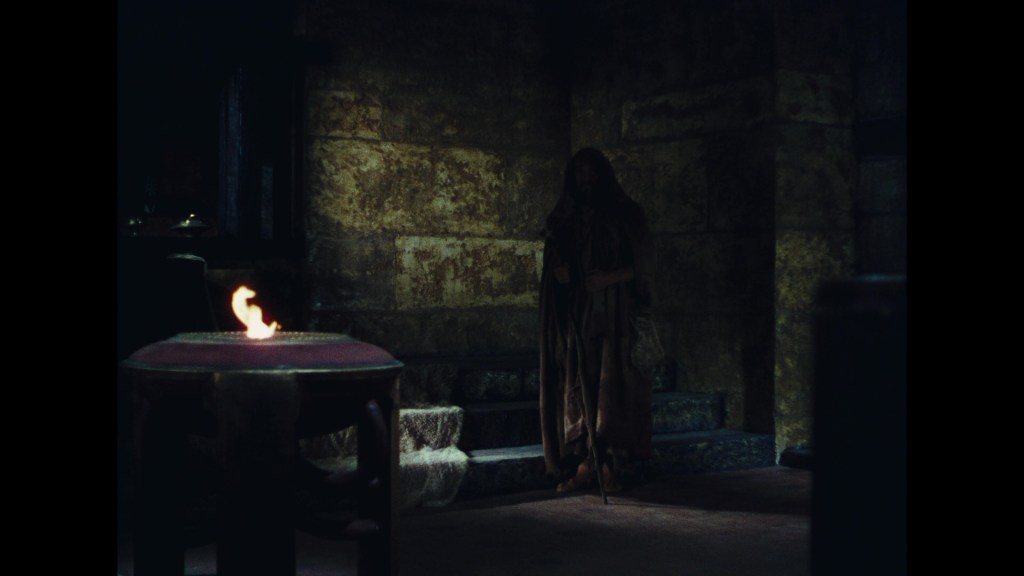
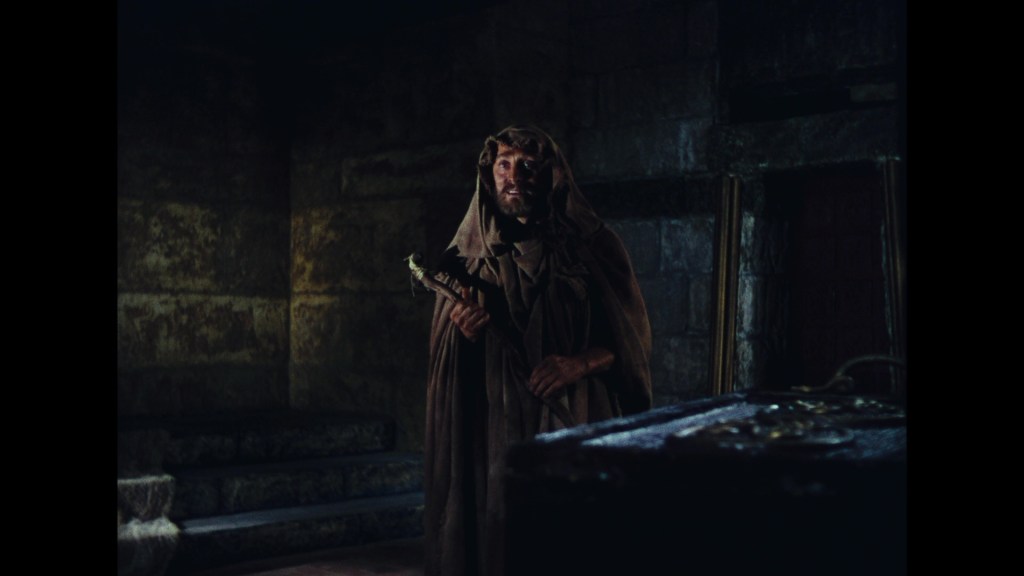
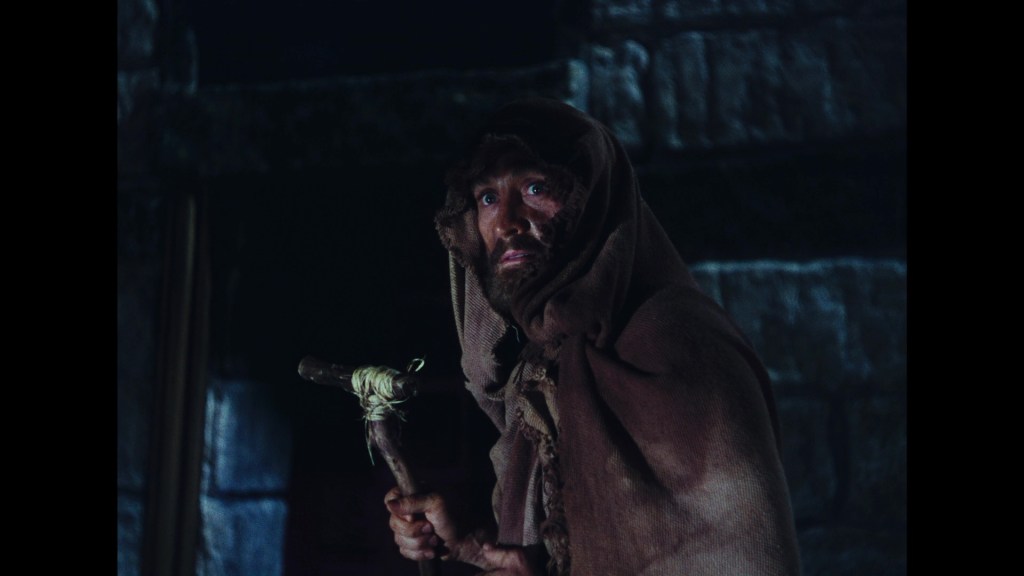
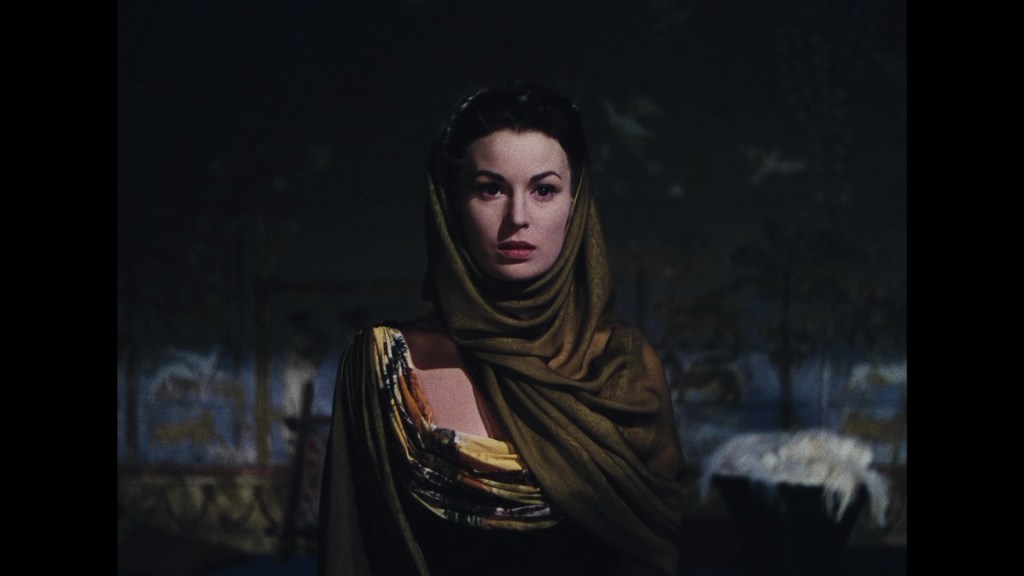
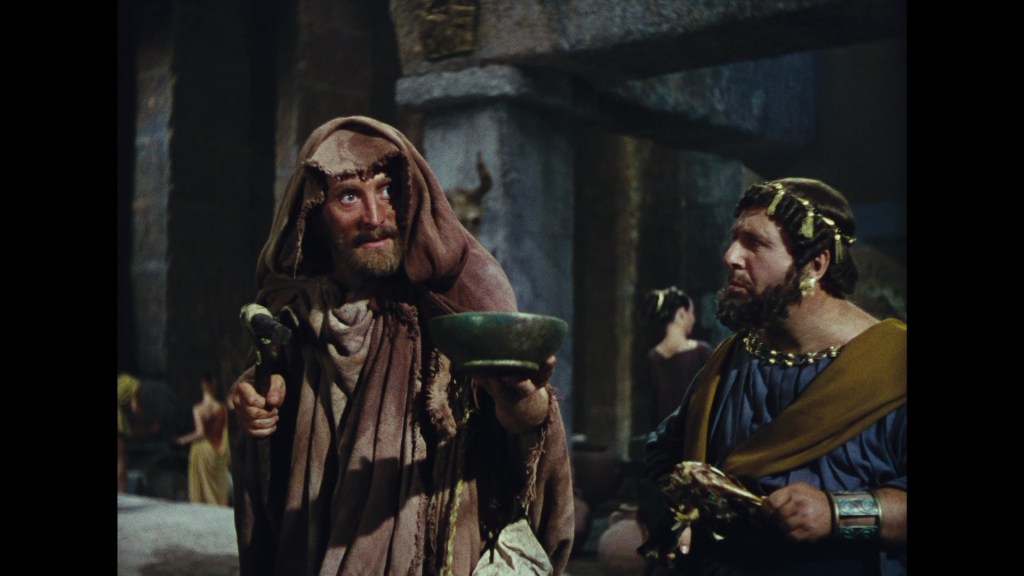
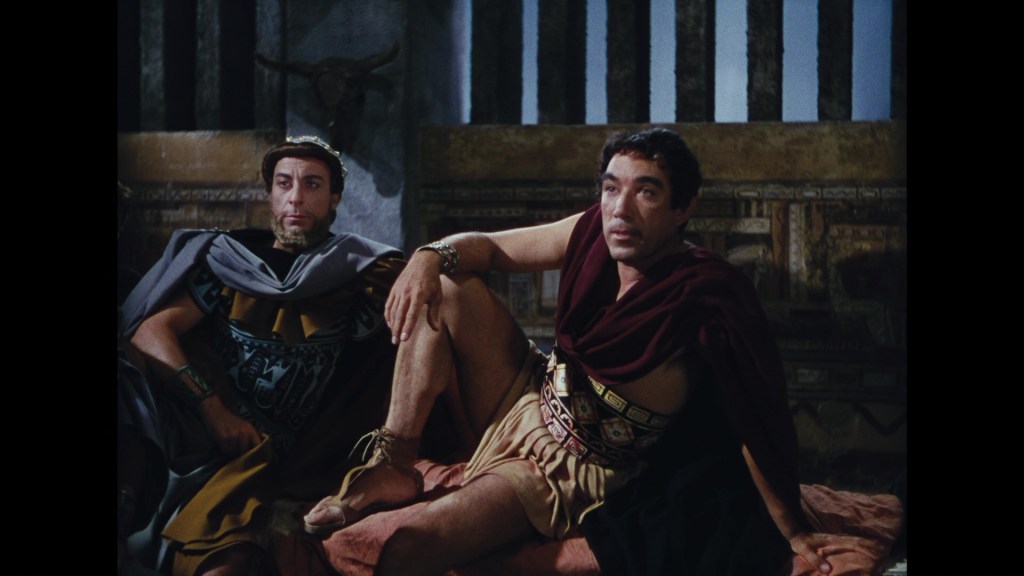
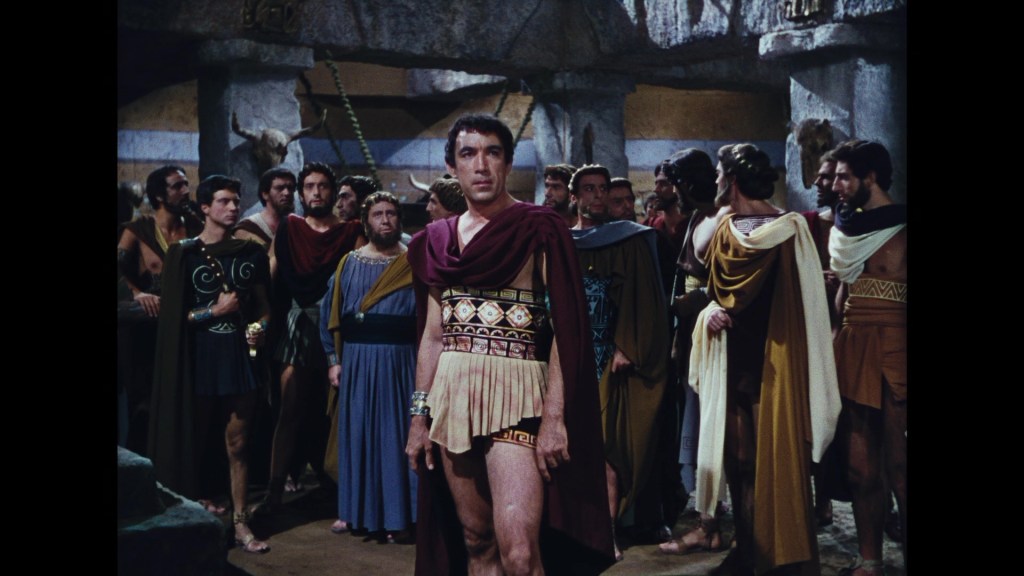
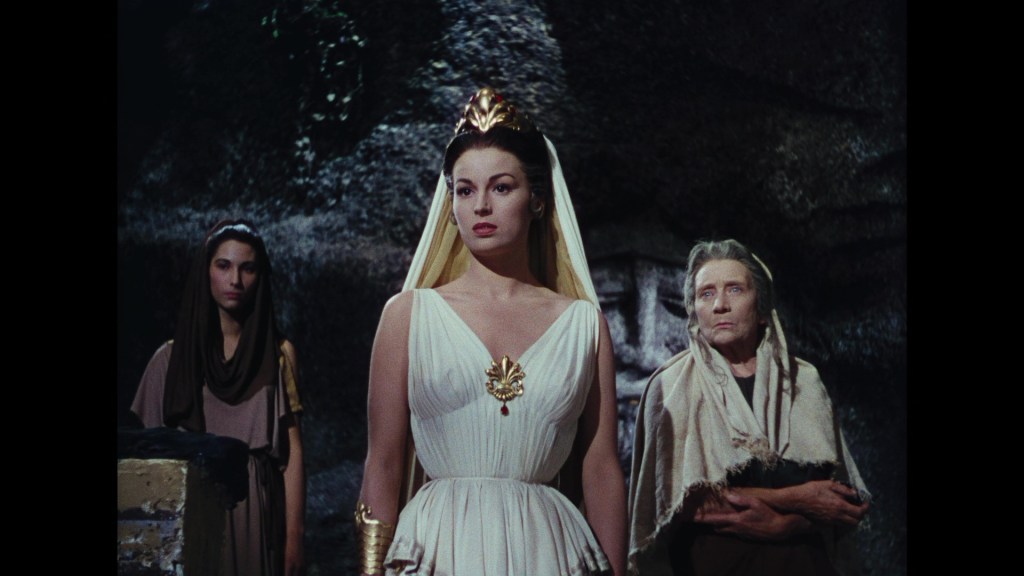
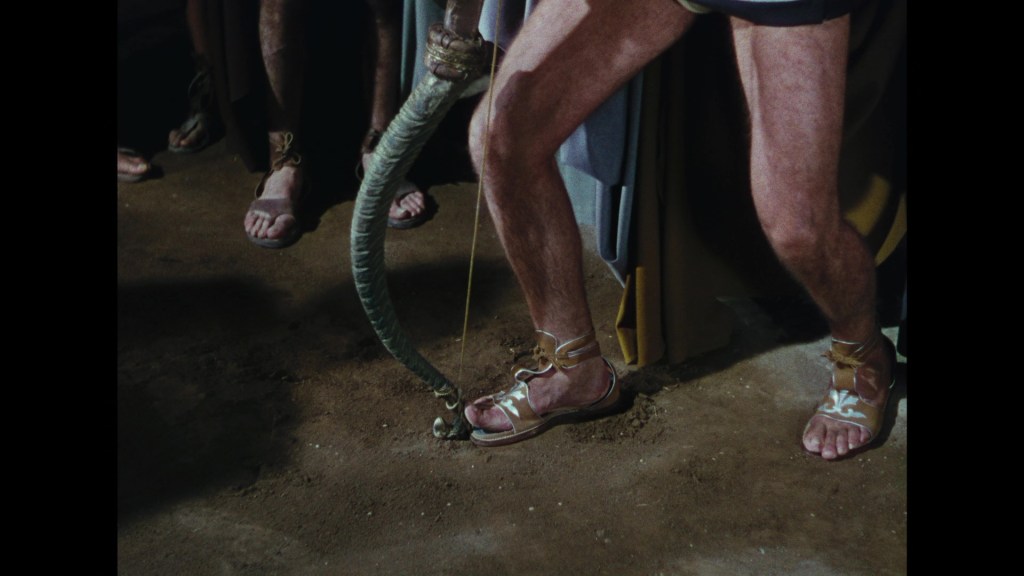
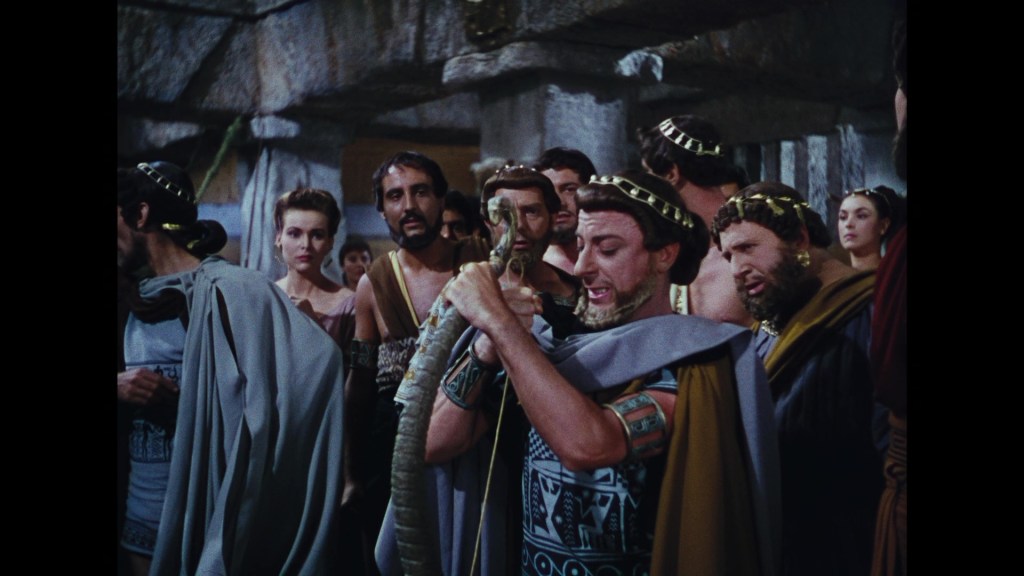
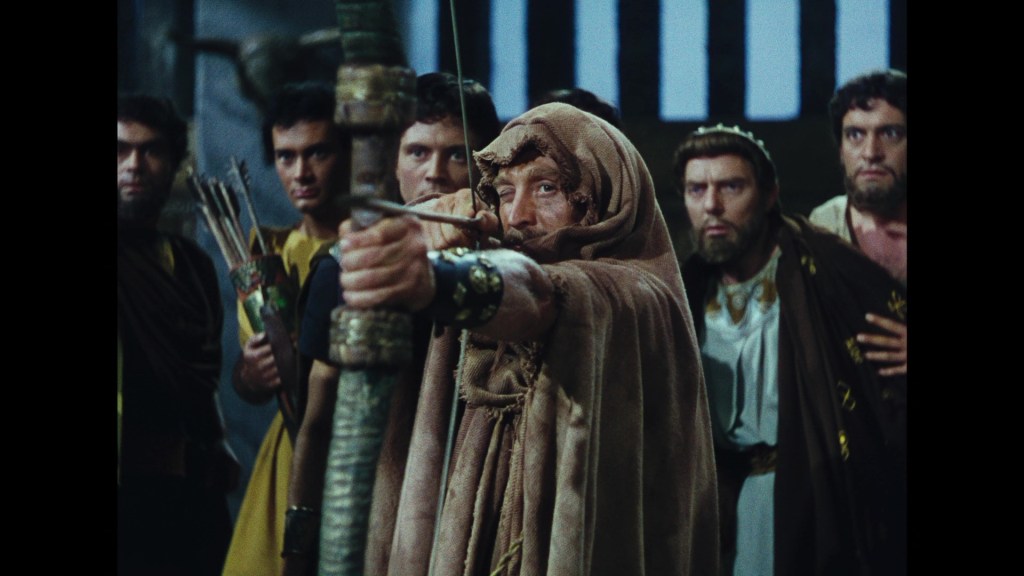
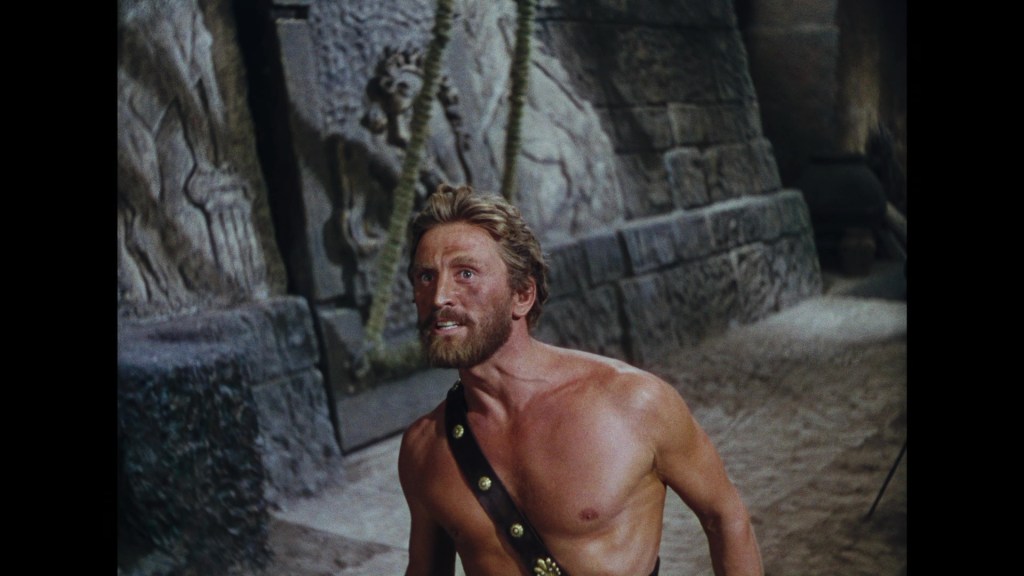
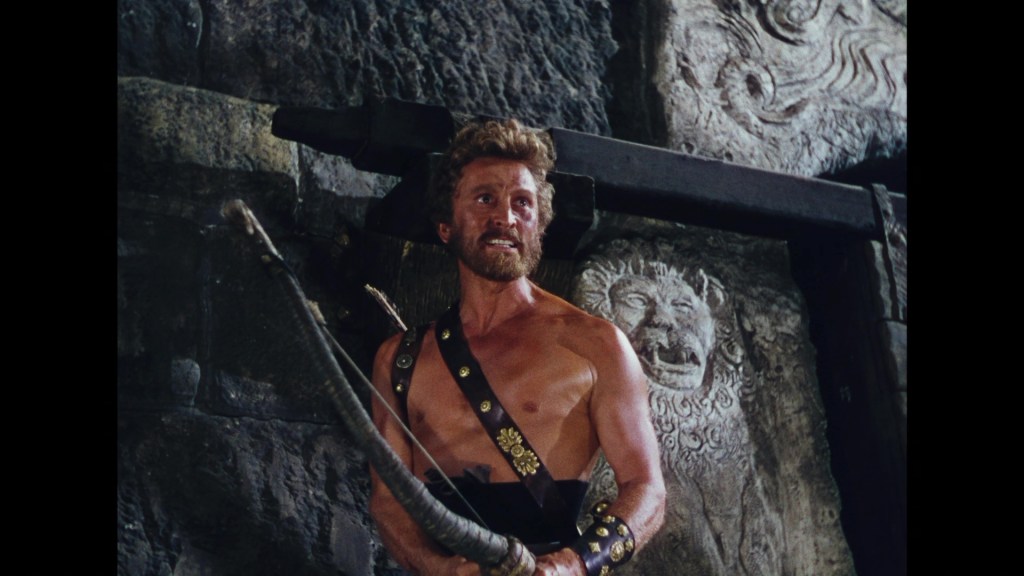
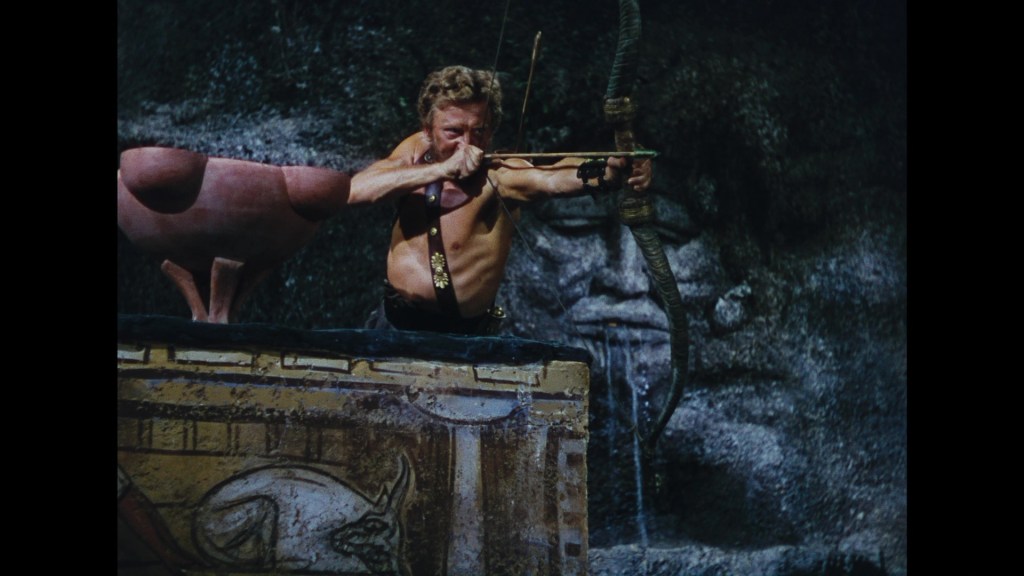
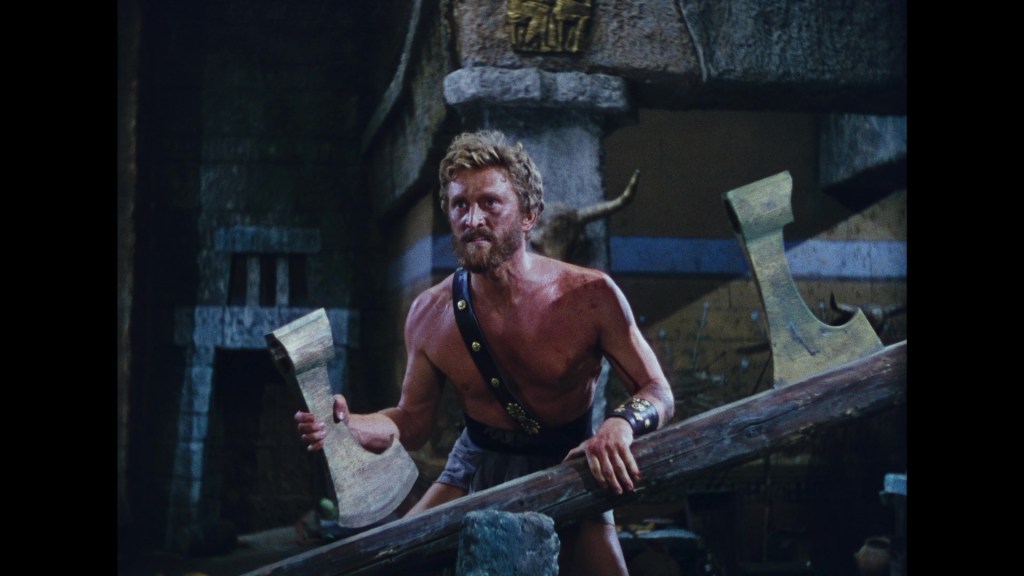
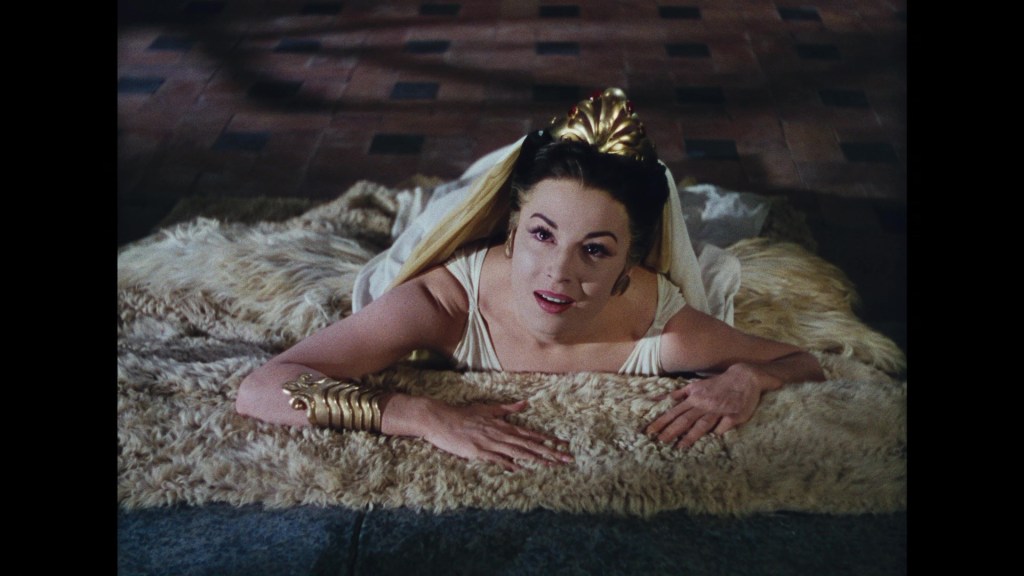
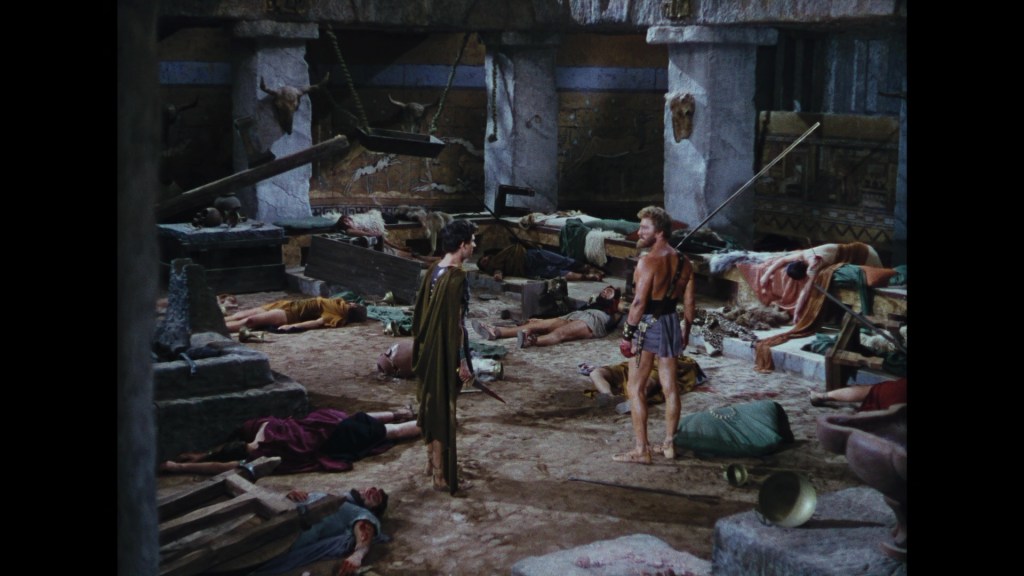
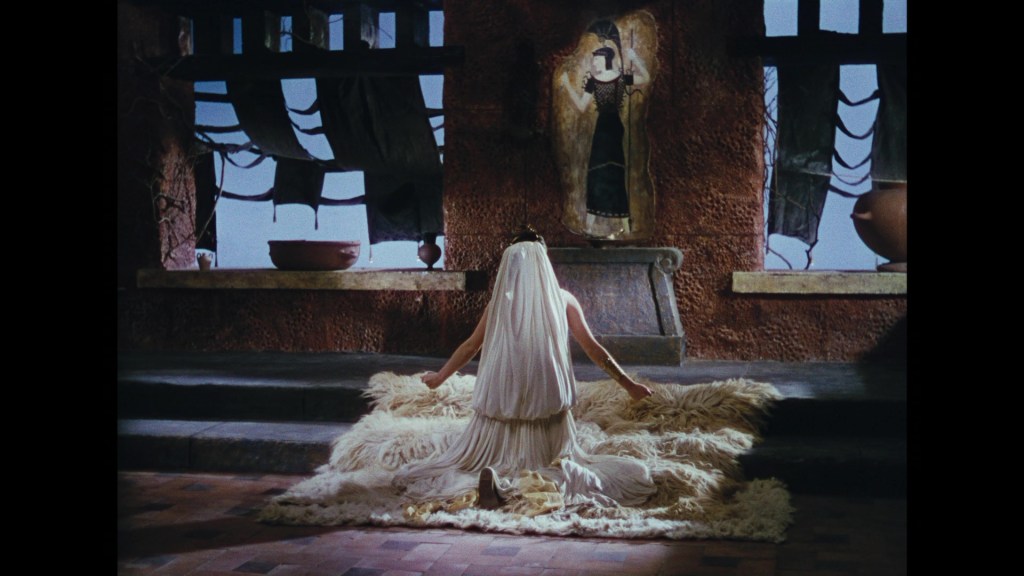
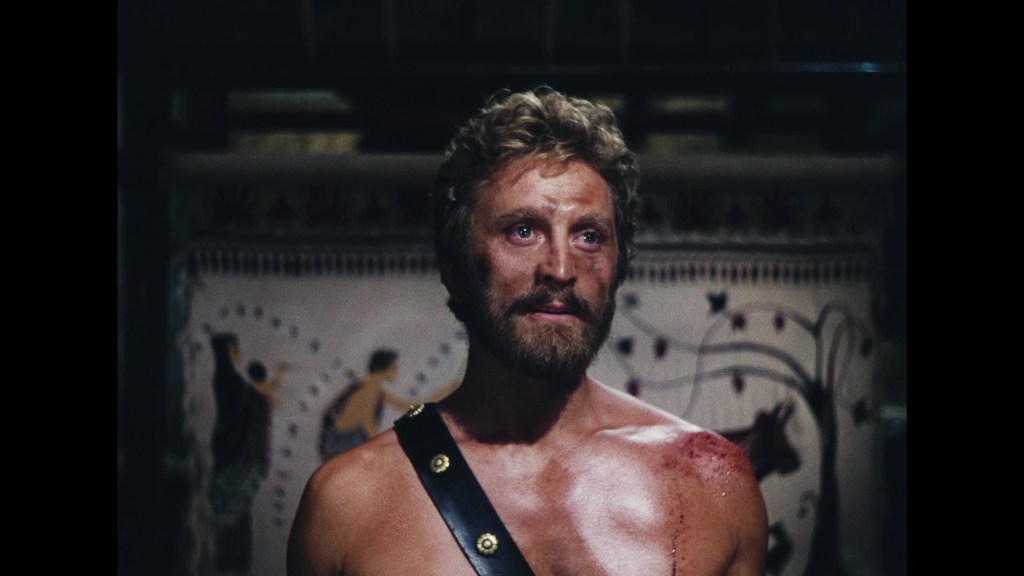
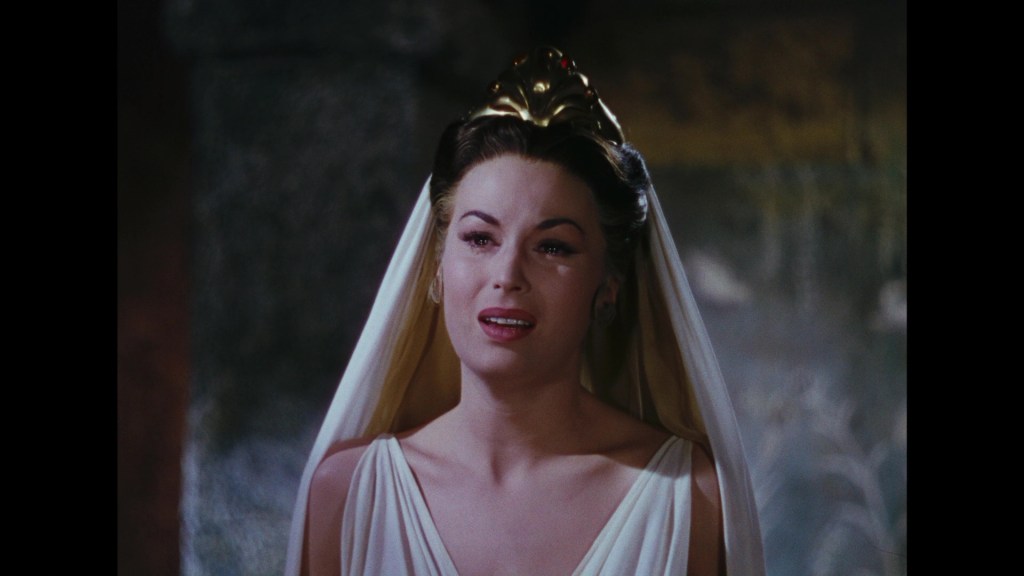
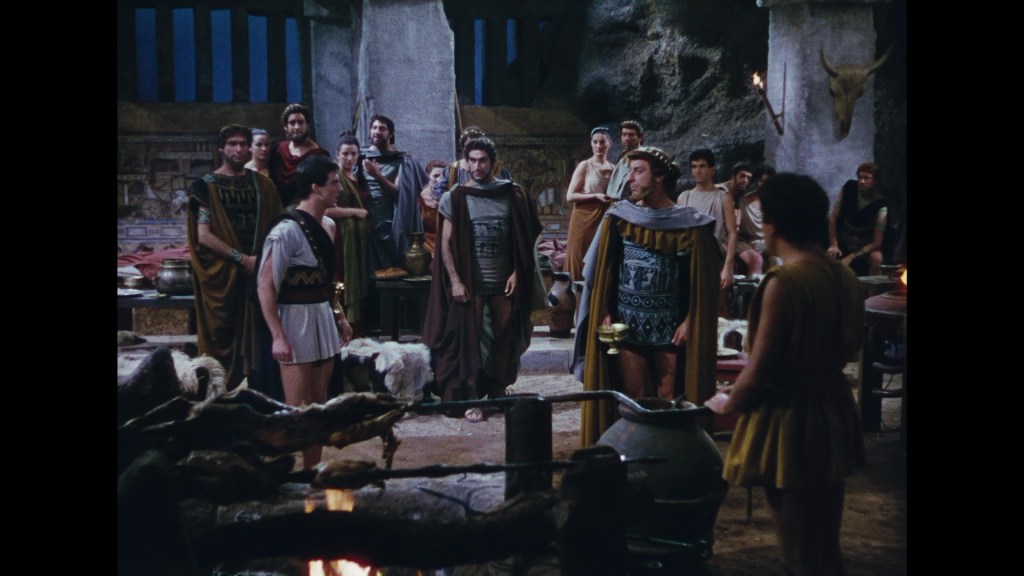
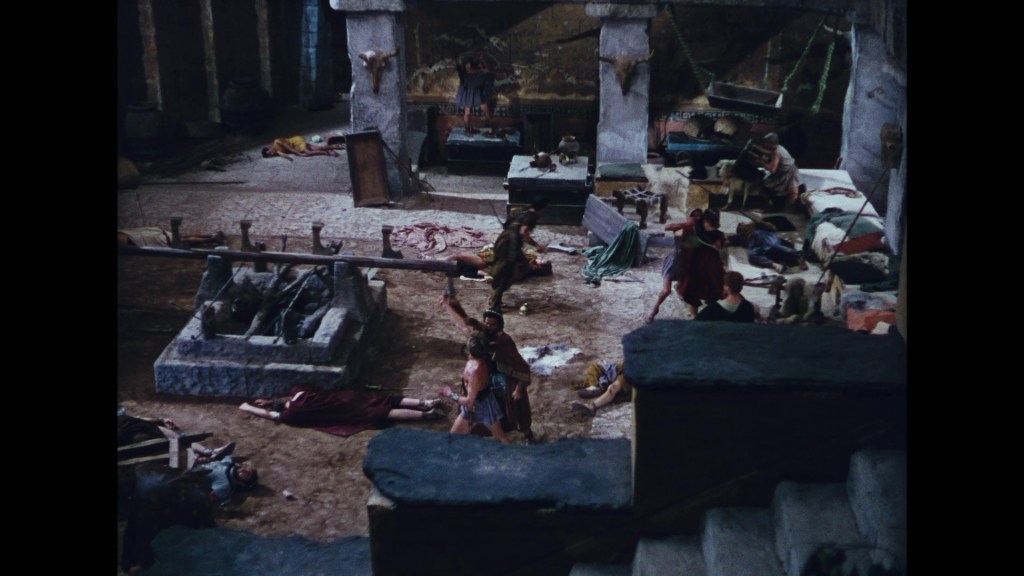
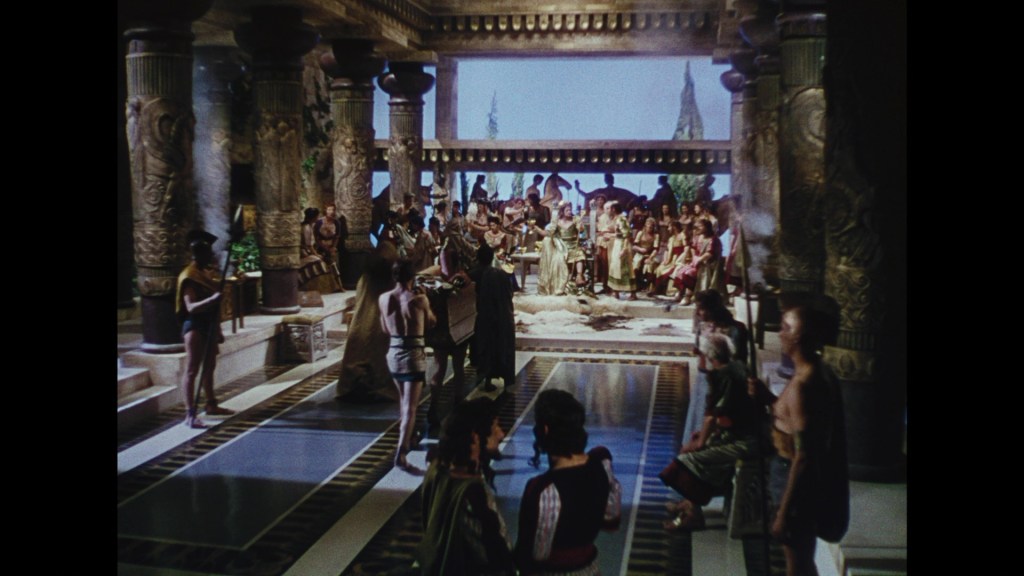
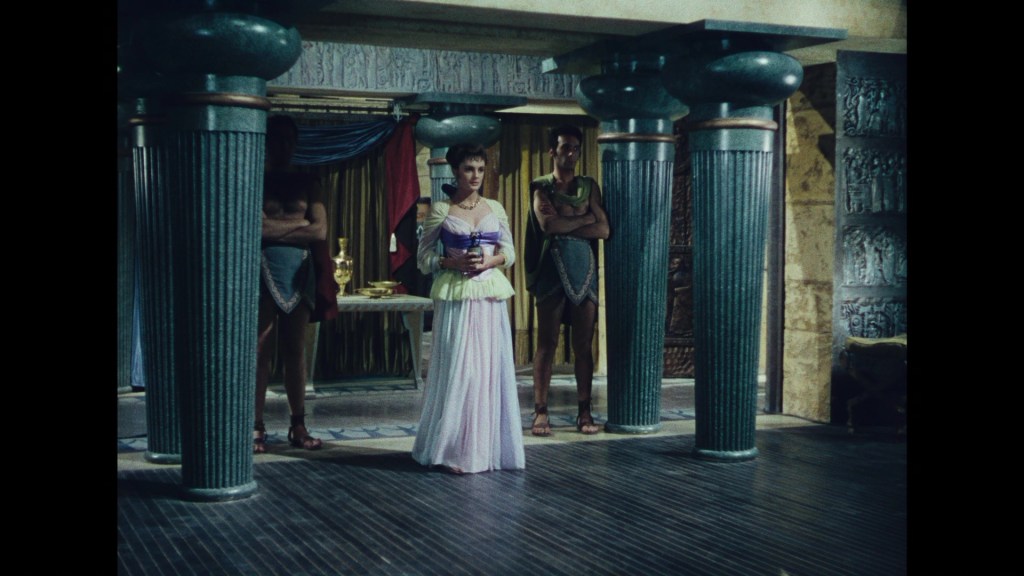
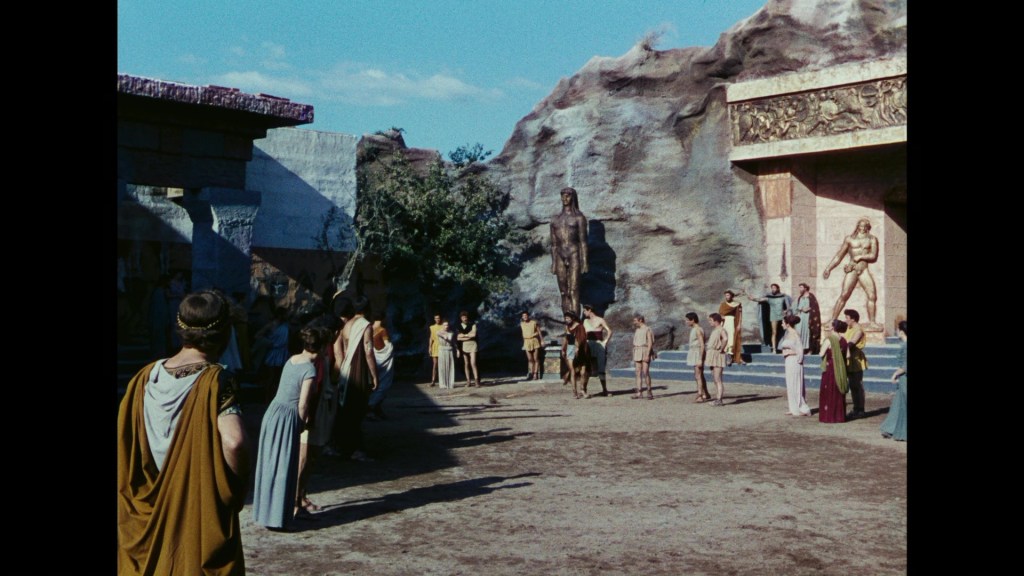
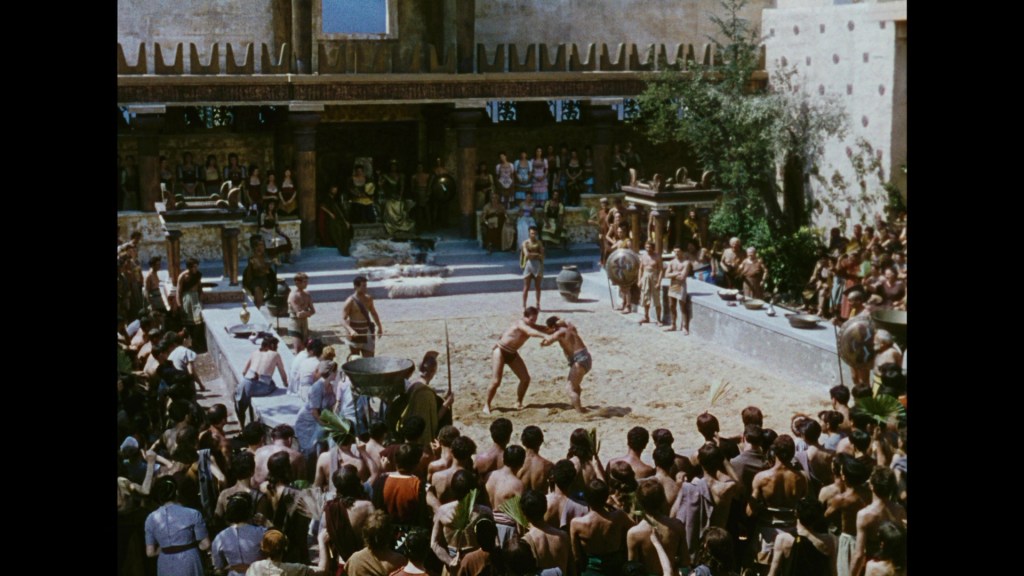
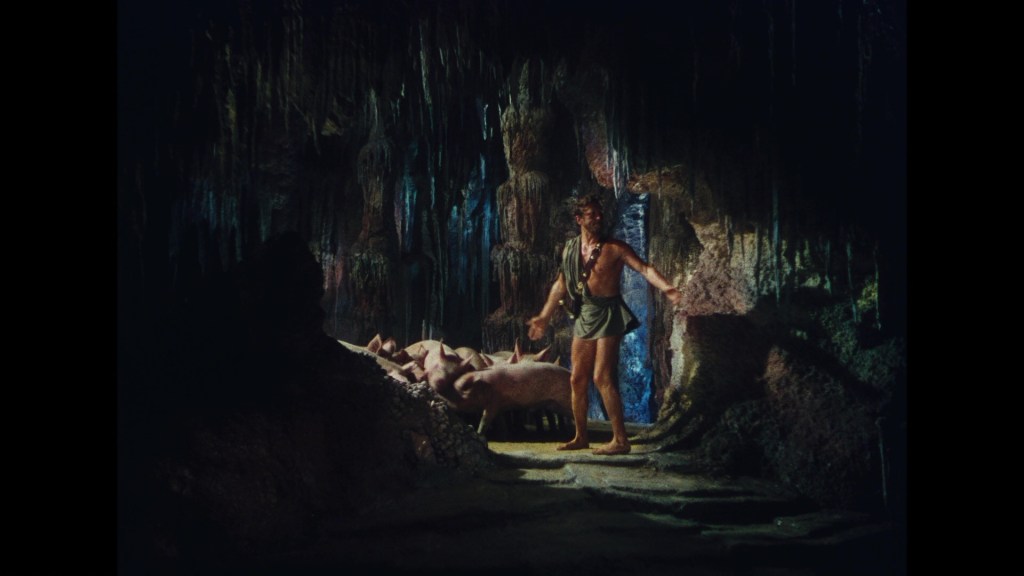
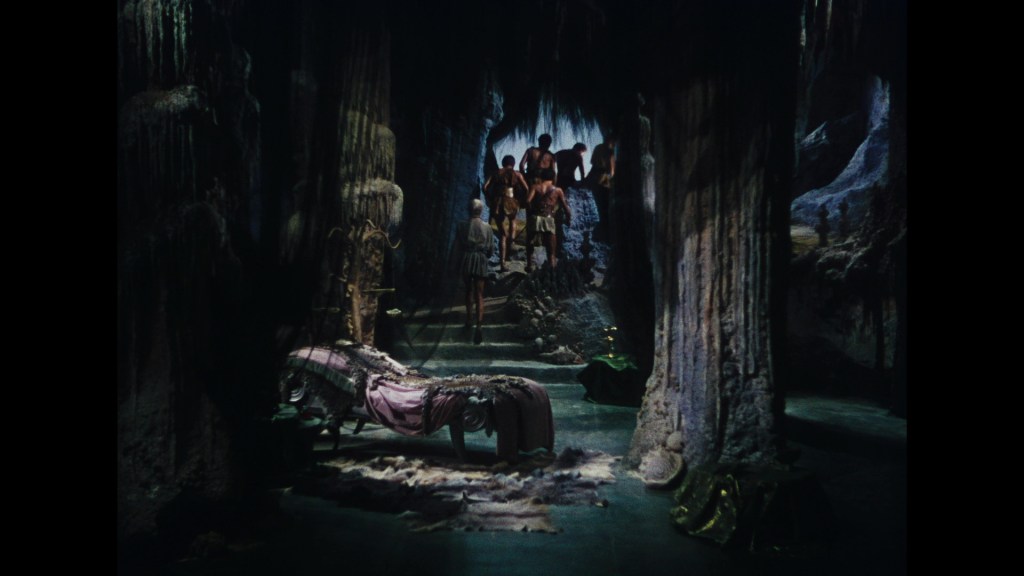
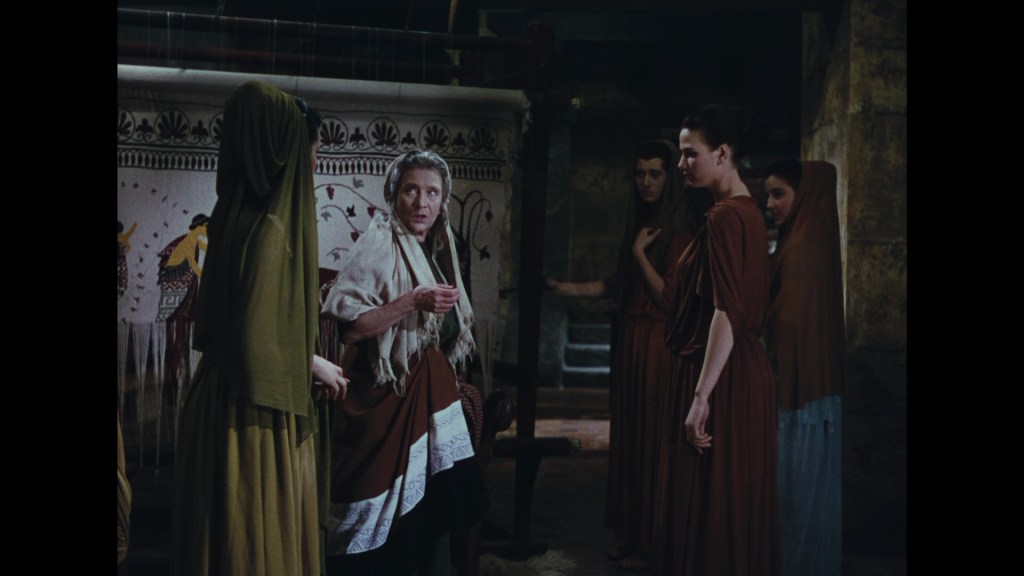
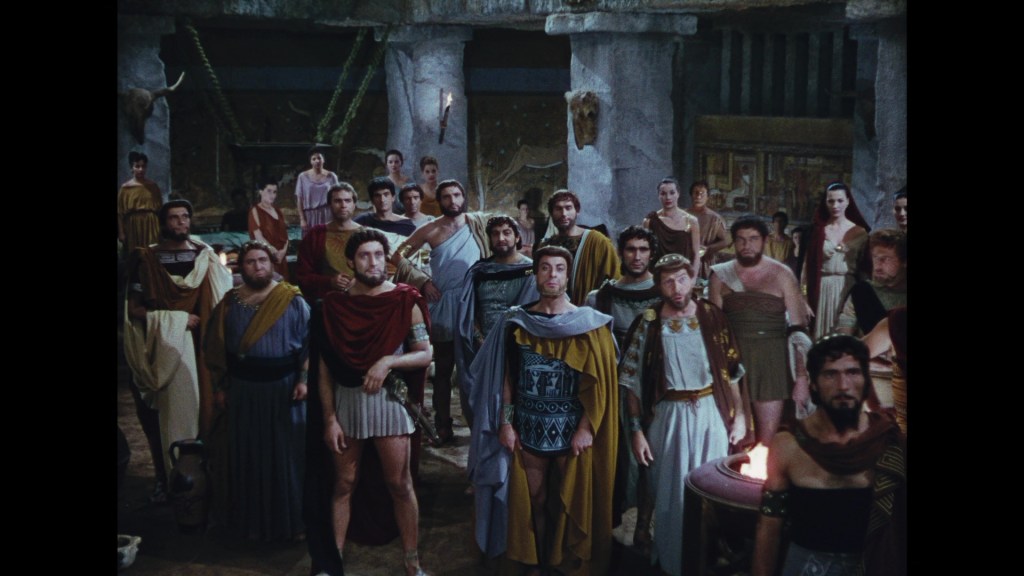
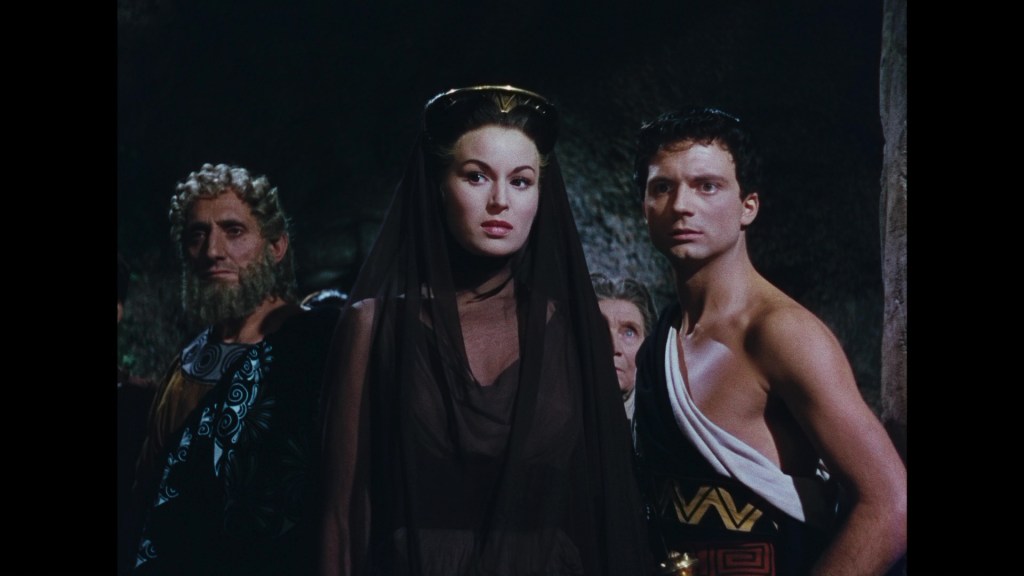
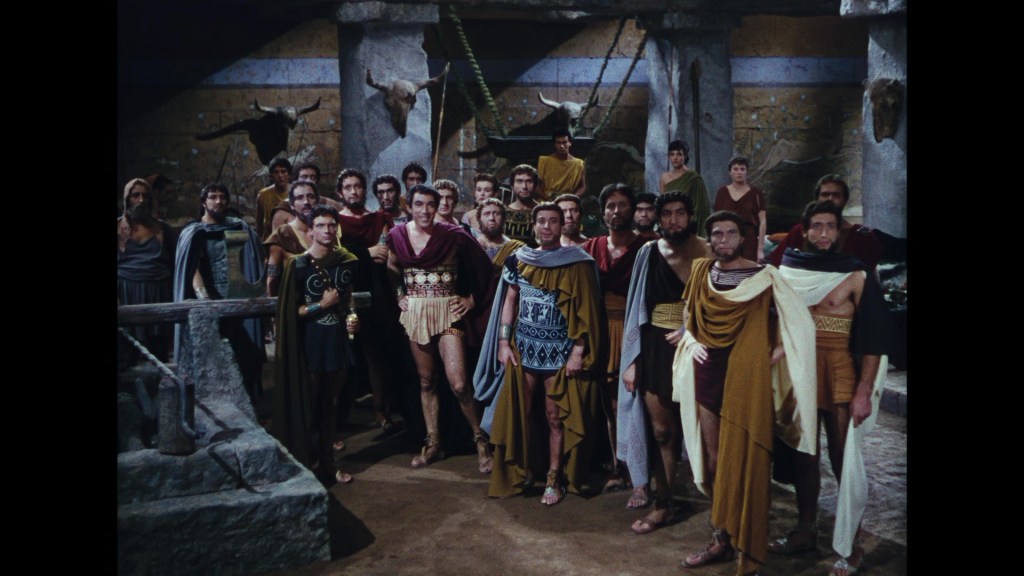
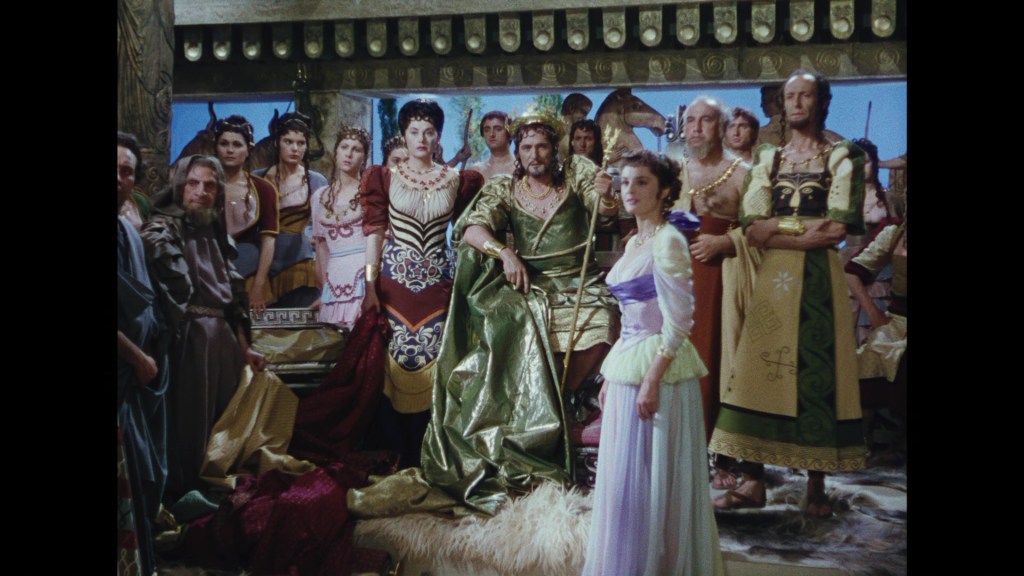
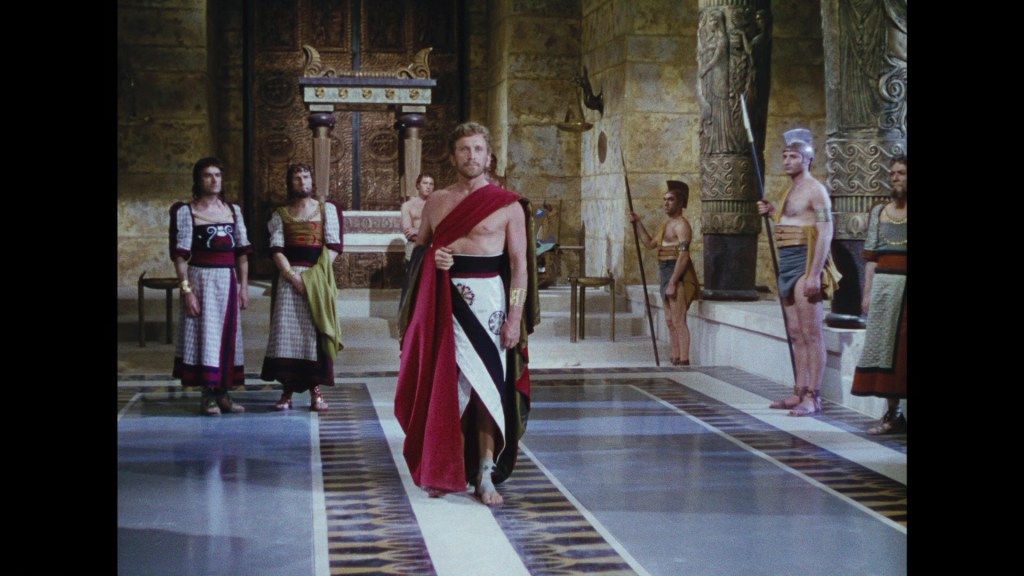
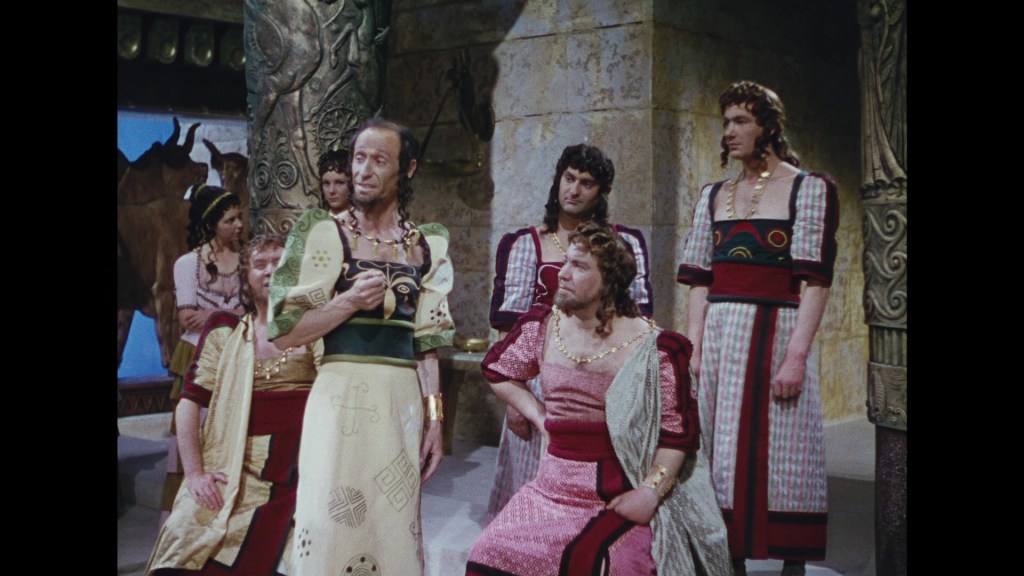
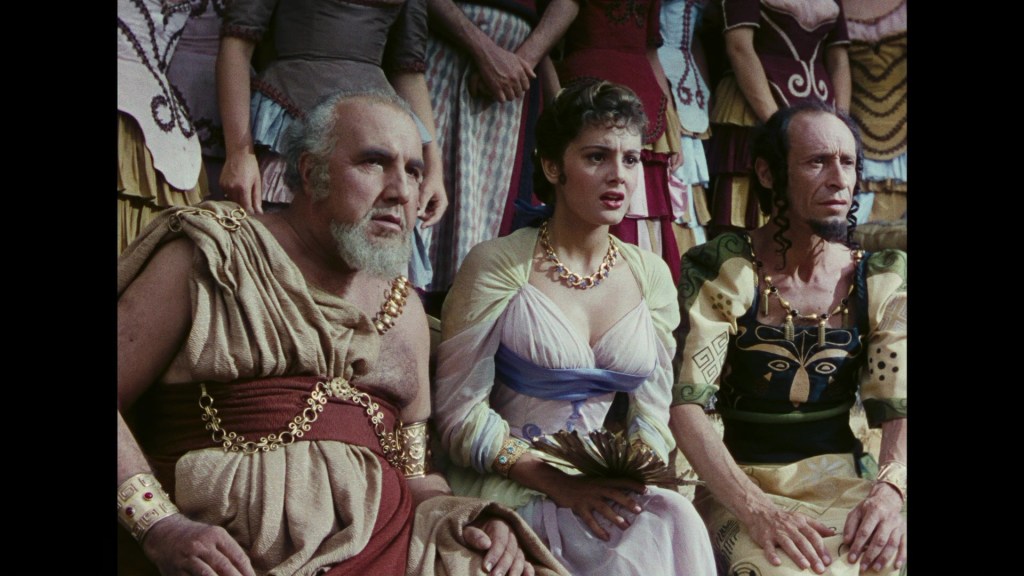
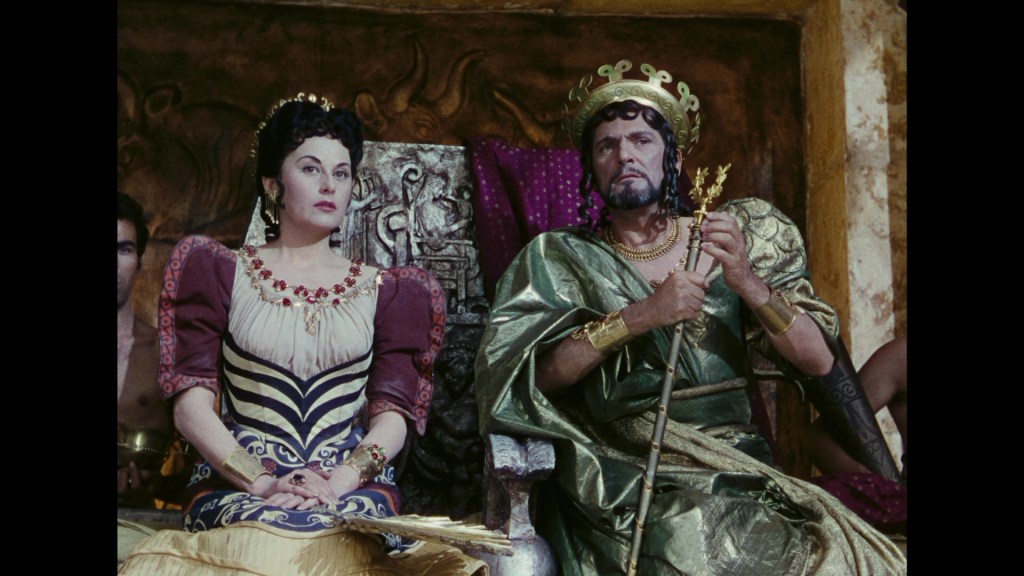
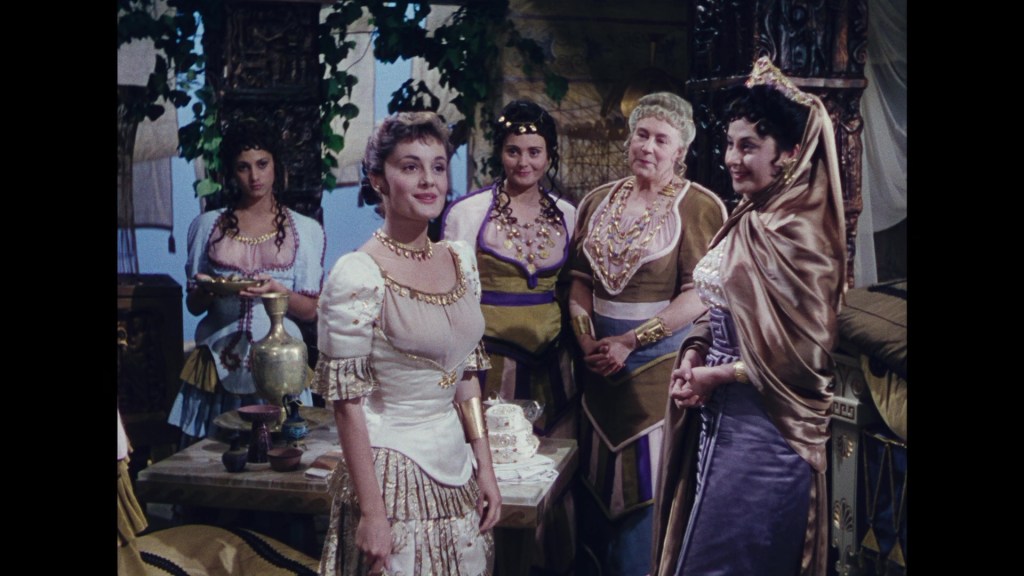
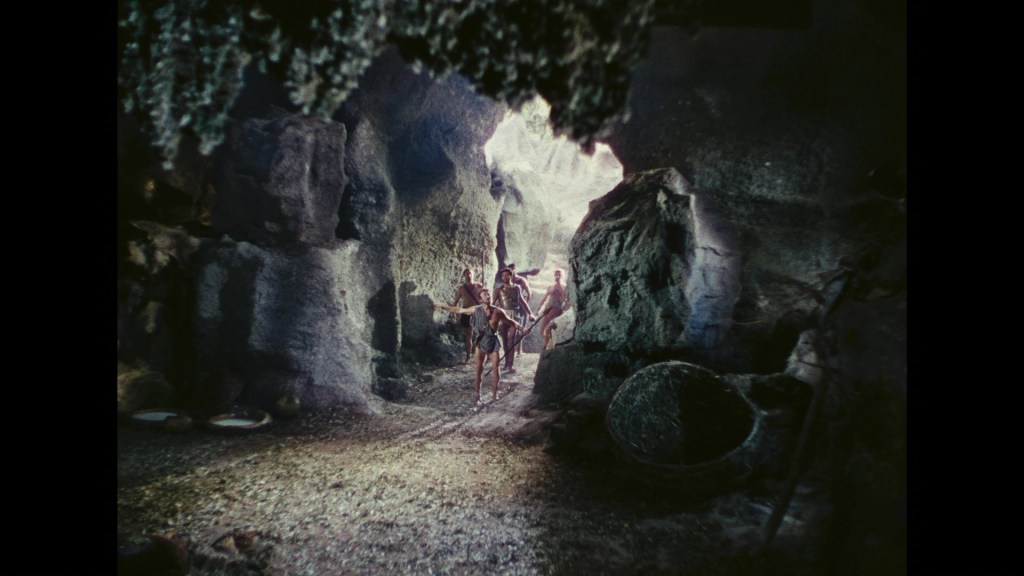
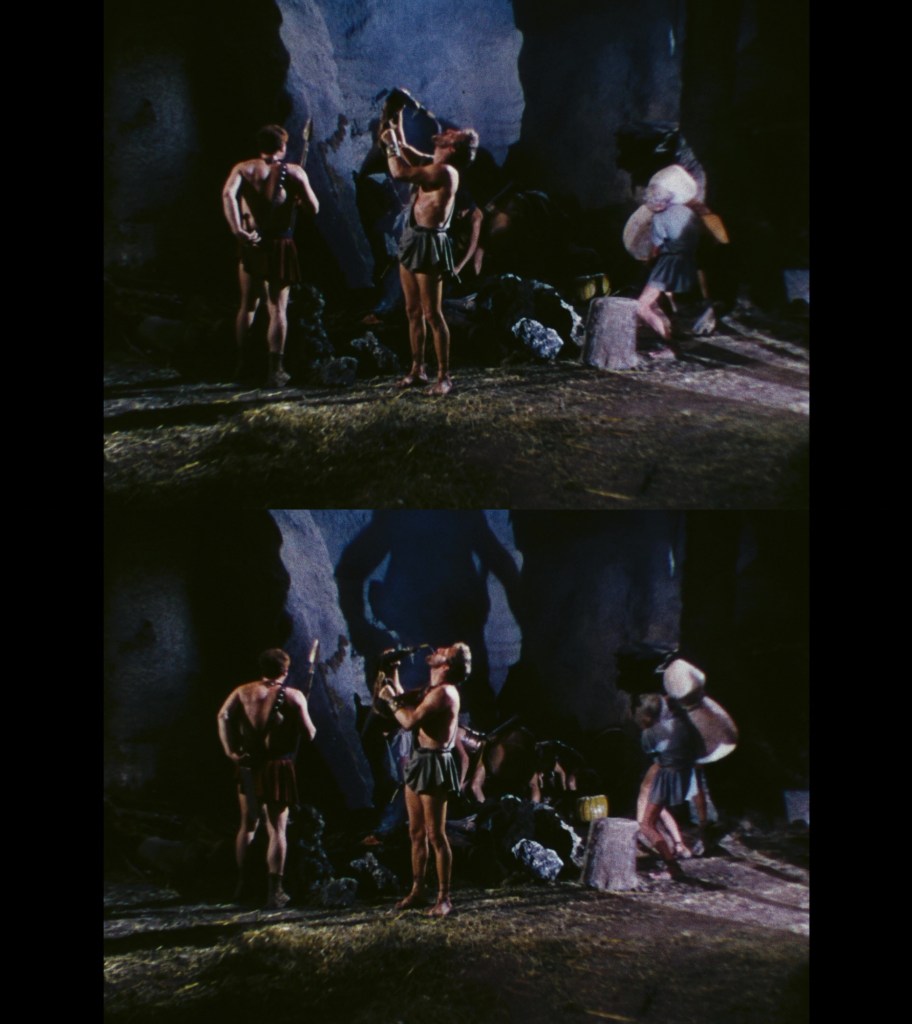
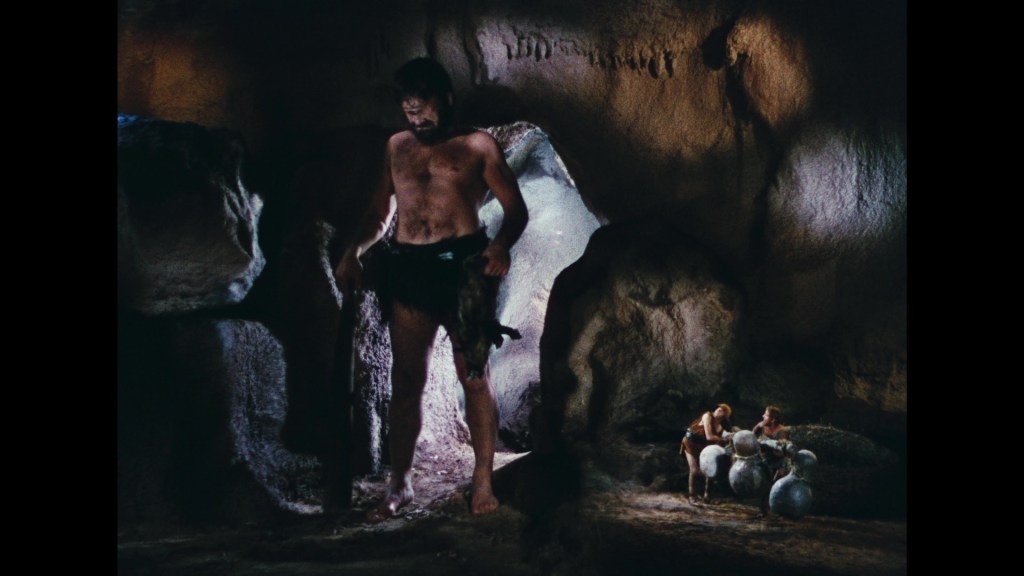
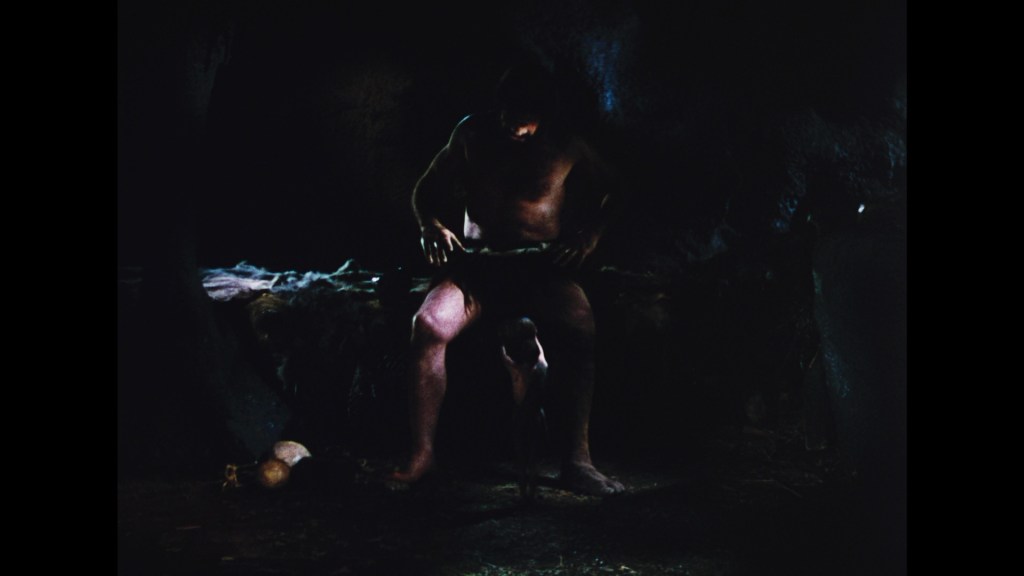
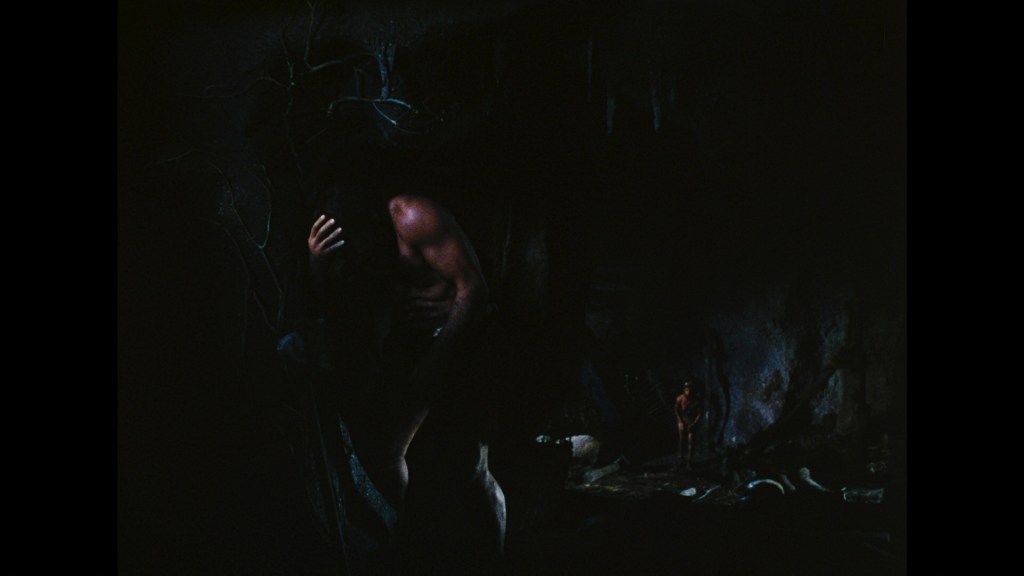
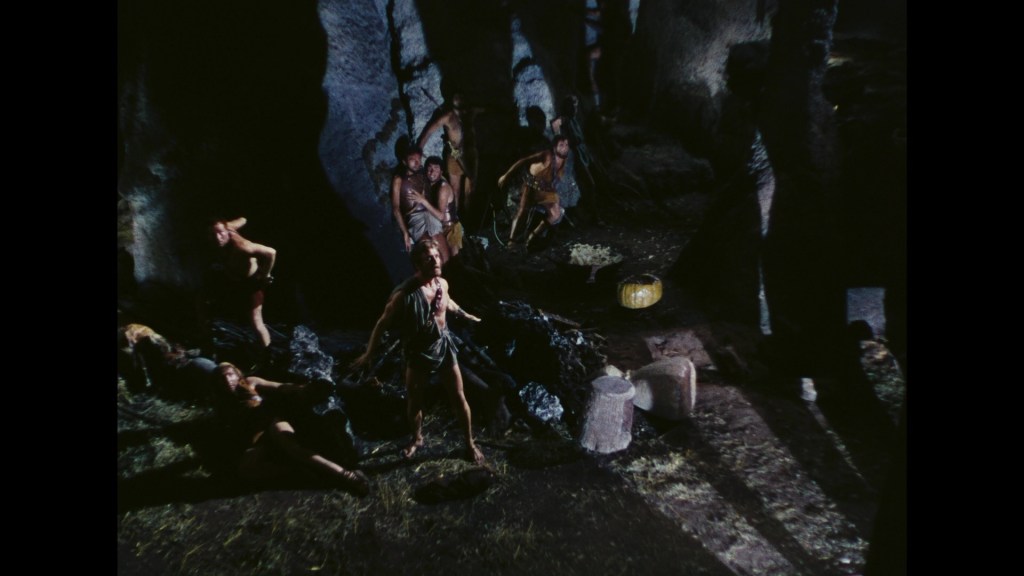
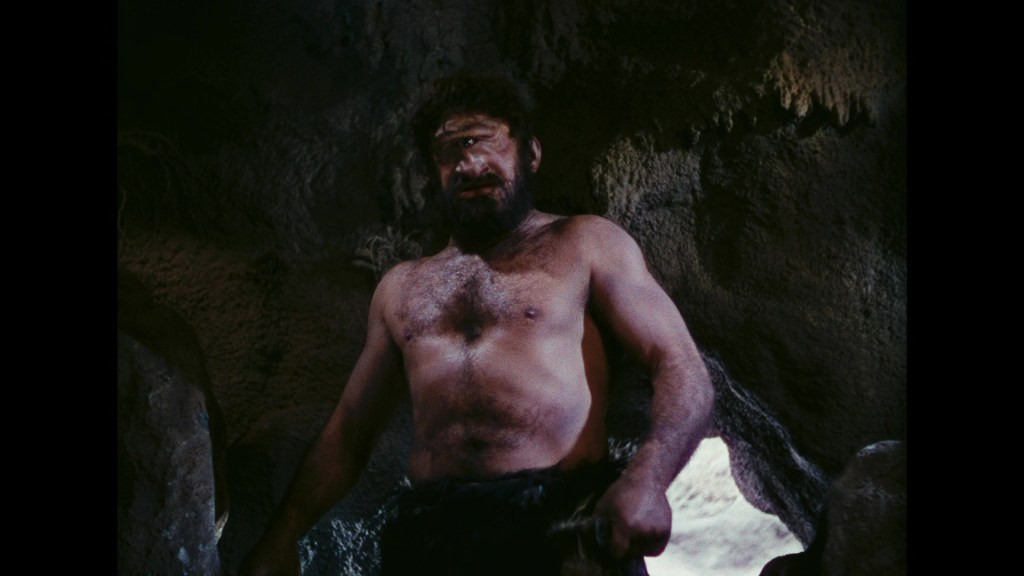
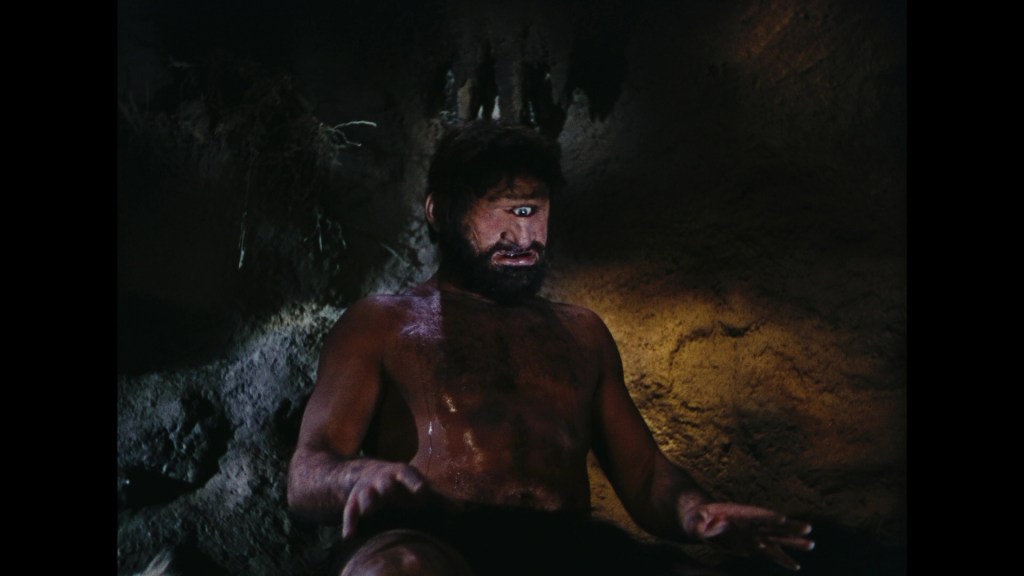
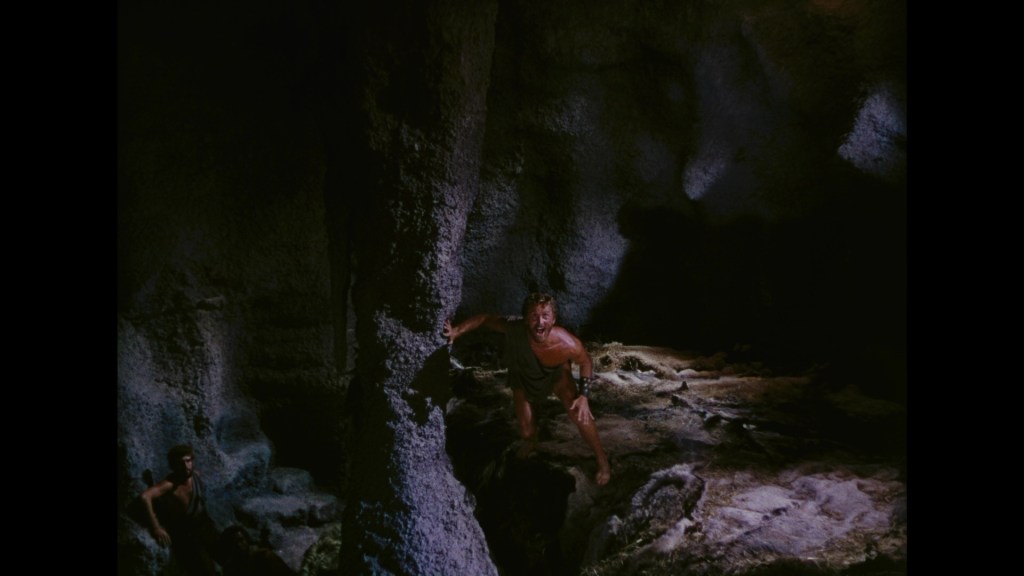
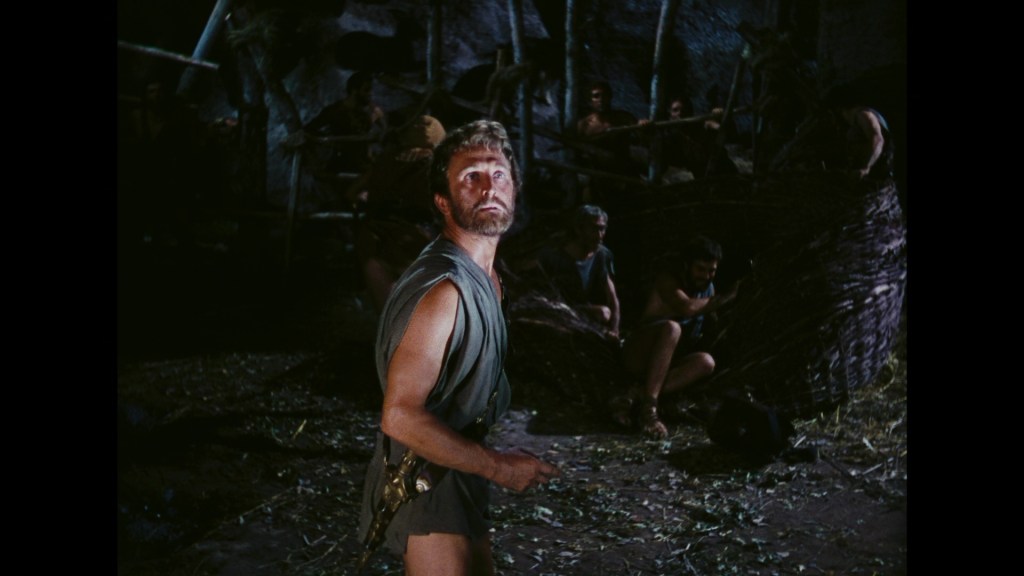
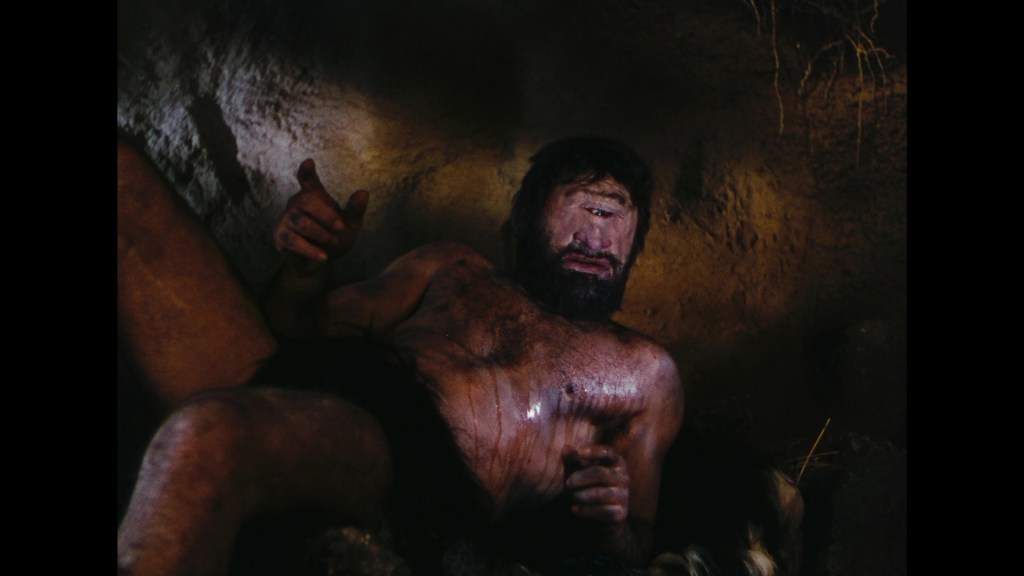
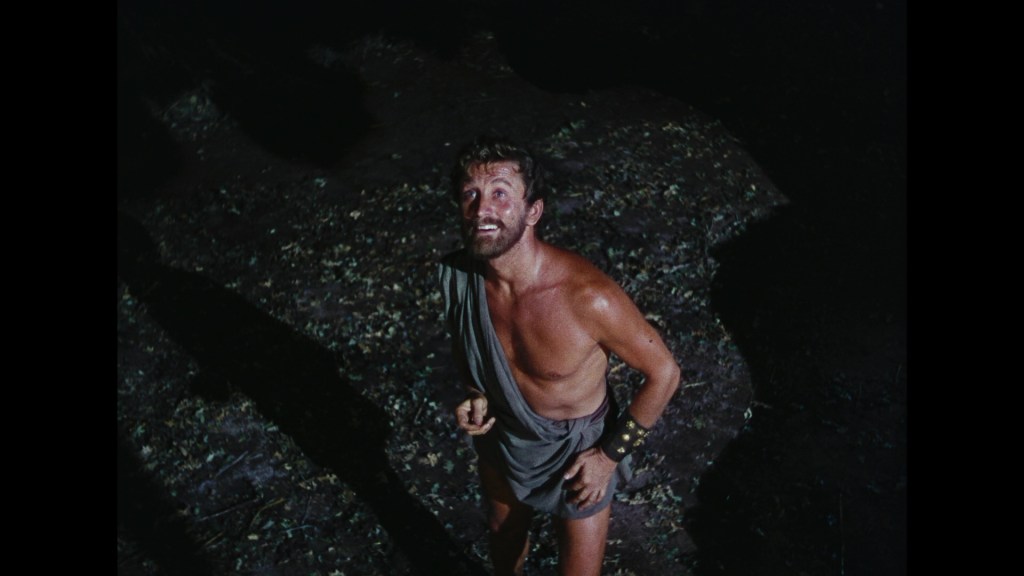
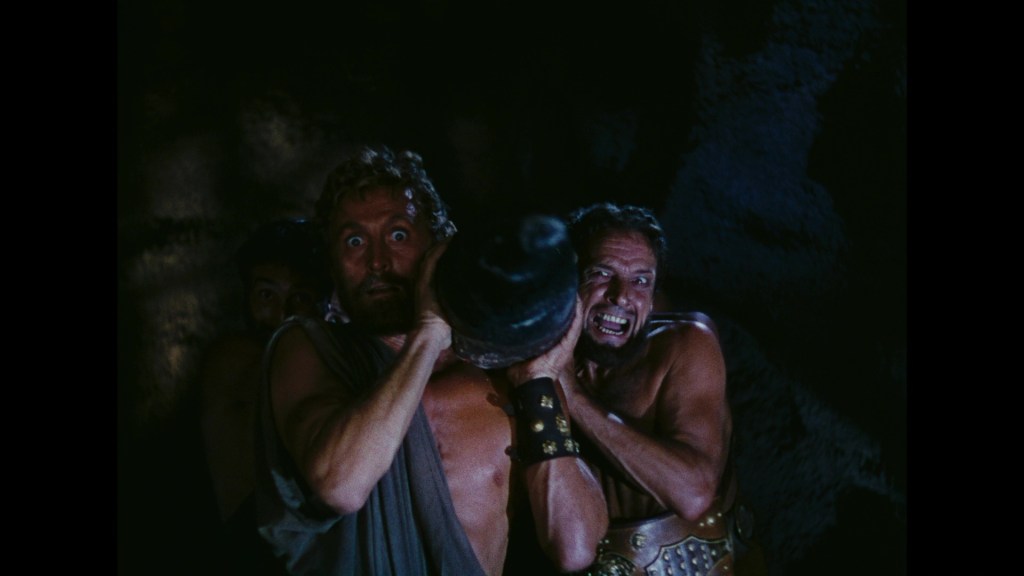
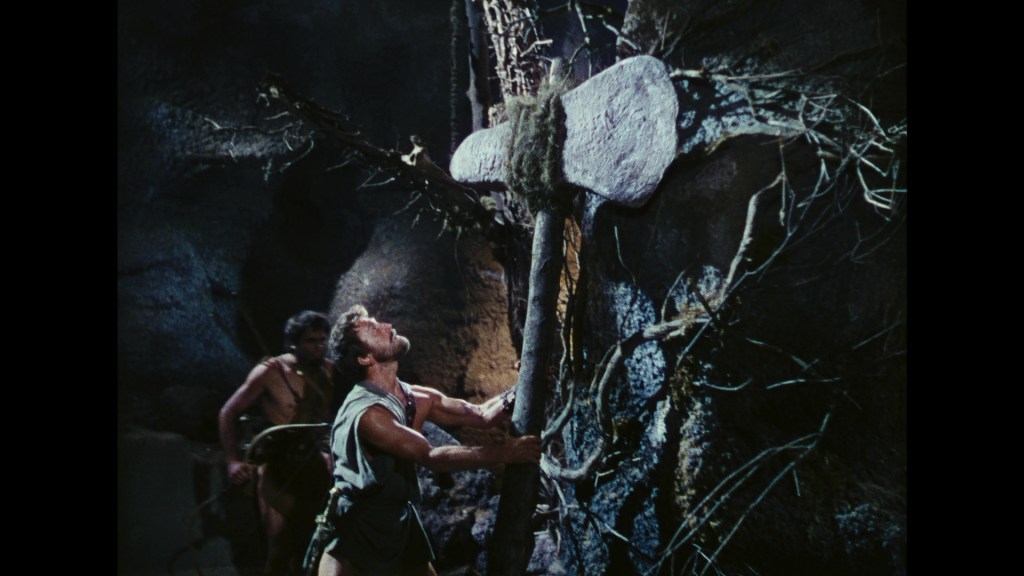
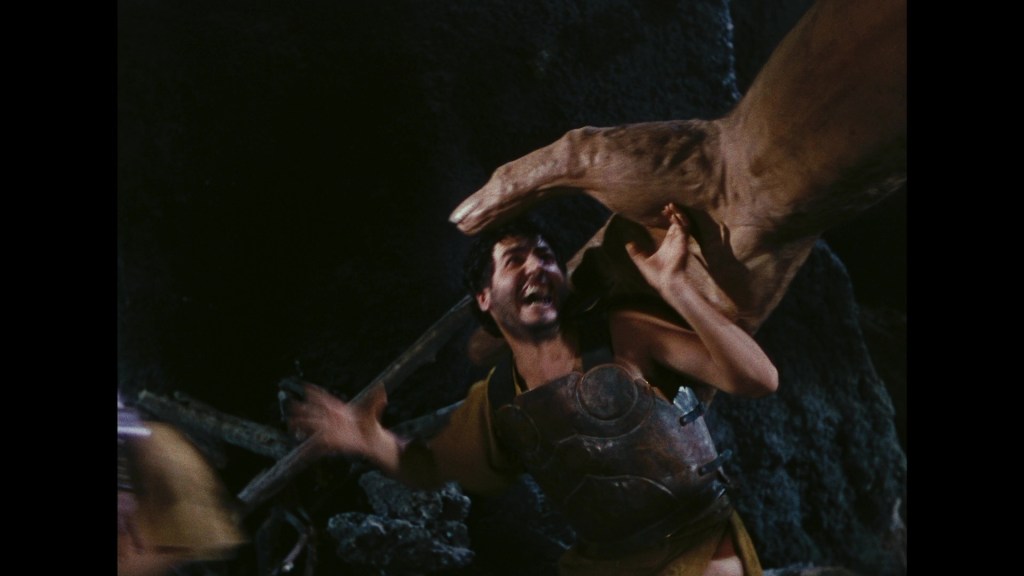
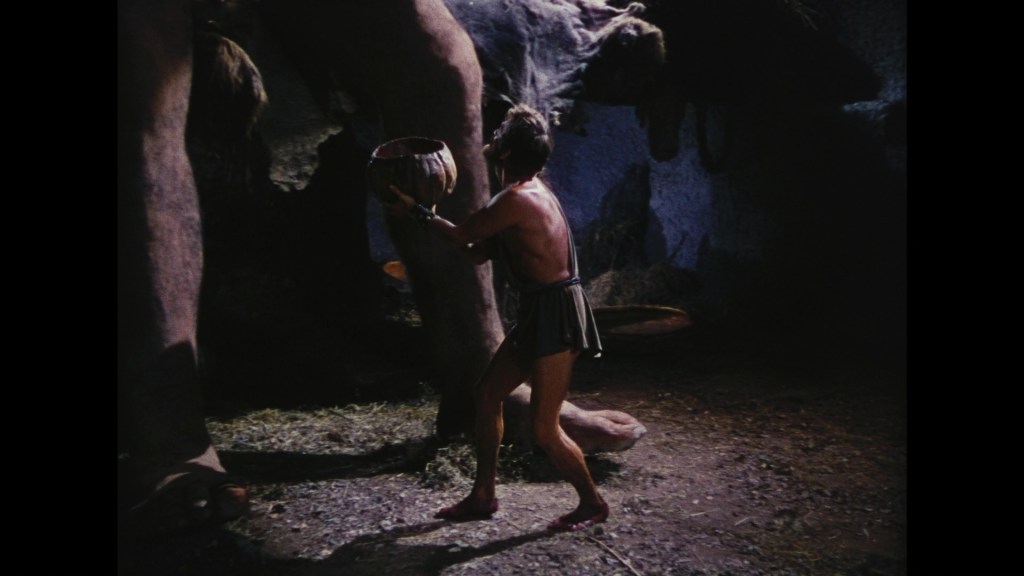
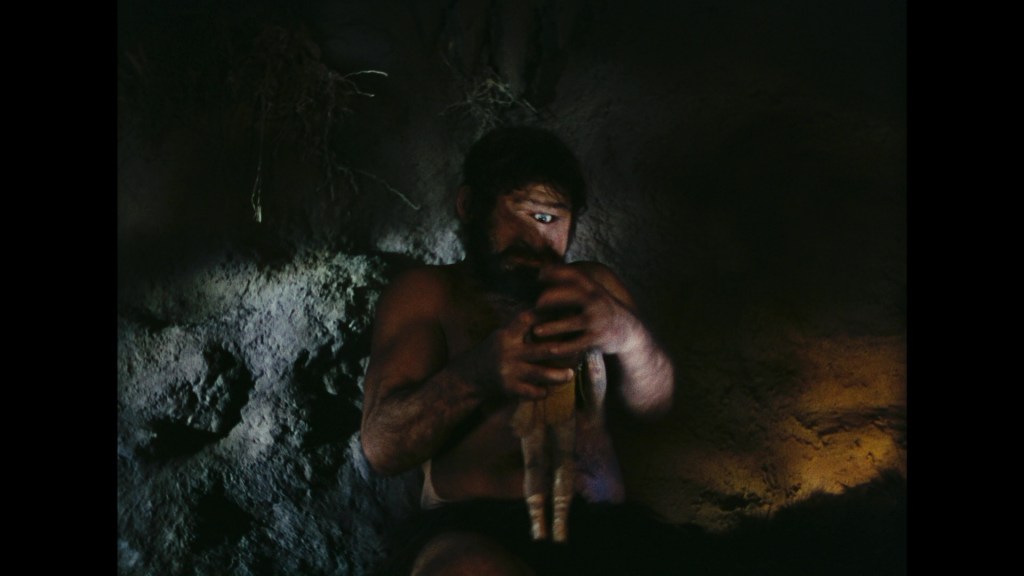
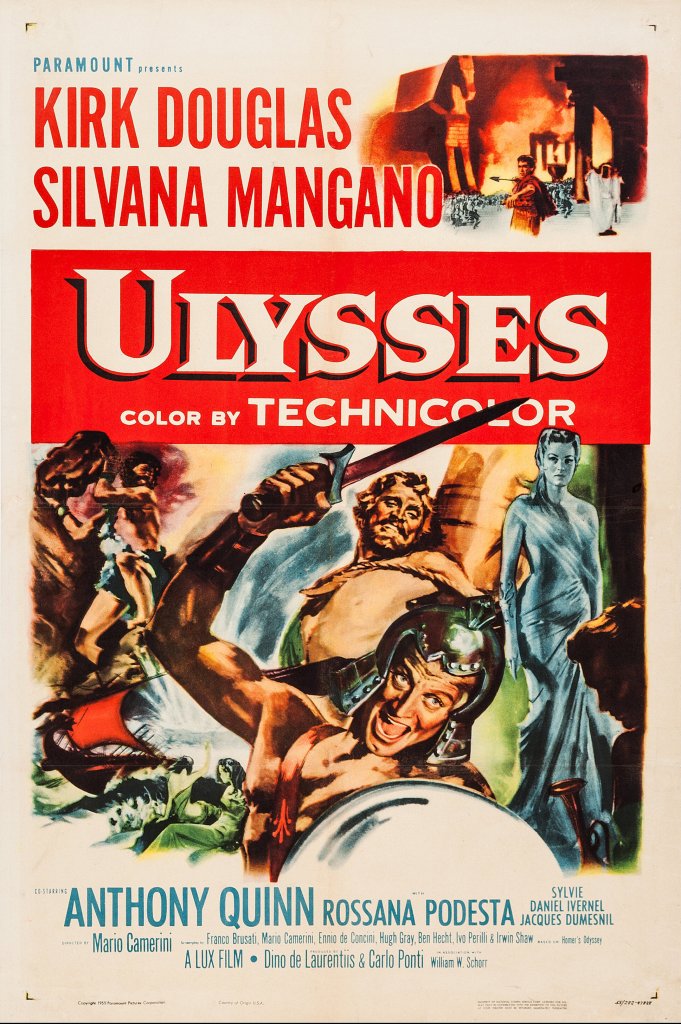
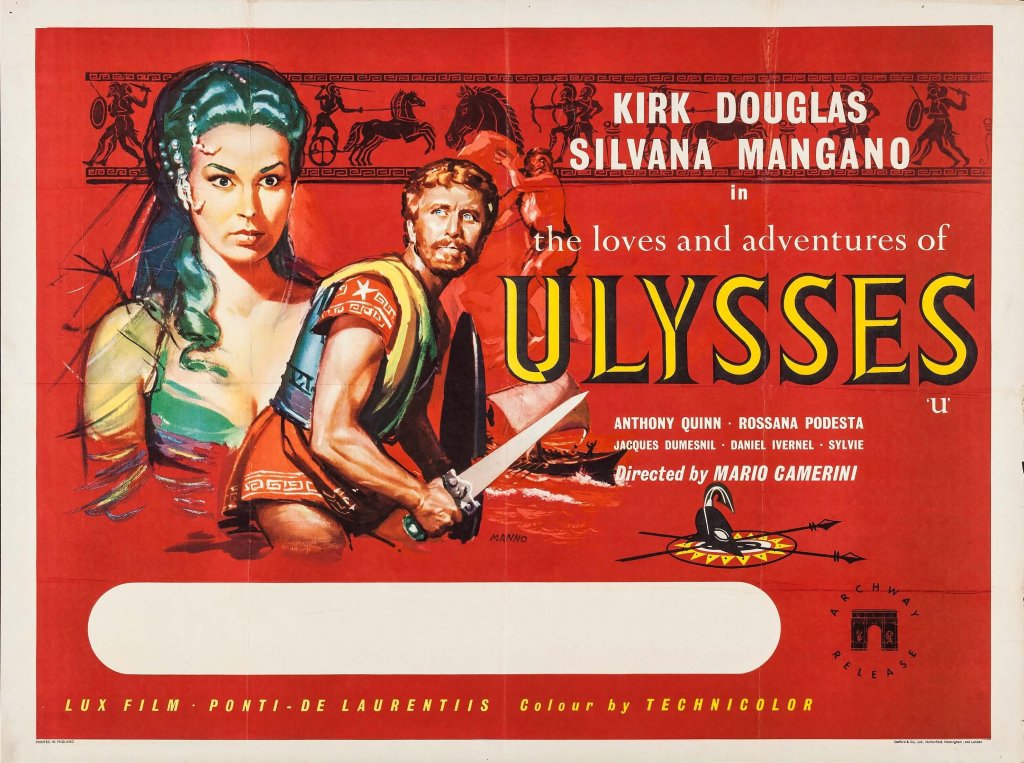
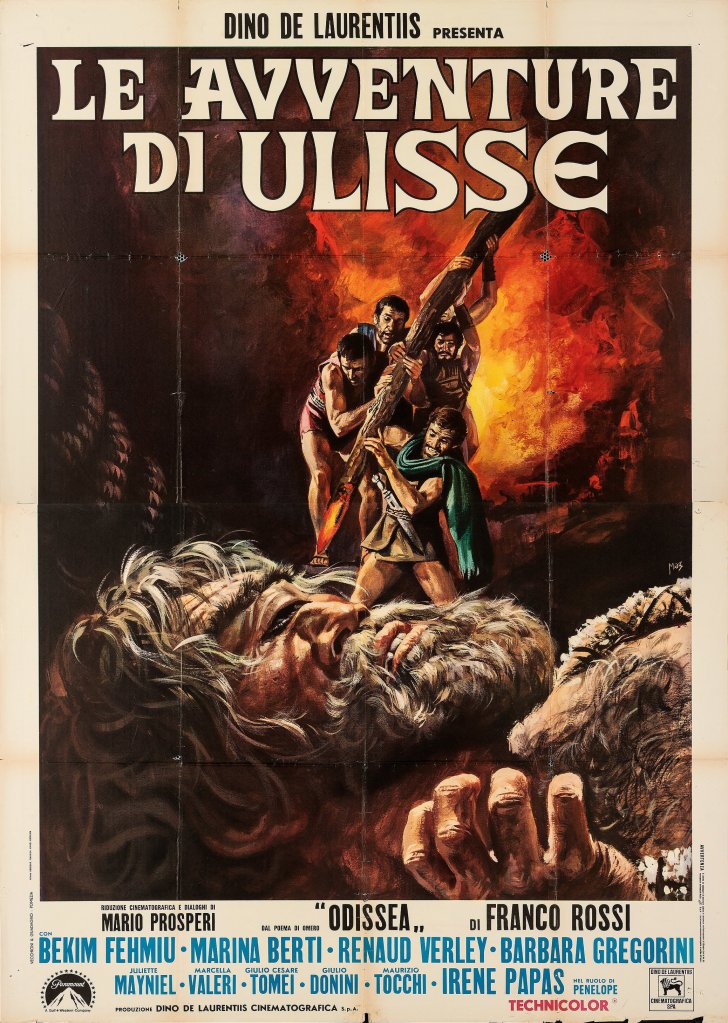
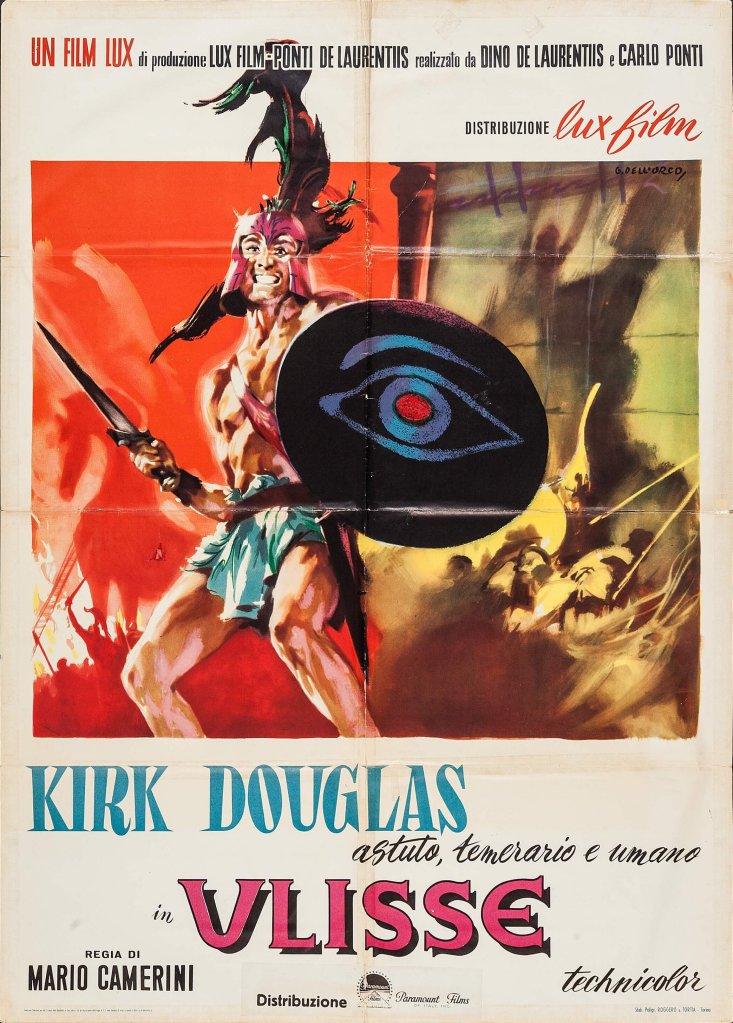
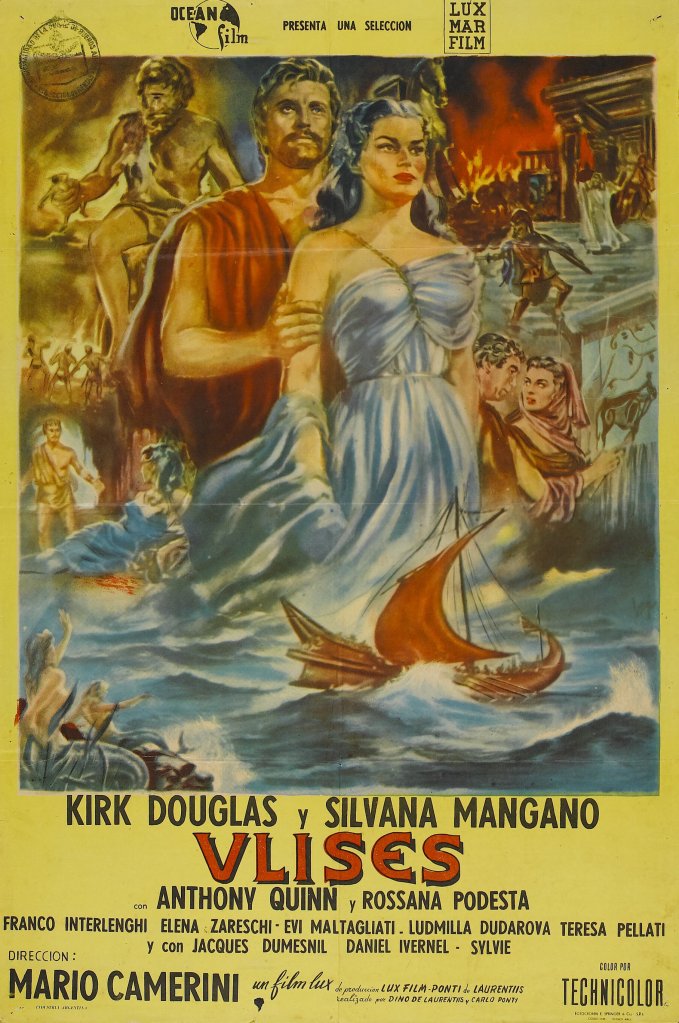
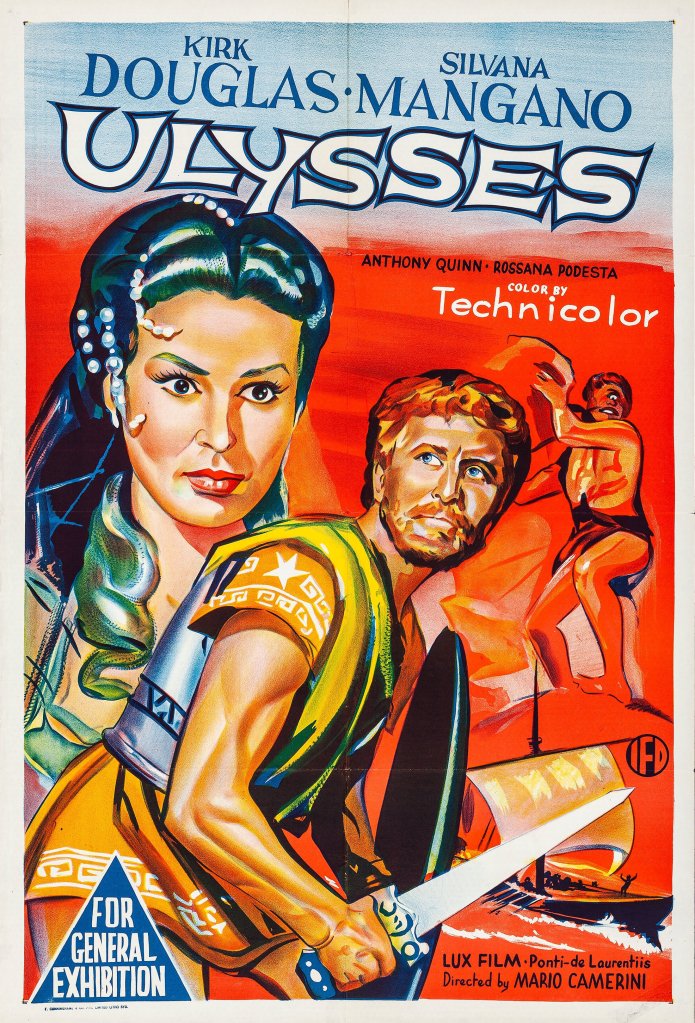
The Movie Based on Homer’s millennia-old poem The Odyssey, Ulysses traces the titular hero’s long voyage home to Ithaca after the Trojan War – a journey hindered by cyclopes, sirens and sorceresses. An early example of the epic international co-productions that thrived in the 1950s. Here’s Jim Hemphill on the era, from Filmmaker Magazine:
“One of the more interesting periods in the history of Italian cinema is the era of international co-productions that followed neorealism; kicked off by the massive success of MGM’s 1951 extravaganza Quo Vadis, the Italian film industry entered a boom age in which the location shooting, social consciousness, and limited resources of neorealism gave way to spectacular sets, glamorous Hollywood stars, and lavish budgets thanks to the country’s abundance of breathtaking scenery and attractive production incentives.”
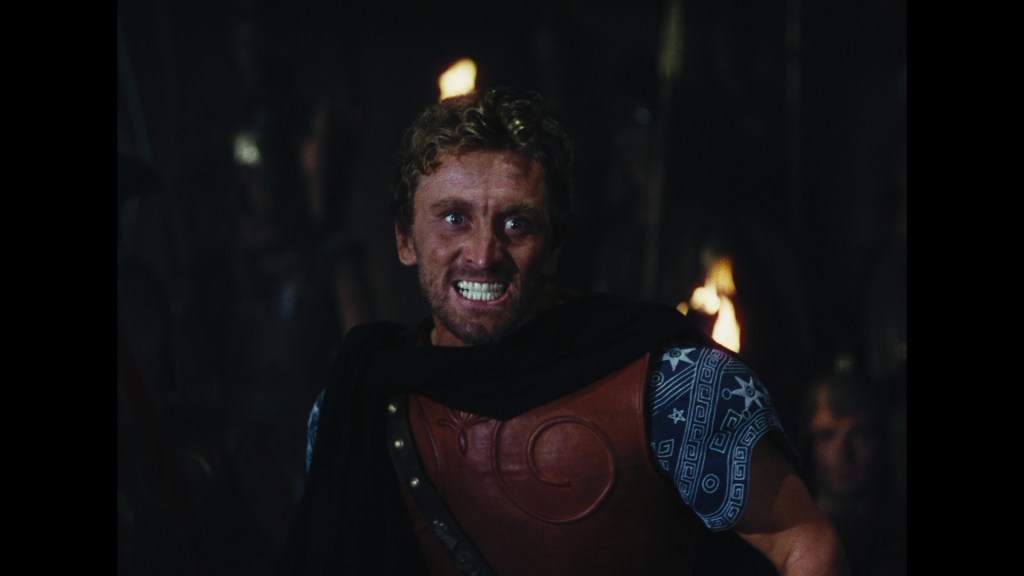
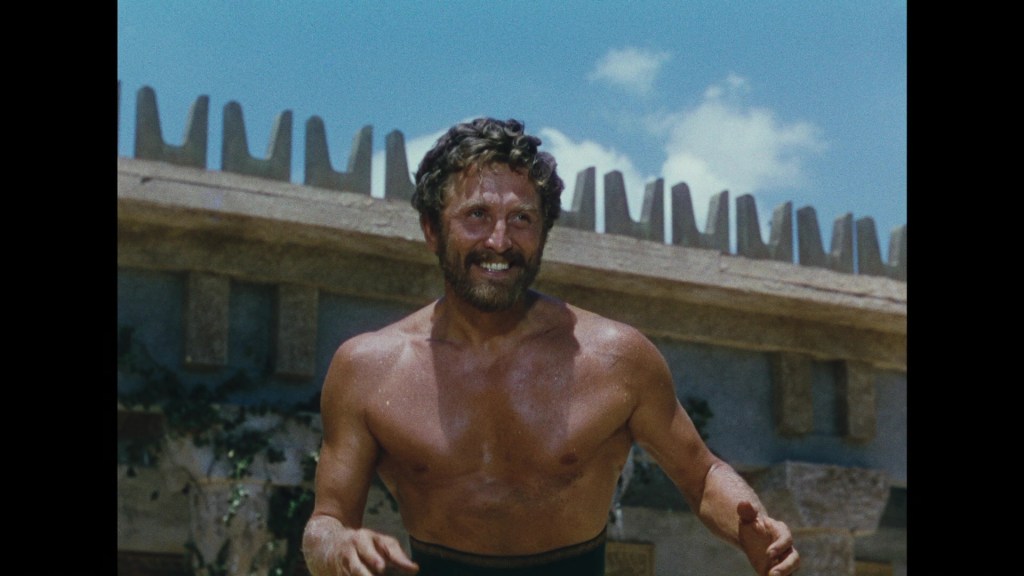
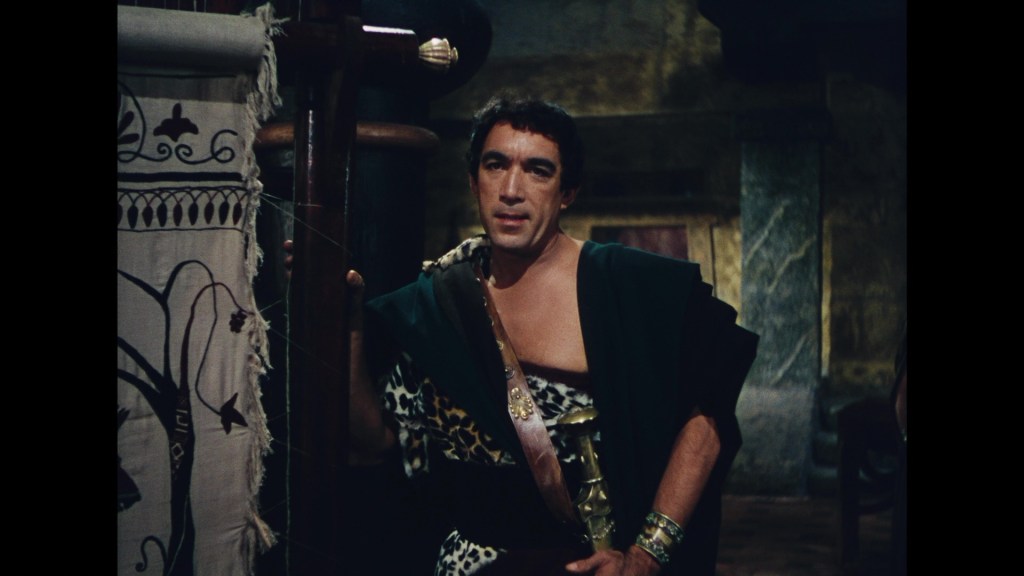
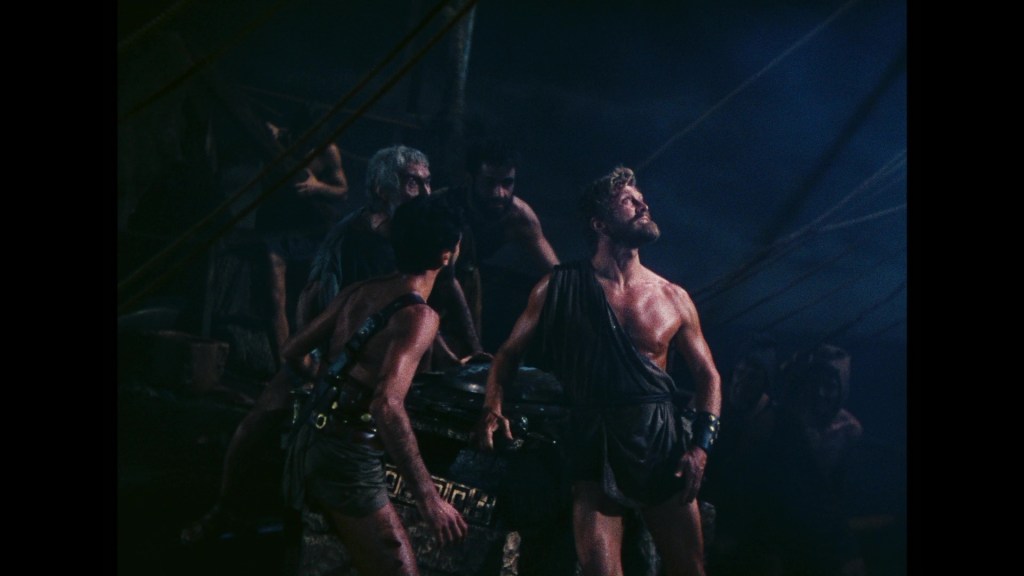
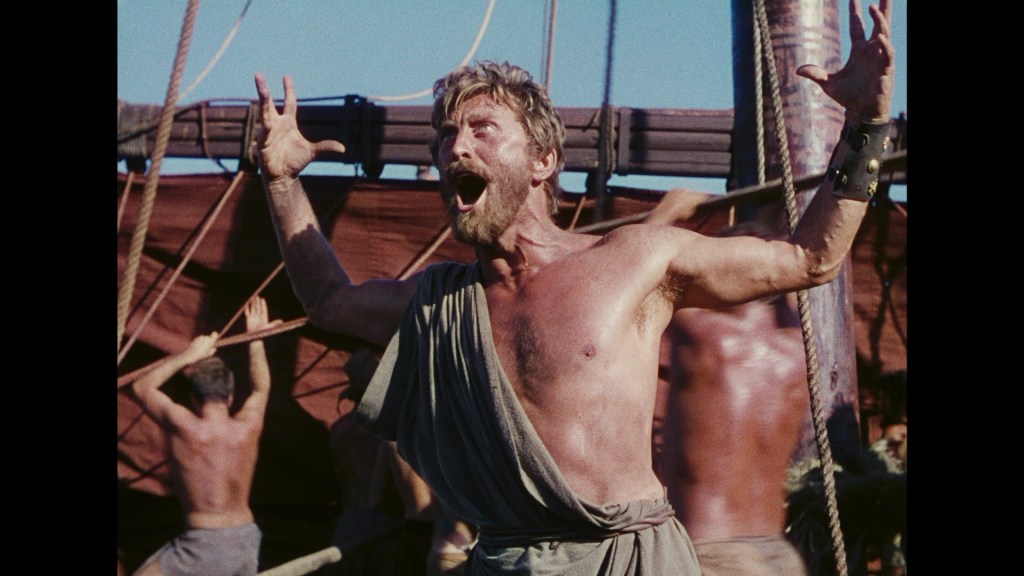
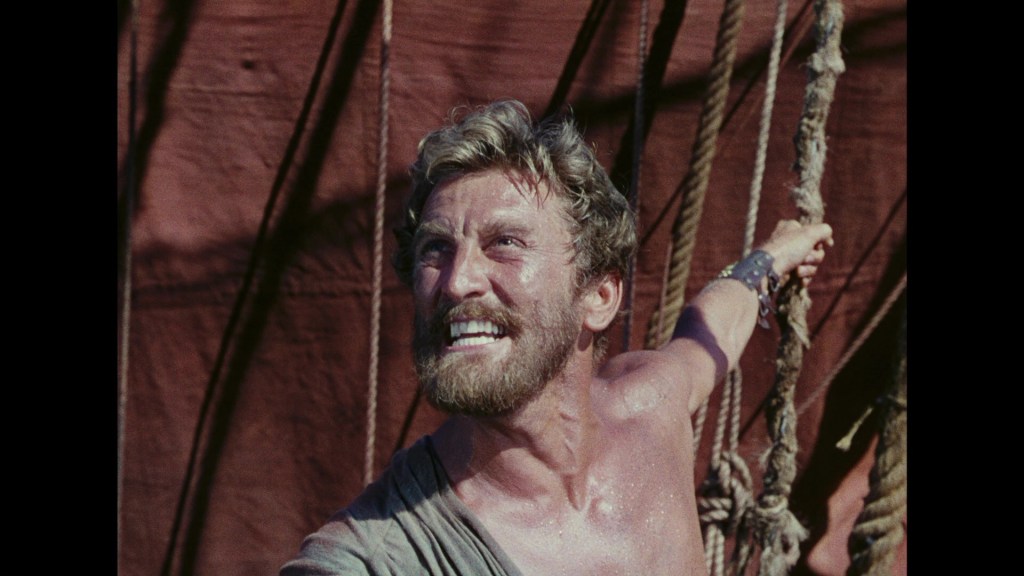
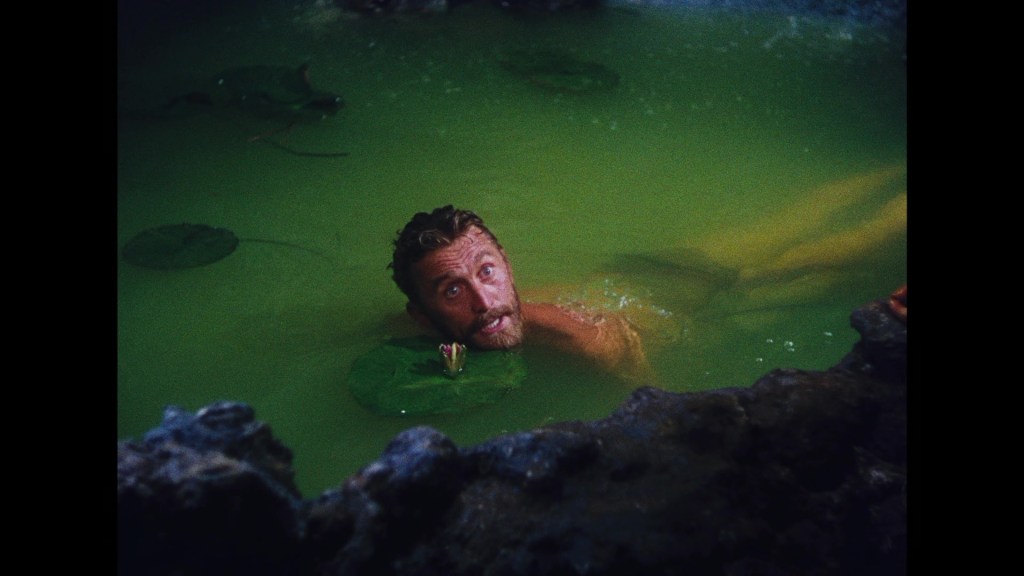
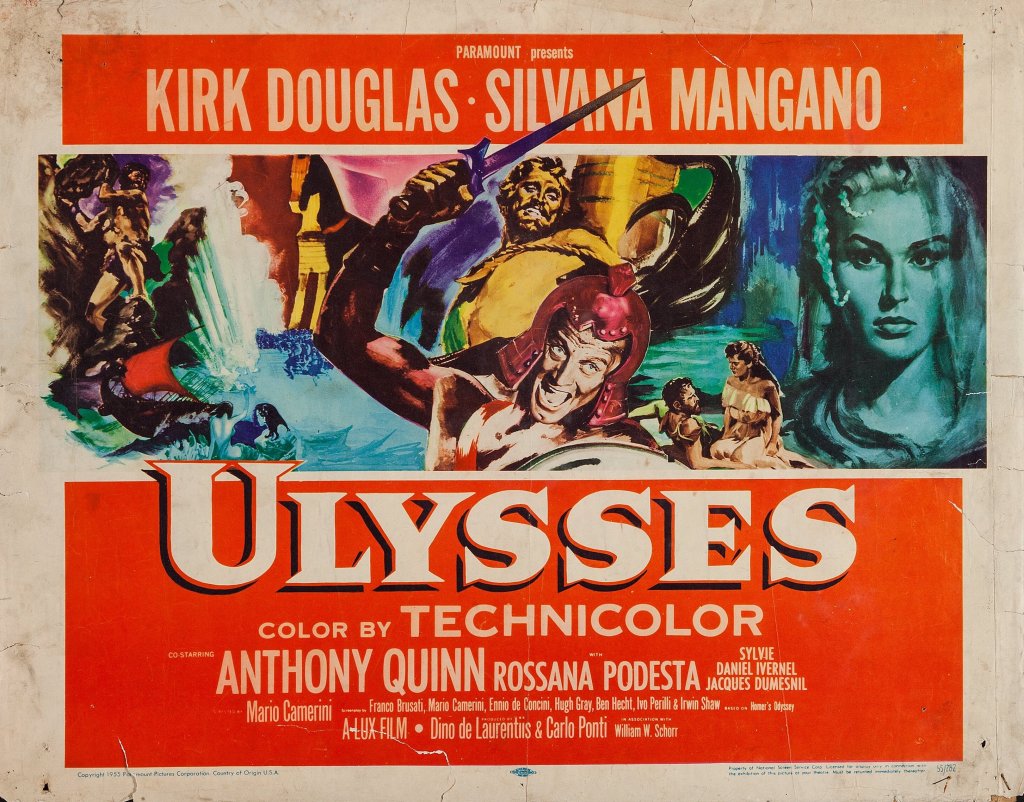
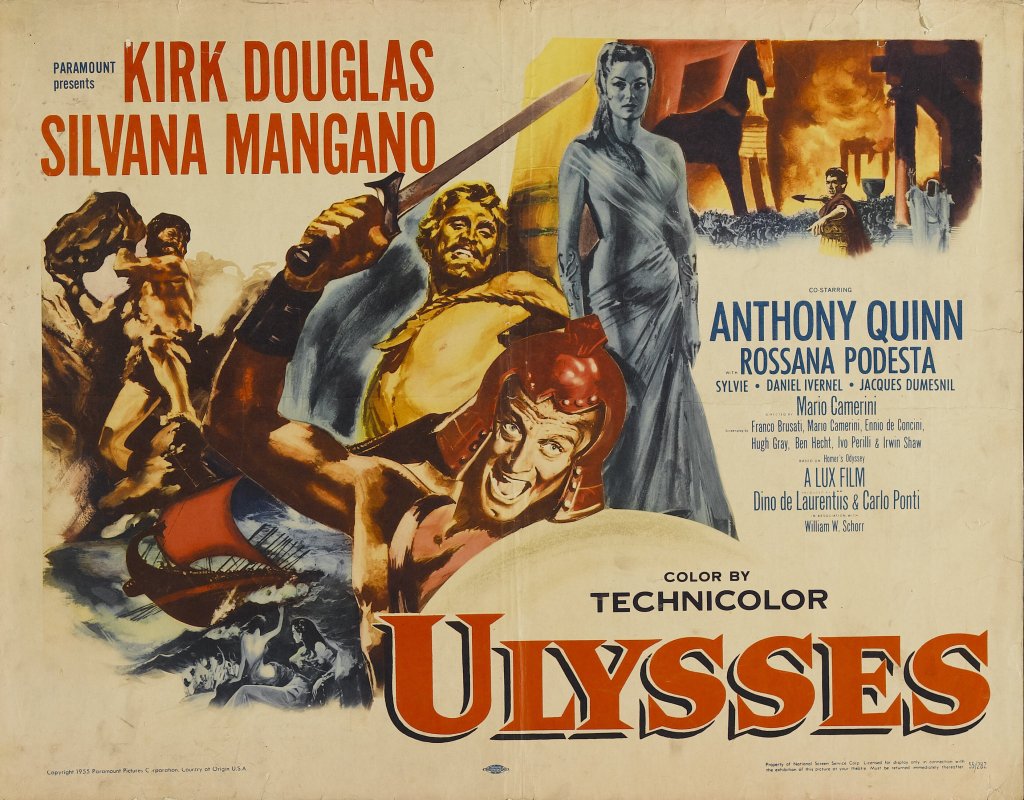
French, Italian and American money comingled on Ulysses, and though Kirk Douglas stars the film largely has an Italian flavor. Dino de Laurentiis and Carlo Ponti produced, with the movie arriving in theaters the same year as the duo’s Oscar-winning Fellini film La Strada. Austrian director G.W. Pabst was originally set to helm, but was replaced by Italian Mario Camerini, best known for his 1930s comedies starring Vittorio De Sica. The largely Italy-based shoot did import Hollywood cinematographer Harold Rosson (The Asphalt Jungle, Singing in the Rain and The Wizard of Oz), but with Mario Bava (a few years from his directorial debut on Black Sunday) onboard as camera operator and 2nd Unit/Effects DP and German Eugen Schüfftan (famed for his technique of using mirrors for live composites, as seen in Metropolis) serving as Special Effects Director.
Writer Alberto Moravia worked as an uncredited script doctor on the film and the experience made its way into his 1954 novel Contempt, which features a young writer adrift on a troubled adaptation of The Odyssey. Jean-Luc Godard adapted the book into 1964’s Le Mepris, with Fritz Lang playing himself as the film’s beleaguered director and Jack Palance as the crass American producer.




 deep fried movies