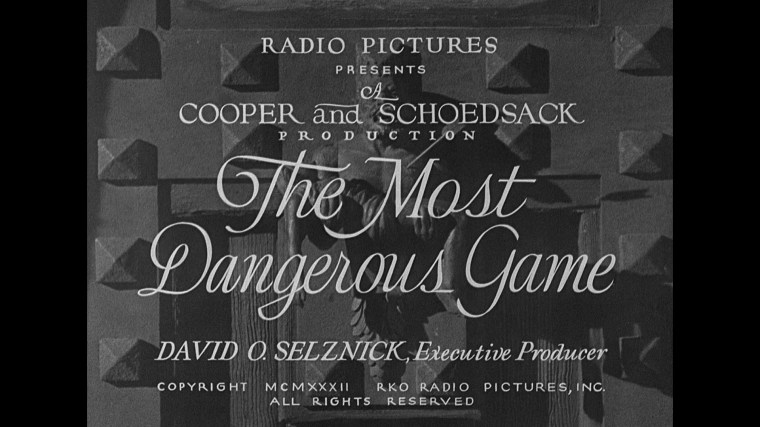
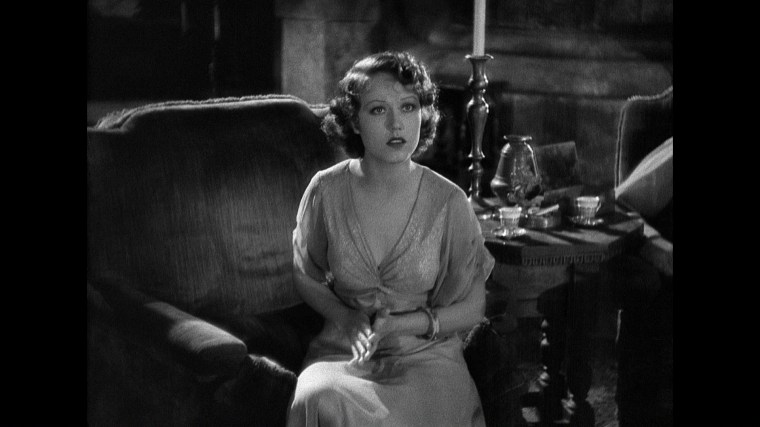
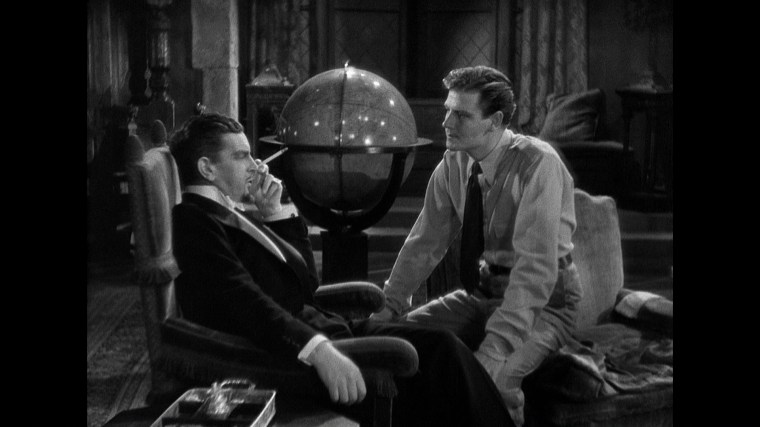
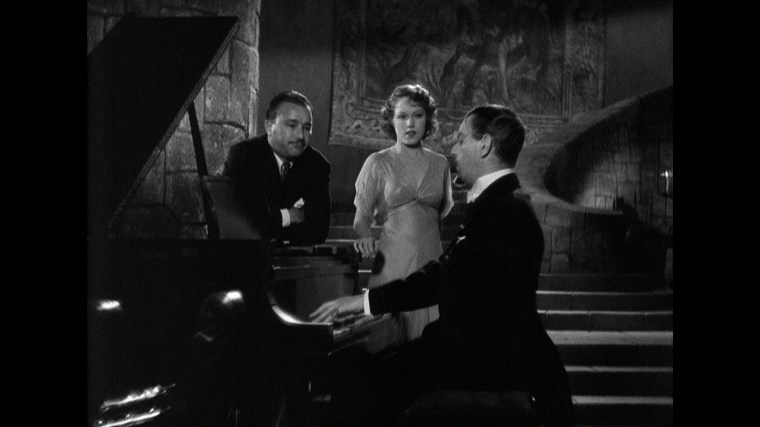
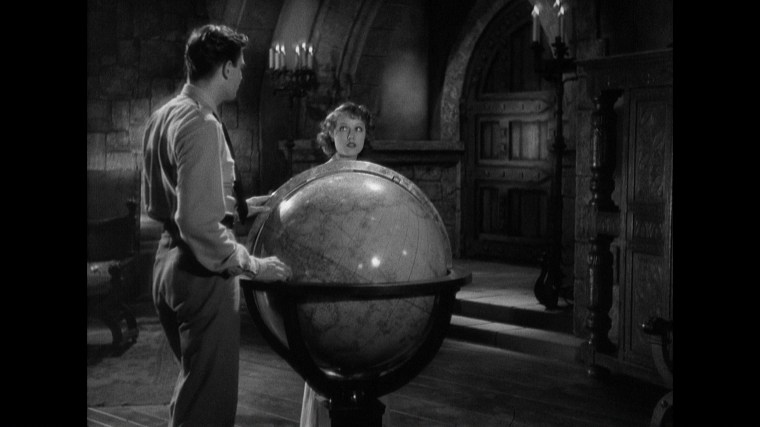
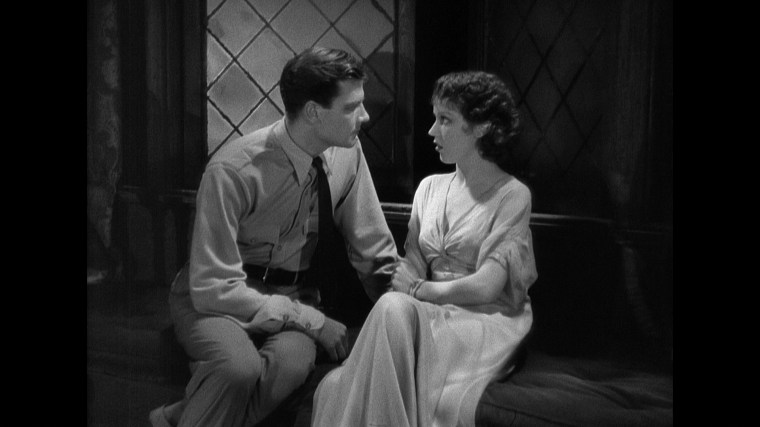
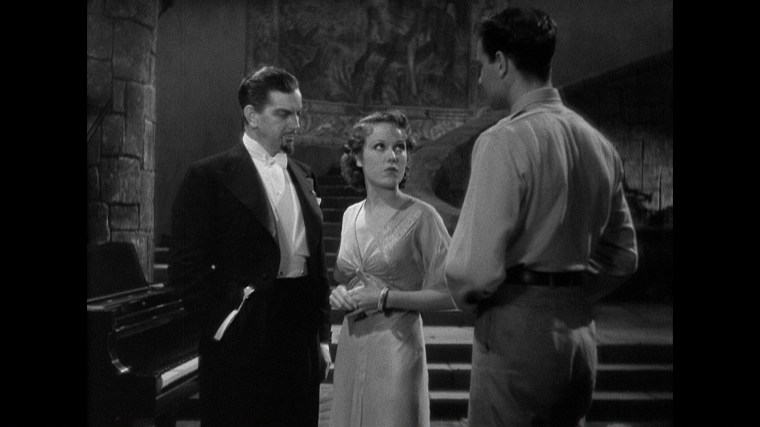
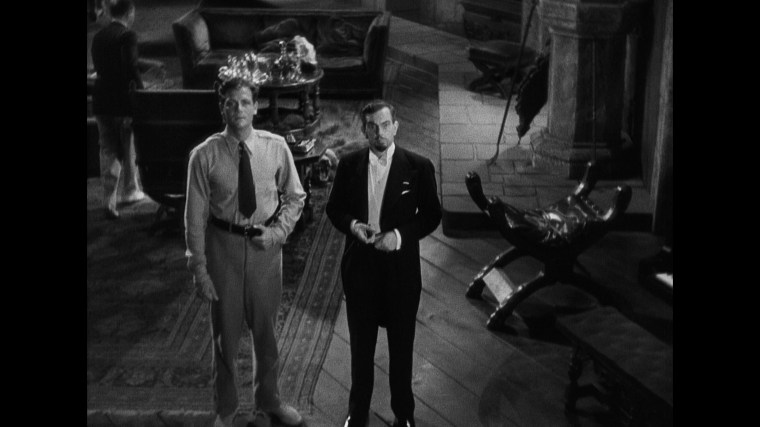
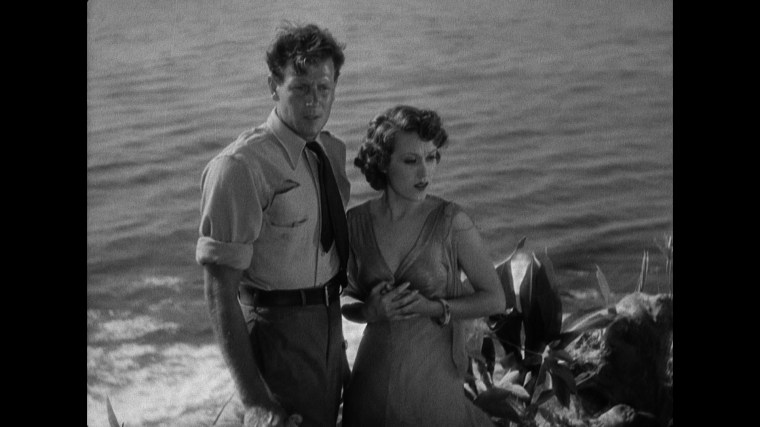
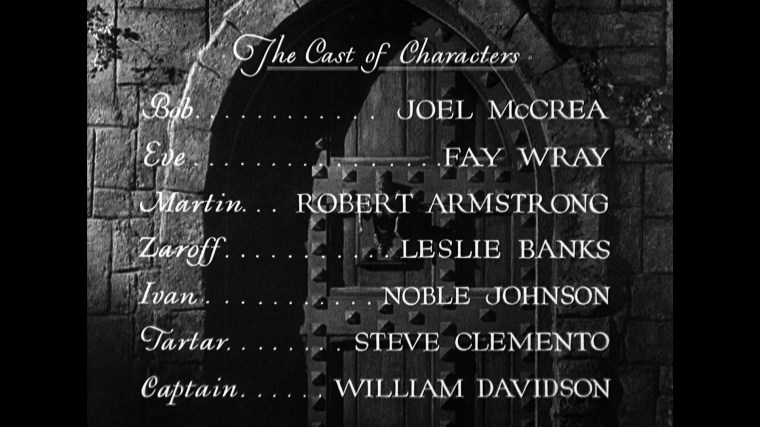
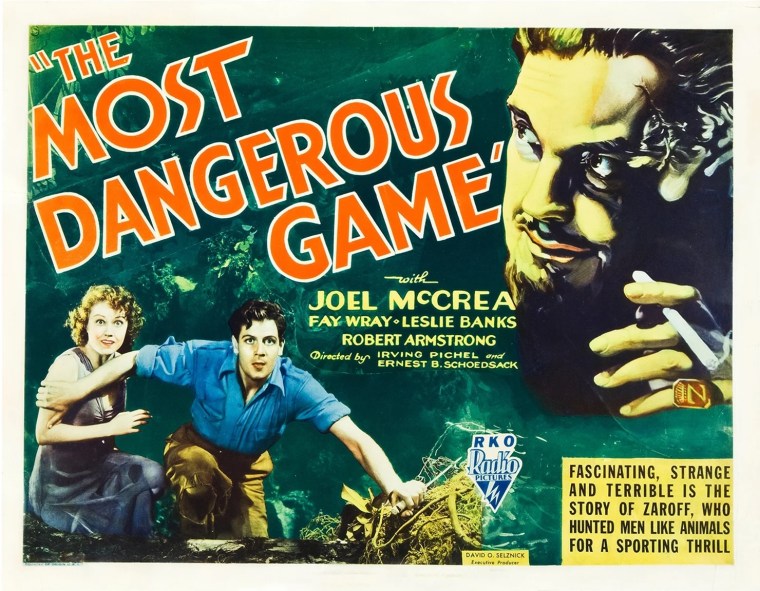
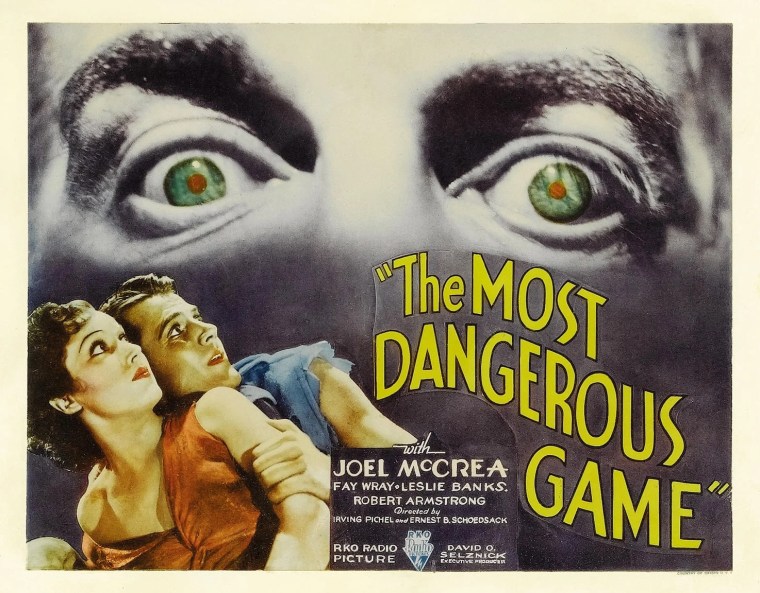
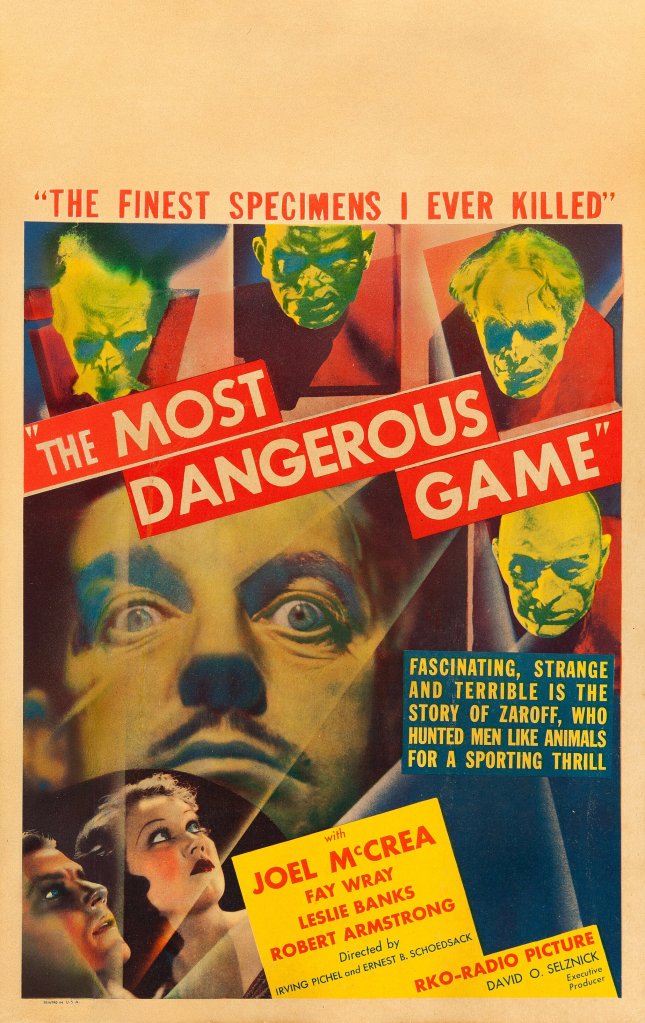
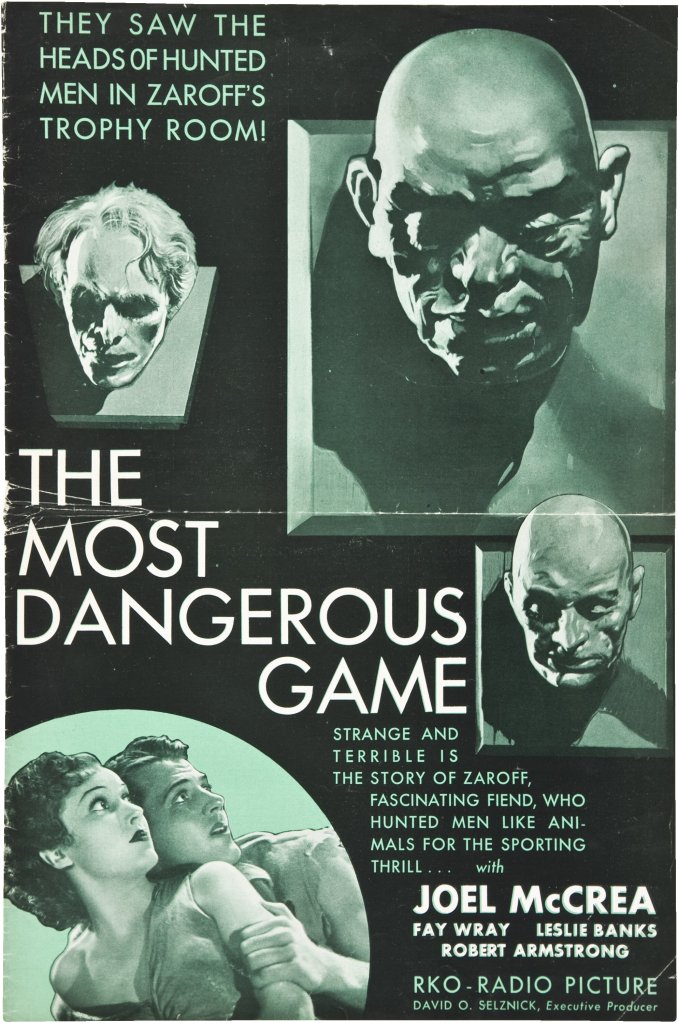
A Pre-Code adaptation of Richard Connell’s often filmed 1924 short story about a big game hunter (a young Joel McCrea) shipwrecked on the island of a fellow sportsman (Leslie Banks’s count Zaroff) with a preference for human prey. Made during David O. Selznick’s brief tenure at RKO, The Most Dangerous Game was produced by Merian C. Cooper and Ernest B. Schoedsack – the filmmakers behind the studio’s most famous creation, King Kong. The production of the two films overlapped, with the preeminent scream queen of the early sound era Fay Wray, Robert Armstrong and Noble Johnson appearing in both and composer Max Steiner and screenwriter James Ashmore Creelman also contributing to each movie.
There’s conflicting information about exactly how much of Kong was shot during The Most Dangerous Games’ roughly 30-day schedule in the summer of 1932, but I’m going to go with the words of Cooper himself:
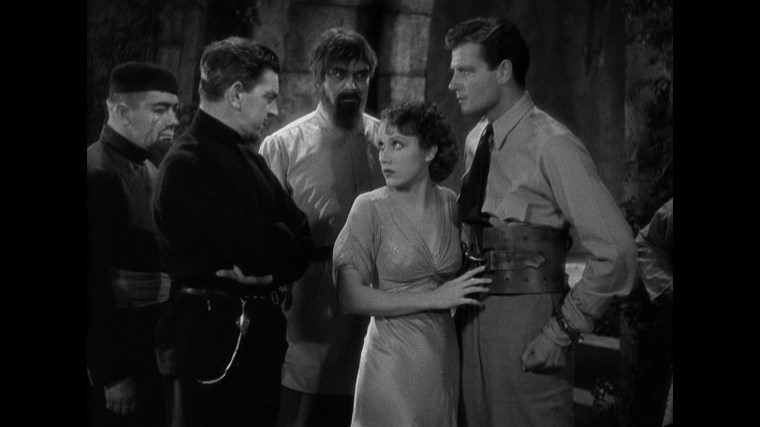
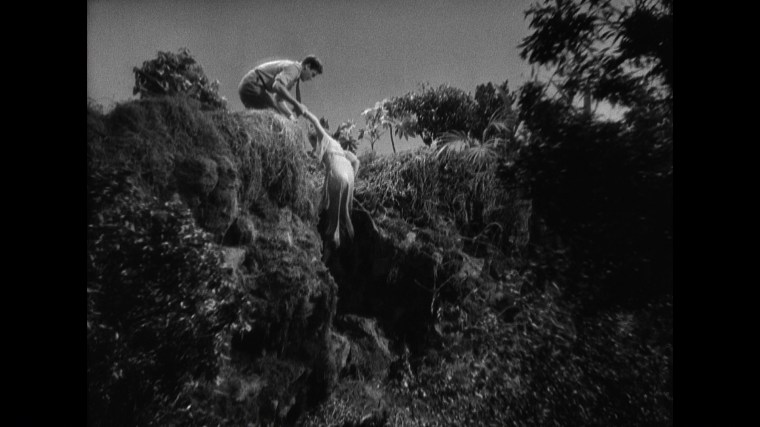
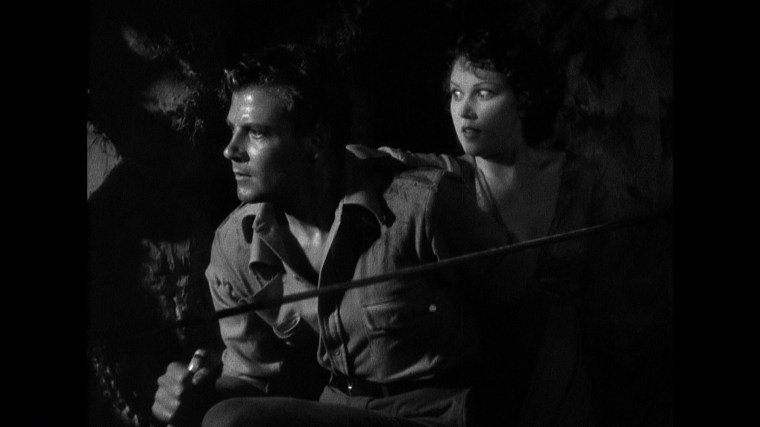
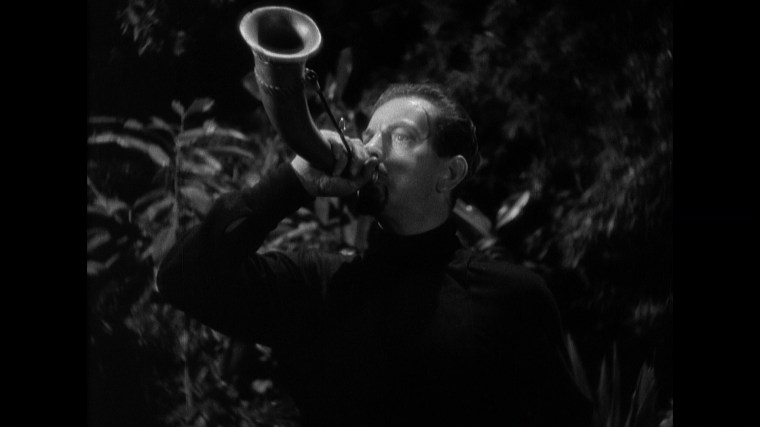
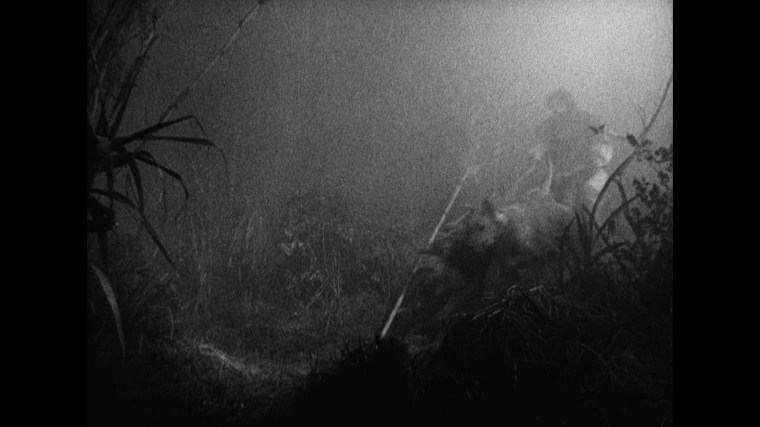
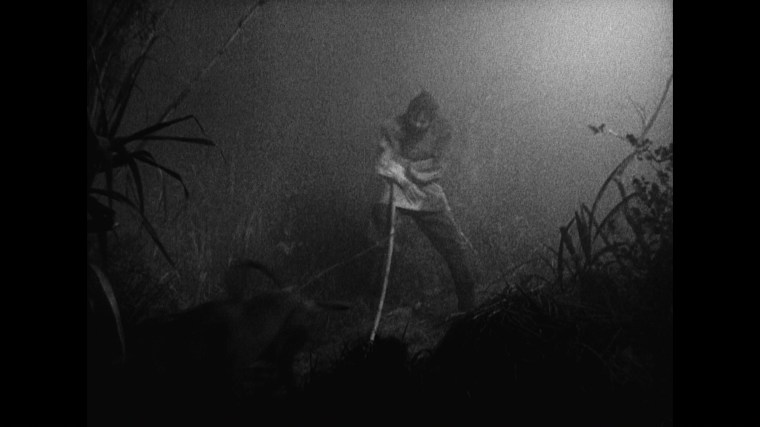
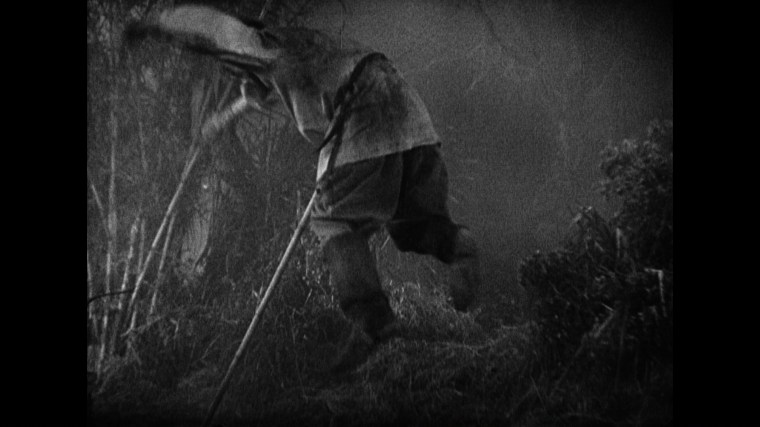
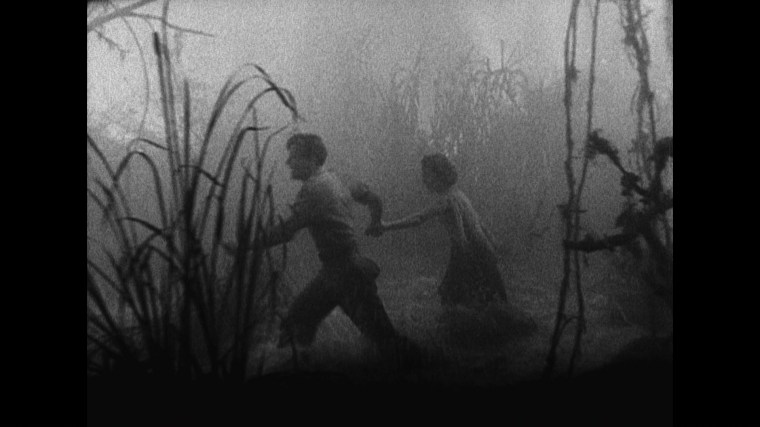
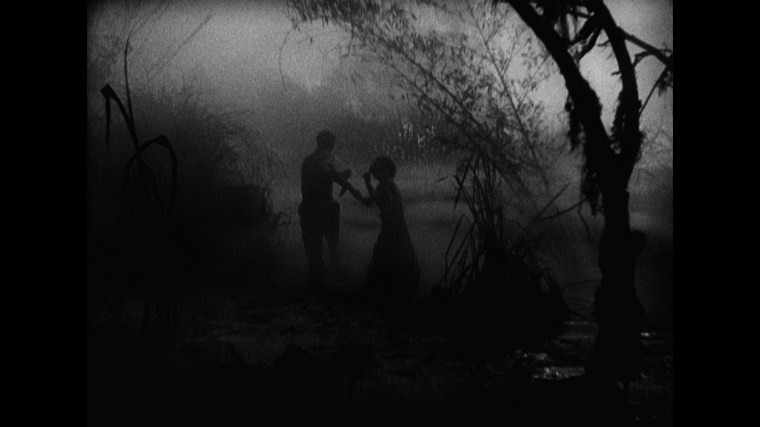
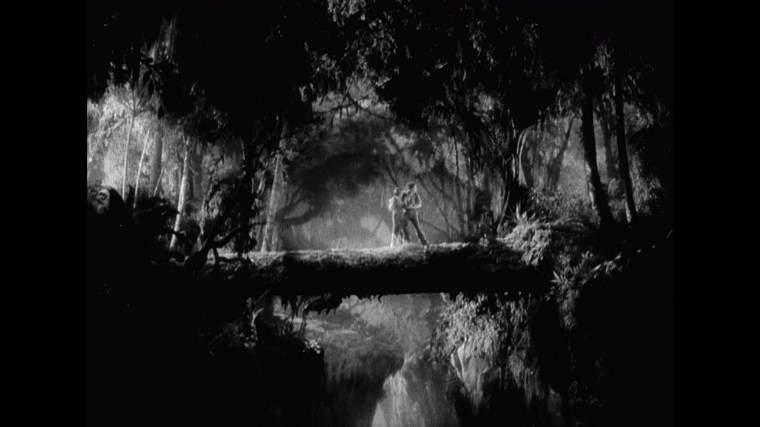
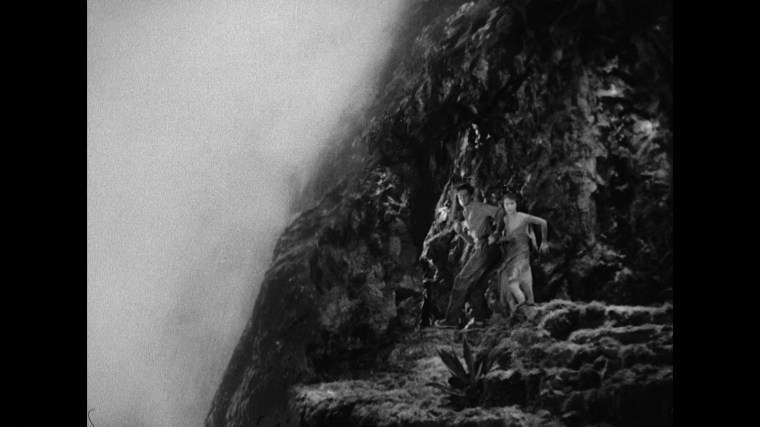
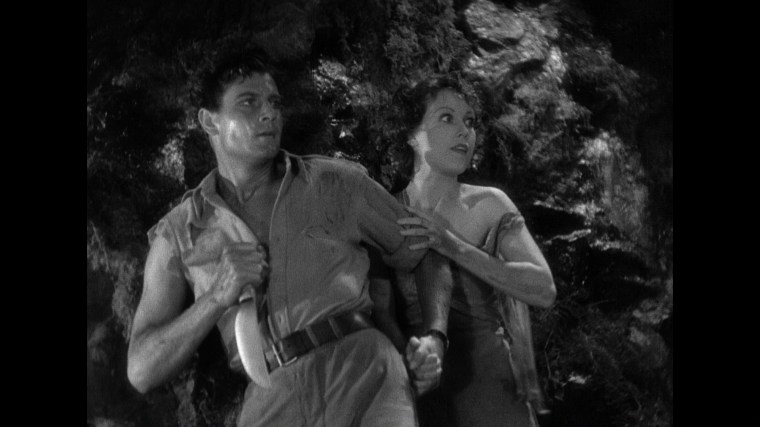
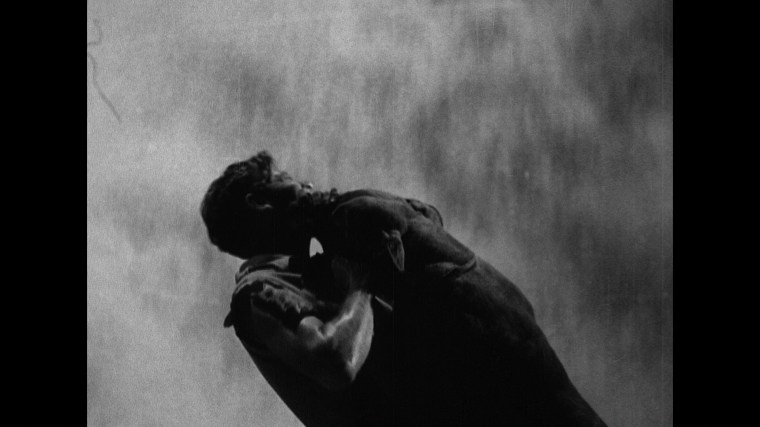
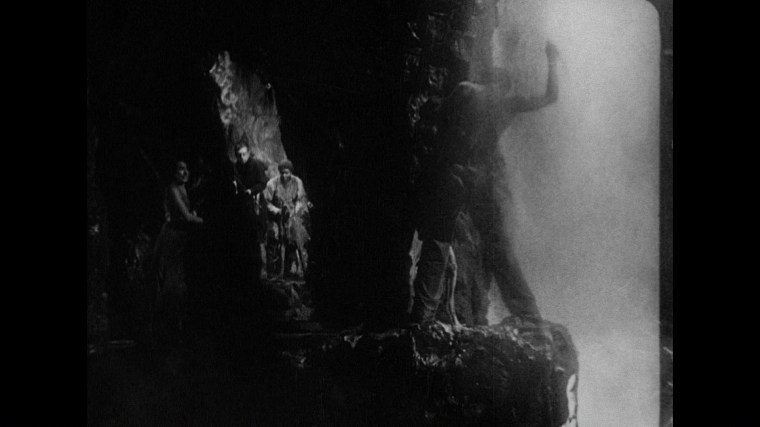
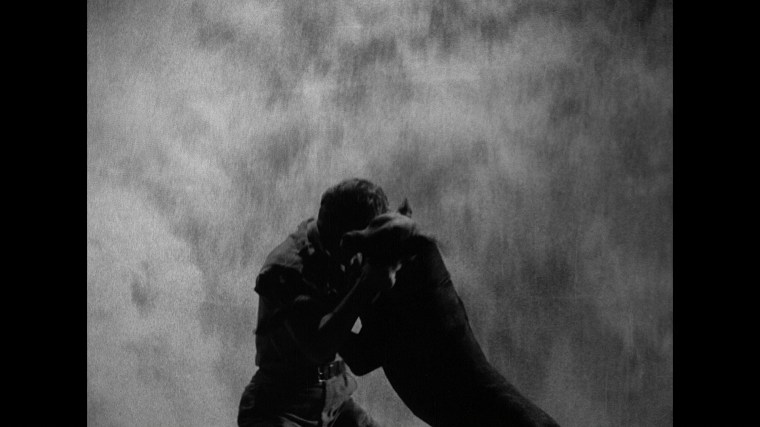
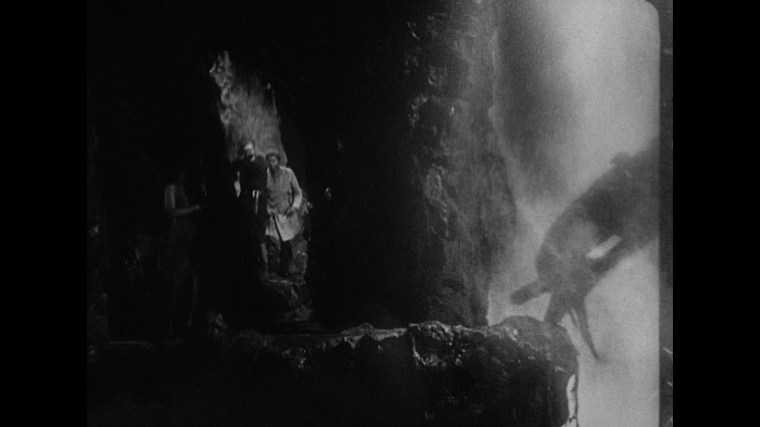
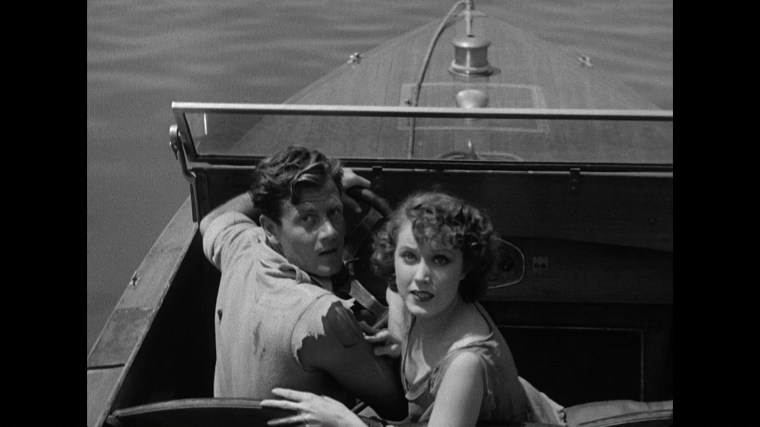
“The Most Dangerous Game was a cheap picture to make – it only cost about $150,000. We saved money by using Fay Wray and Robert Armstrong in between sessions on Kong. Since both films were laid in the jungle, we were able to use the same sets for both, switching back and forth; I’d be shooting Kong, then Monty (Schoedsack) would move in and do The Most Dangerous Game. There’s a shot in The Most Dangerous Game where you see Leslie Banks, the villain, running through the fog; as soon as Schoedsack did that shot, I moved in and took the same set and did the shot in Kong where the sailor is being chased by the dinosaur. The same thing where Kong shakes the men off the log; when I was through doing the live action, Monty came in and shot a scene for Dangerous Game showing Fay and Joel McCrea, playing the hero, crossing the log trying to escape from the madman. We had a lot of fun, and the picture was a hit, and it’s been remade several times…” – Merian C. Cooper, from Ronald Haver’s 1980 book David O. Selznick’s Hollywood
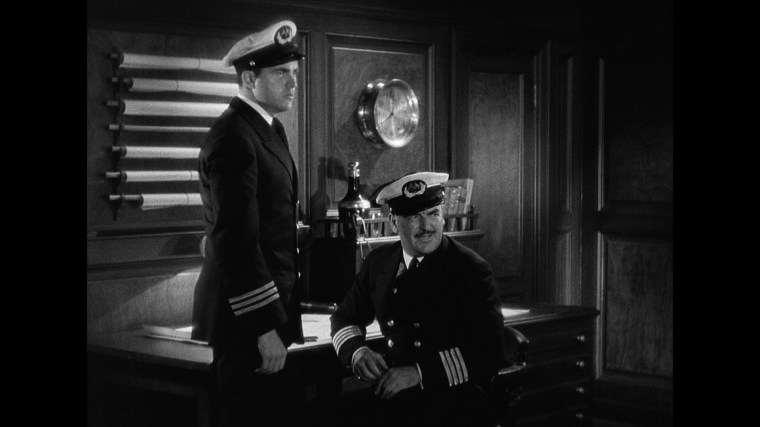
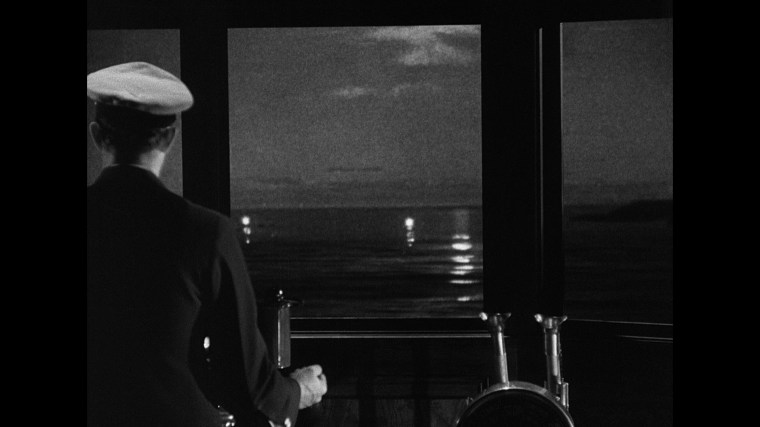
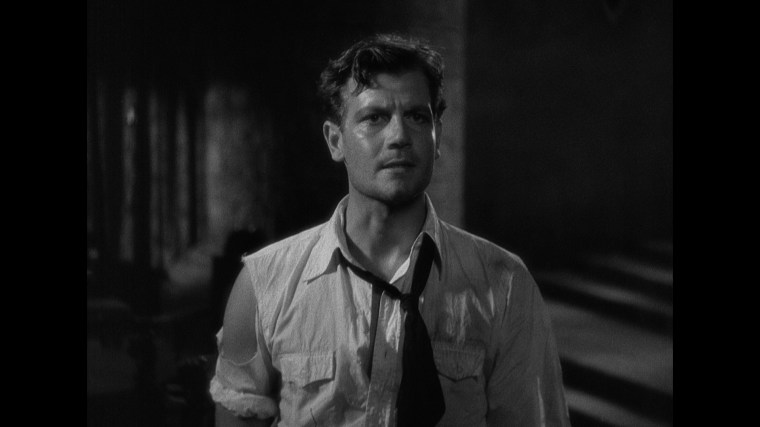
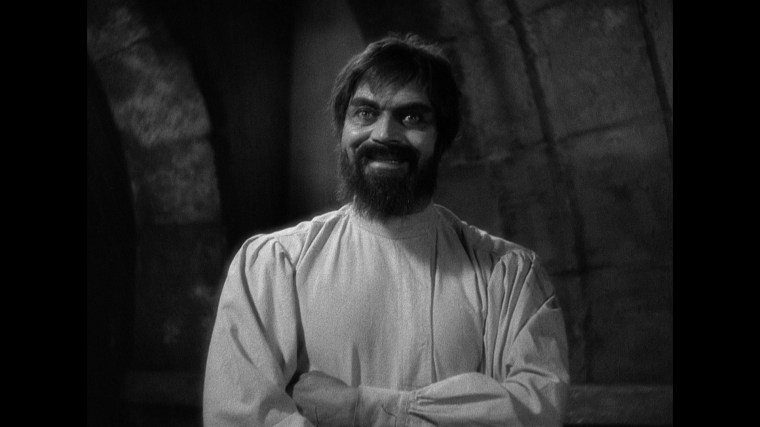
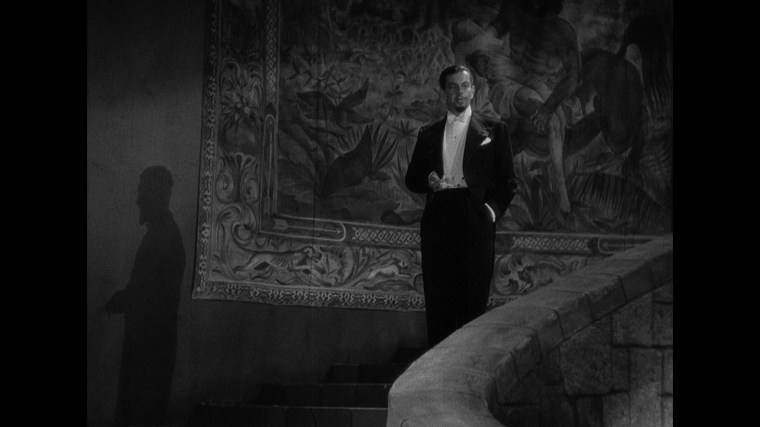
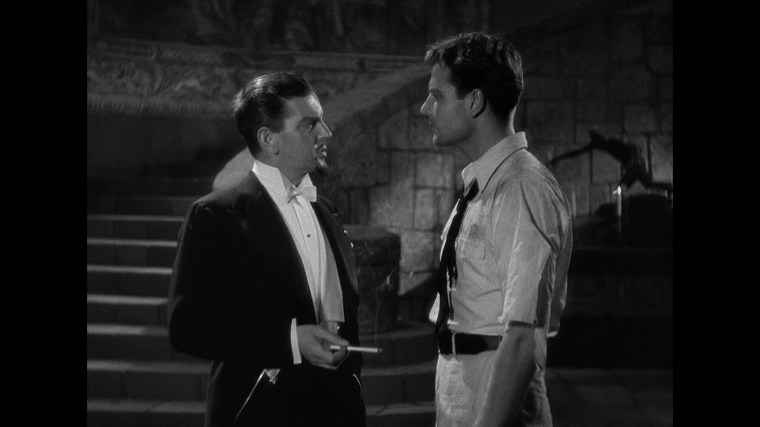
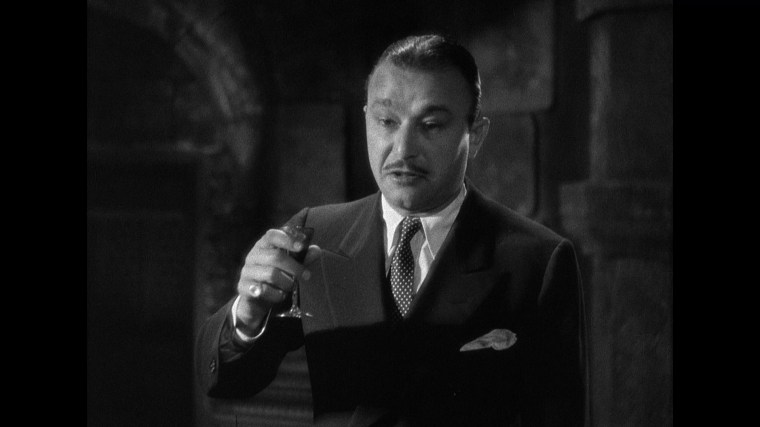
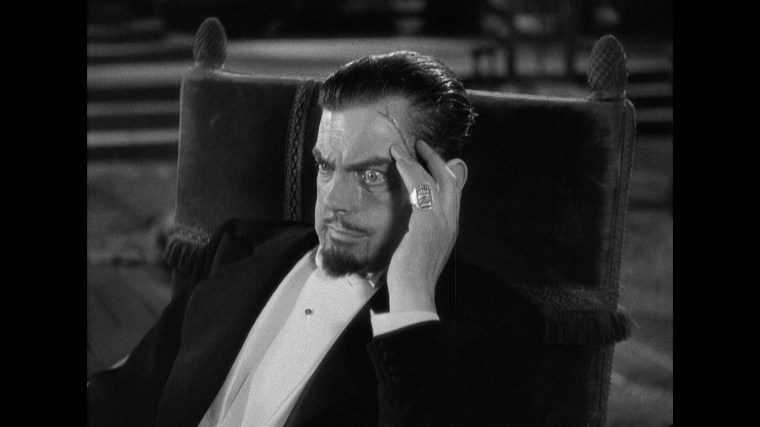
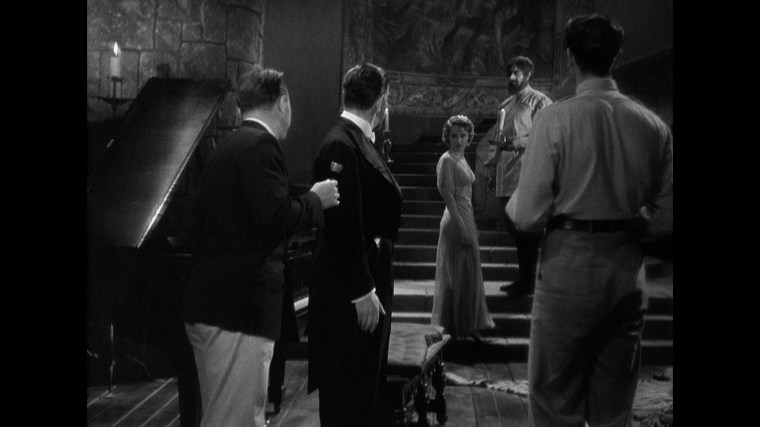
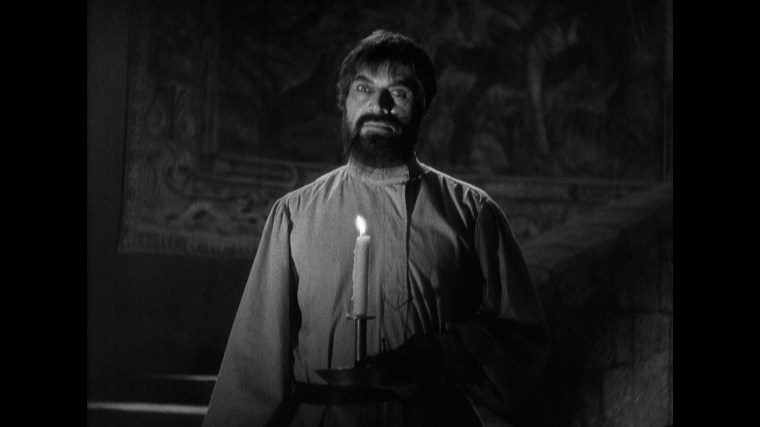
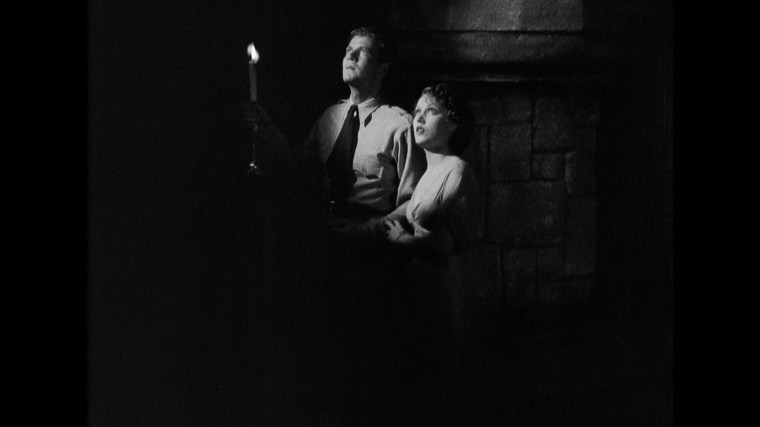
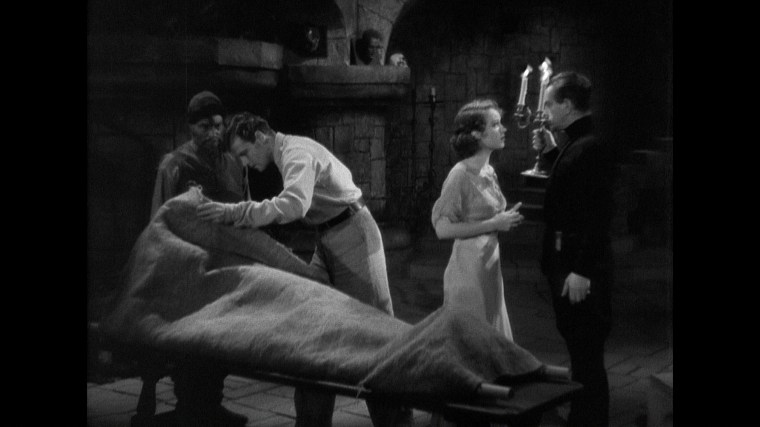
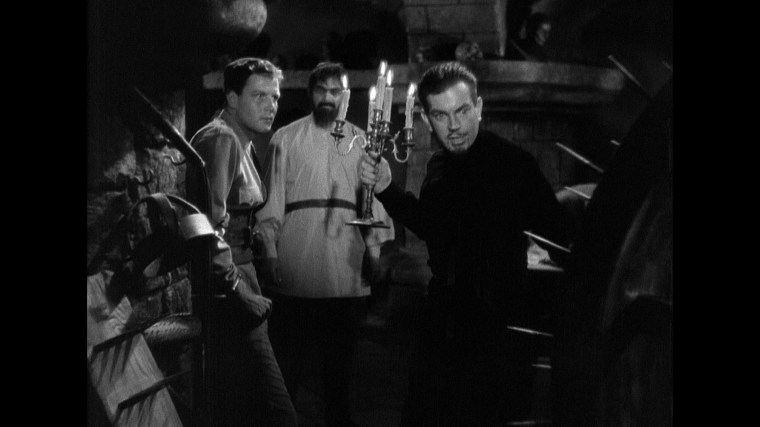
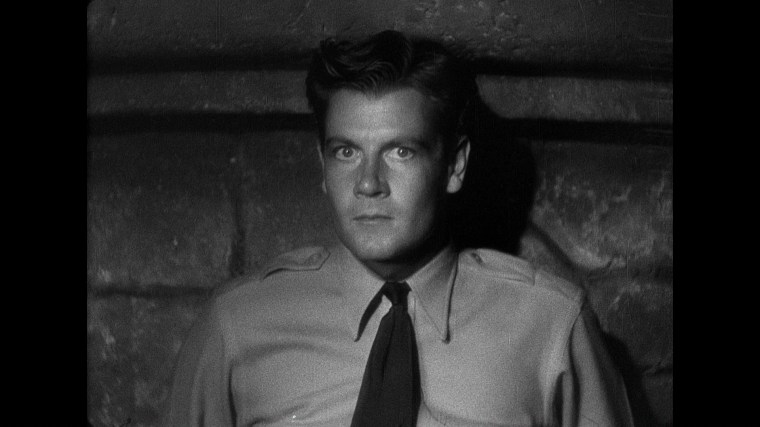
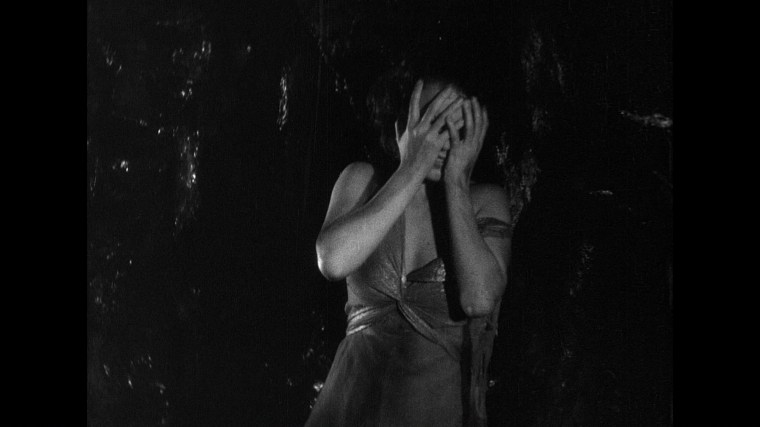
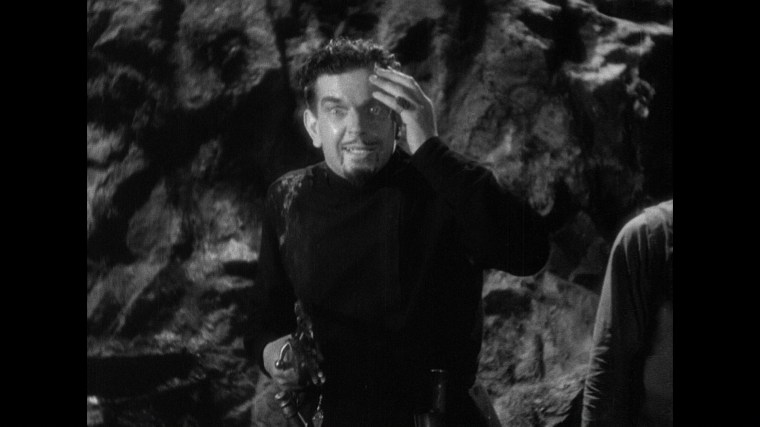
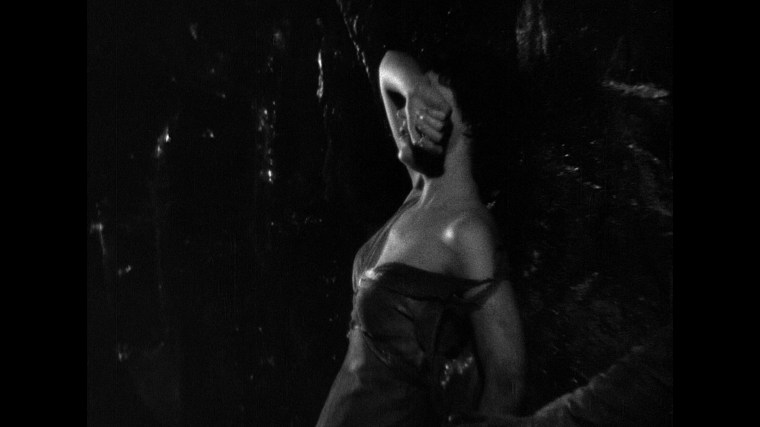
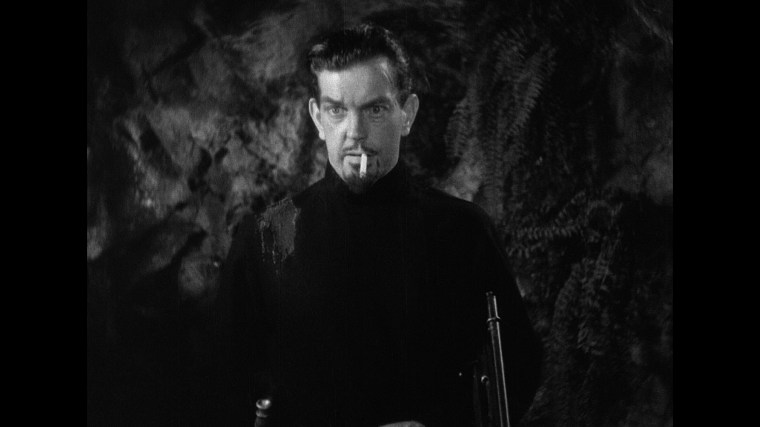
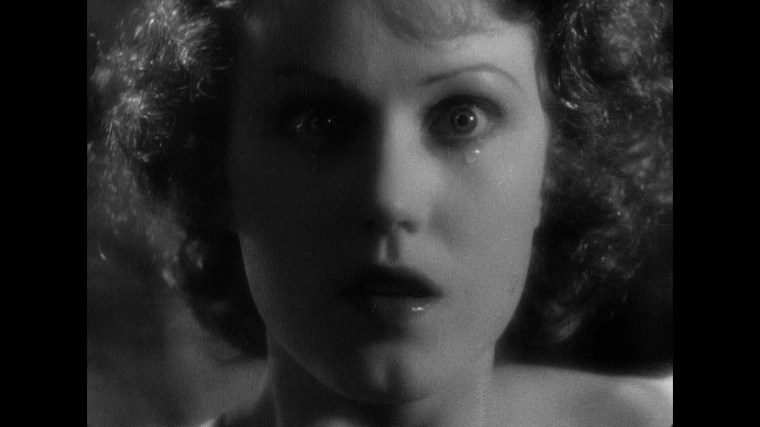
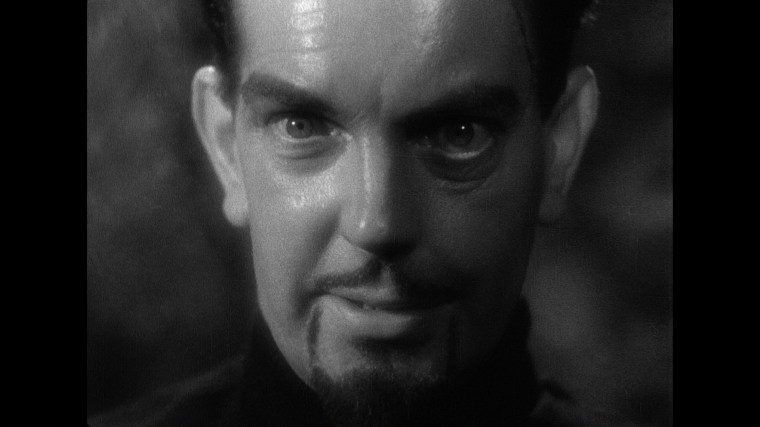
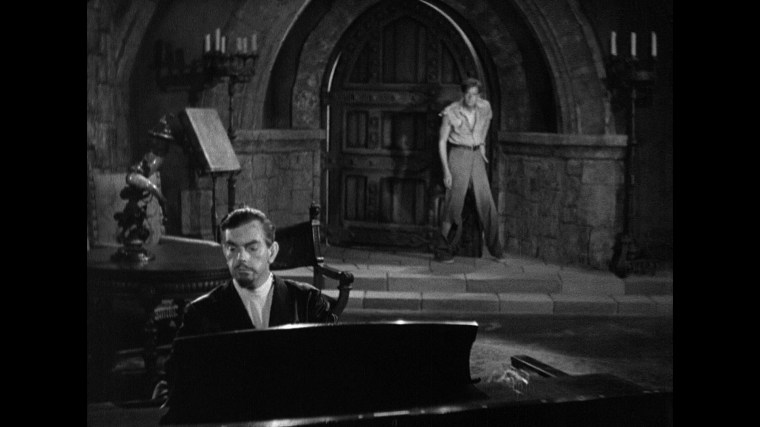
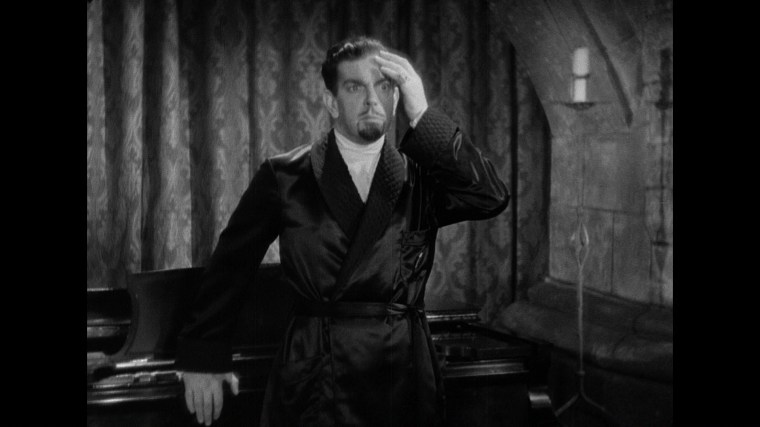
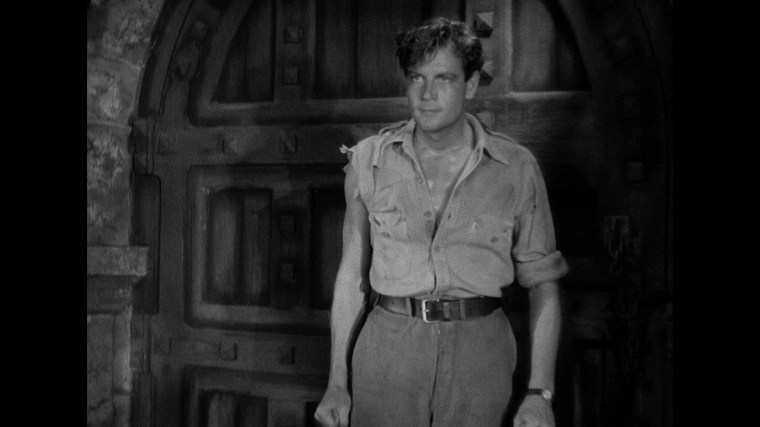
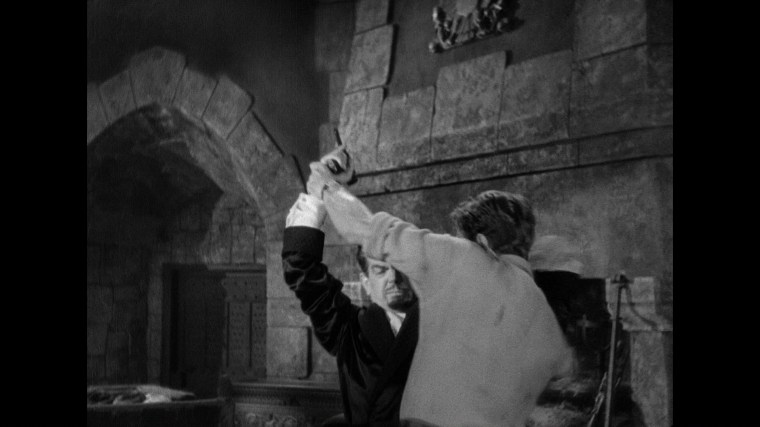
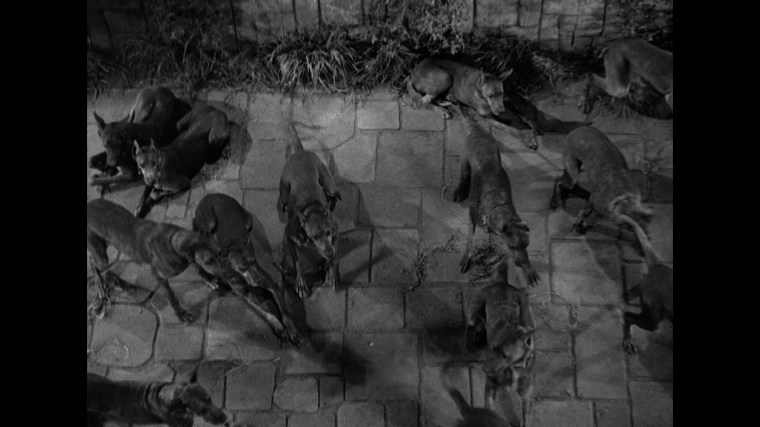
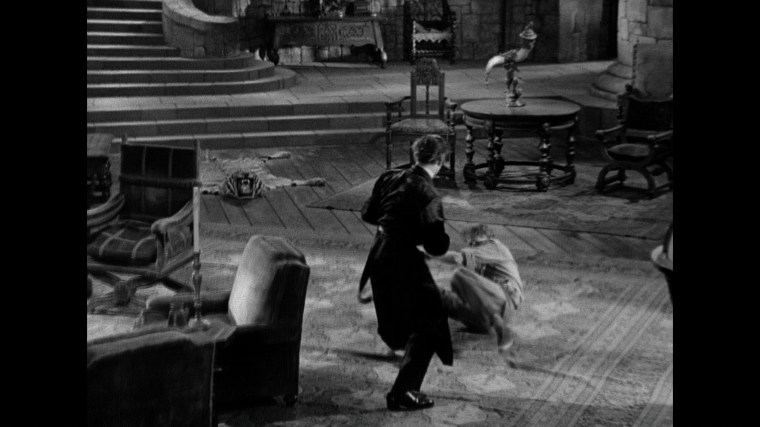
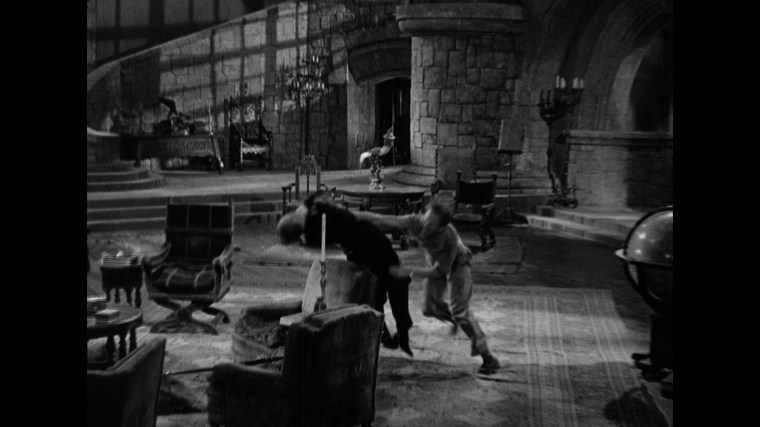
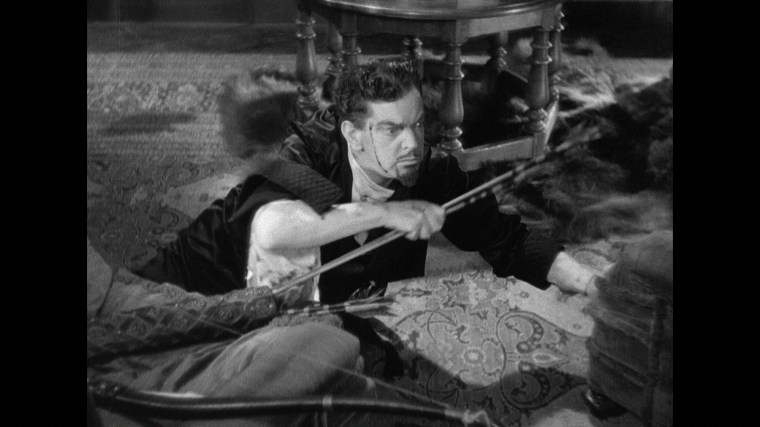
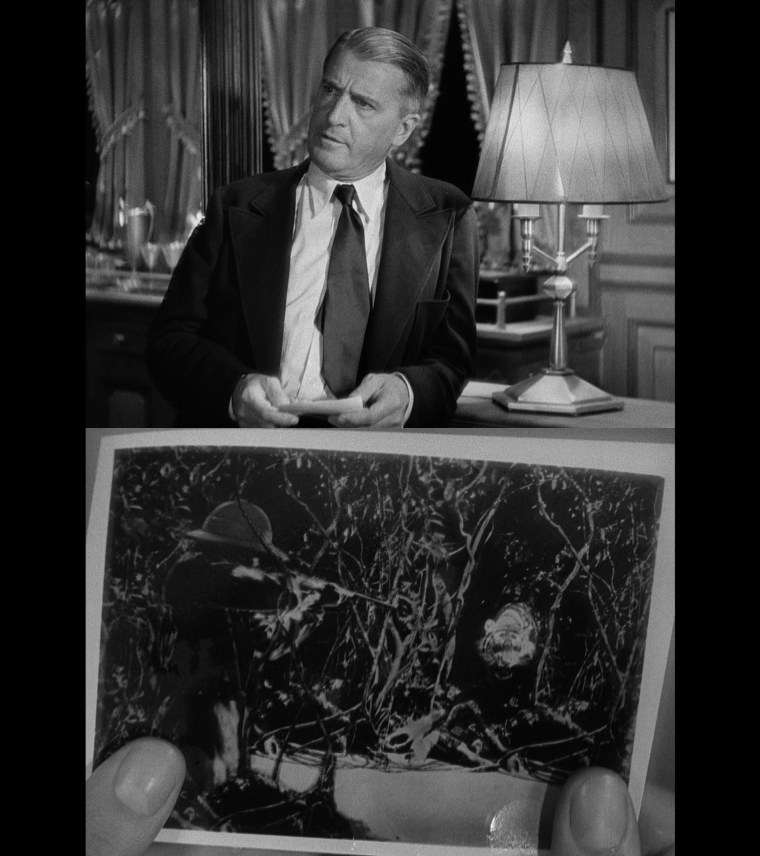
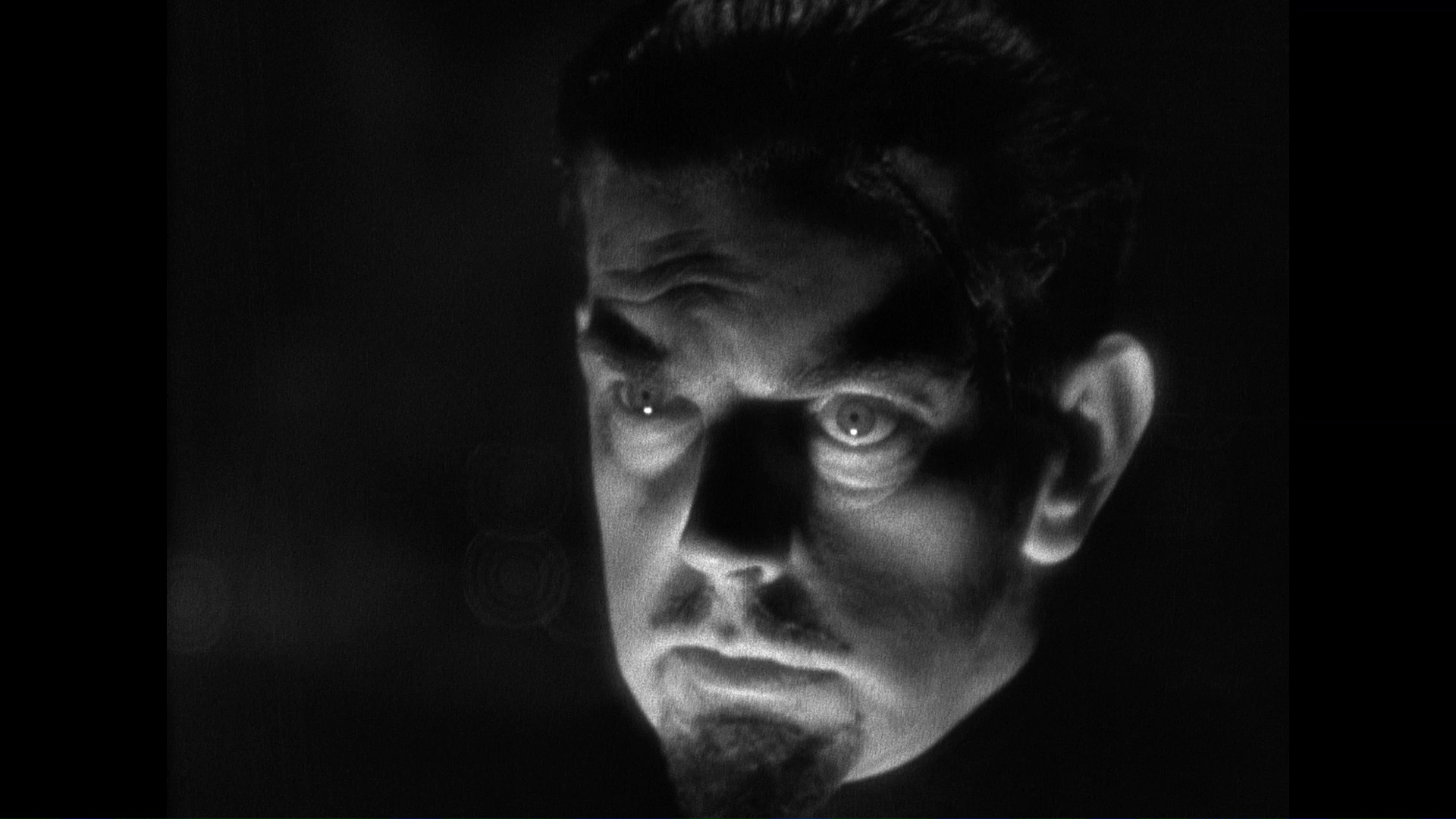
Frame Group #1
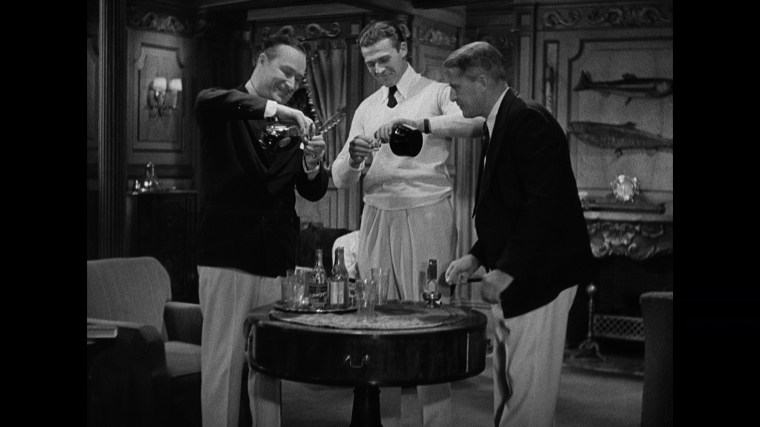
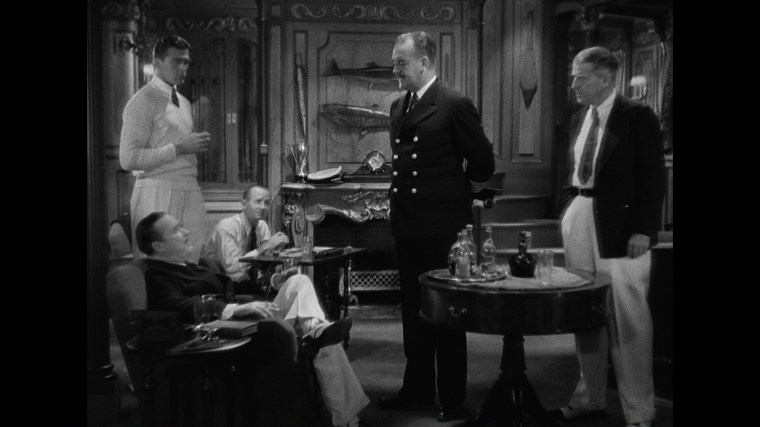
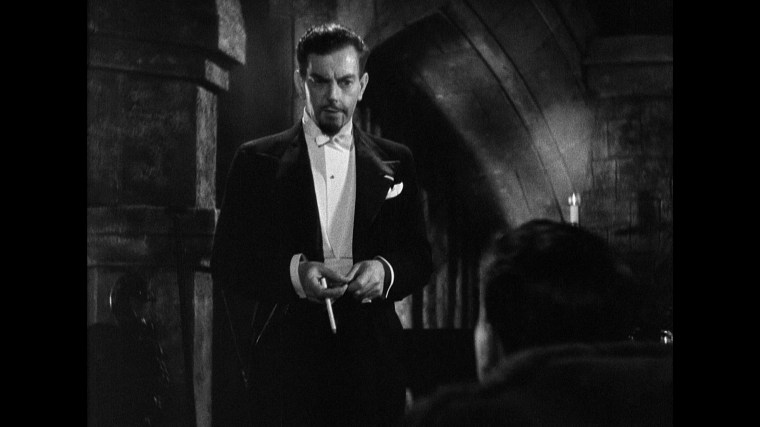
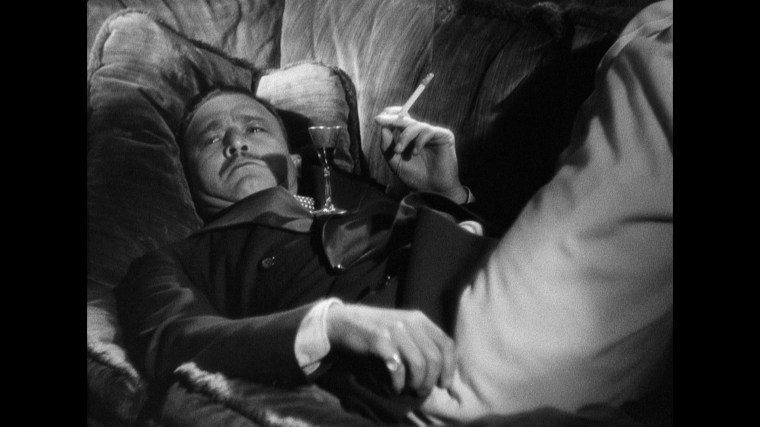
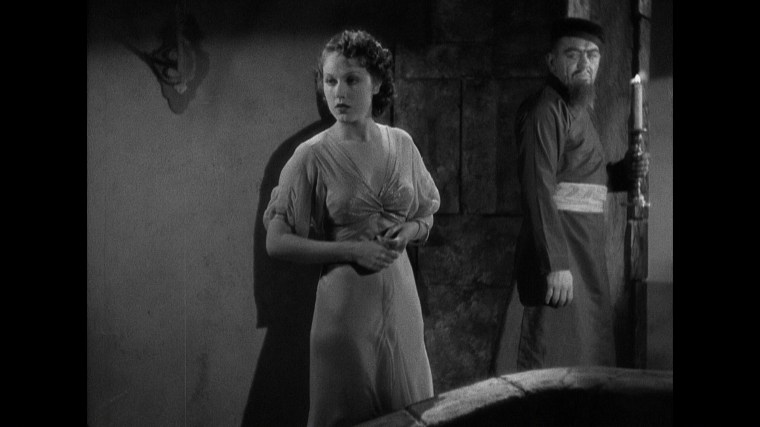
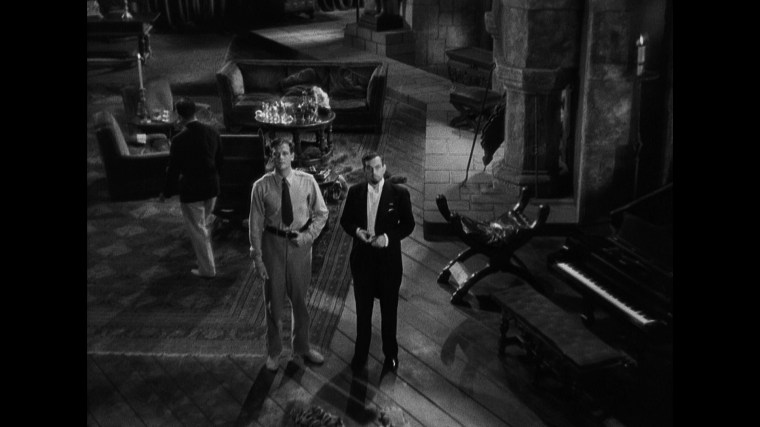
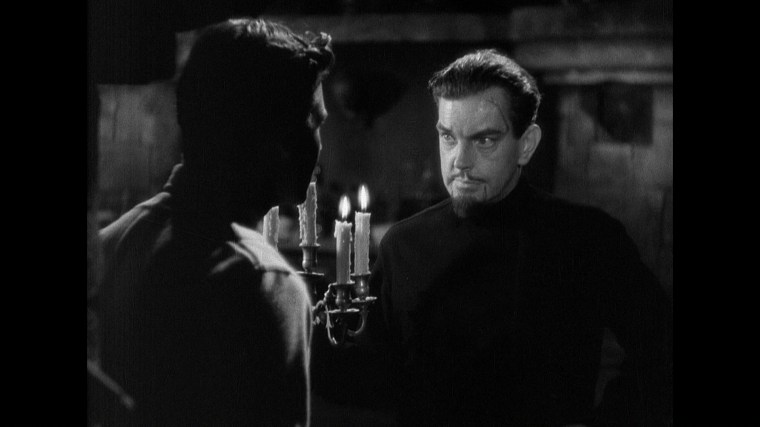
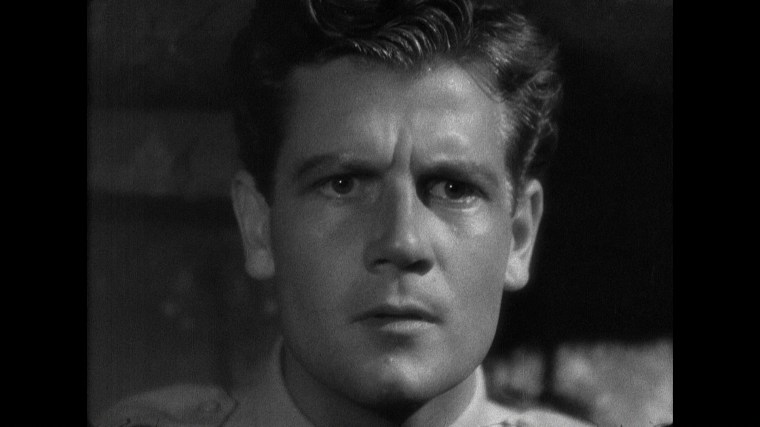
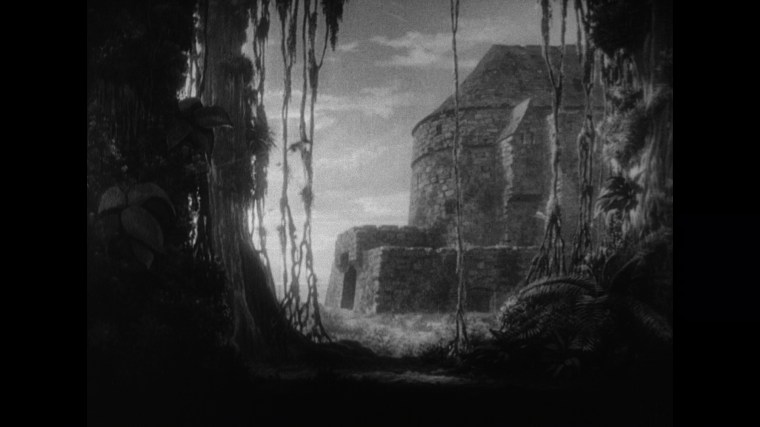
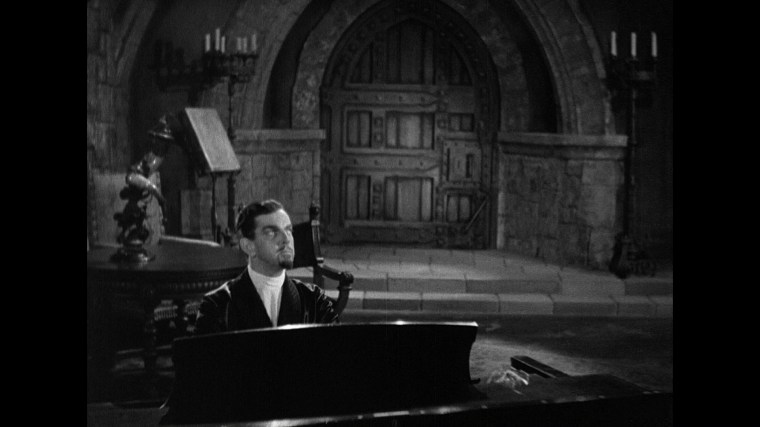
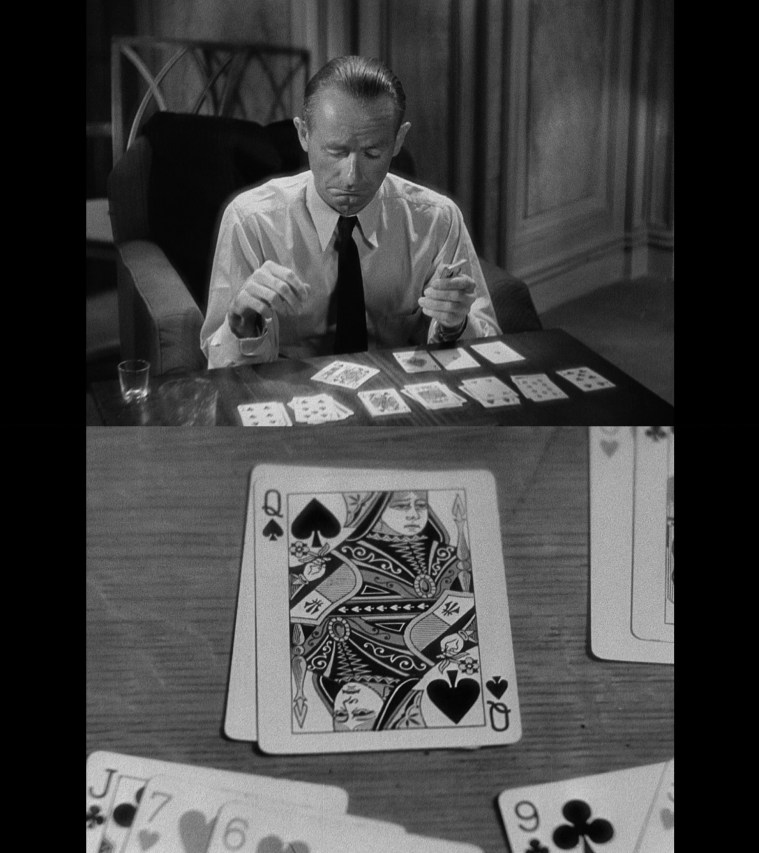
Frame Group #2
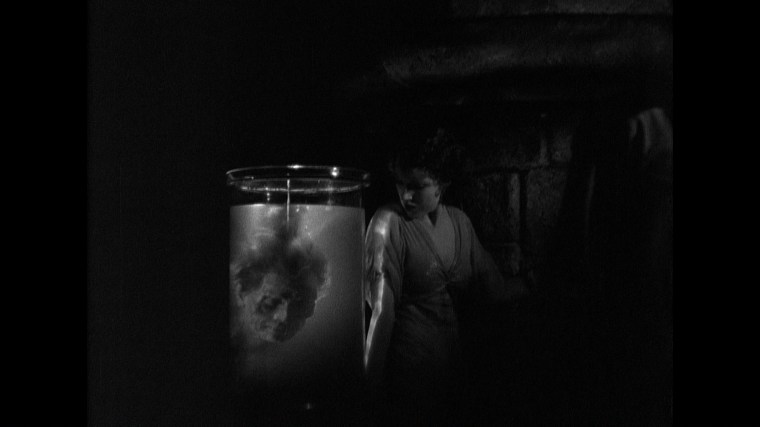
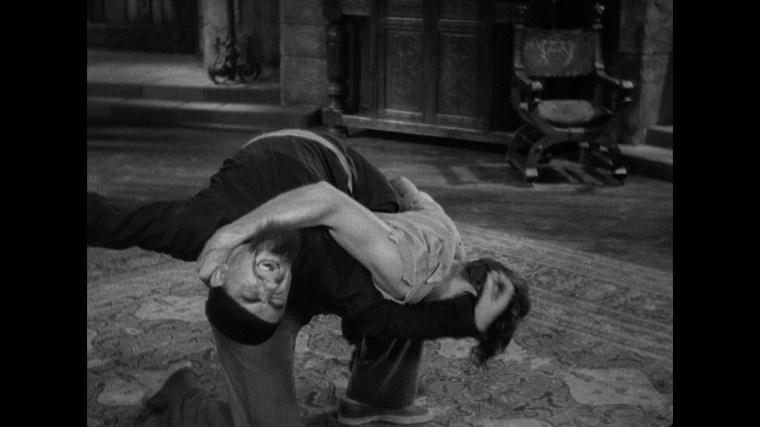
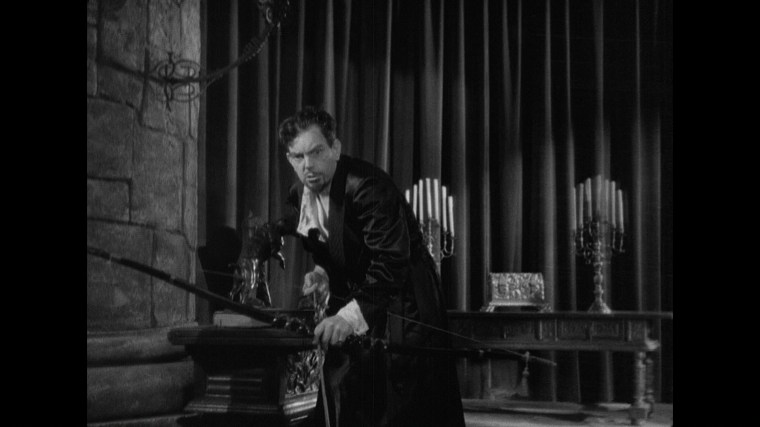
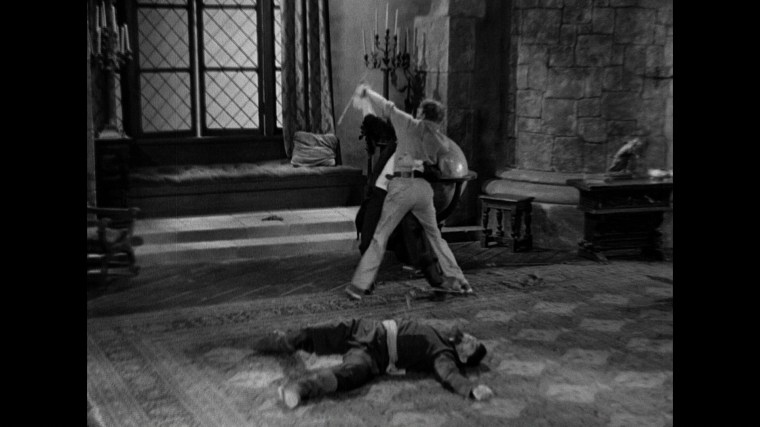
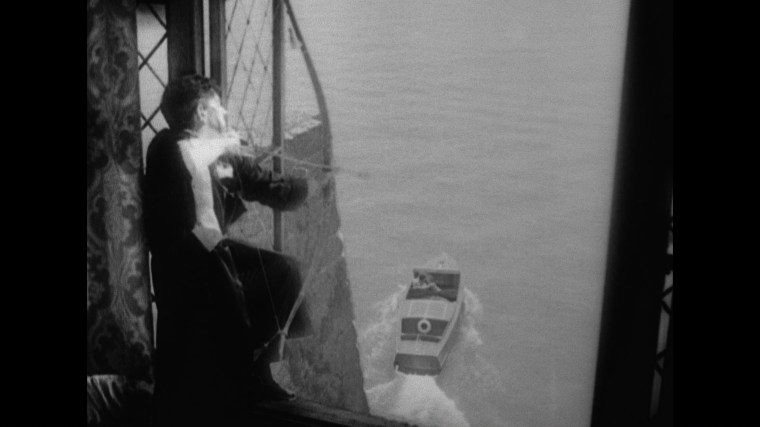
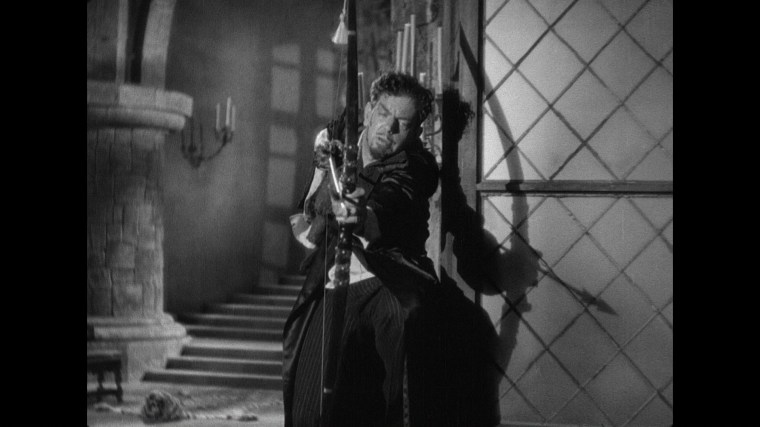
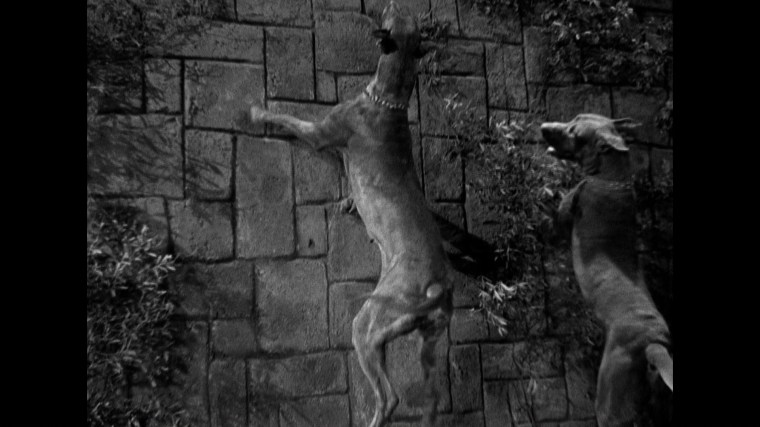
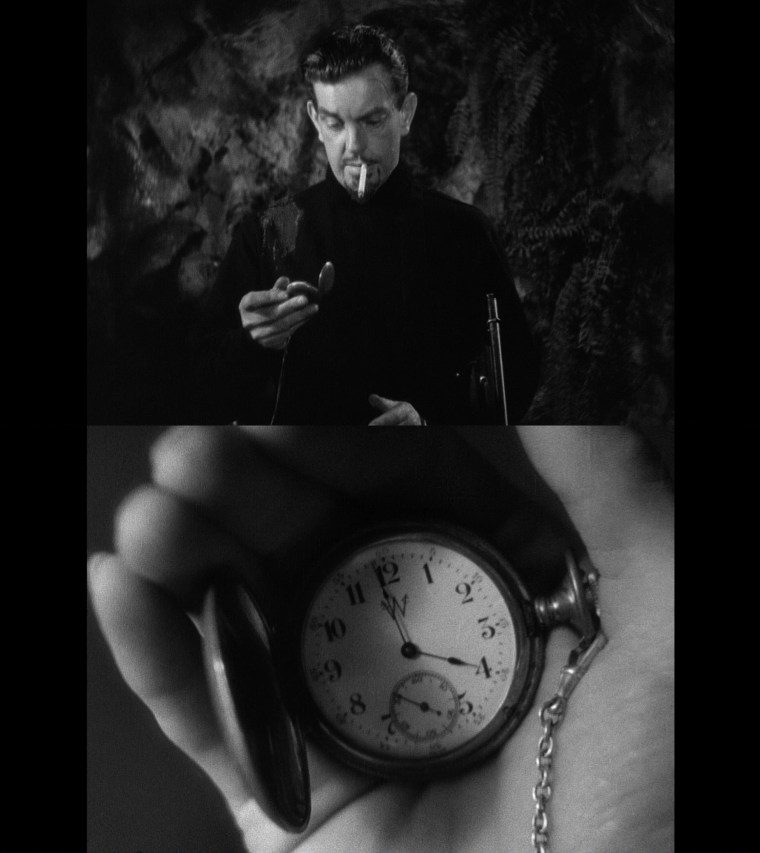
*****Spoiler Frames*****
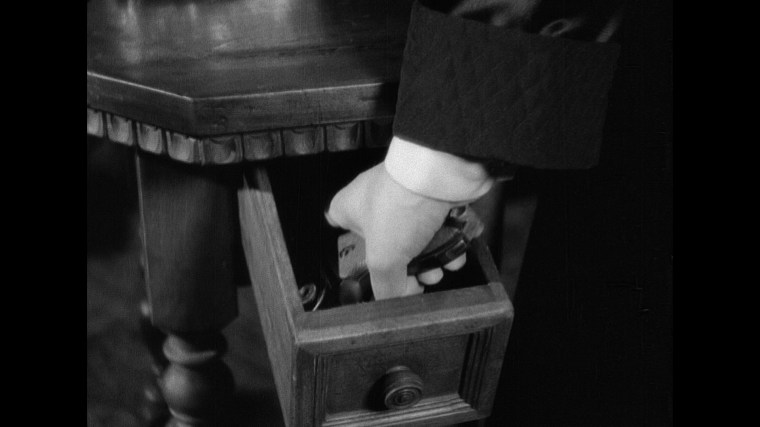
Inserts
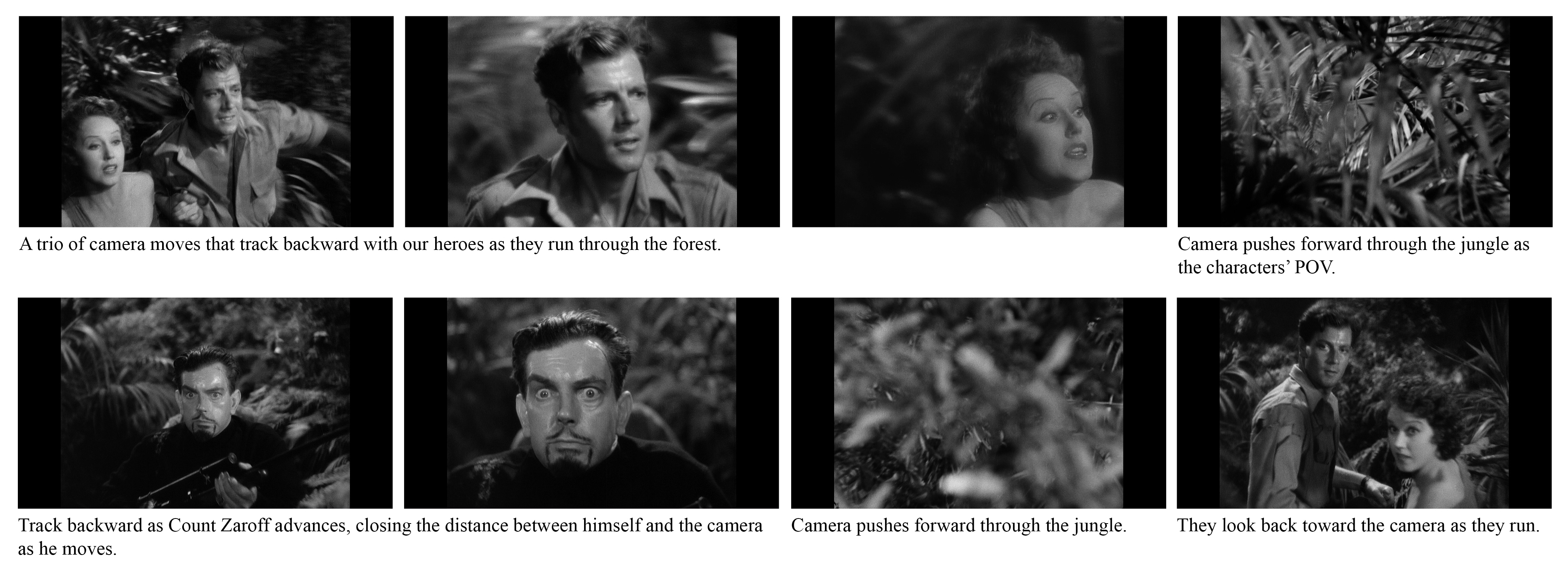
Camera Moves
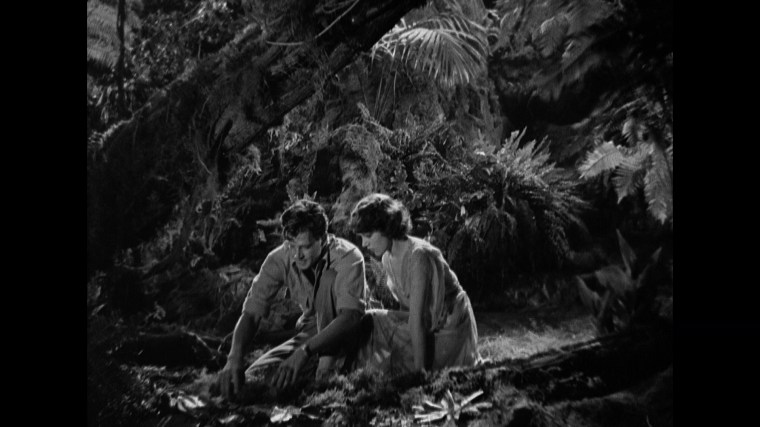
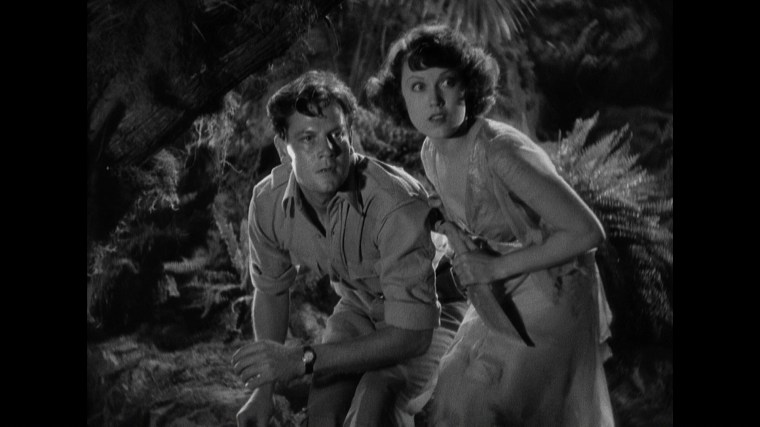
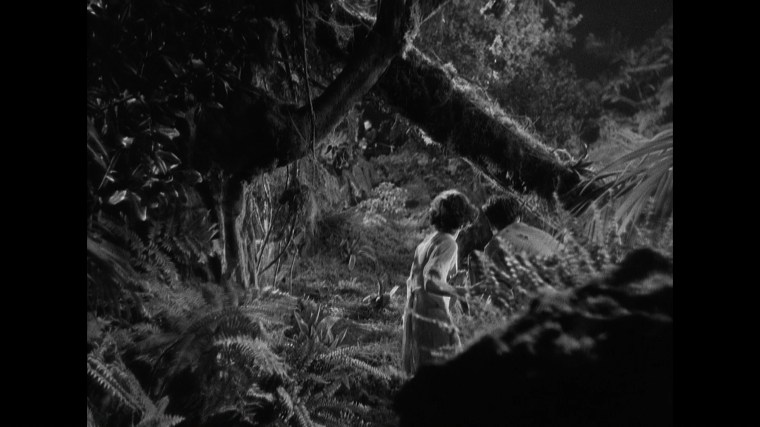
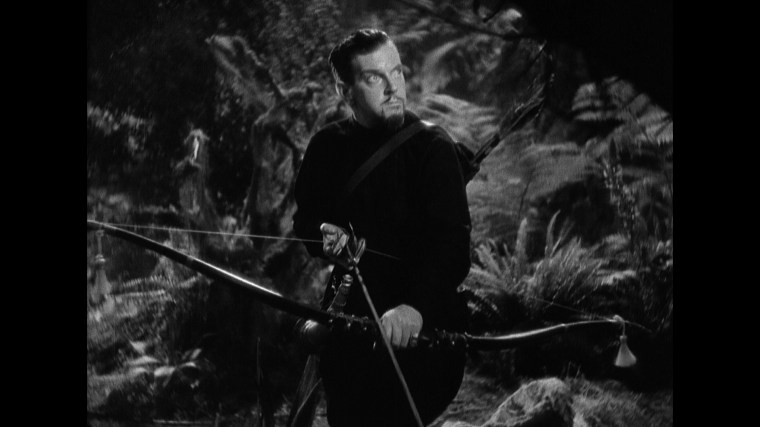
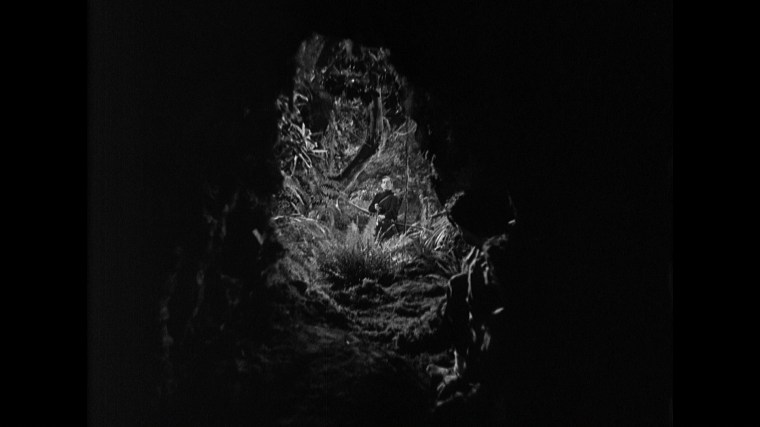
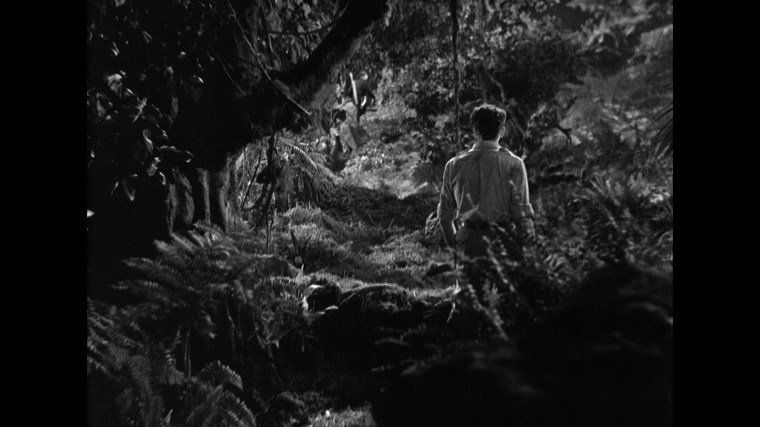
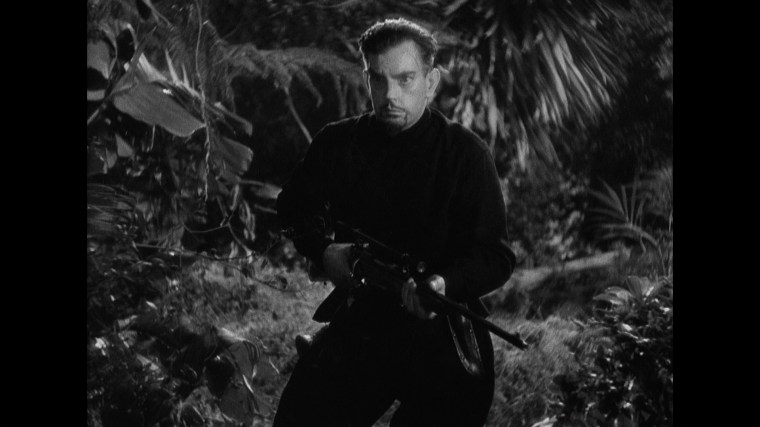
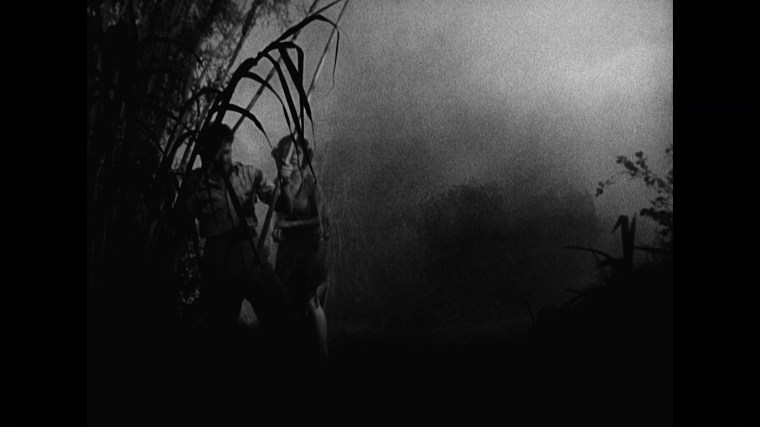
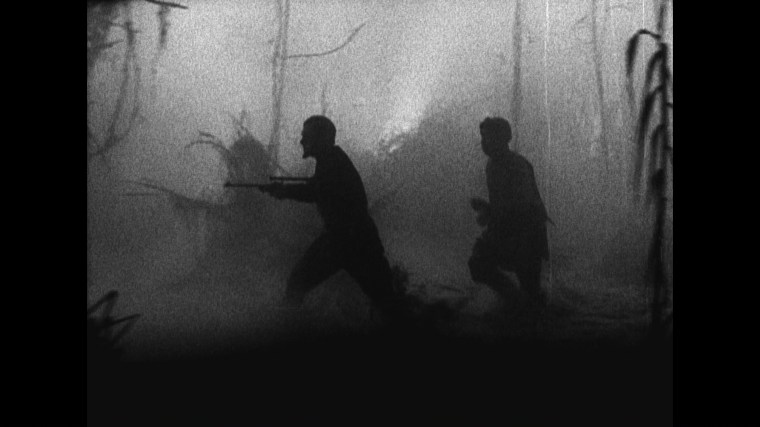
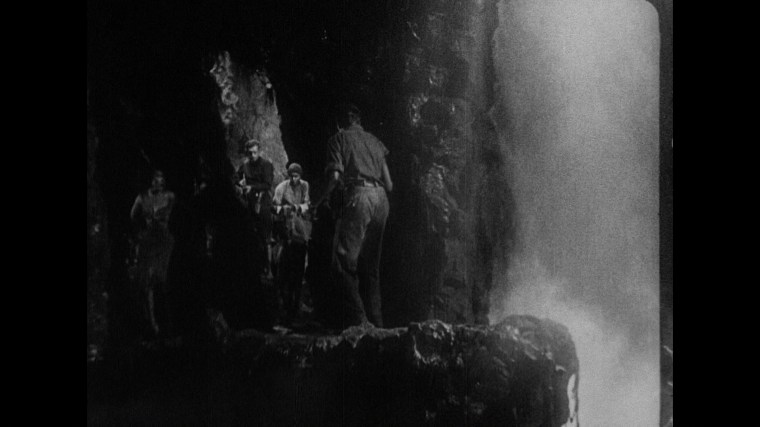
When reading about the early “talkie” era, you’ll often hear about how the coming of sound locked down the increasingly mobile camera of the late silent era. However, The Most Dangerous Game is far from static. Here’s a sequence in which Count Zaroff chases after the protagonists with a series of tracking shots.
Merian Coldwell Cooper left his Jacksonville, Florida home as a youth and became, in rapid succession, a newspaperman, an Annapolis midshipman (who didn’t graduate because he went “over the hill” to see a girl), a trooper chasing Pancho Villa along the Texas-Mexico border, and a much-decorated combat pilot of World War I. He refused the Distinguished Service Award because he didn’t want to be singled out from his buddies. He became chief of the Polish Air Force during the Russo-Polish War, and his escape from a Russian prison after being shot down by Budenny’s Cossacks made international headlines. He continued to attract attention as author, explorer, movie producer and airline executive.
Ernest Beaumont Schoedsack ran away from his Iowa home when he was 14. Within a few years, he was F. Richard Jones’ top cameraman at the Mack Sennett Studio, then a combat photographer for the Army Signal Corps. Later, he led rescue missions while cranking a camera for the Red Cross during the Russo-Polish and Greco-¬Turkish conflicts. He met Cooper in Vienna in 1918 and again in Singapore in 1922. During an African expedition, they formed the filmmaking partnership that took them into the Bakhtiari Mountains of Persia, where they filmed the celebrated “natural drama” Grass: A Nation’s Battle for Life (1925). They made Chang: A Drama of the Wilderness (1927) in the jungles of Laos and shot part of The Four Feathers (1929) in East Africa. On his own, Schoedsack photographed Rango (1930) in the Sumatran wilderness. Each of these films was made under incredibly difficult, dangerous conditions.
The stocky, hard-nosed Cooper became executive assistant to RKO Radio’s new vice-president in charge of production, David O. Selznick, late in 1931. There was an understanding that Cooper would also be permitted to develop productions of his own. The company owned the former FBO Studio in Hollywood, which they re-named The Radio Studio, and the old Pathé lot in Culver City. Founded in 1929 on the eve of the Depression, the brave new company was in financial straits almost from the start.
Schoedsack returned to Hollywood in January 1932, after several months’ location work in India for Paramount’s The Lives of a Bengal Lancer. Exasperated by a long wait for studio chiefs to approve a final script for the project (eventually to be directed by Henry Hathaway in 1935), he asked to be released from his contract.
Immediately, he joined Cooper at RKO and began pre-production work on what was to be the first all-talking Cooper-Schoedsack collaboration, an adaptation of Richard Connell’s O. Henry Award-winning short story The Most Dangerous Game.
Here’s the American Cinematographer story on the movie’s DP Henry Garrard.
A Canadian war hero then 38 years old, Gerrard had been a leading cinematographer at Paramount and was on his first assignment for RKO following his return to Hollywood from a year of shooting in England for MGM and British International. He was on first call for any and all pictures Katherine Hepburn made at RKO, and his later credits included Phantom of Crestwood, Blind Adventure, Little Women, A Little Minister and Of Human Bondage before his untimely death in November of 1934 from complications during surgery for appendicitis.
…and an interesting tidbit about the production from the same article.
On second camera, Robert De Grasse, ASC oversaw photographing the entire picture directly alongside Gerrard from a very similar angle, resulting in a second original negative that could be sent to Europe for overseas distribution use. The poor quality of dupe stocks at the time required this additional photography.
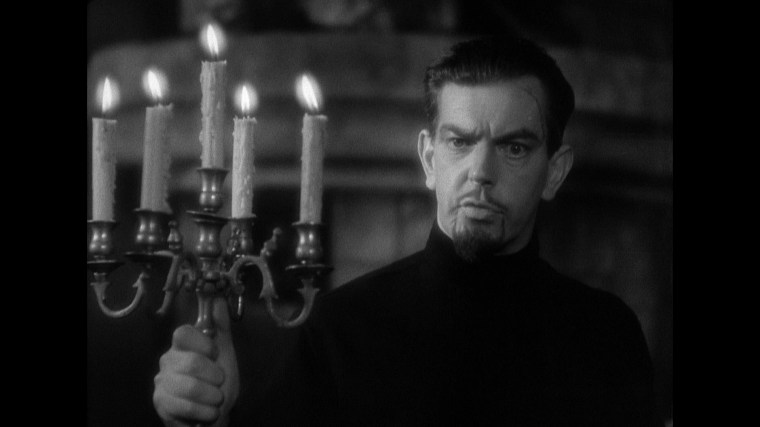
Here’s American Cinematographer on the career of Count Zaroff portrayer Leslie Banks.
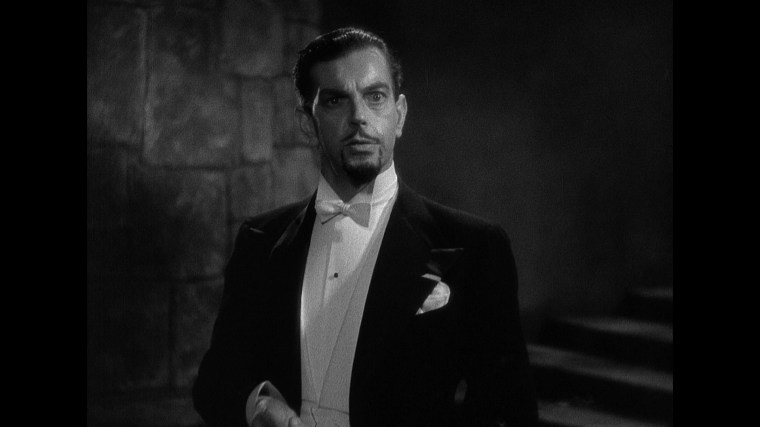
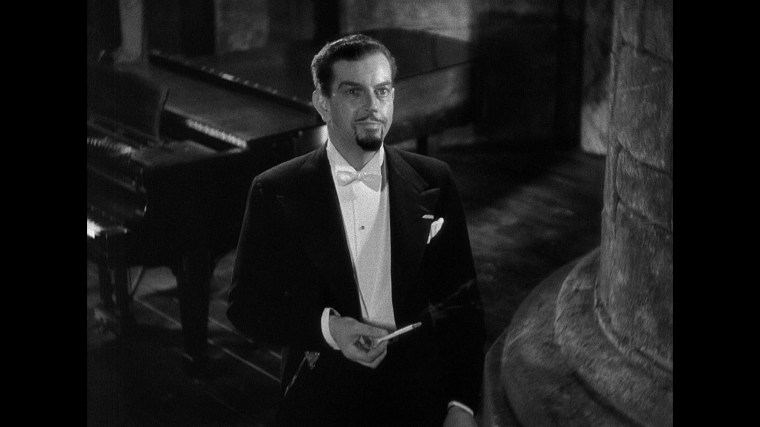
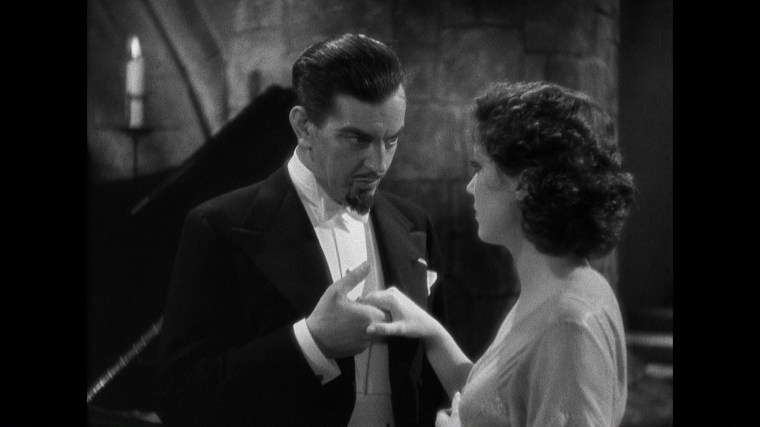
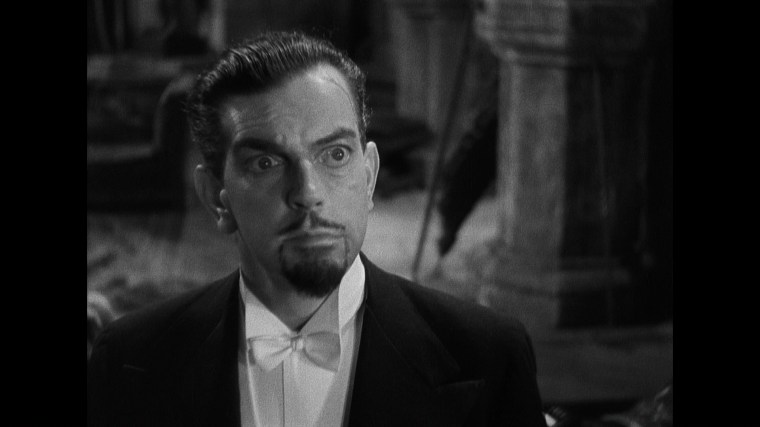
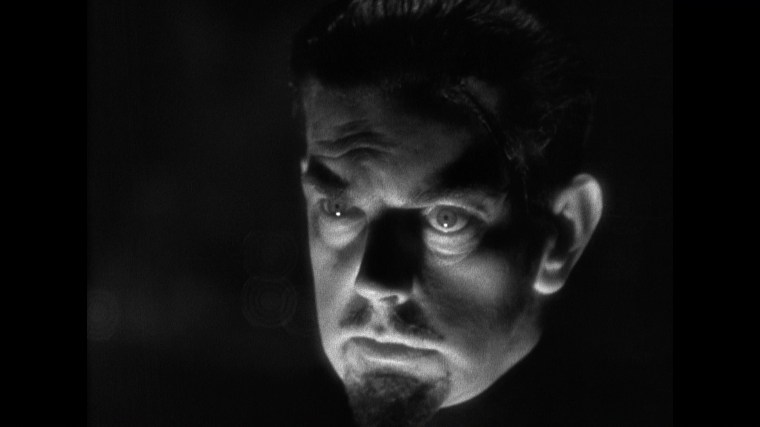
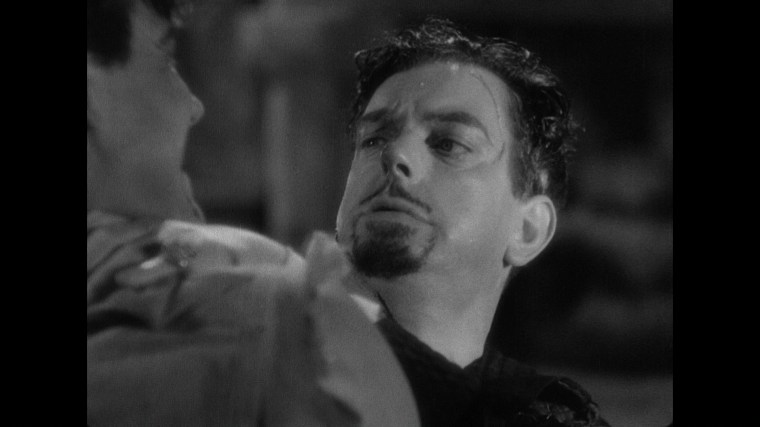
Leslie Banks, an English stage star who had never before appeared in a film, was chosen for the difficult role of Zaroff. He was, according to Schoedsack, “great fun to work with, a fine actor and a great guy with a real sense of humor. His face was badly injured during the war — the left side was paralyzed — which made him interesting to photograph.” Though he was no stranger to heavy drama, having appeared in scores of plays since 1914, Banks was most noted for drawing room comedy. He was starring in “Springtime for Henry” on Broadway when RKO signed him. He subsequently returned to England, where he appeared in numerous films, but he never made another picture in America.



 deep fried movies