“I wanted the story to symbolize evil in the world and how we react to it.” – Speak No Evil director Christian Tafdrup (1)
After meeting on holiday in Tuscany, a Danish couple accepts an invite from their new Dutch friends to visit and their reluctance to appear rude prevents them from fleeing even as their host’s behavior becomes increasingly bizarre. An American remake followed two years later and completely discarded the original’s bleak ending.
Here’s Tafdrup on the inspiration for the film, which stemmed from his parents paying a visit to a German family they’d met with vacationing in Tuscany.
“They were not at all so friendly, not at all so funny, as they were in Italy. In Italy, you’re [enjoying] a beautiful starry night, and you eat good food, and you want to be the best versions of yourself. Suddenly, you’re in this weird house outside Nuremberg in Germany, and you have to spend three days, and it’s a really long three days. Many years later, I had a situation with my own family in Italy where we met a Dutch couple, and when they invited us to go see them, I said to my girlfriend, ‘Let’s not do that.’” (2)
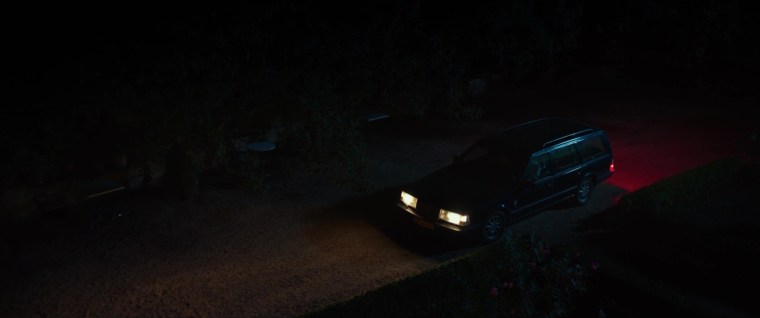
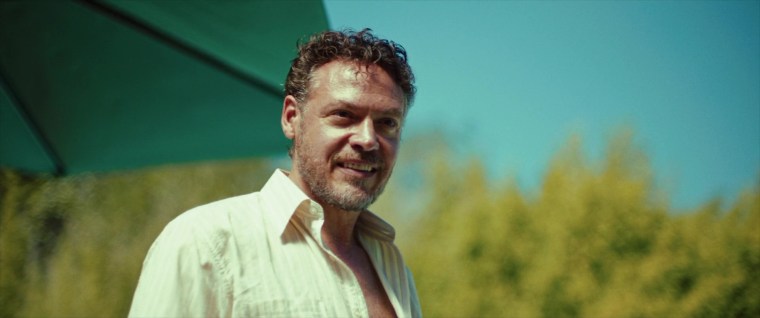
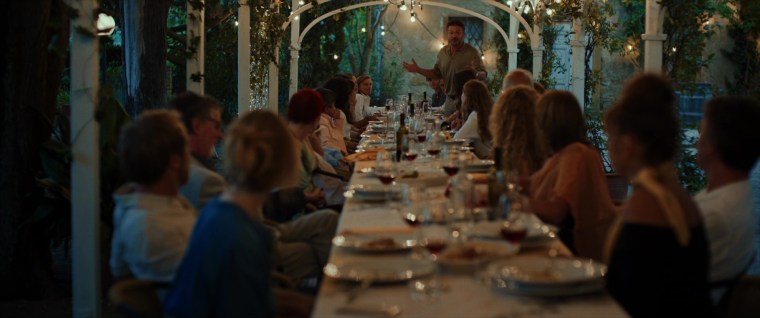
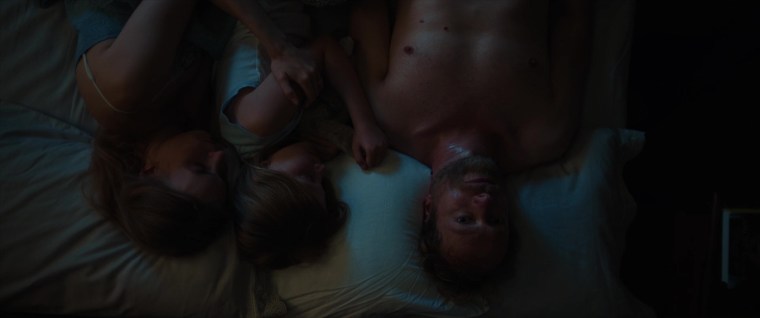
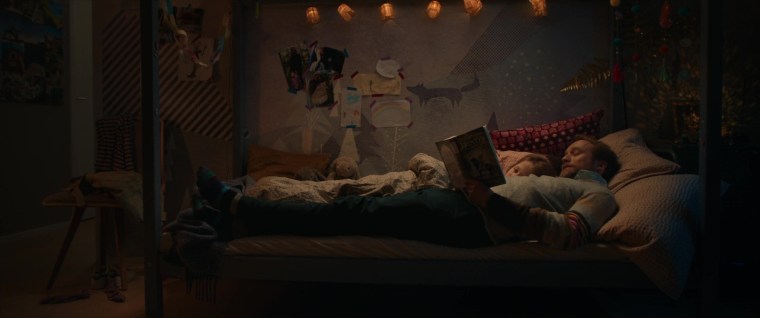
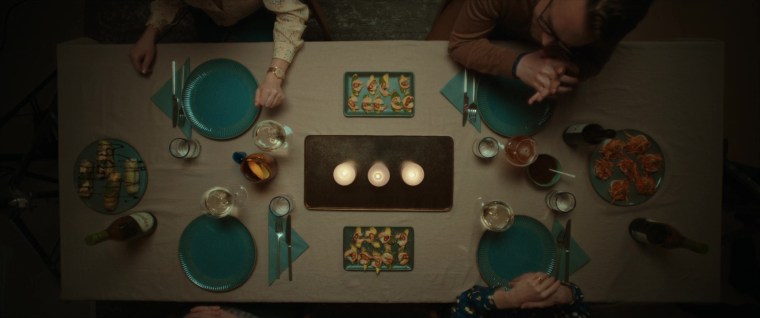
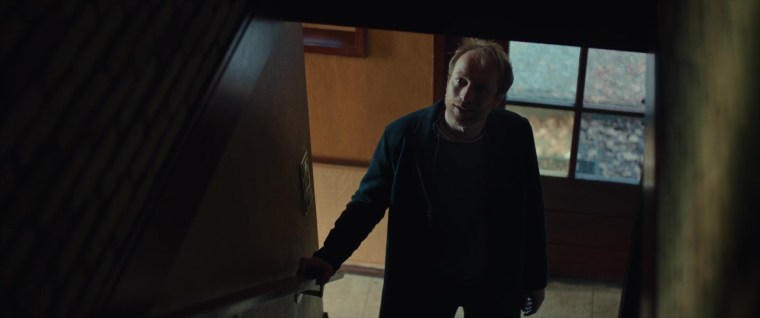
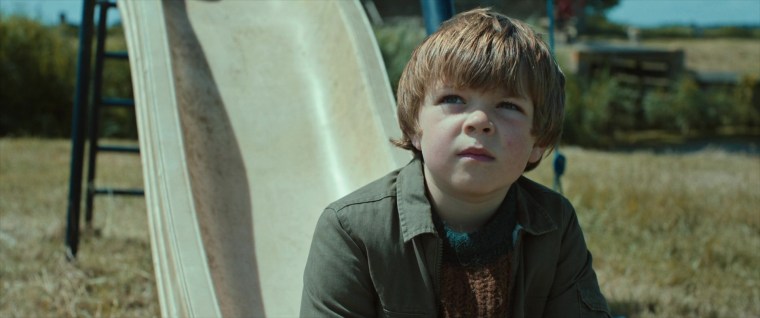
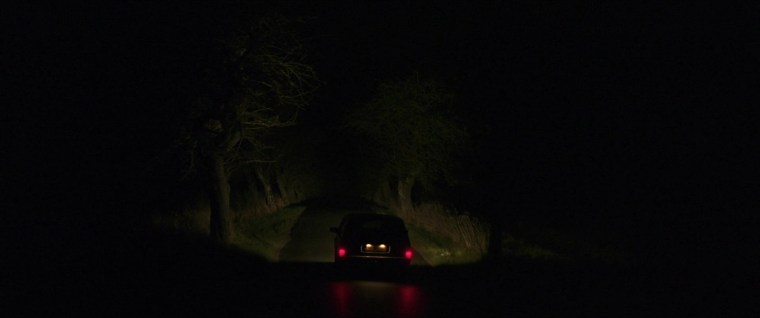
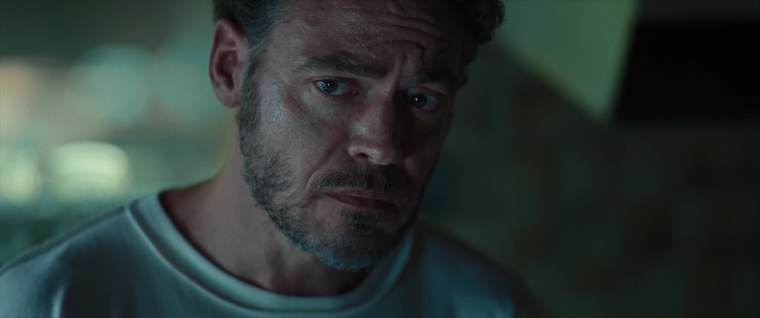
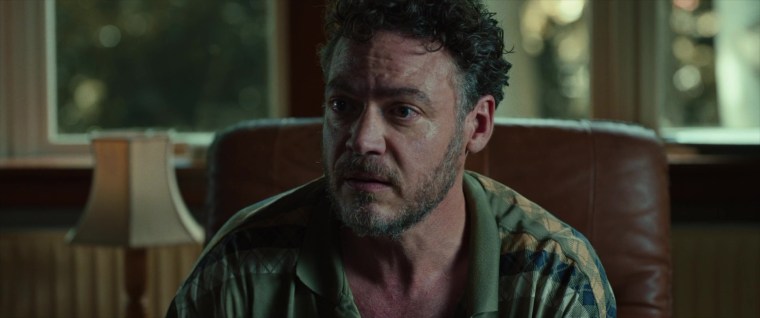
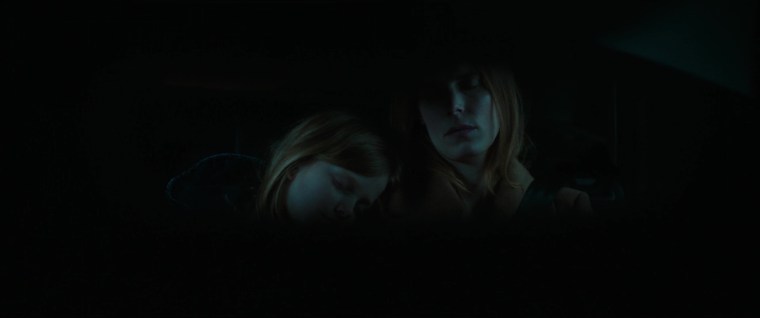
Frame Gallery #1
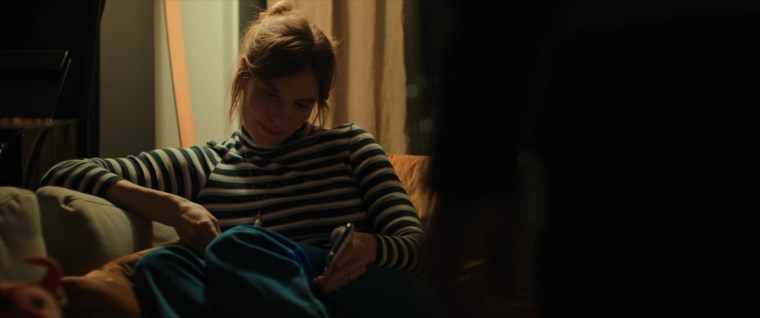
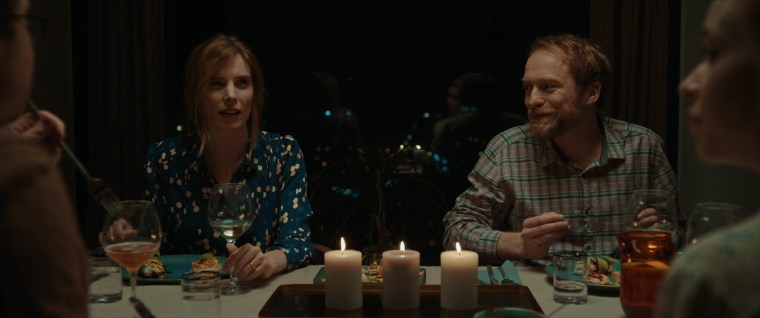
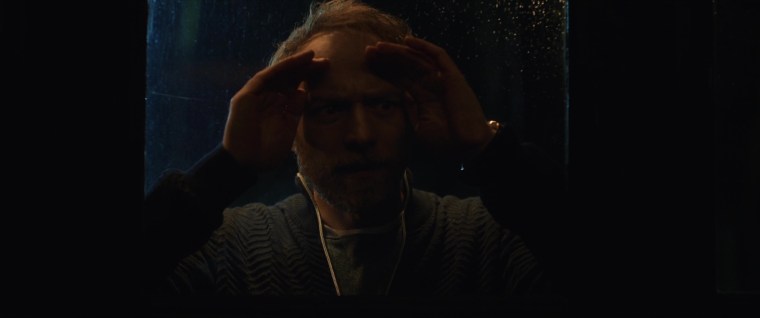
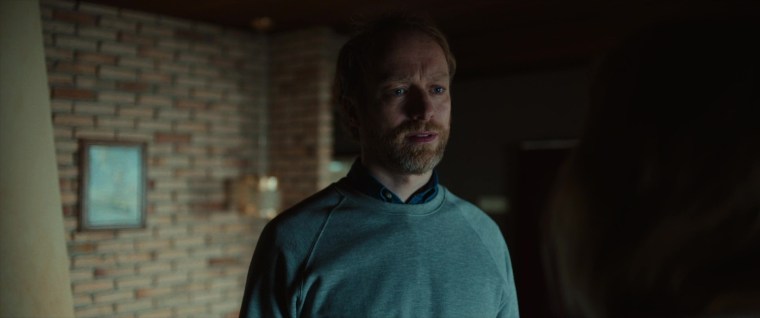
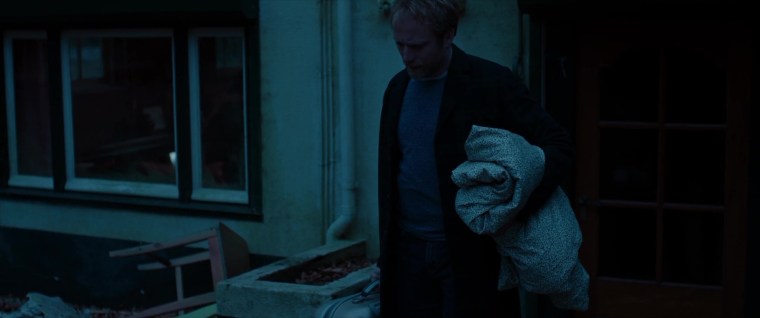
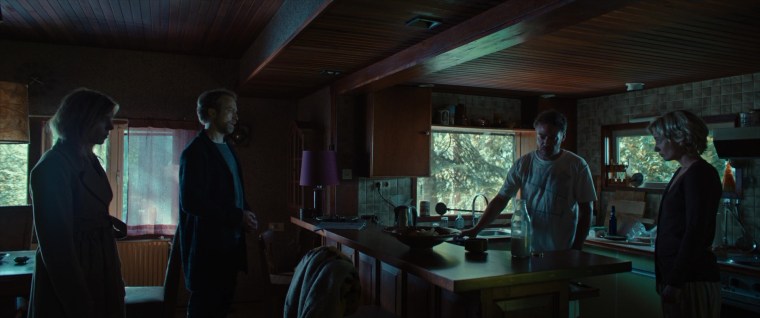
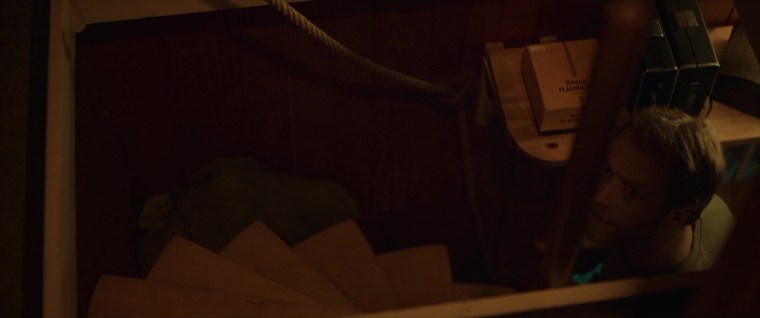
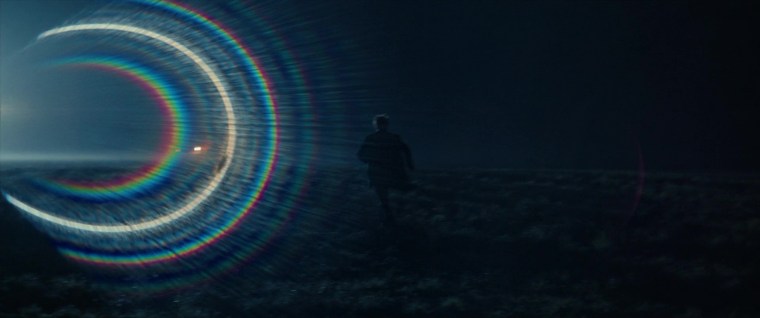
Frame Gallery #2
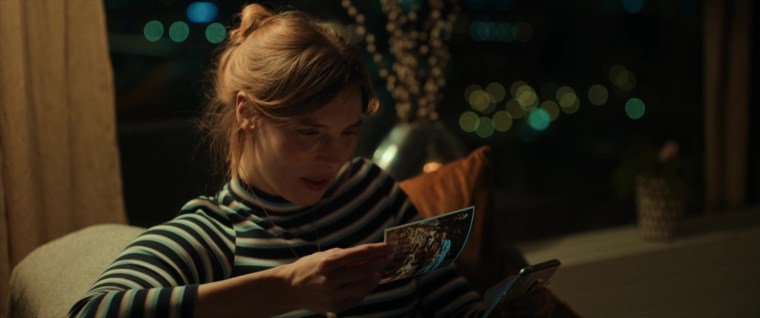
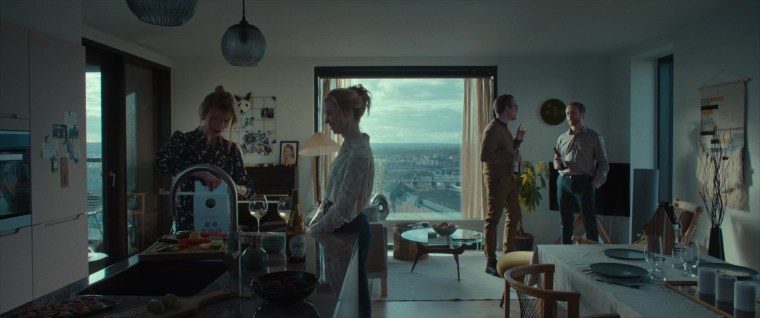
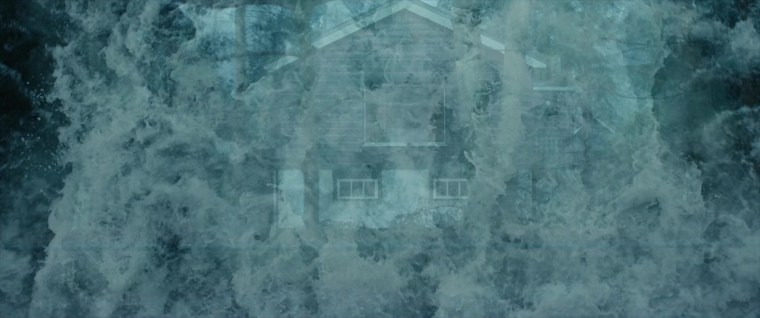
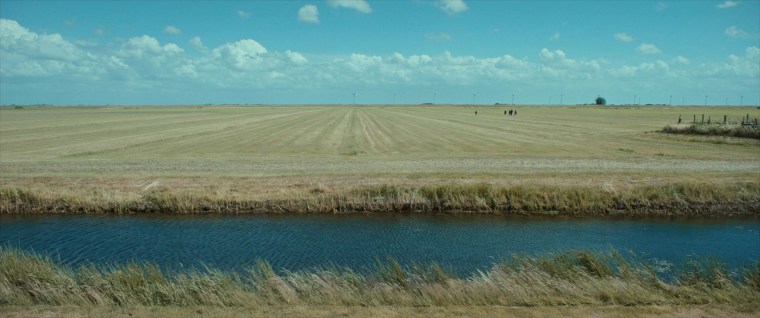
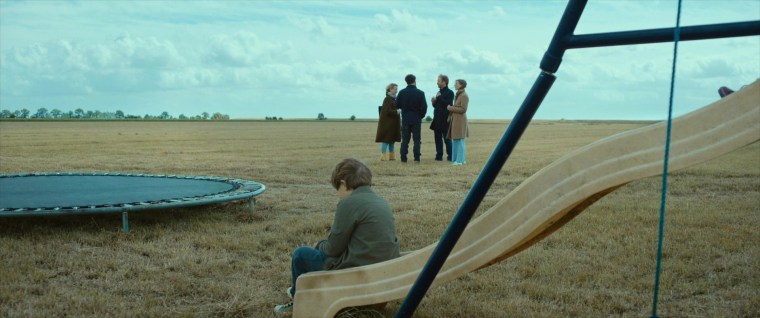
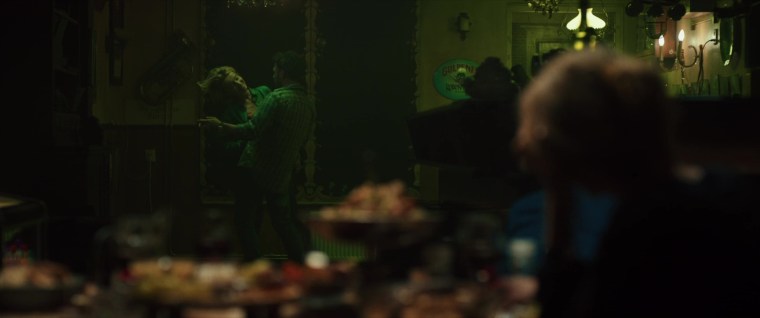
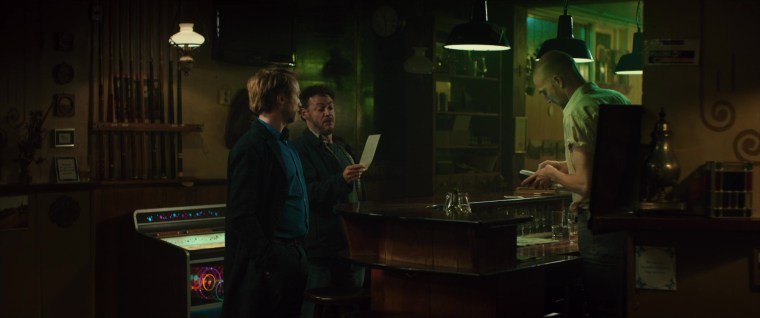
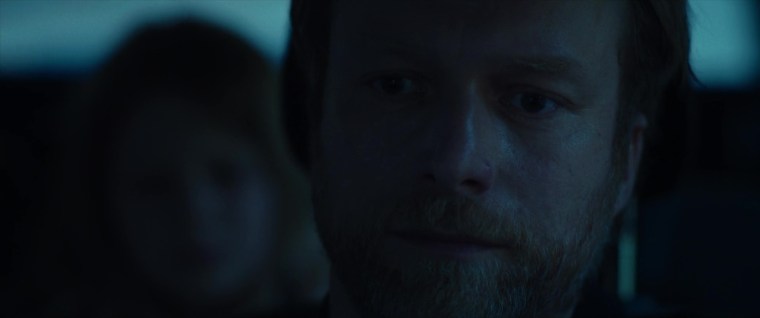
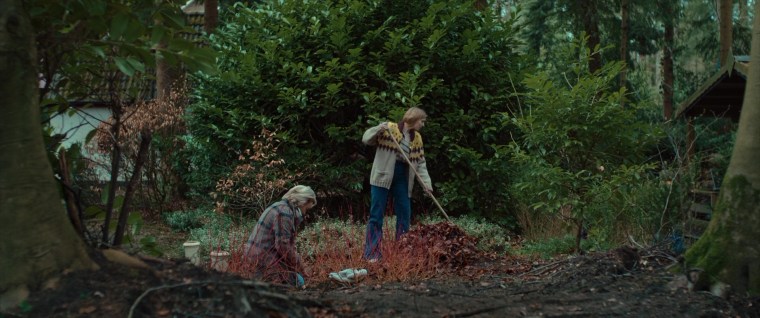
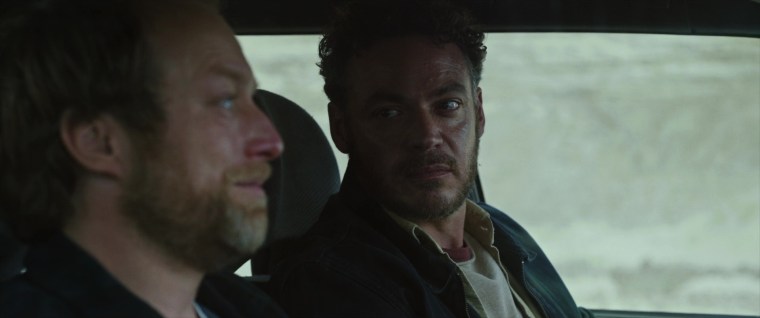
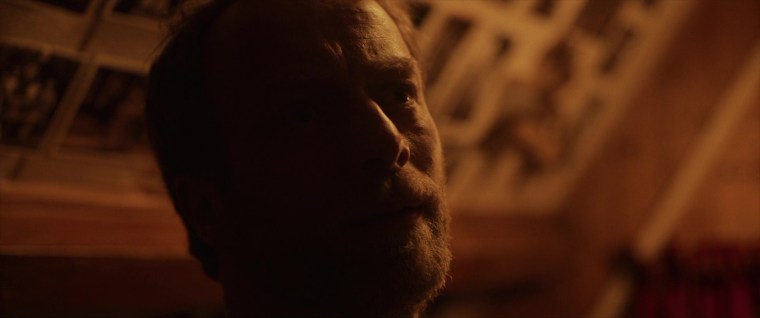
Frame Gallery #3
Quotes from director Christian Tafdrup
On shooting during Covid… “It took seven weeks to shoot the film, spread out over 12 months. We were stopped four times. To be honest, I did not know if I could finish the film. The house we shot (in) had to be torn down. The kids were growing up. Some actors had a fear of traveling. We had to shoot in the summer, but it had to look like winter. All the time, we had to exercise this patience, be mentally clear, and maintain our vision.” (1)
On the film resonating internationally… “What has surprised me, and been very pleasing, is that it’s a more global film than I’d anticipated. I once thought suppressing feelings and being dictated by social behavior was a very Scandinavian problem. Now that we’ve played in so many different parts of the world, it’s clear we’re all in conflict about how we should behave and what we really feel. That’s so human.” (1)
On the genesis of the project…
“I thought I should make a film about this simple idea. For a long time, I wondered if it could be a comedy about couples and misunderstandings, but that was too easy. I like to place myself in deep water, with genres I’m not familiar with, and the last thing I thought I should do was dare to make a horror film. I had not seen many horror films; the genre has clichés, and I was afraid of that. And yet, if you make a good horror film, you can raise the bar. Many horror films have flat characters and flat stories. They want to explain themselves, but they’re not about anything. I thought if I could combine a social satire and family drama with conventions of the horror genre, it would become more interesting. When I did that, the film opened up in my mind. It became darker, more radical—and about something. My brother and I ran this test, which can be helpful when you have an idea for a film. We said to each other, ‘What if this idea had been for a movie from South Korea?’ In South Korea, they dare to much to mix genres; their films can be slapstick, crime, and horror. We asked what this idea would look like; it’s a good exercise to do when you start fleshing out an idea, not to make it the most obvious. Then, we shook hands and made a promise: ‘Let’s do the most disturbing film ever in Danish cinema.’
Danish cinema is great, but also very neat and pleasing sometimes. We have Lars von Trier, of course, but besides him people largely stay in their comfort zones. Speak No Evil was a way to challenge myself and the industry in Denmark. To have an ending without any hope. To disturb the audience instead of letting them go home feeling nice. To create a physical experience that stays in your body for weeks.” (1)
On what scares him…
“Actors said no to castings because they thought the last 20 pages were just too much, and many people asked me to rewrite that. I tried to rewrite it with more hope in the end, and then it just became a bad American horror film. That’s not the premise of this film. But it’s disturbing in a way you’re not expecting. It’s not a horror film with a lot of jump scares or supernatural elements or blood or violence. I think it’s more psychological and maybe more intimate because it deals with something we can all experience. I mean, I’m not afraid of ghosts, but I’m afraid of something that wants to do harm to my family.” (2)
On differentiating the film’s three settings…
“We decided Italy should be heaven, Denmark should be limbo, and Holland should be pure hell.” (1)















































 deep fried movies