Year – 1963 Decades – 1960s Director – Mario Bava Cinematographer – Mario Bava Genre – Horror Keywords – Giallo; 1960s Horror; Italian Horror; Italian Films Studio – American International […]
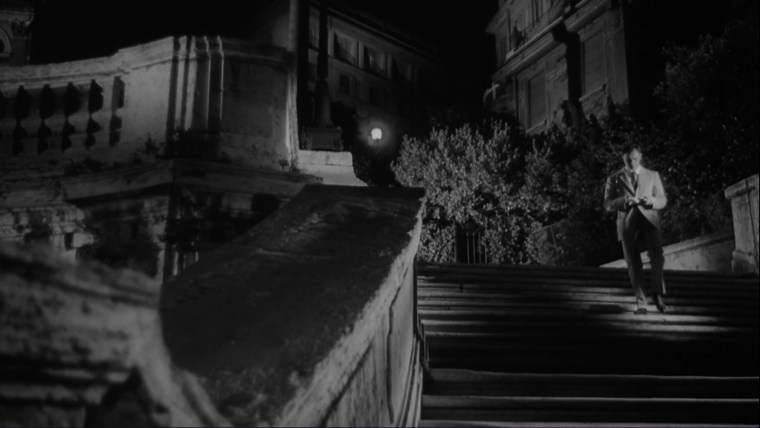
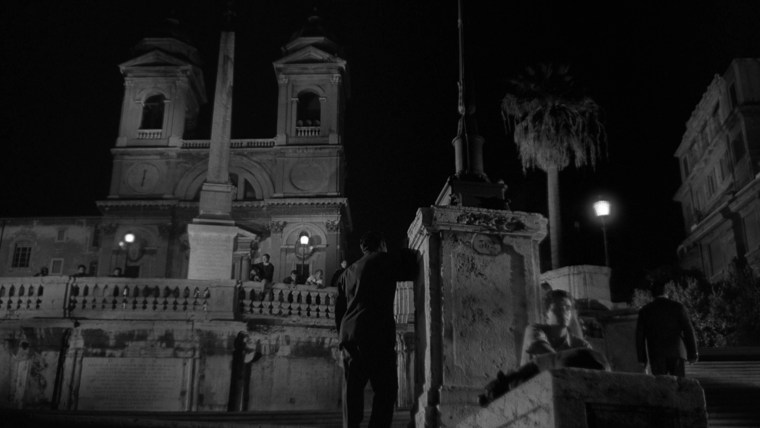
The Movie While vacationing in Rome, an American with a fondness for macabre mystery novels (Letícia Román) attempts to solve a murder after seeing a woman stabbed to death on the Spanish Steps. Though many of the subgenre’s trappings wouldn’t be codified until Bava’s Blood and Black Lace the following year, The Evil Eye is considered to be the first “giallo,” a series of Italian mystery/horror hybrids that take their name from the yellow covers of the country’s pulp novels. Compared to the stylized bloodletting in many of the later entries, The Evil Eye is beyond tame. It’s practically gore free and most of the violence takes place off-screen. There’s also a jarring undercurrent of humor and romance, particularly in the American version, which was recut, rescored and retitled by American International Pictures into a cross-pollination between Hitchcock and Roman Holiday. That said, the pleasure of watching Mario Bava work in black and white is worth sitting through a travelogue montage of John Saxon’s amorous Italian doctor wooing Román while taking in the city’s sights.
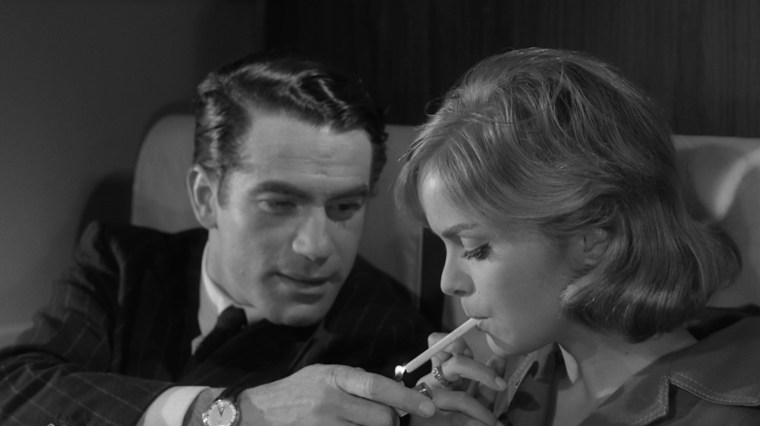
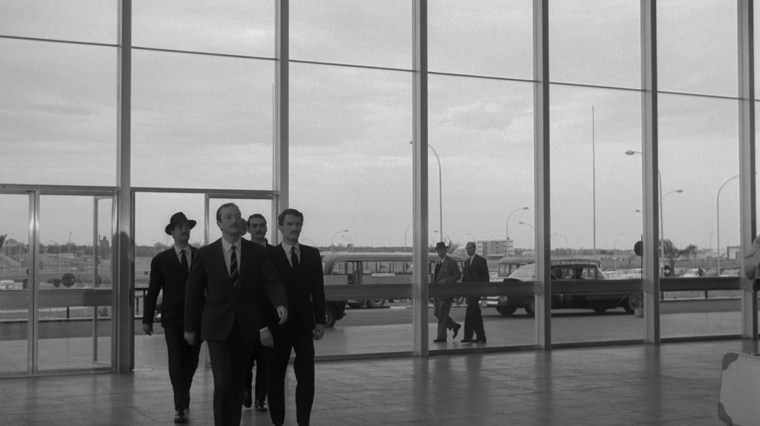
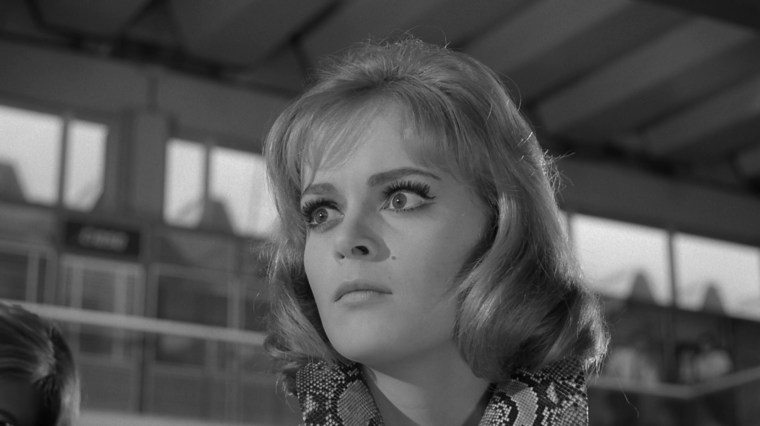
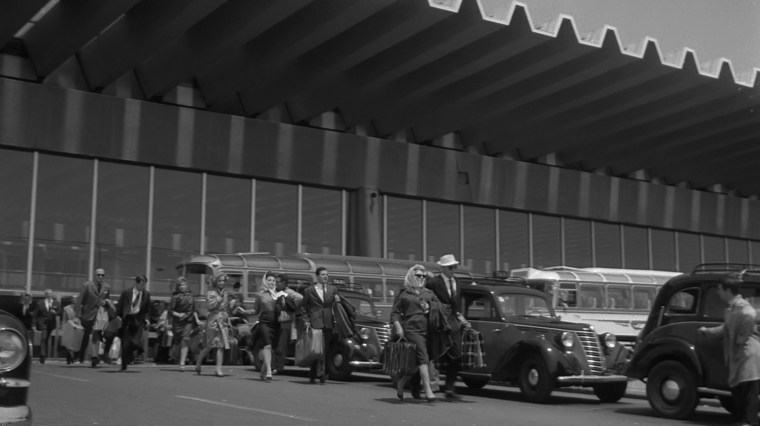
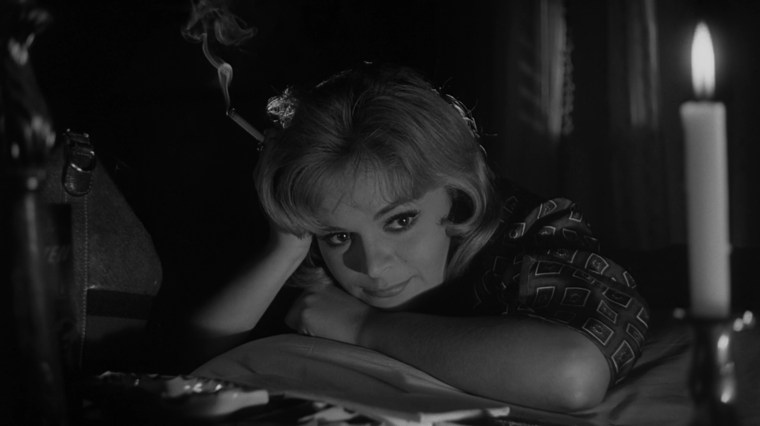
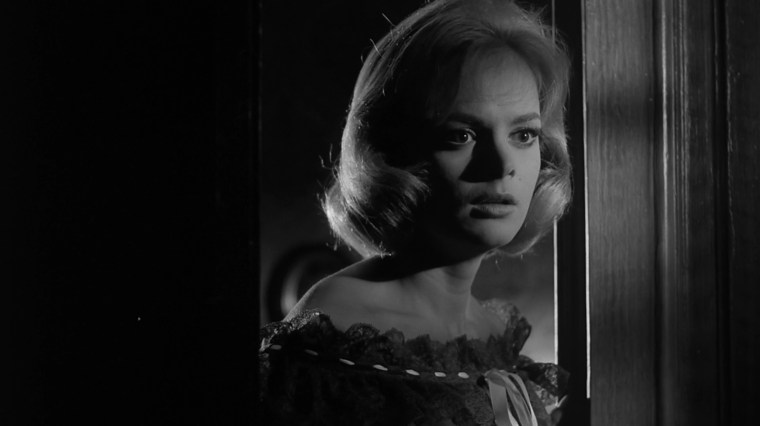
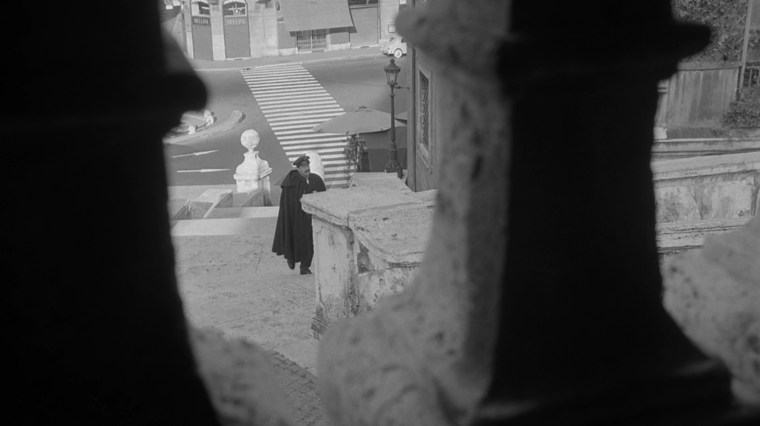
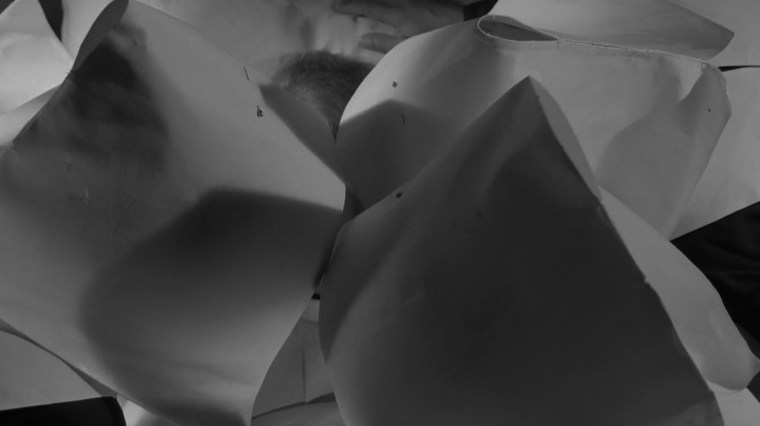
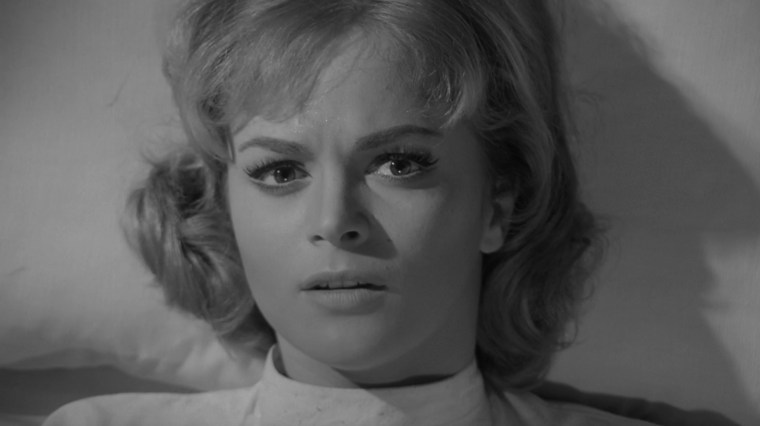
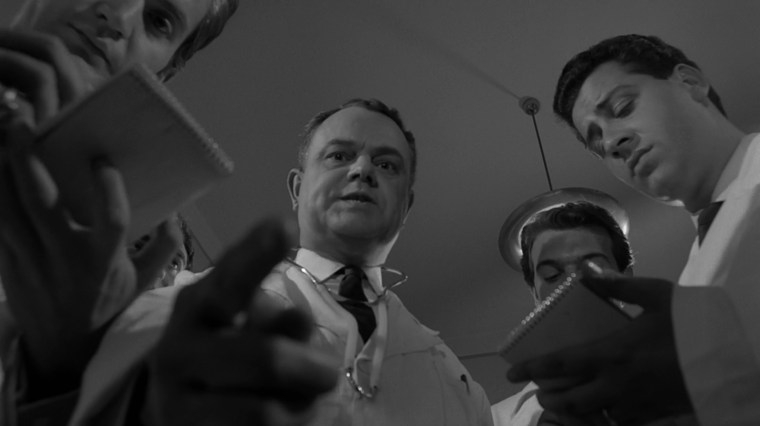
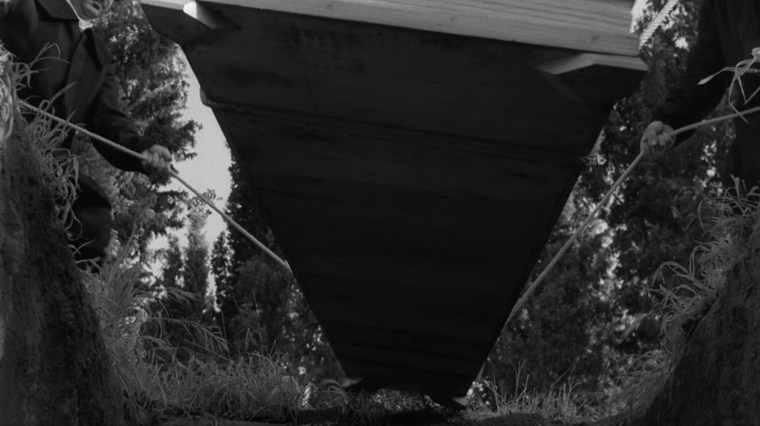
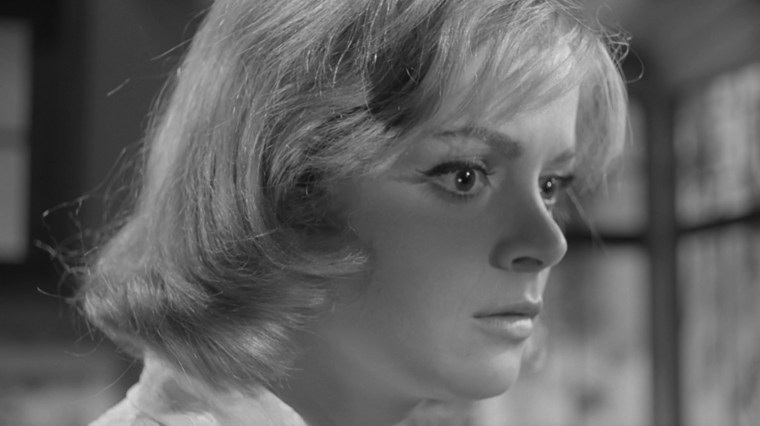
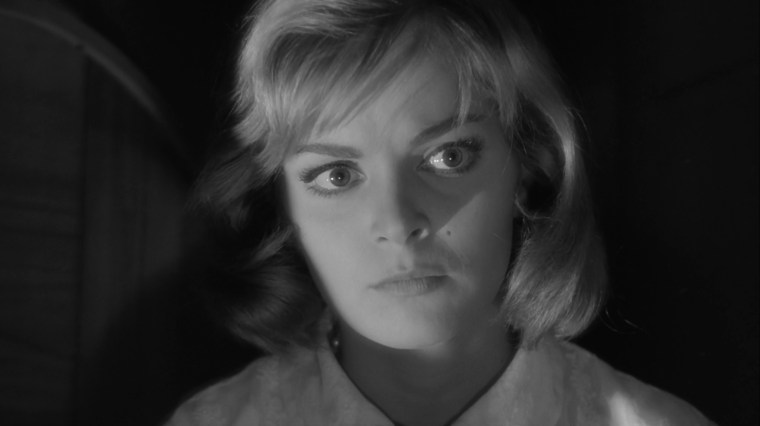
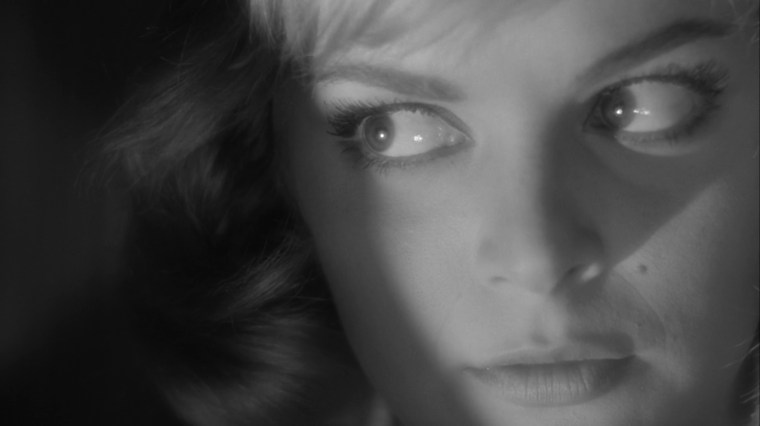
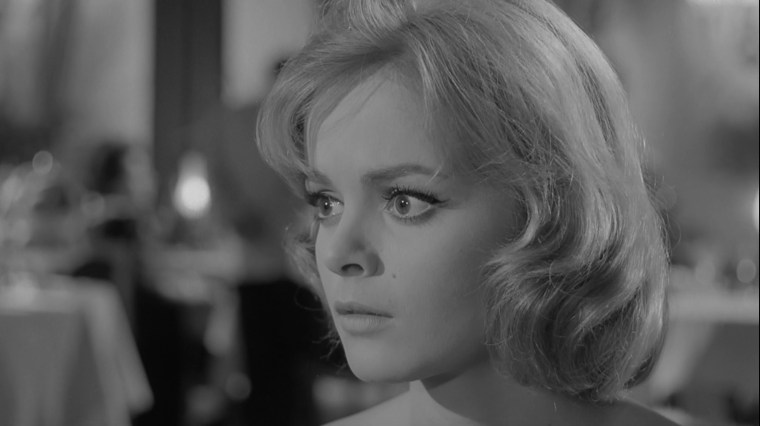
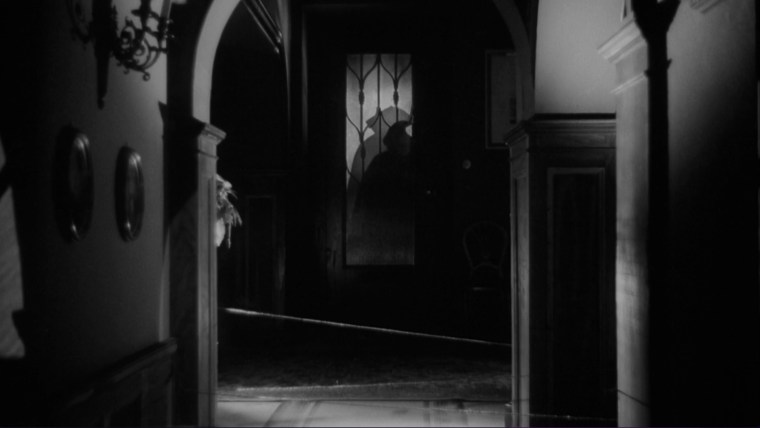
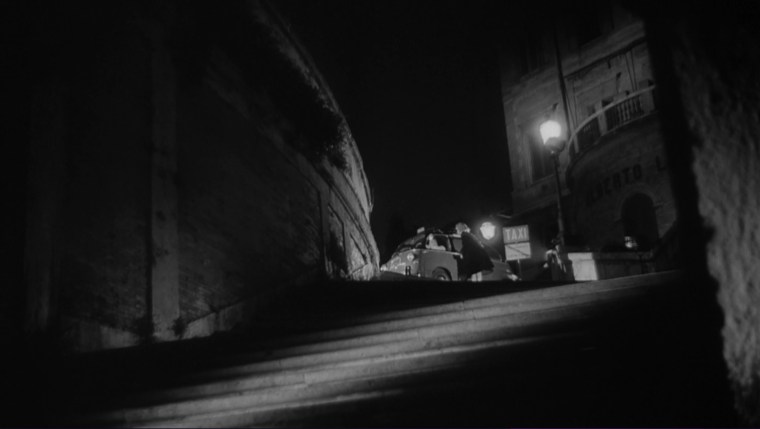
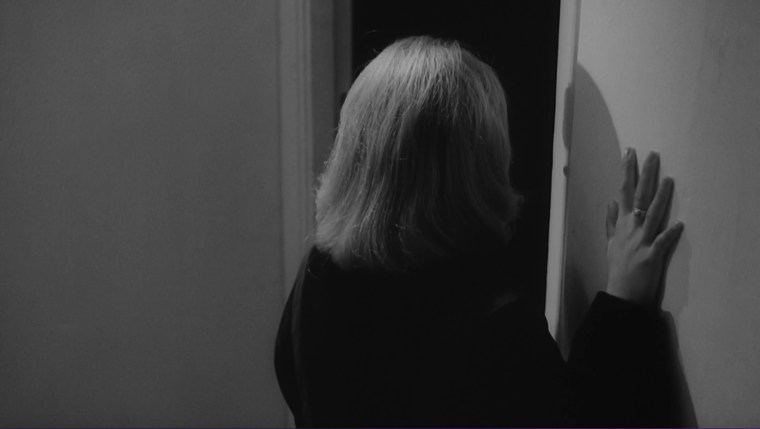
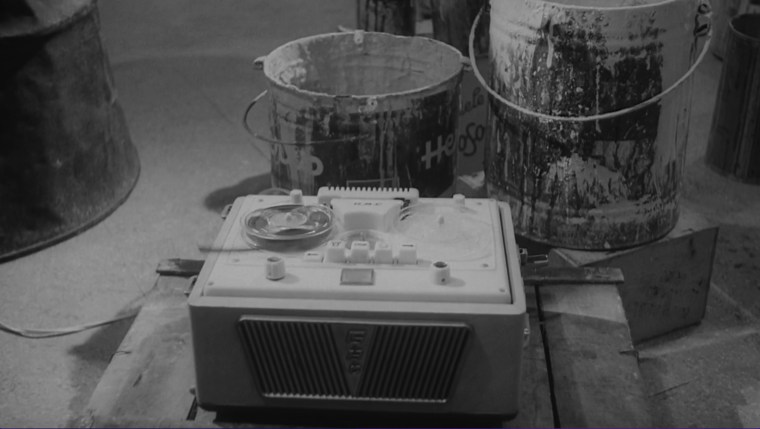
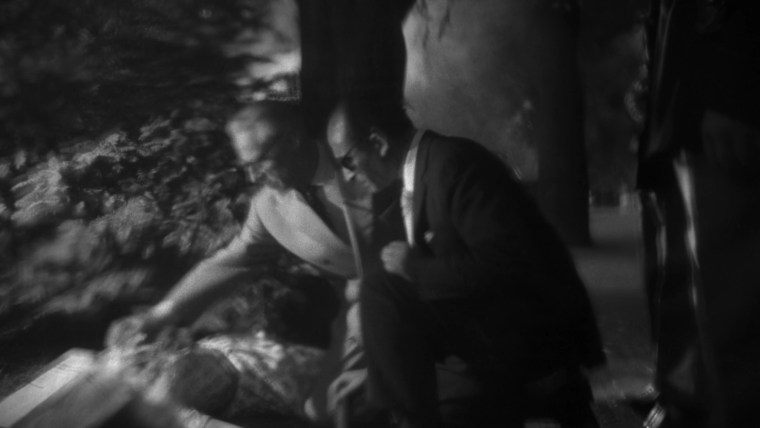
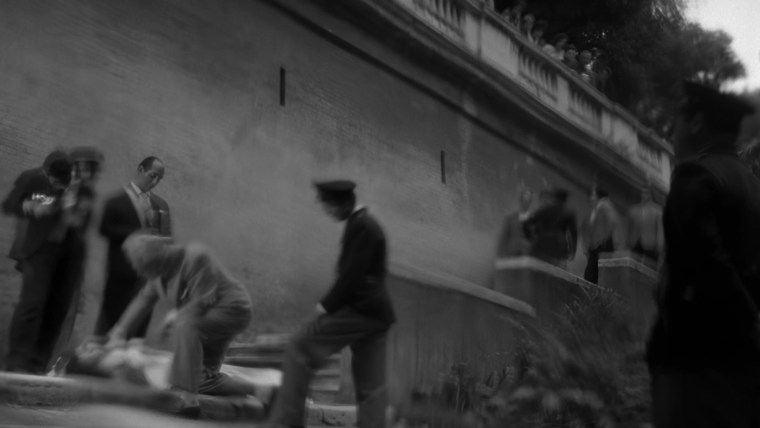
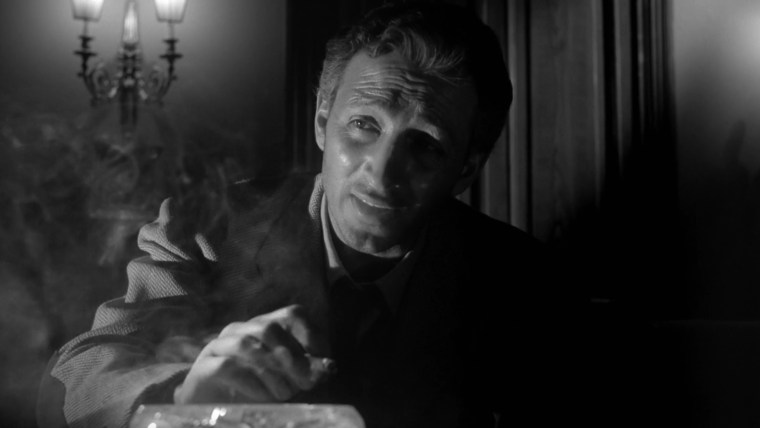
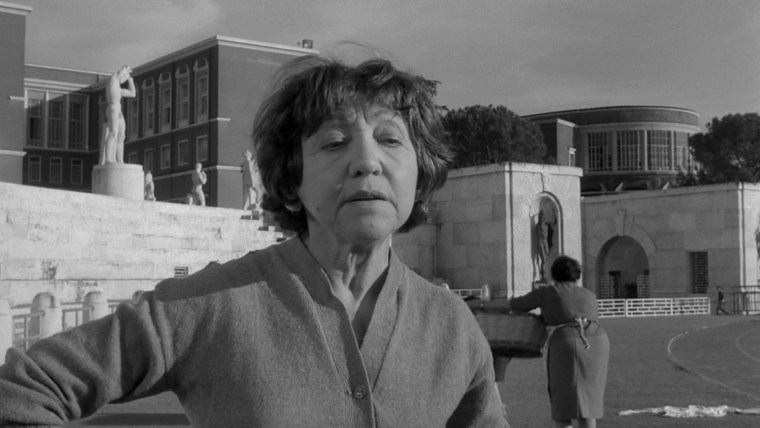
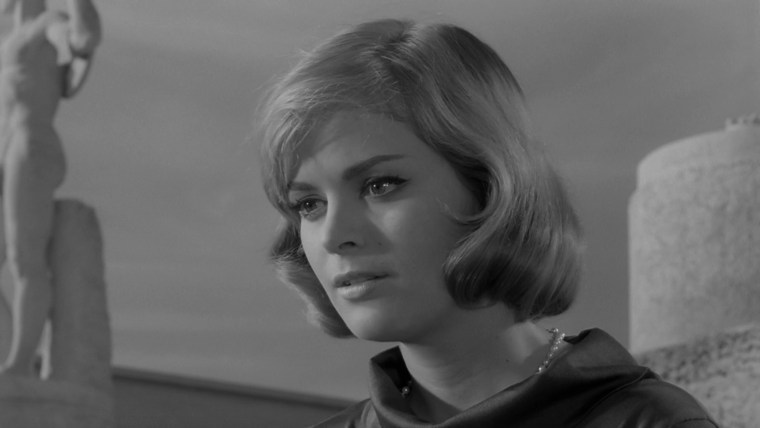
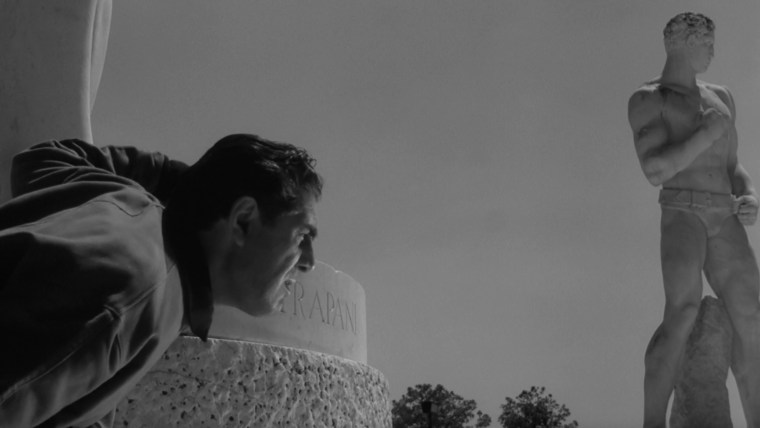
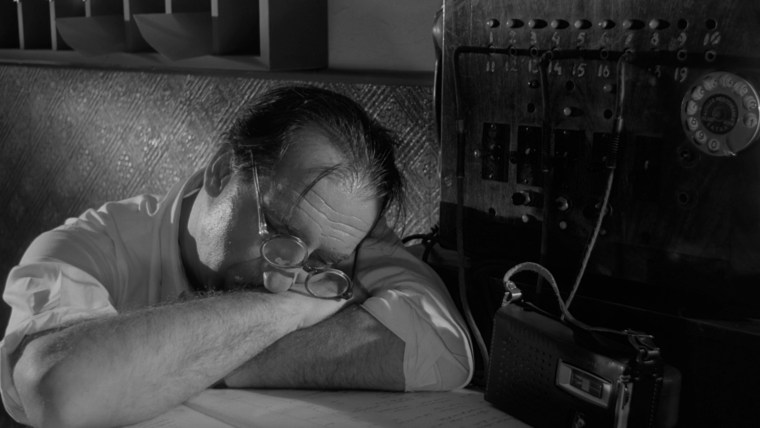
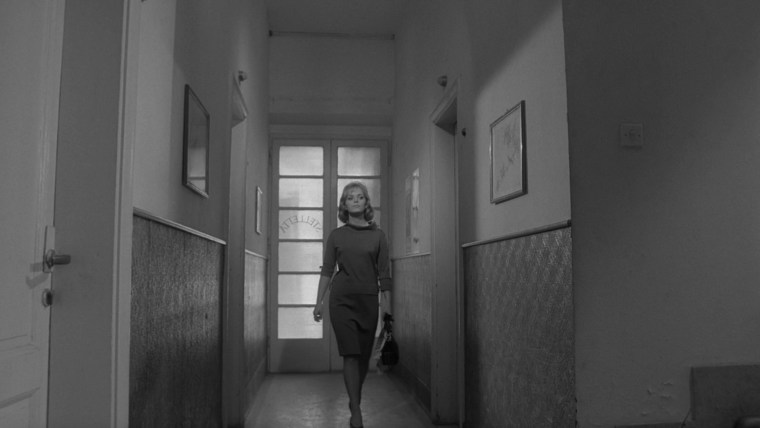
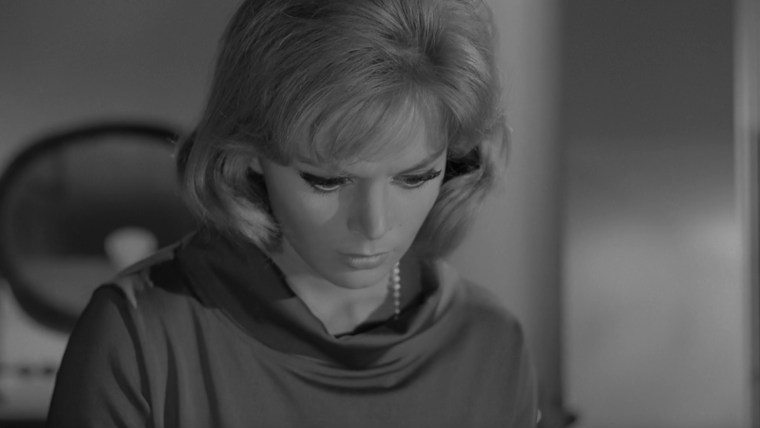
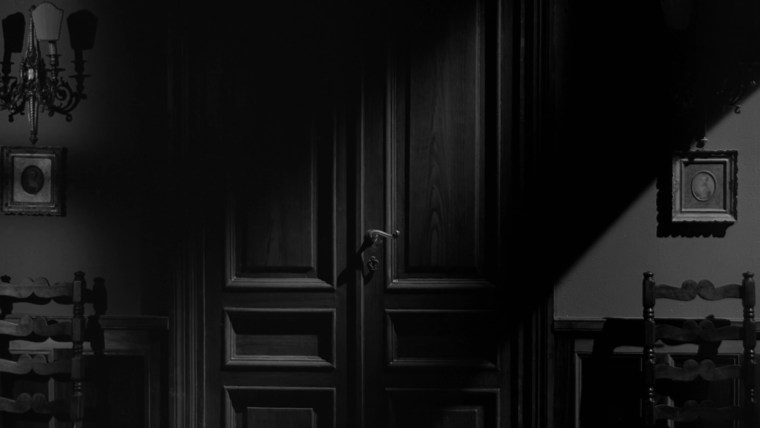
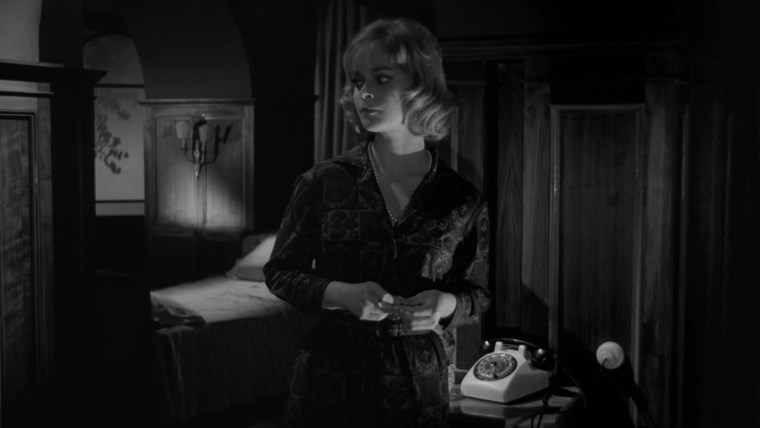
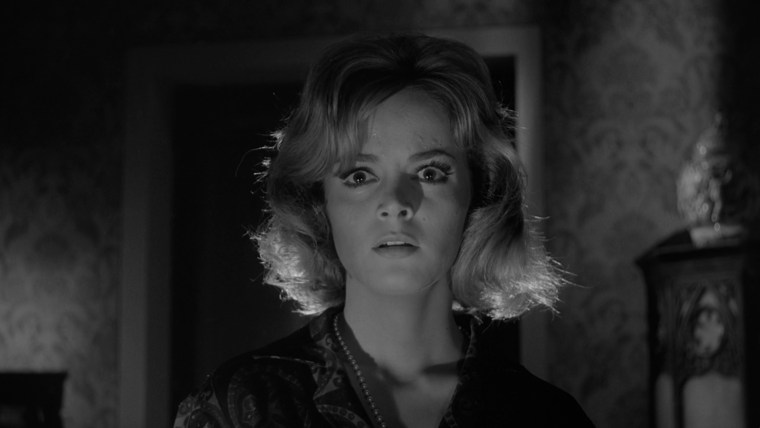
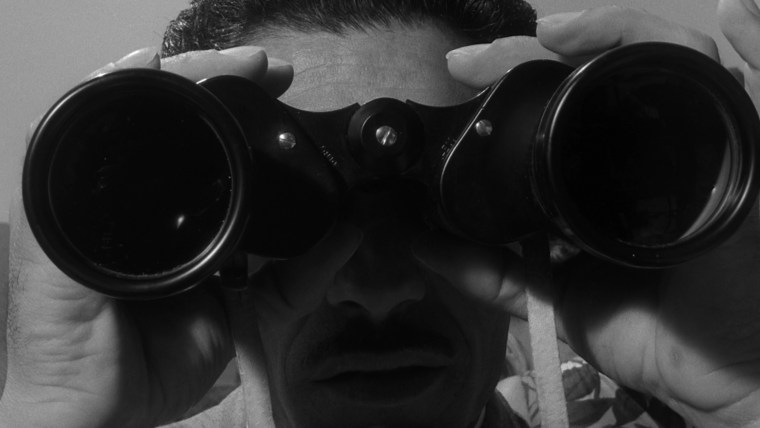
Frame Gallery #1
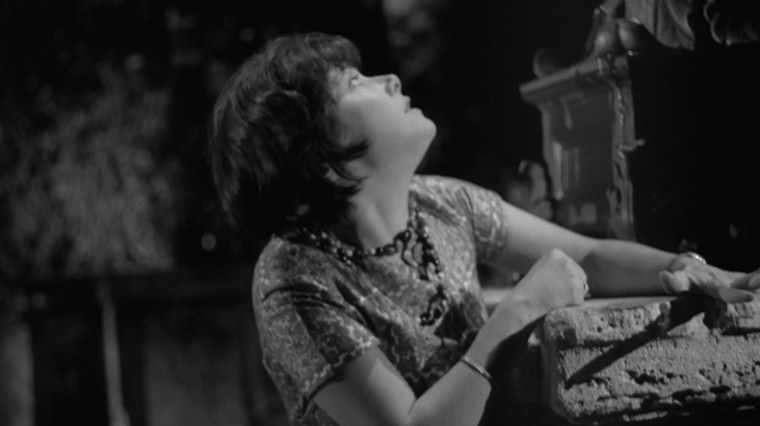
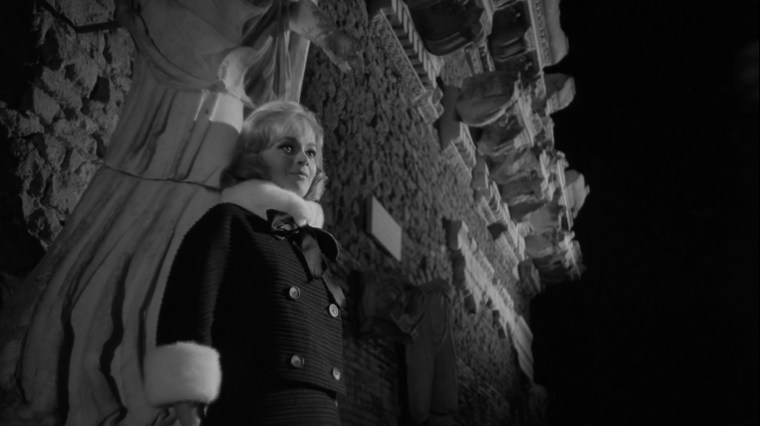
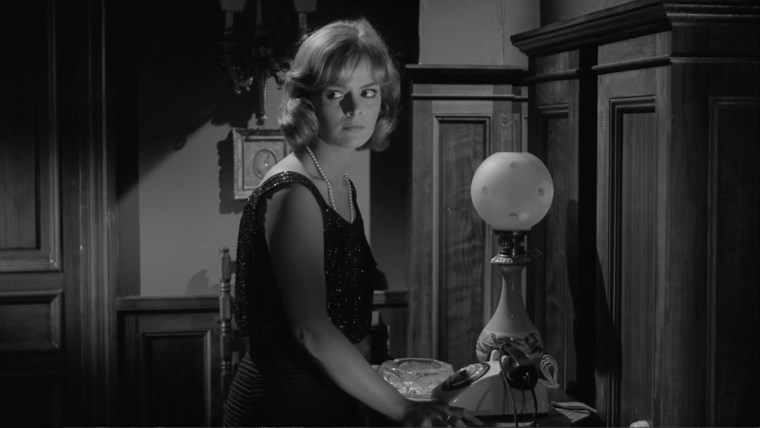
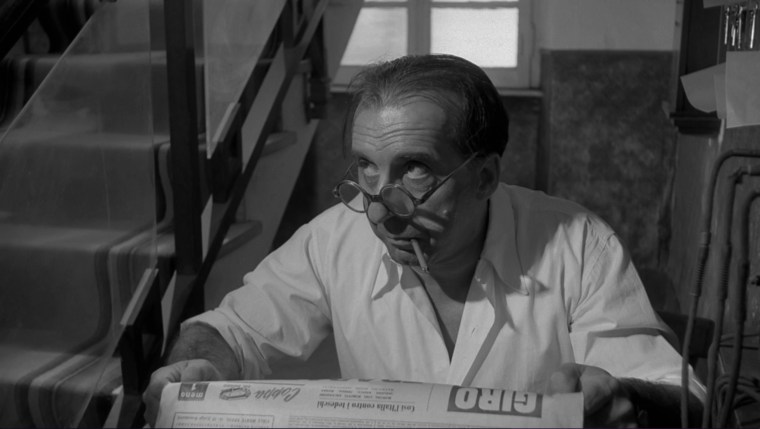
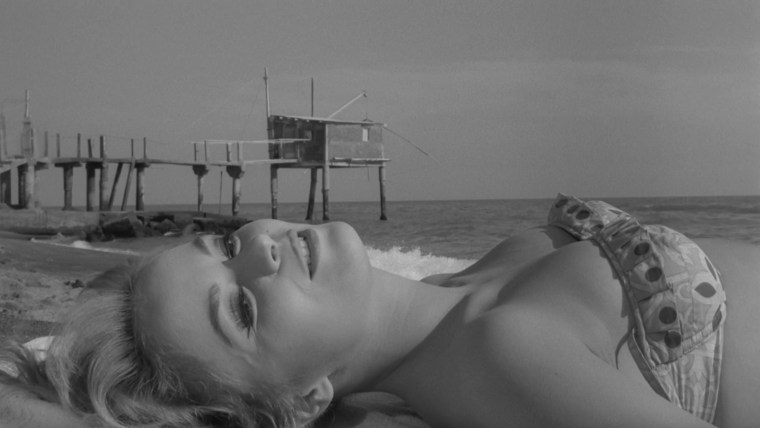
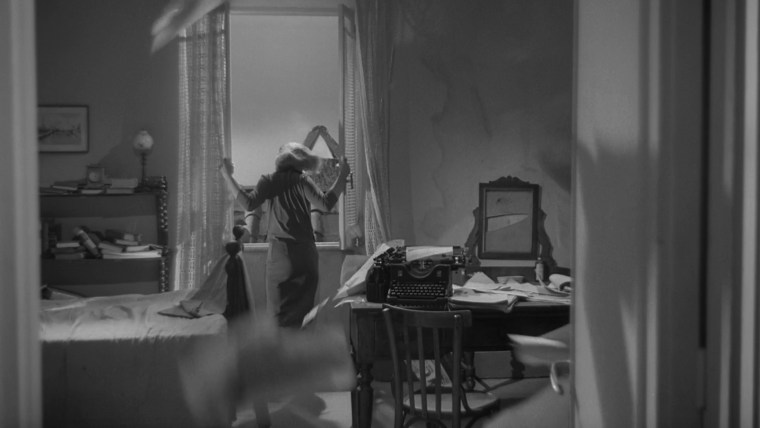
Frame Gallery #2
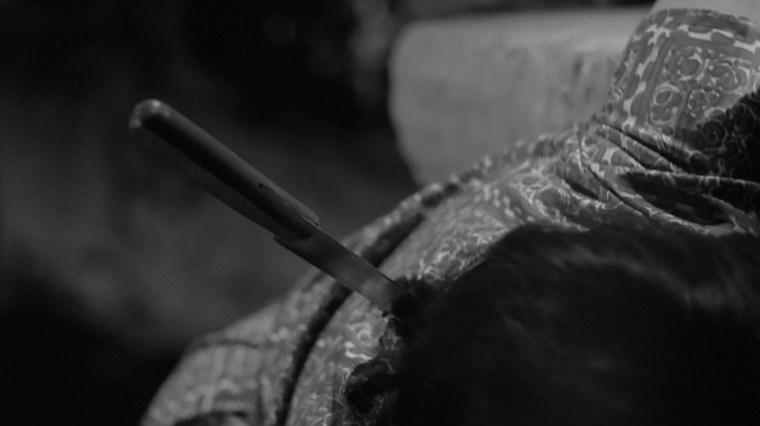
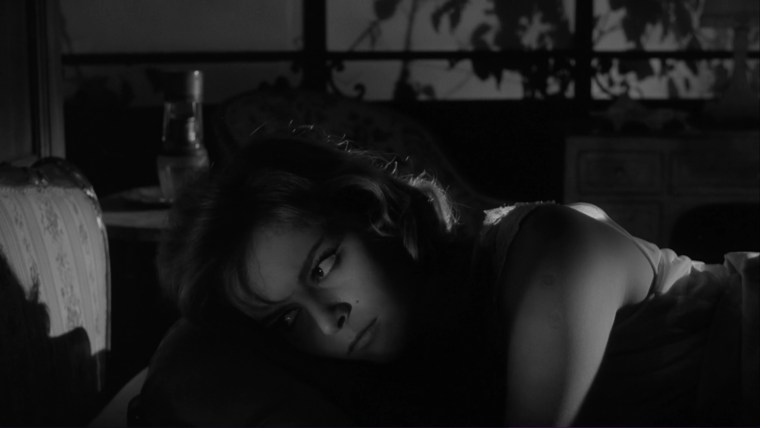
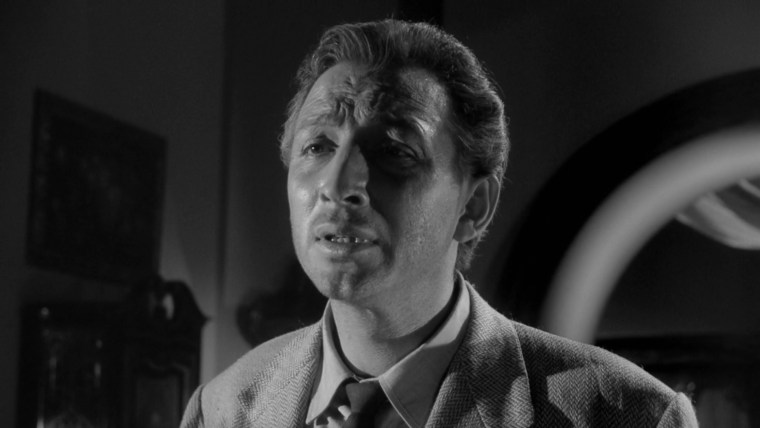
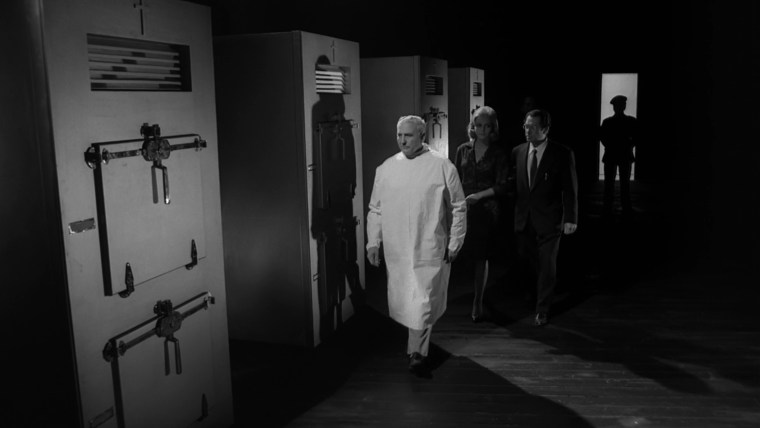
Frame Gallery #3
***Spoilers***
Annotations
John Saxon, who plays a doctor romantically pursuing Letícia Román, on his experience on the film…
“The first time I went to Italy was in 1958; after having worked in Paris, I wanted to go visit Italy. I wanted to see what the country of my parents was like. Then in 1962, my contract had ended with Universal and I got an offer to do a film in Italy. I thought, ‘Hey, this is great.’ I went there and I didn’t know what the hell to expect, or what it was really all about. I did not know who Mario Bava was. It was a hell of a different experience and a lot of fun. It was working in Italy in the sixties, that La Dolce Vita period. There was the recuperation after the war. People were beginning to feel good again, be outgoing and expansive again. It was a time to feel alive, it was fun, it was cheap to live, it was like a playground and so was working on films. They did not have the production mentality of America yet, where if you finished by 4pm you began the next day’s work. In Italy, if you finished work at 4pm, everybody went home.” – From Tales from the Cult Film Trenches by Louis Paul
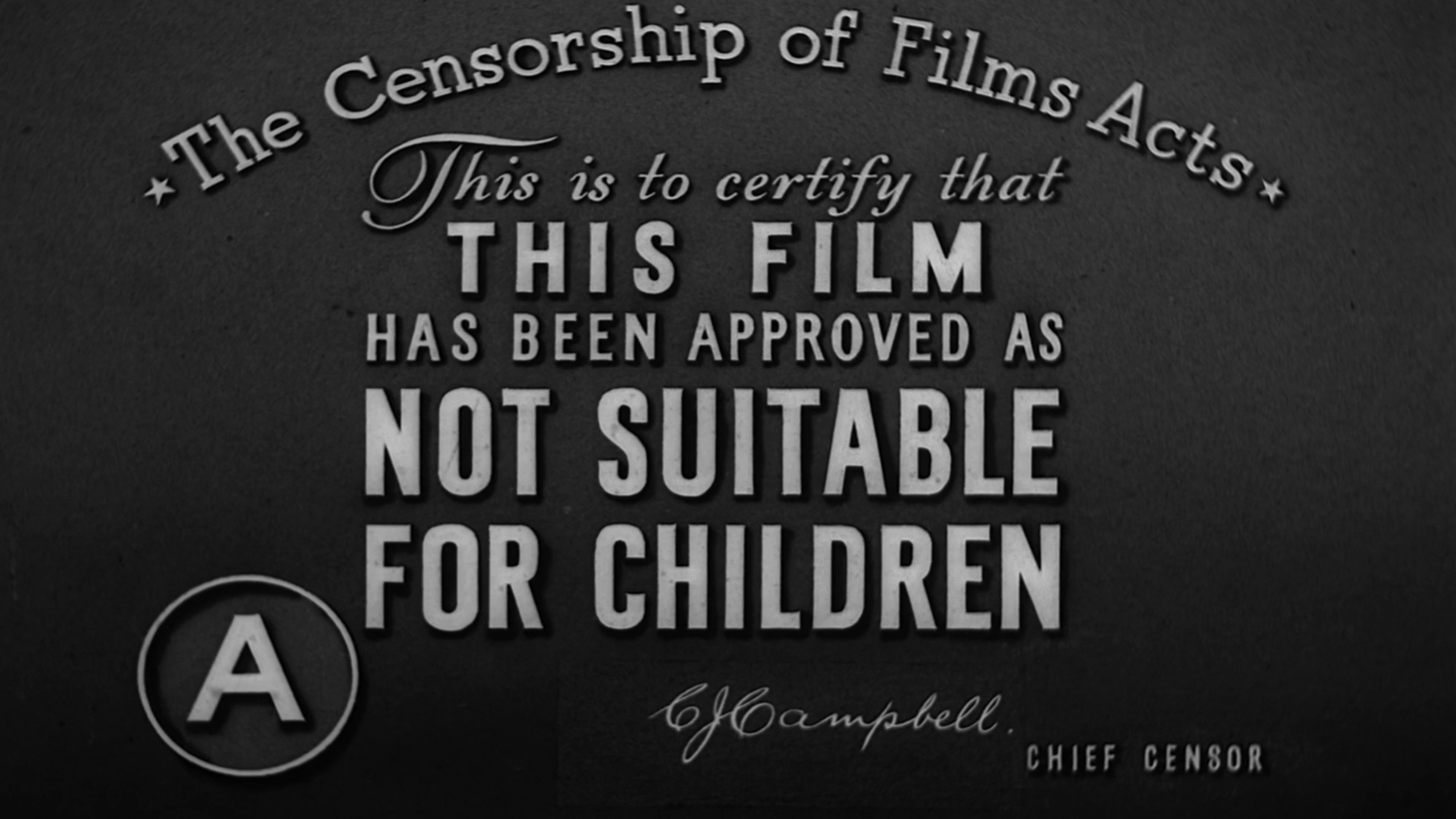
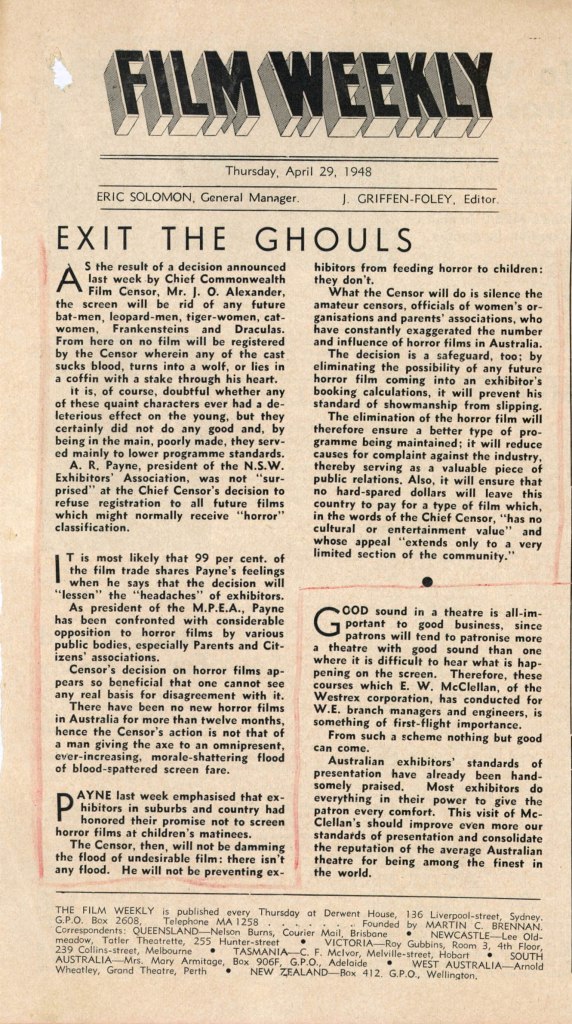
The Evil Eye’s Australian ratings certificate bears the name of Chief Censor C.J. Campbell, who held the post from 1957 to 1964. His predecessor J.O. Alexander banned most horror films from playing in the country in 1948, an embargo that officially lasted until 1968. I’m not sure if The Evil Eye slipped in during the more lenient waning days of that ban or if its first Australian release came after 1968.
Here are the ban proclamation from Alexander and a contemporary story from the Australian trade Film Weekly, via the National Archives of Australia. Alexander describes horror films as having “…no cultural or entertainment value and its appeal extend only to a very limited section of the community, a section whose mental outlook should not be fed with films of this nature. In addition, such films are a source of potential danger to women in a delicate state of health.”
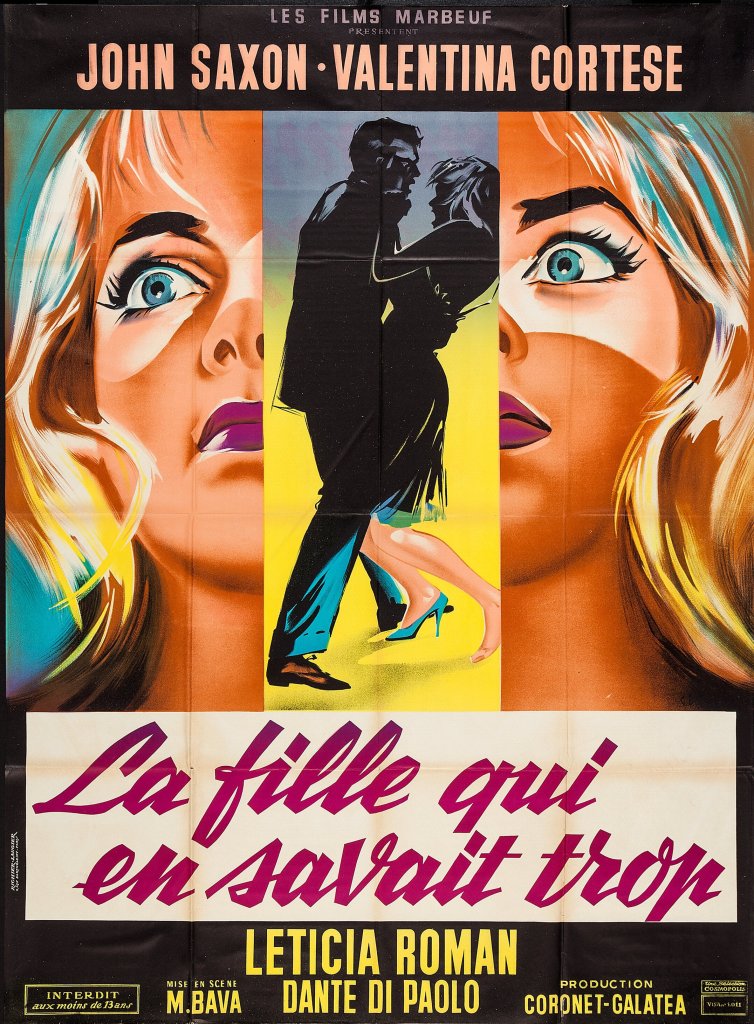
Posters
The film’s U.S. and French release posters, the latter painted by the great Constantin Belinsky under the original title The Girl Who Knew Too Much.




























































 deep fried movies