
Frame By Frame
Frame By Frame – Saint Maud (2019)
Year – 2019 Decade – 2010s Director – Rose Glass Cinematographer – Ben Fordesman Genre – Horror Keywords – British Horror; 2010s Horror; British Films Studio – A24 Filming Locations […]
Year – 2019 Decade – 2010s Director – Rose Glass Cinematographer – Ben Fordesman Genre – Horror Keywords – British Horror; 2010s Horror; British Films Studio – A24 Filming Locations […]
Year – 2019
Decade – 2010s
Director – Rose Glass
Cinematographer – Ben Fordesman
Genre – Horror
Keywords – British Horror; 2010s Horror; British Films
Studio – A24
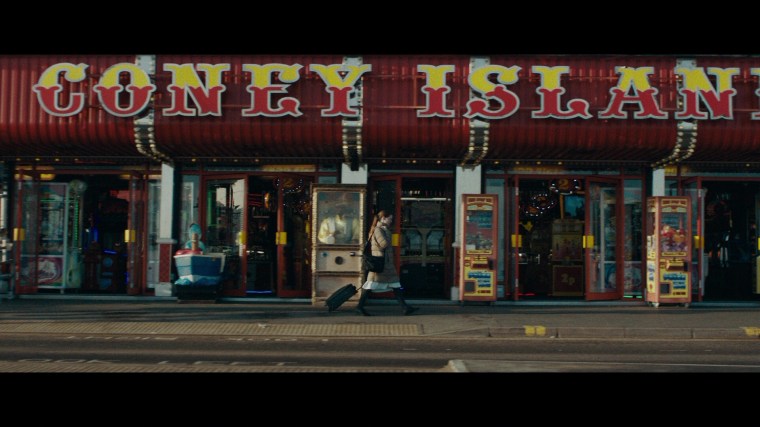
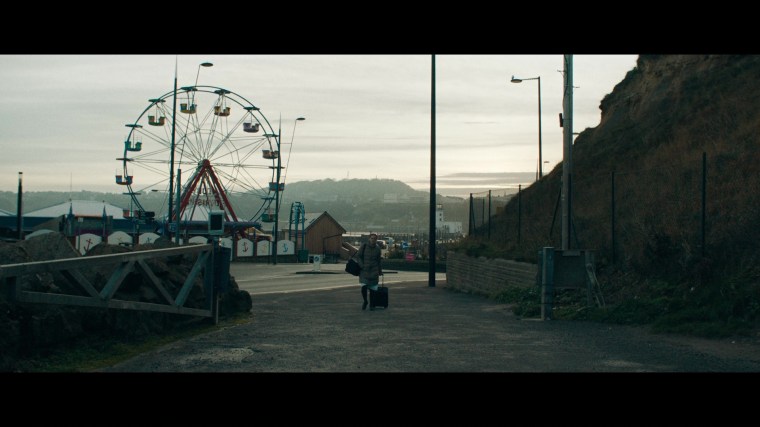
Filming Locations – Exteriors were shot in the northern English coastal town of Scarborough, North Yorkshire; Interiors were shot in London
Shoot Length – 5 weeks (4 weeks of principal and a week of additional shooting mid-post)
Aspect Ratio – 2.39
Camera – Arri Alexa Mini
Lenses – Canon K35
Also check out the archive’s collection of frames sorted by category.
The Movie
After turning to God following a traumatic work experience, a hospice nurse (the titular Maud, played by Morfydd Clark) in a British seaside town is determined to save the soul of her latest patient (terminally ill American choreographer Amanda, played by Jennifer Ehle).
The debut film for both writer/director Rose Glass and cinematographer Ben Fordesman, who reteamed on the American-set neo noir Love Lies Bleeding.
“Religion is still taking on the big questions of why we’re here, what’s the meaning of life, what’s it all for, what’s going to happen to us afterward, how to live… the enormity of those questions in the face of the chaos of life is quite daunting stuff. So, it all taps into fairly existential fears. It probably all boils down to being afraid of dying, or being afraid that life has no meaning. That’s the stuff that I’m scared of…” – Rose Glass (#1)


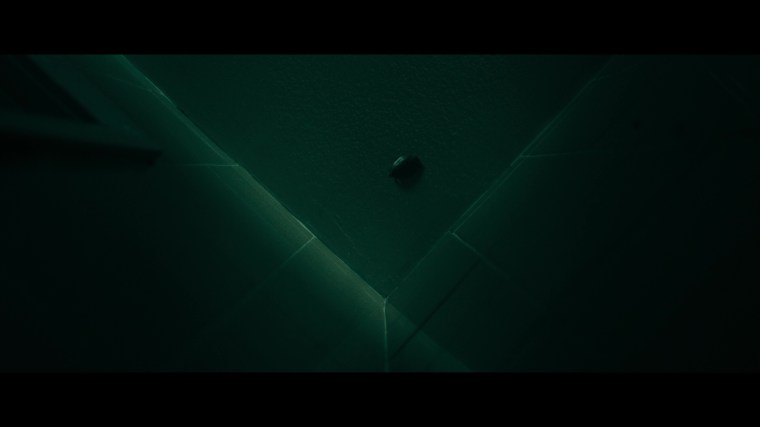


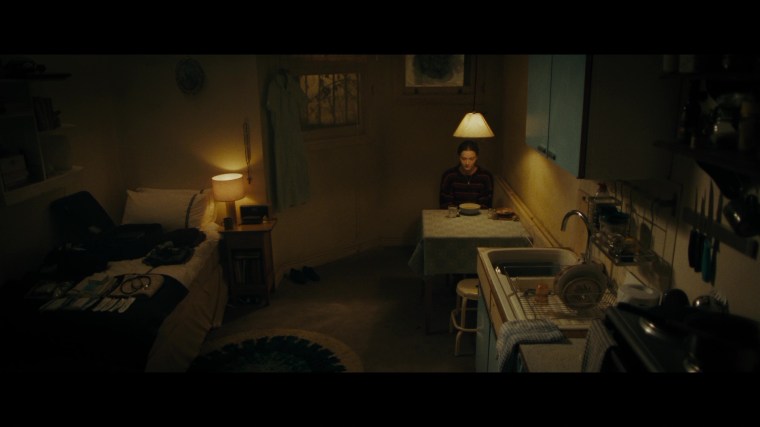

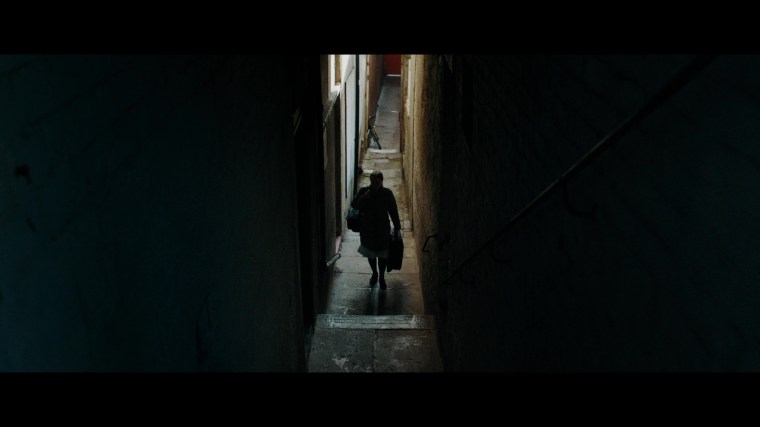

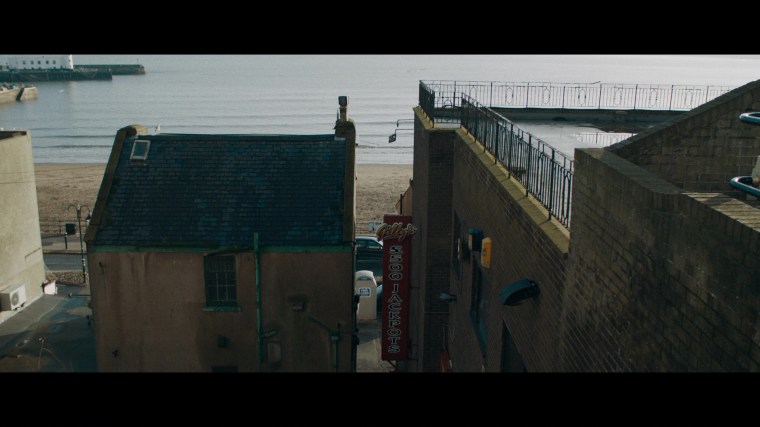
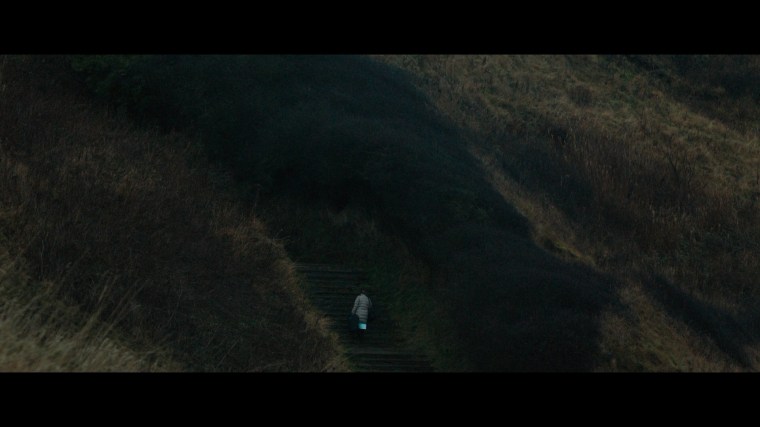
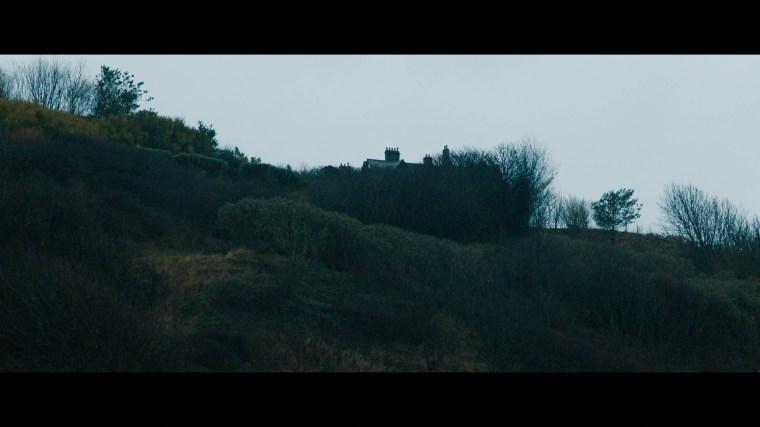
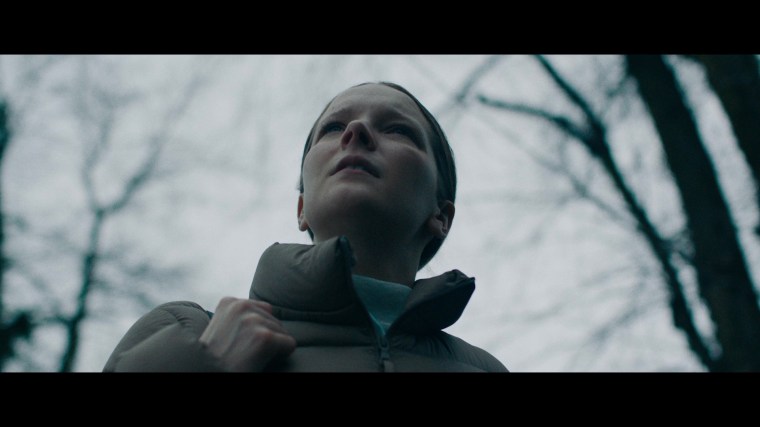
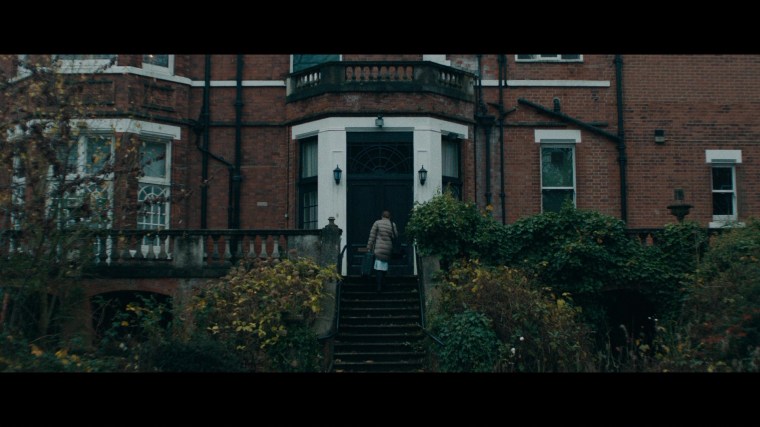
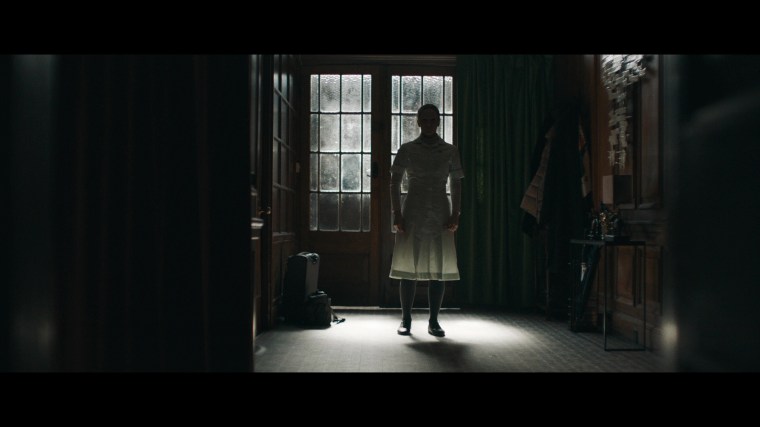


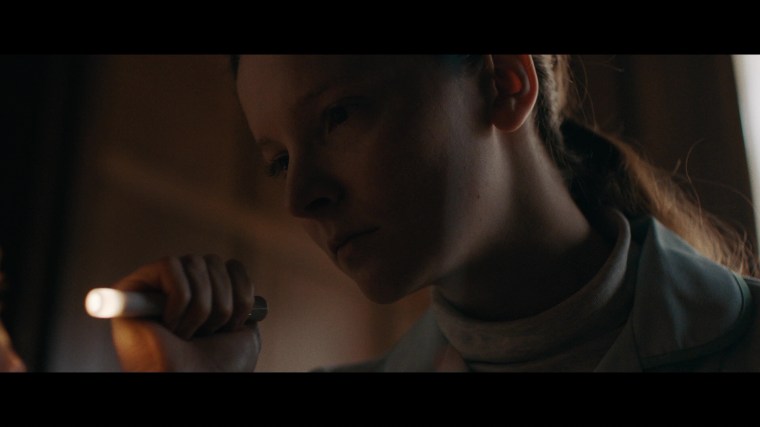

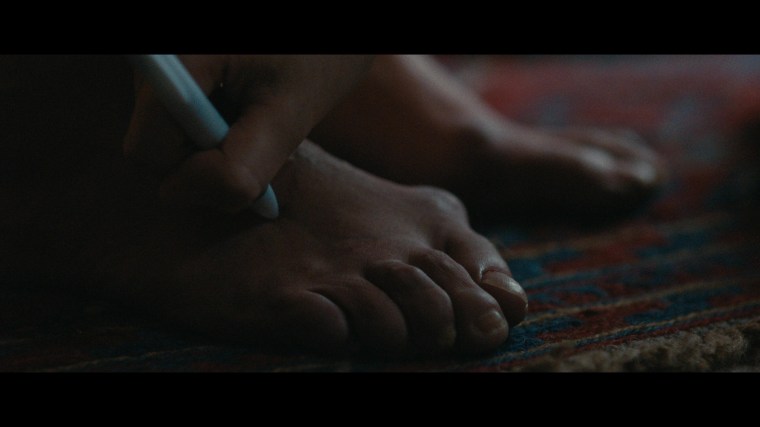
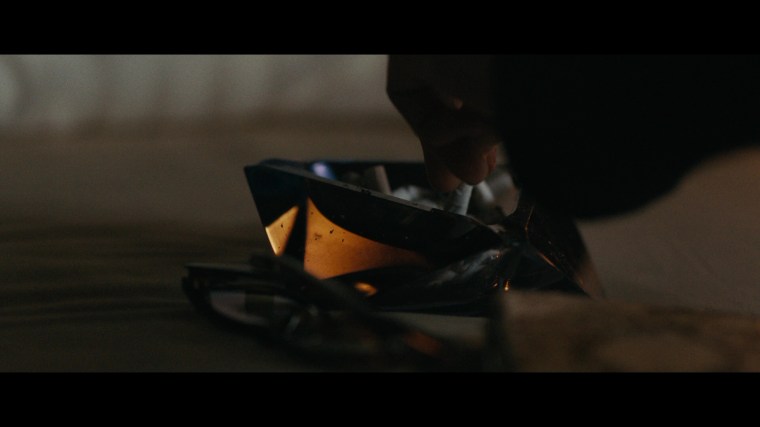

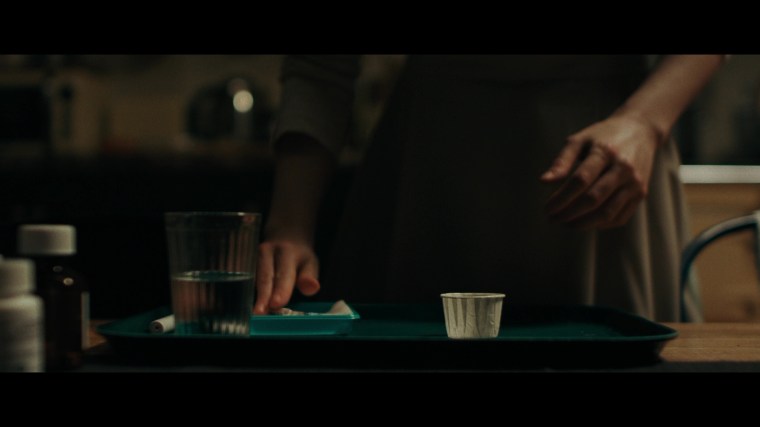

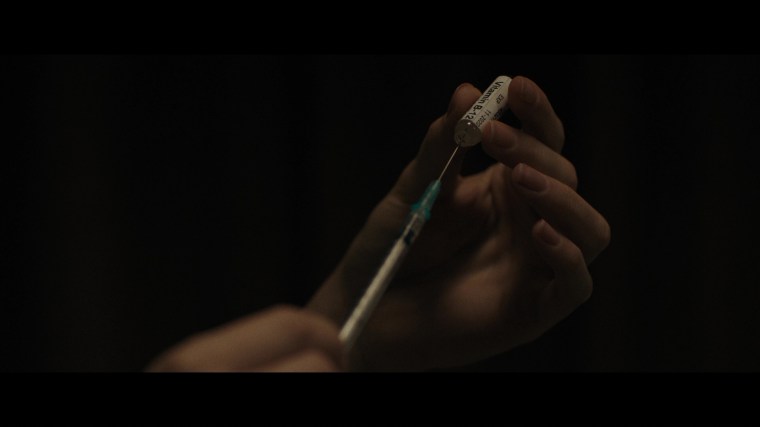

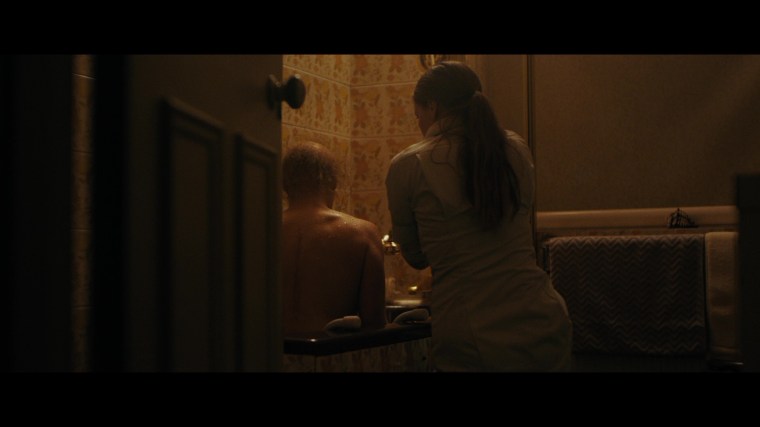


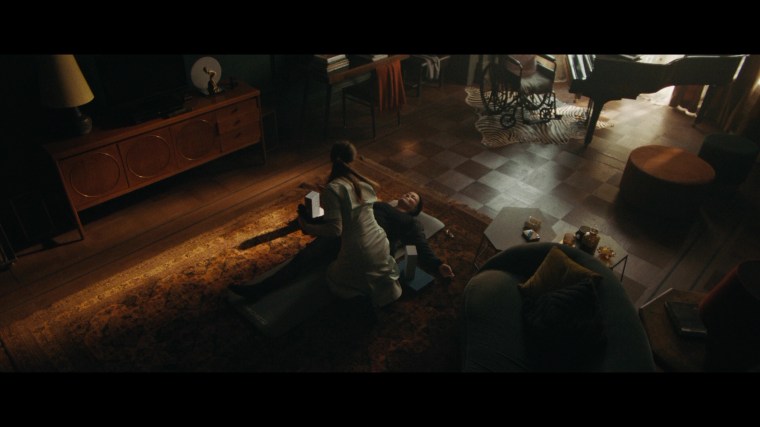


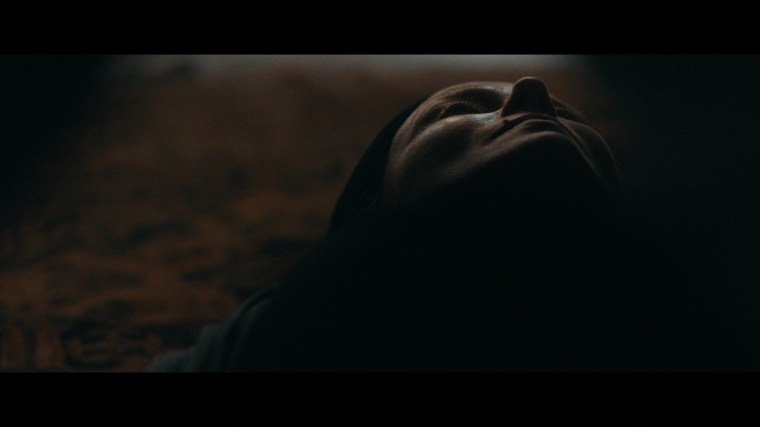
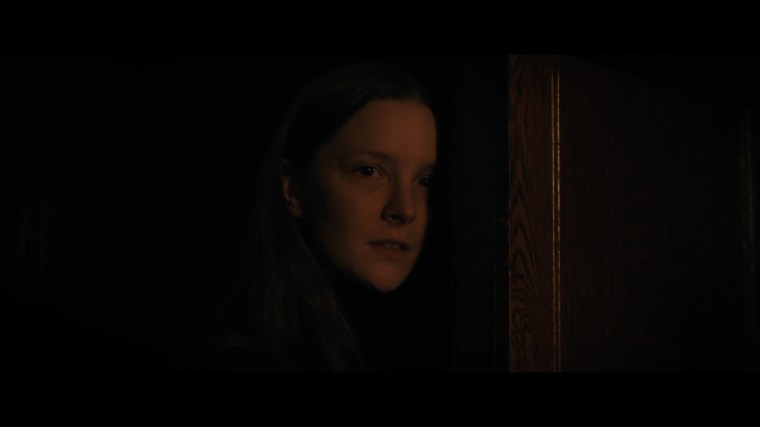

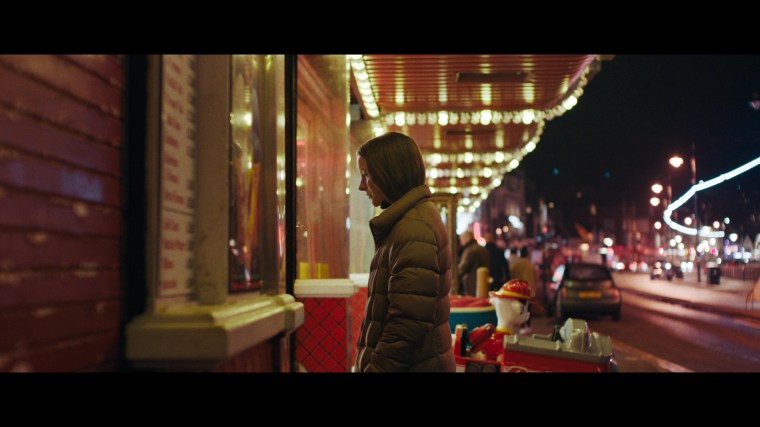
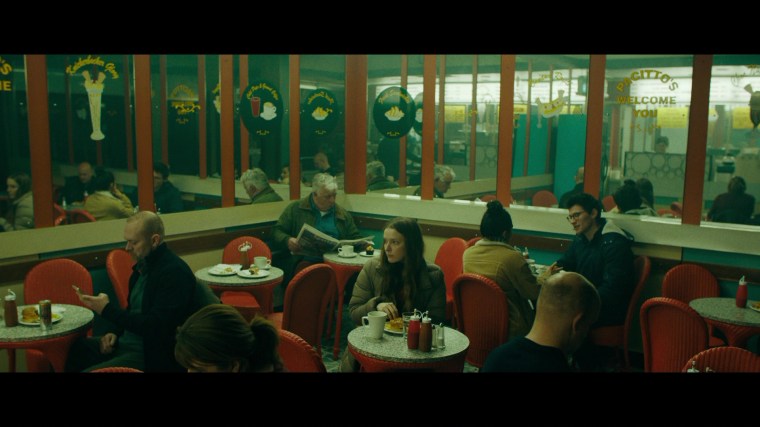

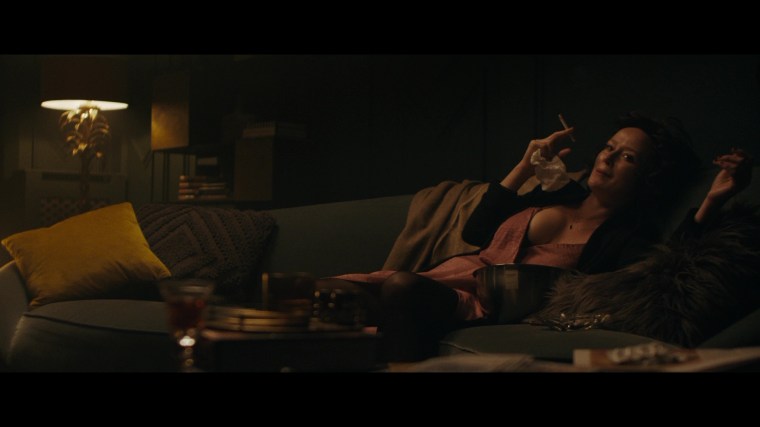

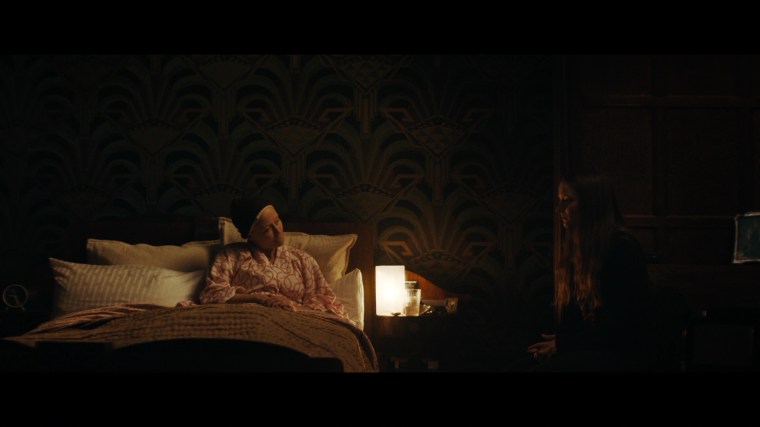
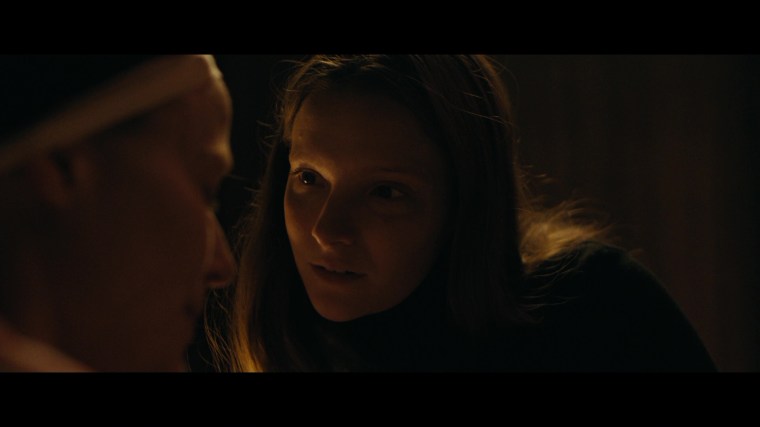


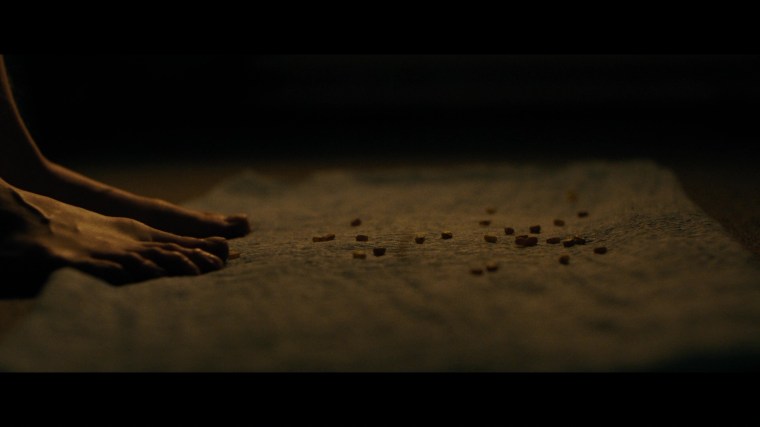
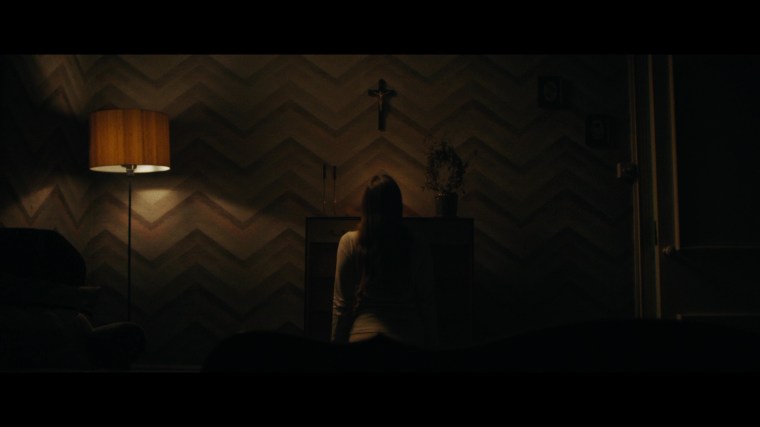


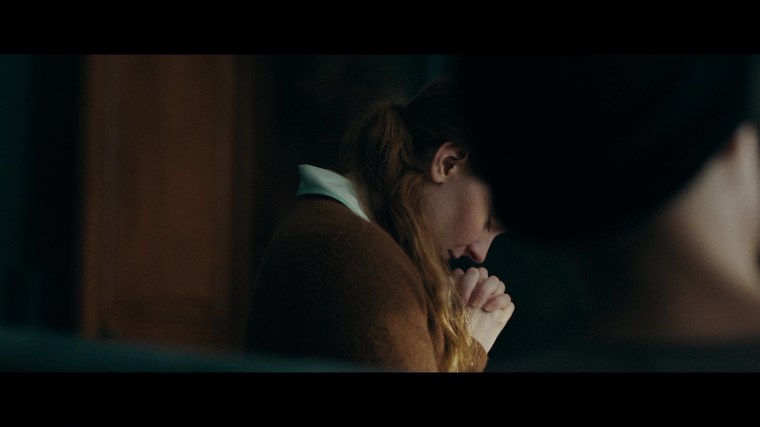


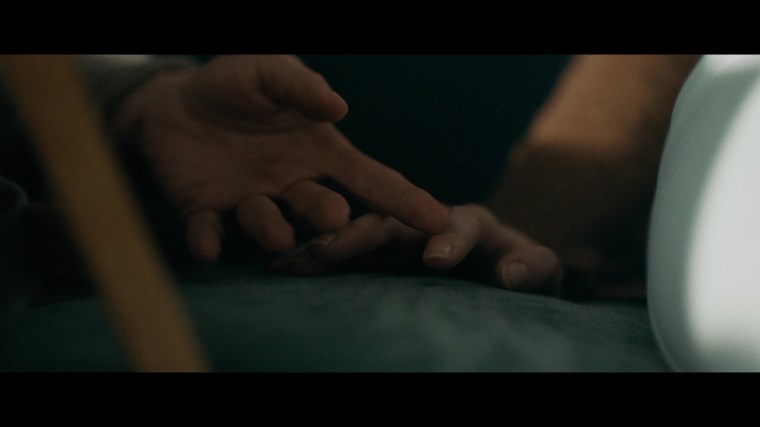

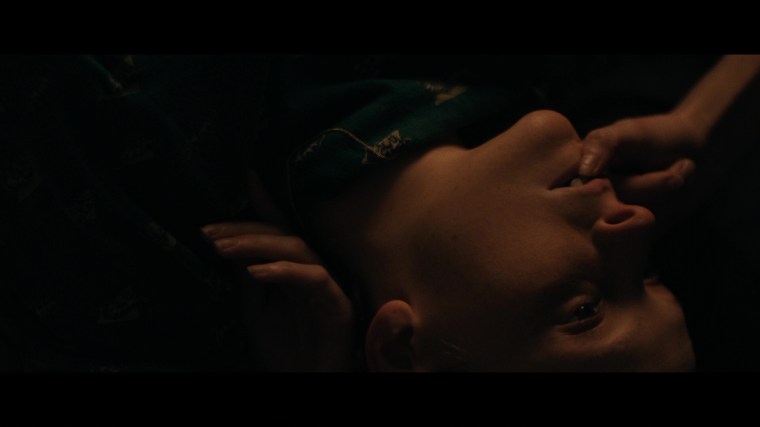
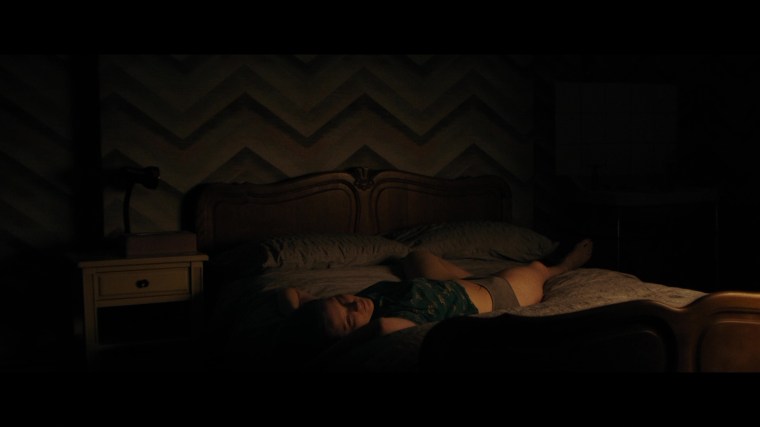
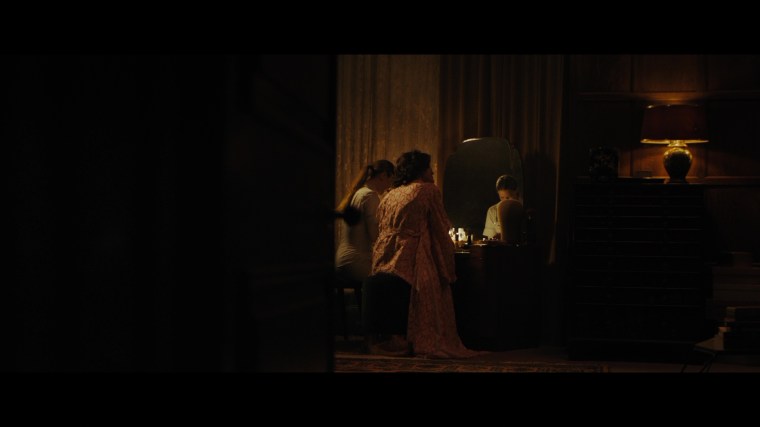
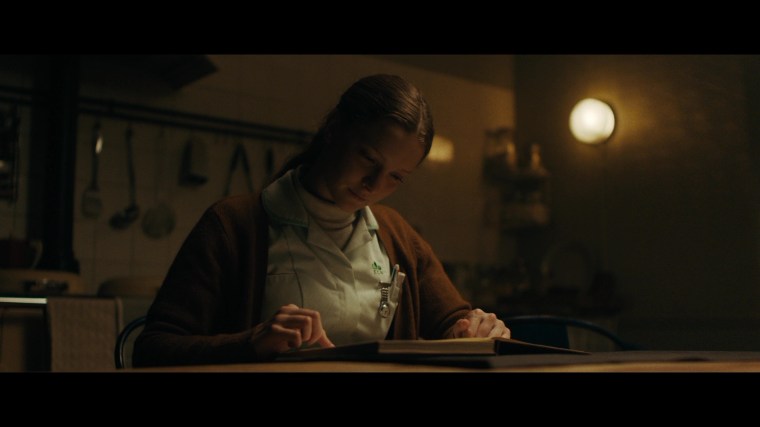

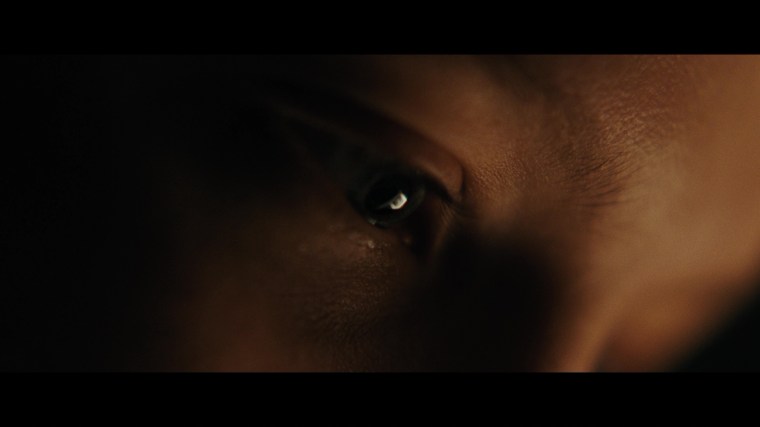
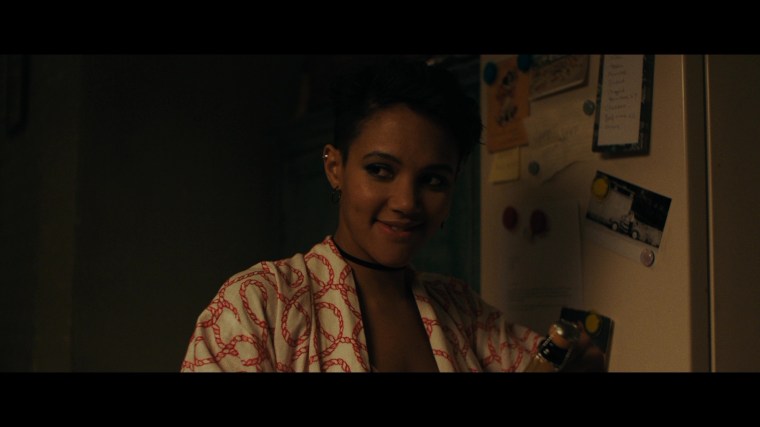
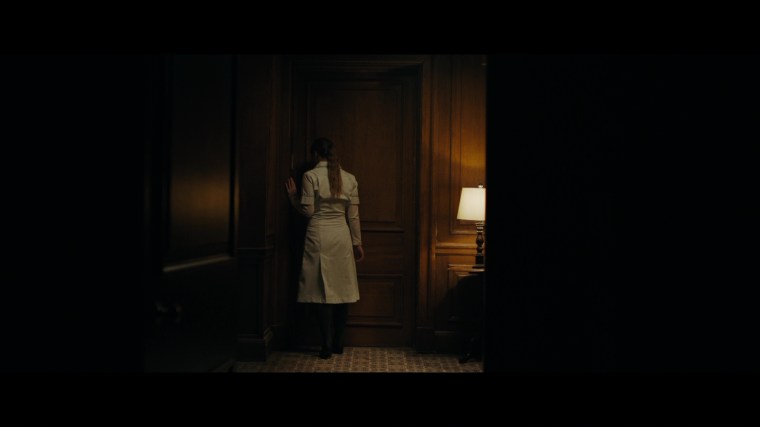
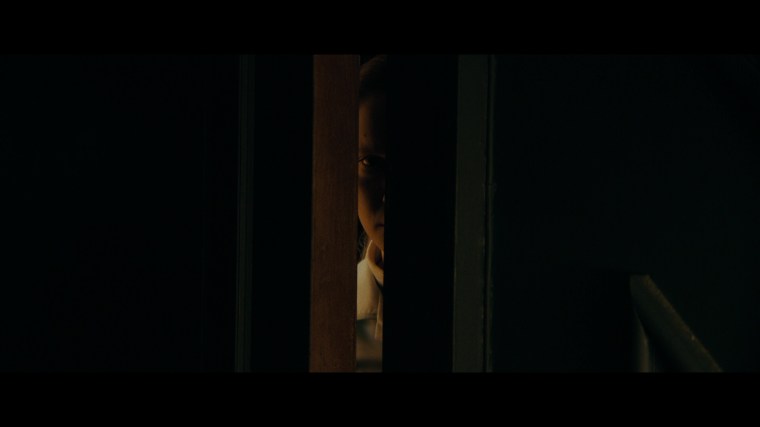


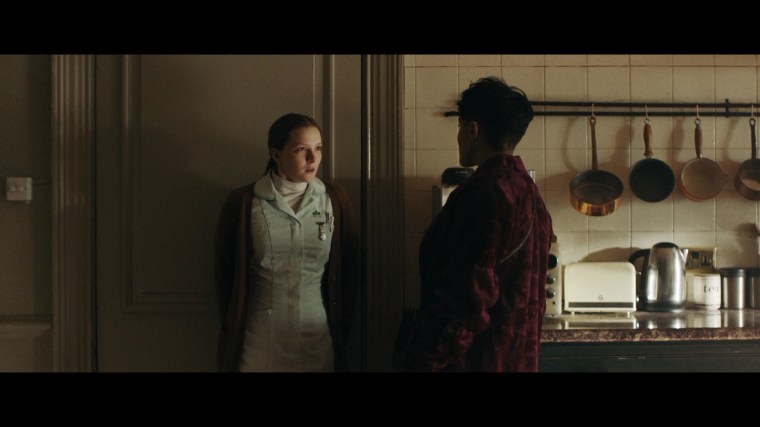
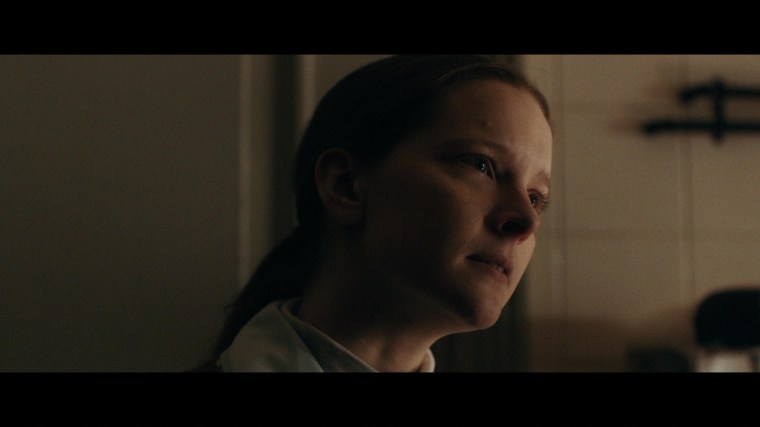
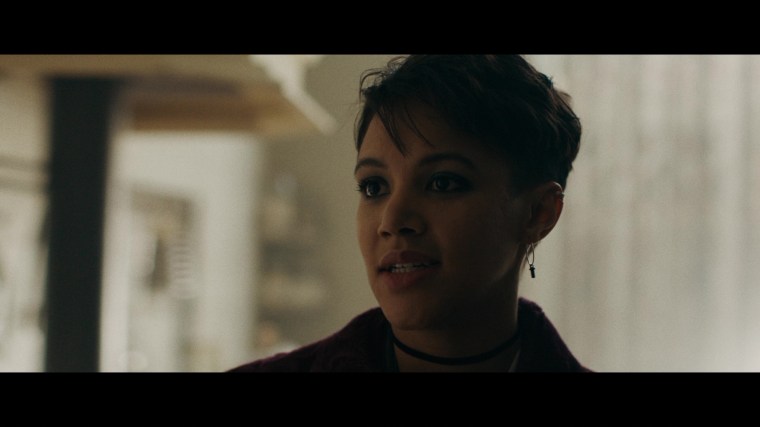

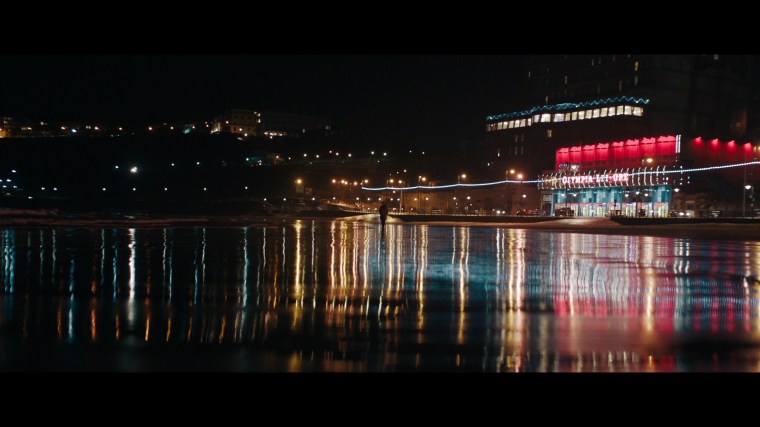

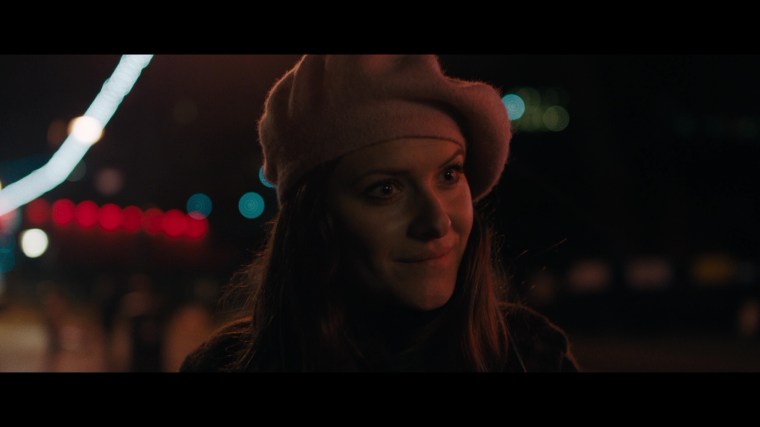
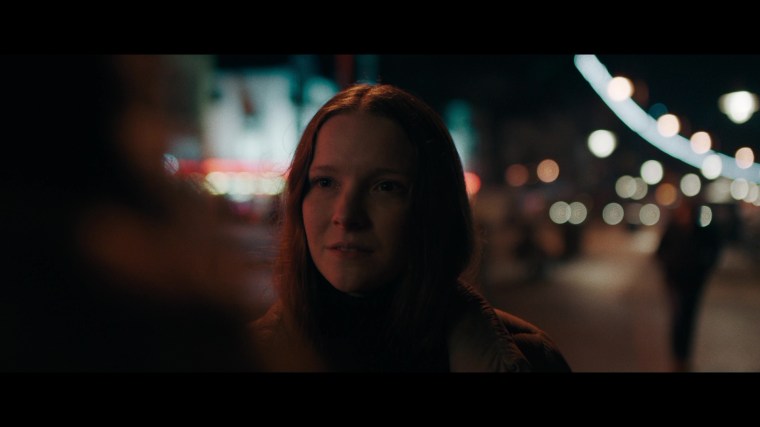

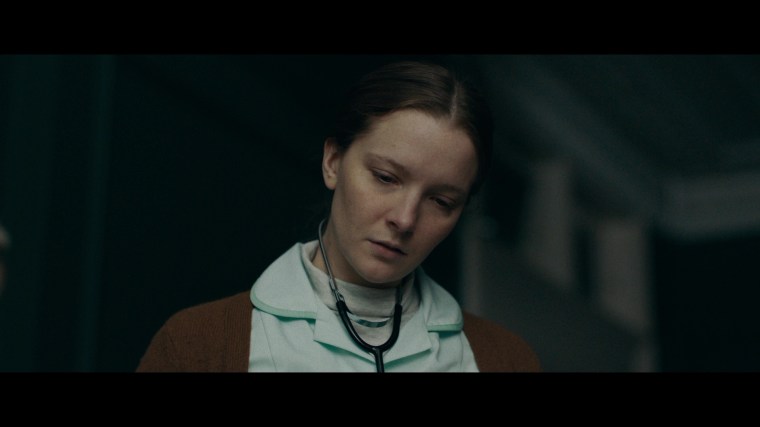

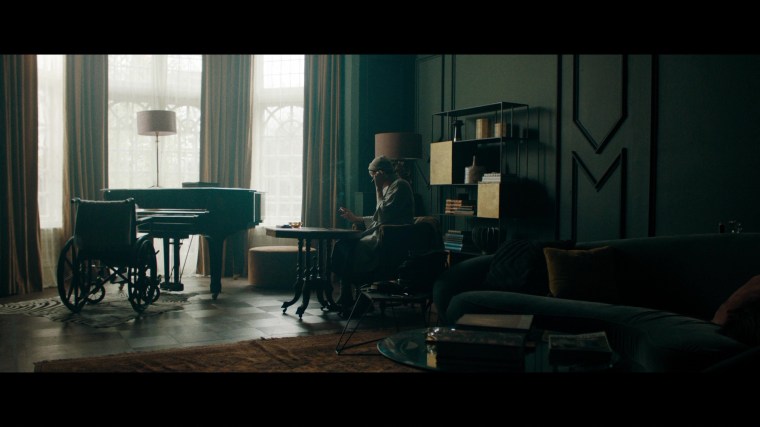

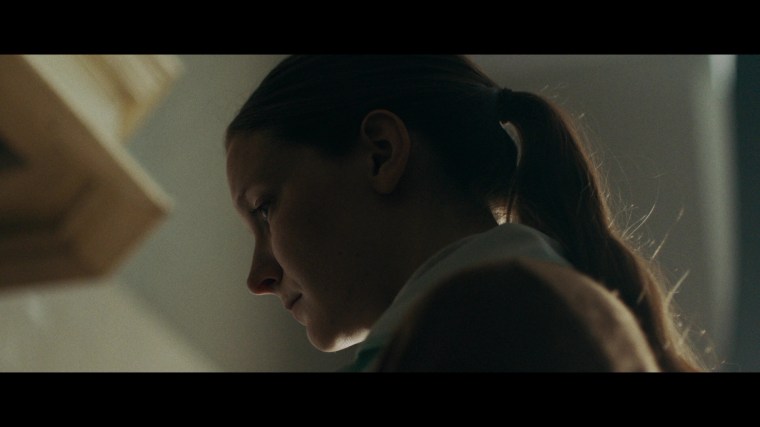
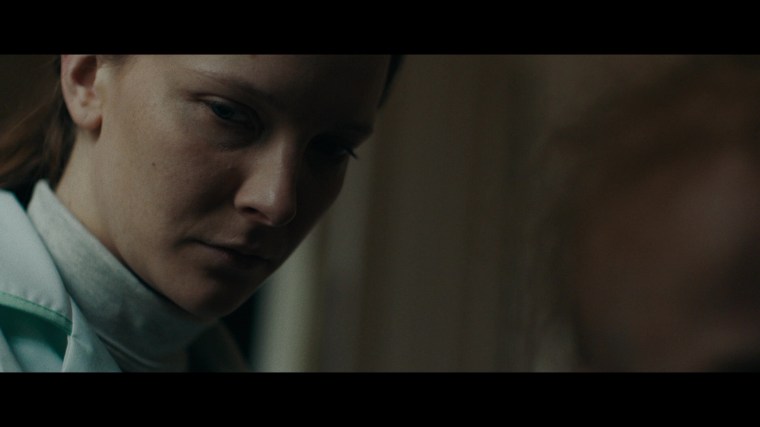

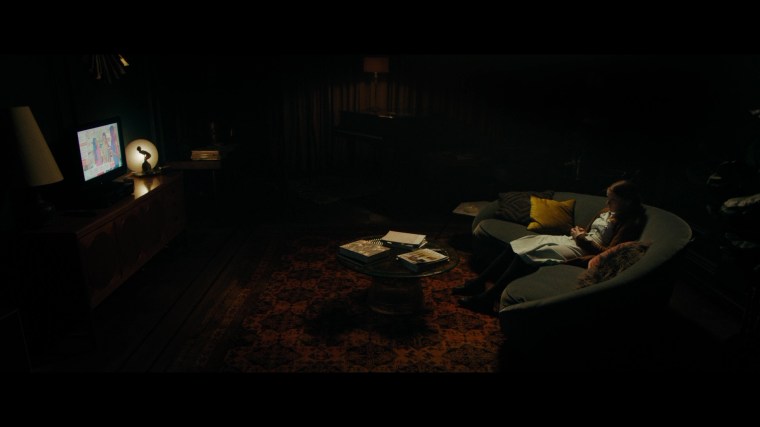
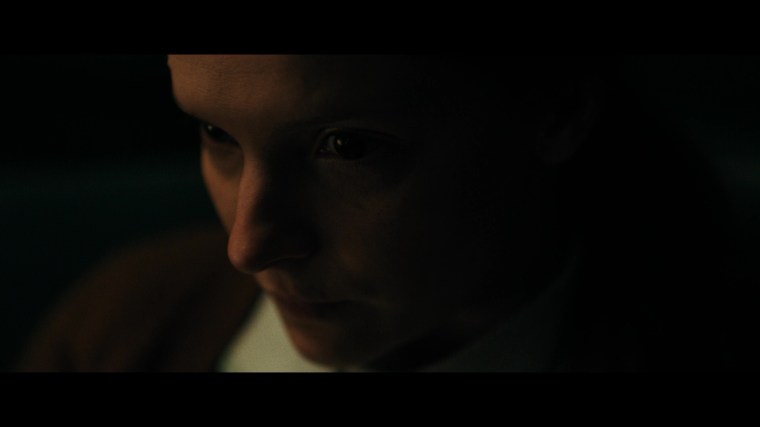
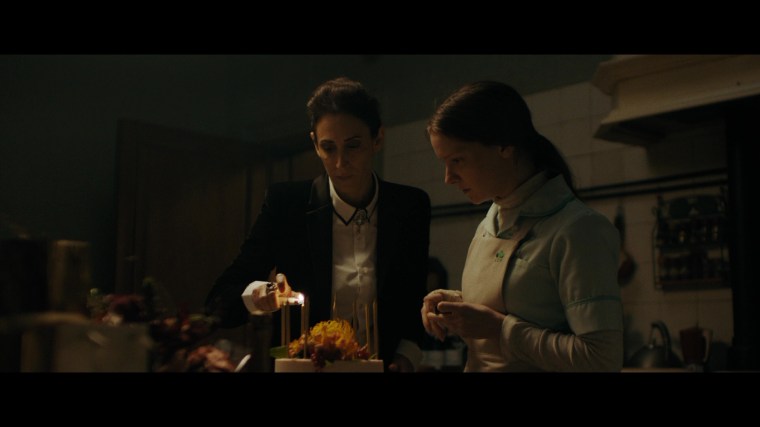

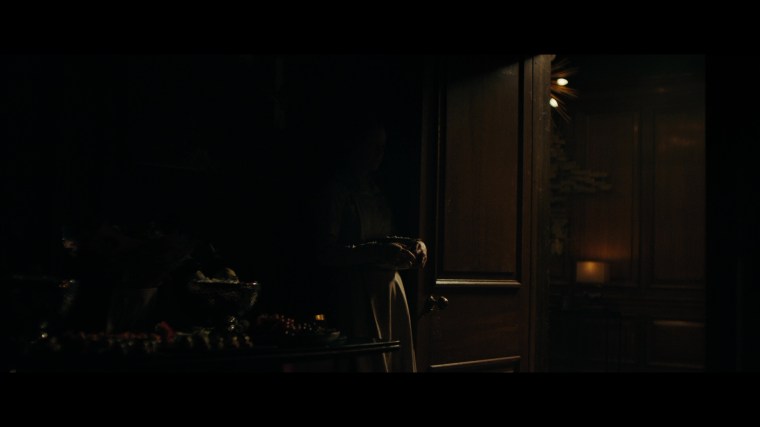
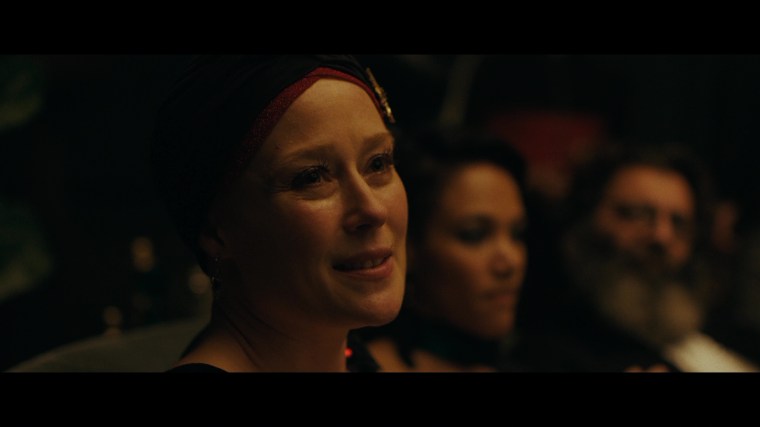
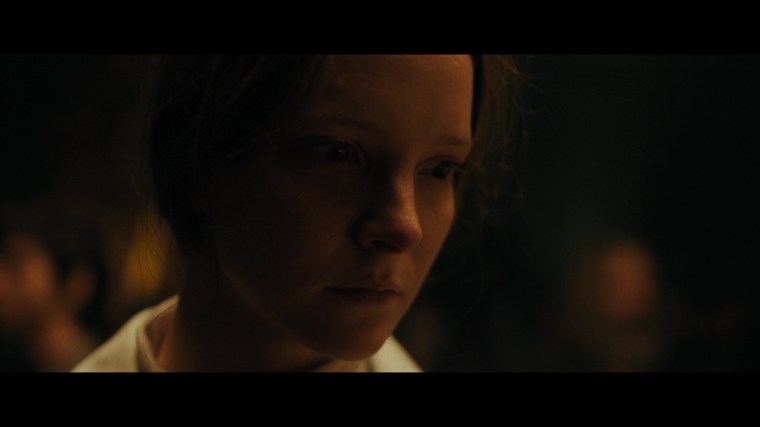
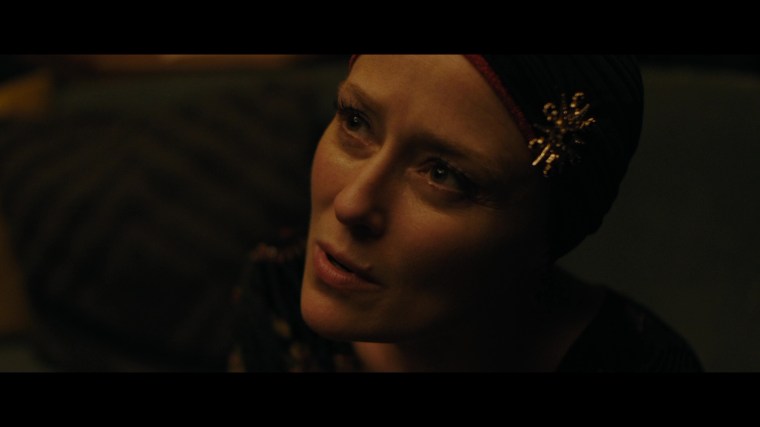
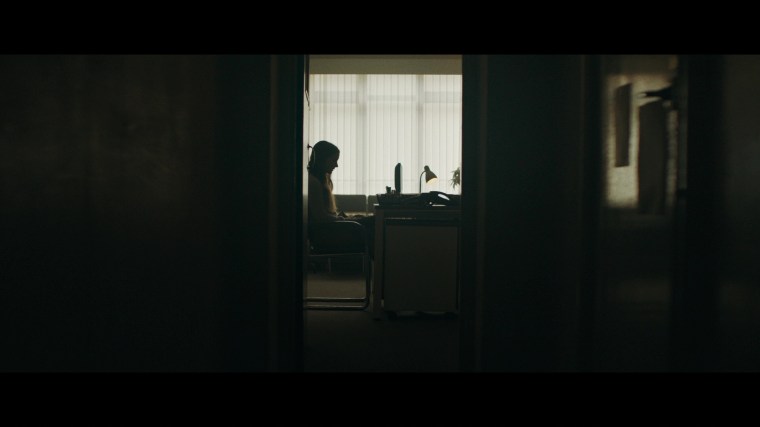


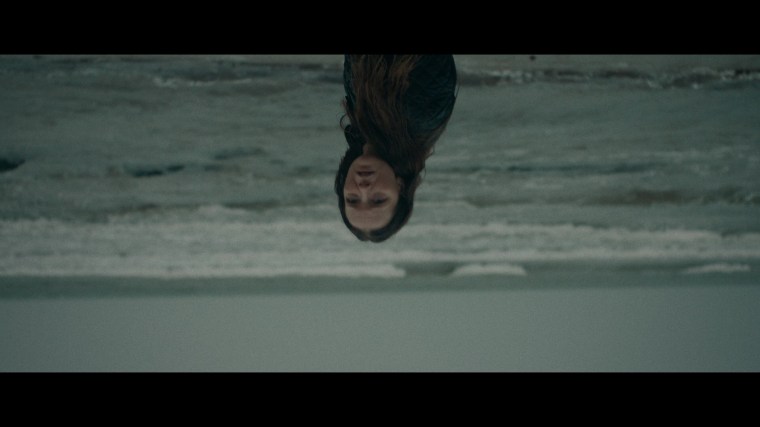
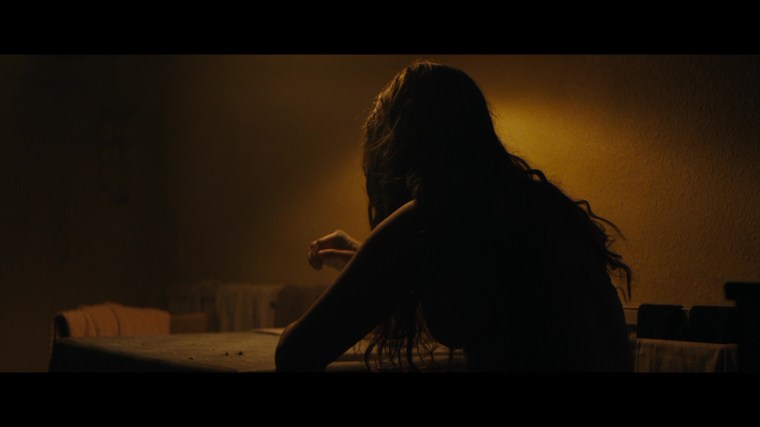
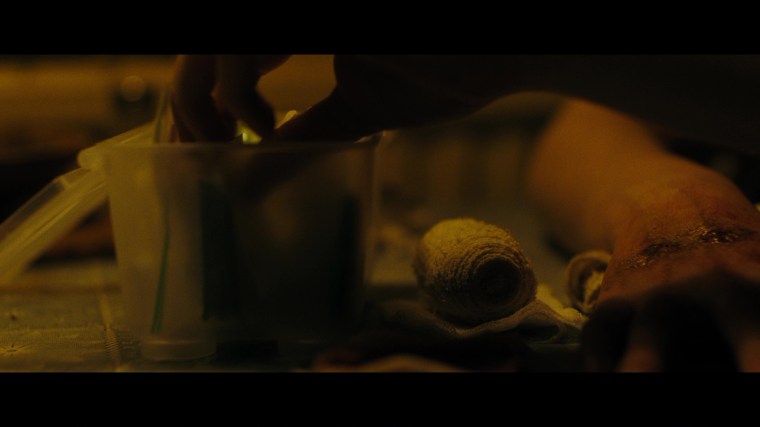
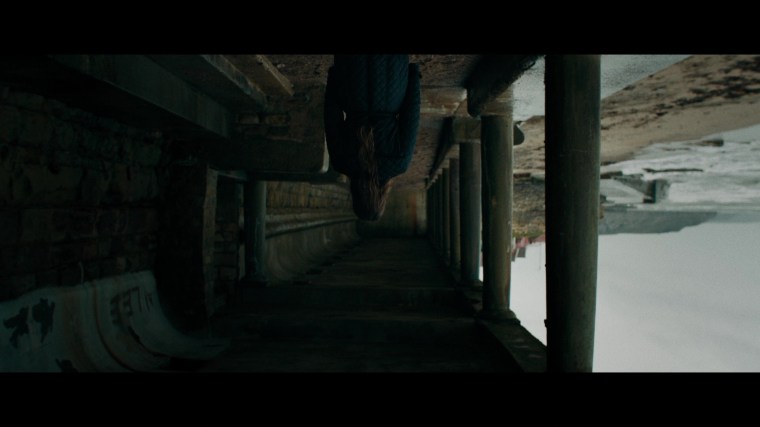
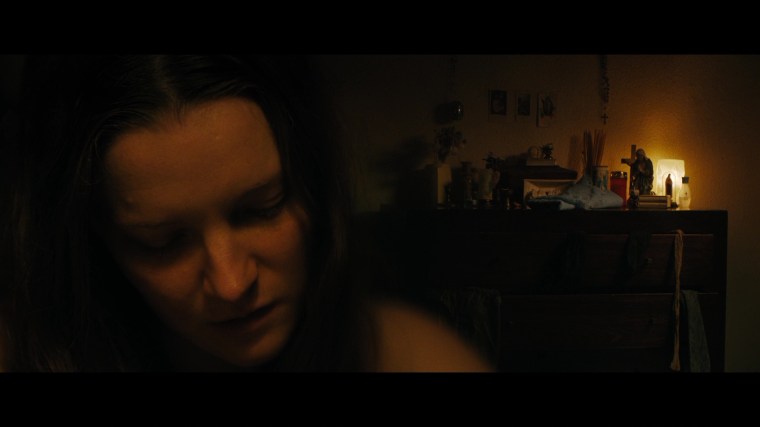

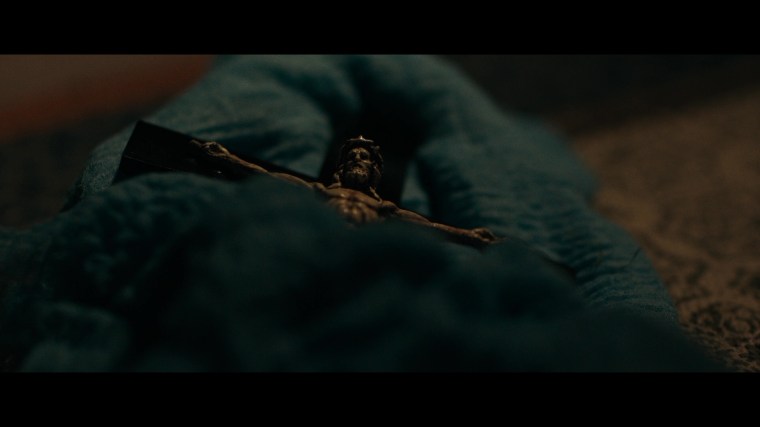

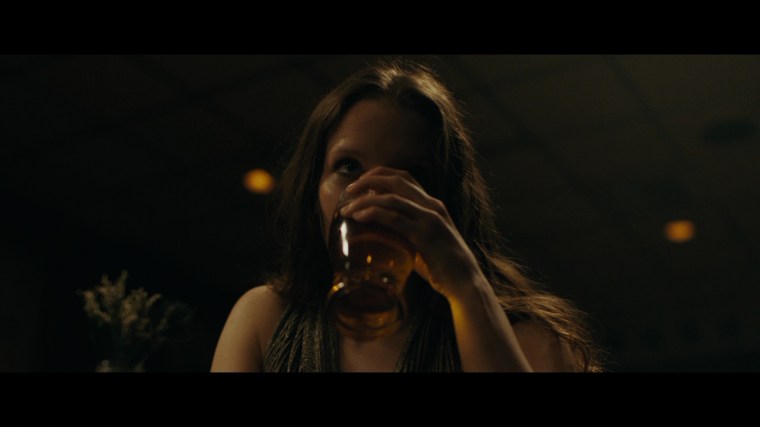
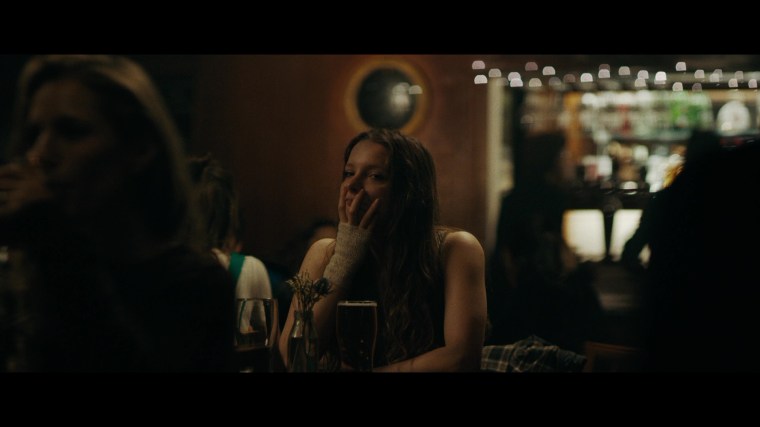

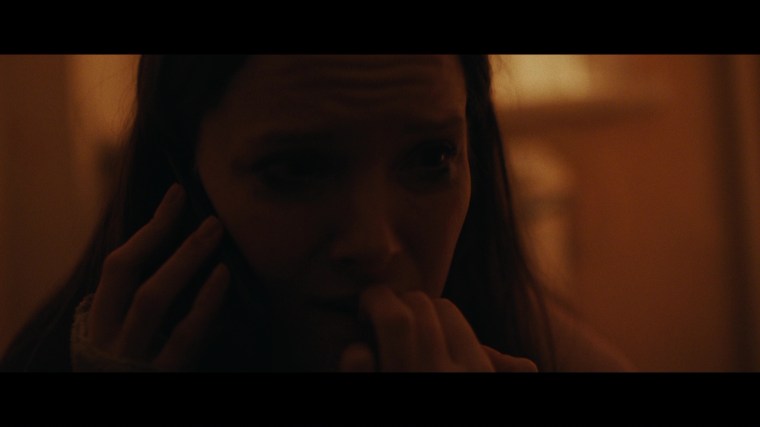
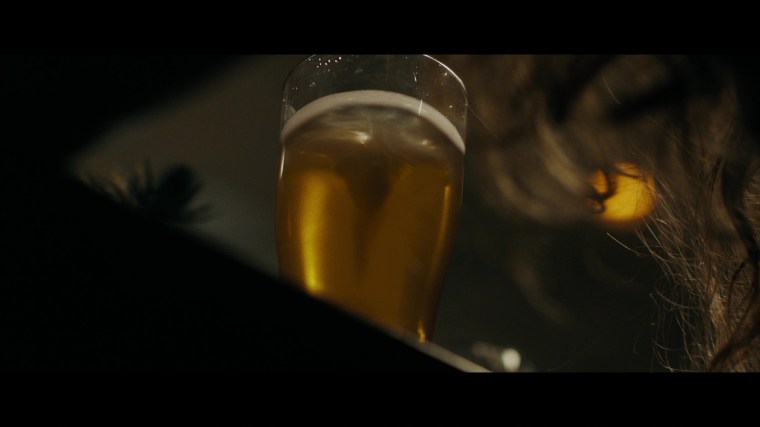
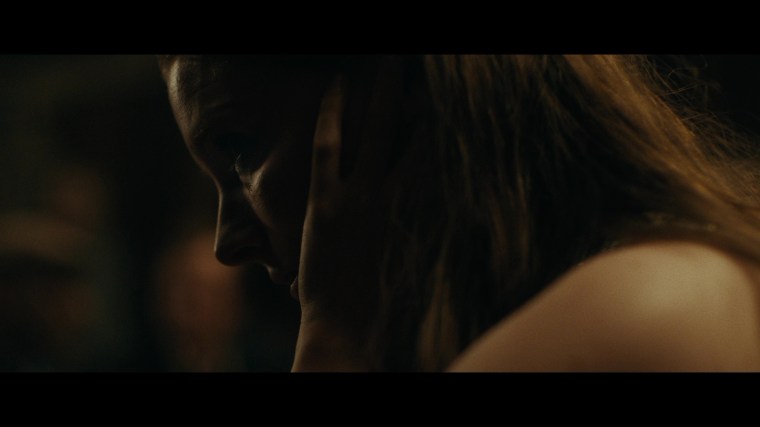
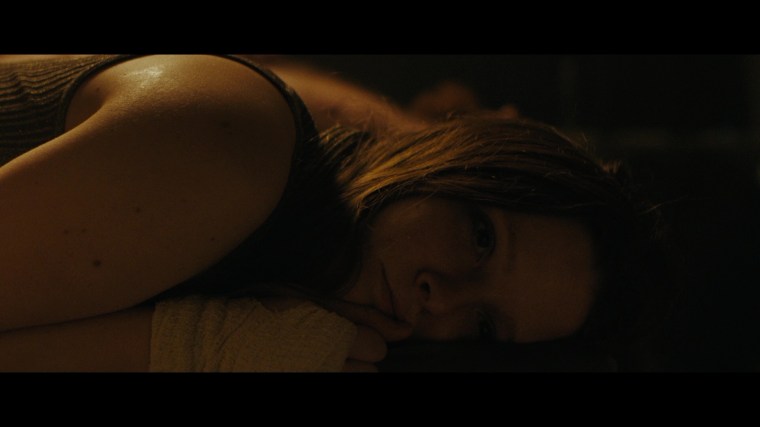


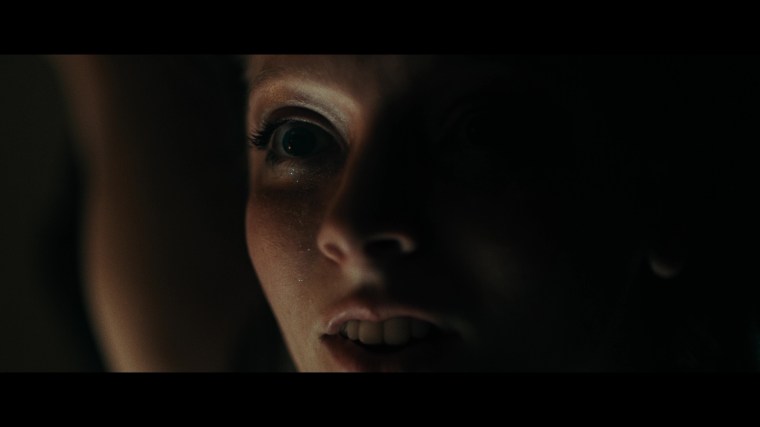

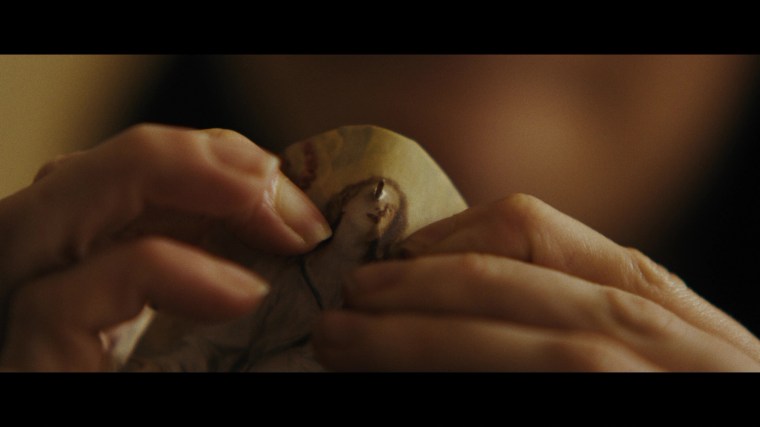
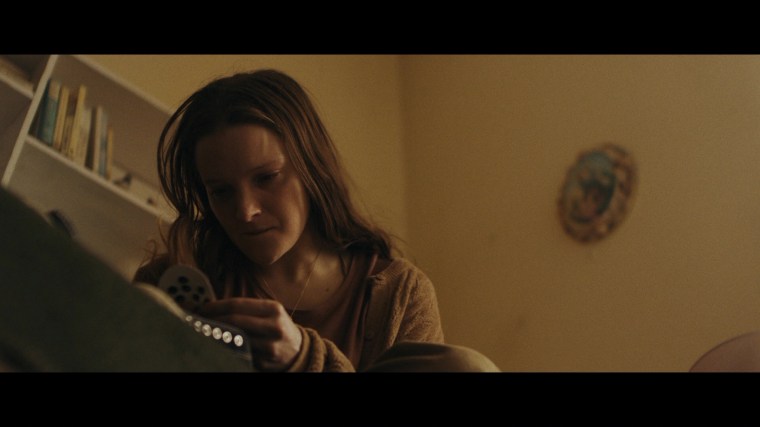
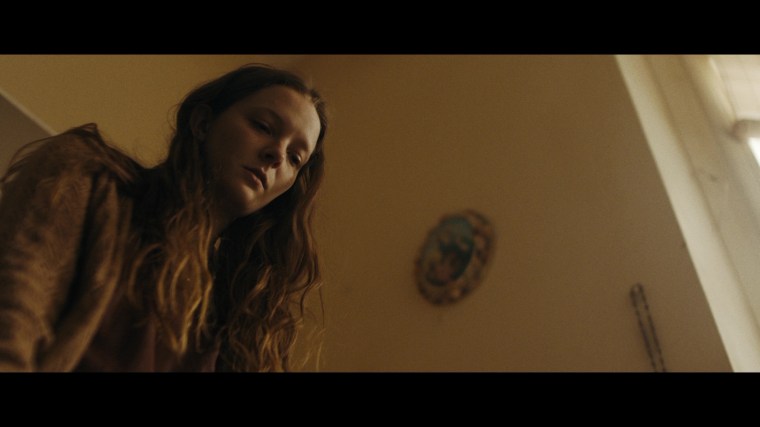

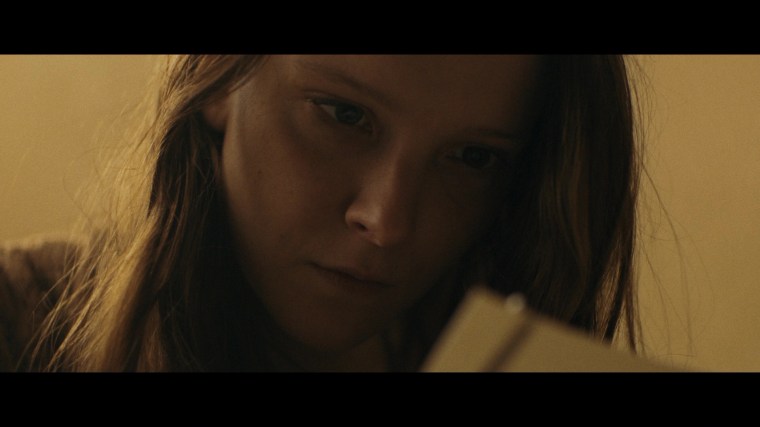
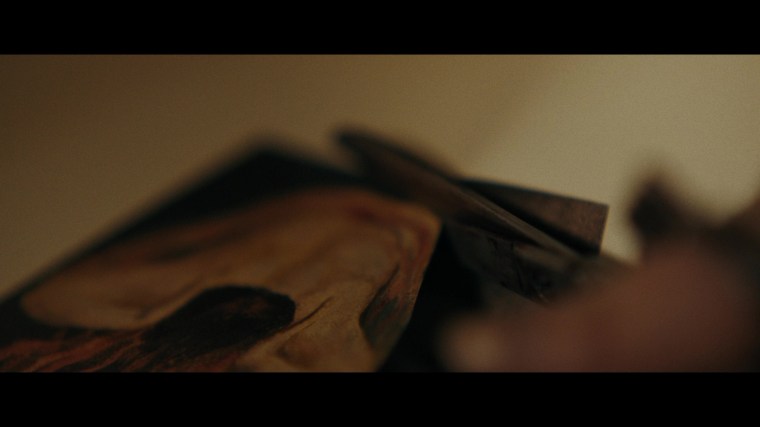
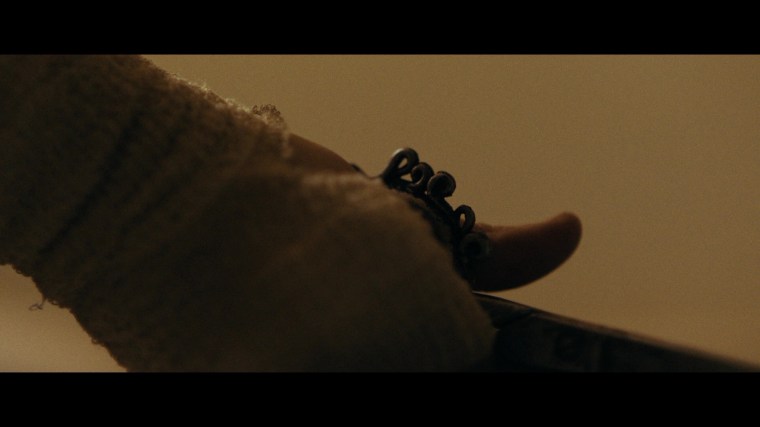
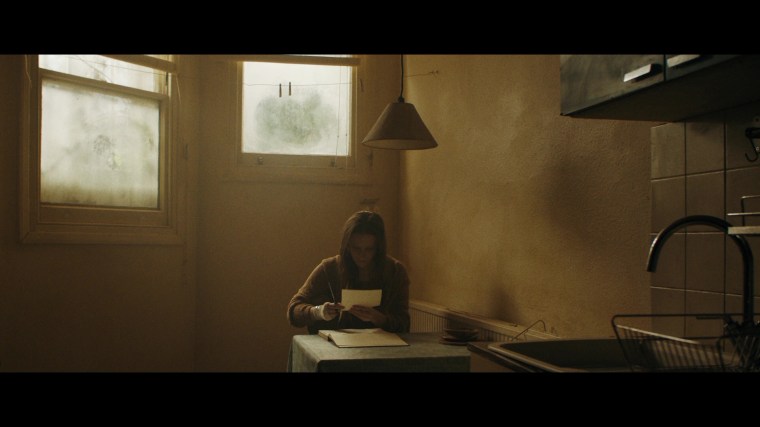
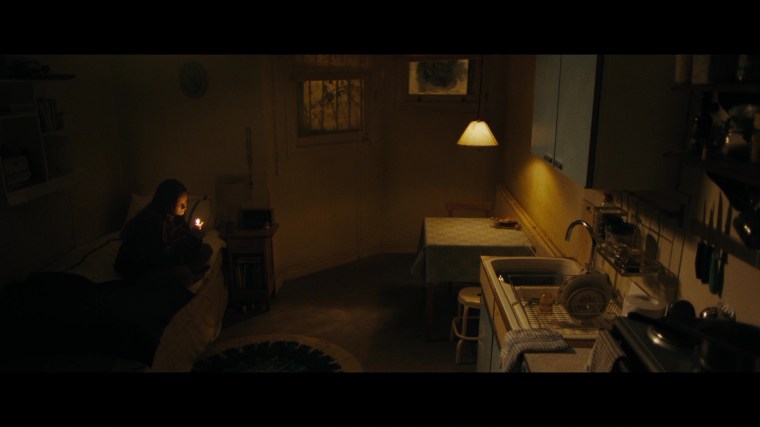
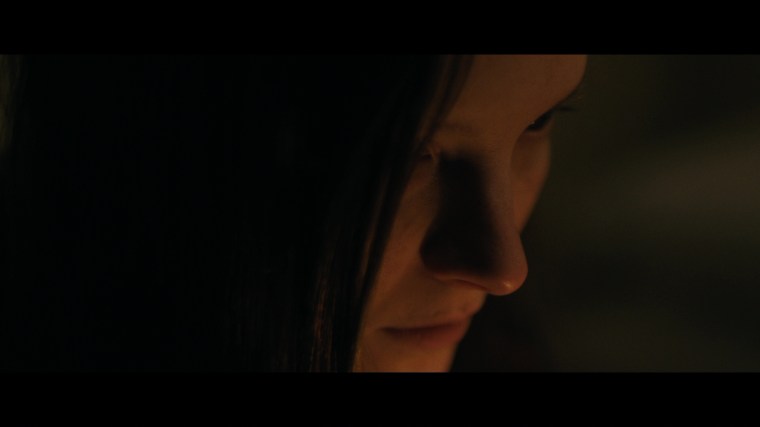
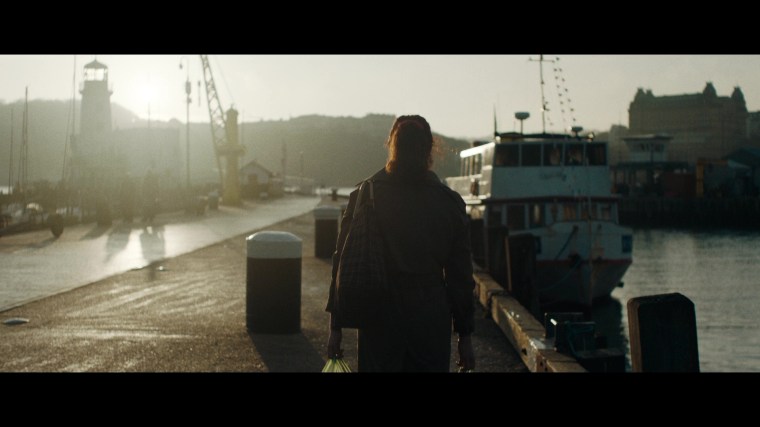
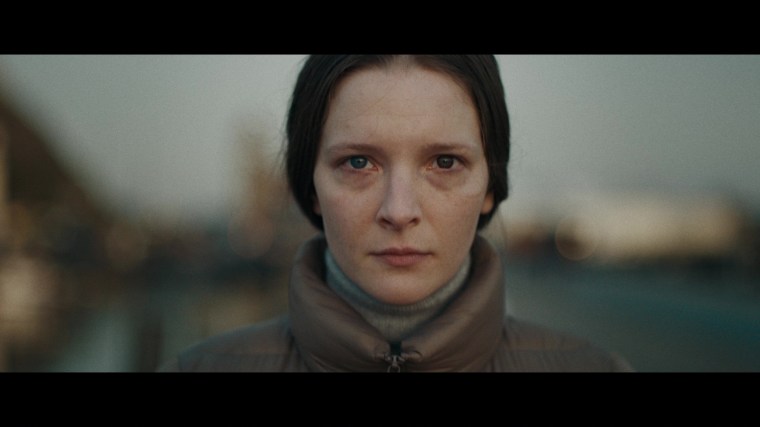
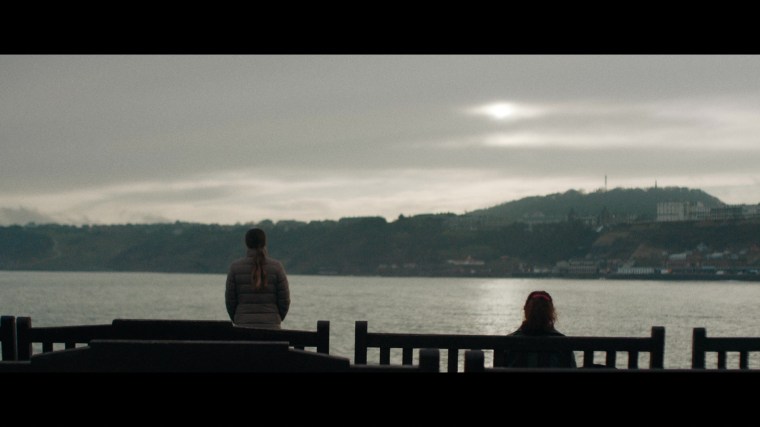

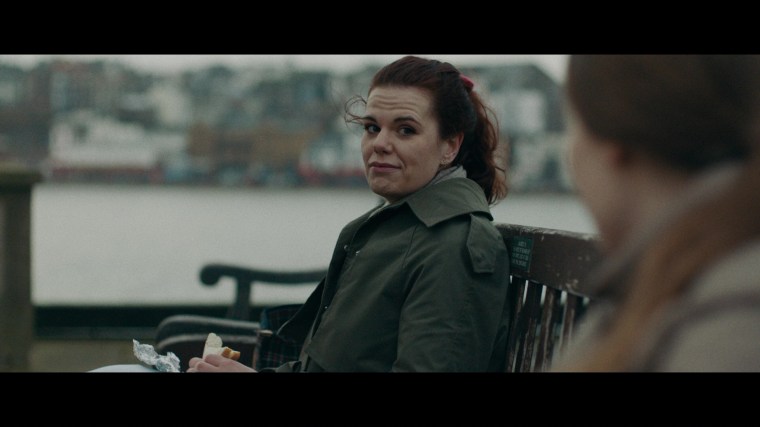
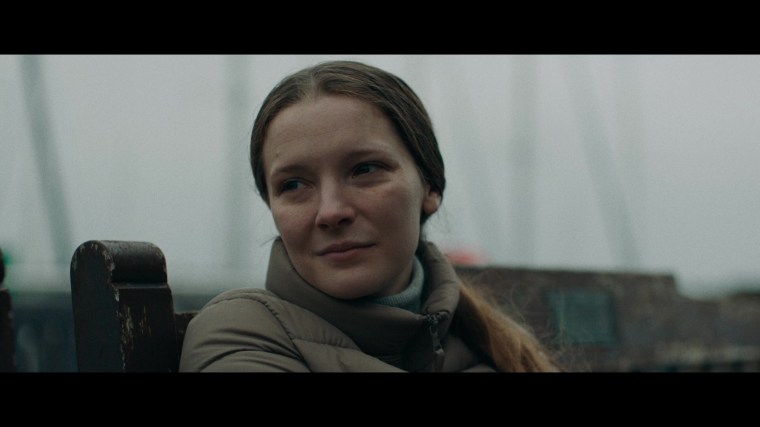
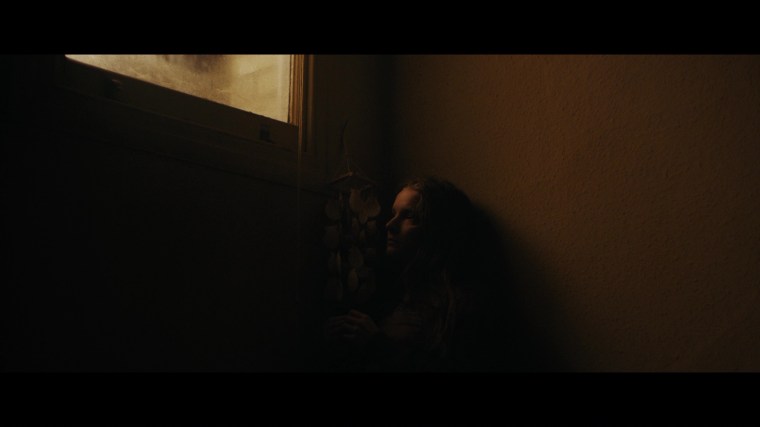
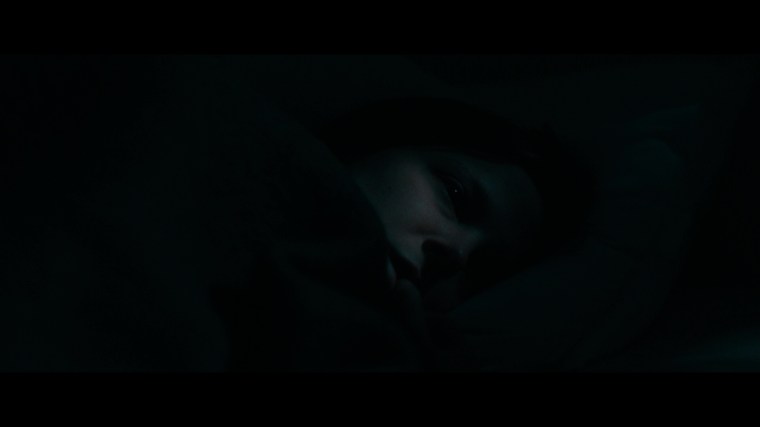

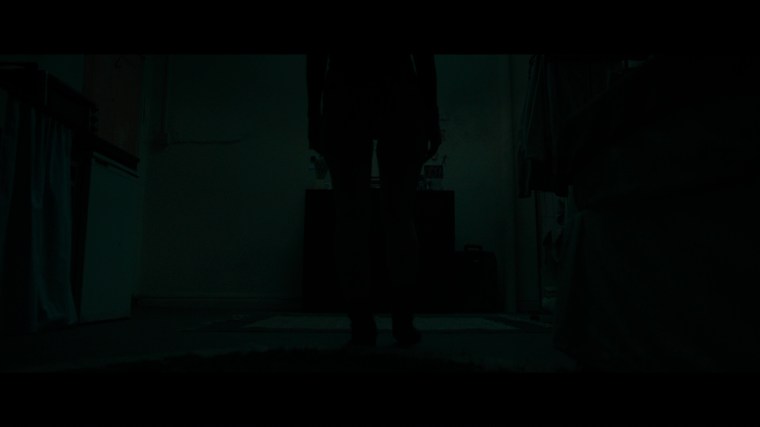
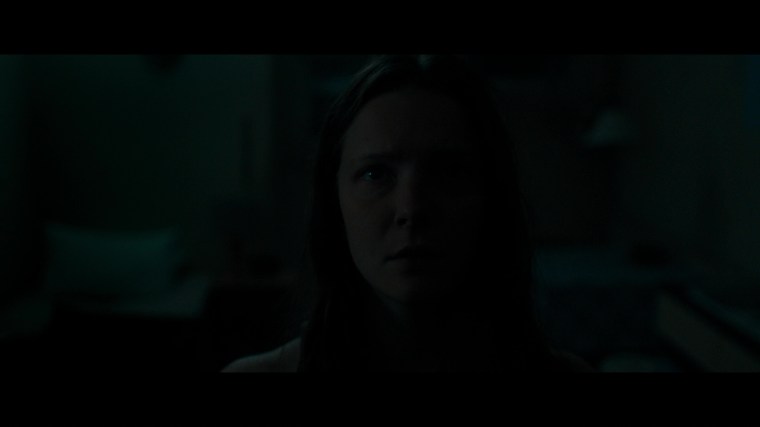
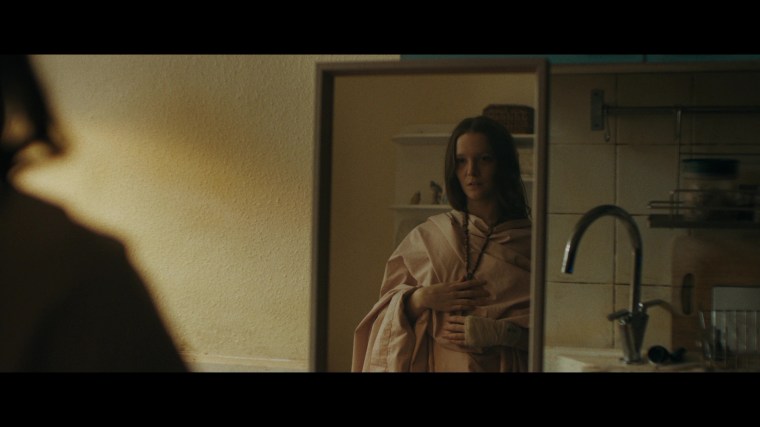
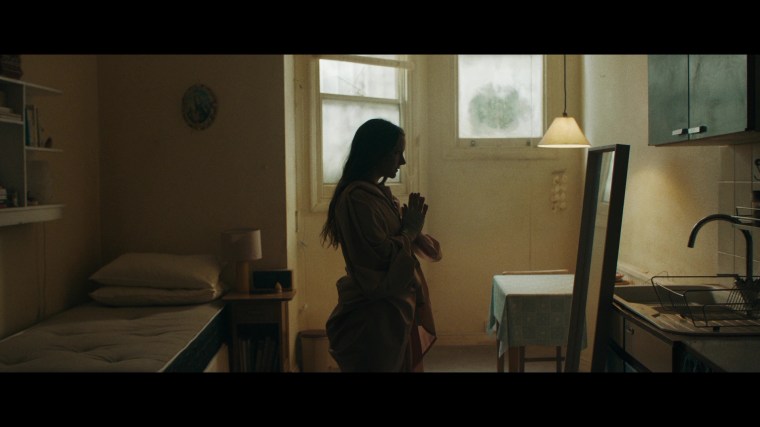
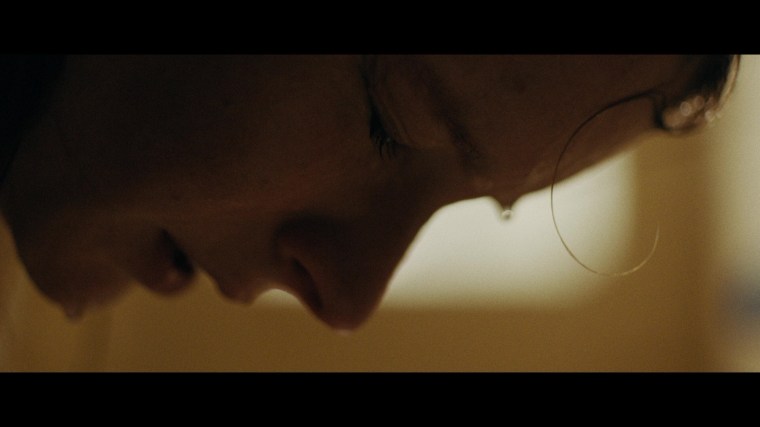
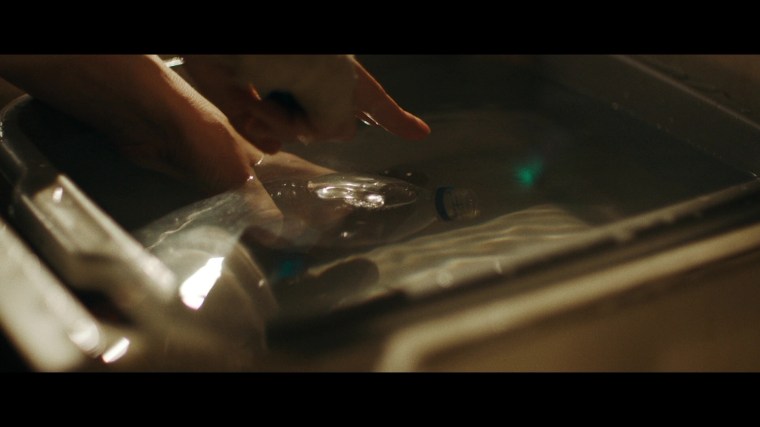


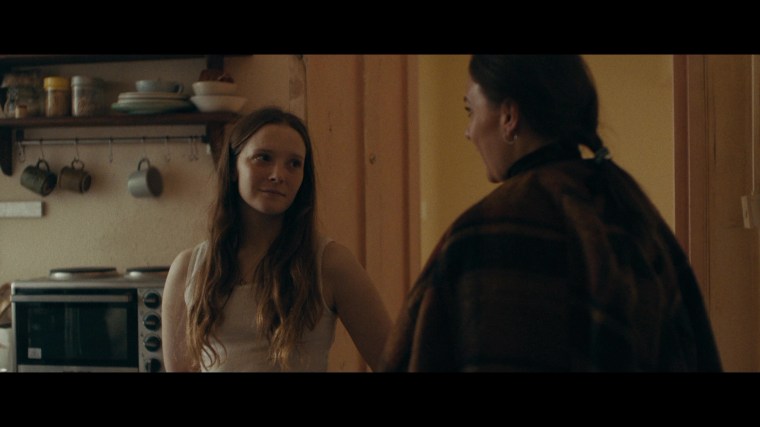


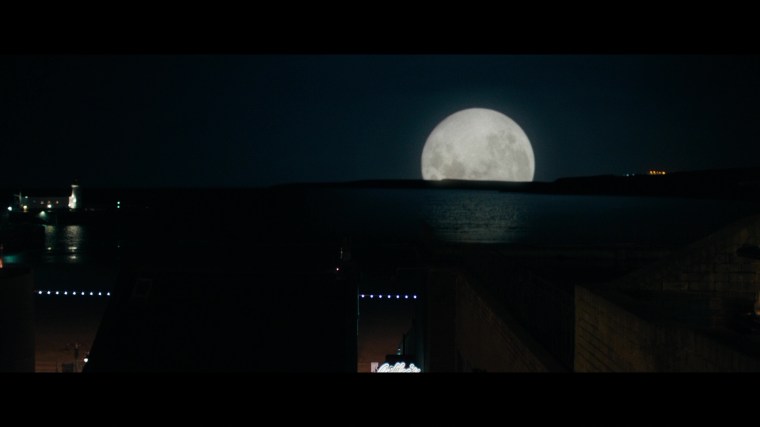
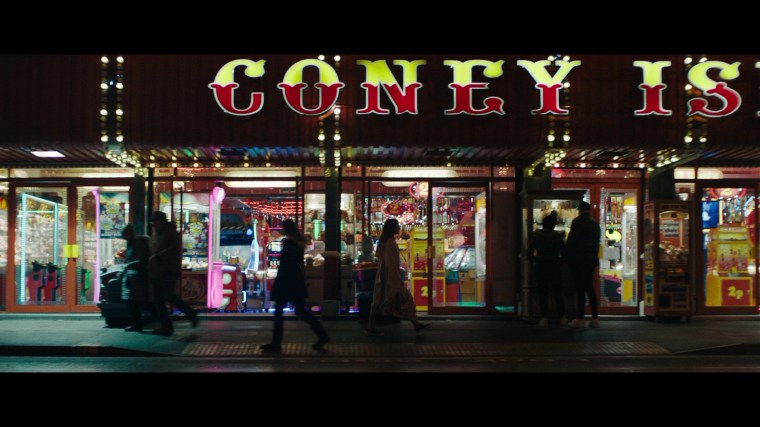

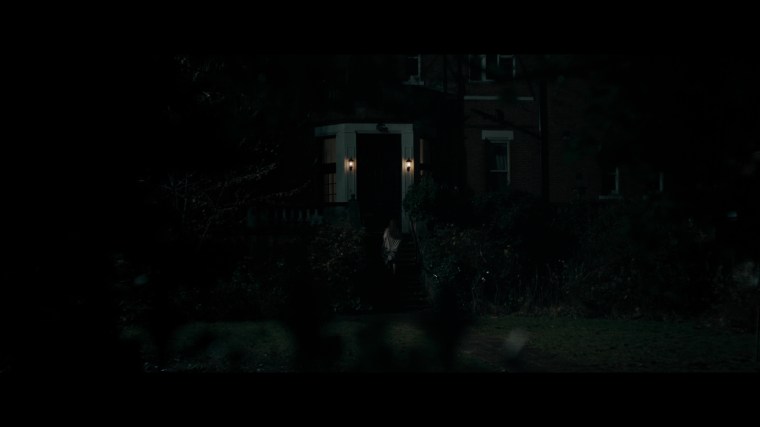


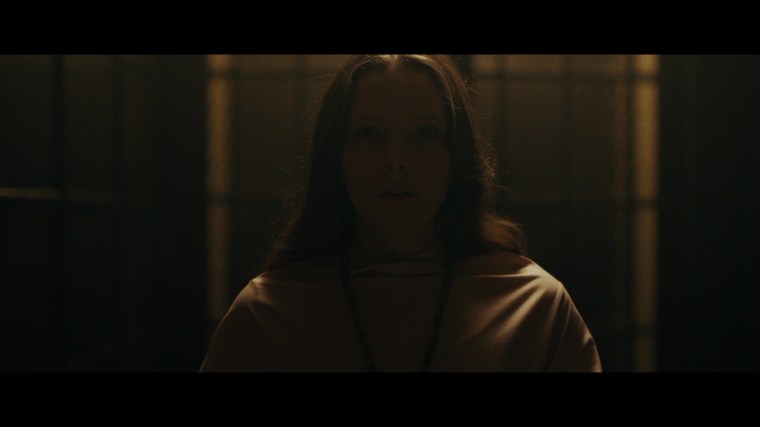
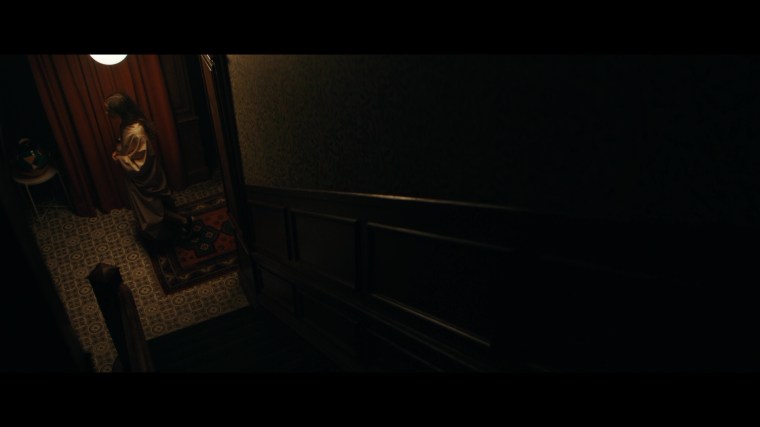


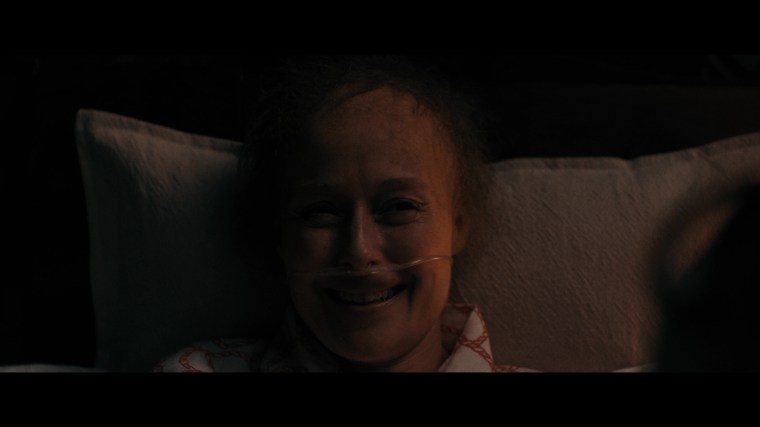

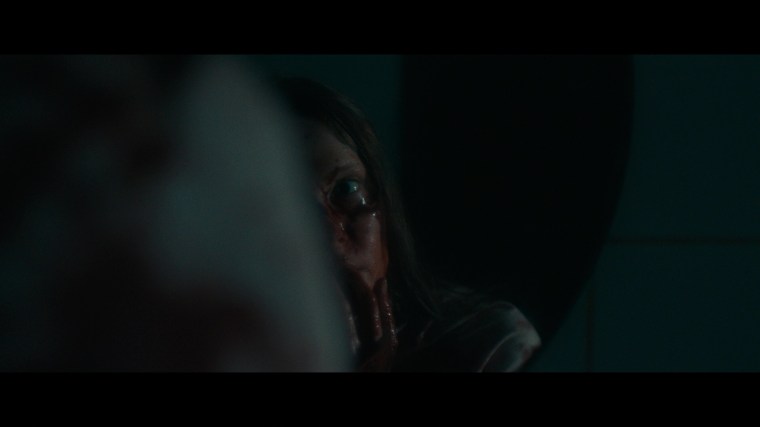


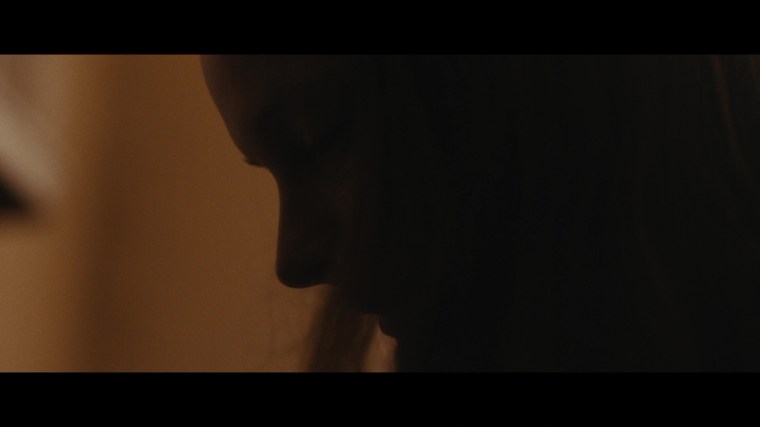


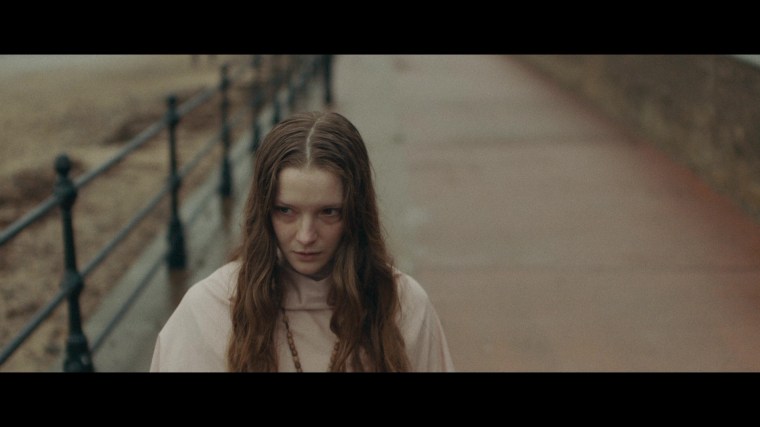


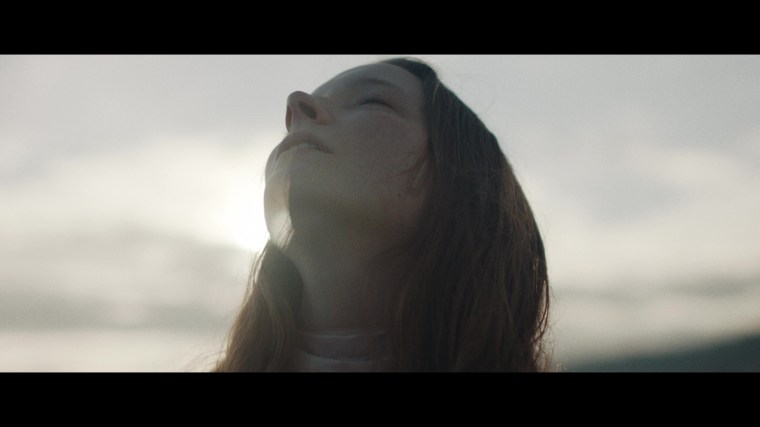

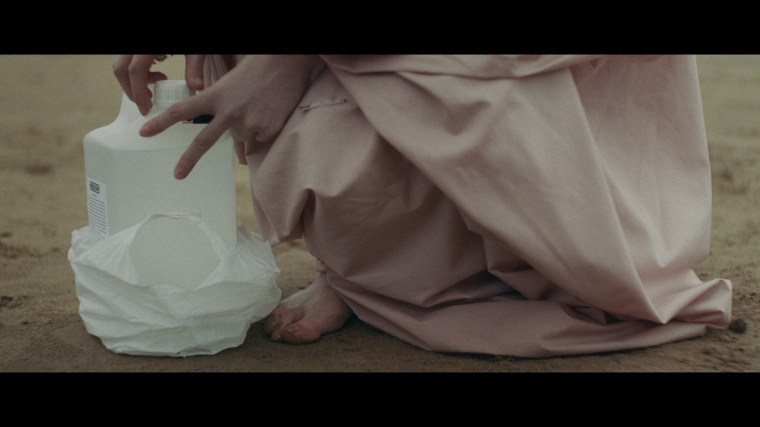
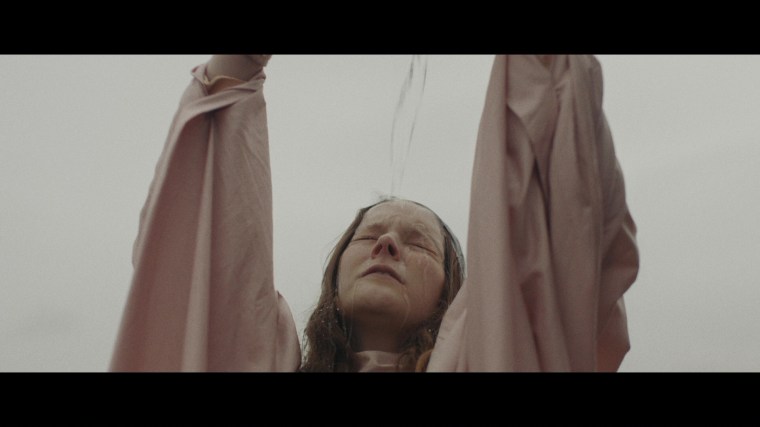
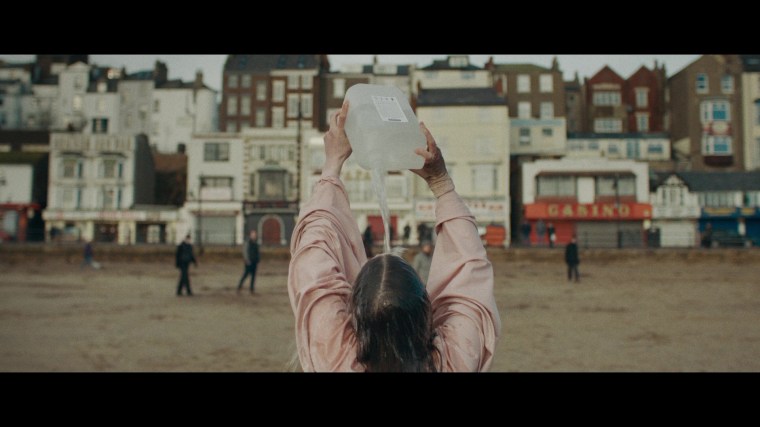
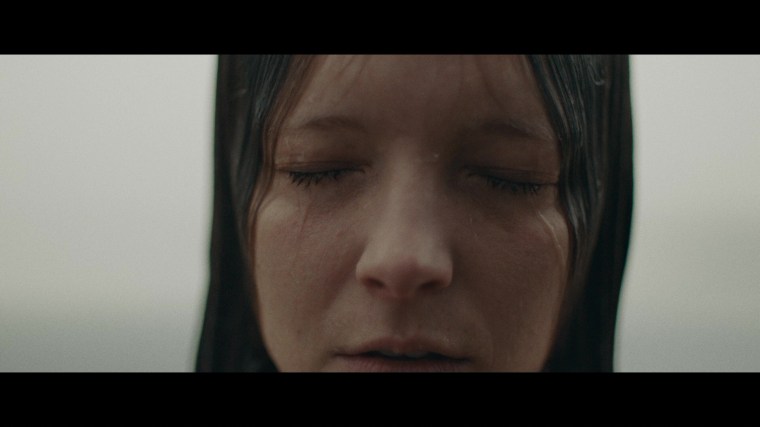


Writer/director Rose Glass on her thematic preoccupations…
“Bodies and brains are basically what I’m interested in; how they affect each other, and how much or little control we have over them or them over us. Anything I’ve written has tended to have a character that has some sort of weird relationship with their body. I like films that get a visceral reaction, so ’s incredibly gratifying to be sat in an audience and have people squirm and shriek at the right moments. There’s something a bit pervy about the whole thing of making a film. You spend so long meticulously crafting this experience for a group of strangers to experience in a dark room together and hope that they squirm a bit.” (#2)
Glass on her father giving her a copy of David Lynch’s Eraserhead when she was 13 years old…
“I’d started making noises about being interested in making movies. And he said, ‘This is the only film I ever walked out of in the cinema. And I didn’t get it. But if you want to make films, maybe you’d like it.'” (#3)
Glass on the genesis and development of the script, which she began writing after graduating from Britain’s National Film & Television School in 2014. Early versions included essentially a two-hander between Maud and God and also a Misery-inspired pass that took place largely in the house in which Maud tied Amanda to the bed and tortured her.
“The story changed a fair bit, like the mechanics of it. About halfway through the development process, I threw away a whole draft and then started again. It took a little while to work it out. I think it was more because it was the first feature film script I’d ever written. And I don’t think of myself as a writer. I don’t write for the sake of enjoying writing. It’s not the thing I was most confident with. I like it, and I’d written all of my short film scripts, but writing a feature turned out to be more daunting…It was only halfway through development where someone pointed out to me, ‘Oh, maybe you should actually map your scenes out on the wall and visualize it that way, instead of just staring at your computer the whole time.’ Like, really basic stuff. ‘Oh yeah, I could visualize the story.’” (#4)
Cinematographer Ben Fordesman on prepping his first feature film…
“I think I was given three weeks of official prep but then I gave like an extra five weeks of my own time. (Rose and I) just sat in an office and threw ideas at each other. It was a very sort of crafted and heavily sort of composed film. There was very little that we left to the actual day. So we did shot list quite intensely. When there was an idea that one of us was suggesting and the other couldn’t really see it, we would act out and block the scenes using each other with like a phone and a very small office, but there’s only so far you can go. I think sometimes you don’t truly know the language of your film until you’re actually on set that first day with the production design and your actors and the lighting and that’s when it suddenly clicks into place.” (#5)
Fordesman on shooting his first feature…
“It was an ideal first feature logistically – to work close to home, mostly interior sets, people talking in rooms, lots of natural lighting…Formerly on commercials, because it kind of lacks narrative, everything is more about the aesthetic and you have to work in an outrageously aesthetic way, but with films something I realized on (Saint Maud) was that you have to shoot in a way that enhances the story and sometimes that means choosing a shot which is less beautiful. It just so happened that it worked out on this film that most of the time we could have both. The aesthetic and story kind of went hand in hand.” – (#5)
Fordesman on nearly shooting the film in 16mm…
“In preproduction we planned to shoot on 16mm. We felt it was right. Even though the film is set in contemporary times, there was a timeless quality to it that we wanted. I was heavily inspired by the film Carol that Ed Lachman shot. I just felt like the aesthetic was perfect. There was something about the texture and the portraiture with two people talking in rooms. That was a personal reference I kept coming back to. When I learned that was shot in 16mm I just felt that was right for this project, but we couldn’t make it work for budget reasons so we shot on the Alexa Mini and we had to shoot spherical. Originally, our aspect ratio was going to be 1.66, but then we decided 2.39. Whenever I shoot spherical – whenever I shoot anything digitally – I always lean towards vintage lenses and in this case we shot on the K35s which were rehoused by P+S Technic. Panavision London has a very good set. The goal was really to make it look as much like film as possible.” – (#5)
Midway through the editing process, Glass gathered the crew together again for a week of additional photography. Along with traditional pick-ups and reshoots, that week also entailed the creation of entirely new scenes that greatly impacted the final film. Below are some details on that additional photography:
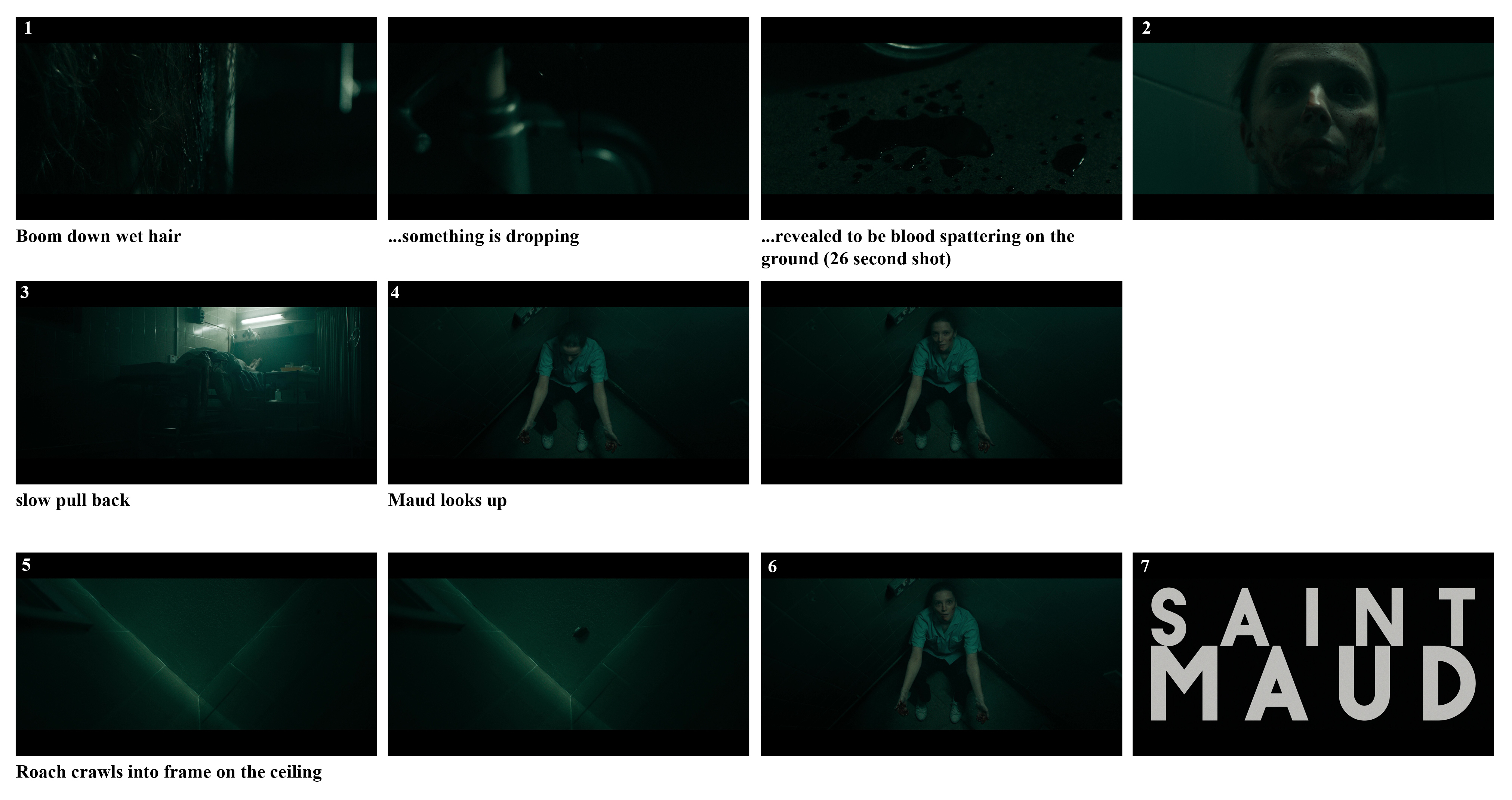
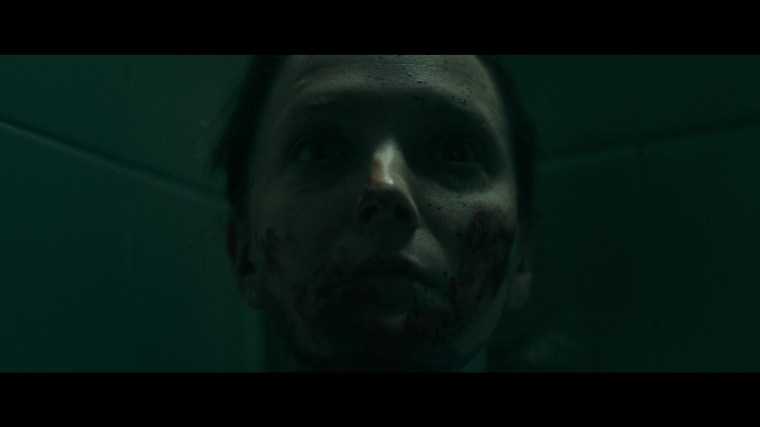
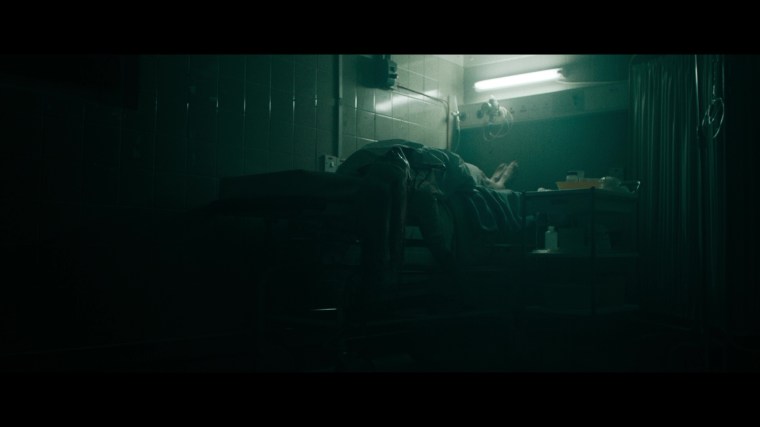
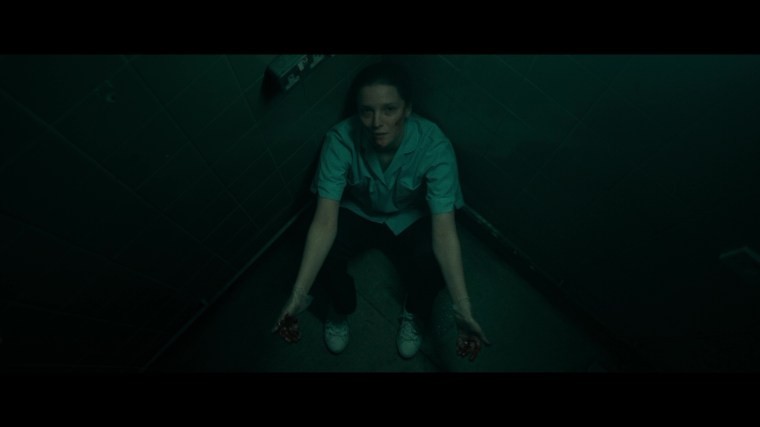
Above is a shot-by-shot breakdown of the film’s opening pre-title card scene. Here’s Glass…
“This opening is different from what was in the original script. I always wanted the film to start with essentially a glimpse of what God saved Maude from. So, in the beginning, I think I originally had a sequence which was a lot more abstract, kind of representing her state of mind. I had this elaborate sequence with this massive sort of tidal wave slowly looming towards her and then it was going to turn into a whirlpool and then we were going to get sucked down into it. I quickly discovered that CGI water effects are incredibly expensive. So I scrapped that.” (#6)
And here’s Glass on the new opening, which added a new through line to the film in which God was represented visually by Maud as a cockroach.
“(The cockroach) wasn’t originally in the script. (A couple of days before we shot a scene between Maud and Amanda in the latter’s bedroom), suddenly I had this pretentious idea like, ‘Oh, it would be great if we had like a moth fluttering around that lamp on her bedside table. It will make everything feel a bit sort of dreamy and surreal.’ So Tim, our line producer, was like, ‘I’ll see what I can do.’ He found this insect wrangler, Grace, and she said it’s the wrong time of year for moths, but she had cockroaches and crickets…So, I did a few takes of this with the cockroach (which Glass christened Nancy) kind of crawling around on the pillow next to Amanda’s head with a dreamy, surreal kind of feel. And in the edit it looked like a half-baked idea, which it was. So we cut (the cockroach) out. But later on when we were doing the pick-ups when we were coming up with the idea for the opening scene and the idea of when Maud first sees God or when God appears to her in a physical form, what form should that be. And obviously Nancy had blown me away with her performance (on the pillow), which we cut her out from, and I liked bugs so that was fun.” (#6)
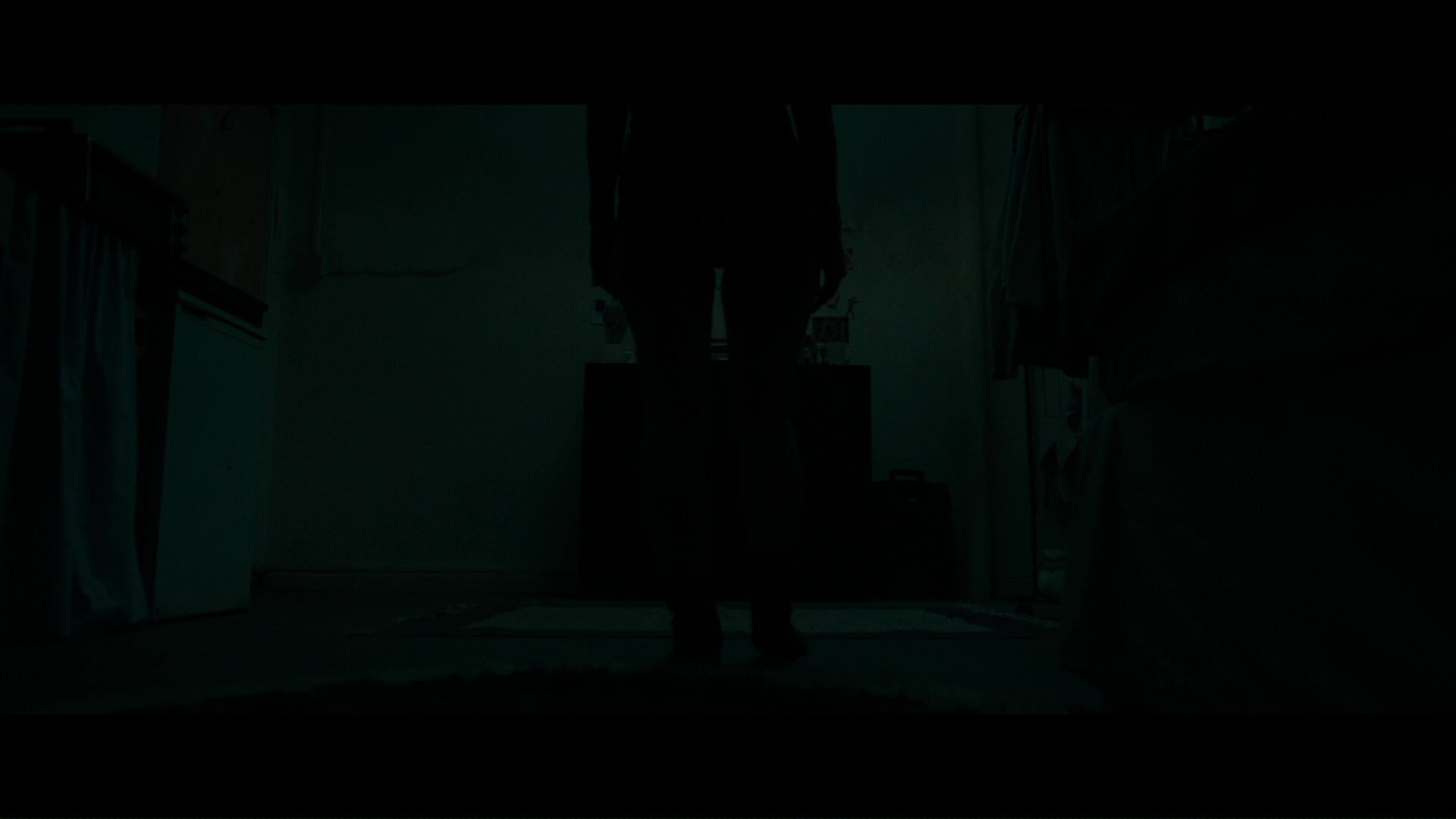
Before Maud returns to Amanda’s for the film’s denouement, God appears to her in her apartment.
“(That scene) is the main one I wrote during the edit (and was) the biggest scene we shot during the pick-ups. There were scenes in older drafts where we had something similar happening functionally – God basically appearing to her and giving her this sign. In the name of trying to keep things tight you try to lose anything that feels non-essential. I realized in the edit I’d probably made a mistake. At this point I just needed Maud to kind of have a final moment of doubt and for God to give her a final sign, basically, that’s clear and that we as the audience can see as well so we go with her with everything that comes next.” (#6)
The voice of God is actually performed by Maud actress Morfydd Clark in the scene in Welsh.
“That only came up after having done the first main chunk of the shoot because Morfydd is Welsh and I’d often eavesdrop on her talking to her friends and family on the phone in Welsh and just thought, ‘It’s a lovely sounding language.’ And also God needed to come from her. The way I see it is that it is a part of her mind and her psyche. So Morfydd is saying all of these lines. We just pitched her voice down.” (#6)
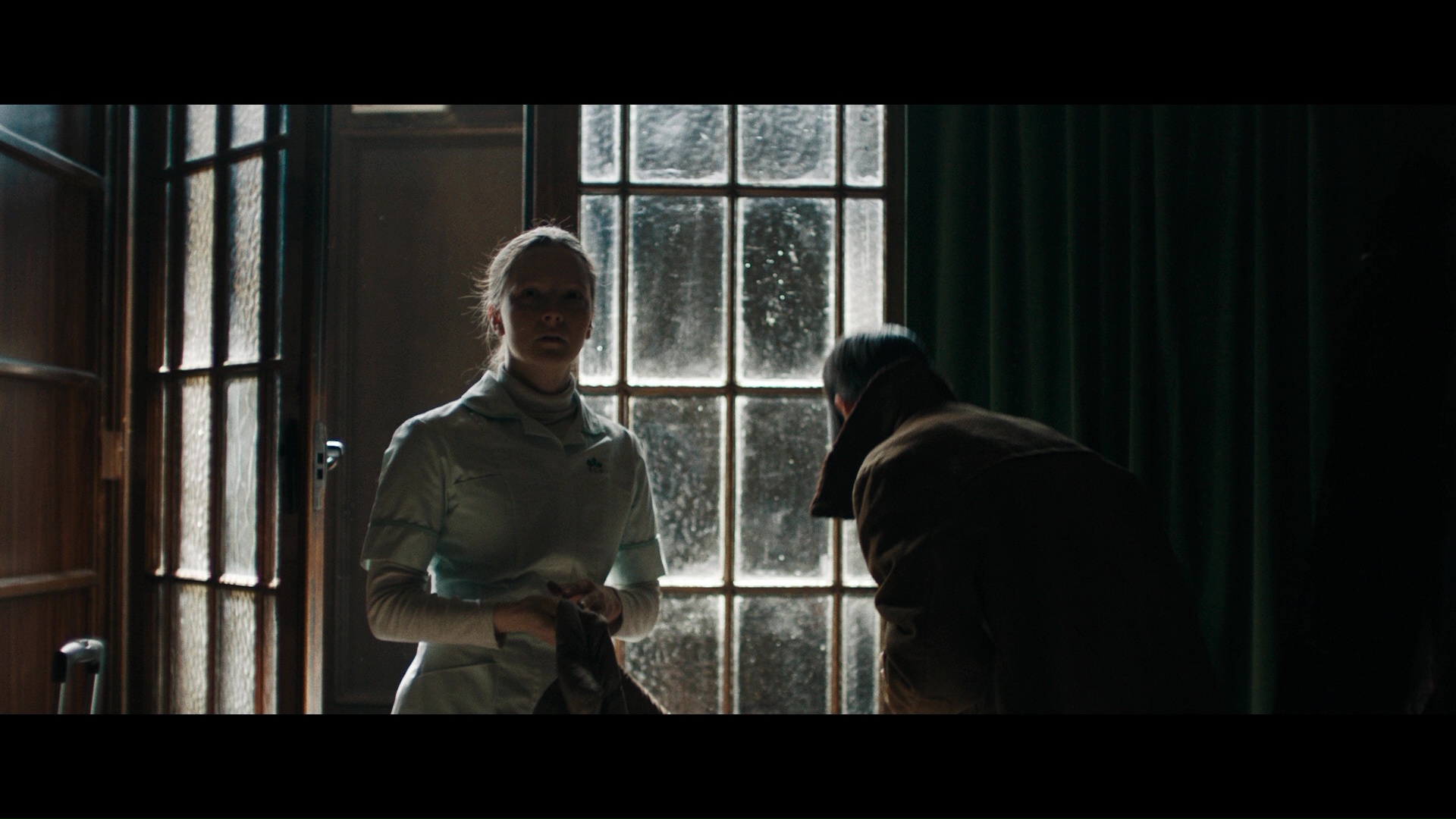
Another pick-up scene occurs when Maud first arrives to take over as Amanda’s nurse.
“Originally I think we just sort of cut from her seeing the house to her already in the room (with Amanda). I think I was trying to be a bit too economical there and we needed this little beat and I think the cunt joke was very important in undermining the creepy tone that we’d set up. Hopefully, letting the audience know that they’re allowed to laugh at stuff. Then of course everyone was like, ‘Can we say the word cunt? Is that going to make the certificate go up?” So we had to get an alt. I guess out of principle we made the alt her saying ‘dick.’ As in it seemed ridiculous that dick would be acceptable and cunt wouldn’t, but there we go.” (#6)

Glass on the seaside setting…
“[The story] was always set in an English seaside. We settled on [Scarborough] after looking at a few different places. I don’t know if it’s the same in America, but English seaside towns have this slightly weird, surreal, forgotten feeling about them, which I thought was quite appropriate for the film. I wanted it to be set in the present day in the real world, but in a slightly heightened, skewed vision of it. And a seaside town just seemed to do the trick.” (#4)
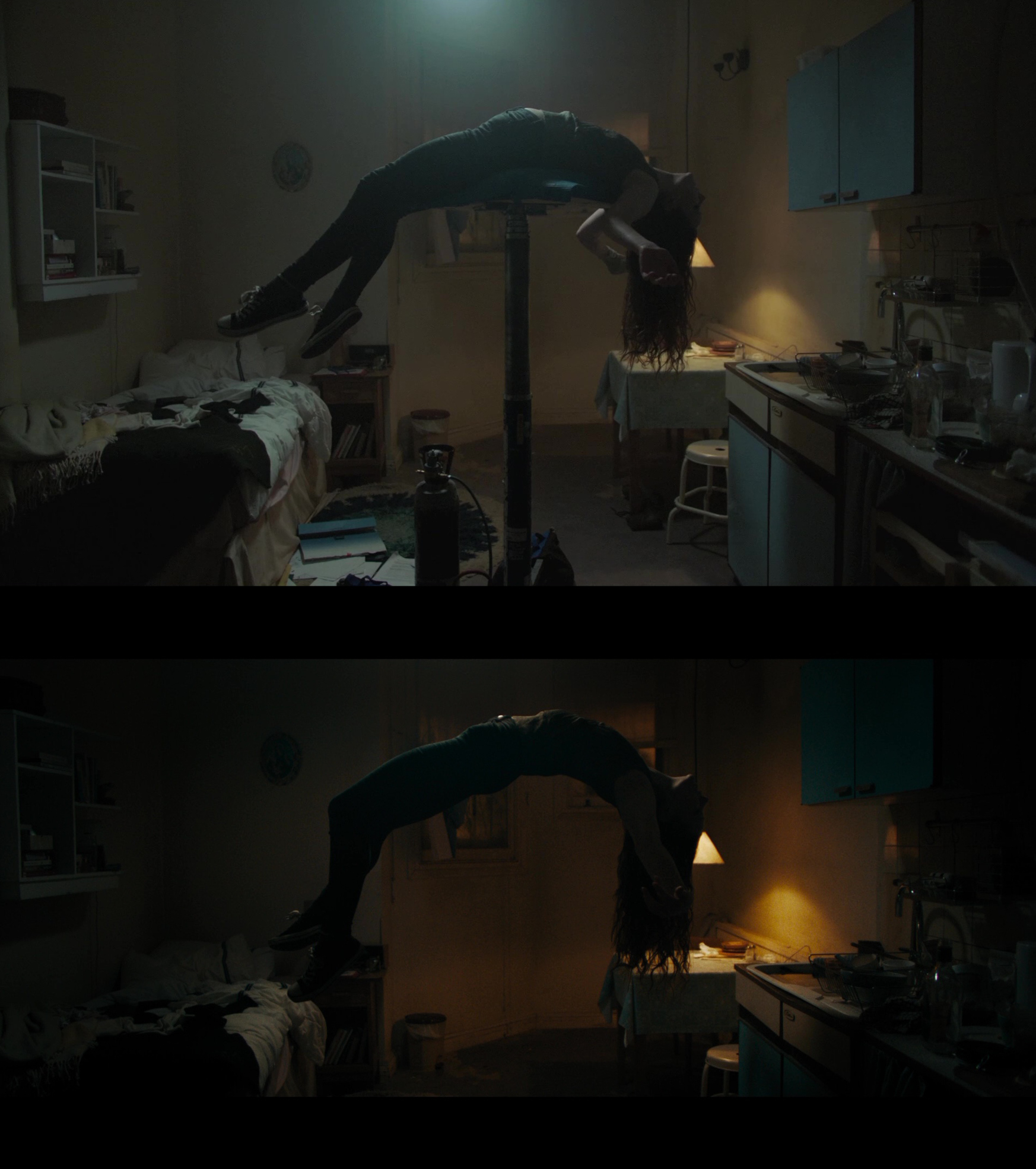
Glass on how Maud’s levitation effect was achieved…
“We’d been trying to look into doing it with wires and greenscreens and all these other things, which were getting a bit expensive and complicated. And then (producers) Oliver (Kassman) and Andrea (Cornwell) basically found this kind of (pressurized platform) type thing, which is used in warehouses to lift up boxes into big shelves and stuff. So, we just popped her on that and painted it out in post.” (#6)
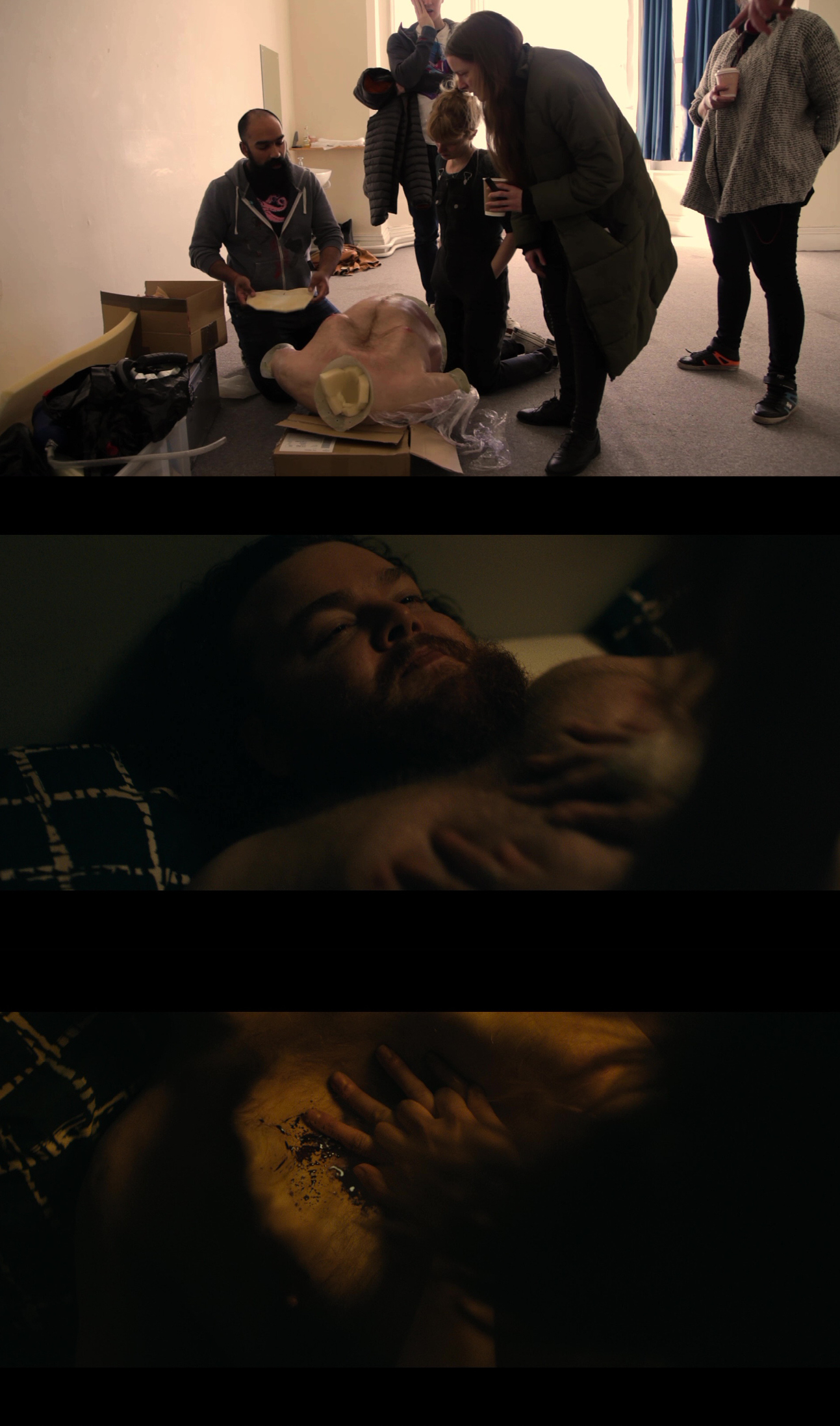
Glass on Maud’s hallucination where she pushes her hands through the chest of a man she picks up at a bar…
“I was talking to a friend of a friend, a nurse, about, ‘Oh, I’m making a film and it’s got a nurse in it. Does this stuff ring true to you?’ And she said, ‘Yeah, of course, medical stuff, getting PTSD on the job, it’s a very stressful profession.’ She told me this whole story — she was working on an ICU for people with lung difficulties, and was doing a night shift, and there was an old man asleep in one of the beds who’d had a major operation on his chest. And his chest had this massive incision down the middle that had been stapled up. He went into cardiac arrest and she called the crash team, and while they were running there, she began compressions, and because he was so delicate and spindly, the incision in his chest burst open and her hands went into his chest and squished everything. And it all went up in her face, and he died. That stuck with me, and I asked if I could put it in the film, and she said yes.” (#7)

DP Ben Fordesman on creating this beer vortex practically…
“That was actually an in-camera effect. They were little spinny motors, I think for toy airplanes. It was driven by a motor magnetically through the table. All of the spinny pints of beer were actually practically done and then I think VFX might have tidied up some foam spinning on top. But we were kind of running out of time. We were shooting on location and there were maybe 13 slates we had to get through and that was left to the end of the day so it was quite rushed but I think we managed to pull that one off.” (#5)
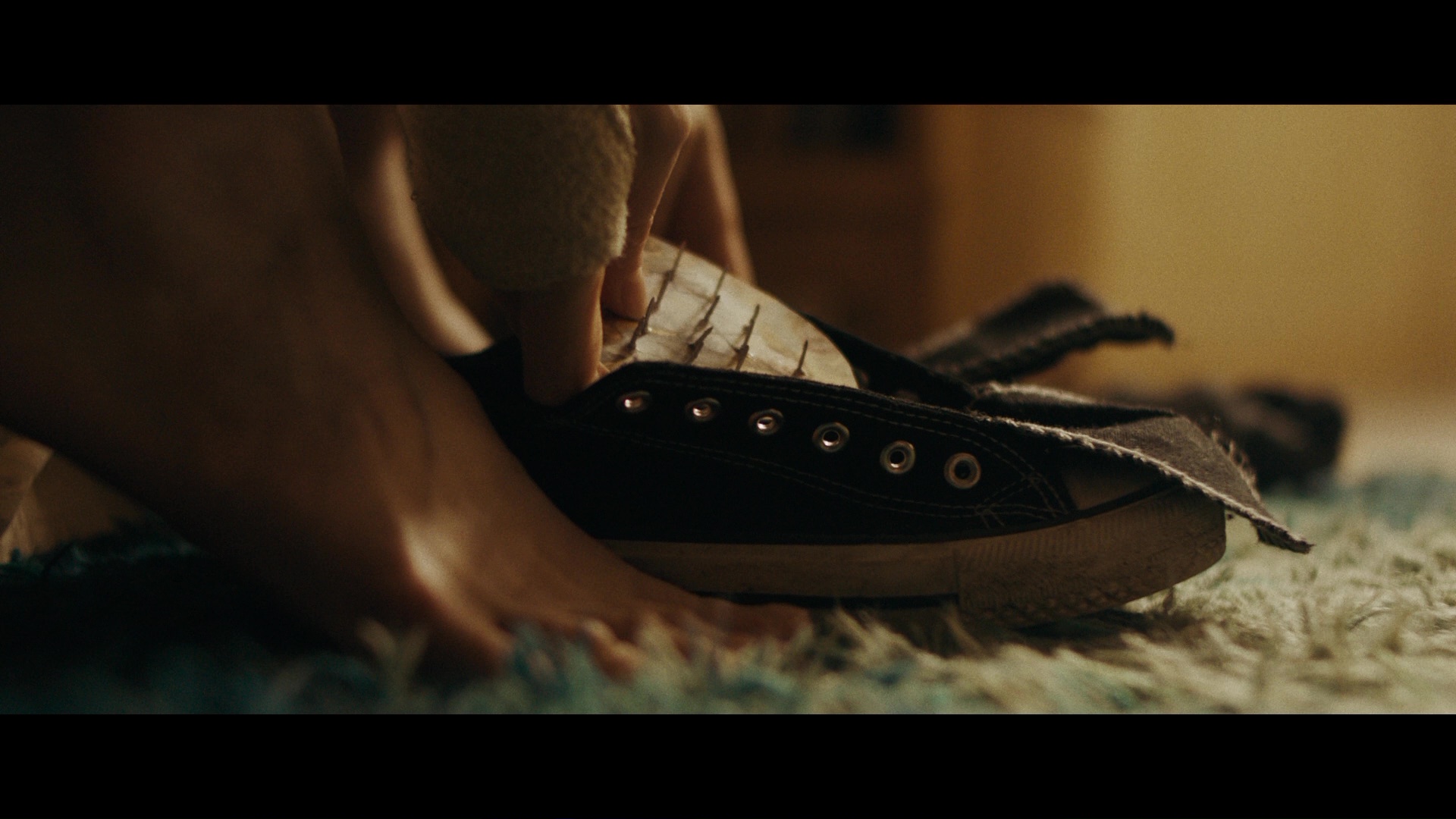
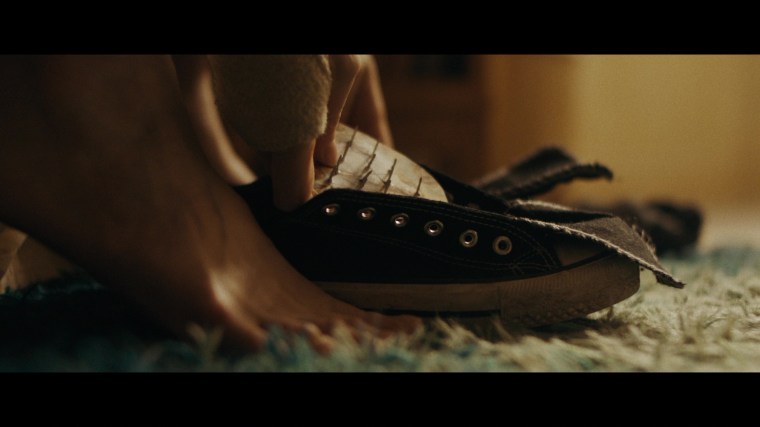
Glass on the inspiration for a scene in which Maud places pins into her shoes to punish herself for her sins, which came from a BDSM website…
“I don’t think spiritual cleansing was what the person on that forum was going for but it’s interesting the different things that make people tick. Everyone’s weird but we walk around pretending to be normal.” (#8)
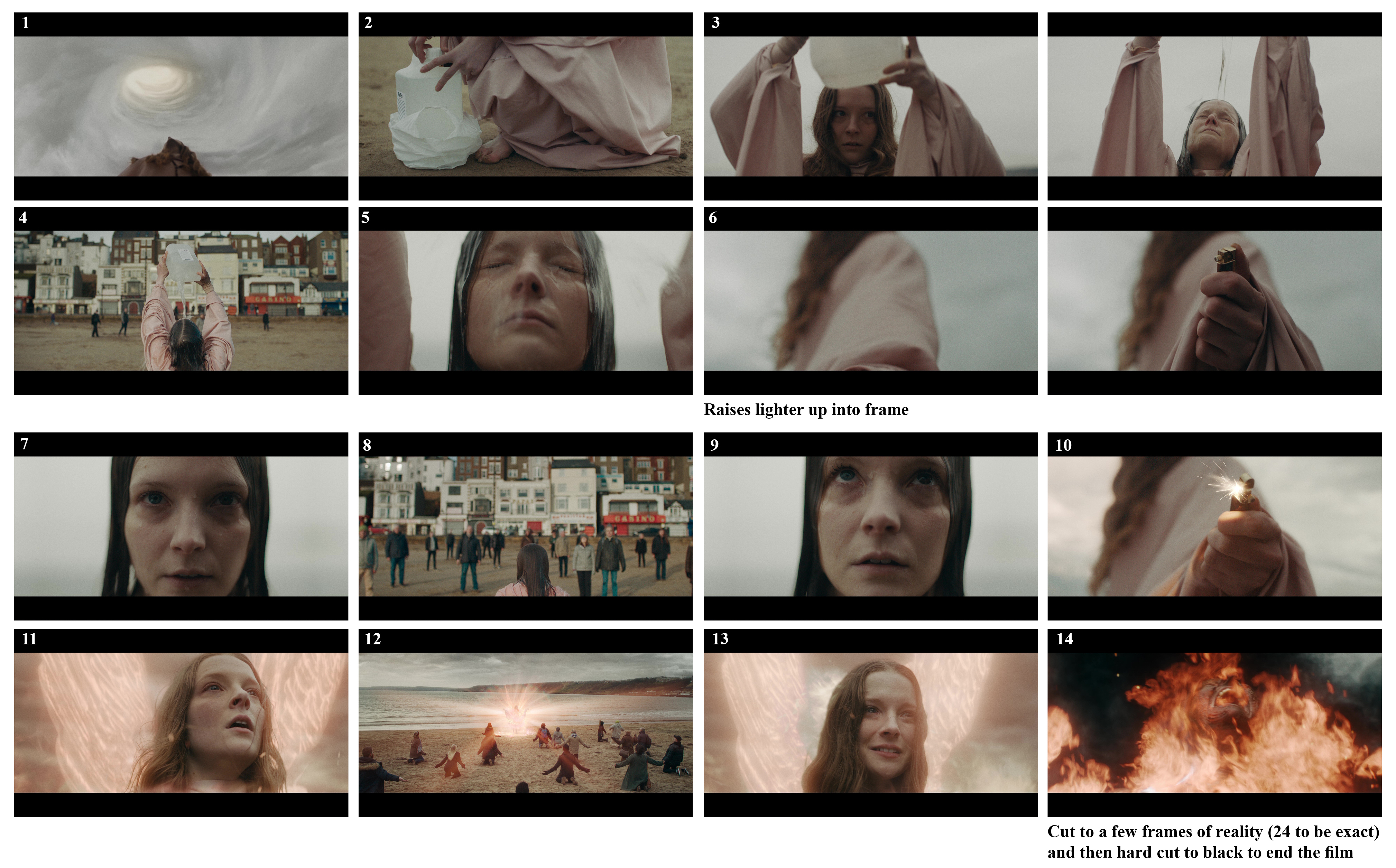
(Above) A shot-by-shot breakdown of the film’s final moments, which ends by shattering Glass’ delusions to show the audience a glimpse of reality…
“We did actually shoot a version of that stunt on the beach with a stuntwoman getting set on fire. But because she had to wear this fake safety head and hands we had to shoot it quite wide and it just felt wrong to distance ourselves from her so much at that point. So the very final image that you see (frame #14 above), that’s the first thing we shot during our pick-up week because we needed (the camera) to be close. So that’s a charred, horribly (burnt) body make-up against a greenscreen and then digital flames.” (#6)
References
#1) https://www.fangoria.com/original/saint-maud-interview/
#2) https://www.huckmag.com/article/saint-maud-rose-glass-interview
#3) https://inews.co.uk/culture/film/rose-glass-saint-maud-director-interview-714510
#4) https://www.avclub.com/writer-director-rose-glass-on-the-holy-terror-of-saint-1846188864
#6) Blu-ray commentary track with Rose Glass
#7) https://www.vulture.com/2021/01/saint-maud-ending-director-rose-glass-explains-it-all.html
#8) https://www.esquire.com/uk/culture/film/a34056012/rose-glass-interview-saint-maud/


 deep fried movies