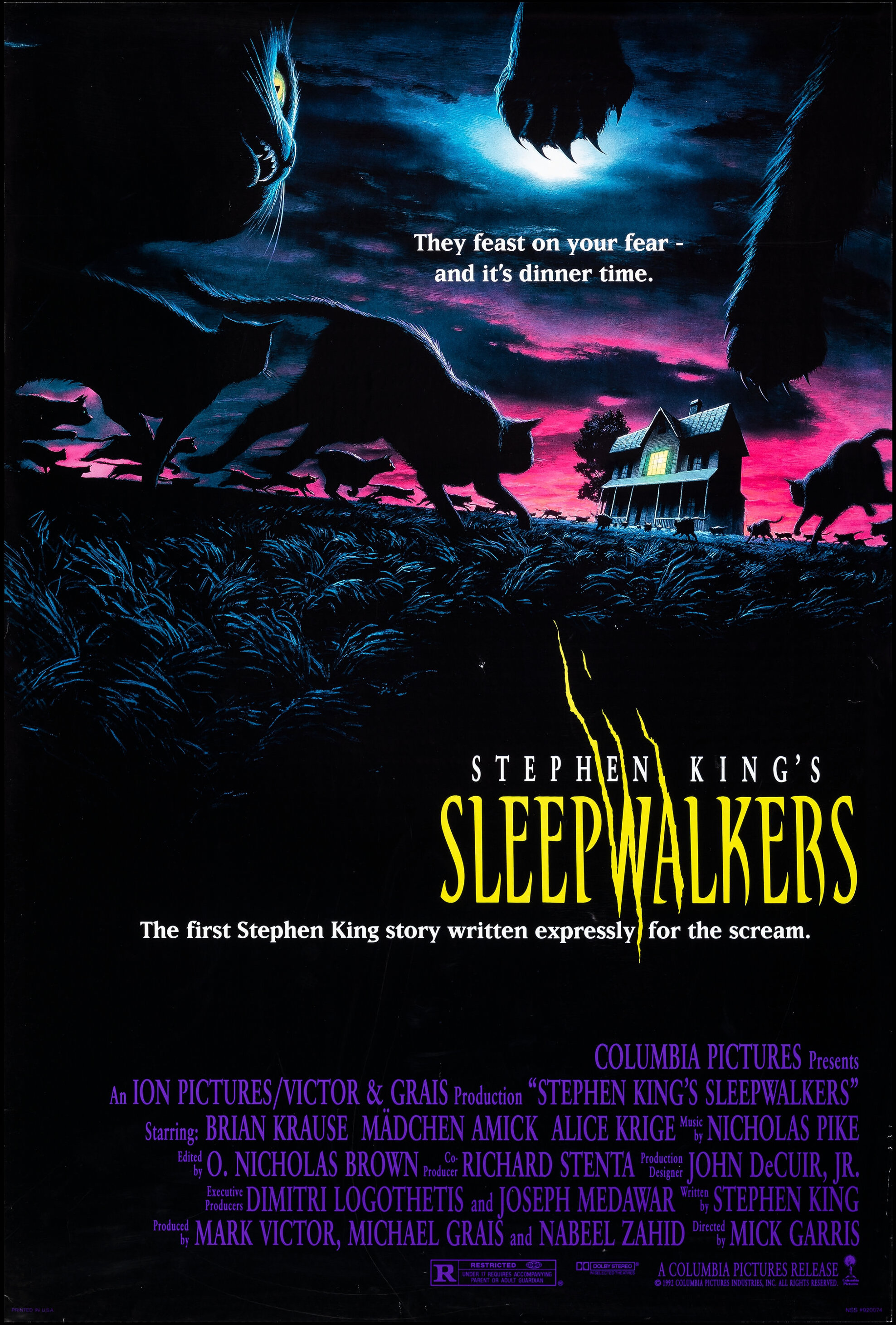
The first script written by Stephen King directly for the screen, Sleepwalkers finds incestuous mother/son cat creatures arriving in a small Indiana searching for a virgin to feed on. The movie opened atop the box office and was the first of many collaborations between King and director Mick Garris (including miniseries versions of The Stand and The Shining).
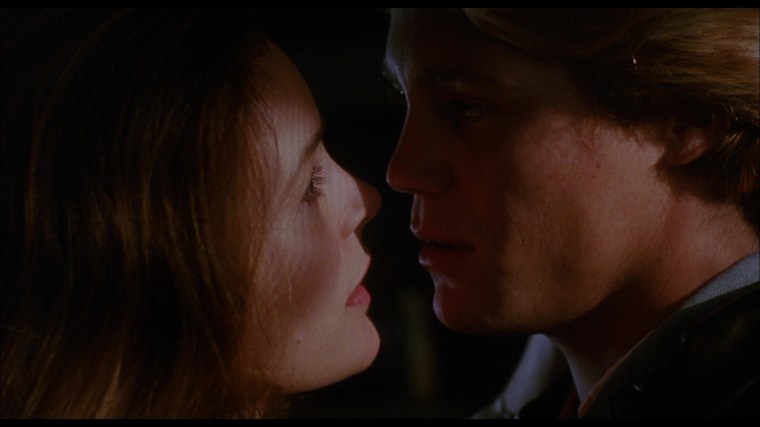
“I don’t think it’s the best work that Stephen and I have done, but I’m proud of that nasty little movie. On opening night I went to the Chinese Theater on Hollywood Boulevard. There were a thousand people. It was packed. The song “Sleepwalkers” is playing…then mother and son kiss! And a thousand people in concert together went ‘Ewwww!’ Greatest moment of my moviegoing life.” – Mick Garris (#1)
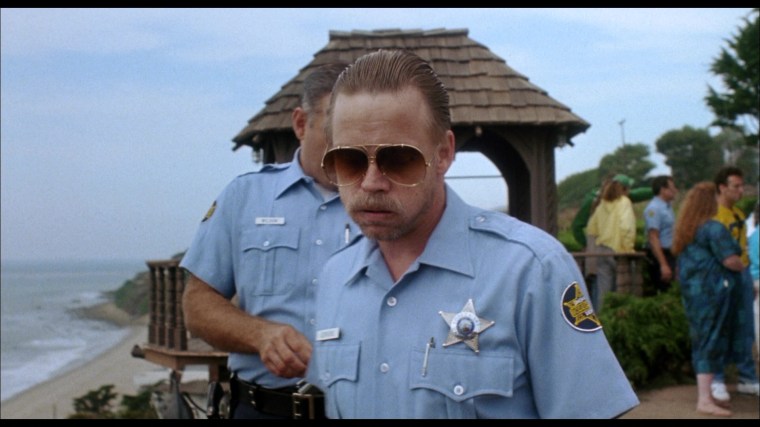
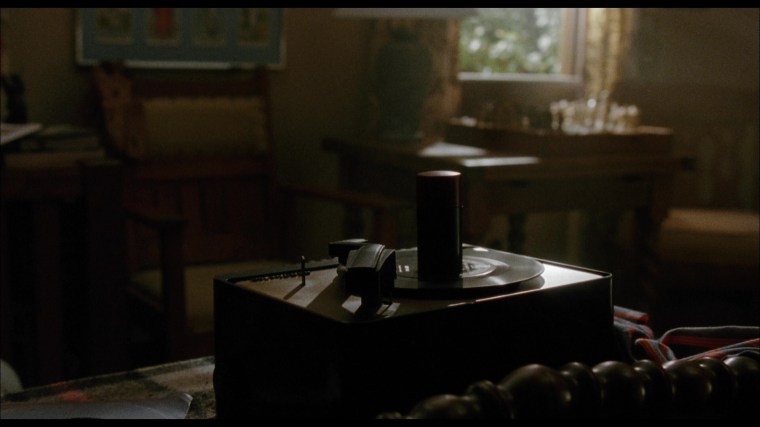
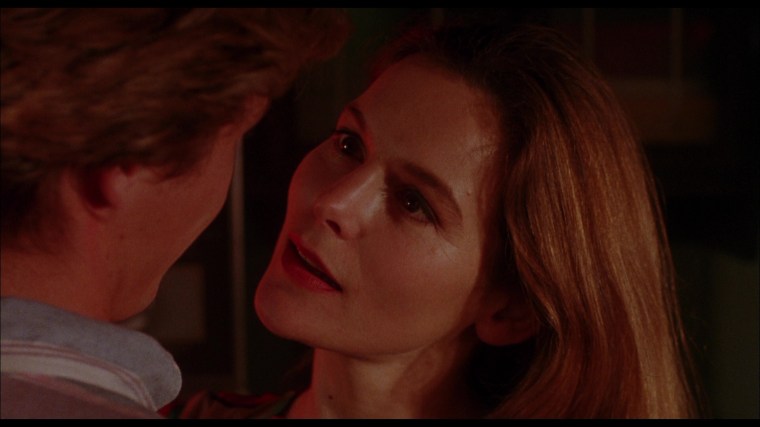
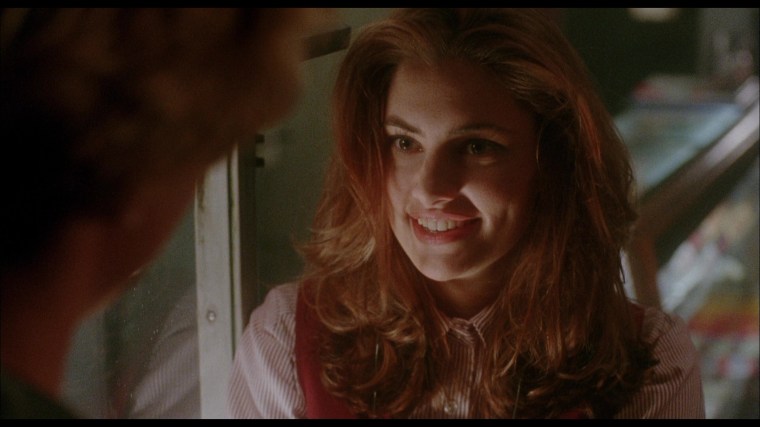
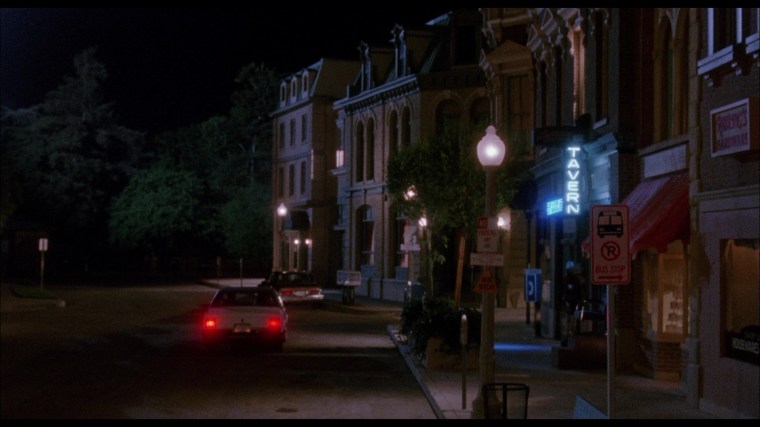
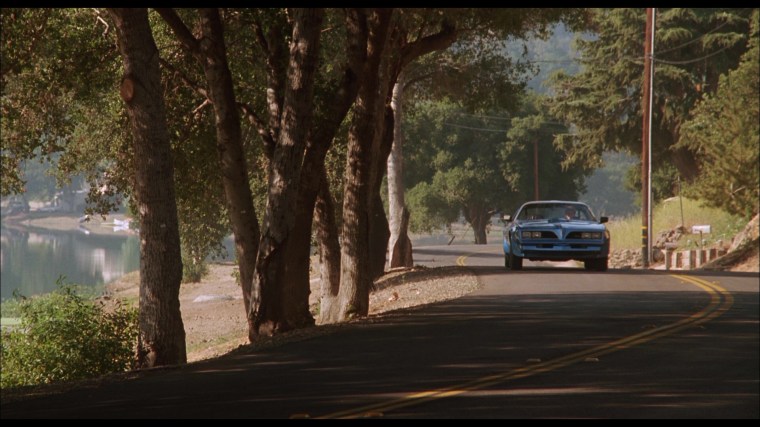
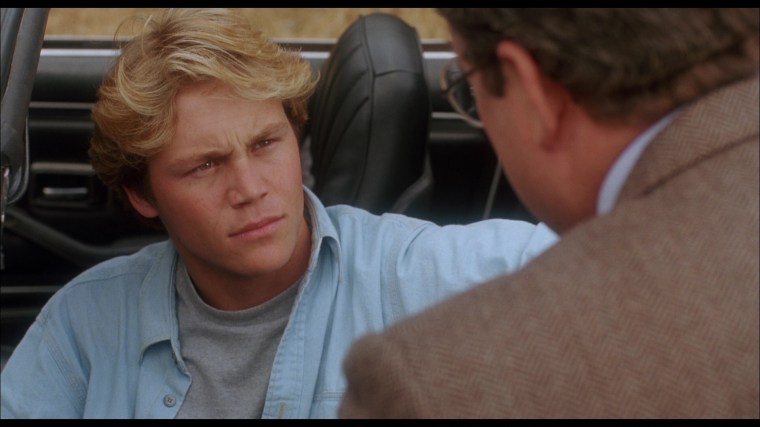
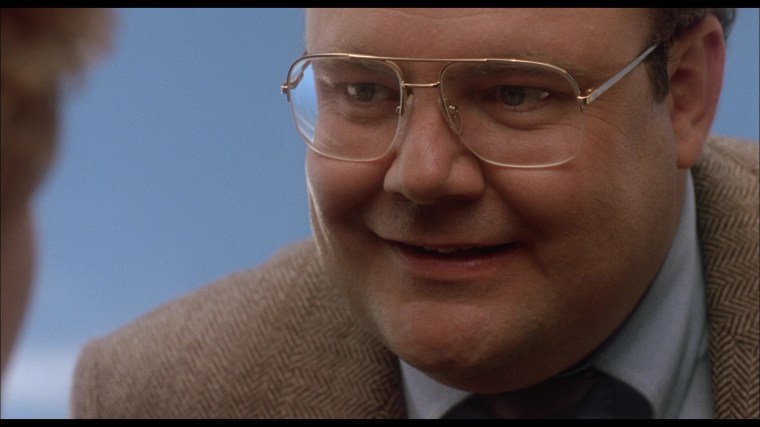
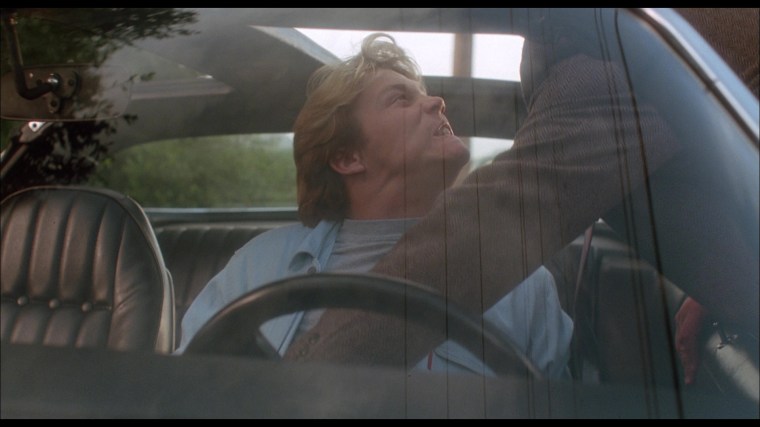
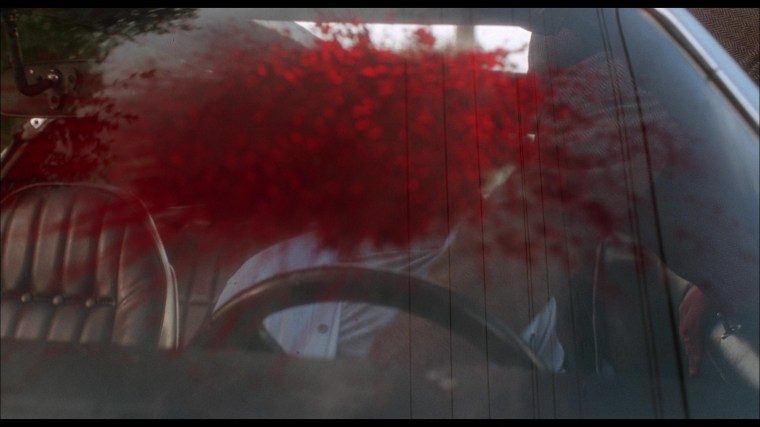
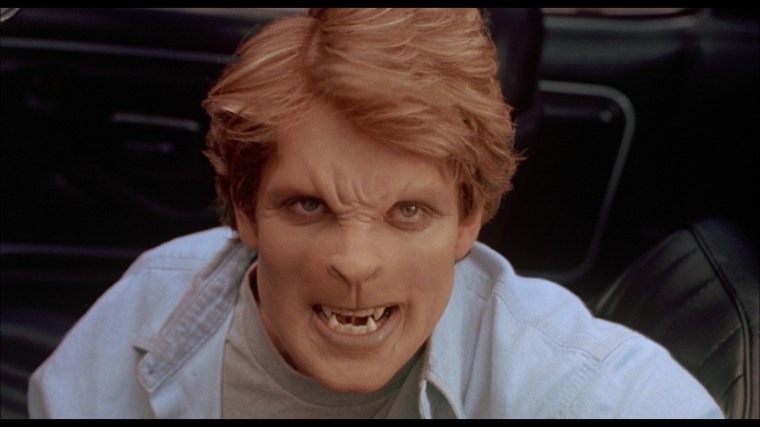
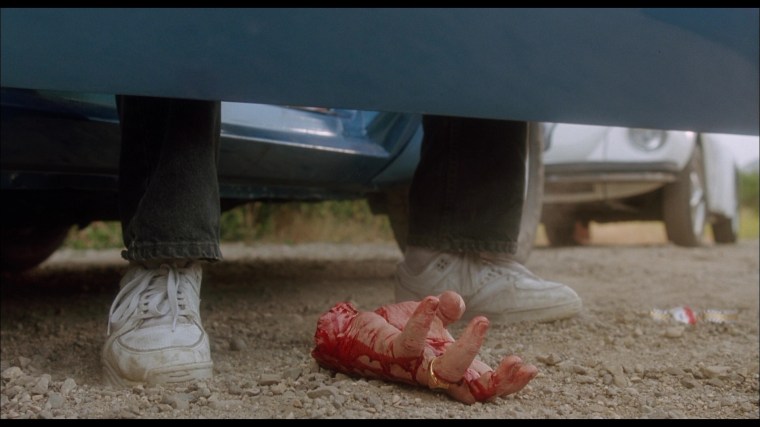
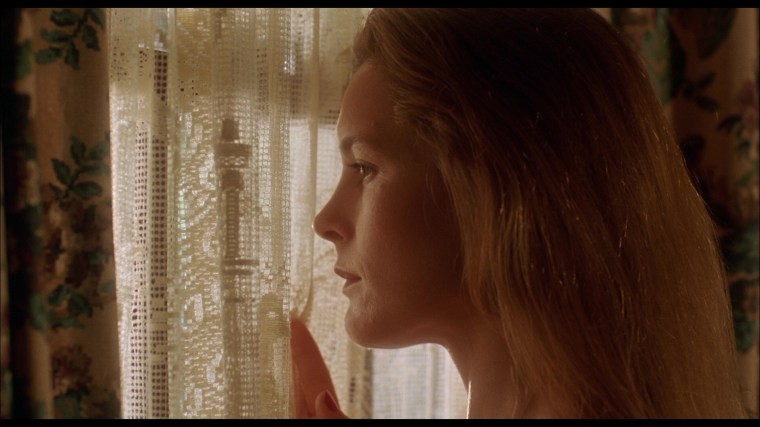
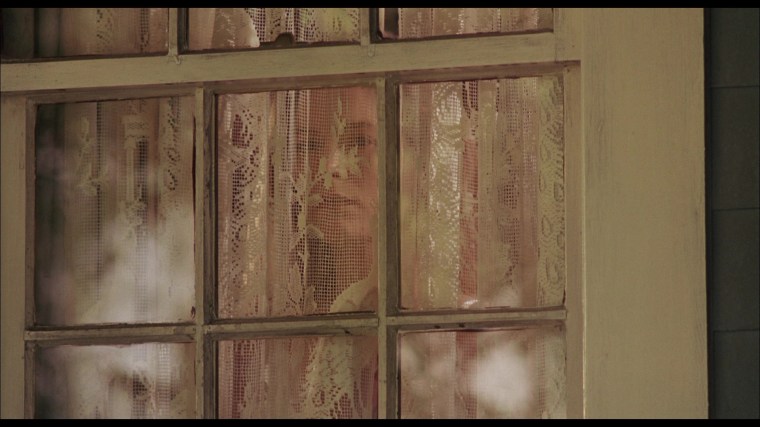
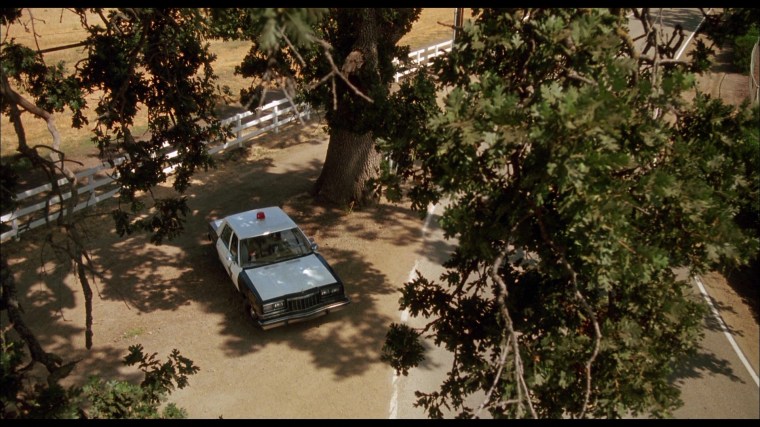
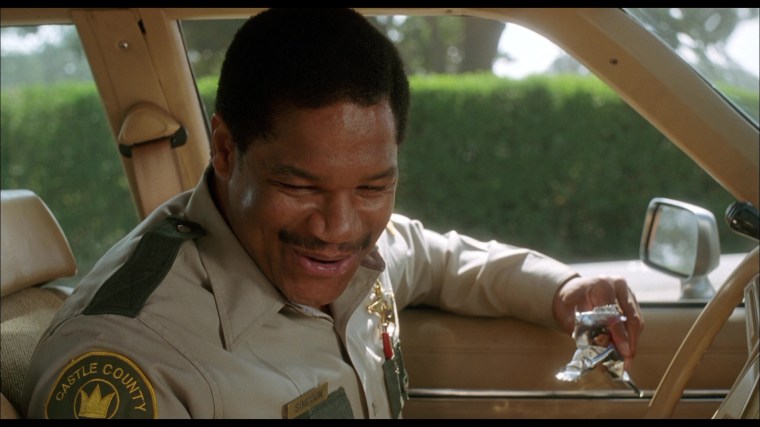
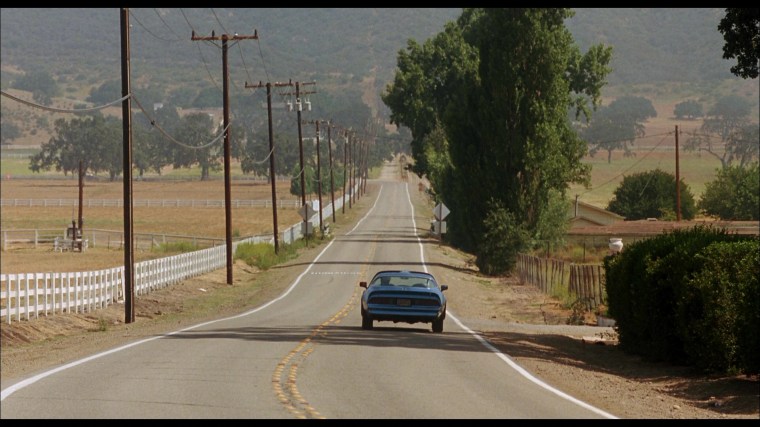
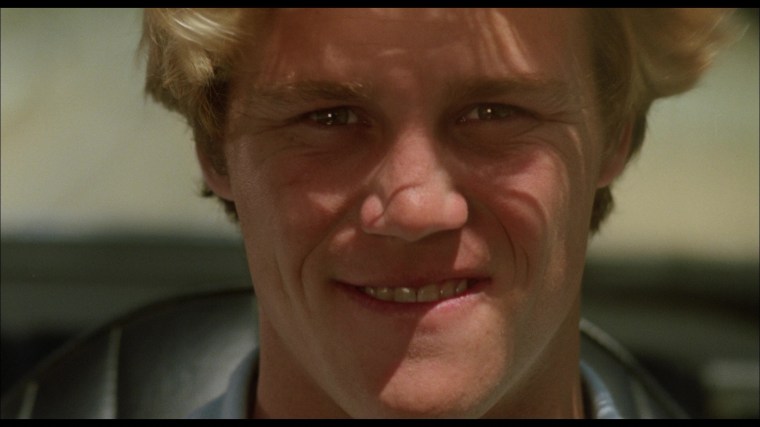
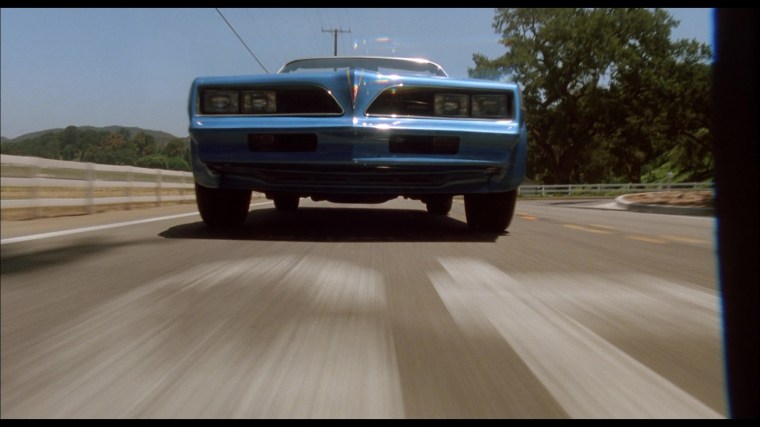
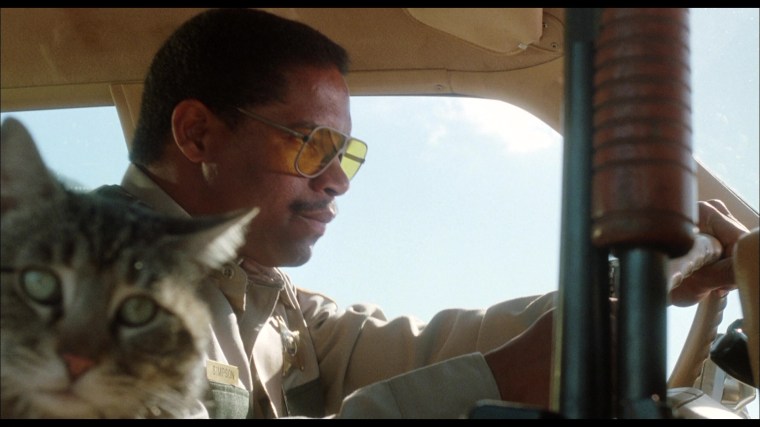
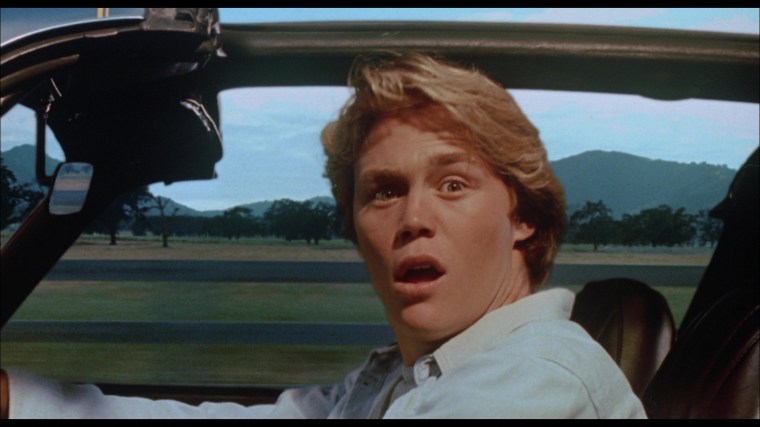
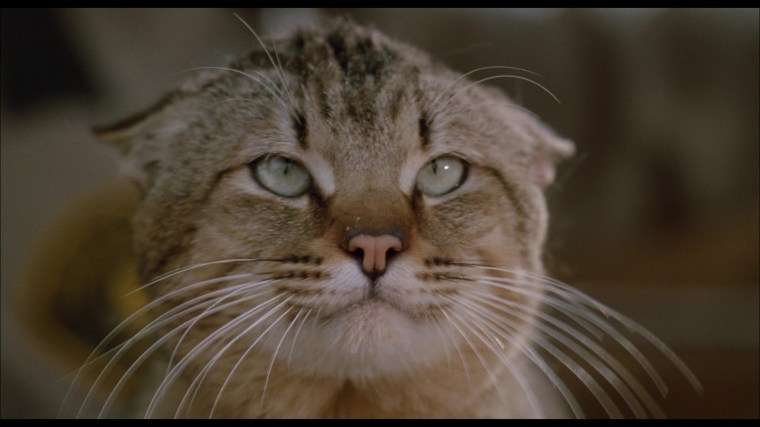
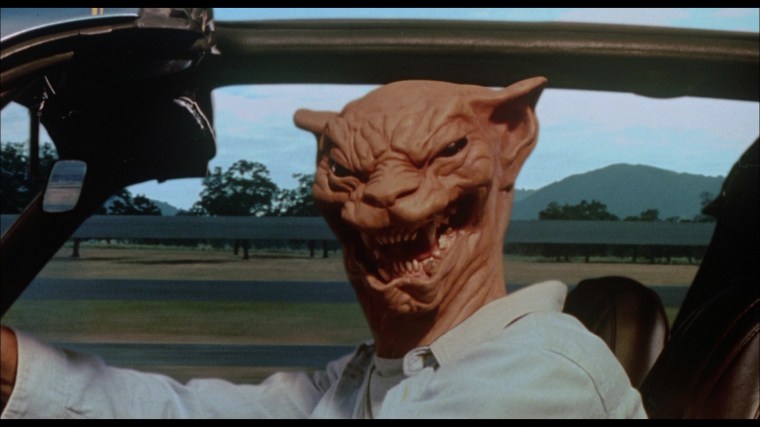
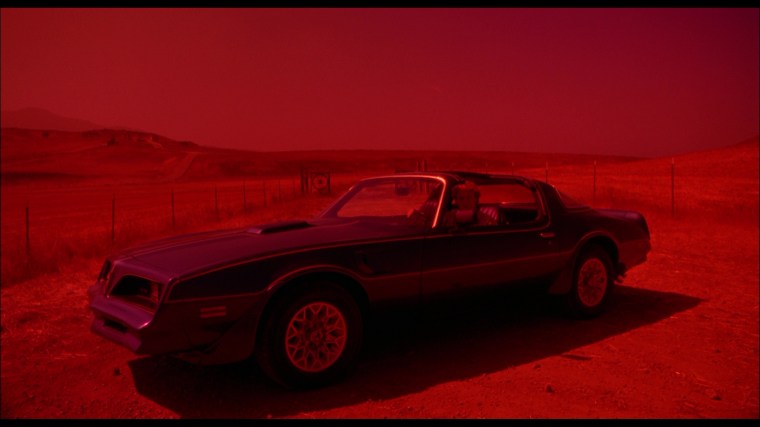
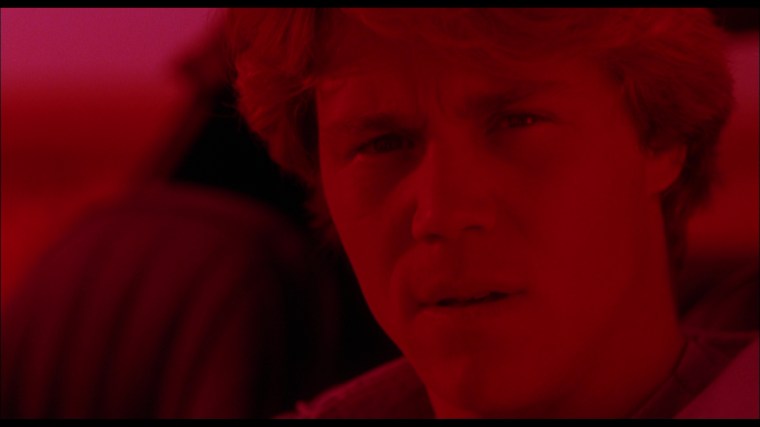
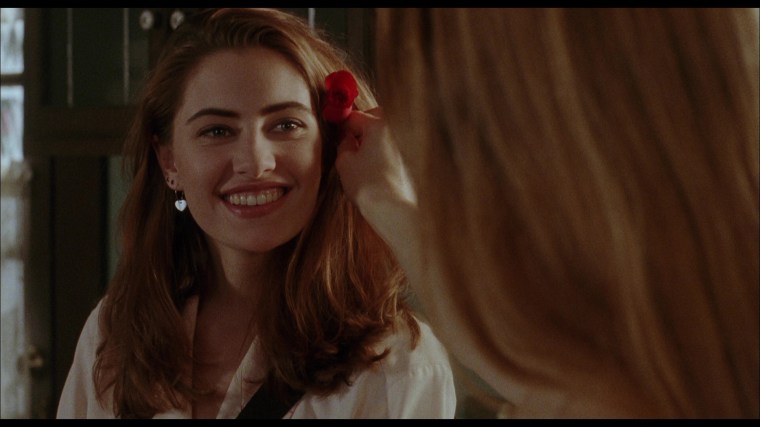
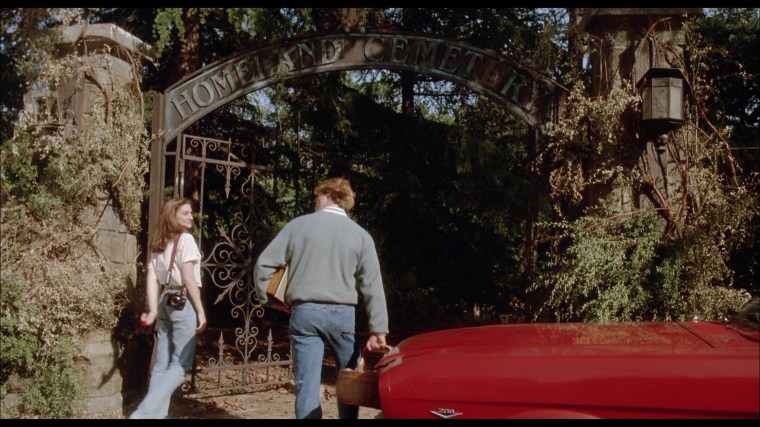
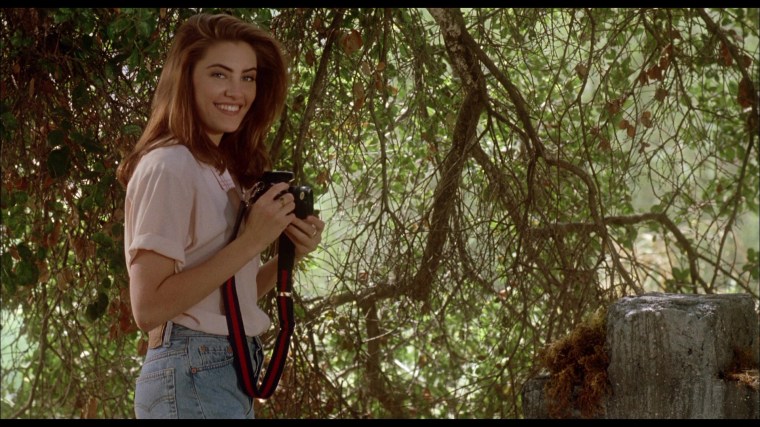
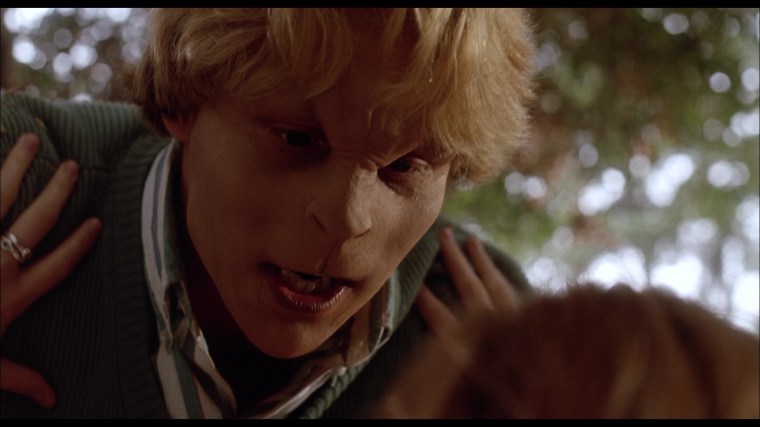
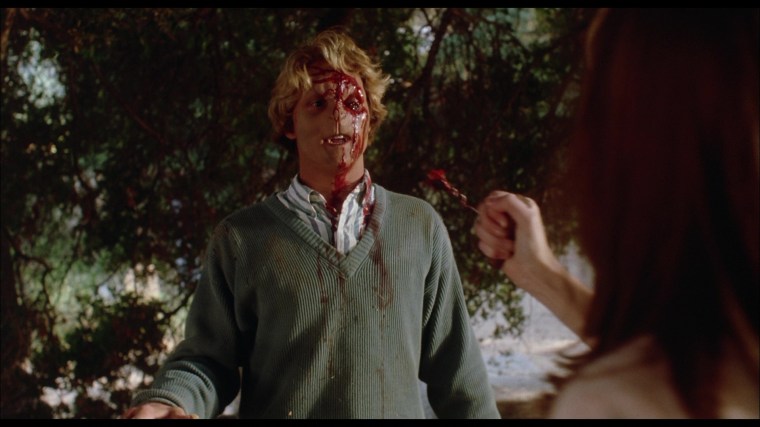
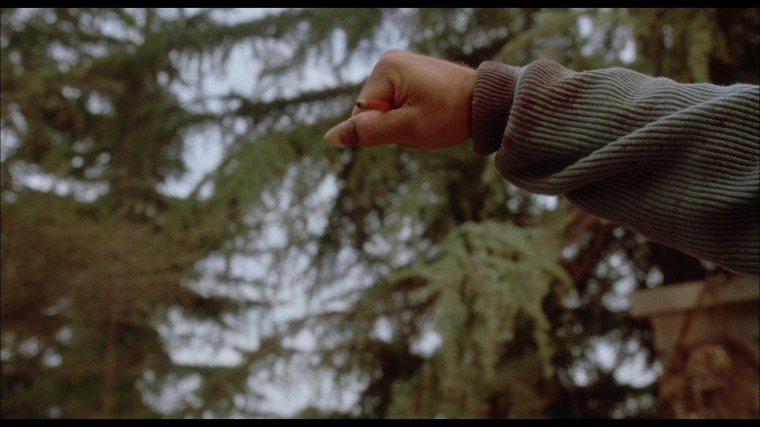
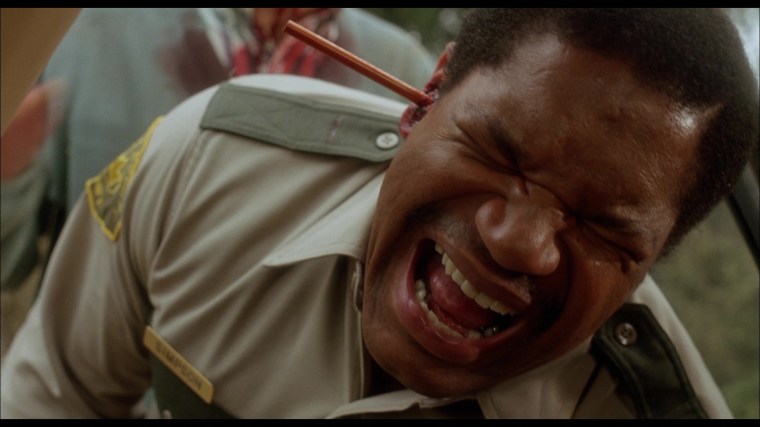
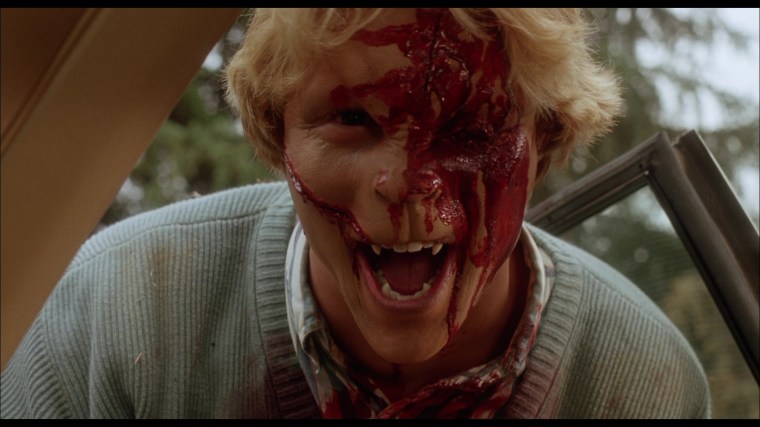
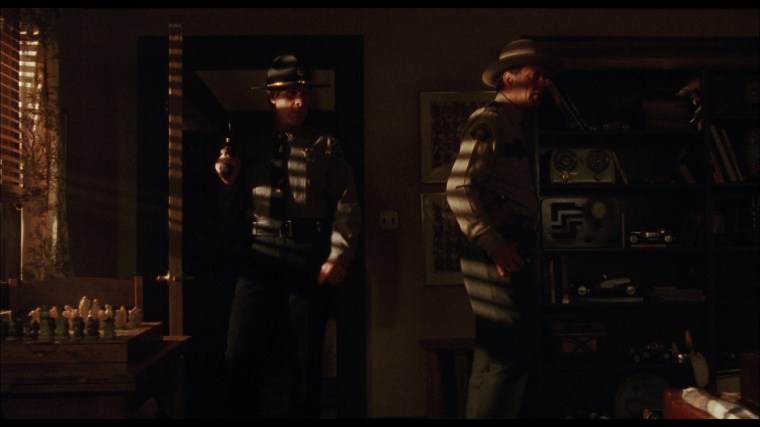
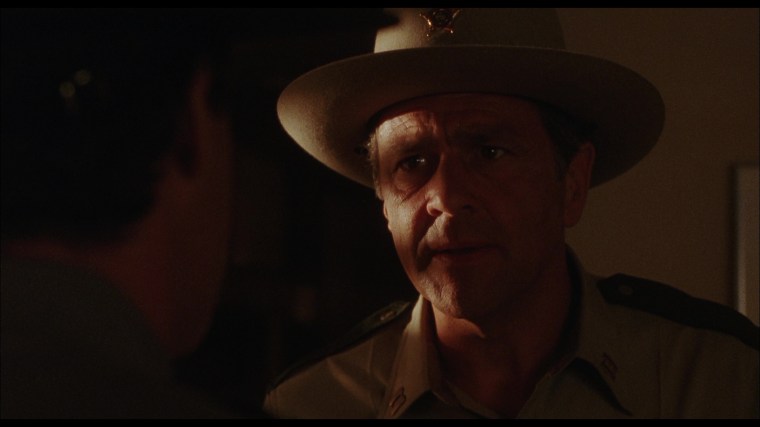
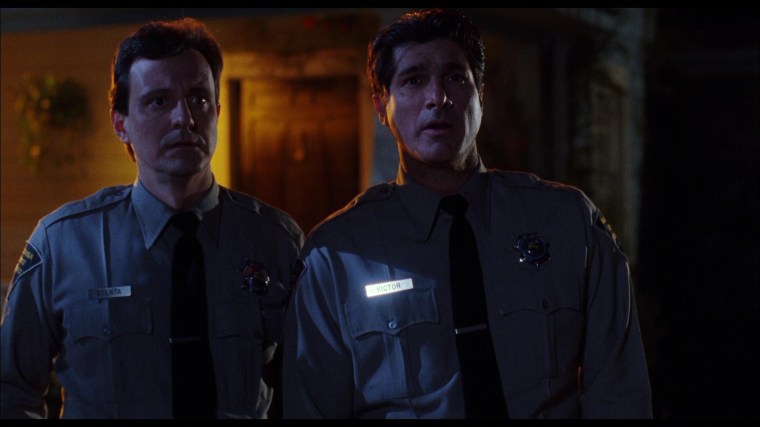
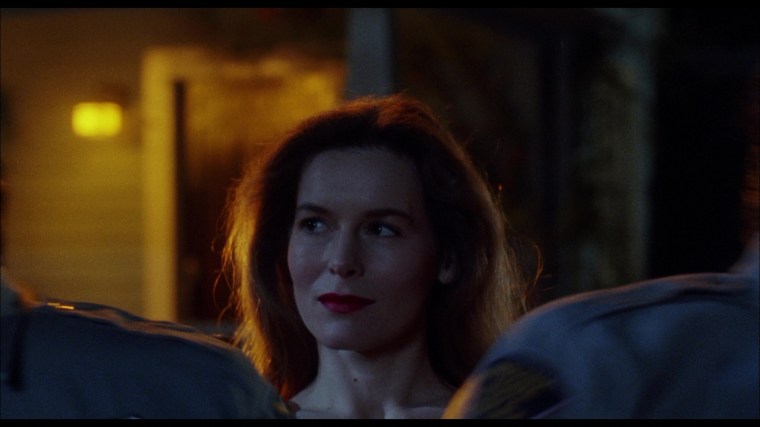
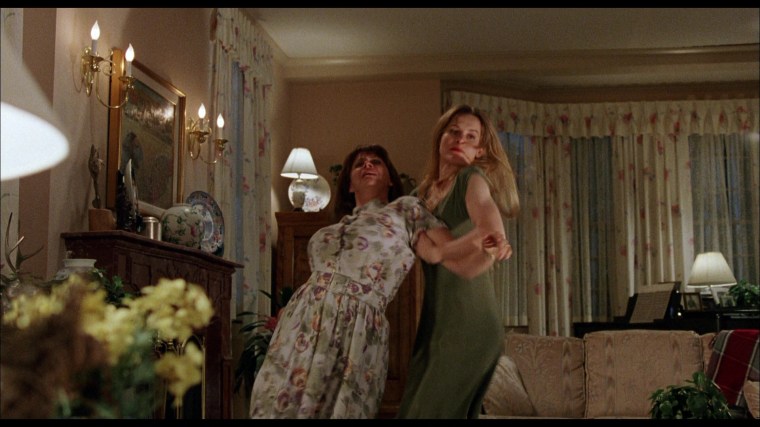
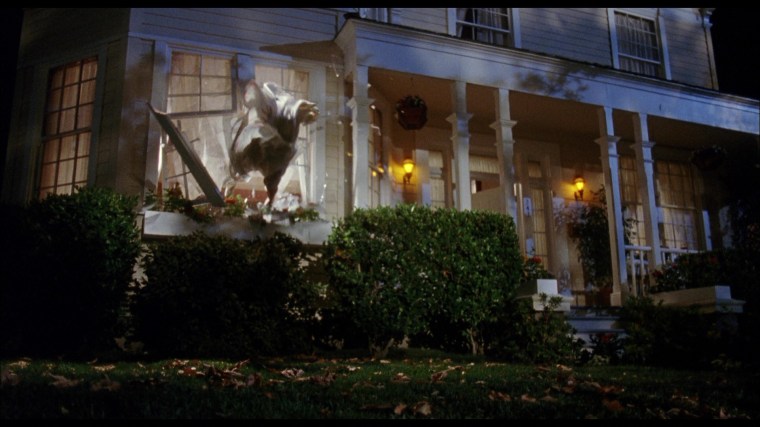
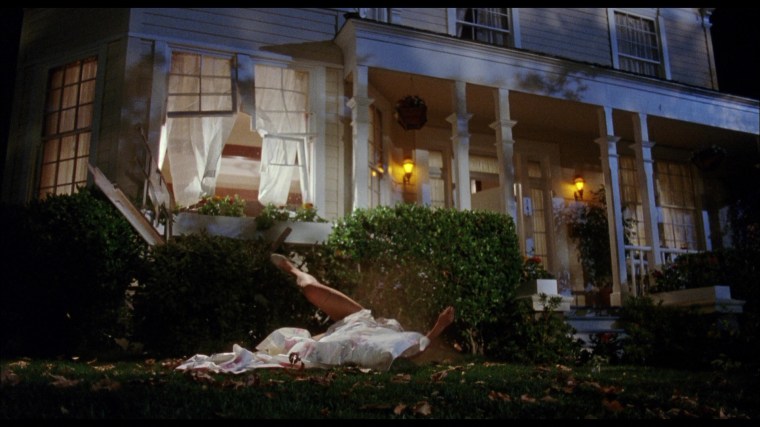
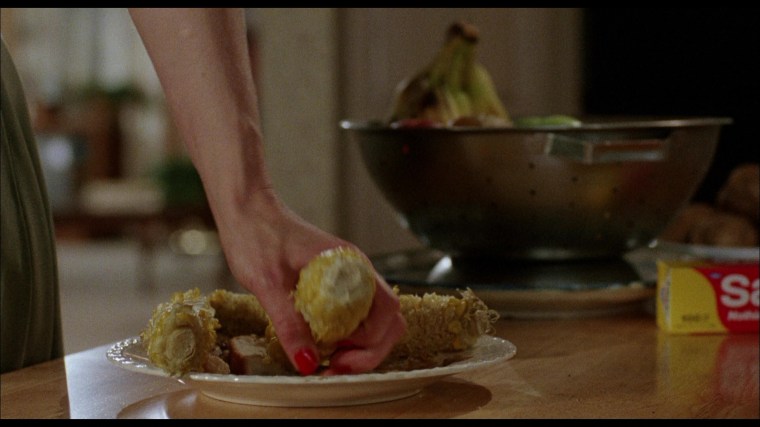
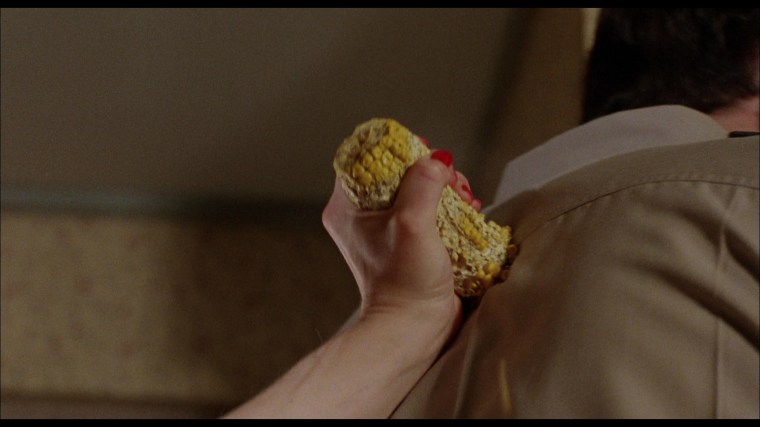
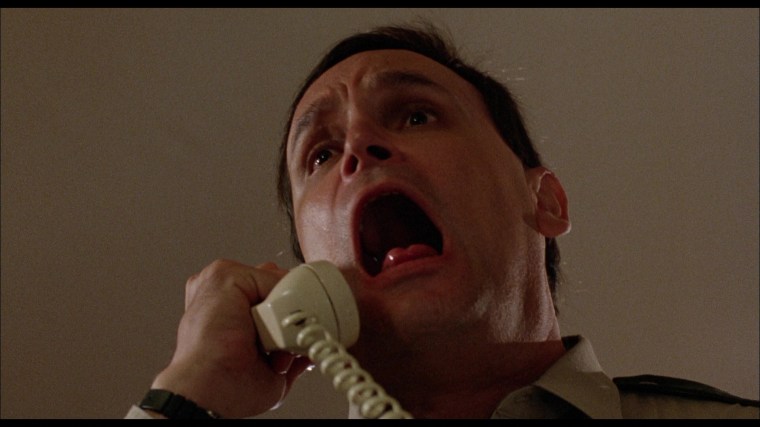
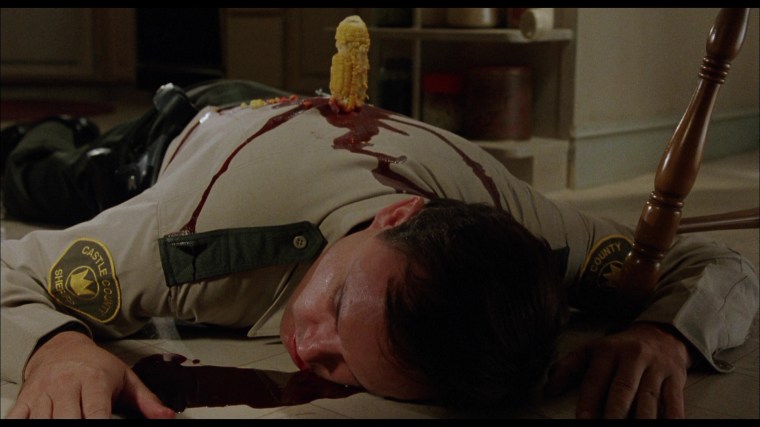
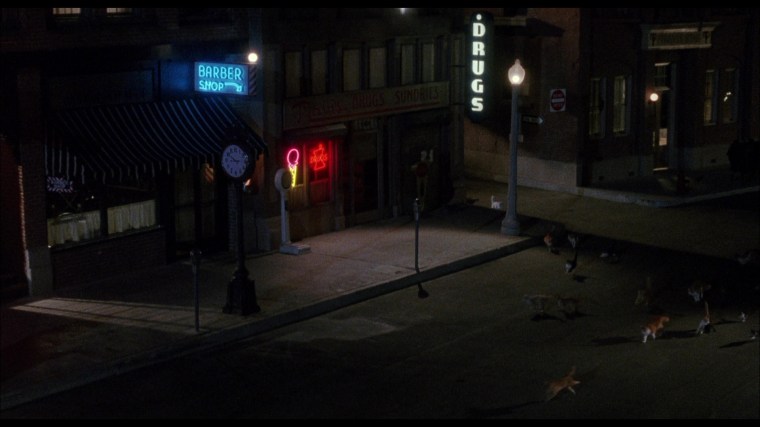
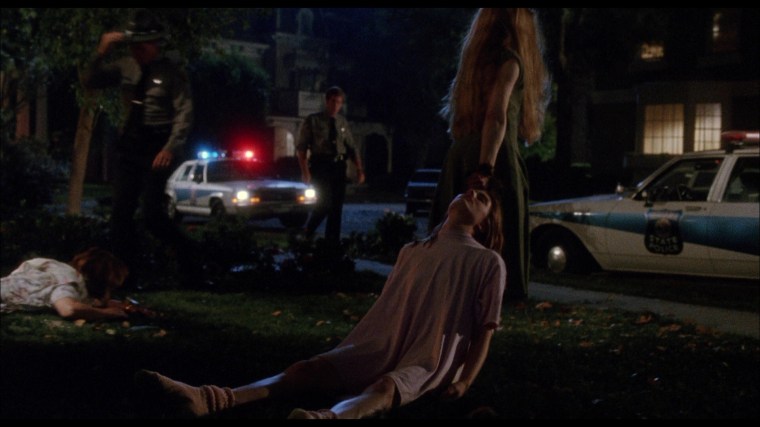
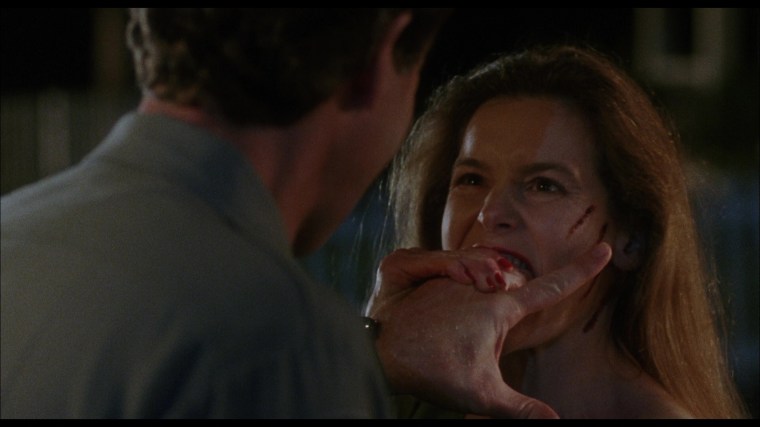
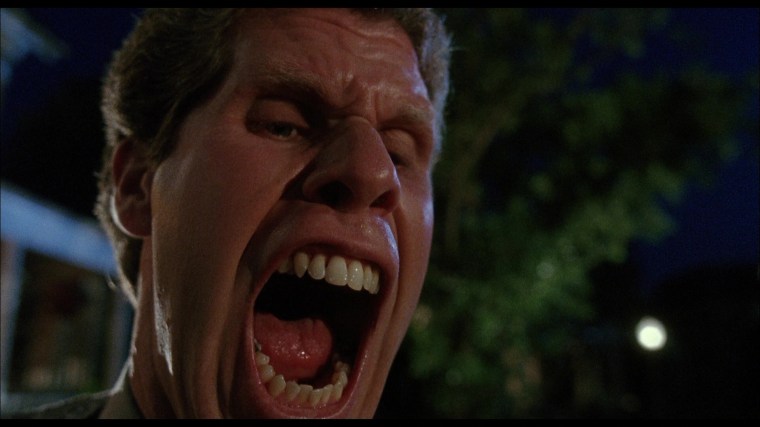
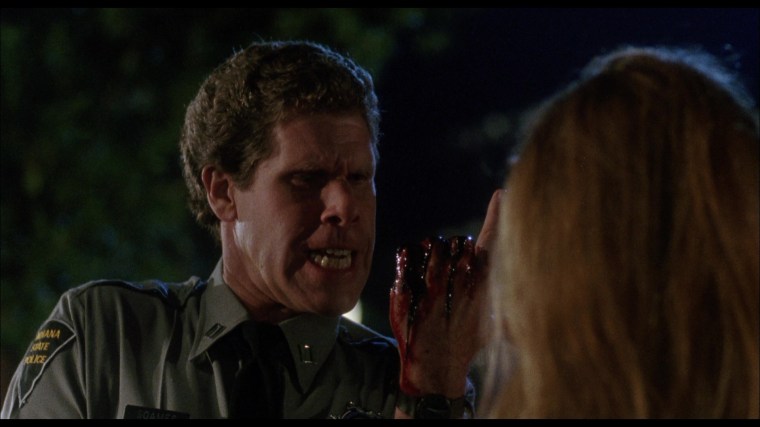
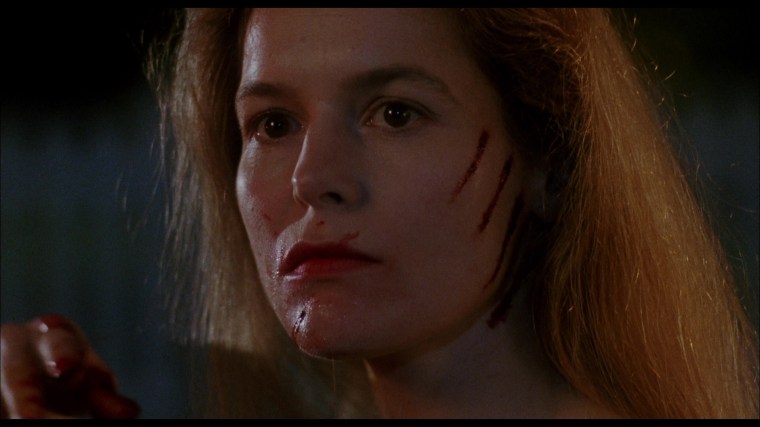
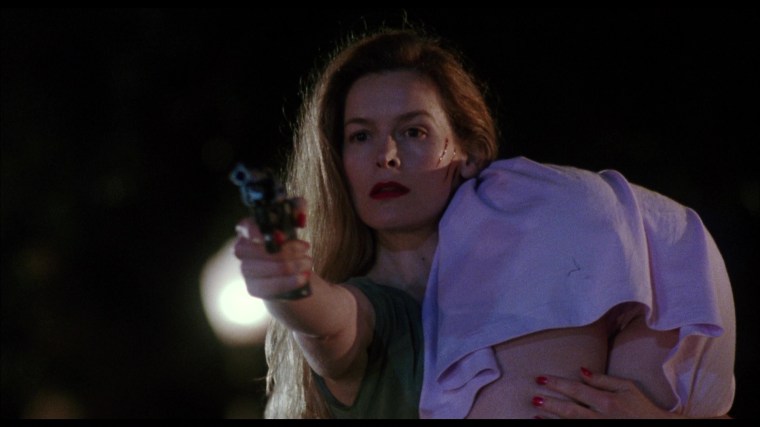
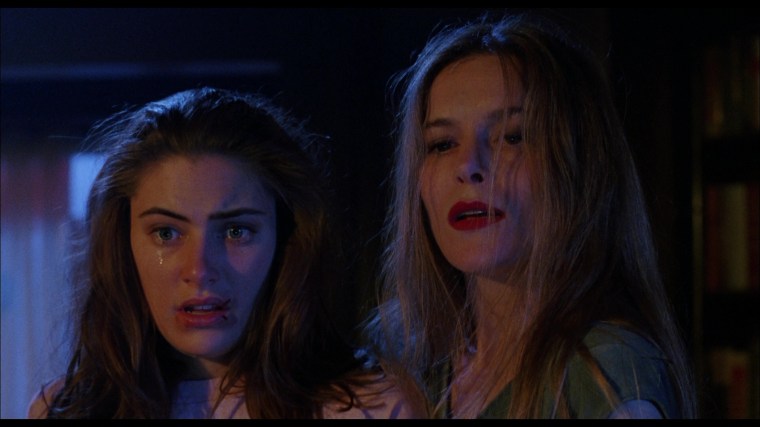
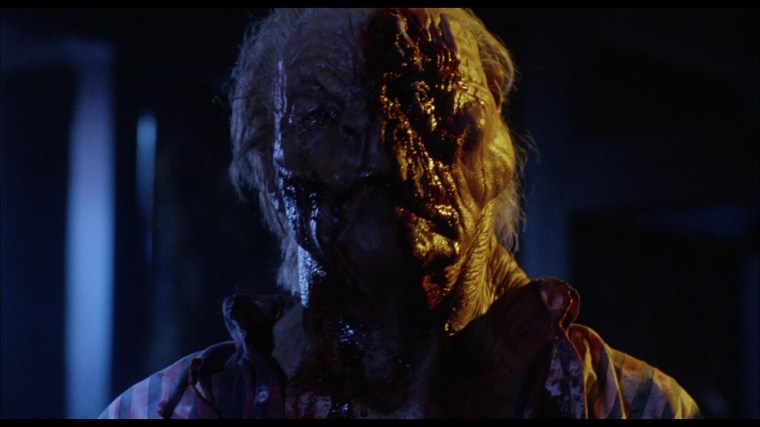
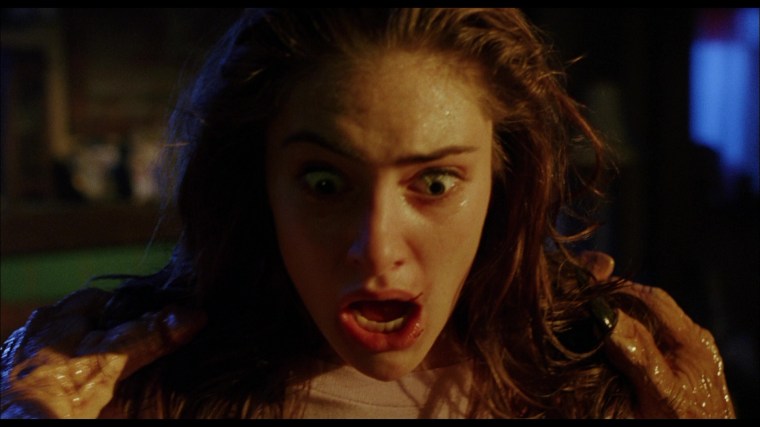
Frame Gallery #1
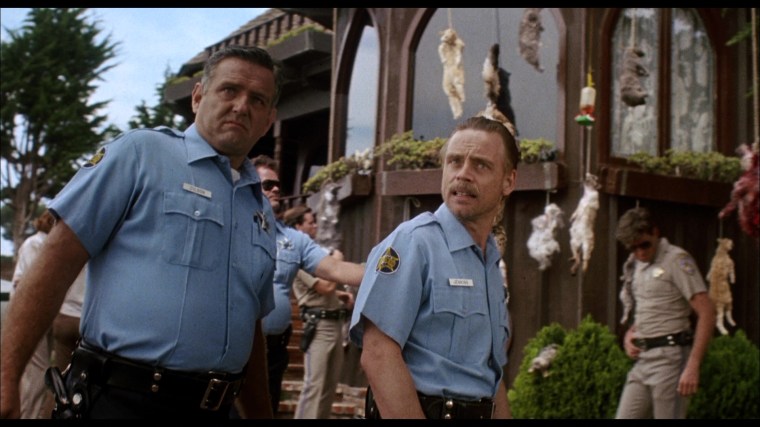
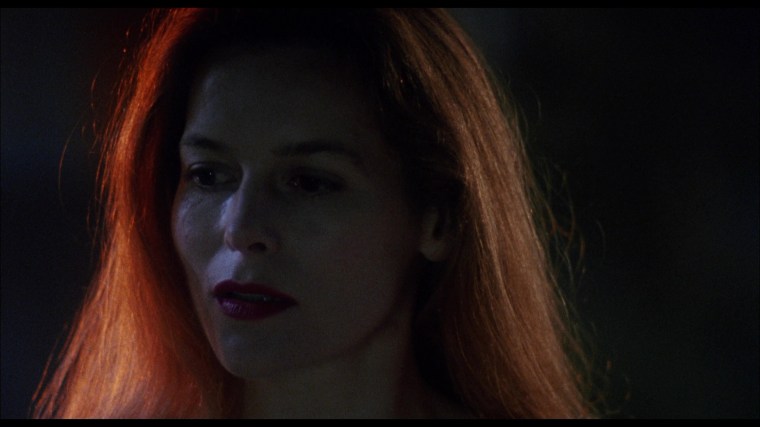
Frame Gallery #2
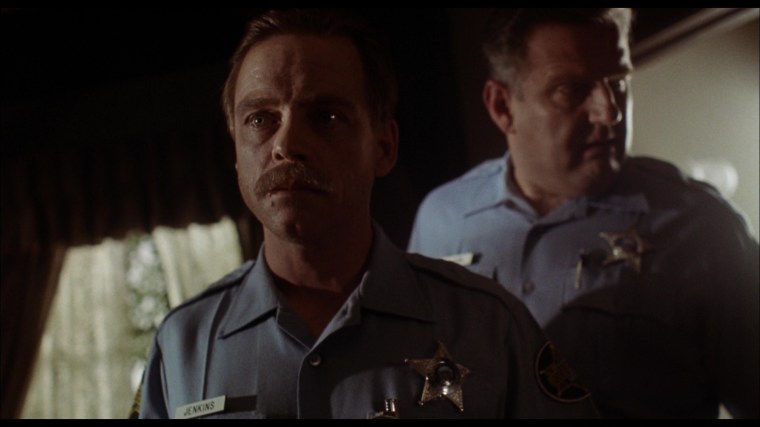
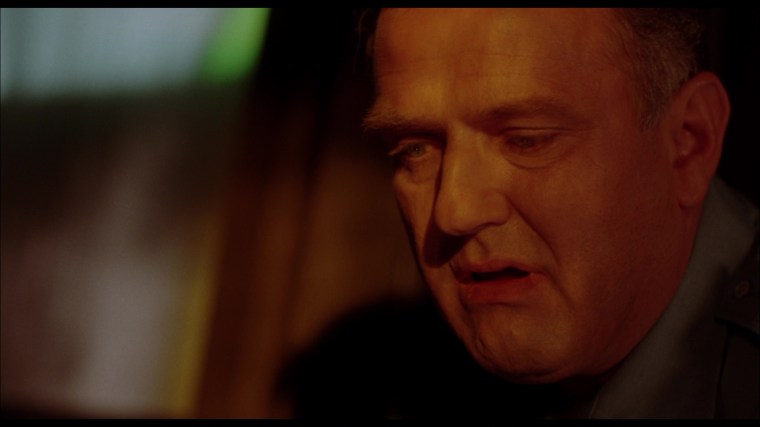
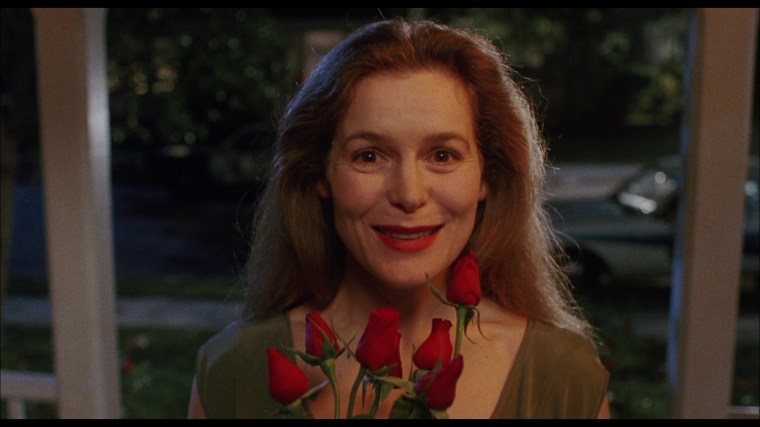
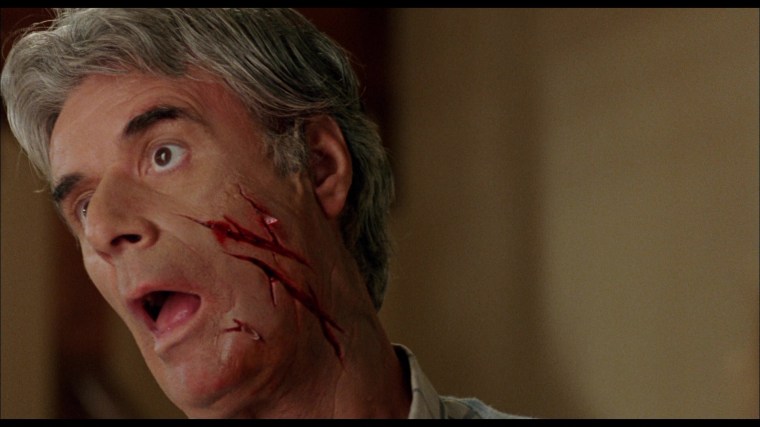
Frame Gallery #3
Annotations
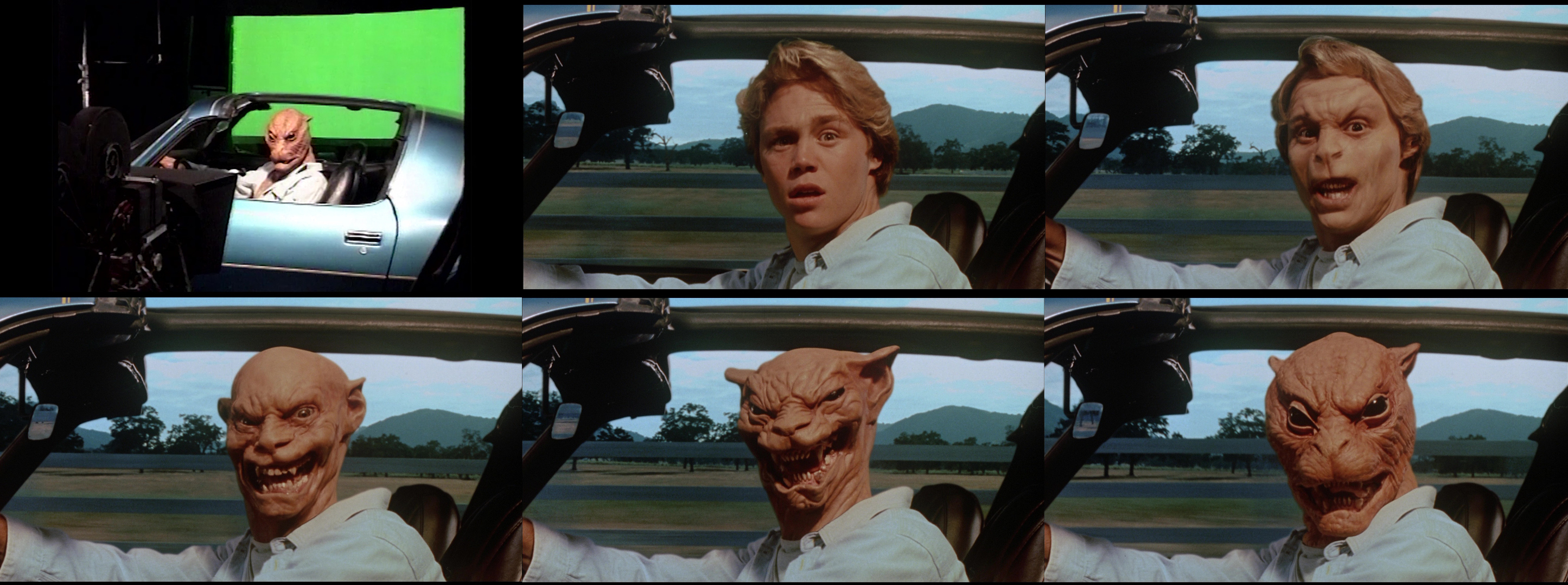
Sleepwalkers features an early use of computer generated “morphing” effects. Industrial Light & Magic employed a similar transformation technique for 1988’s Willow, but Sleepwalkers featured a newer approach to the process from the visual effects and computer animation company Pacific Data Images (PDI).
“We were making Sleepwalkers at the same time as Terminator 2 was being made, so these morphing effects had only been done in the John Landis/Michael Jackson video Black or White. The same company (PDI) who did the morphing in that did our morphing. It was complicated, because if you wanted to morph in a moving shot it had to be with motion control, which is a very time-consuming, clumsy, very exacting technique. You have to use heavy equipment, lay out tracks, and have them nailed down perfectly immobile and repeat your moves exactly with the computerized motion control system. So if they told you it was going to take eight hours, it would take 16 hours. It was very complicated. There was so much camera movement in the movie itself stylistically, that you needed to have movement on the transformations as well. There were times that we just didn’t have the time to do it that way, so we would push in the camera and then lock off and have a transformation take place after the move was completed rather than during.” – Mick Garris (#2)
Morphing temporarily became the calling card of PDI, a pioneer in the world of computer animated features, before they joined forces with DreamWorks to make Antz and Shrek. Here’s PDI founder Carl Rosendahl:
“I remember that we thought that the (Black or White) music video would be the pinnacle of using morphing as an effect and the technique would then recede to being just another tool. We were really wrong about that. The attention the video got was enormous, as all Michael Jackson videos were at the time, and it created an intense interest in using the effect in all sorts of new ways. For the year after that we became known as the morphing house because we did so much of it. That was great from the standpoint that it was very profitable work for us, but it also detracted from our primary focus of building all the other tools and skill sets we needed to do fully animated features.” (#3)
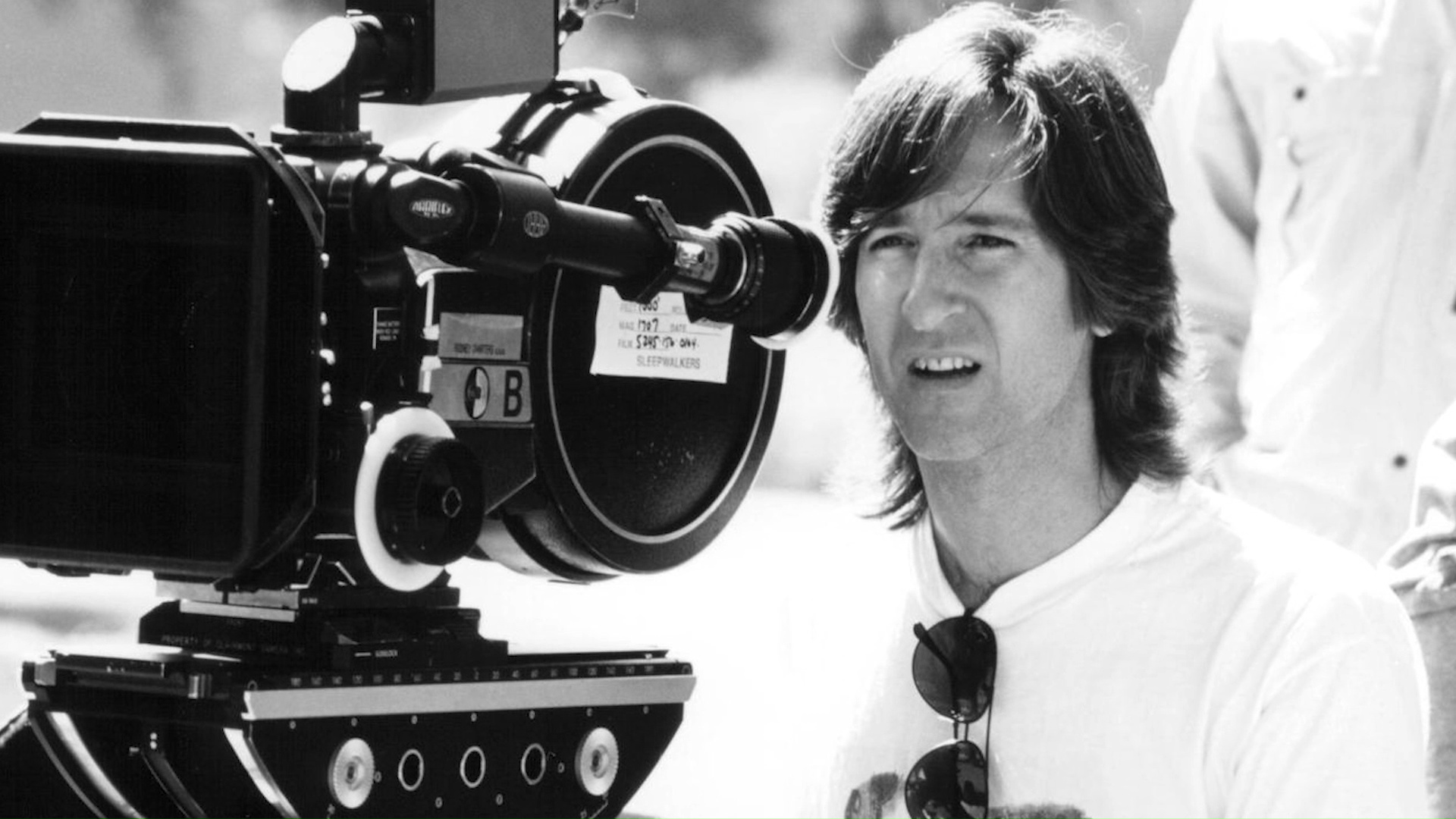
The film was also an early user of the Arriflex 535, which was followed shortly thereafter by the less bulky 535B. Here’s some info from Arri’s Facebook page about the camera:
In 1990, the ARRIFLEX 535, a 35mm silent production camera combined a brilliant viewfinder and the highest operating convenience with ARRI’s well known precision and reliability. An innovative new programmable mirror shutter varies the open angle while the camera is running, providing new creative possibilities. The cinematographer can now run exposure compensated speed ramps or simply change exposure quickly without affecting the depth of field. This capability quickly became popular, and the ARRIFLEX 435 and the ARRICAM system later expand this technology with innovations such as automated speed/iris ramps and depth of field ramps.
Here’s Sleepwalkers cinematographer Rodney Charters on the camera, from the April 1992 issue of American Cinematographer…
“Stephen King’s Sleepwalkers was an interesting challenge. We had animals – lots of animals – a monster, and people interacting with both. As a result, we used a lot of the features found only on the 535. For example, we used the Swingover Finder all the time. It was particularly valuable in getting the camera in tight to left-side walls – we wouldn’t have to break the wall down just to get the shot. We also used the shutter/frame rate control to shoot our Monster. Usually the motion of someone in a monster suit looks jerky and awkward, so we slowed it down and smoothed it out with different frame rates. And we did it on the spot, without any exposure calculations or problems…Speed ramping was another major reason for going with the 535. In one shot, we had cats and people in frame but the people weren’t moving, at first. We ran at 48fps on the cats, to smooth out their movements. When the cats ran out of frame, we switched to 24 fps as the people began to move and talk. So in that one shot, we had slow motion and dialog. The shutter changed automatically for exposure compensation as we altered speed. There was no change in depth of field. The whole thing was absolutely undetectable.”
Here’s writer/director Garris on landing Sleepwalkers, his first and only studio movie…
“My agent had submitted me to Columbia studios and they took a meeting with me. The meeting was great. Everything went terrific and they said, ‘We’re really excited about this. We can tell your passion for Stephen King, your knowledge of his work. We have a meeting to do tomorrow with another director. His agent is somebody we’re really close to. It’s just one of those meetings, but you’ve got this job.’ And then they had that meeting and they hired (the other guy)…That director started rewriting it and created a planet of sleepwalkers and all kinds of things that had nothing to do with (King’s screenplay). So, if you’re going to do a Stephen King original screenplay for the screen and it doesn’t have Stephen King’s name in the title because it’s nothing like what he wrote, you’re not going to make that movie. So, they ended up changing horses (back to me).” (#4)
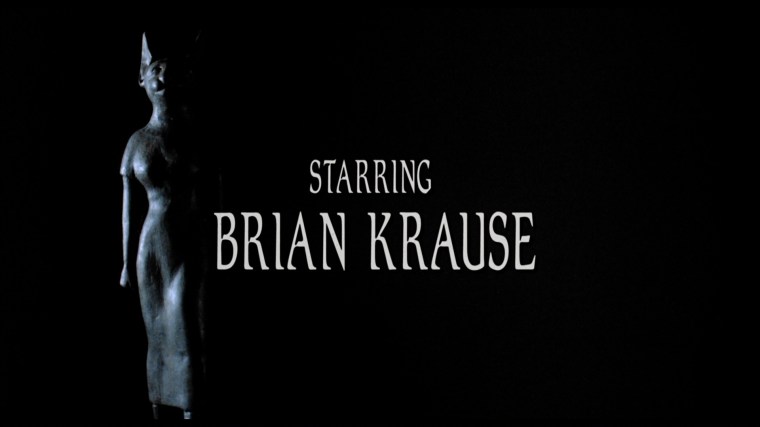
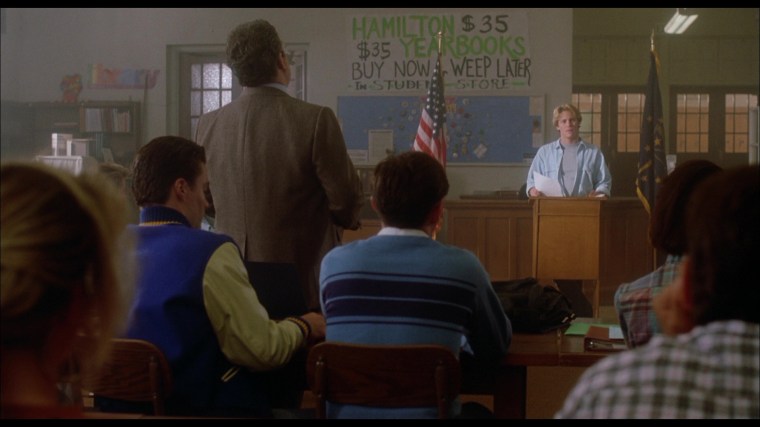
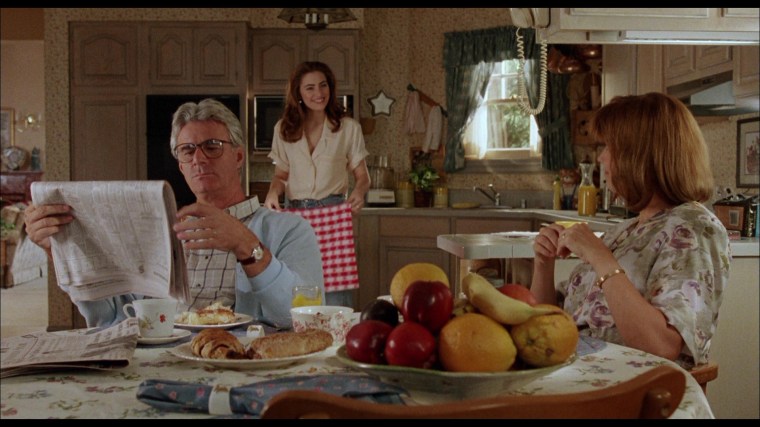
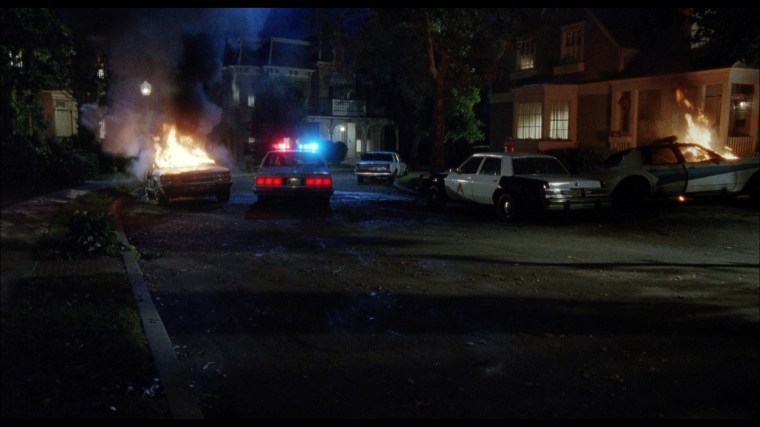
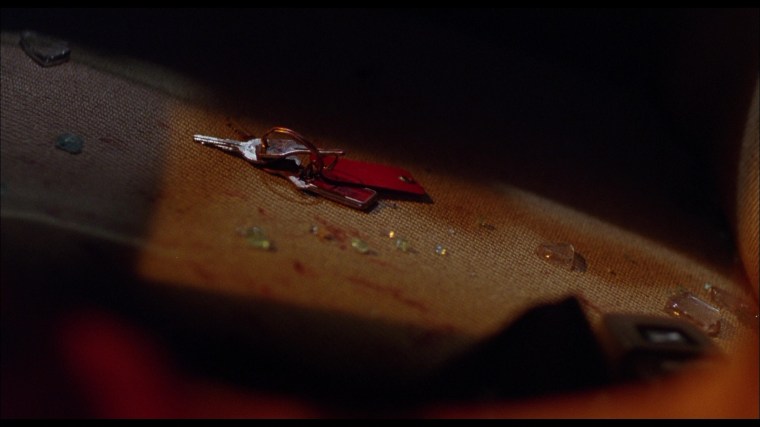
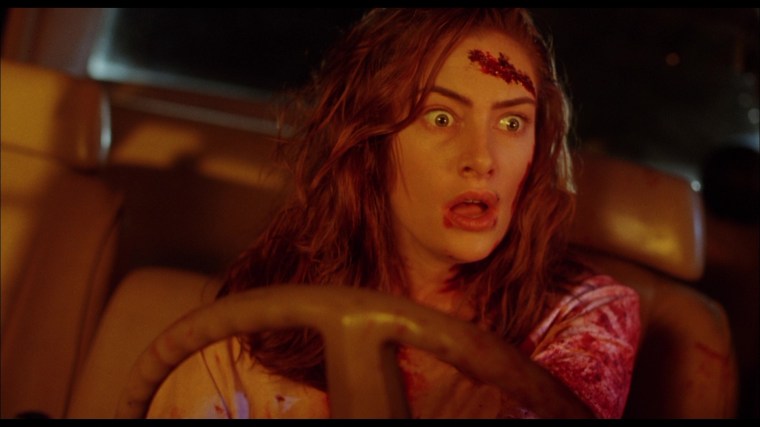
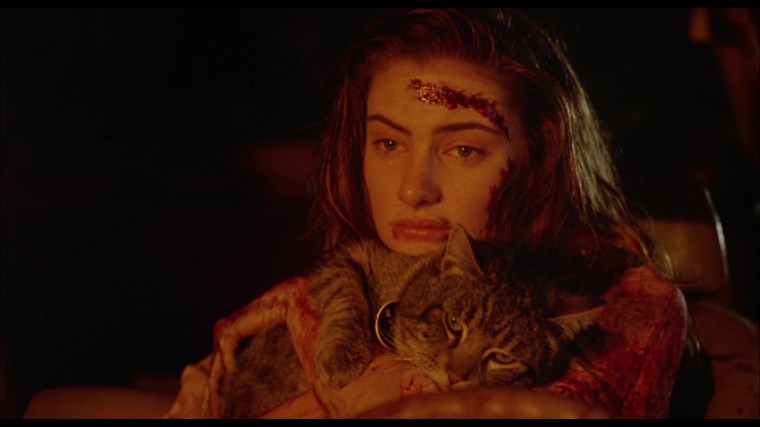
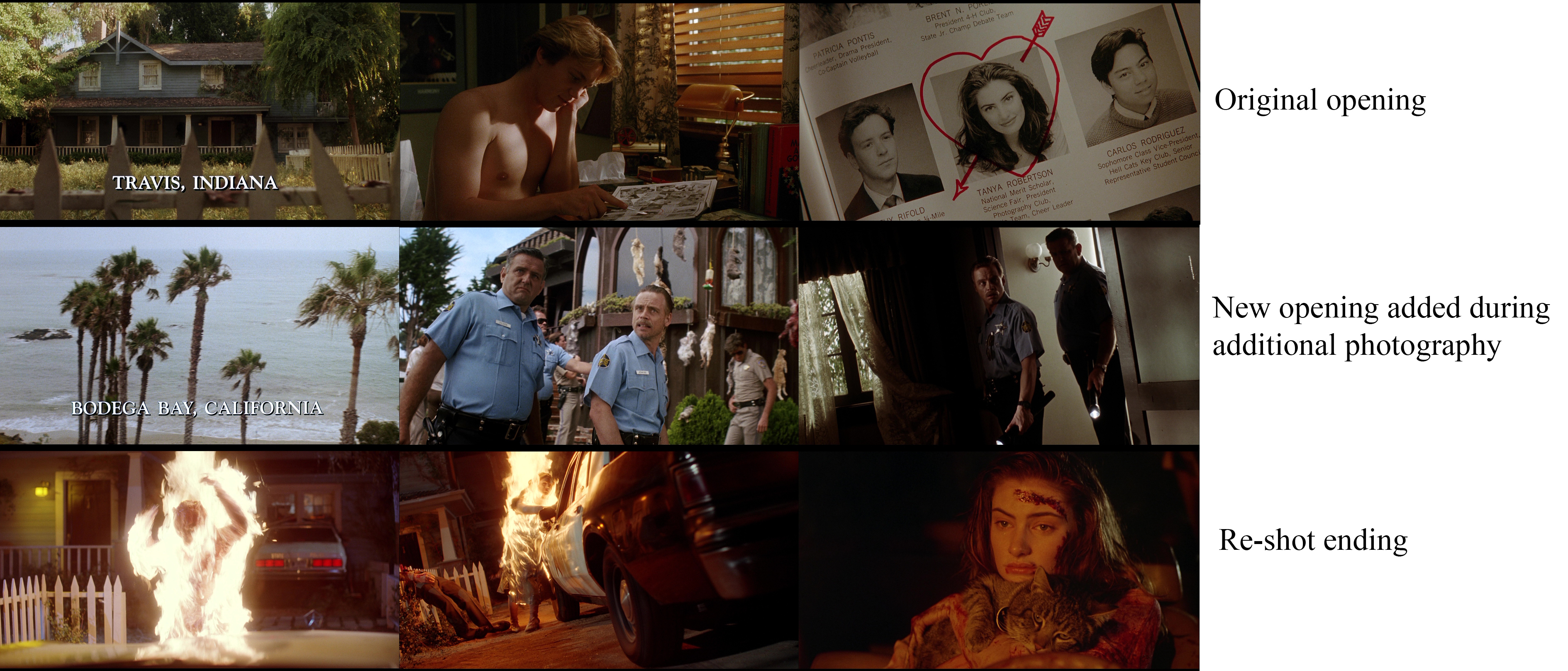
After principal photography wrapped, a new ending was re-shot and an additional introductory scene was added. Originally, the film opened with an establishing shot of a Travis, Indiana house before cutting inside to find Brian Krause pining over Mädchen Amick in a school yearbook. The exteriors used the house from The Waltons TV series on the Warner Bros. lot, while the interiors were done on stage on the Columbia lot.
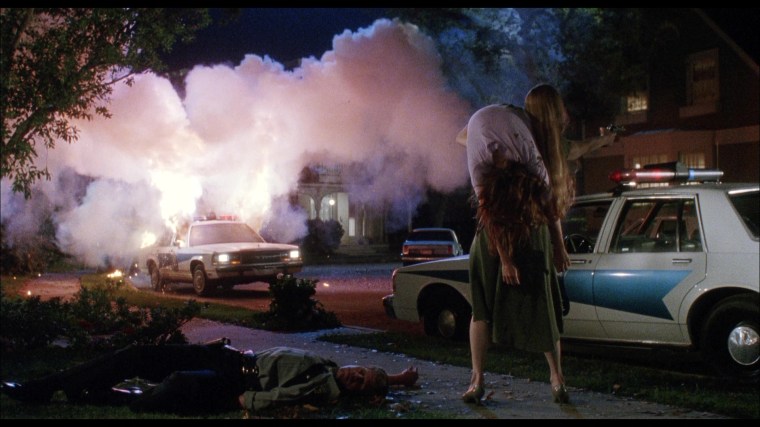
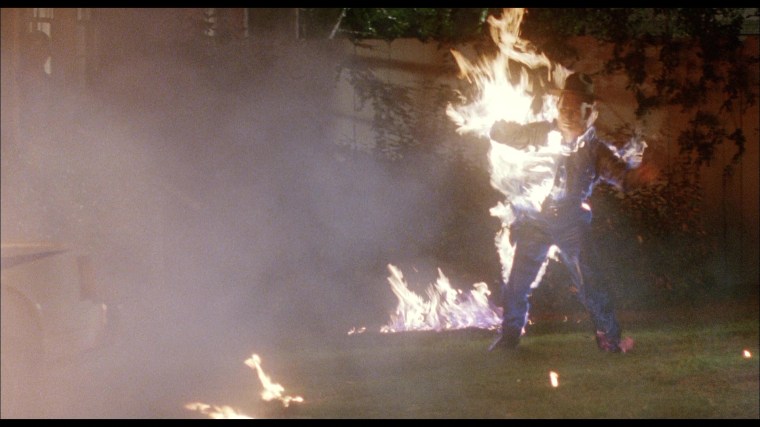
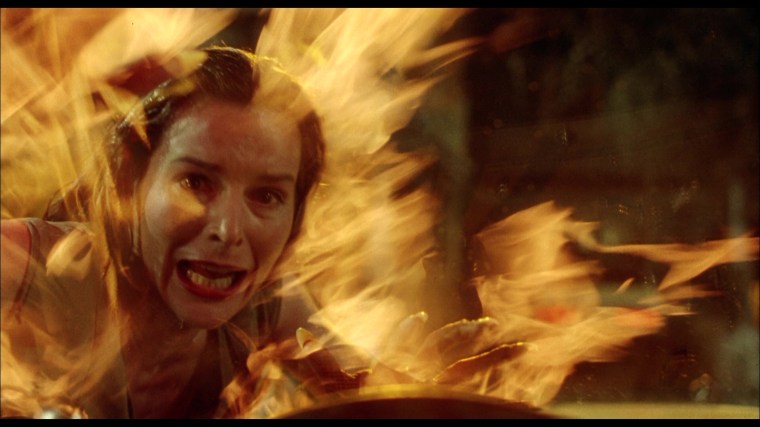
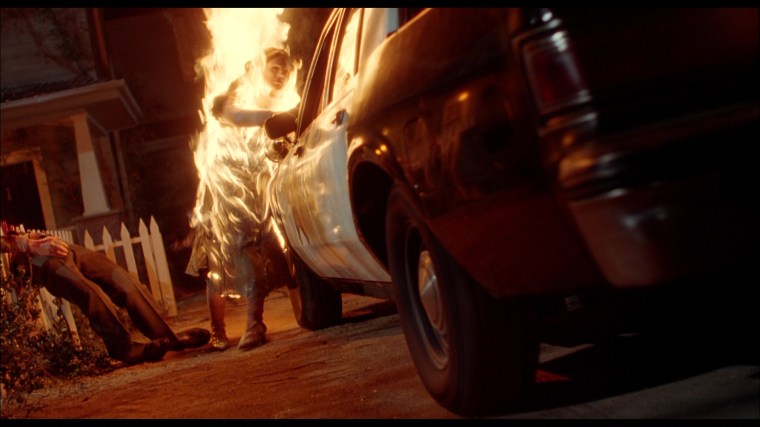
“The studio wanted a stronger ending than what had been done. It ended with everything that happened in the house (but) everything that happens outside with the picket fence and the car not working and all of the Sleepwalker mom bursting into flames, none of that was in it. They wanted a new ending and I said, ‘Look, if we’re going to do a new ending, would you let me add something to the beginning because I feel like it’s missing something.’ I suggested (a new) scene and King wrote it.” (#5)
Garris on the script…
“Originally, (King) had written a book (Needful Things) and said, ‘This is my last Castle Rock story.’ (Sleepwalkers) was a Castle Rock script in the first draft and then he realized, ‘Wait, I said I’m not doing anymore Castle Rock.’ So, he went back and changed the names of all the characters and (changed it) to Travis, Indiana instead of Castle Rock, Maine.” (#6)
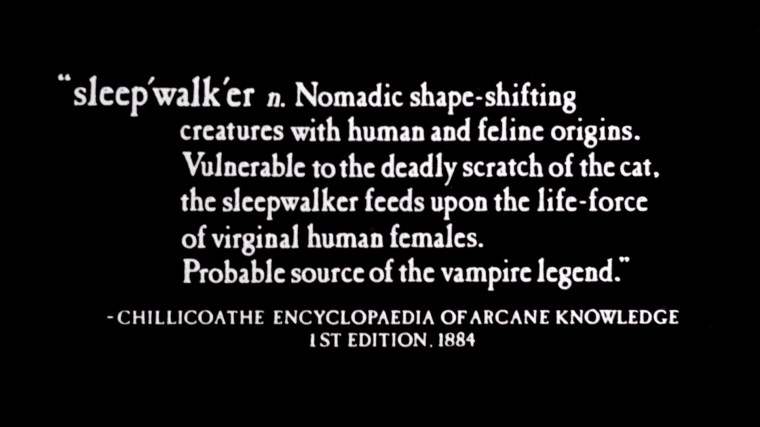
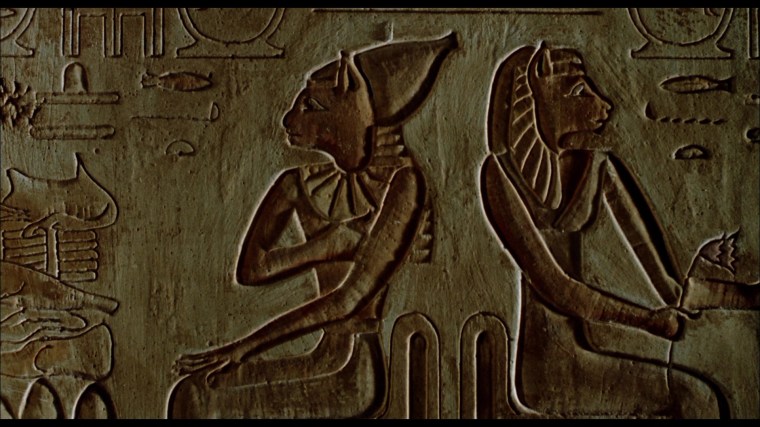
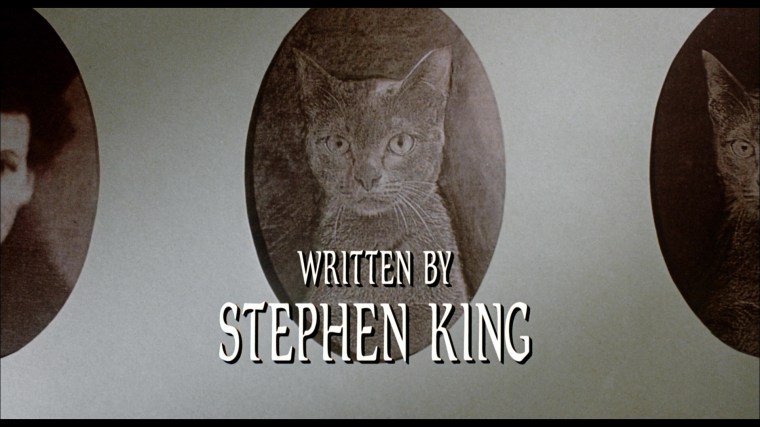
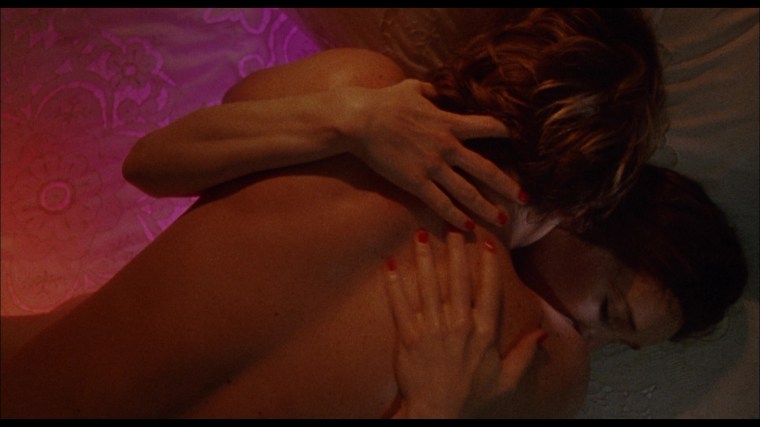
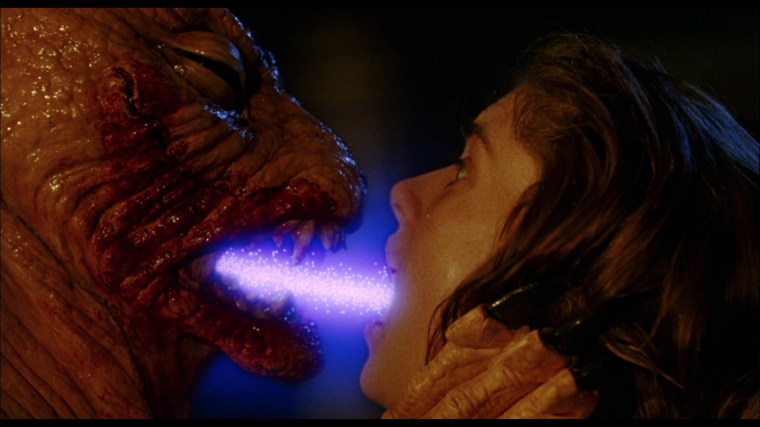
“There were a couple of ideas I put into it that hadn’t been in King’s original script. One is the introduction and title sequence from that page in the Book of Arcane Knowledge, which I invented, to give it a little backstory. And another was the scene where the Sleepwalkers are making love…That was to show with that blue glow that he sucks out of Tanya, he’s sucking the life force out of a virginal woman to feed it sexually to his mother. He injects it into his mother, if you will, with the same blue glow.” (#1)
Garris on the cat creatures…
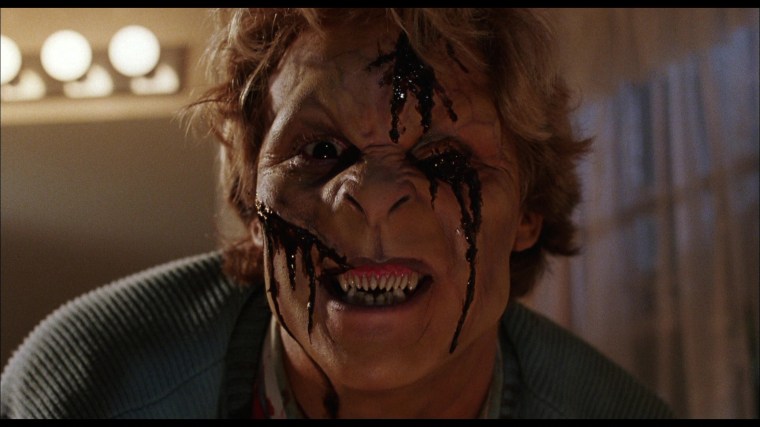
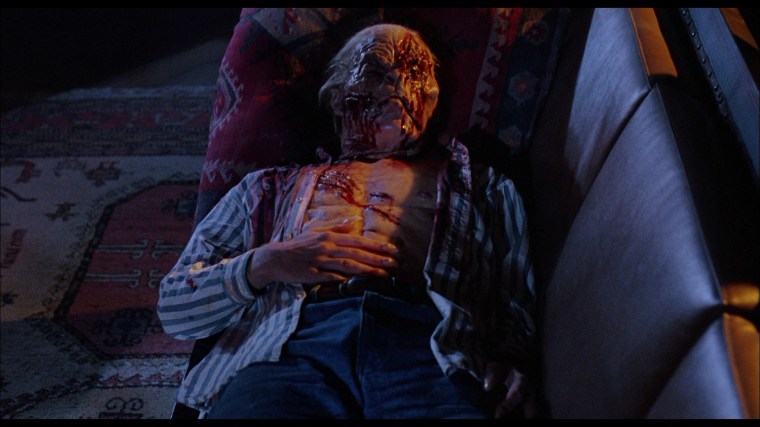
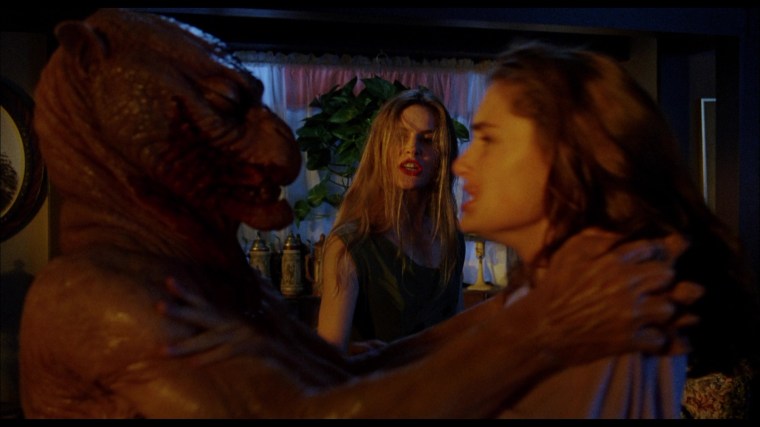
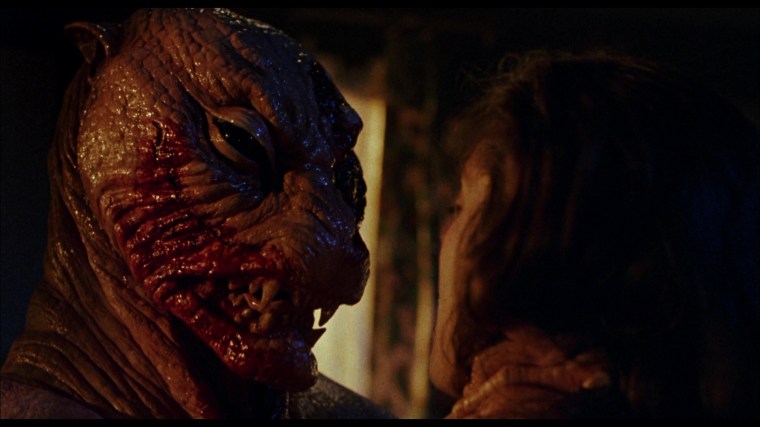
“To me there’s one shortcoming and it’s the size of the heads and the reason is they had to put mechanics in there to be able to make the facial moves to make the eyebrows, the eyes blink, the ears, the facial movement because that was something that we weren’t ready to use CGI effects to make happen. Every shot would’ve been outrageously expensive if we could’ve even figured out how to do it.” (#5)
“The design actually ended up a little sort of abbreviated from how it started. We did another Stephen King film right after this one, almost – (the network miniseries) Stephen King’s Tommyknockers. And if you compare the body design of the Sleepwalkers to the Tommyknockers, the Tommyknockers have what the Sleepwalkers were originally supposed to be, which was a triple jointed back leg, long mechanical finger extensions, and an animatronic head.” (#6)
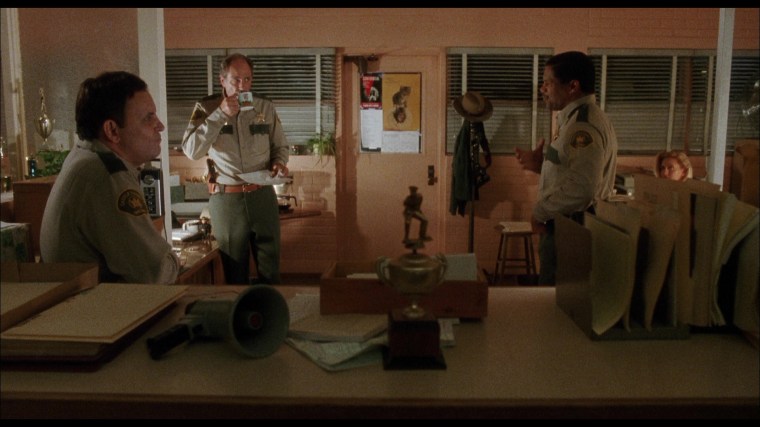
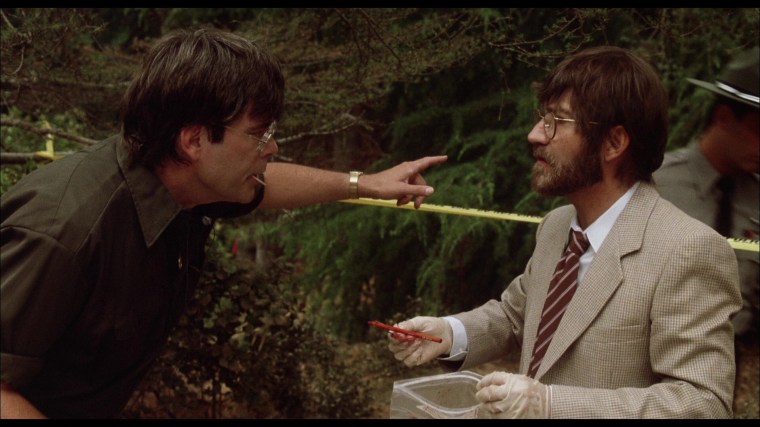
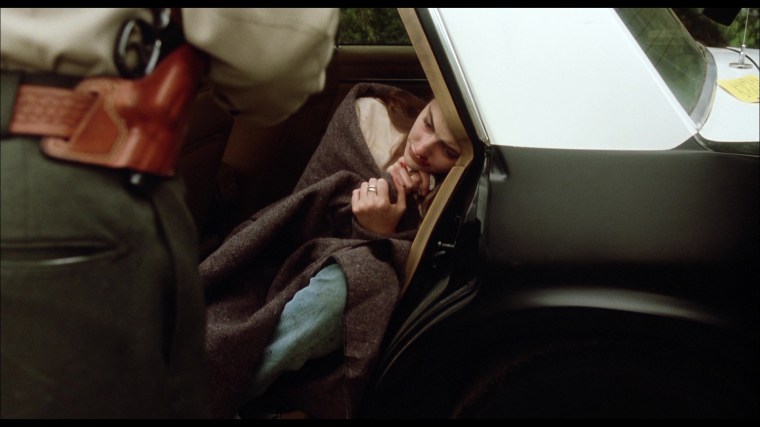
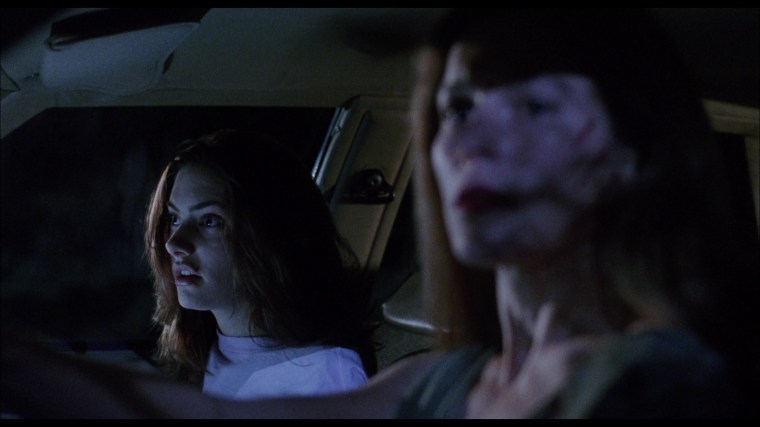
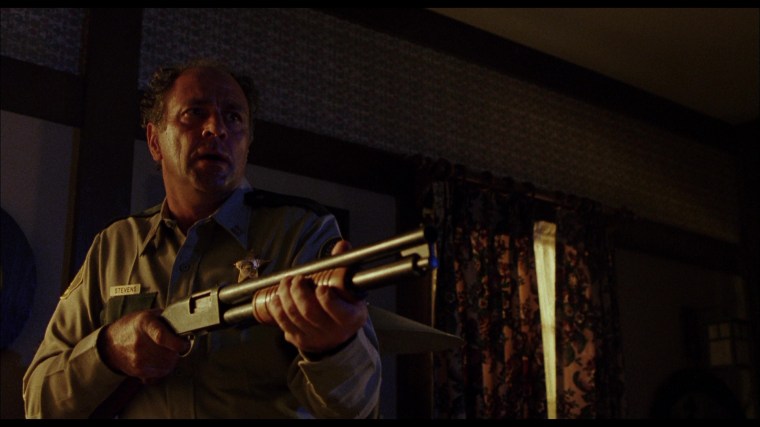
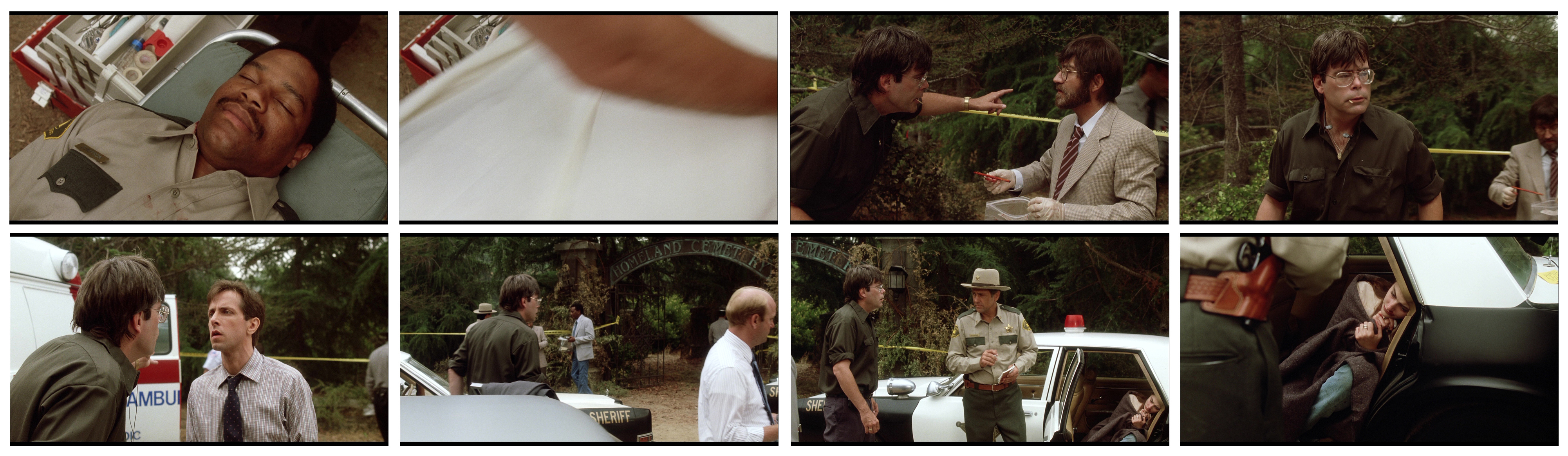
In the tradition of John Landis, Garris peppered the film with famous horror director cameos. In the oner above, the camera starts on slain cop Dan Martin and then follows cemetery caretaker Stephen King as he interacts with forensic techs Tobe Hooper and Clive Barker before the shot ultimately ends on a traumatized Tanya (Mädchen Amick) in the back of a police car. Though they had communicated extensively via phone and fax during preproduction, this was the first time Garris met King in person.
“We had two hours to shoot the scene. It’s all in one camera set up. If you took that scene and clipped it off right before the cop starts talking to Tanya, you’d never miss it for a moment. But for horror geeks like myself, it’s like an orgasm.” – Mick Garris (#1)
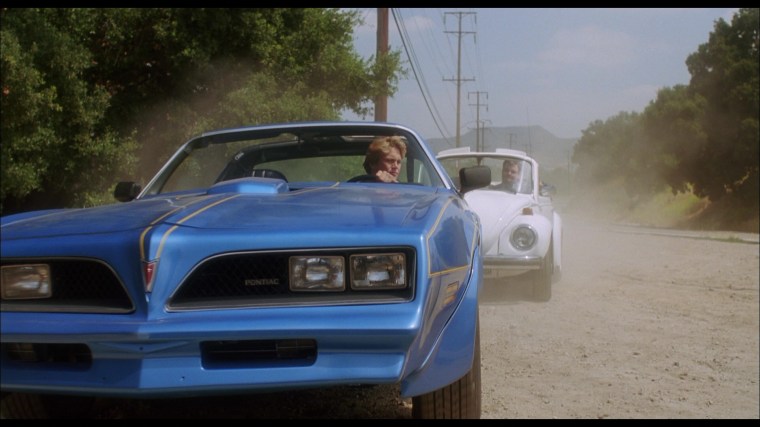
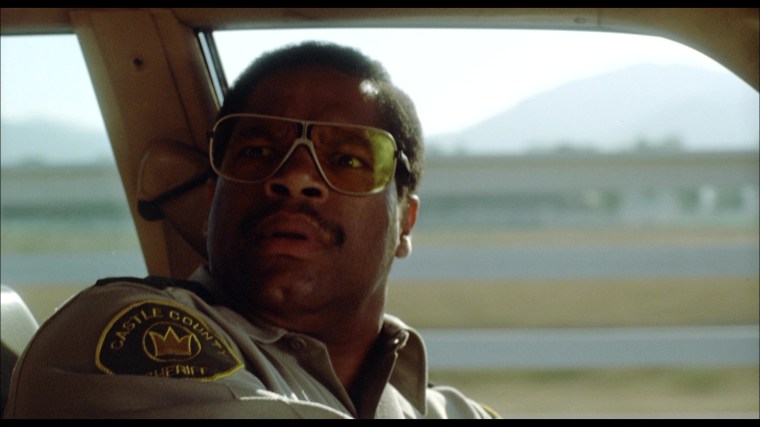
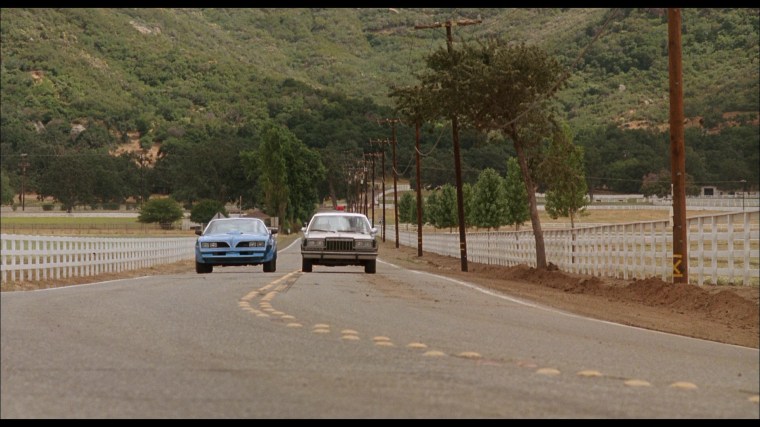
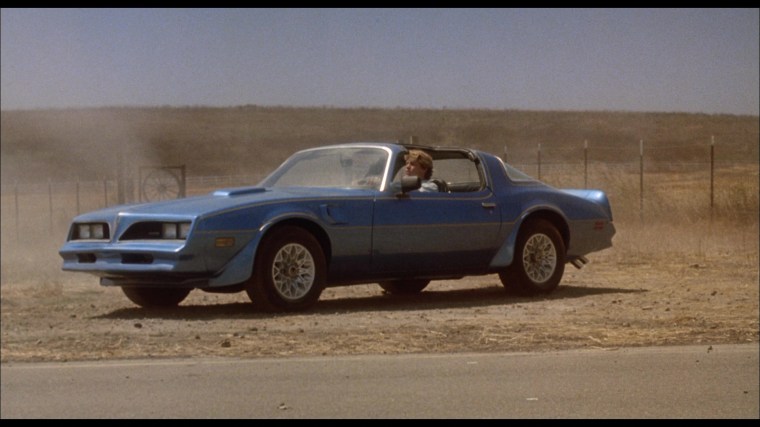
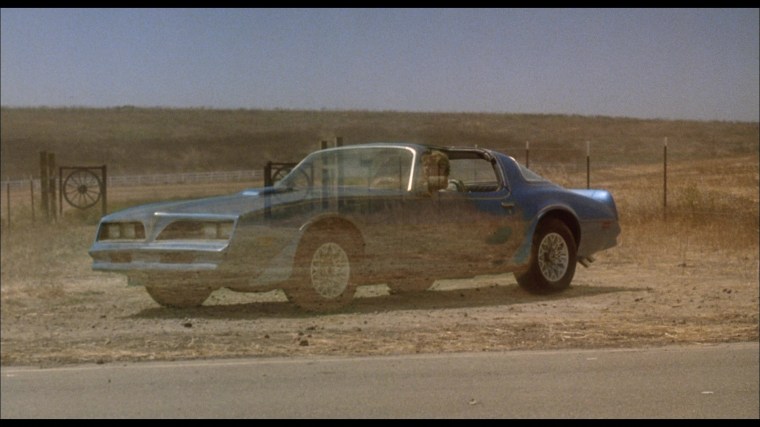
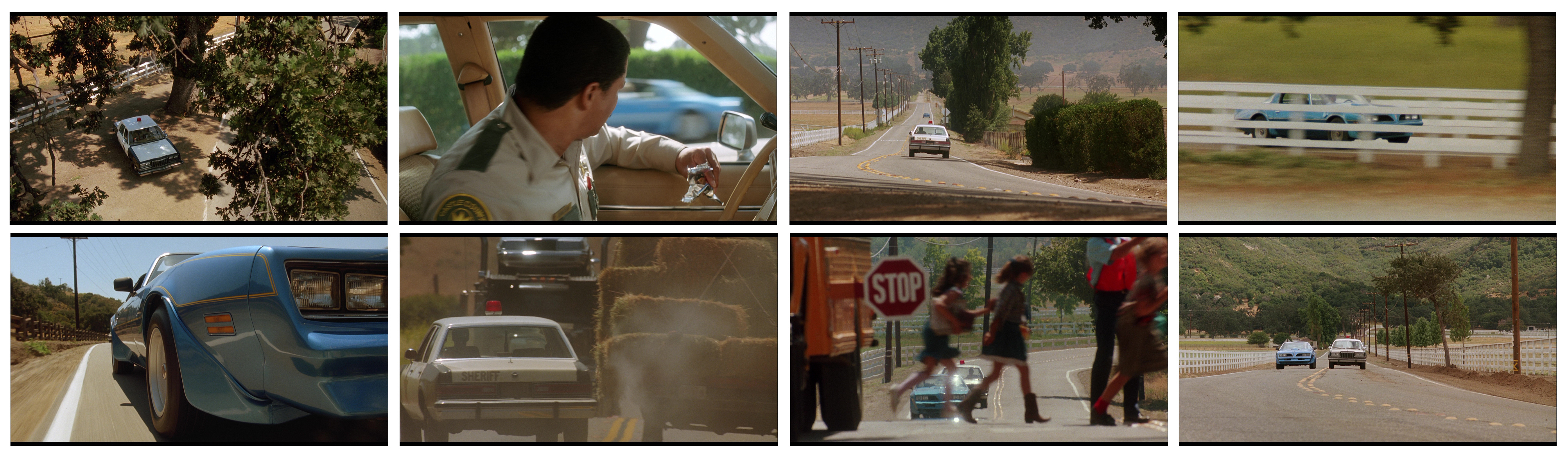
Garris on the film’s car chase between Brian Krause and cop Dan Martin…
“Our 2nd Unit Director who was going to handle that chase scene was Mickey Moore, who was one of the greatest of all. He did all the Indiana Jones movies for Steven Spielberg. So, he signed on and was going to do that car chase and then he had a heart attack. So, we had to work with his cameraman doing all of that and most of what he shot didn’t really move and that scene needed to be really propulsive. I’m not an action director, but I had to put that hat on and I re-shot most of that first unit because it just needed to be a screaming scene and really move. You just have to roll with the punches as they’re presented to you. That’s the job of a director is to have an answer for the 200 questions that come at you every single day.” (#4)
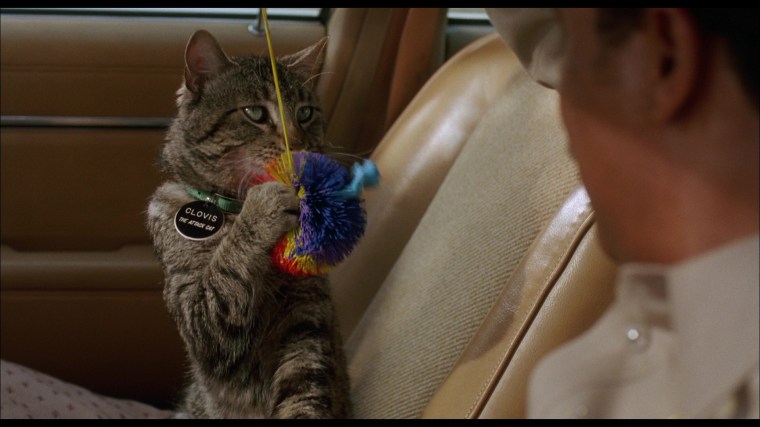
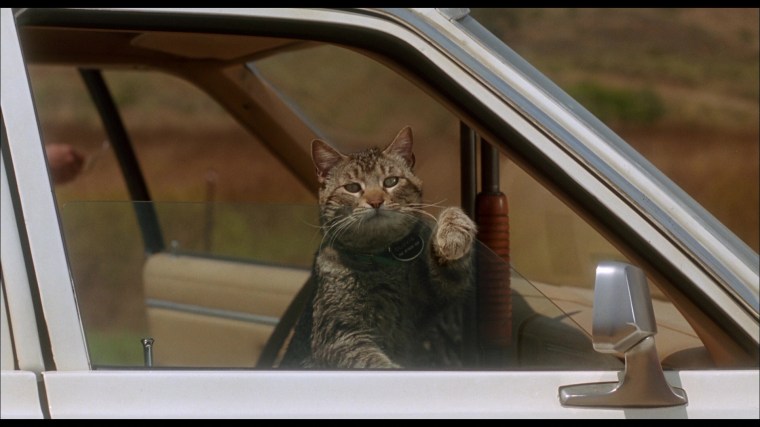
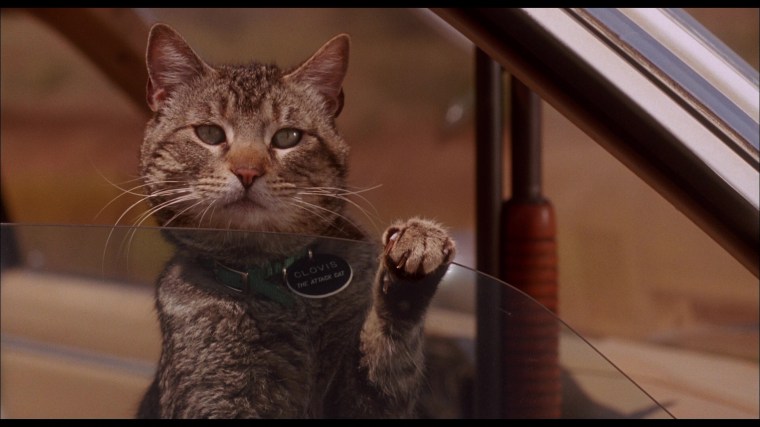
Garris on Clovis the Attack cat…
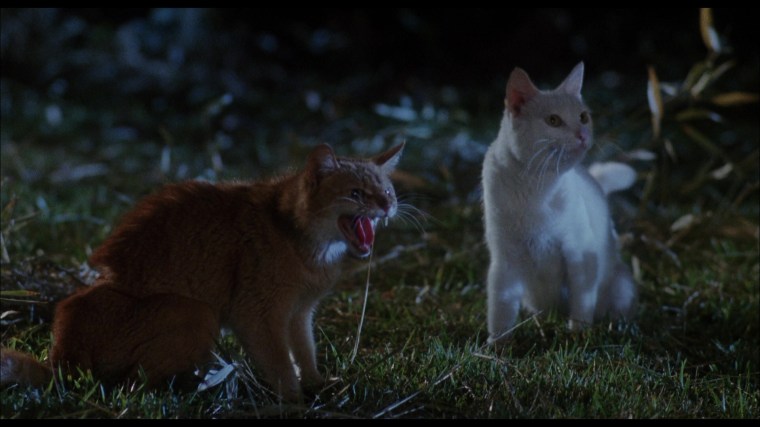
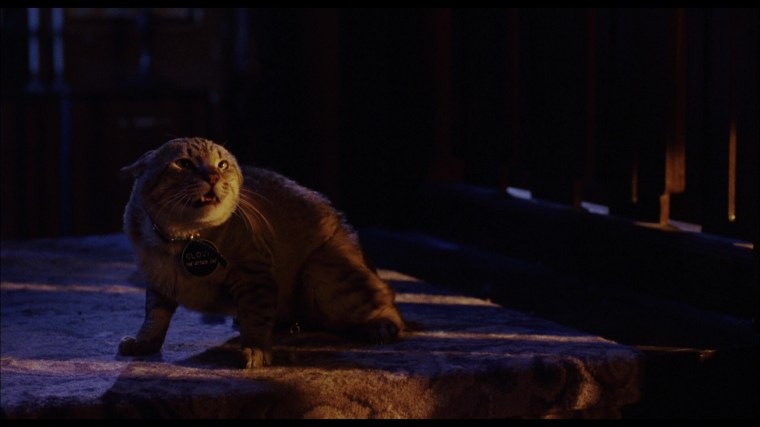
“We cast nine cats (to play Clovis), one to be a hissing, mean Clovis, one to be cuddly, one to do all these different specifics. However, Sparks the Cat was in every Clovis shot except two. The two hissing shots were another cat. So there were seven Clovises who never worked and just stayedin their trailer all day.” (#5)
Garris on how the Enya song Boadicea ended up in the movie…
“Originally, I showed a rough cut of this movie to my favorite band at the time, Crowded House. And Crowded House wrote a song – an original song – for the end of this and I wasn’t allowed to use it because Sony would not pay for it. So, we ended up using this piece by Enya instead. This may be more appropriate but the Crowded House song was great and I love Crowded House.” (#6)
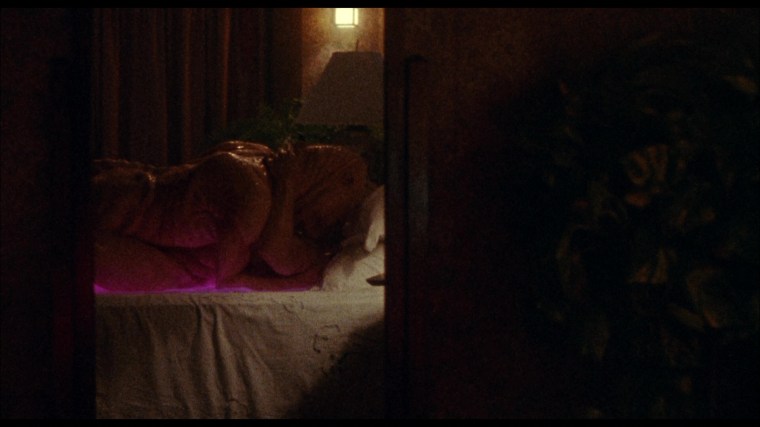
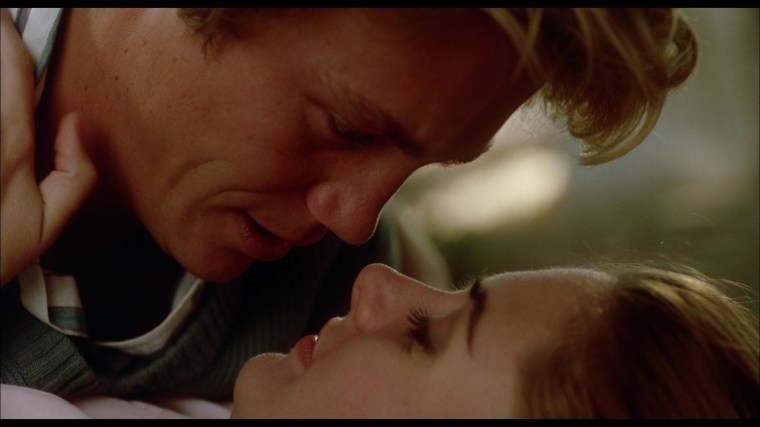
The true nature of the titular cat people is revealed in an incestuous sex scene between Krause and Alice Krige that employs an old school sleight of hand trick. When the camera tilts up from the lovers on the bed to the mirror (bottom row), the mirror frame is actually empty and on the other side is a version of the bedroom set built in reverse with two actors in the cat creature make-up. Garris had hoped to do the whole gag in a single shot, but the MPAA had other ideas.
“The whole intent was to shoot it in one moving, unbroken shot, where you start at the mirror and the dresser and you drop down to the floor, and you see the puddle of clothing there, you go up the bed post to see the feet of a couple making love and then move up the length of their bodies and then slowly reveal their real look in the mirror behind them. But because it was a horror film the ratings board gave it an NC-17. Just to make sure that I was covered I shot an overhead shot looking down on Alice’s face and a tighter two shot of them so that I could cut away, but the movement of his butt going up and down was way too much for the pearl clutchers at the MPAA.” (#5)


































































 deep fried movies