Year – 1993 Decade – 1990s Director – Fraser C. Heston Cinematographer – Tony Westman Genre – Horror Keywords – 1990s Horror; Stephen King Adaptations Studios – Columbia; Castle Rock […]
“(Needful Things) was a satire of the whole Ronald Reagan ethos of ‘greed is good, consumerism is good.’ To me, it was a hilarious concept. And the way that it played out was funny, in a black-comedy way. It really satirized that American idea that it’s good to have everything that you want. I don’t think it is.” – Stephen King
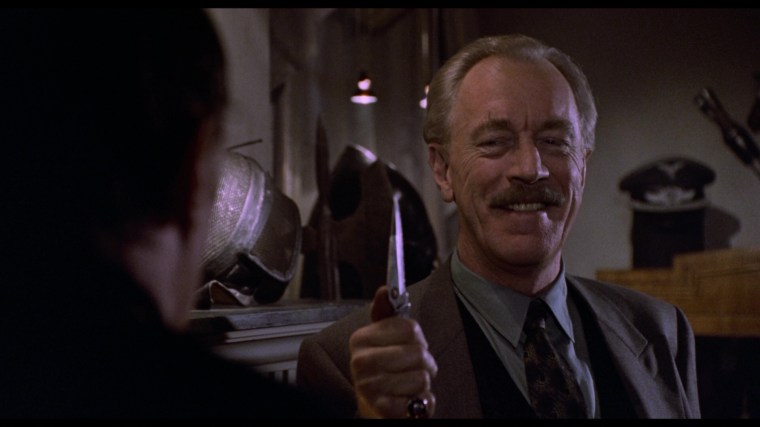
In Needful Things, a quaint New England town descends into murder and mayhem after its citizens strike a series of Faustian bargains with the hamlet’s urbane new antiques dealer (Max von Sydow). Based on Stephen King’s 1991 novel, which Castle Rock Entertainment snapped up for $1.75 million before it was even published. Director Peter Yates (Bullitt, The Friends of Eddie Coyle, Breaking Away) initially developed the project, but later bowed out and was replaced by Fraser C. Heston (son of Charlton).
Castle Rock produced some of King’s best adaptations – including Misery, The Shawshank Redemption and Dolores Claiborne – but the author wasn’t particularly happy with the film version of Needful Things, in large part because of the subplots and backstory excised to bring the sprawling novel down to movie length. Here’s King:
“Castle Rock has had better luck than anyone in decoding what it is I do. That is, with the exception of Needful Things. That movie was a special case. (A longer cut of the film) was shown on TNT. I have a copy of it, and the length of this film was four hours long. As a four-hour miniseries, it works. When it was edited down to “movie length,” it is almost indecipherable because it doesn’t have time to tell all the stories and do all the setups. It’s a complicated book.” (#2)
Heston had his own issues with the truncated final version of the film:
“I think my only regret with the film is that it was such a long novel – what, it’s almost 700 pages – and it’s got so much character detail. We tried in the early drafts of the script, which were in the 140 to 145 page range, which means roughly a minute a page, so that’s a 2 hour and 15 minute movie. And when we finished the film the distributor, who was also Castle Rock Entertainment and I guess Columbia Pictures did the actual distribution of it, they said, ‘Look, we really need it to be under two hours’ because they have these limits. It was very frustrating for me to have to cut out that 15 or 20 minutes of film for the initial theatrical version. We had to cut out entire characters…So I think that’s my one disappointment with the film is that we had to for reasons of time, not economy, we had to cut it down a lot more than I would’ve liked. It might have made a better miniseries, to be honest.” (#6)
I actually rather enjoy this abridged adaptation. Perhaps because it’s not my favorite King novel, I don’t mind the alterations so much. I prefer von Sydow’s malevolently tongue-in-cheek devil to the crueler version in the novel and the cast is on the same level that Castle Rock brought to its more prestigious King films, with Ed Harris as the town sheriff, J.T. Walsh as a corrupt politician and Amanda Plummer leaning hard into that Maine accent. The film also warrants a footnote as one of the first to use Avid Media Composer’s non-linear editing software.
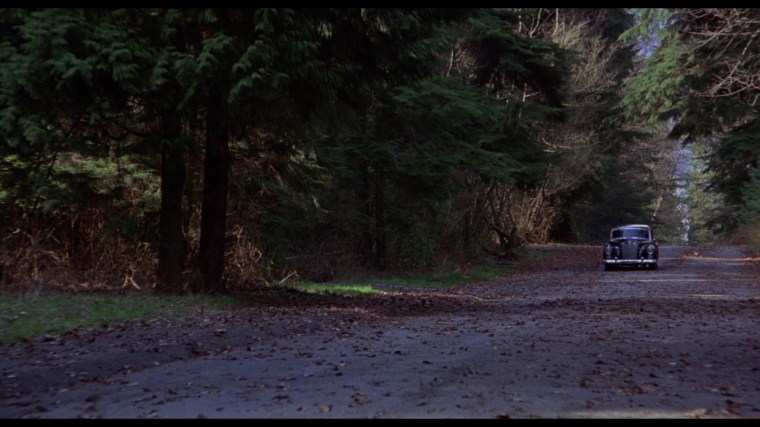
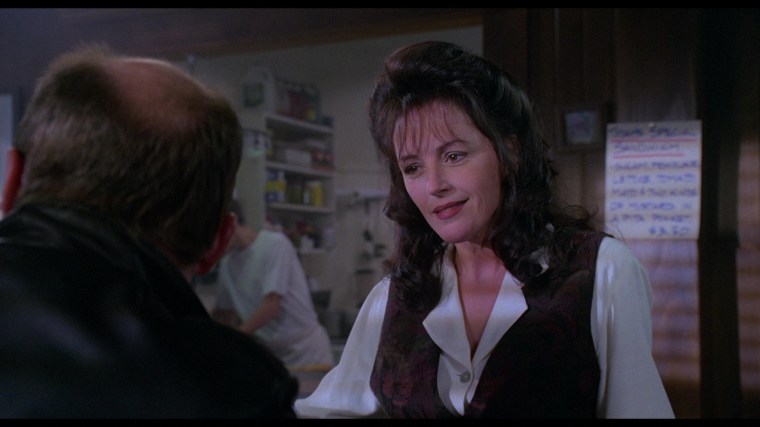
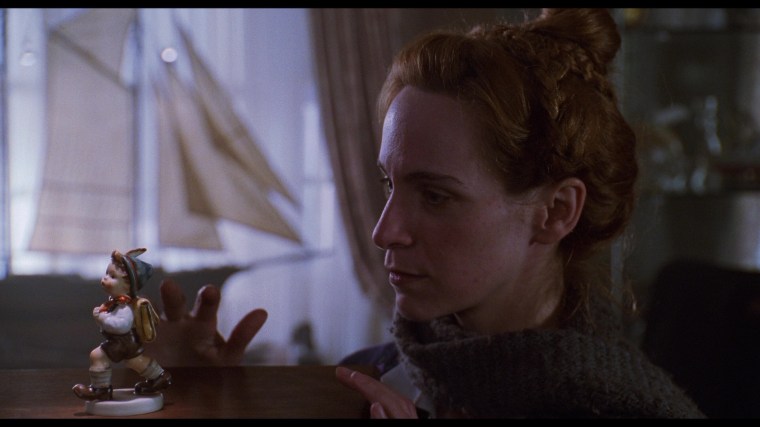
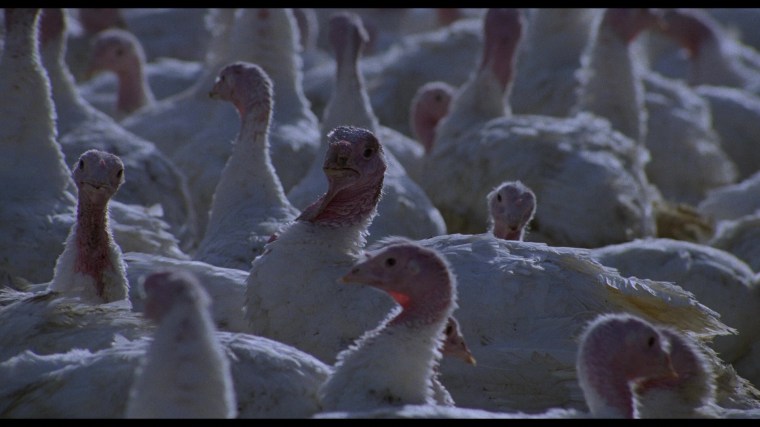
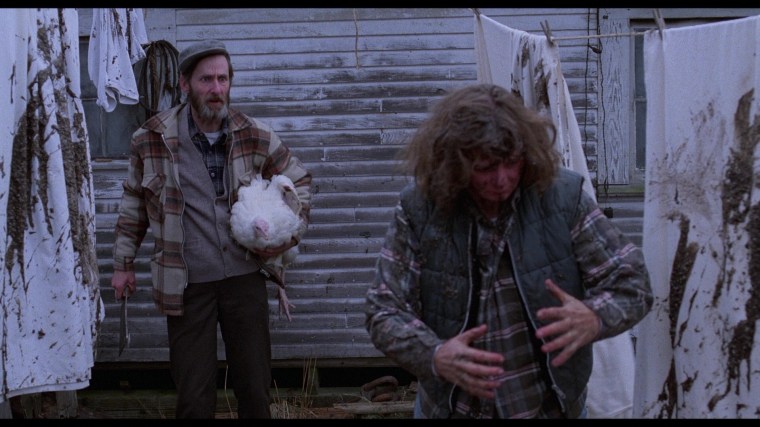
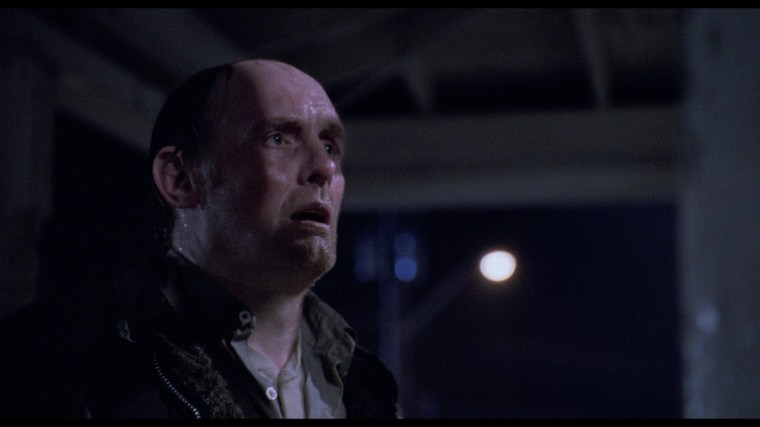
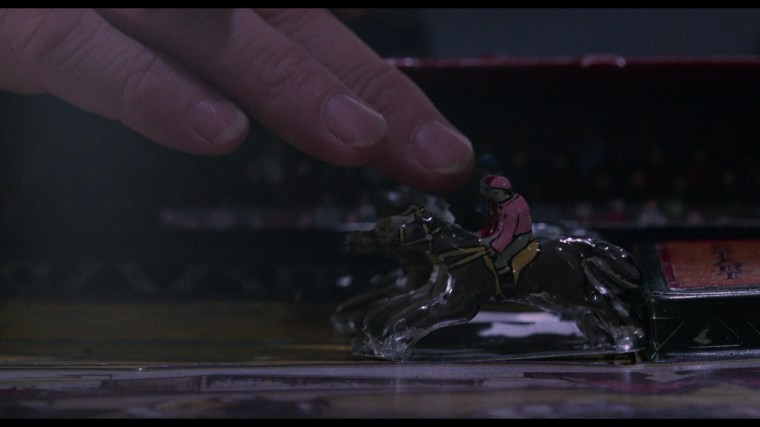
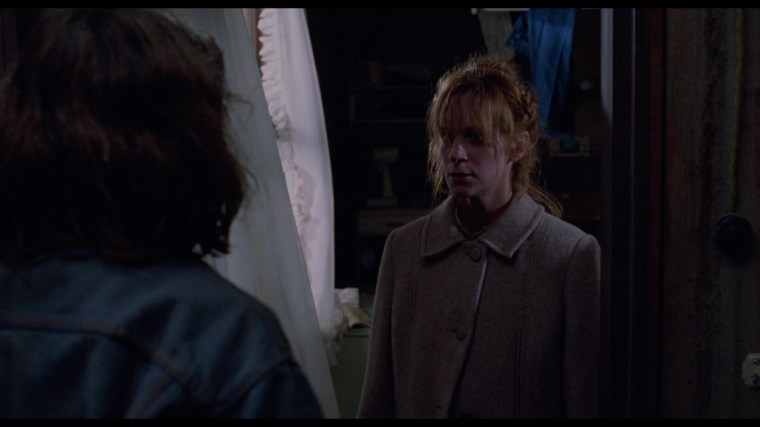
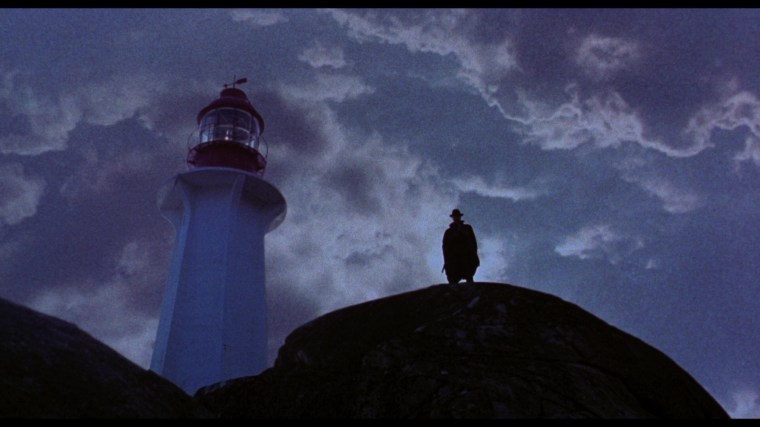
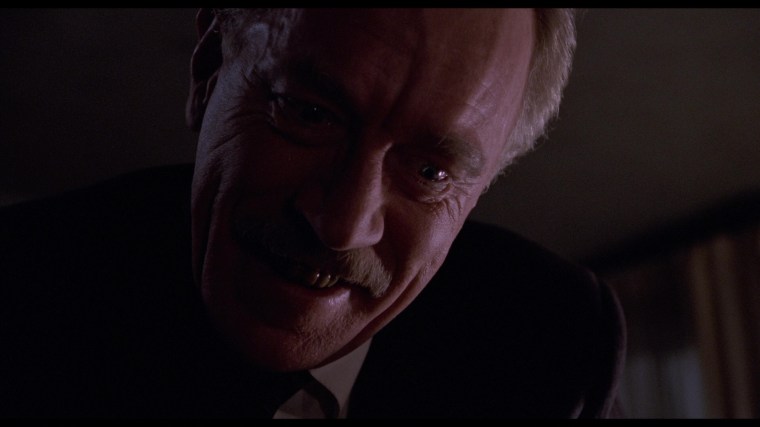
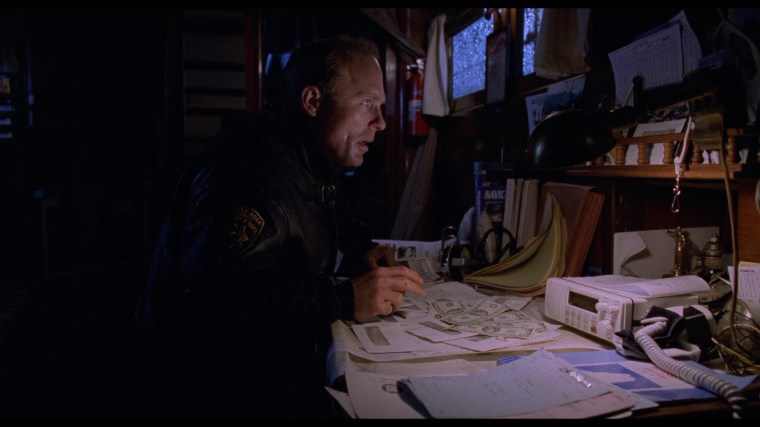
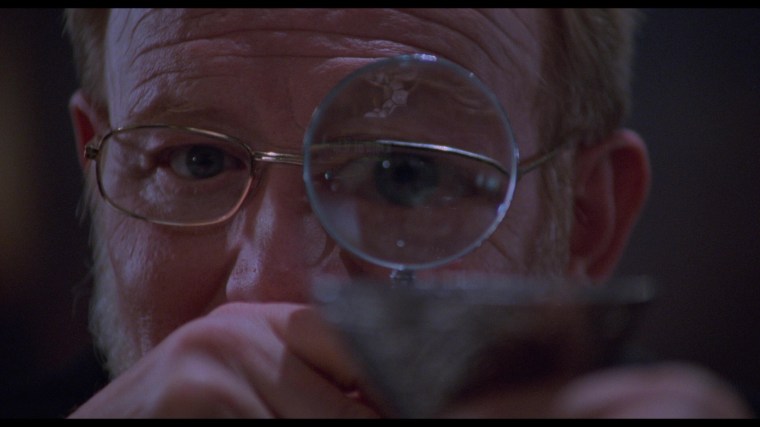
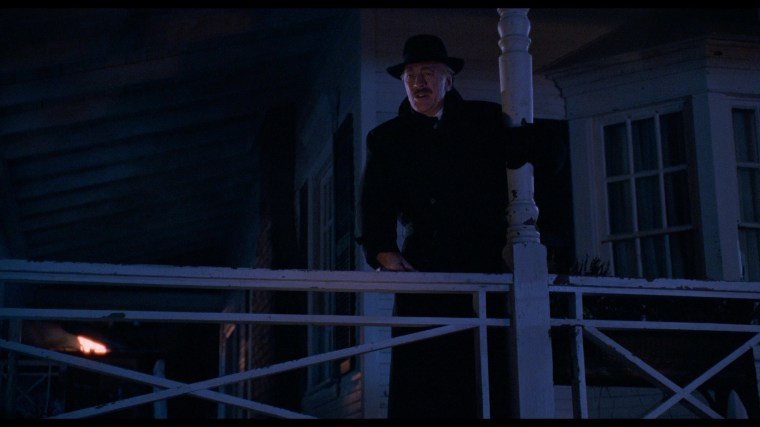
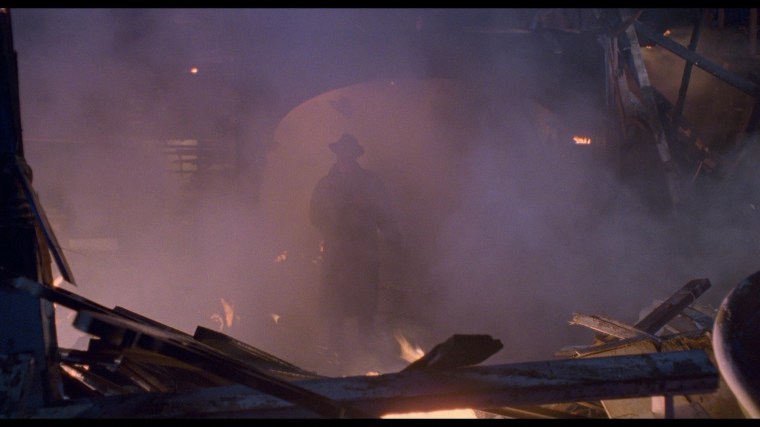
Frame Gallery #1
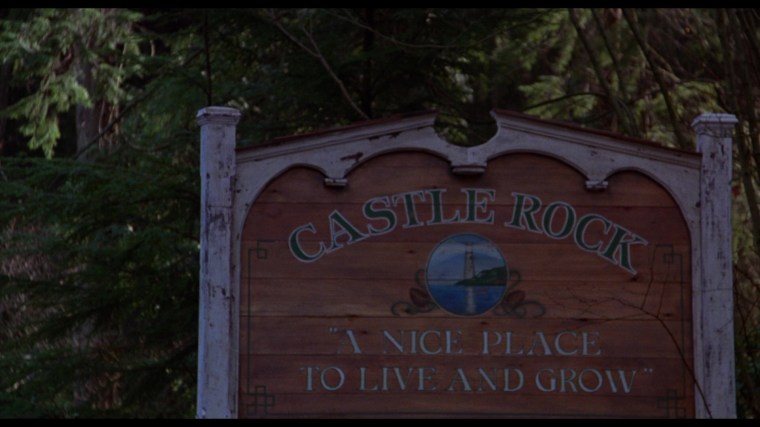
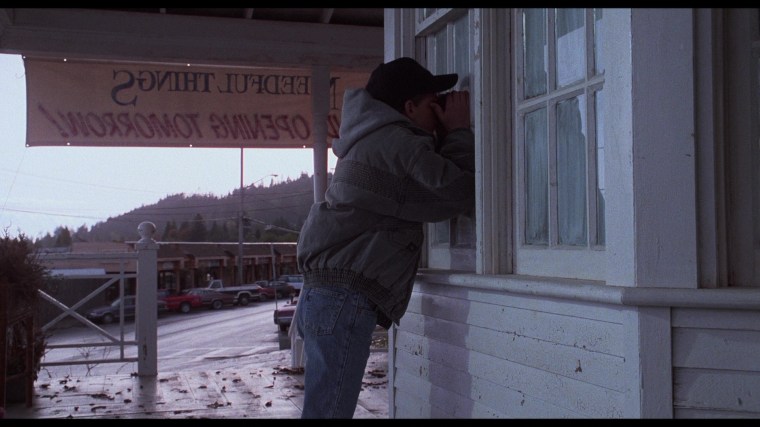
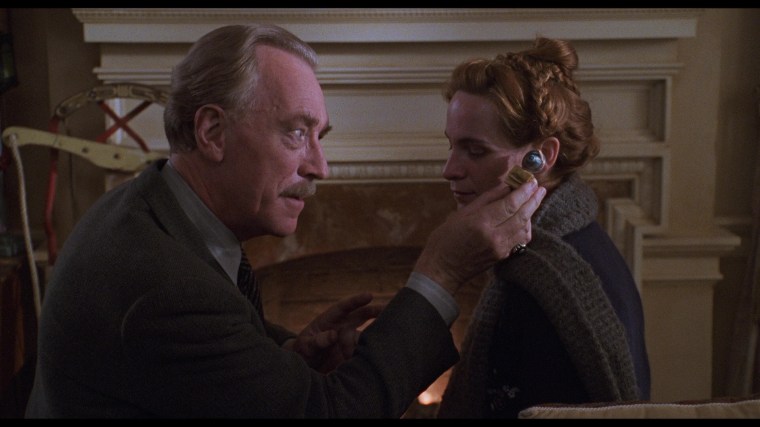
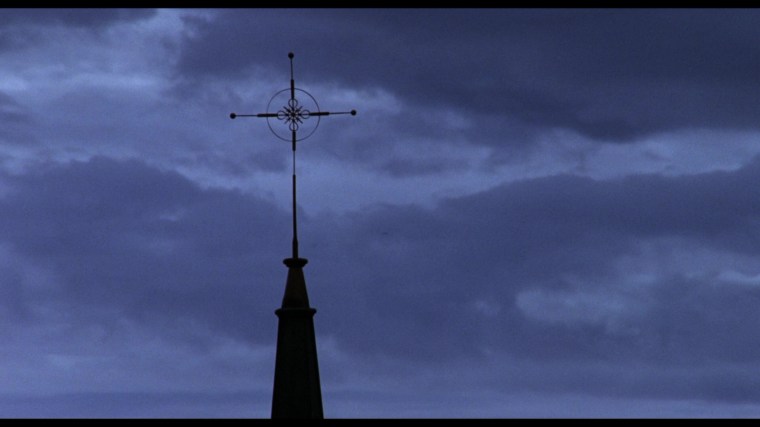
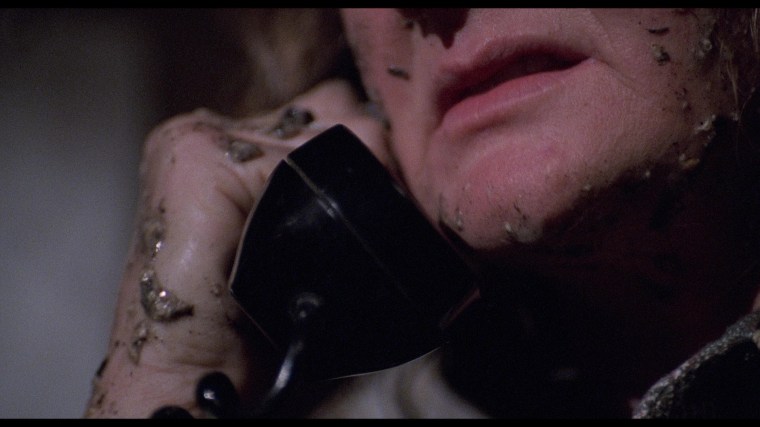
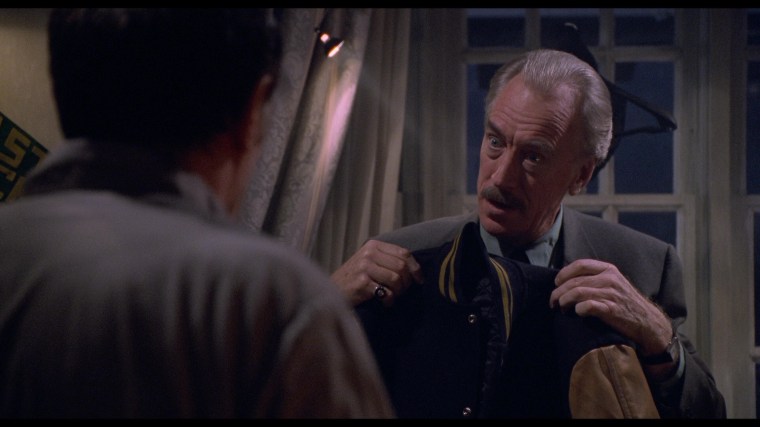
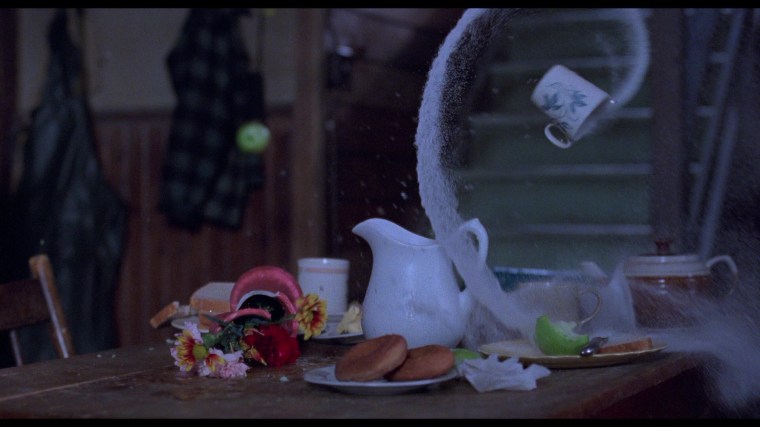
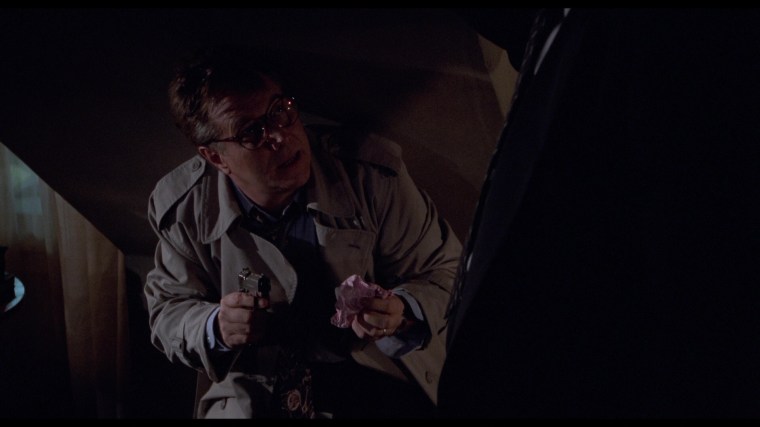
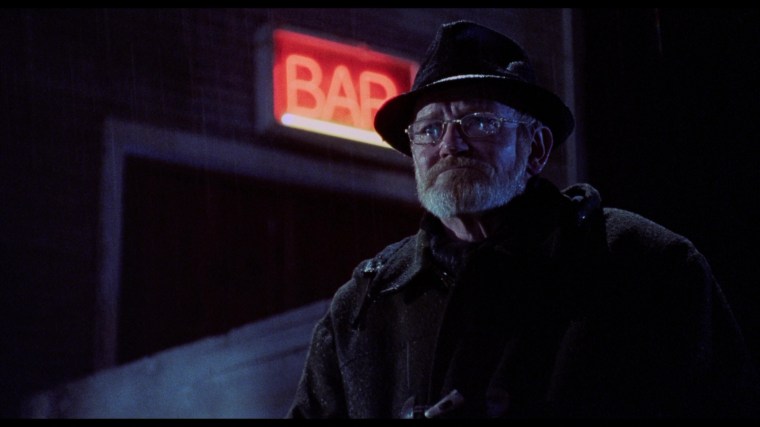
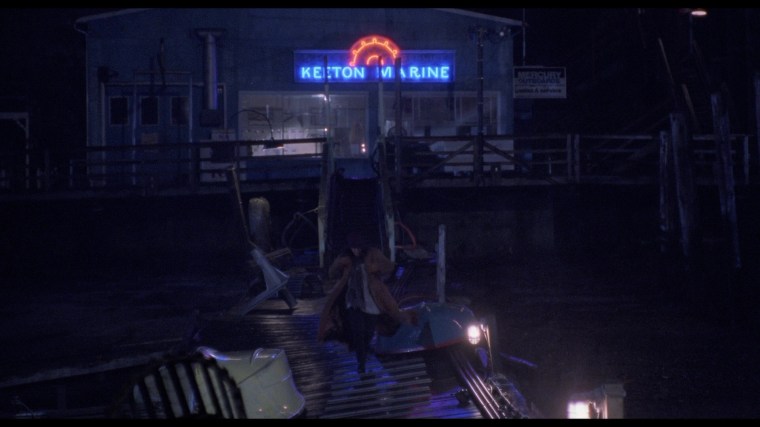
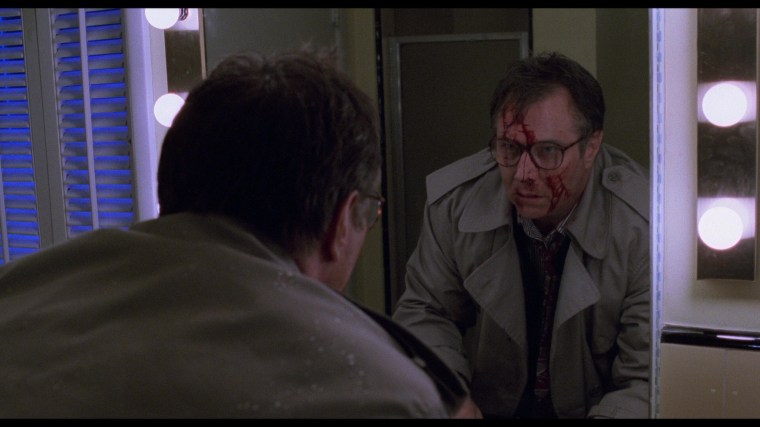
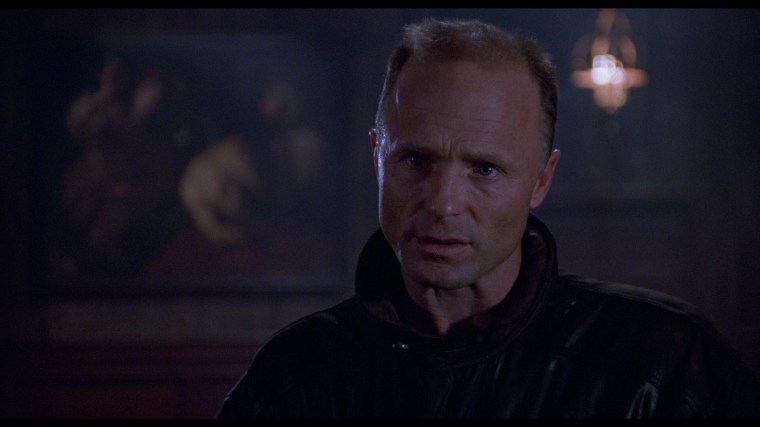
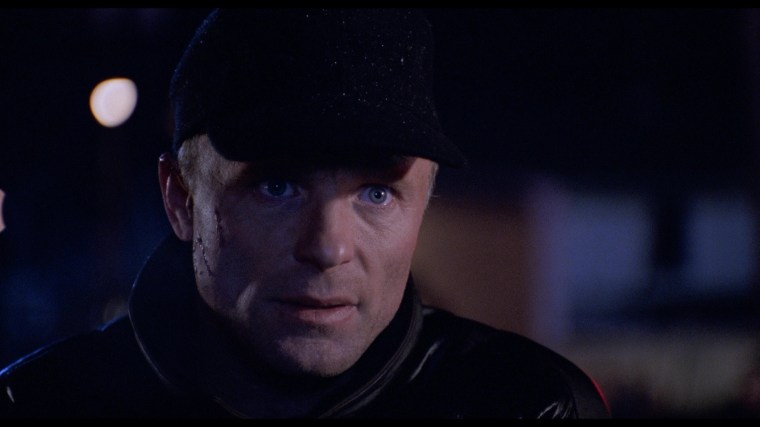
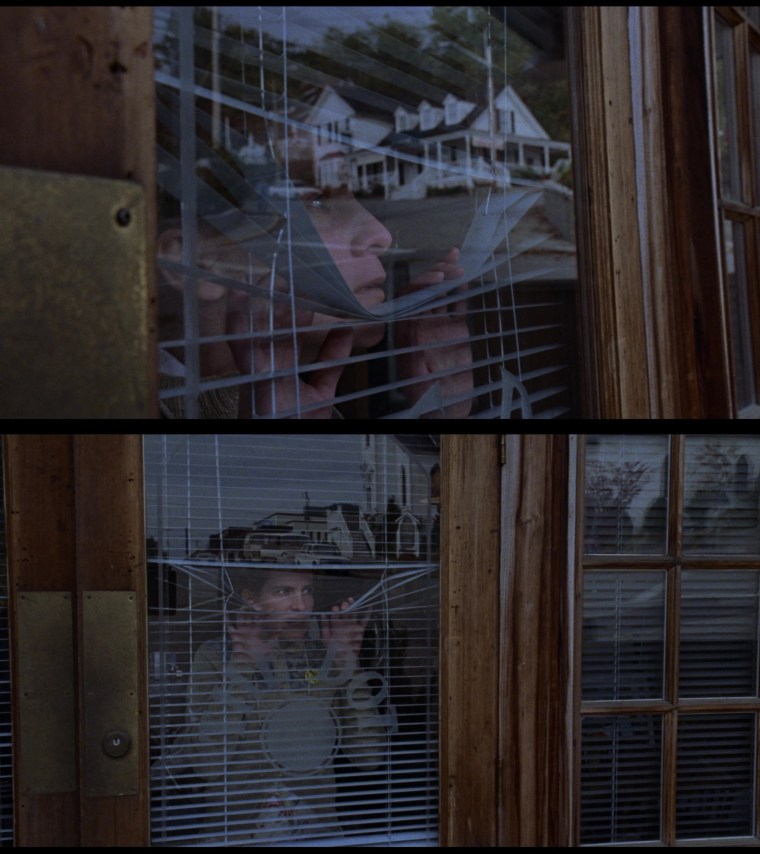
Frame Gallery #2
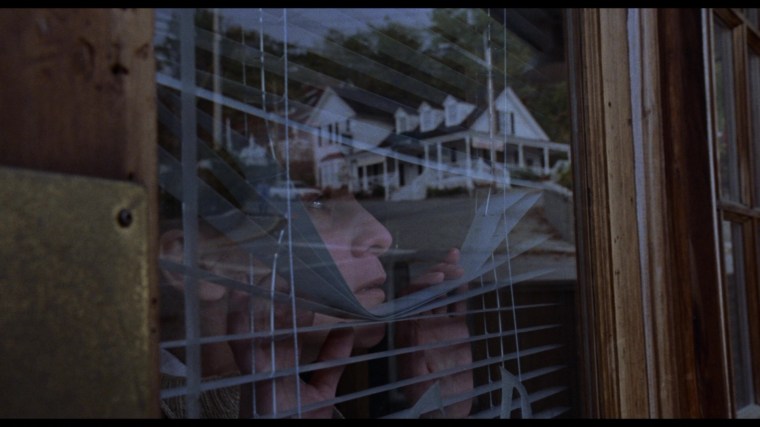
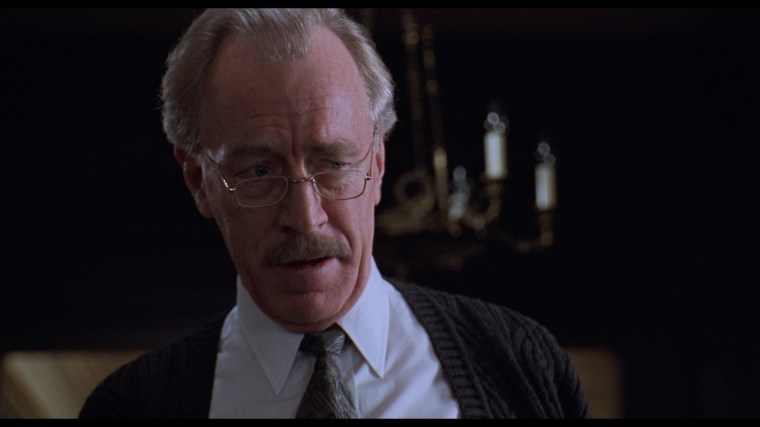
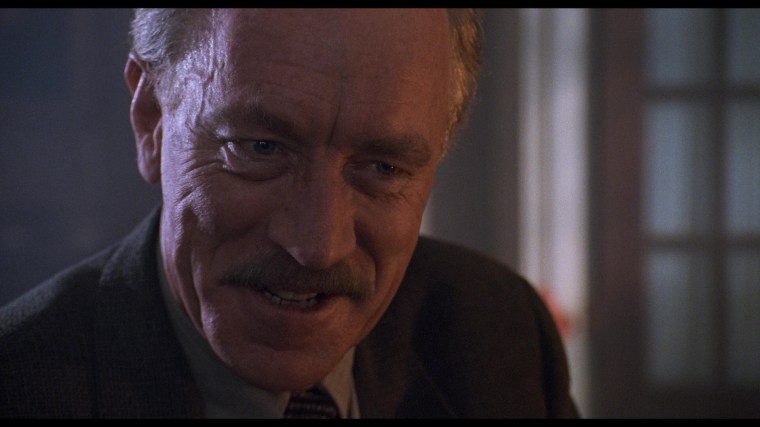
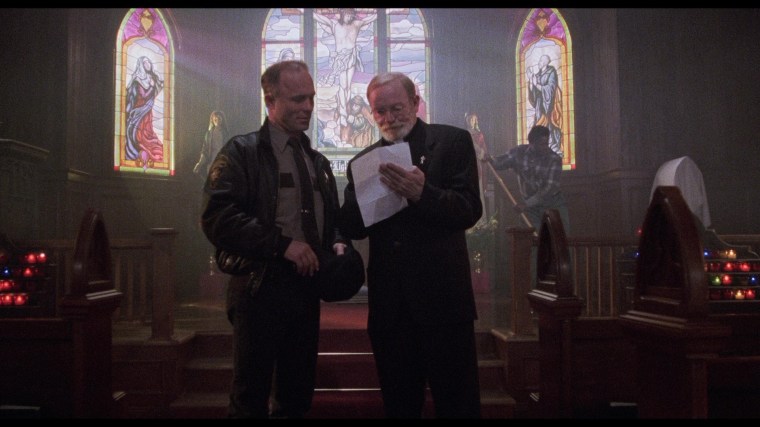
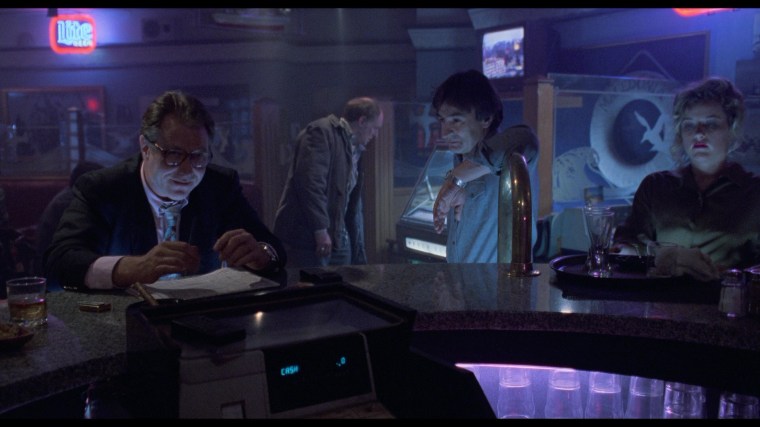
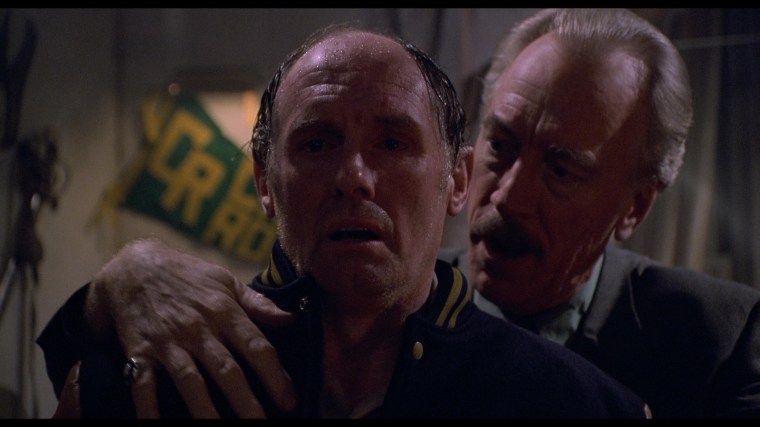
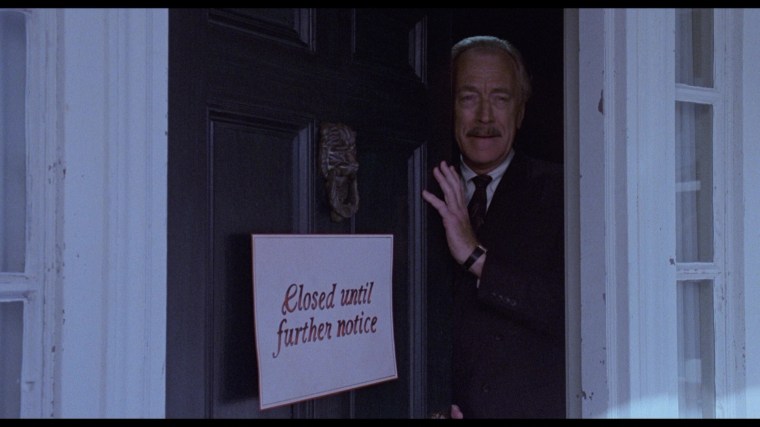
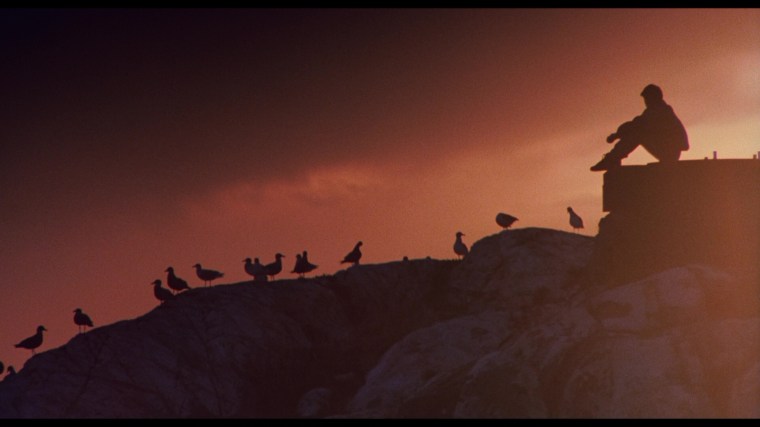
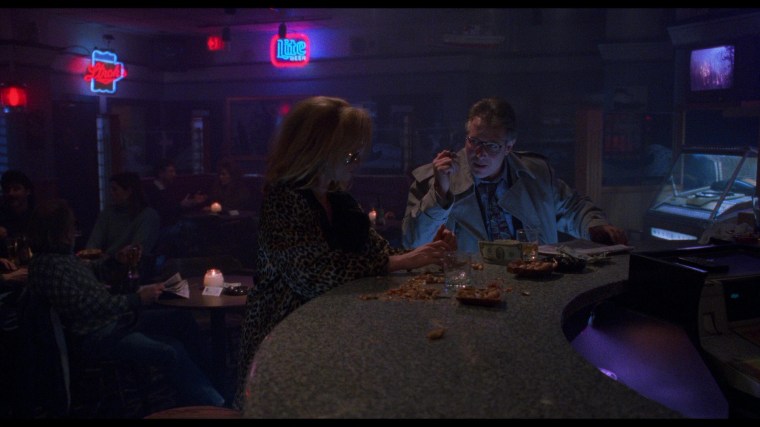
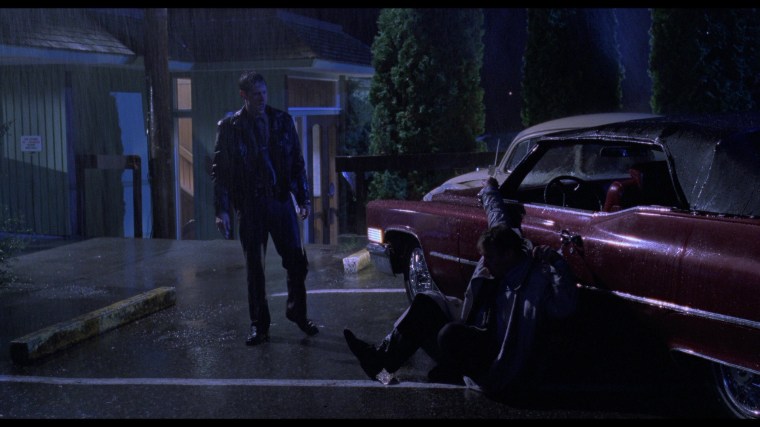
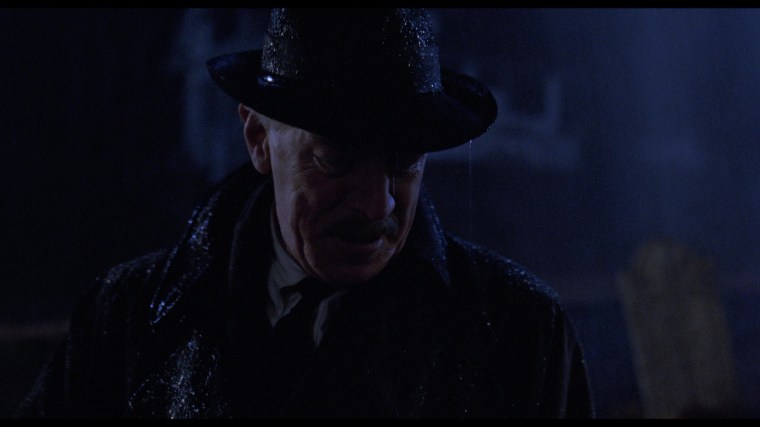
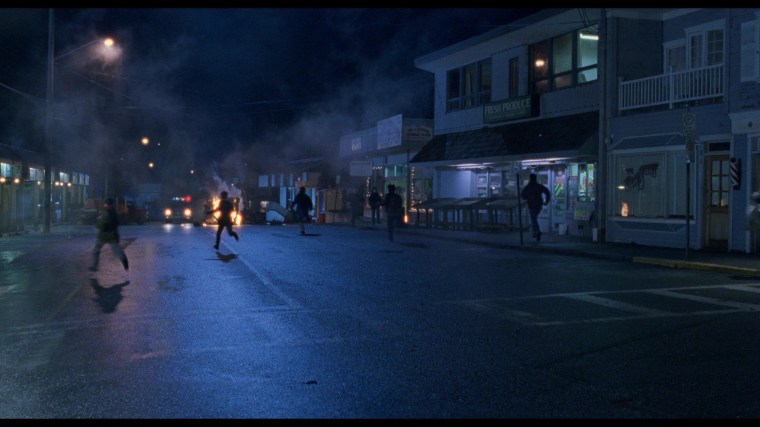
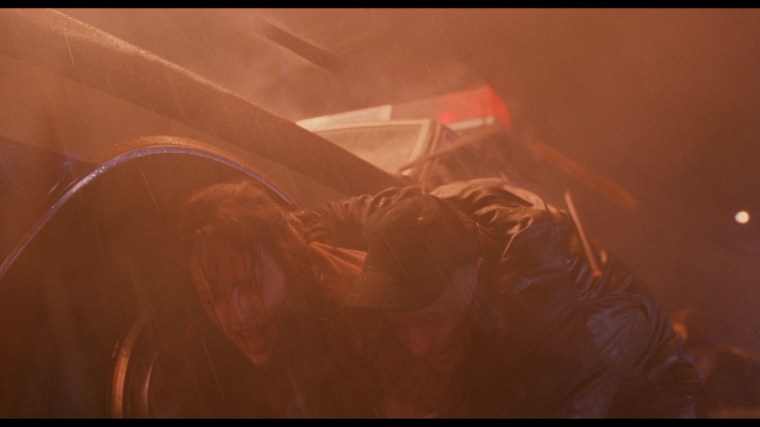
Frame Gallery #3
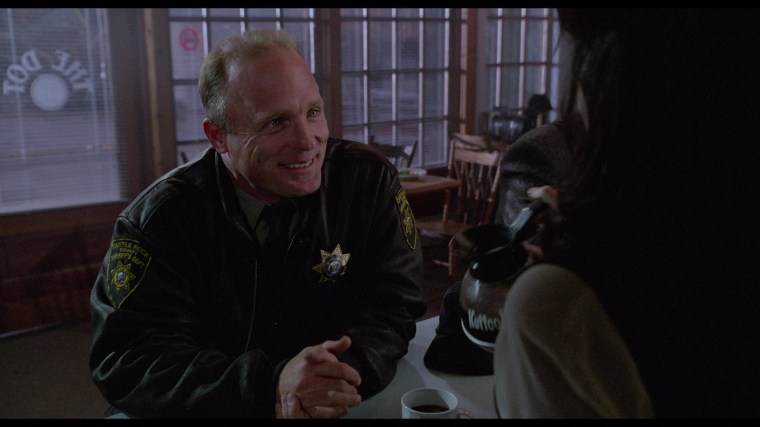
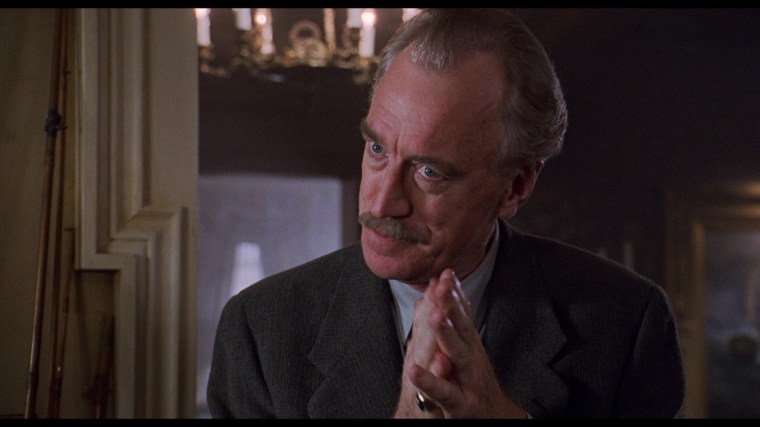
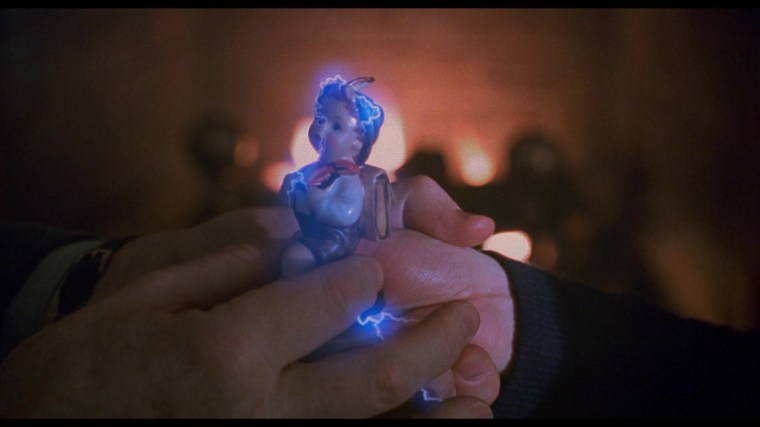
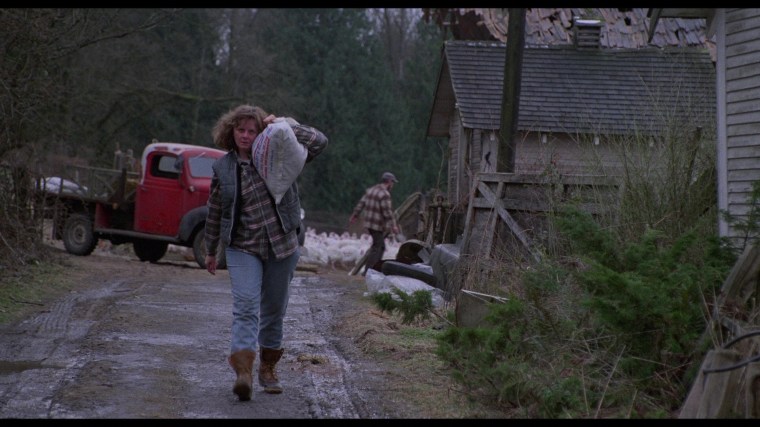
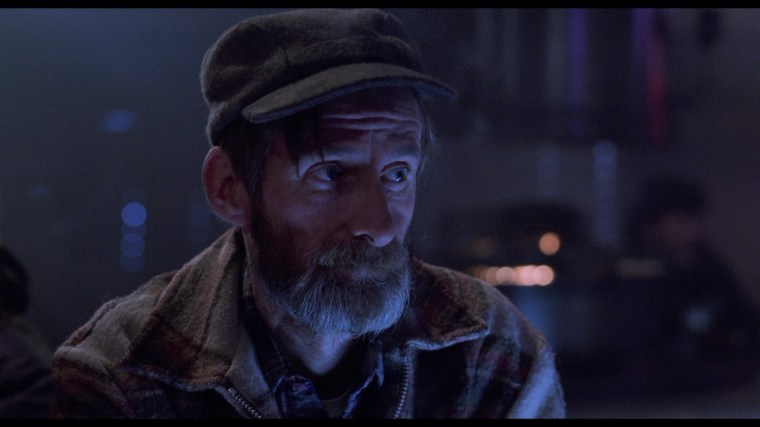
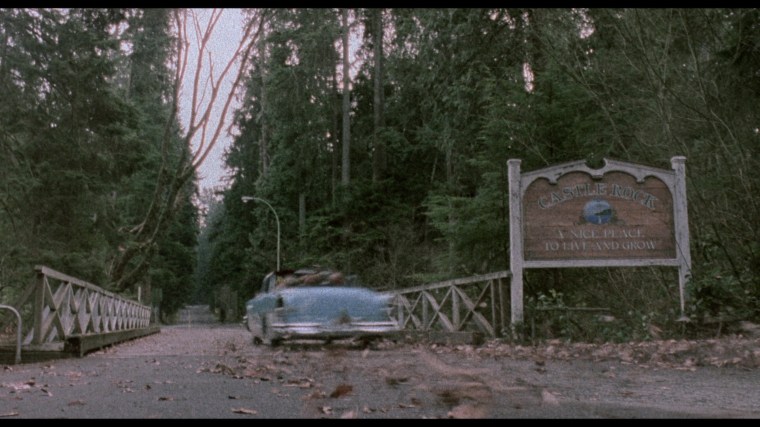
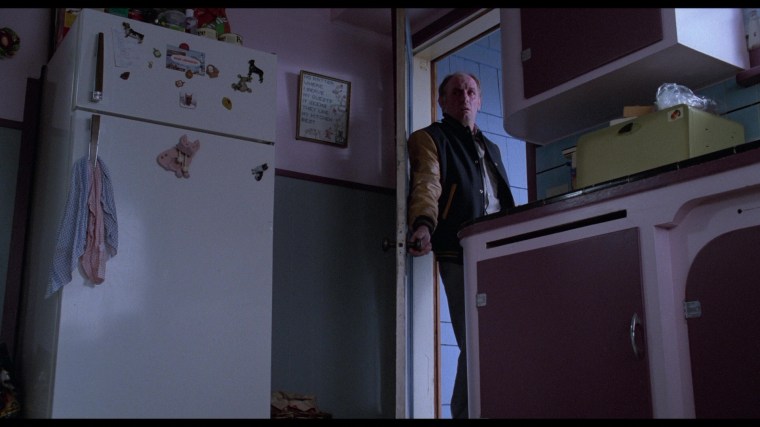
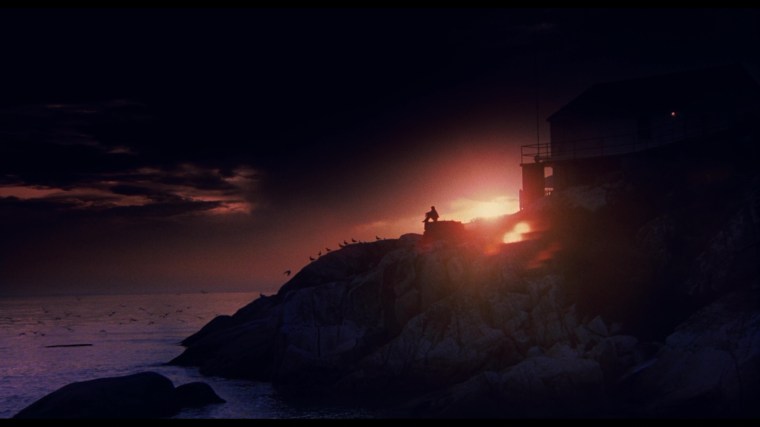
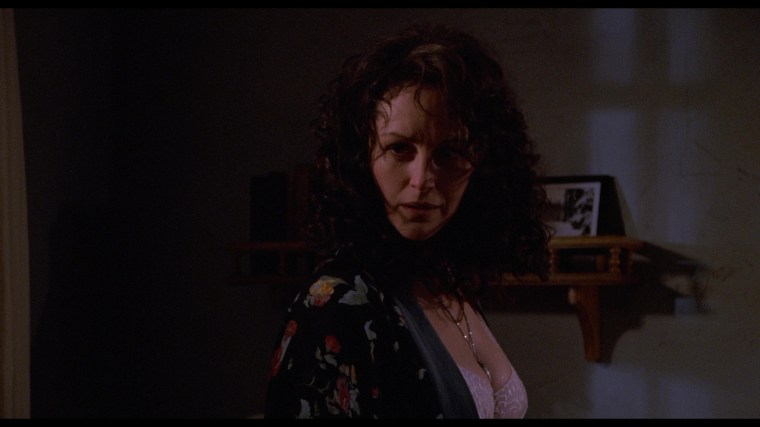
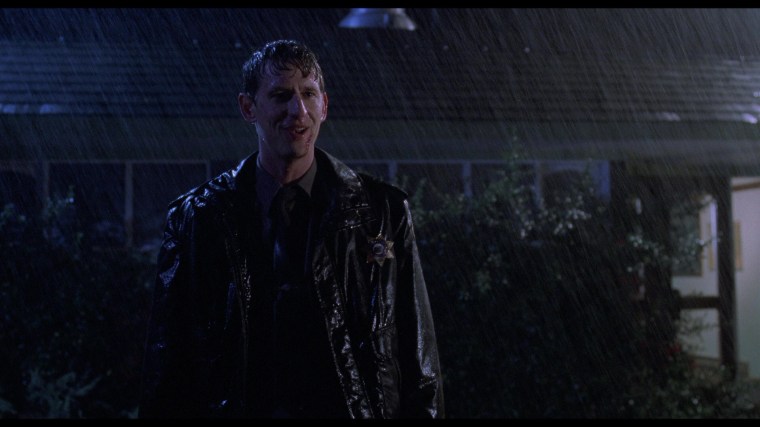
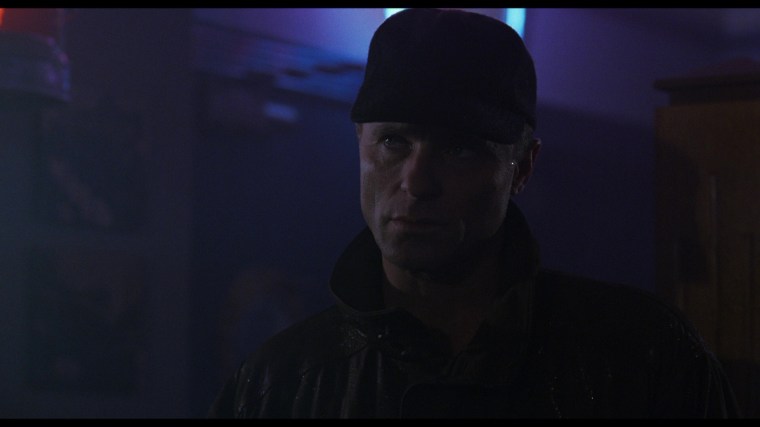
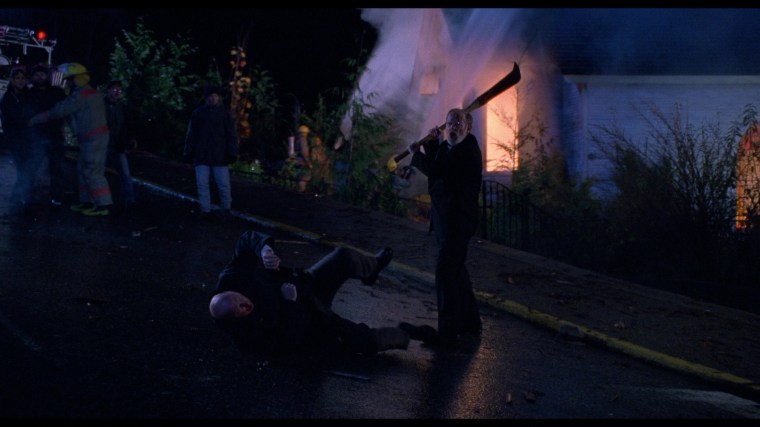
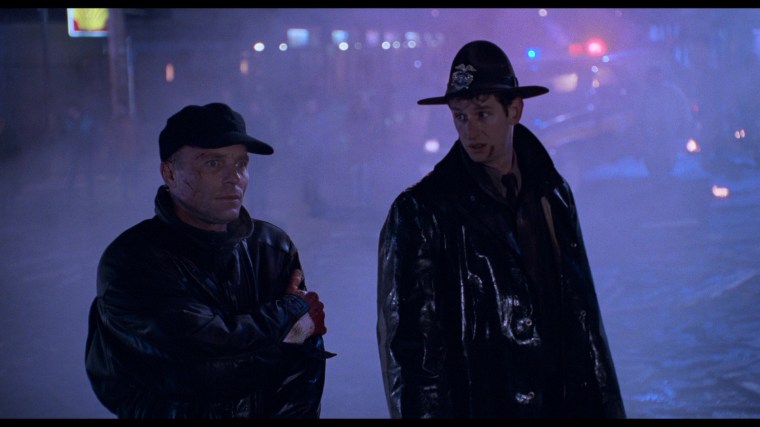
Frame Gallery #4
Annotations
Heston on an unfilmed alternate ending…
“We looked at an additional ending that we were going to shoot on the backlot of Paramount, I think. They have a great New York street. There was some discussion about (whether) it (was) still a little vague. Should we see his next victim and it’s going to be New York City and we’re going to start with him opening and the little bell tings and he opens the shop on a back street in New York some place and then you pull out and Frank Sinatra starts singing Start Spreading the News and it’s New York. We even wrote that scene and we ultimately decided that the game wasn’t worth the candle for that one.” (#3)
Heston on his experience with Avid Media Composer…
“I would count flexibility, speed, non-destructiveness, and non-linear as the combination that presents the filmmaker with an incredible tool. But you have to be disciplined with the tool – you can become wrapped up in it. You must be well organized and understand file management. Most importantly, you are a director – you must make your choices and stick with them. Ultimately, this technology is a lot more fun to work with and it’s great to see an idea unfold before your eyes…” (#4)
And here’s a couple quotes from editor Rob Kobrin from the September 1993 issue of American Cinematographer about working on the Avid…
“The decision to use Avid to edit Needful Things was not based on economic or schedule parameters, but rather on creative advantages that the technology offers. It was up to me to deliver those superior services at competitive costs. The bottom line is basically that onecan make better-informed decisions. When the director and I talk about a possible path to pursue with a particular scene, we don’t have to imagine; the answer is always, ‘Let’s try it.’ We’re free to try all of our ideas without losing efficiency.”
“Over the last six years we’ve evolved a method of feature editing which is truly electronic – not some sort of bastardized adaptation. What’s going on in the industry is a tremendous resistance to the advancement. So many people want it to look like a film bench and act like a film bench. They jump through hoops to make it not look like a computer. Well, that’s like taking an airplane, asking the manufacturer to knock the wings off and then driving it around the airport. The point is that it’s not a film bench, and you’re not cutting film. To use it as a physical analog for cutting film is to throw away all of the advantages. That’s what we’ve done differently – we’ve used it to its advantages, we’ve used the digital audio side and the databasing. It self-logs, it searches, it sorts, it has tremendous databasing power – and what do we do in editorial but organize? That’s what computers are good at.”
“People are fearful that you can get lost and confused because you don’t have to make up your mind. I think that’s what an editor is there for. Sure, you can cut yourself into confusion faster with this, but you can also get lost, ableit more slowly, with film. If you’re going to get lost, you’re going to get lost. This doesn’t require the director to make a physical decision. You’re really free to experiment; that’s part of the creative process. It really allows improvisation.”
Heston on the short-lived decision to give everyone New England accents…
“Unfortunately, we realized that it was a bit much and we decided to abandon them after a few days of shooting for almost everyone in the film except for Netty (played by Amanda Plummer) and some of the locals.” (#6)
Heston on working with Castle Rock and producer Jack Cummings…
“Jack Cummings was a wonderful human being and a fantastic producer. He and I worked very closely together. He was the line producer, the man on the ground. (Producer) Peter Yates (who initially developed the project to direct, but bowing out) did not attend the production on a regular basis. Castle Rock almost never came by. We sort of convinced them to stop by once in a while just to say hello, but they let us get on with the job of making this movie. We were more or less on schedule and on budget and Jack watched my back, as any good producer will do.” (#6)
Heston on the cafe location…
“The café was actually a standing set for a Canadian television series called The Beachcombers. All we had to do was move in and light it. It was very convenient, but it was actually (already) built in the middle of Gibsons Landing, where we shot the film.” (#6)
Heston on the Jerzyck’s house location…
“This a real turkey farm outside Vancouver, near Mission, British Columbia. This barn was a real barn built exactly as it looks. You can see it’s kind of propped up there. It fell down during a wind storm after we’d already scouted the location, but that saggy roof and the kind of craggy eave in front of the turkey yard was real and it was perfect so I asked them to build it back up again just for this shot in the film. It really looks great, like a good old New England barn.” (#6)
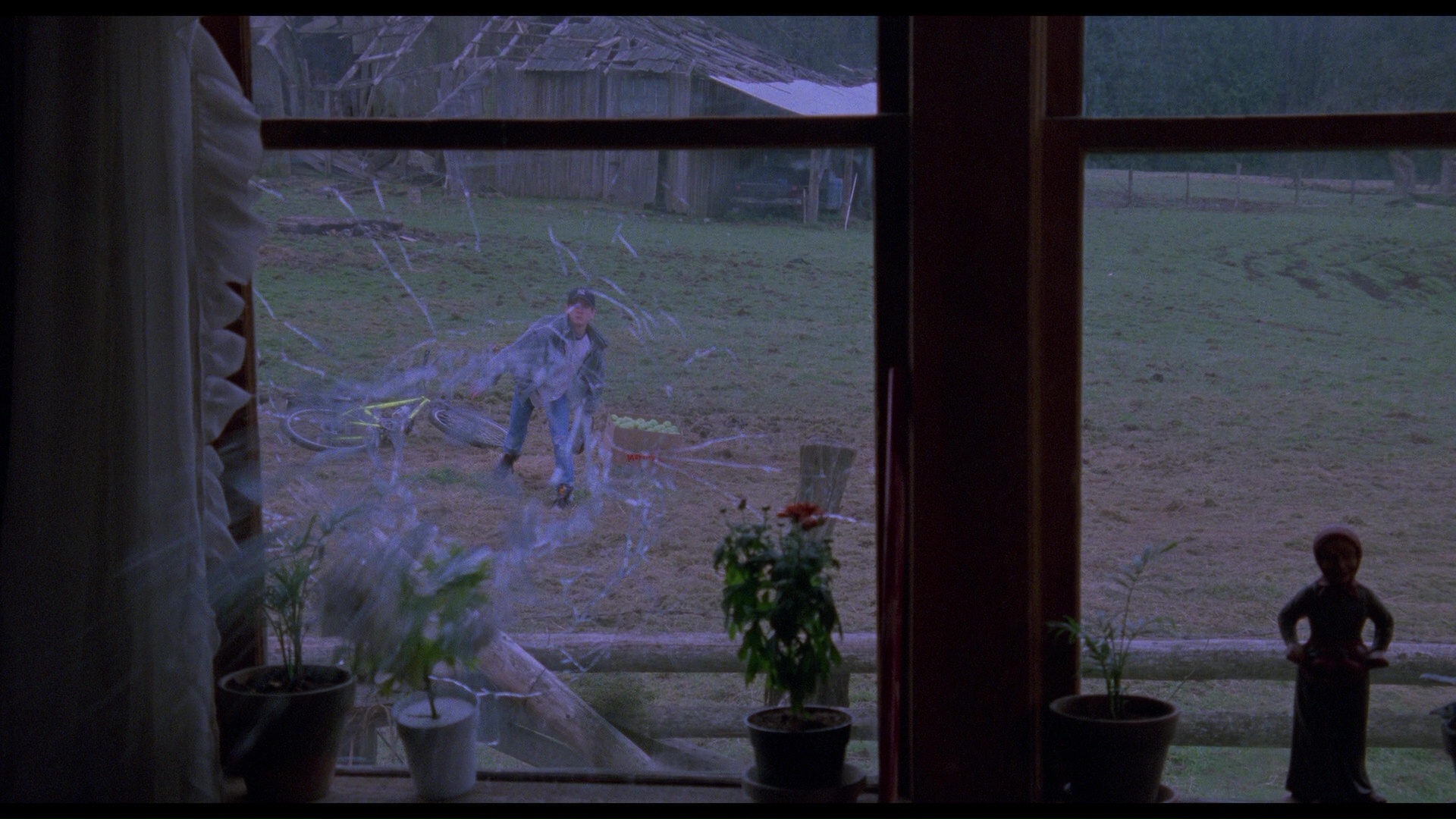
Heston on the apple throwing scene…
“At first we got a thing that we called an apple canon, which was a compressed air gun, to shoot these apples, but it turned out that thing would shoot them about a half a mile across the field and was a little bit of overkill. So we asked Brian Rusk (actor Shane Meier) to actually throw all these apples. Shane, it turns out, has a pretty good arm and he did a great job. Then we all jumped in and started throwing apples at this farmhouse. We decided it would be cheaper to actually break the real windows in the farmhouse and then replace them later. So this is real glass and real farmhouse windows. We broke every single window in this house. We all kind of pitched in and had a lot of fun throwing apples at it. Needless to say we had to compensate the owners sufficiently afterwards.” (#6)

































































 deep fried movies