Year – 1979 Decade – 1970s Director – Tobe Hooper Cinematographer – Jules Brenner Genre – Horror Keywords – Vampires; Stephen King adaptations; Miniseries; Small Town Horror; 1970s horror Studio […]
Rate this:
Year – 1979 Decade – 1970s Director – Tobe Hooper Cinematographer – Jules Brenner Genre – Horror Keywords – Vampires; Stephen King adaptations; Miniseries; Small Town Horror; 1970s horror Studio – CBS Film Locations – Ferndale, California; Los Angeles, California (practical locations and the Warners Bros. lot and stages) Shooting Schedule – 37 Days (2 weeks in Ferndale and 6 weeks in Los Angeles) Budget – $4 million Aspect Ratio – 1.33 Format – 35mm with spherical lenses
A novelist (David Soul) returns to his Maine hometown to work on a new book only to find the hamlet overrun by vampires in this miniseries based on Stephen King’s second novel. Despite working within the confines of network television, the eerie Salem’s Lot scarred a generation of kids when it aired during Sweeps Week in 1979, a year awash in bloodsuckers with the release of Dracula starring Frank Langella, Werner Herzog’s Nosferatu and the comedy Love at First Bite.
Warner Bros. first optioned the book in the fall of 1975 before it was published, more than a year before Brian De Palma’s Carrie hit screens and inaugurated the “Stephen King movie” as its own genre. In the Heat of the Night Oscar winner Stirling Silliphant, Alice Doesn’t Live Here Anymore scribe Robert Getchell and B-movie legend Larry Cohen all tried unsuccessfully to wrangle the sprawling novel into a suitable feature length version.
Eventually, the project was punted over to Warners’ Executive Vice President of Production in Television Richard Kobritz to be turned into a network miniseries. Kobritz previously found success pairing an indie horror director (a pre-Halloween John Carpenter) with one of his telefilms (Someone’s Watching Me!). He stuck with that formula again here by signing The Texas Chain Saw Massacre’s Tobe Hooper, who welcomed the gig after spending 18 months in development hell at Universal with no features to show for it and getting fired off of 1979’s The Dark after a week of shooting.
Here’s Hooper on adapting his visceral style to the parameters of 1970s television:
“Part of the idea of Salem’s Lot is to bring the audience into the movement, in a way; the camera moves almost constantly. I am leading the audience on, but I’m satisfying them, too—I’m not cheating them. They’re not going to expect a dollar’s worth of scare and get 75 cents worth of talk. And you can do that without slicing someone up with a chainsaw.” (#1)
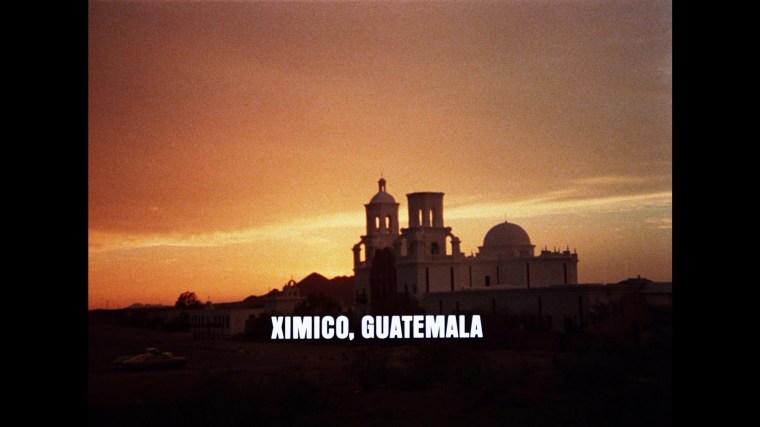
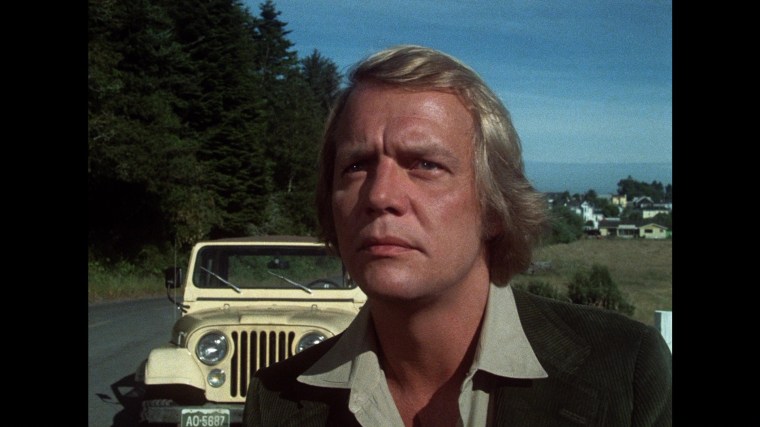
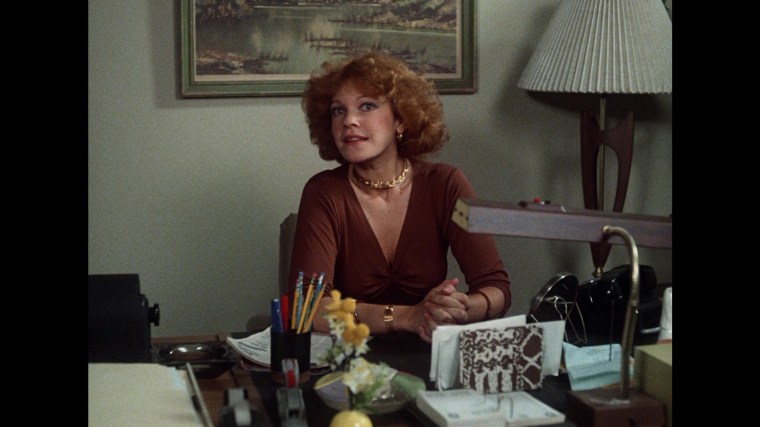
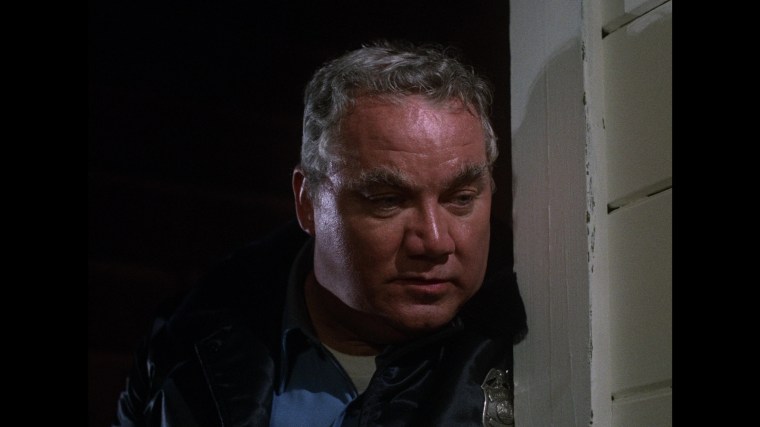
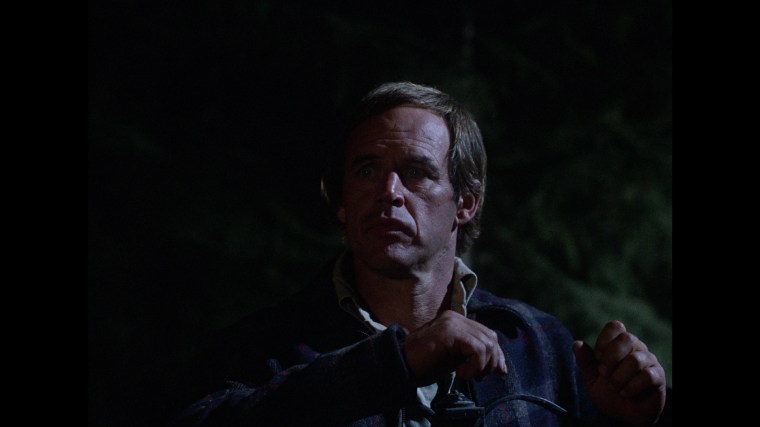
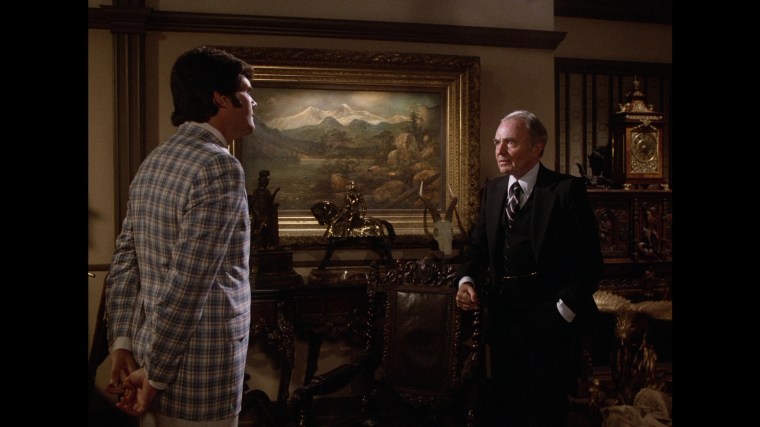
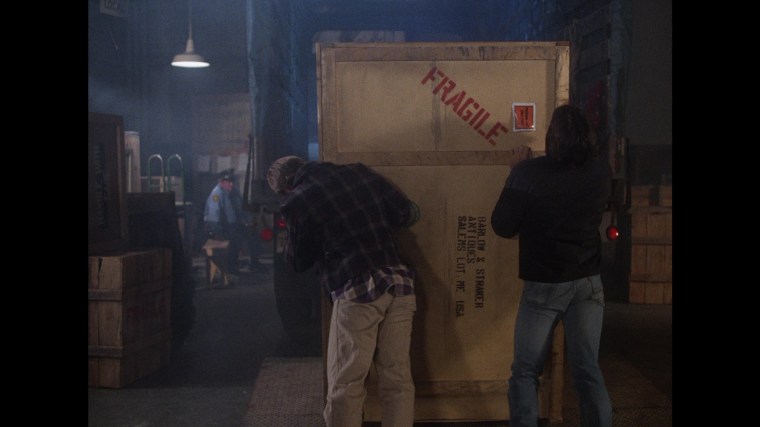
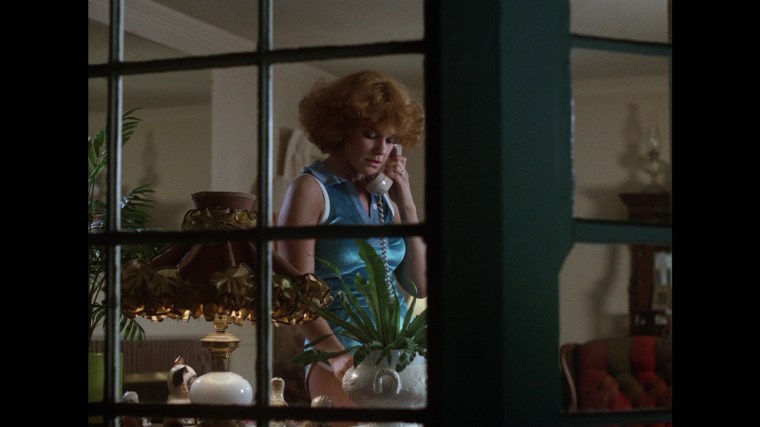
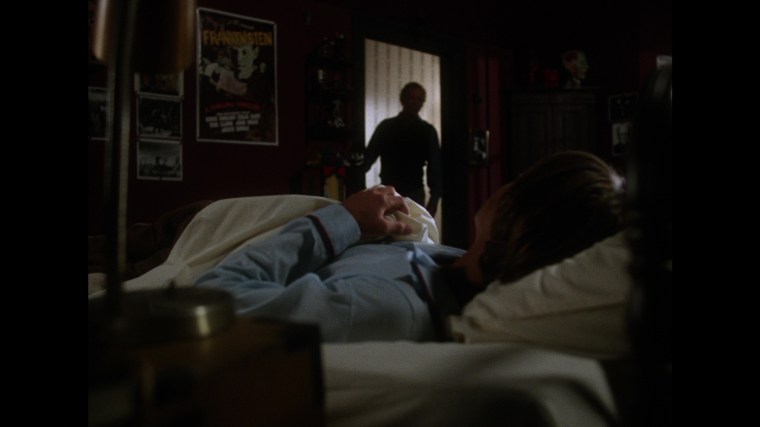
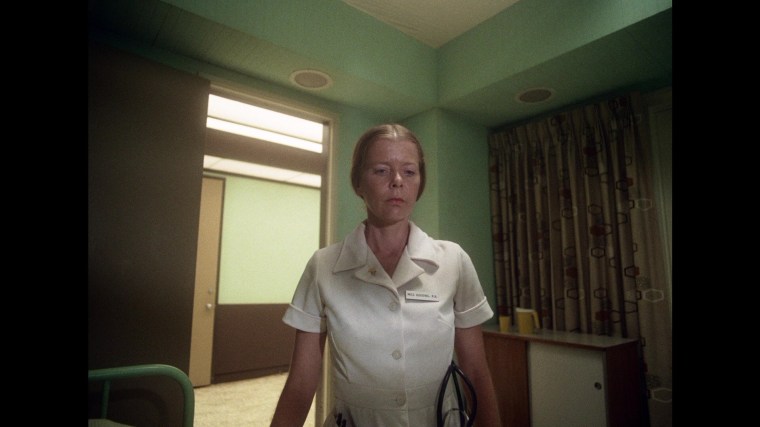
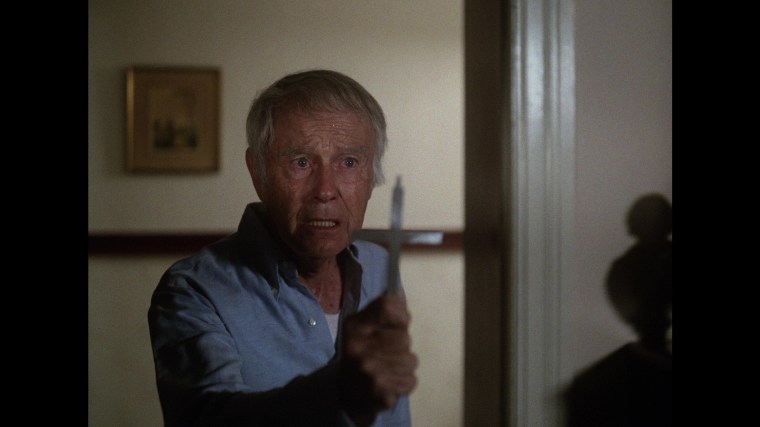
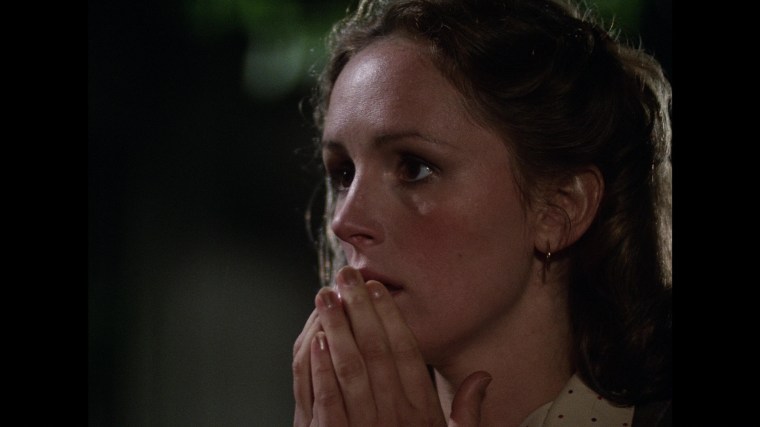
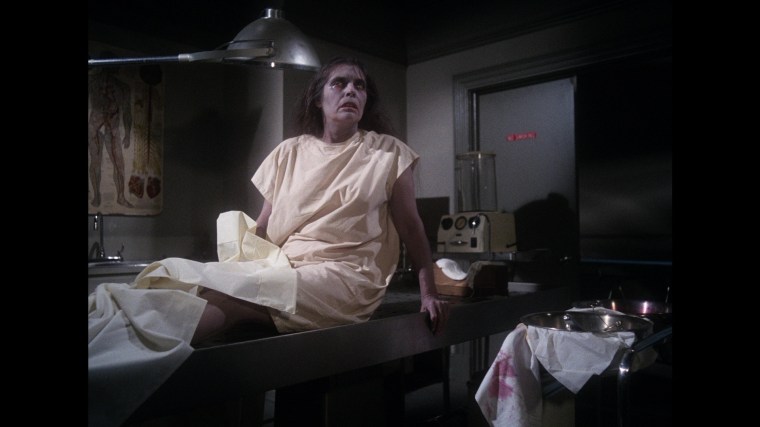
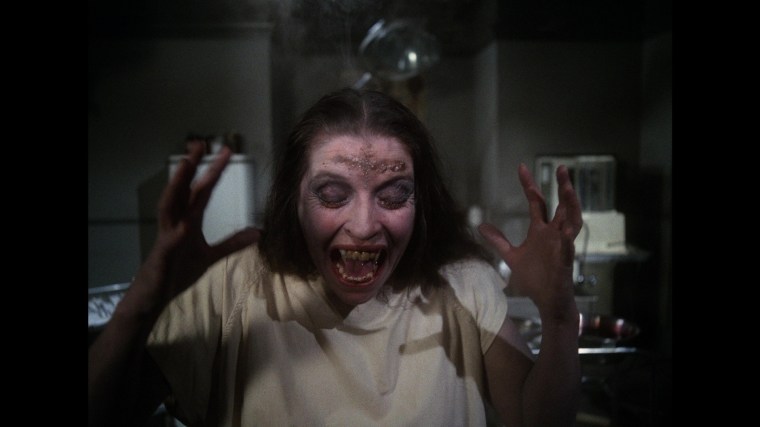
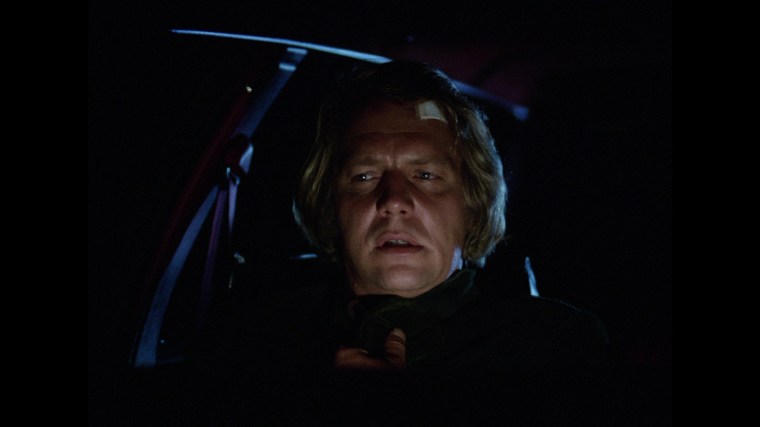
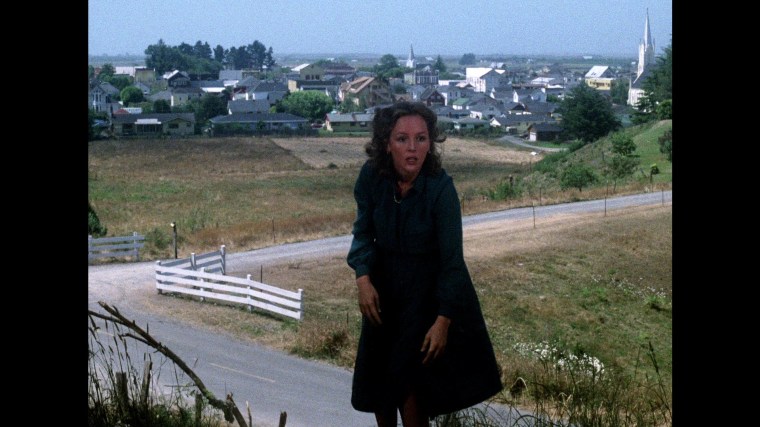
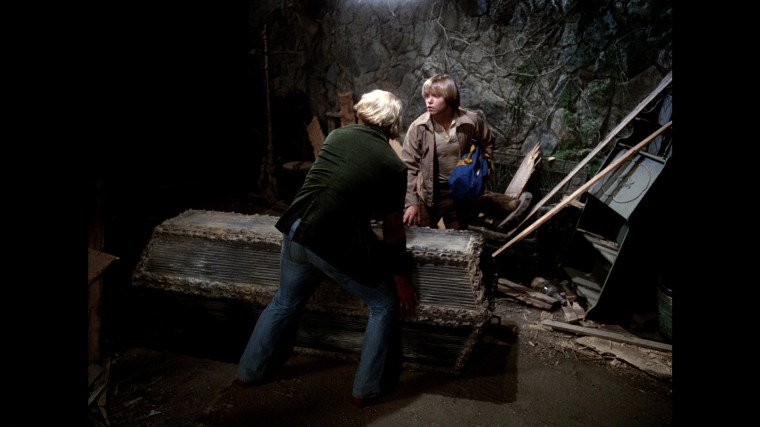
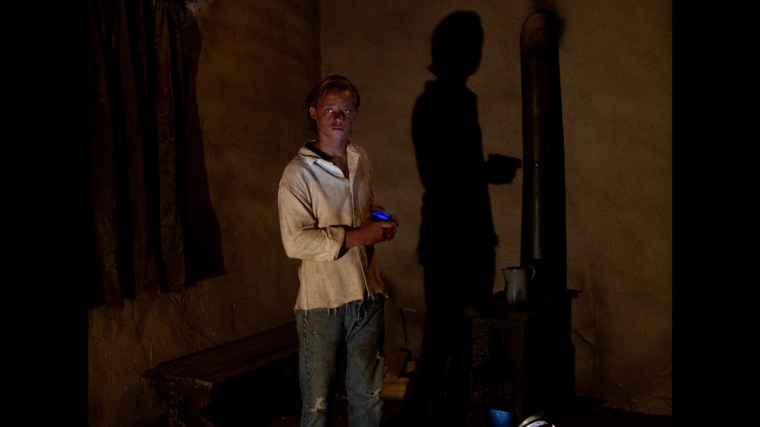
Frame Gallery #1
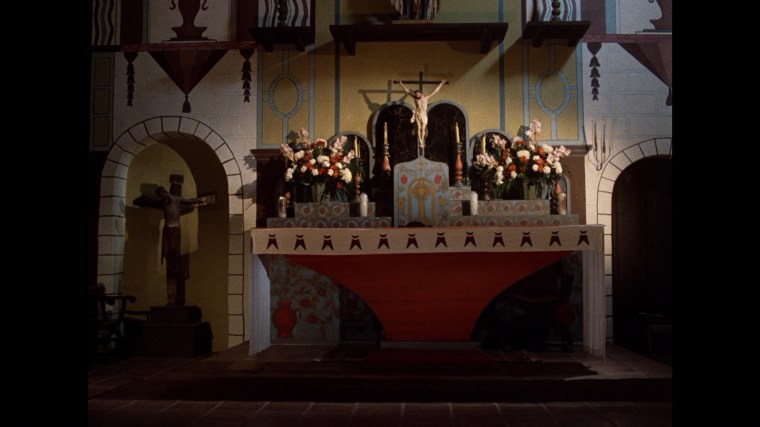
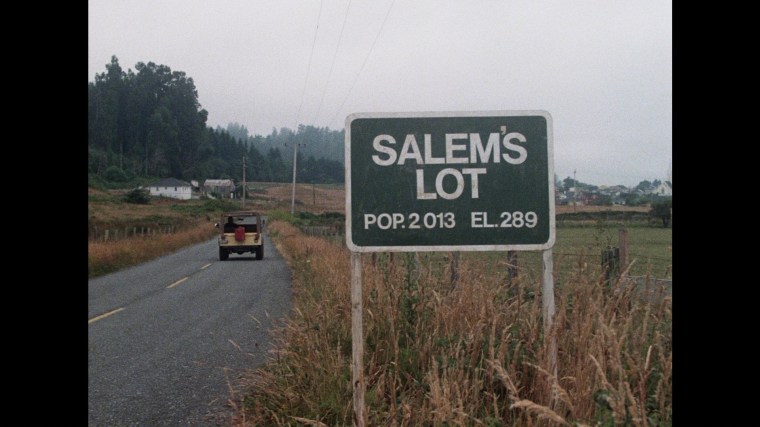
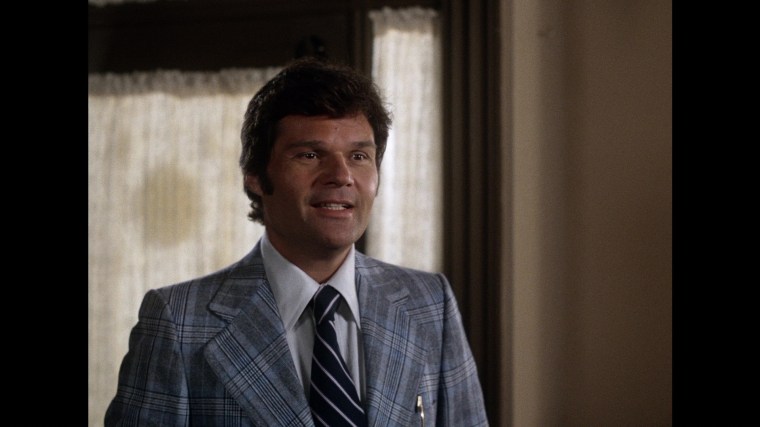
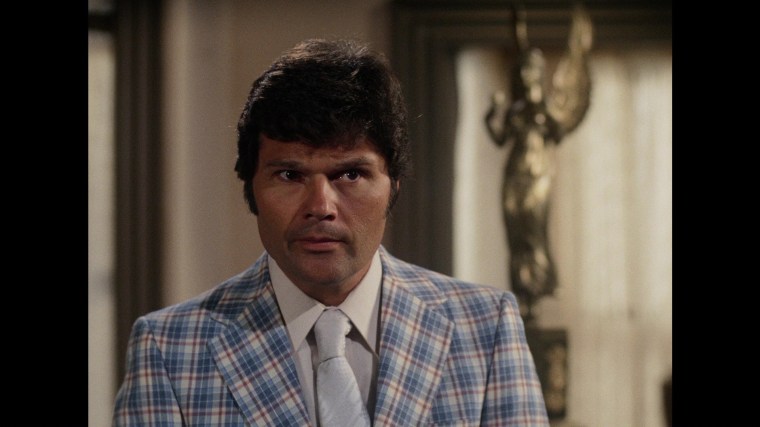
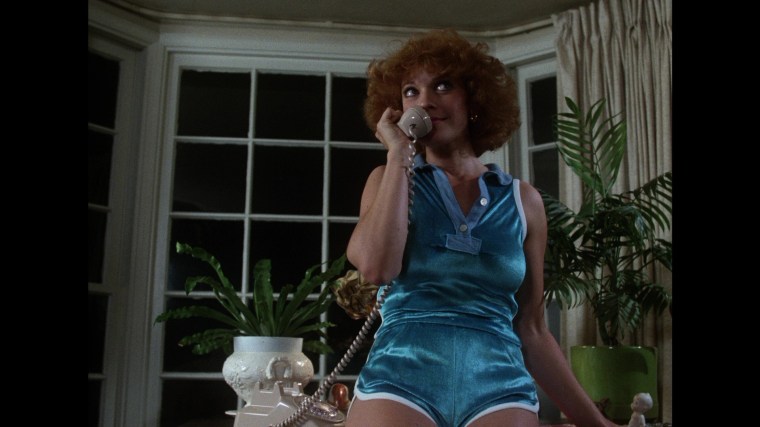
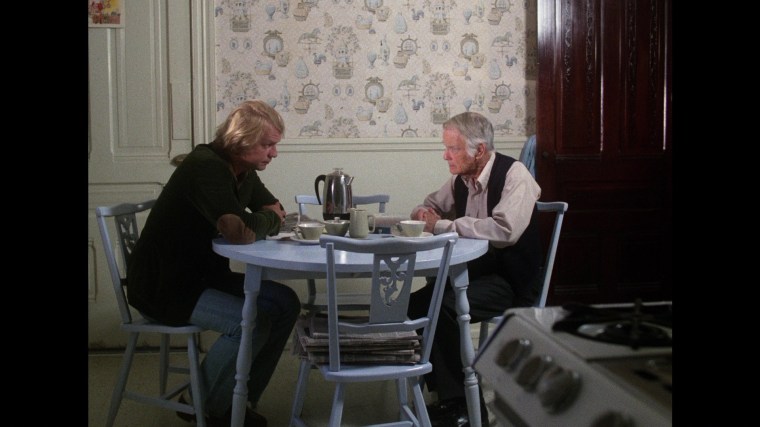
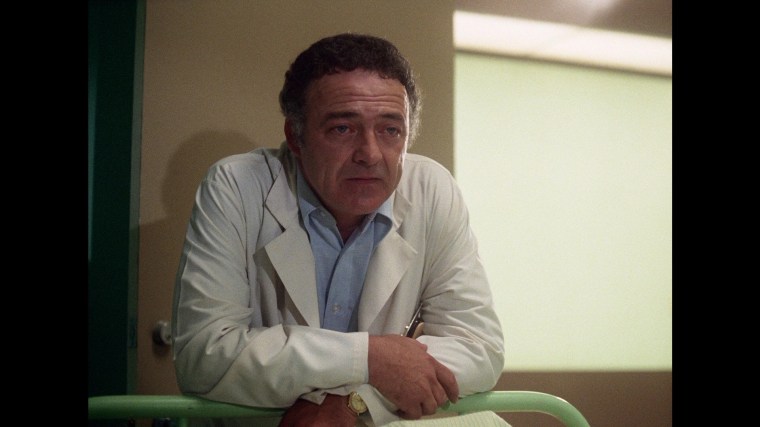
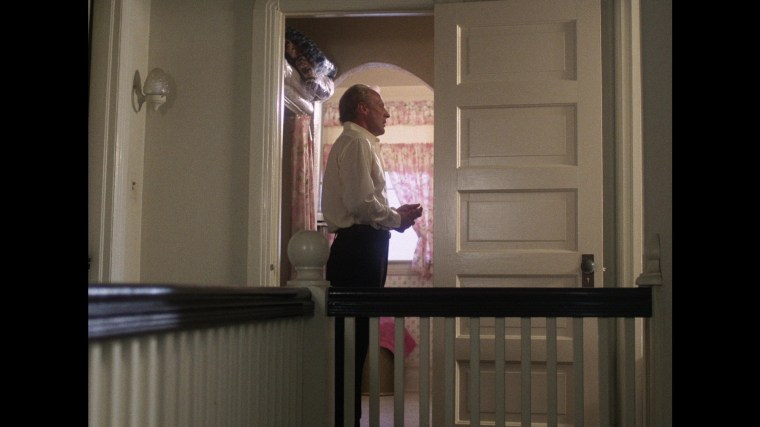
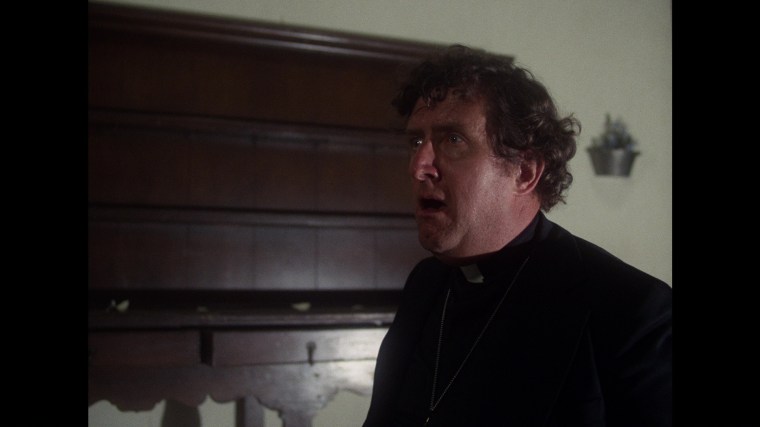
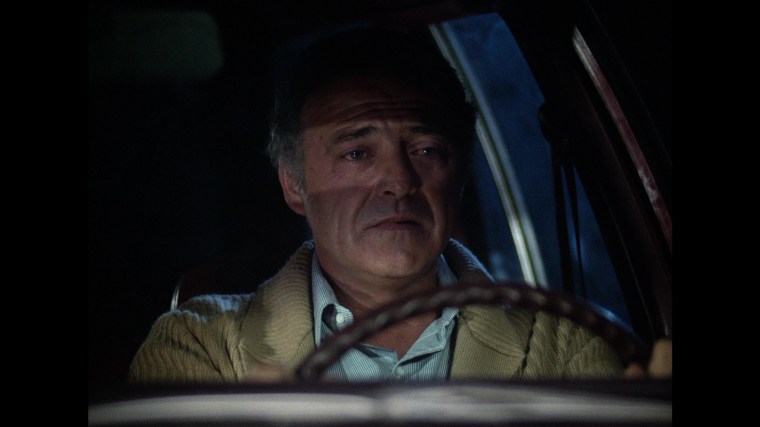
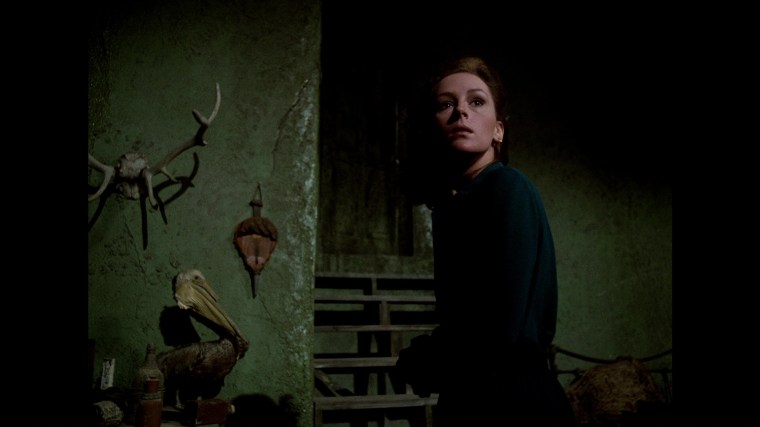
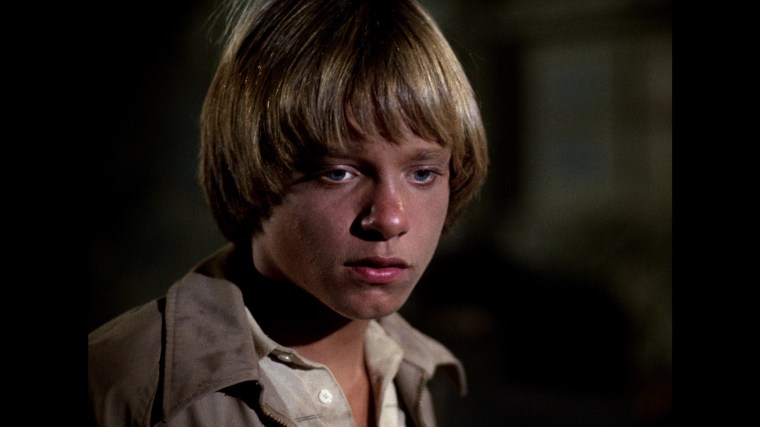
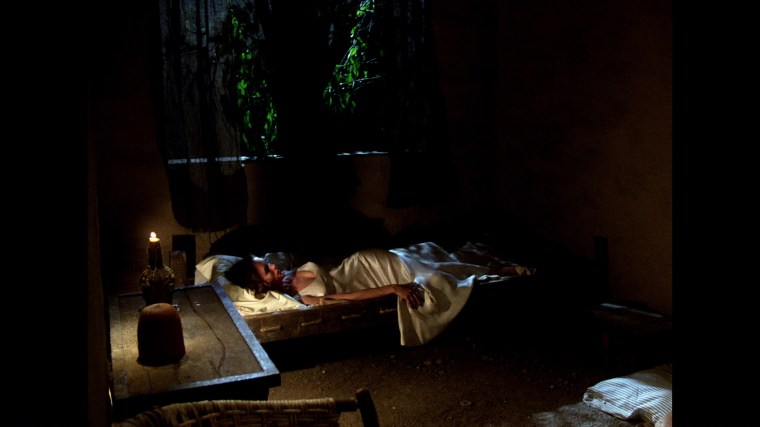
Frame Gallery #2
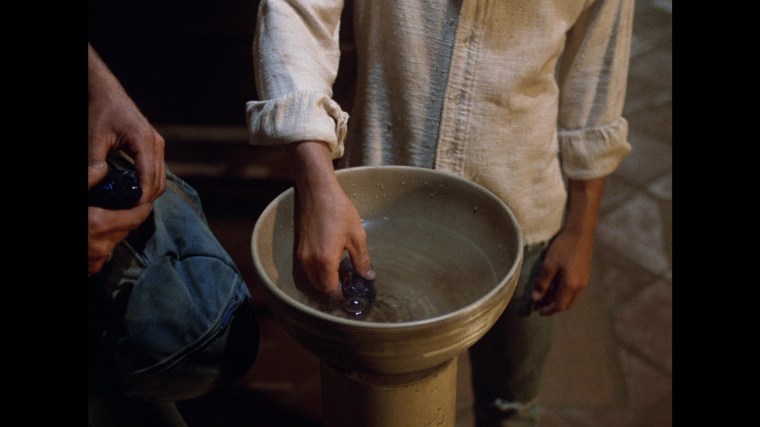
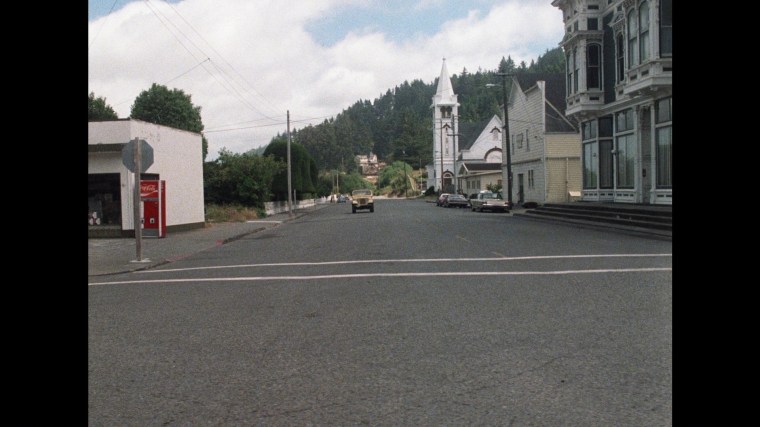
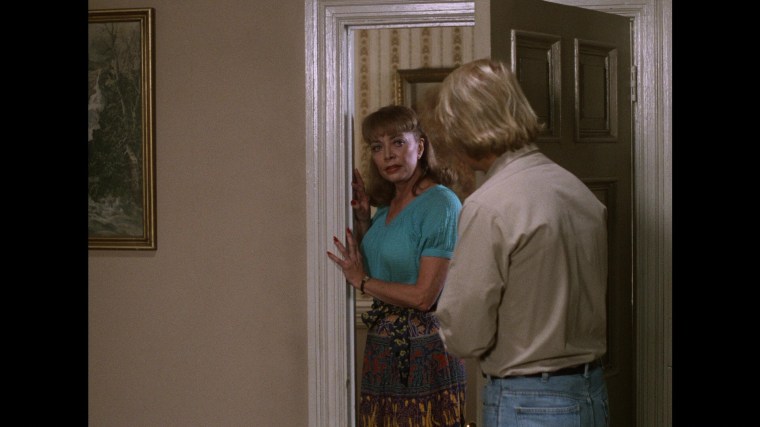
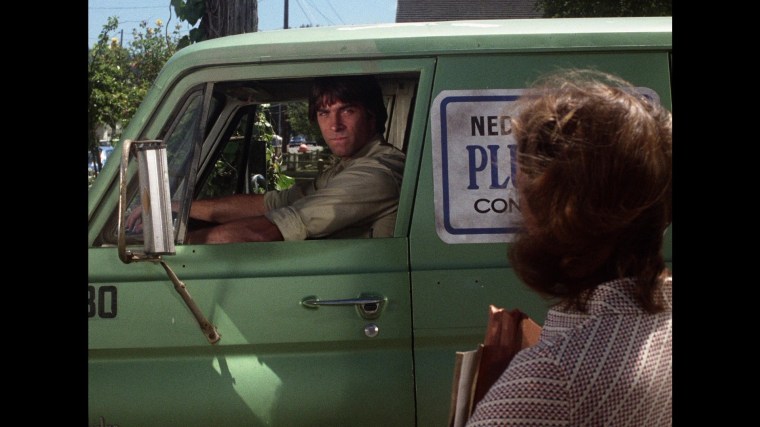
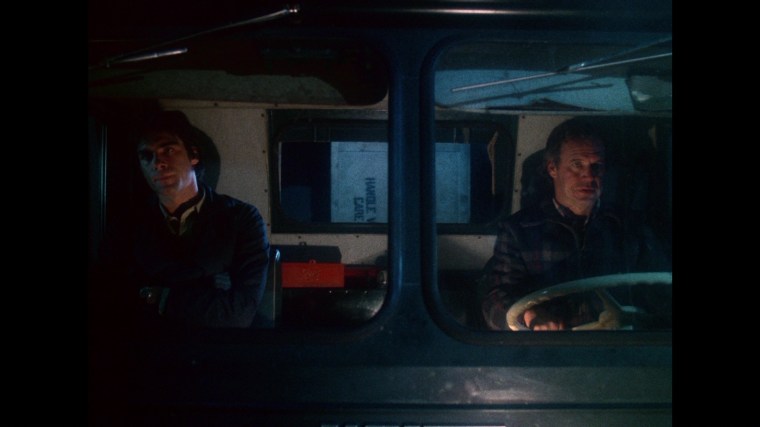
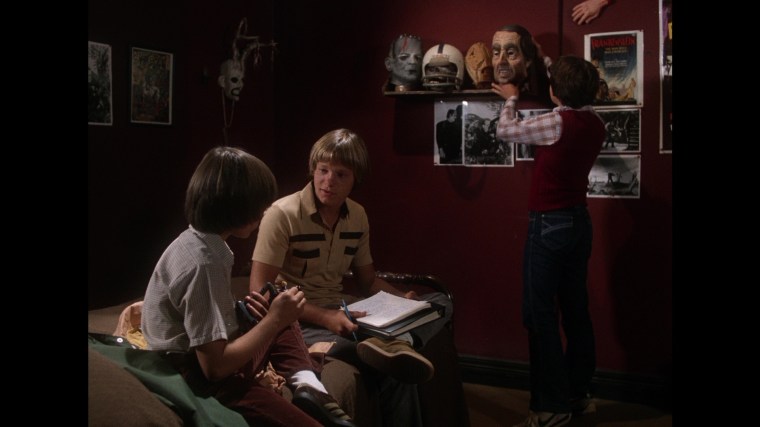
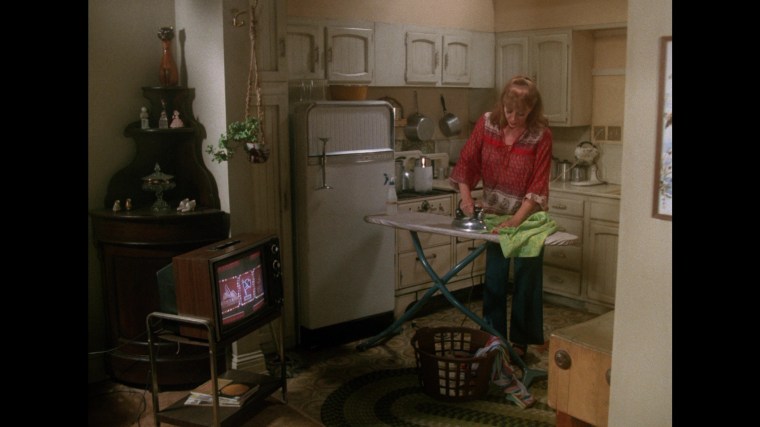
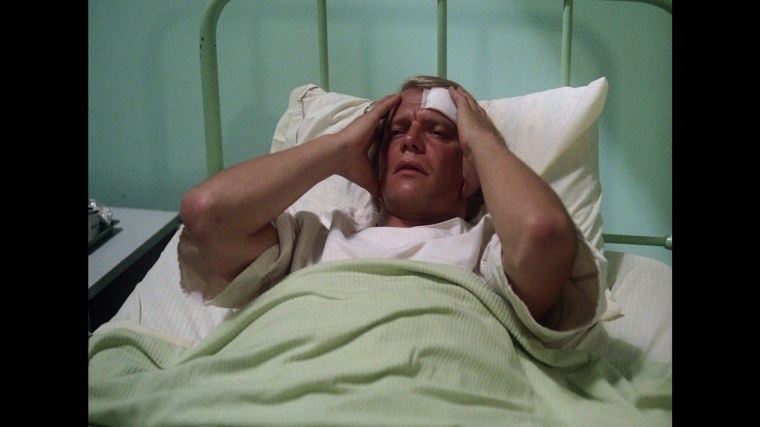
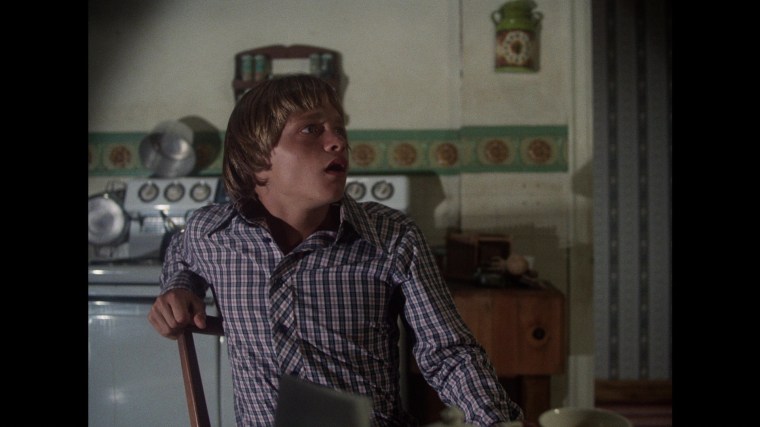
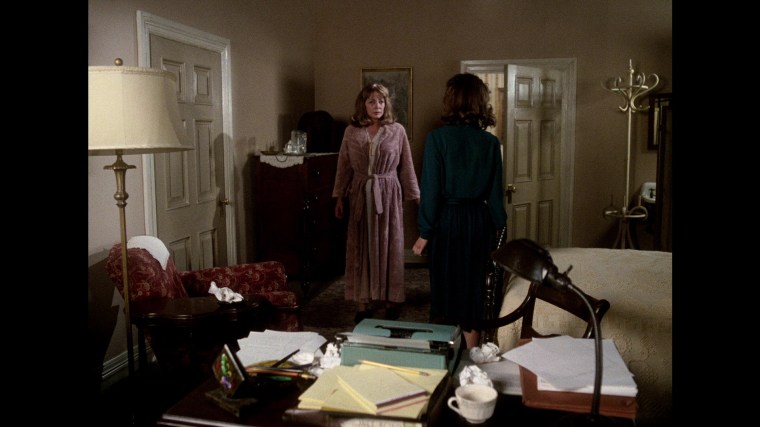
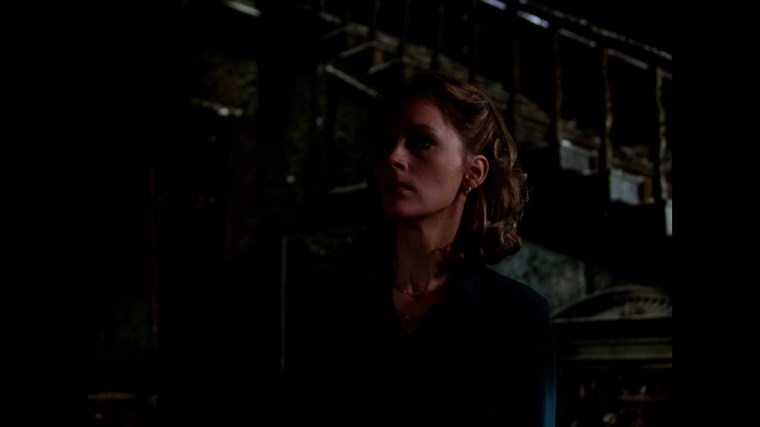
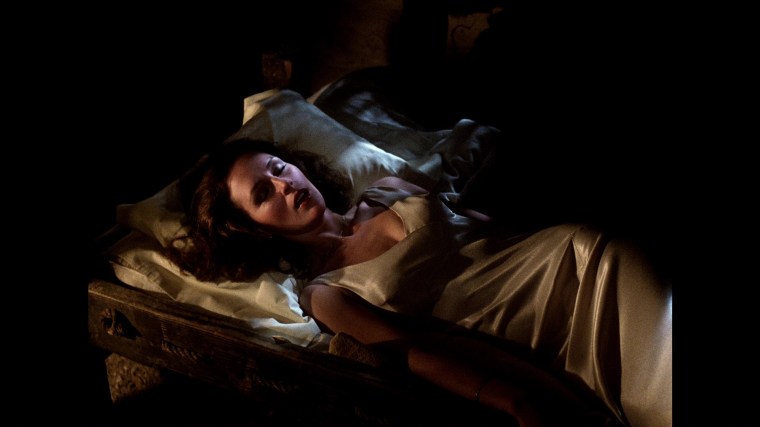
Frame Gallery #3
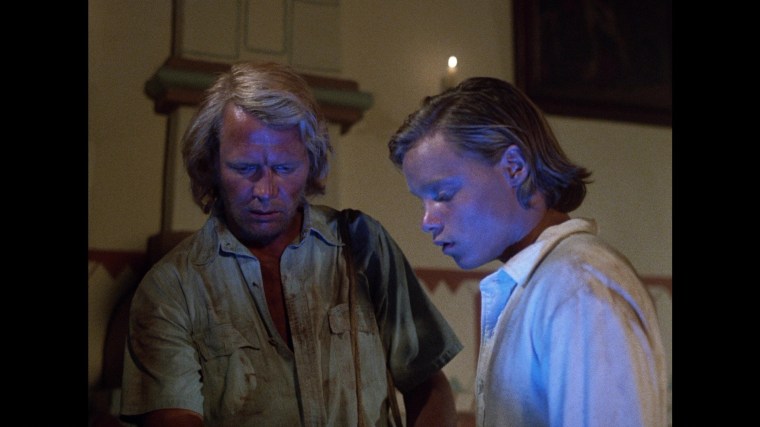
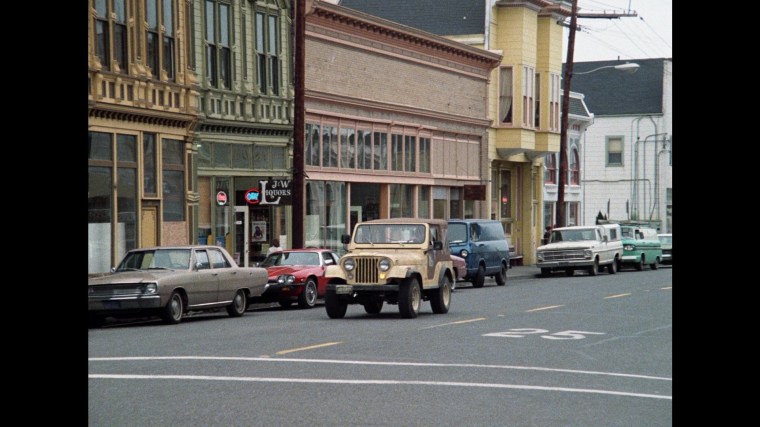
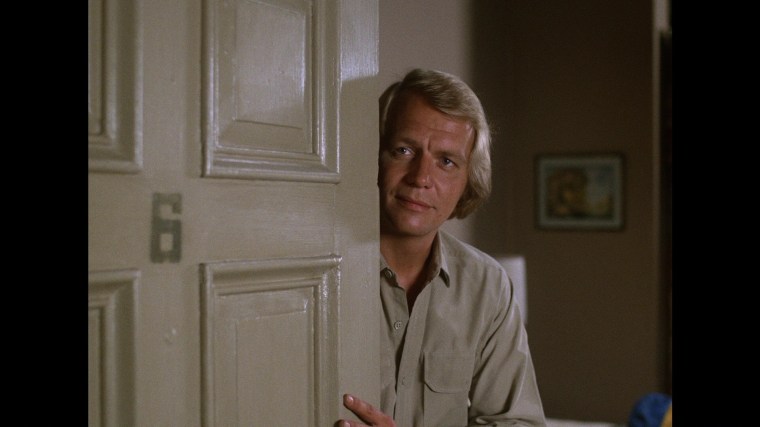
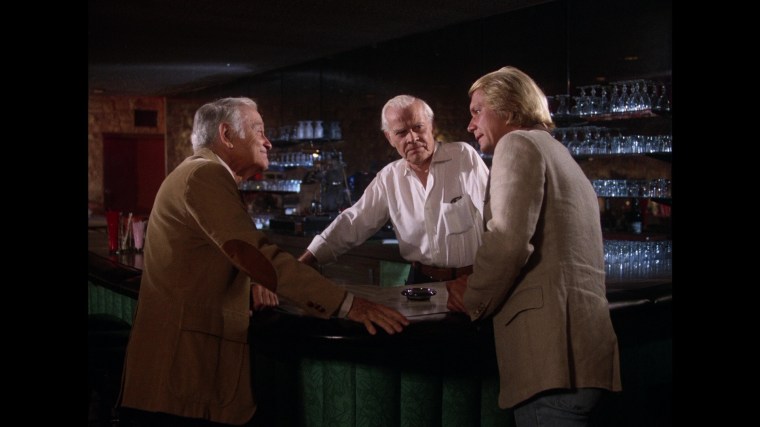
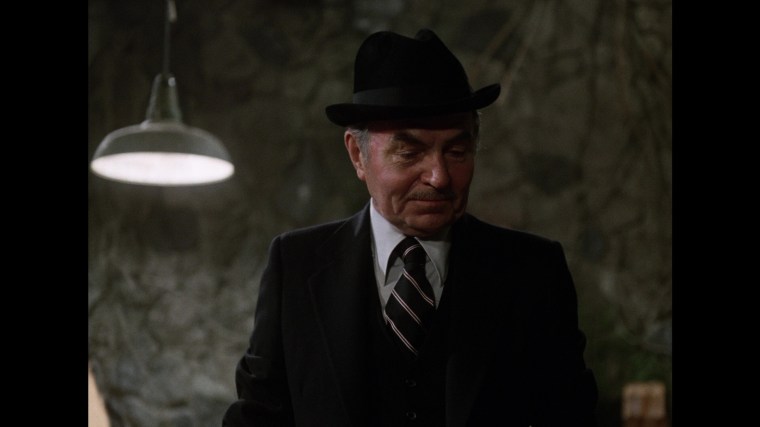
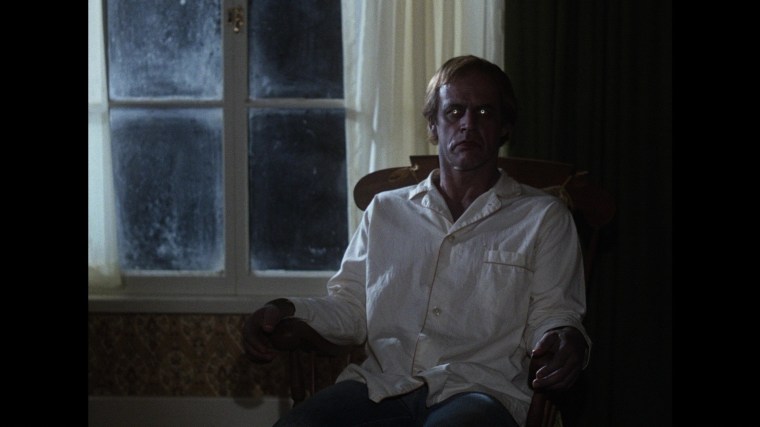
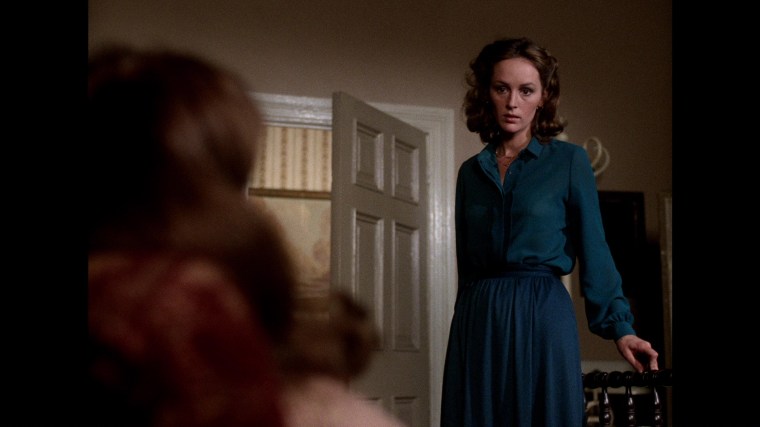
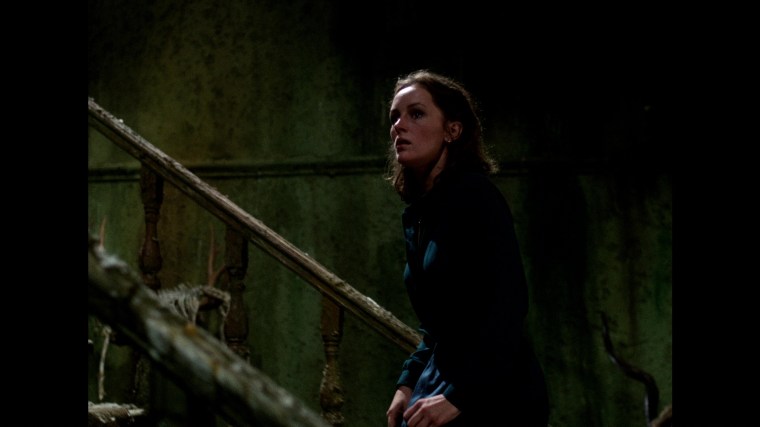
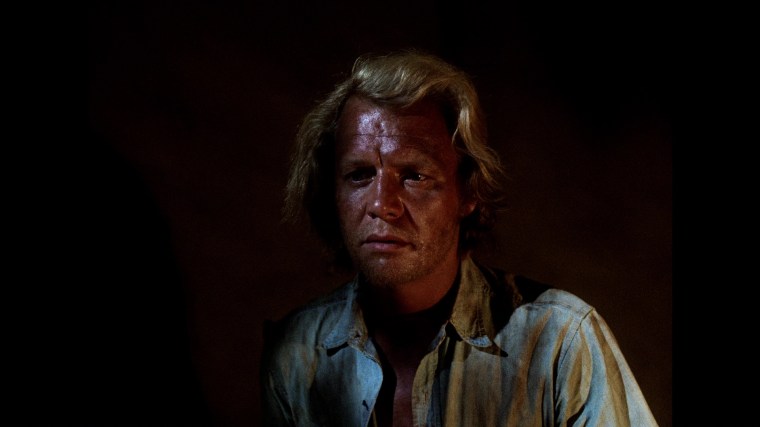
Frame Gallery #4
Epilogue
Scene Breakdowns
Let’s start the breakdowns with a pair of examples of Salem’s Lot using jump scares to lead into commercial breaks. The first finds young Ralphie Glick attacked in the woods.
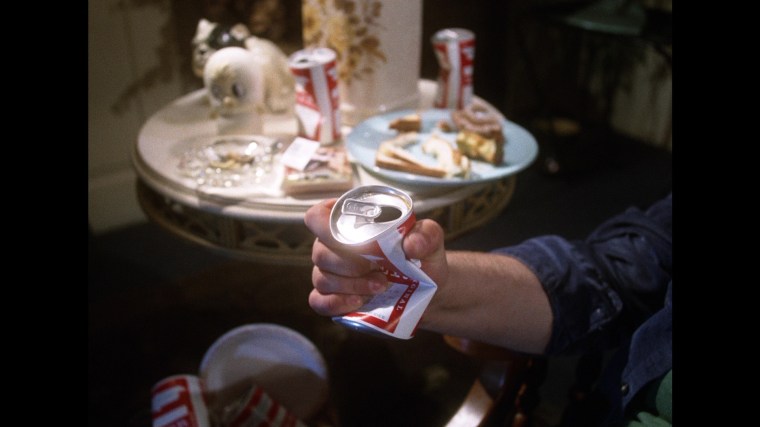
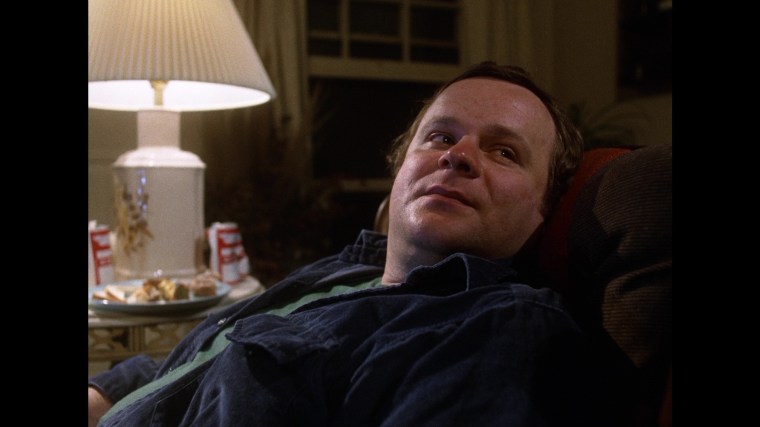
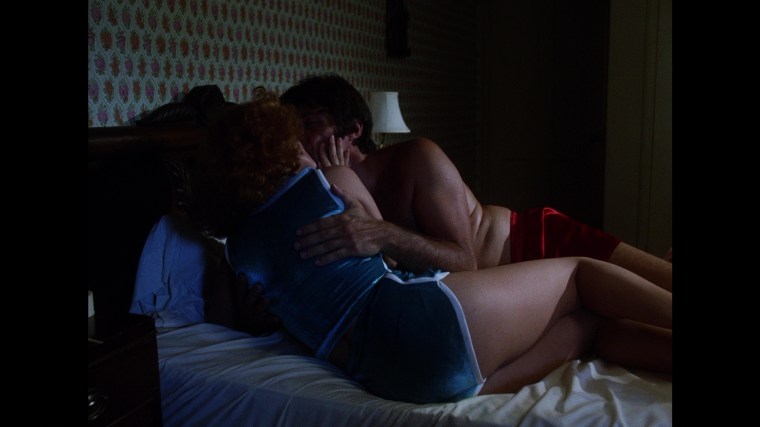
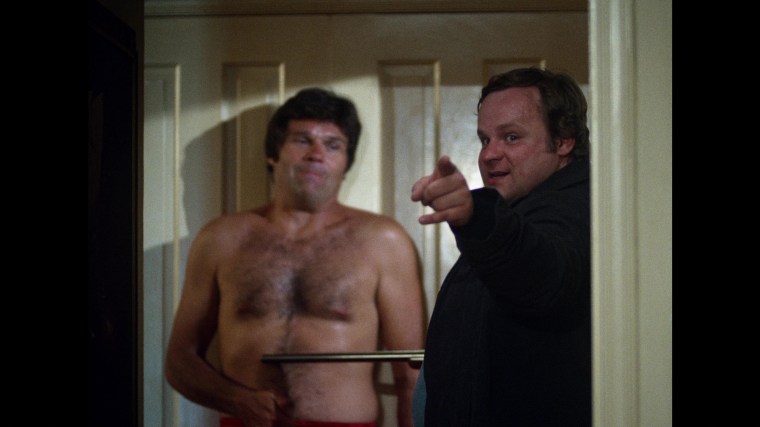
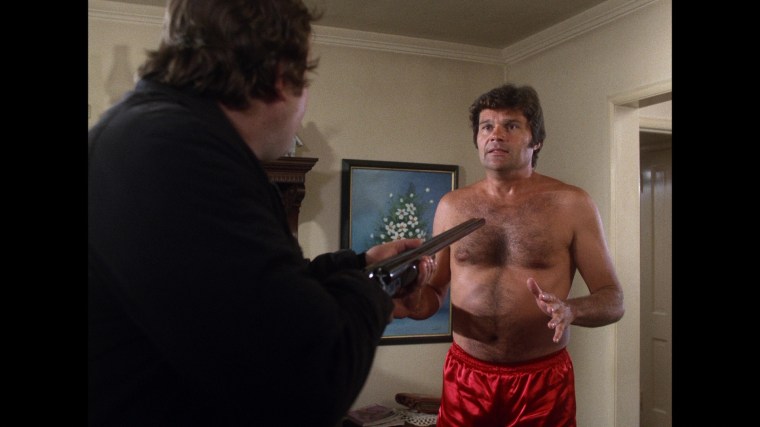
The second is a oner as Fred Willard makes a run for it after his mistress’ husband comes home early.
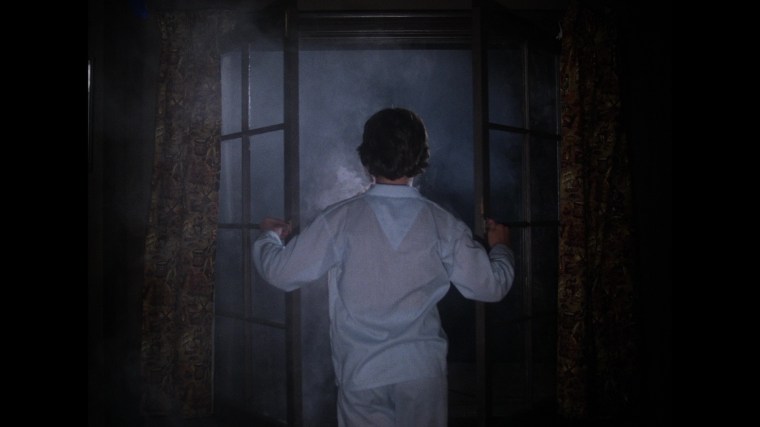
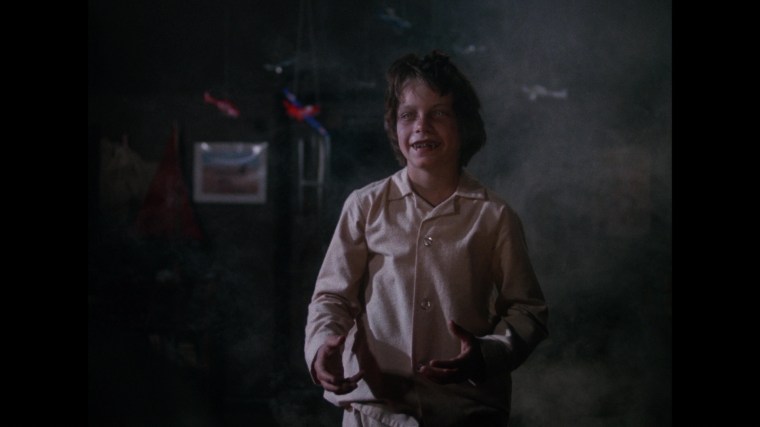
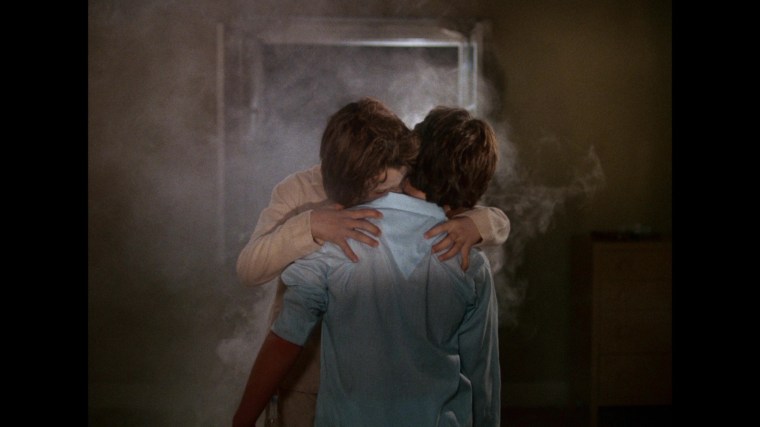
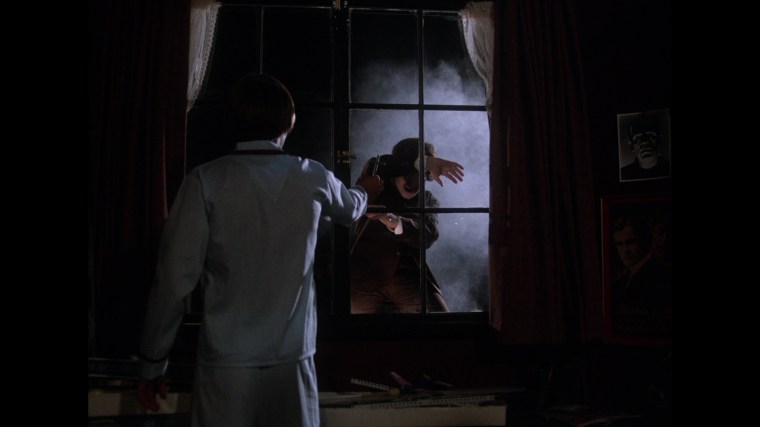
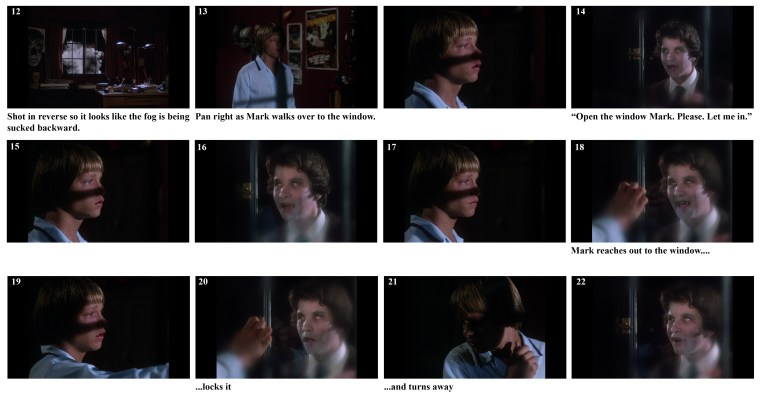
The most enduring aspect of the miniseries seems to be the floating kid vampires. The effect was achieved by rigging the young actors to a camera crane, pumping in smoke and then shooting the action backwards, so that when played in reverse for the final film the movement has a heightened eeriness to it.
Here’s producer Richard Kobritz…
“We wanted a method where-by we could actually fly a person in through a window. So we took a normal crane, like a Titan crane, and we put a long pole at the end of it, and we put the actor in a body harness at the end of that, so we were able to shove him into a room, and at the same time control his body movements. He could fly in, he could straighten up, he could tilt to one side, as long as the pole was not visible in the shot. We wanted to get a feeling of floating. And the effect is horrific, because you know there’s no wires; we’re shooting the whole window including the sill and wall above it. It was also something we were very nervous about, because you haven’t got the time, in a television show, to make a special effects mistake; it had better work. We also did something else—we shot the whole thing in reverse, and are projecting it forward, in the levitation and floatation scenes, because we want the smoke to be behind the vampires. That way we have more control over it. I think it turned out better than we had even hoped for—it has a very spooky, eerie quality to it.” (#1)
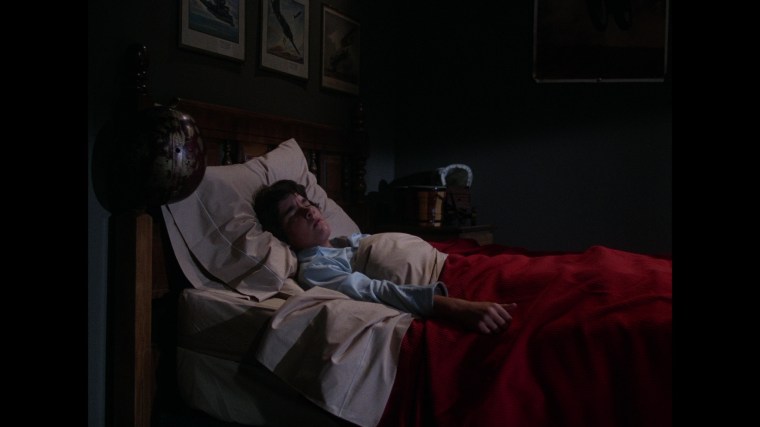
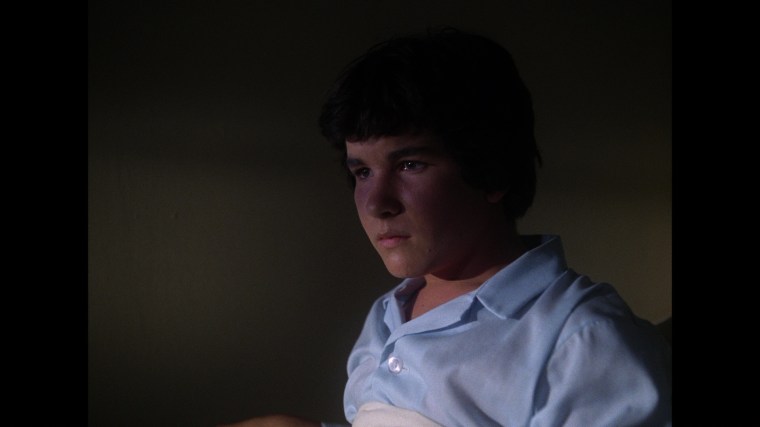
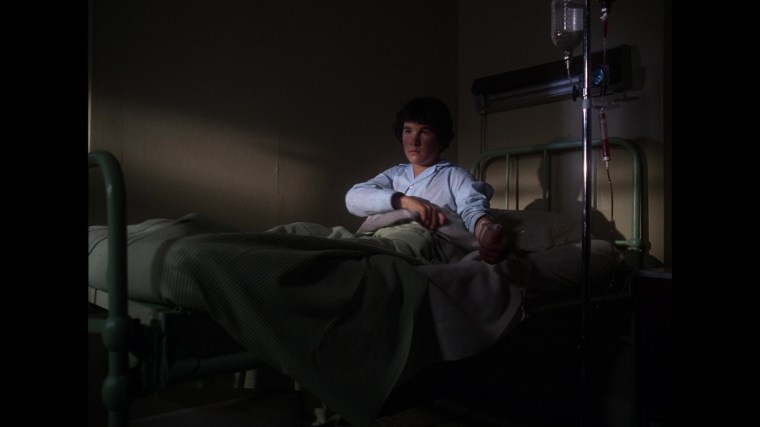
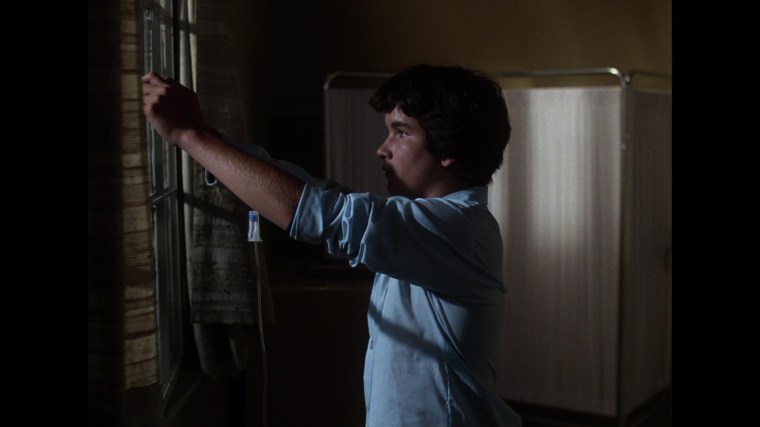
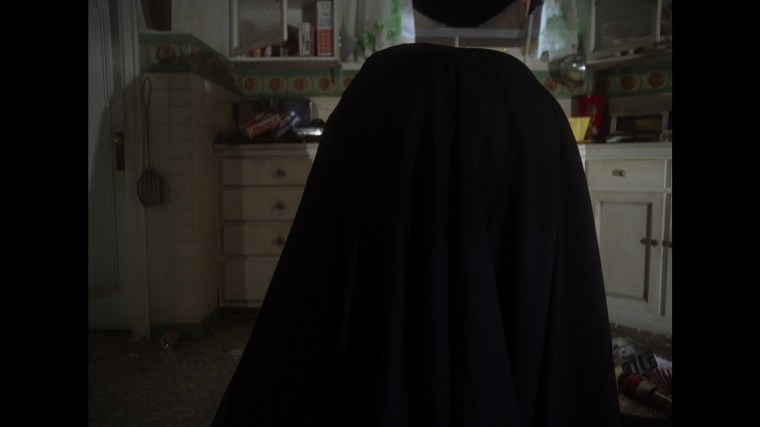
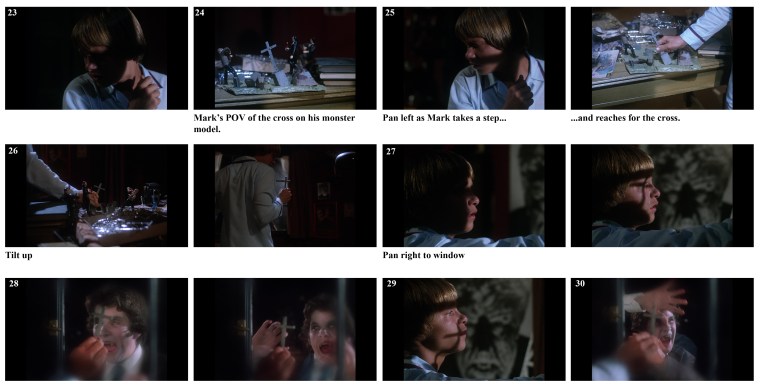
If the effect feels a bit different when Danny Glick visits his friend Mark (played by Lance Kerwin), there’s a reason for it. Here’s Glick actor Brad Savage…
“The day that we shot my windows, that (crane unit used for the other two floating vampire scenes) broke so they put a black cover over a camera dolly that pushes up and down on a hydraulic. So, literally, I sat on that and they just went up and down and pulled it back and forth.” (#2)
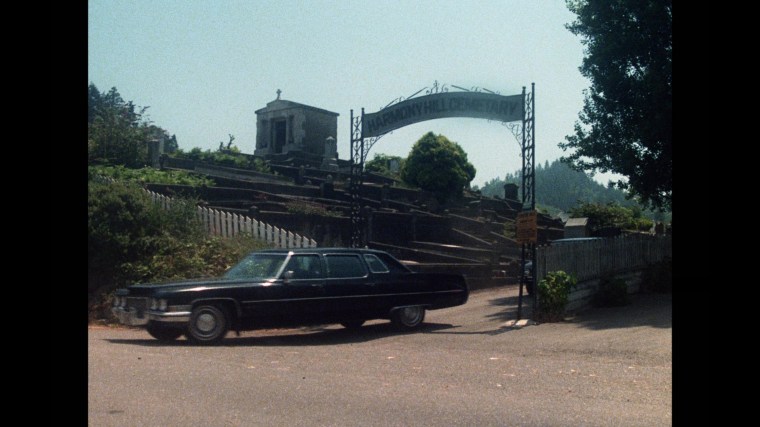
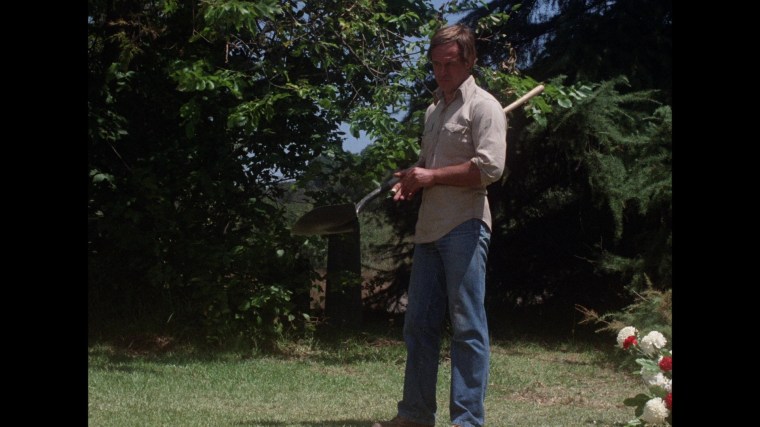
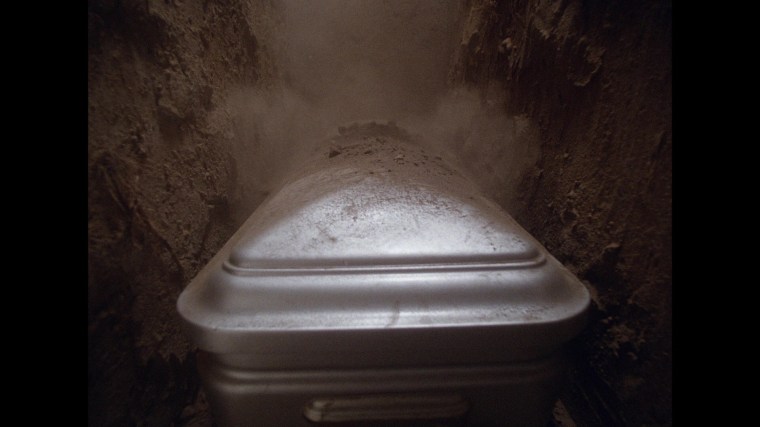
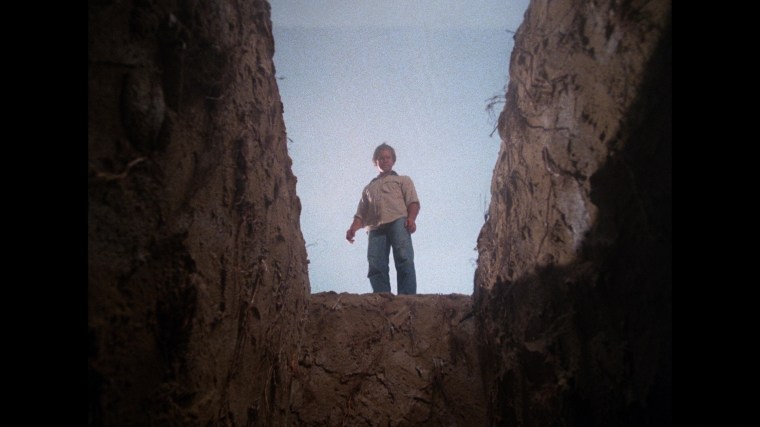
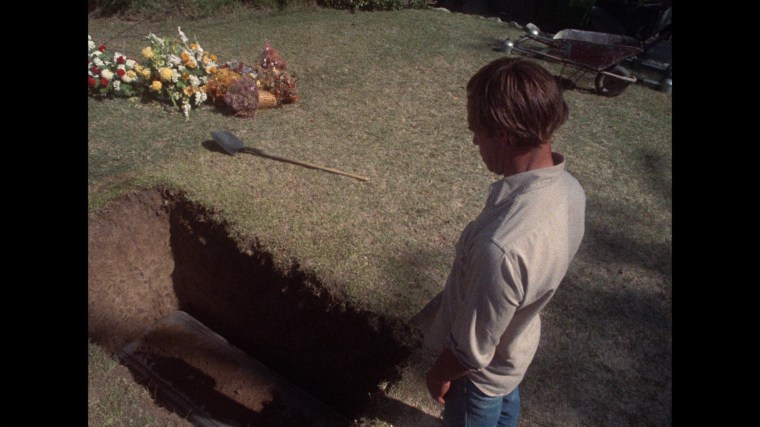
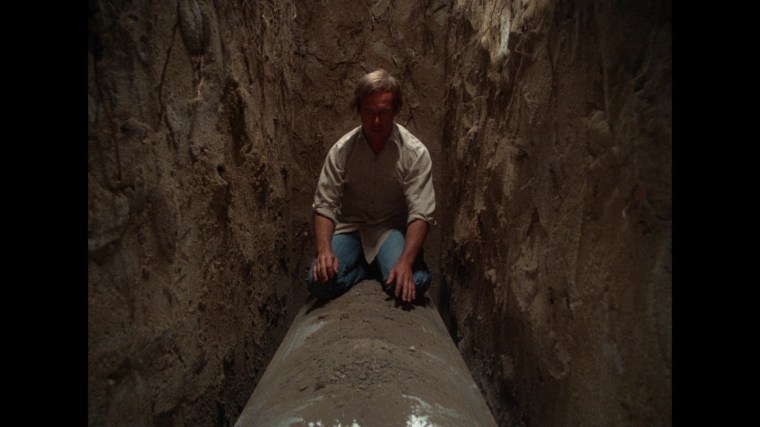
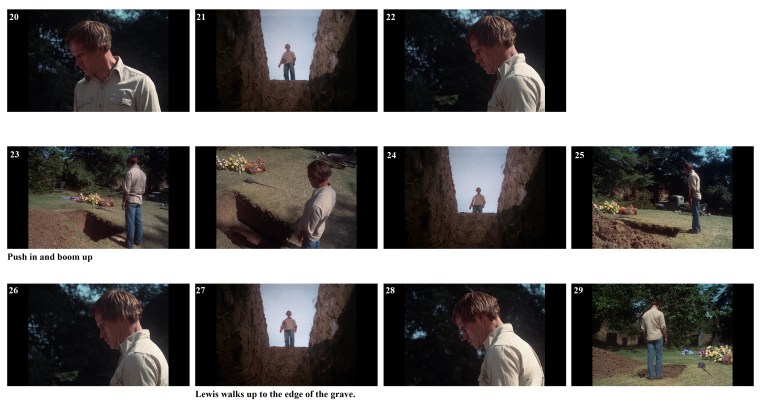
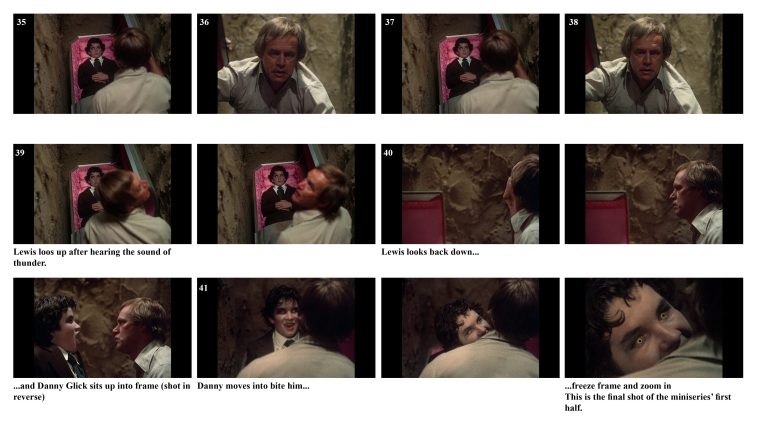
The first night of the two-part miniseries ended with this scene of grave digger Geoffrey Lewis – entranced by the siren call of the vampire – hopping into a freshly dug grave and getting chomped by Danny Glick.
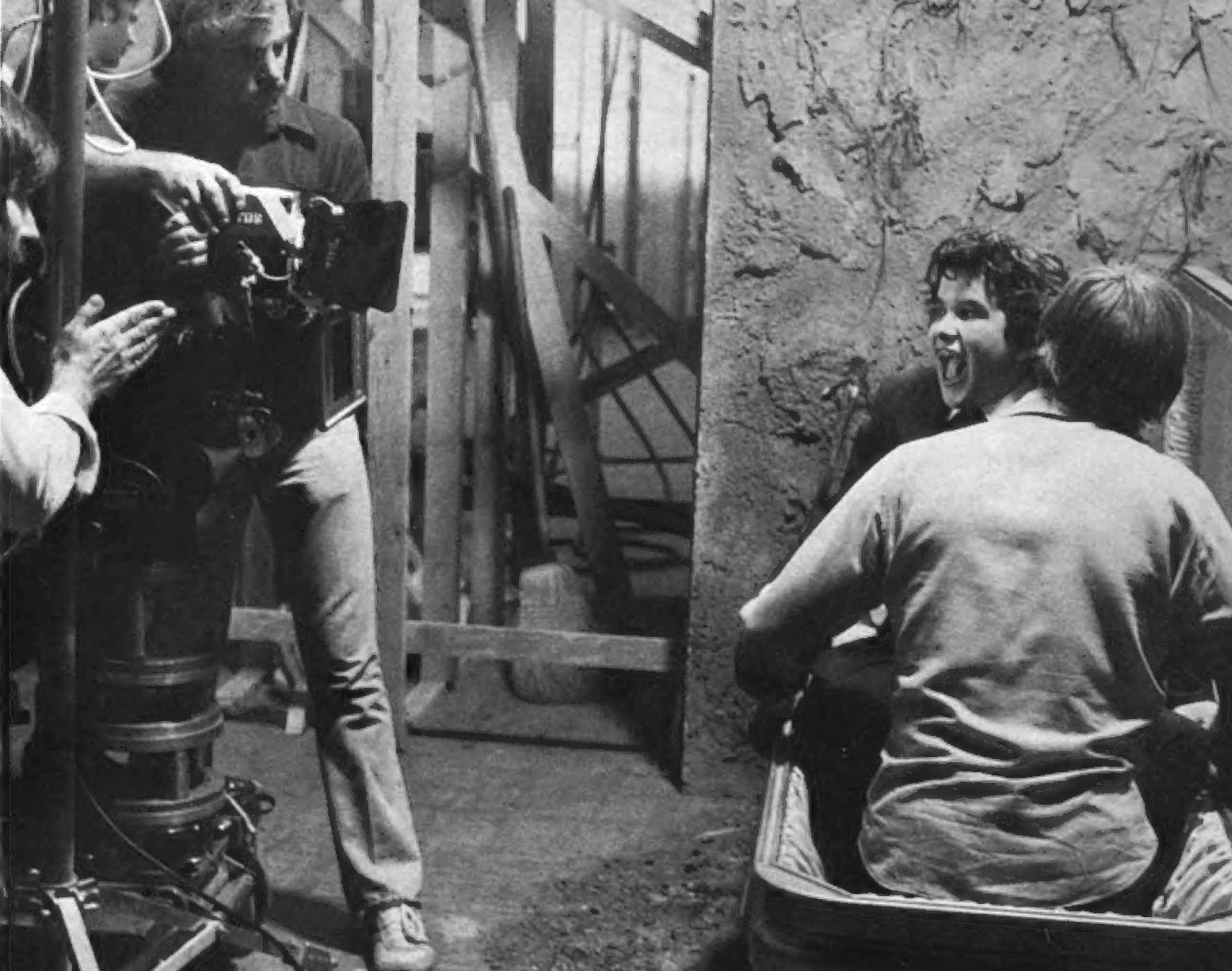
This scene was lensed at both a practical cemetery and – for the portion in the grave – on a soundstage at Warners (seen below).
Both Kobritz and Hooper are professed devotees of Hitchcock and the construction of this sequence recalls the death of Detective Arbogast (Martin Balsam) in the original Psycho.
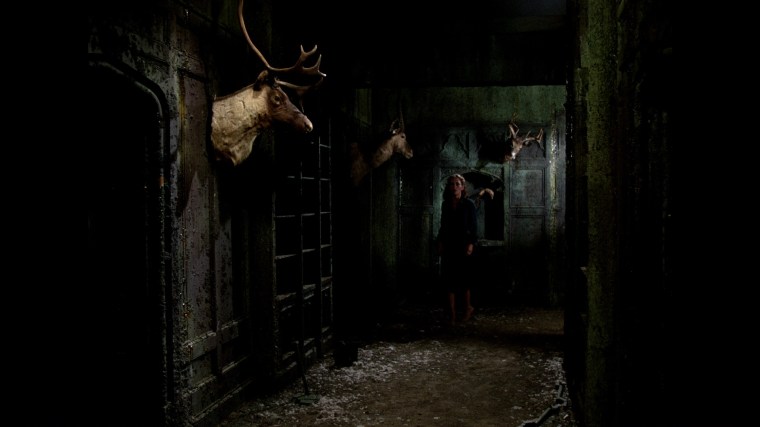
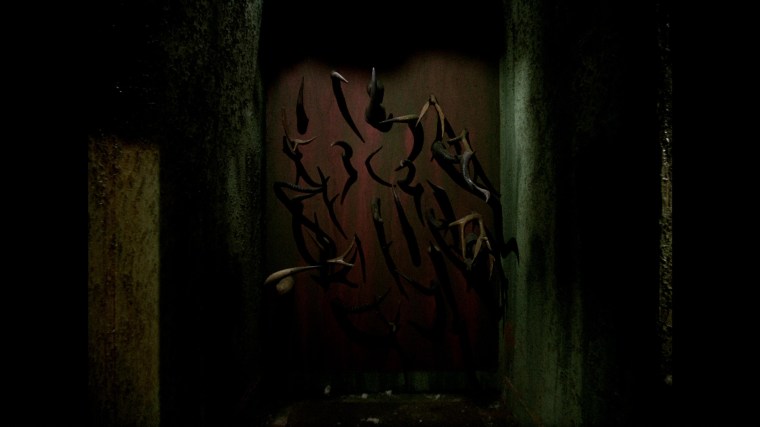
In the miniseries version, we cut away from actually seeing the antler impalement. This is one of the scenes in which a gorier alternate take was shot specifically for a European theatrical cut.
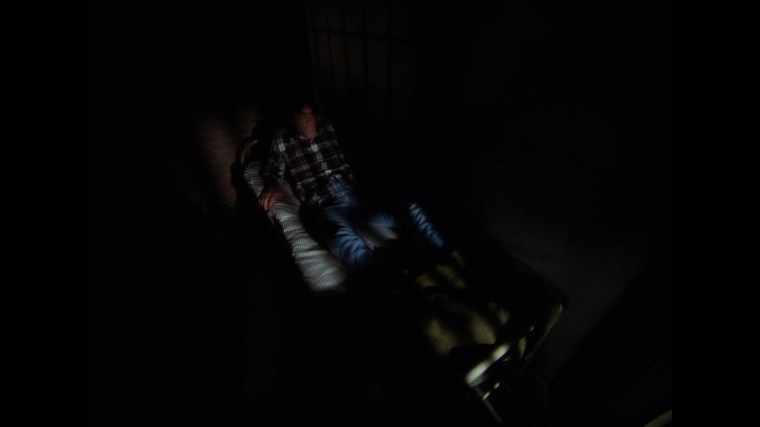
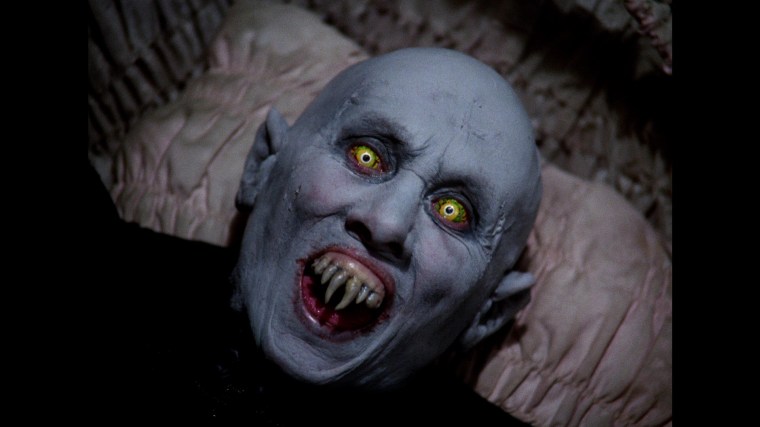
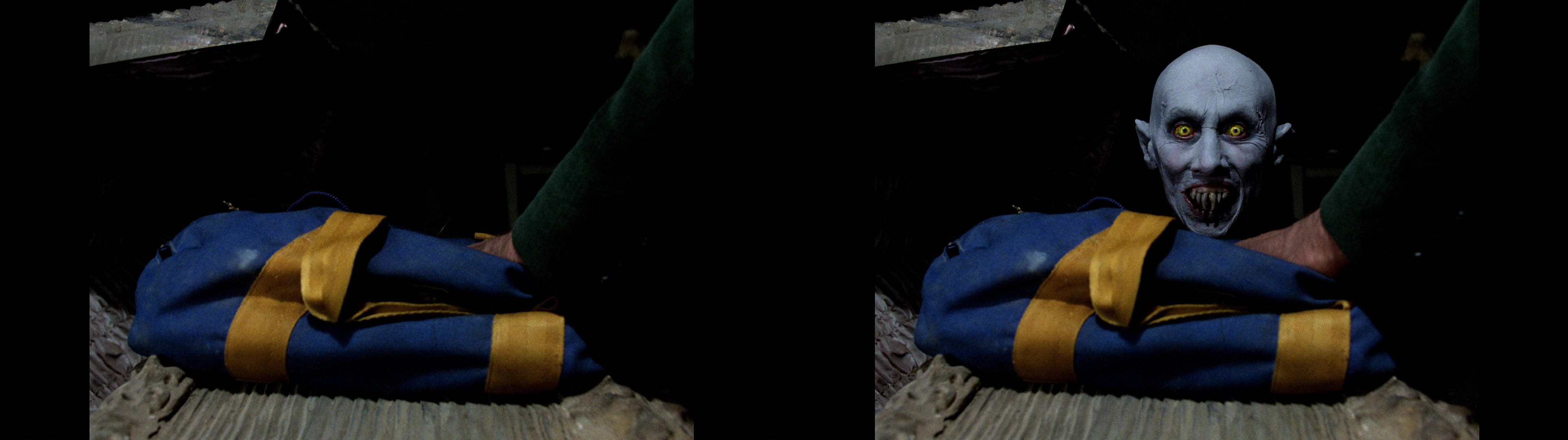
This shot of the vampire popping up out of his coffin was also achieved by shooting the action backward (i.e. the actor starting upright and then lying back) and reversing the footage in the edit.
Annotations
Stephen King on the necessary changes to bring Salem’s Lot to the small screen…
“Some things were left out because of time, some because it’s television. My favorite scene in the book is with Sandy McDougall, the young mother, where she tries to feed her dead baby, and keeps spooning the food into its mouth. That won’t be on TV, obviously.” (#1)
Producer Richard Kobritz on the miniseries’ biggest change from the book – transforming the suave European sophisticate of King’s novel into a feral creature…
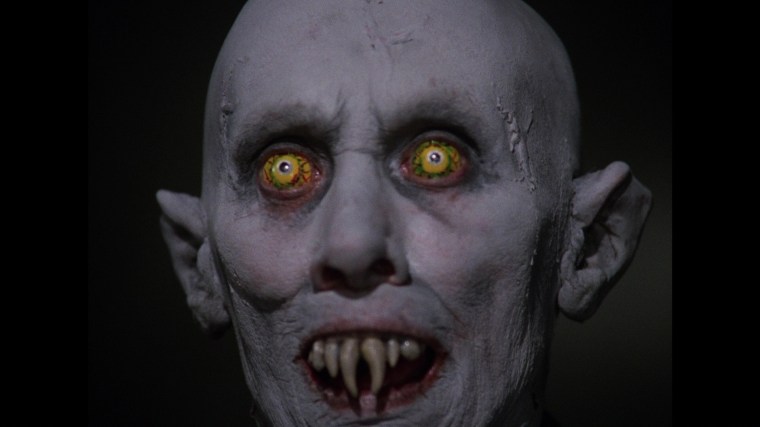
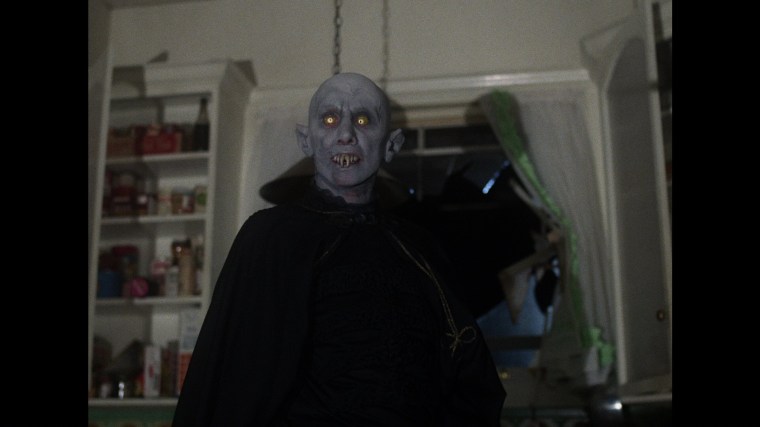
“We went with the concept of a really unattractive, horrible-looking Barlow. We went back to the old German Nosferatu concept where he is the essence of evil, and not anything romantic or smarmy, or, you know, the rouge-cheeked, widow-peaked Dracula. I wanted nothing suave or sexual, because I just didn’t think it’d work; we’ve seen too much of it.” (#1)
Director George Romero on his brief flirtation with Salem’s Lot when it was still intended as a theatrical feature, which led to him meeting King for the first time (the pair later collaborated on Creepshow and The Dark Half)…
(Stephen King and I) were introduced by Warner Bros. because they had seen Martin (1976), and in typical studio fashion they reasoned that Martin was about a vampire in a small town, Steve had just written Salem’s Lot, which was vampires in a small town, so they thought we should meet! They sent me up to Maine and we hung out. My doing an adaptation of that book never happened, but on that visit Steve gave me a copy of The Stand and said: ‘Let’s make this!’ and I said, ‘sure’…I never did make The Stand. At that time, Steve didn’t want to do it for television because they’d water it down too much, and he never made a film deal to produce it. In the end he did do a television version, with my ex-producing partner – Richard P. Rubinstein – who we’d worked with on the Creepshow films.” (#3)
Kobritz on his philosophy of hiring upstart horror auteurs for his 1970s TV movies…
“I guess I’ve got a few rules. Number one is I try to find a director who has never directed television, and who has probably never directed a union film, but who has directed a non-union feature—in Carpenters case Dark Star and Assault on Precinct 13, and in Tobe Hooper’s case The Texas Chain Saw Massacre…More than anything else I want a director who is visual, who knows how to tell it in terms of camera, not in terms of dialogue, or not in terms of conventional camera coverage. There are two rules I always stress, and in both John (Carpenter) and Tobe (Hooper’s) case, they not only embraced what I said, but that’s the way they would have done it anyway. I don’t want a zoom lens on that camera and I want to keep that camera moving. That’s, unfortunately, become the way of television. So what I try to do is a small feature within a short shooting schedule— which is difficult, but that’s television.” (#1)
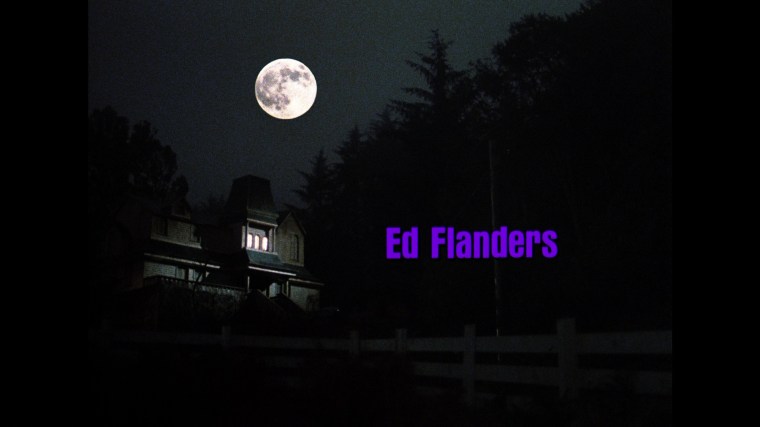
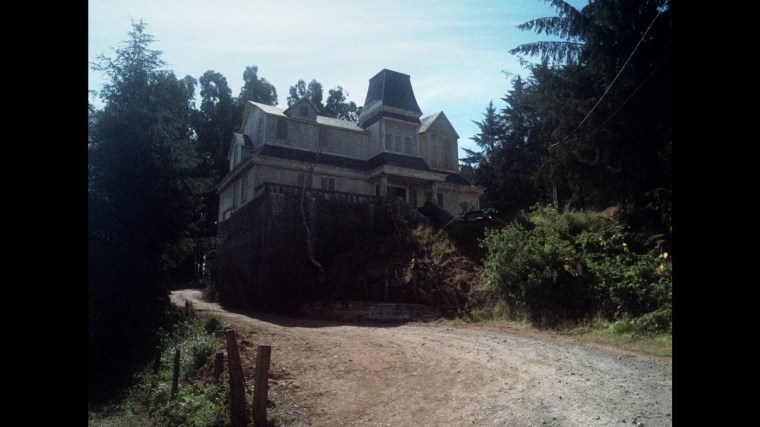
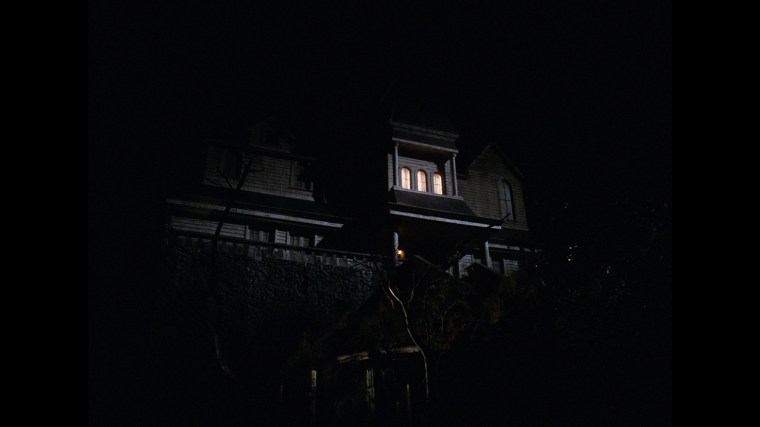
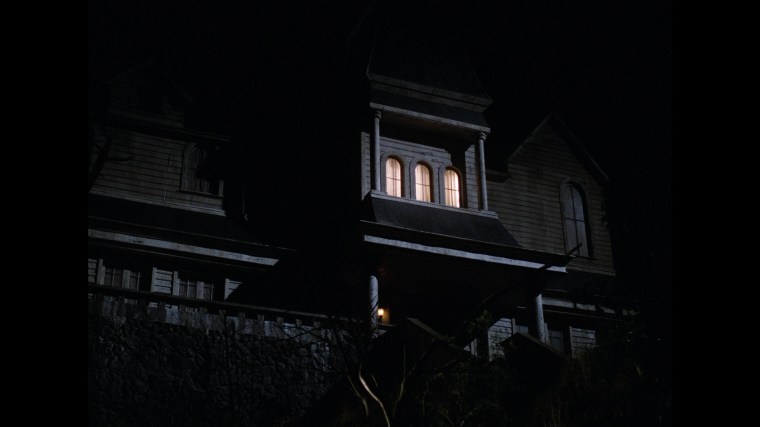
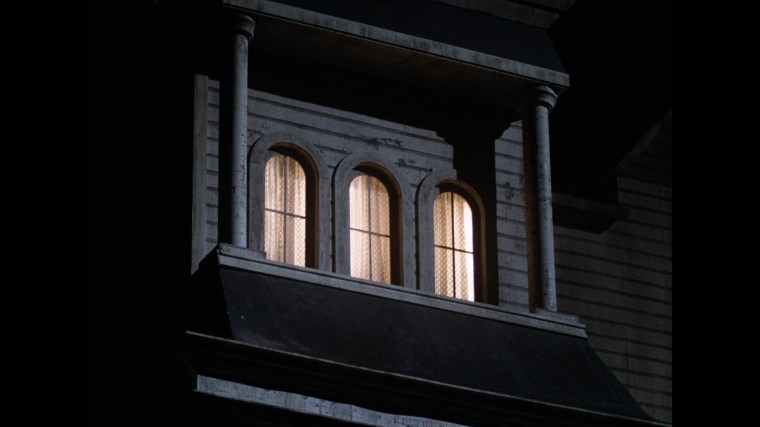
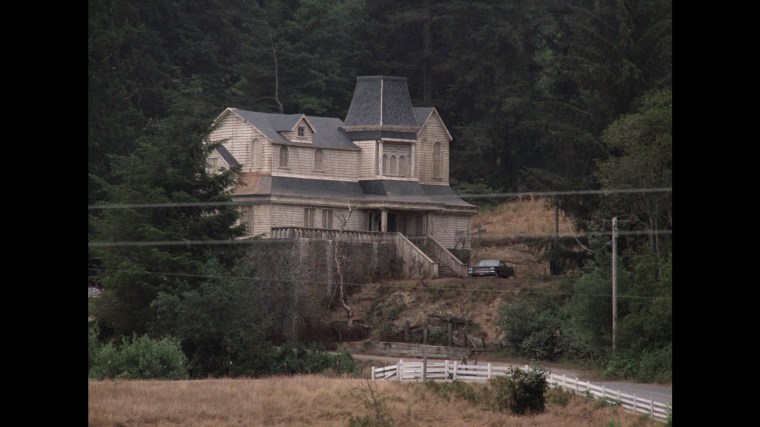
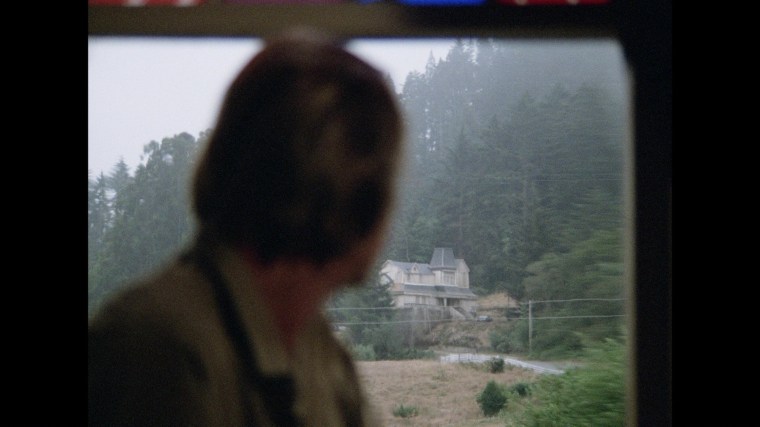
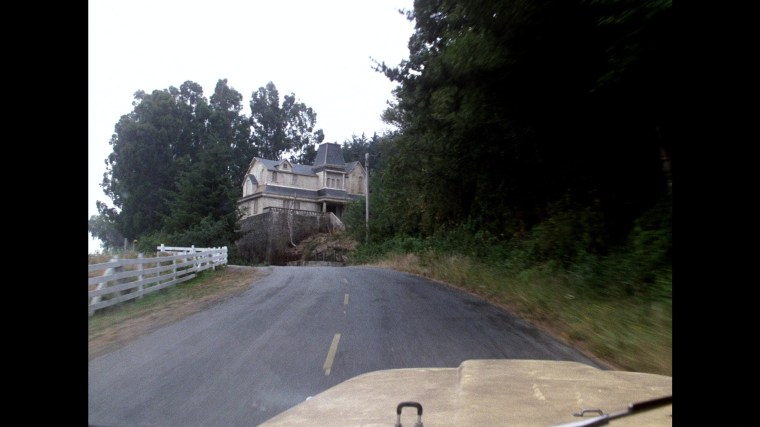
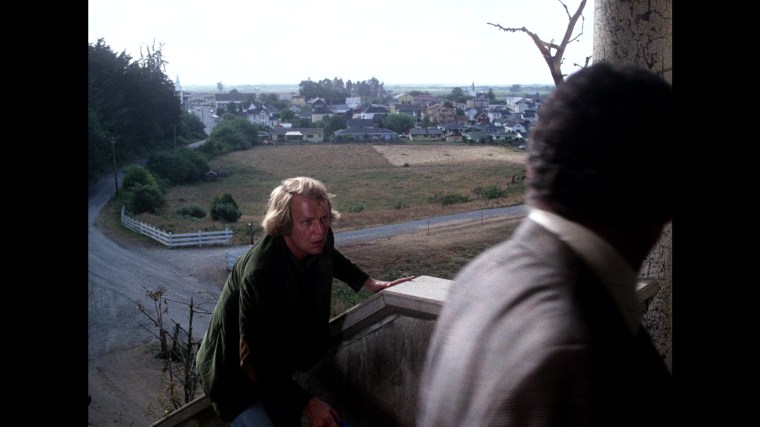
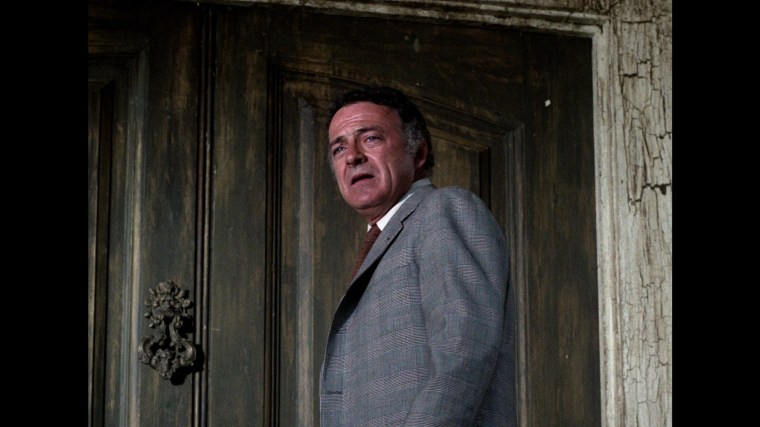
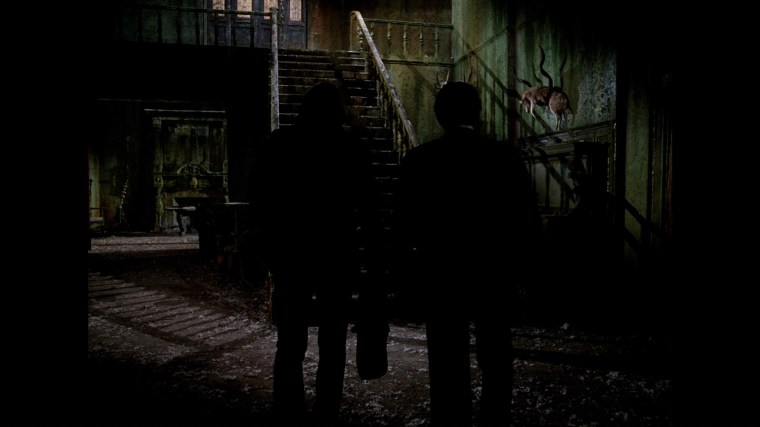
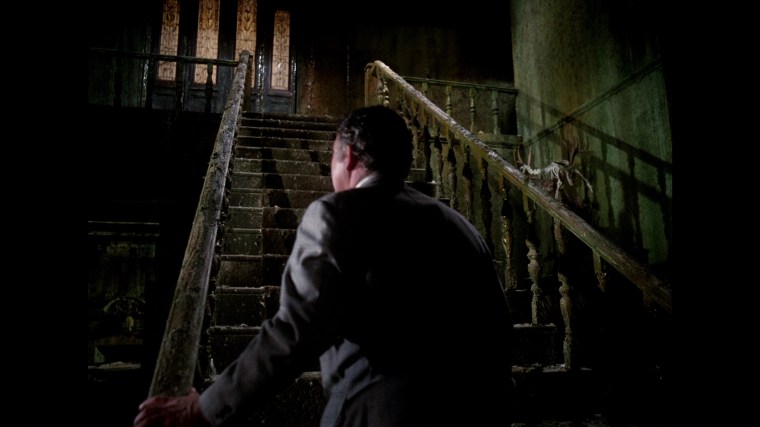
When location scouting in Ferndale, production found the perfect spot for the Marsten House on a hill overlooking the entire town. The only problem was there was already a house on that very spot. The issue was solved by paying the family who lived there $20,000 and guaranteeing them of all of the lumber needed to construct the Marsten facade overtop of their existing home. Here’s Hooper…
“The production designer, Mark Rabinowitz, and I presume Richard Kobritz and other production staff from Warner Bros., talked the people in the house into letting us build our entire house around their house that they continued to live in while the film was being made. It was very strange because I knew they were in there, but personally I never saw them go in or out. I shot (the house) out pretty quickly…It took, I don’t know, three or four days of shooting the house day and night.” (#4)
Producer Richard Kobritz’s on the film’s glowing vampire eyes…
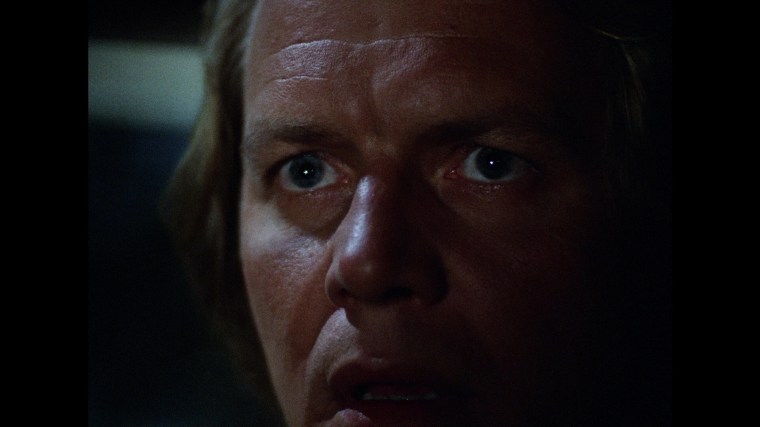
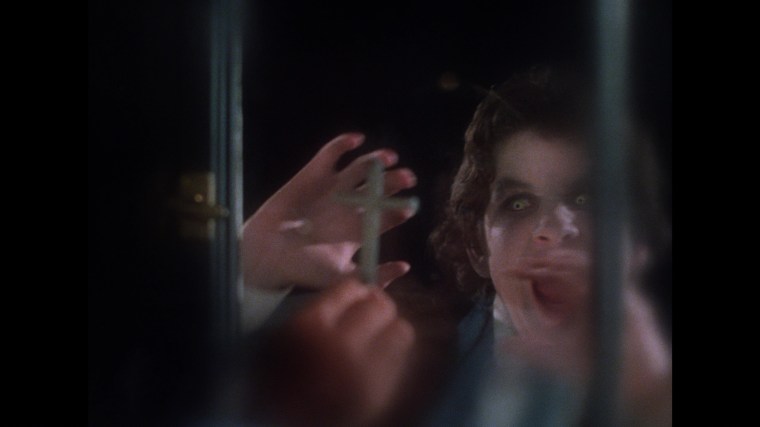
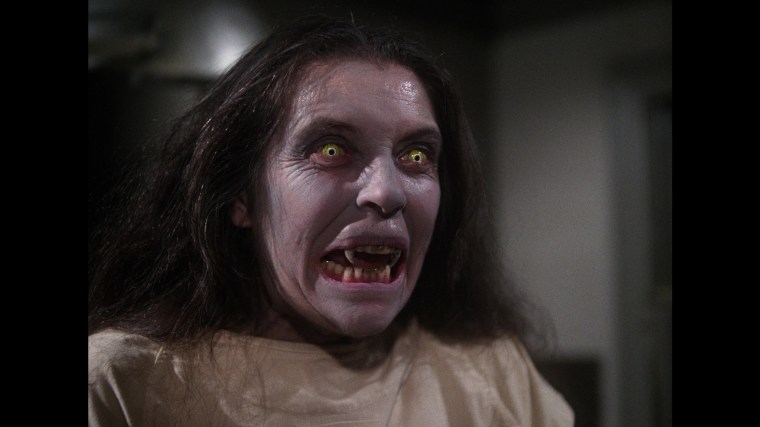
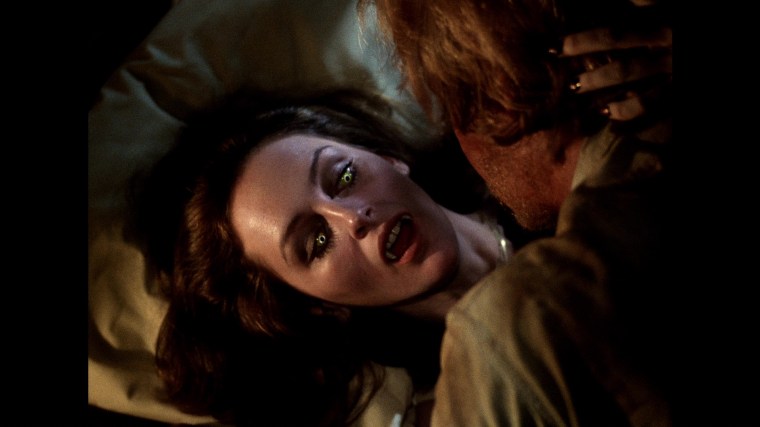
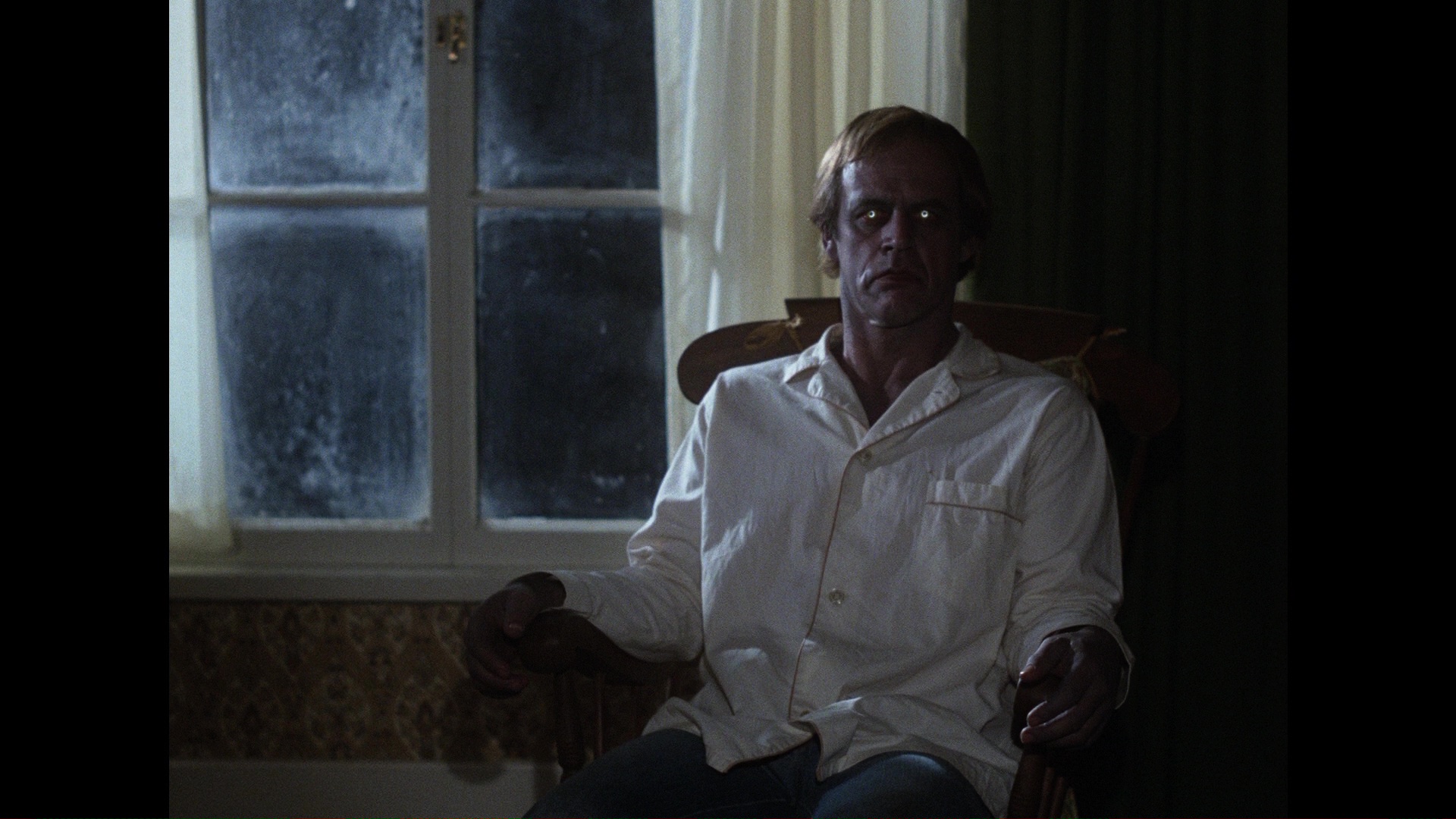
“What we’ve tried to do in everything from our vampires to our head vampire was to be different. We’re using a remarkable contact lens which is like half a ping pong ball, fits over the whole eye, and can only be worn for 15 minutes at a time before it has to be removed to let the eye rest for 30 minutes. They’re not just bloodshot eyes. I wanted an effect like the eyes in Village of the Damned and its sequel Children of the Damned. I wanted them to be sick and decayed and, I hate to use the word but. . .pus-filled. We also added one element which had not been done before: we put a reflective material in the contact, and when we turn our lights on it, they glow back at us. That way we didn’t have to do burn-ins, we didn’t have to do opticals, all of which you never have the amount of time to do thoroughly.” (#1)
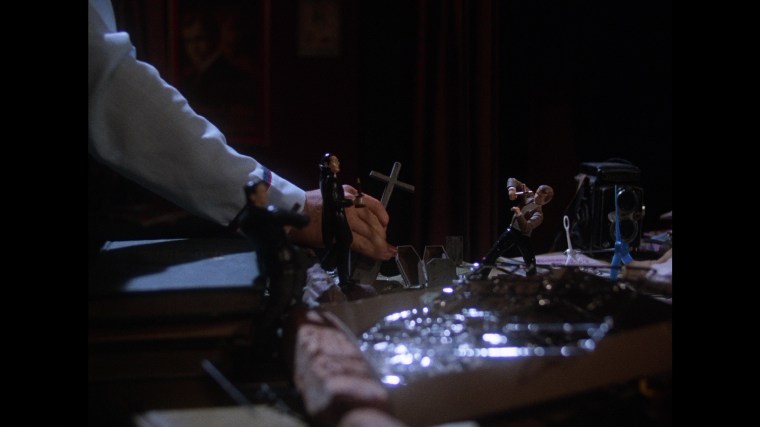
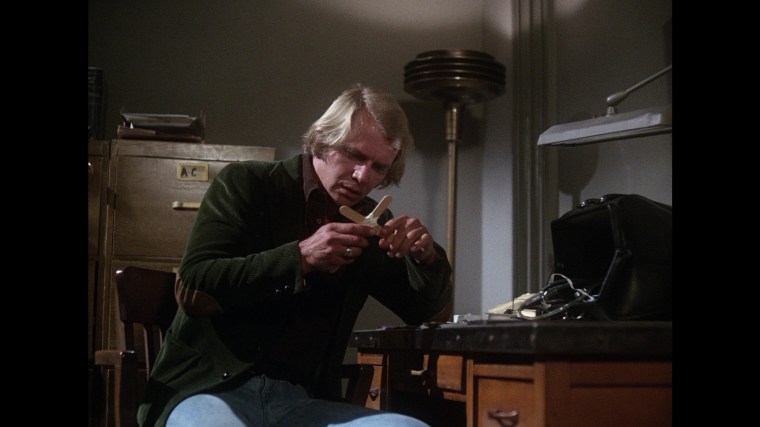
Hooper on tracking down the Revell model kits used for the scene above…
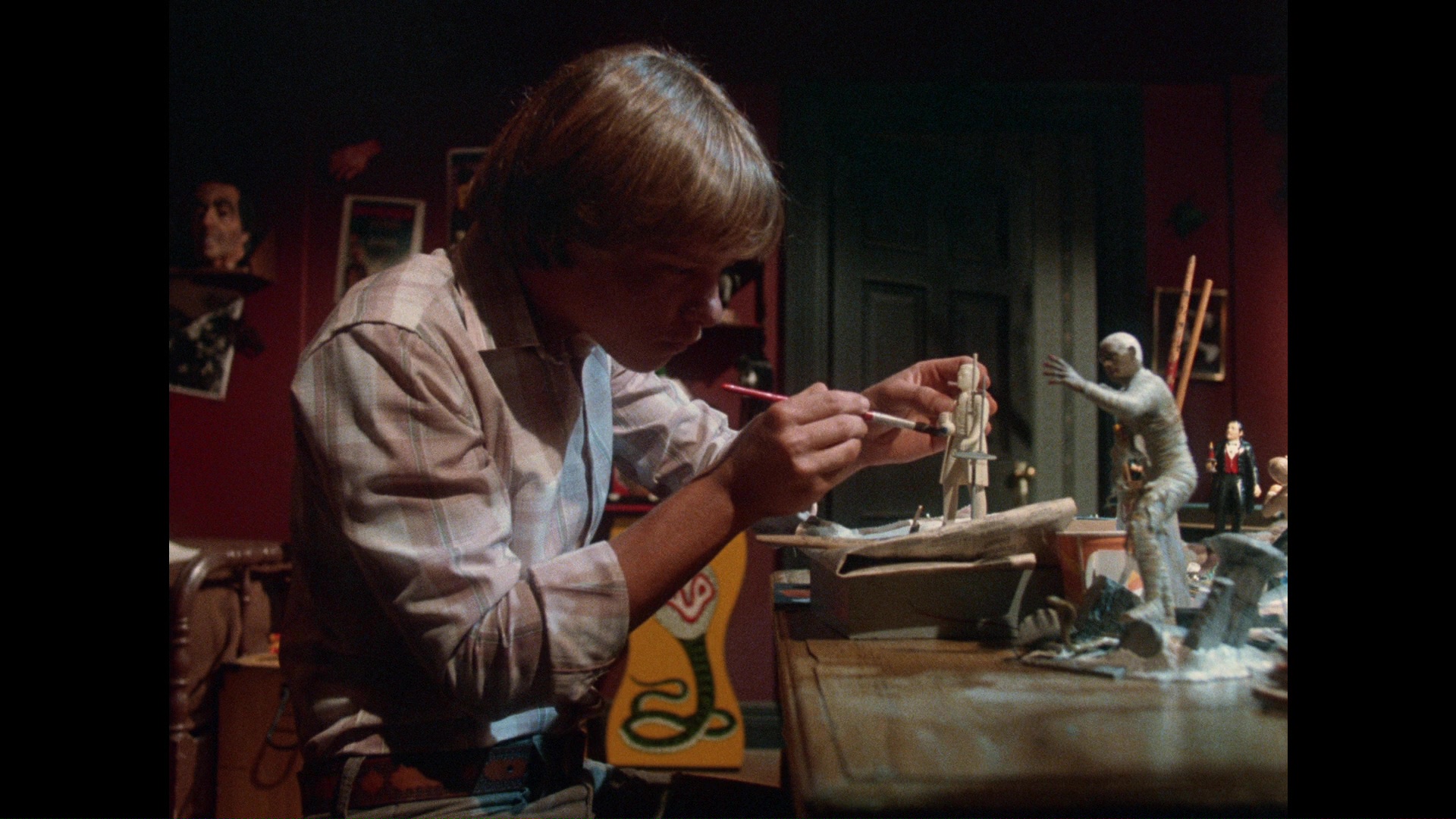
“These Revell models that King has in the book, we couldn’t find them anywhere. The property department couldn’t not find them. And I remembered my production designer, Bob Burns, from Texas Chain Saw Massacre, and he used to have all sorts of things like that and I thought, “If anybody can find them, he can.” They’d stopped making them and so I called him and I said, “Do you have any idea where we could find these specific ones?” And he said, “Let me check it out.” He called me back and said, “I found them,” and I said, “Great! Can you go buy them and put them together and send them out here.” They showed up in the mail, put together, with a bill for $25. That was probably one of the best deals in motion picture history.” (#4)
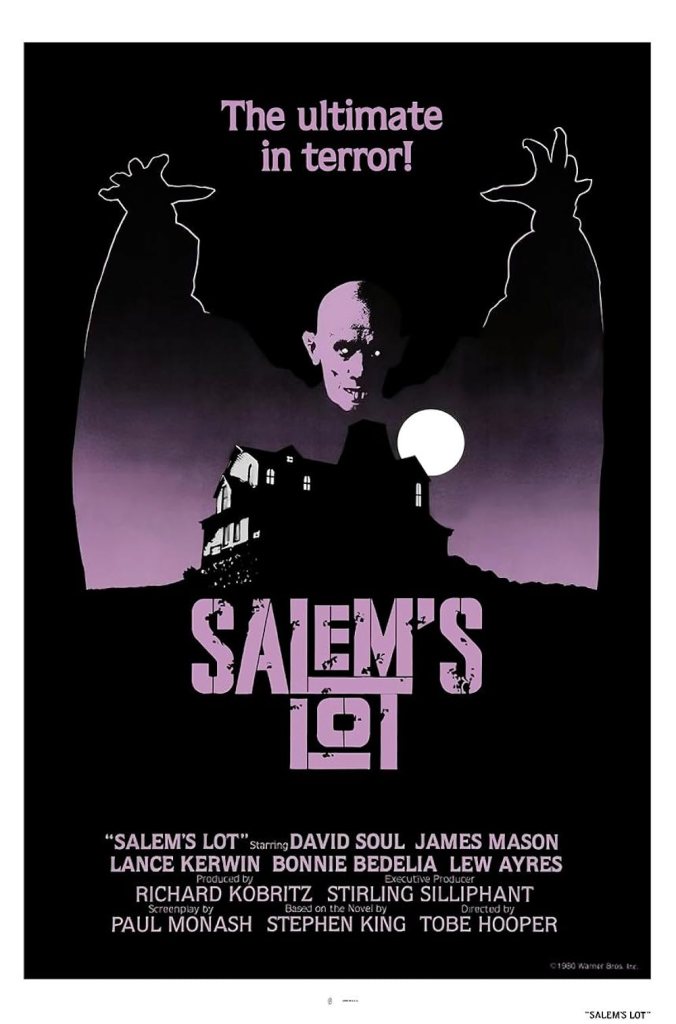
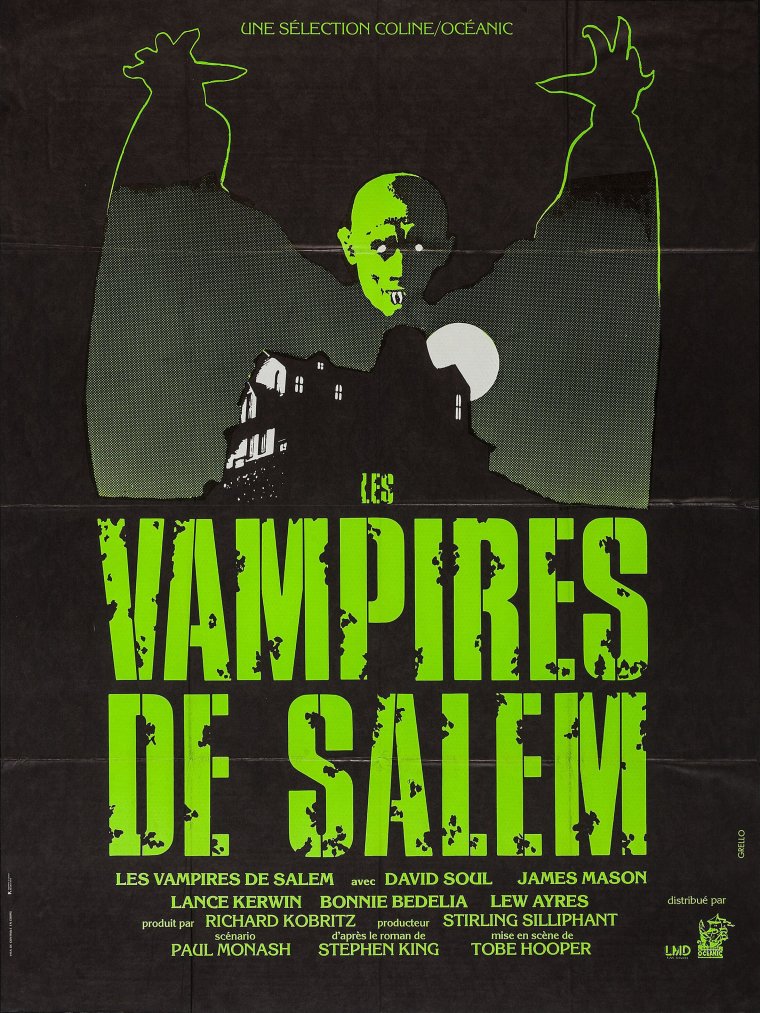
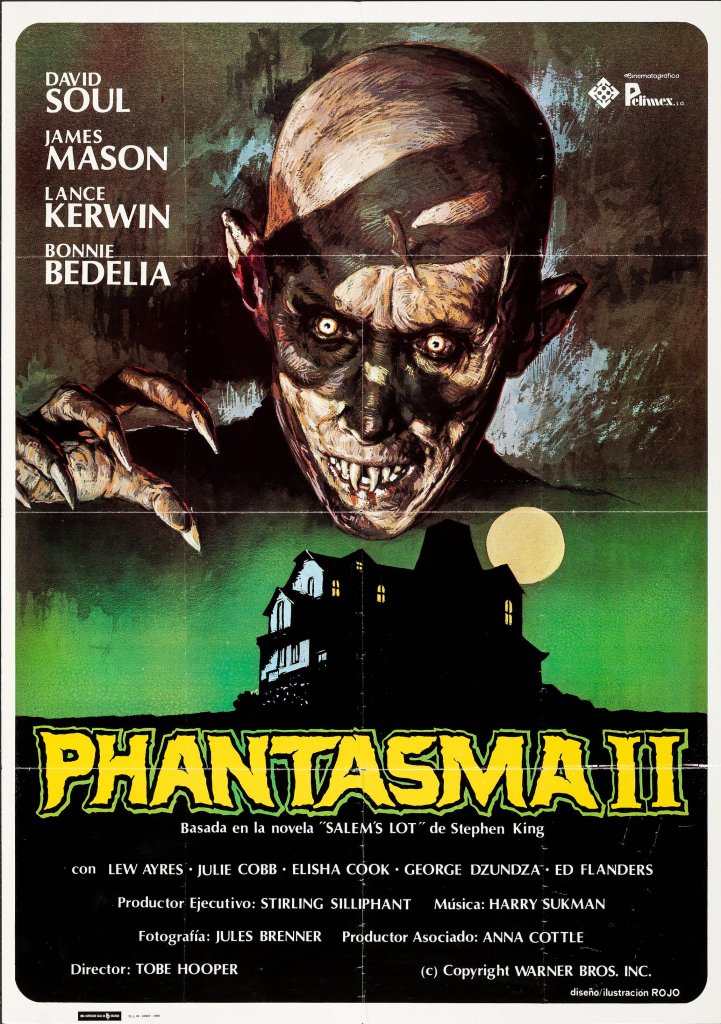
Art Gallery
Sources
“Salem’s Lot: Filming Horror for Television” by Bill Kelly, Cinefantastique Volume 9 Number 2 1979 (a PDF of the article can be found below)









































































































 deep fried movies