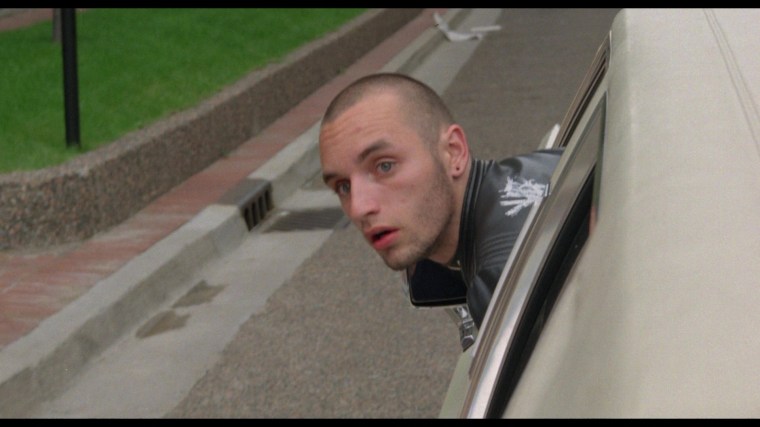
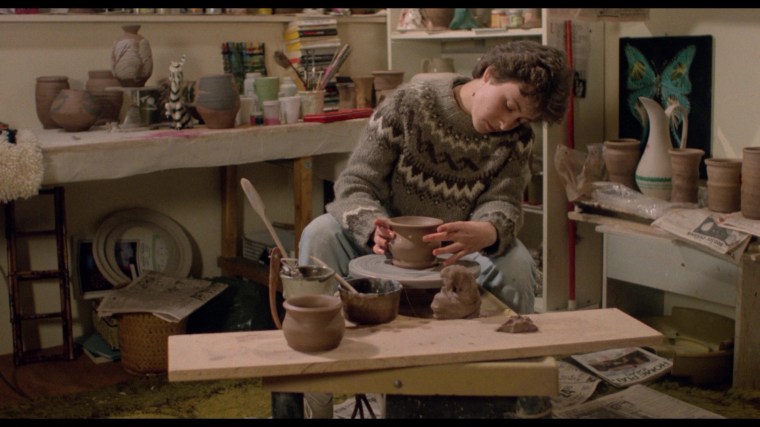
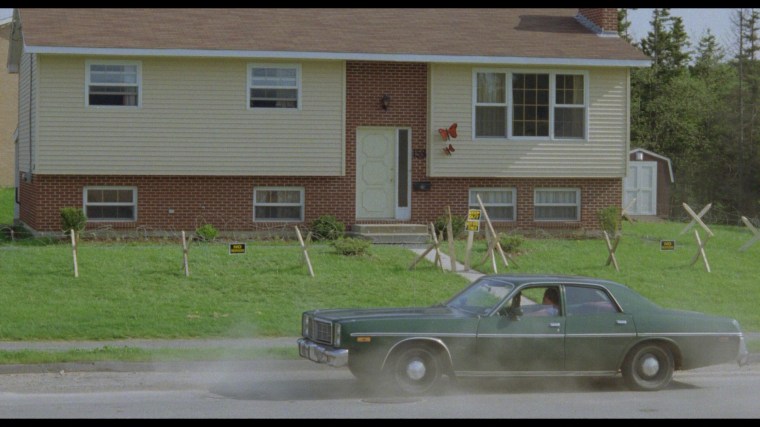
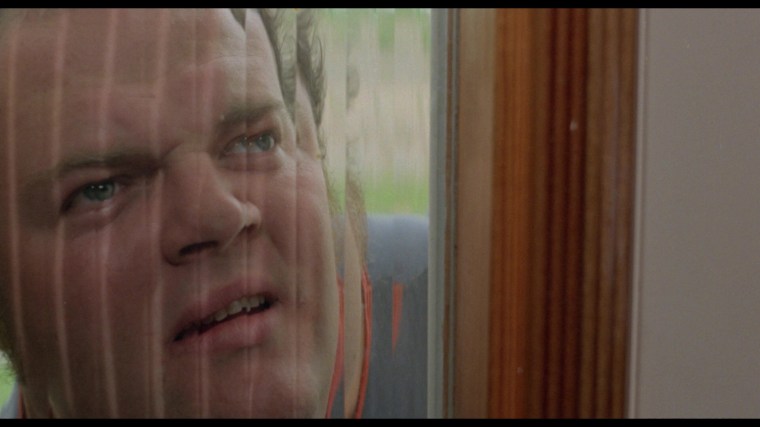
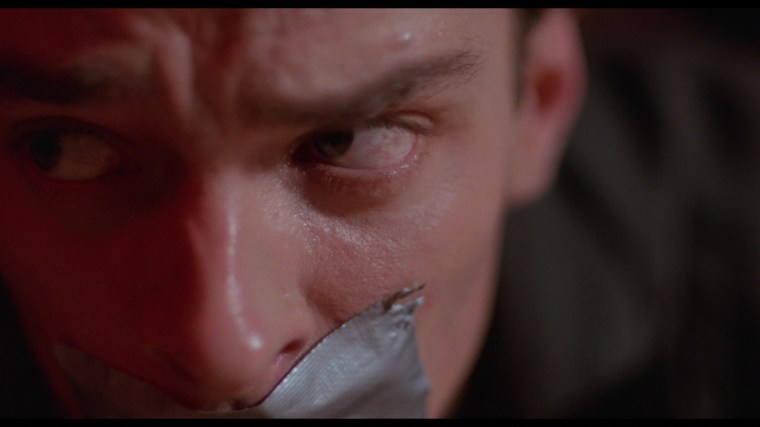
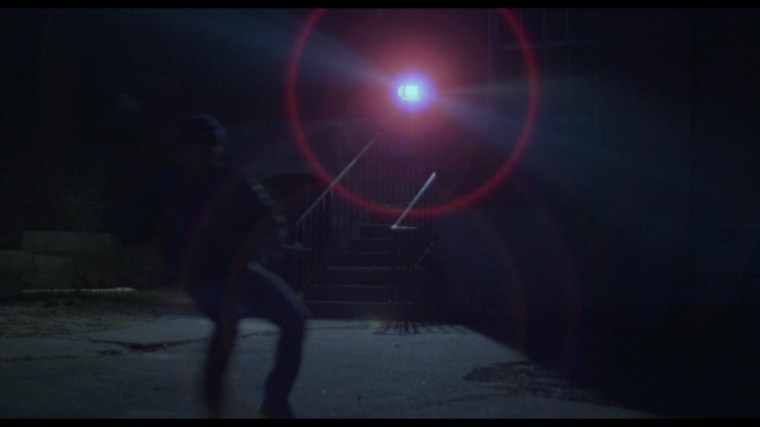
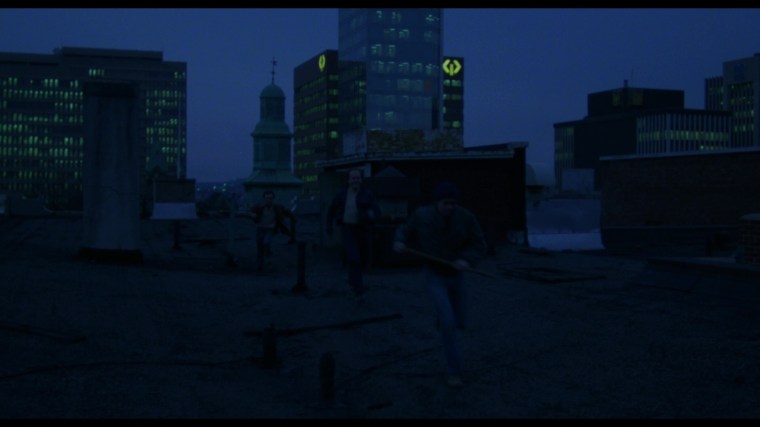
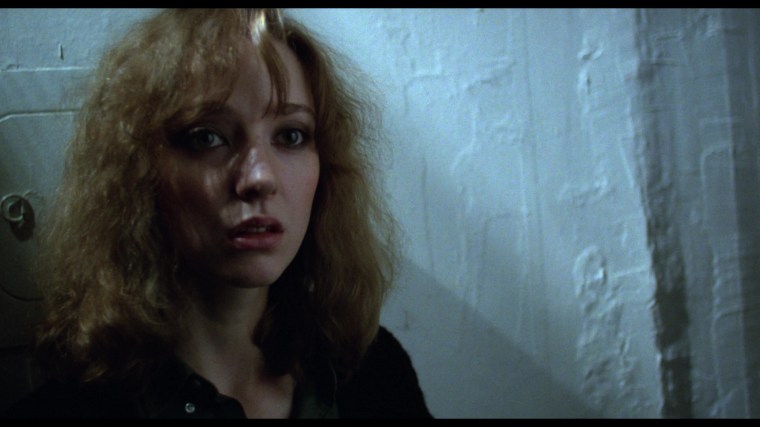
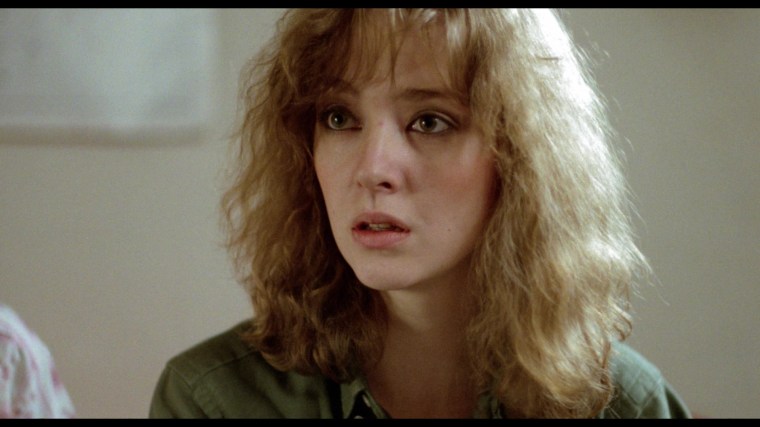
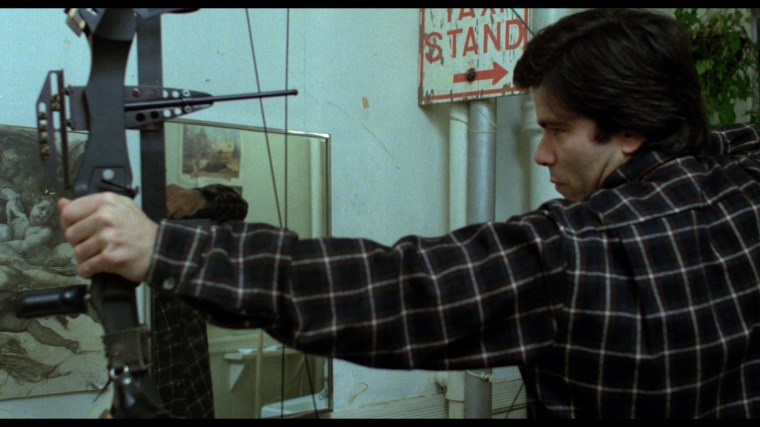
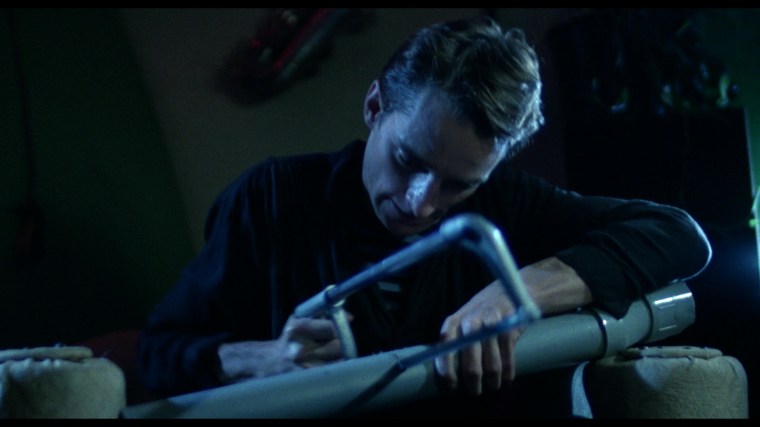
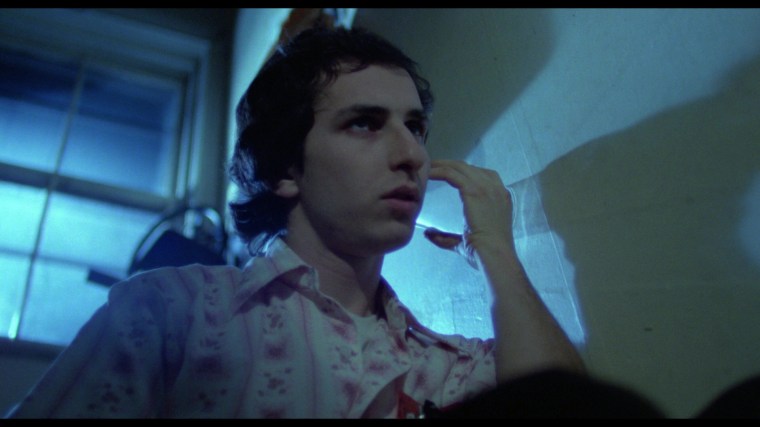
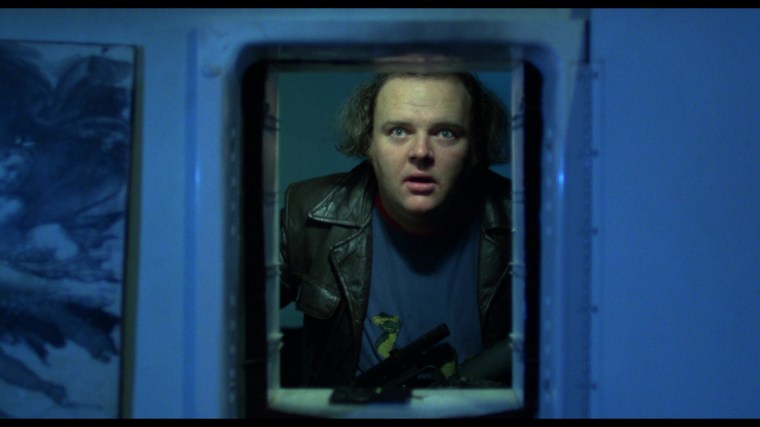
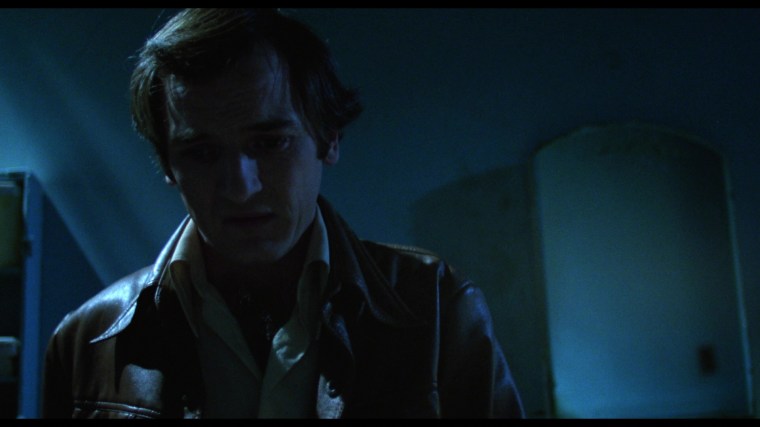
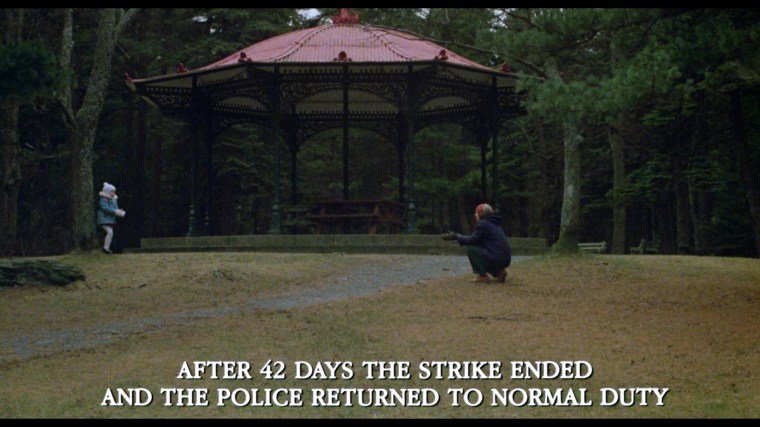
The Movie In 1981, police in Halifax, Nova Scotia went on strike for 53 days. Siege uses that as a pretext for a riff (complete with synth score) on Assault on Precinct 13 as the lone survivor of a gay bar massacre perpetrated by a gang of right wingers takes refuge in a nearby apartment complex. It’s an economical, lean exploitation film that doesn’t have time for exposition. What’s with the weird vibes between the hero couple? What’s the story with the two blind guys from the neighboring group home? Why does one of the residents possess a Rambo-like ability to make improvisational weapons? Siege isn’t slowing down long enough to tell you any of that.
The movie was produced by brothers Paul and Michael Donovan with the help of Canadian tax shelter money. Their next effort – 1985’s Def-Con 4 – made $5.5 million in theater and home video revenue (with the help of classic box cover art featuring a skeletal astronaut) on an $800,000 budget, according to a 1986 Chicago Tribune profile on the company. That was the brother’s last international box office hit together, though they both segued into long and successful careers in Canadian television. Michael also dabbled in producing documentaries, winning an Oscar for Michael Moore’s Fahrenheit 9/11.
Michael Donovan was in the midst of a six-month odyssey, train-hopping from European city to city—or, more accurately, from film rights territory to sub-territory—trying to interest foreign distributors in paying to acquire the rights to show South Pacific (1981) in theatres there. His goal: two meetings a day in each city he visited. He would show up lugging his 45 kg cans of film, set up in their small screening rooms and play—or try to play—the movie for each would-be customer.
But South Pacific was an impossible sell. Their movie, Michael acknowledges now, was “unwatchable.” So he eventually “began to play a game with myself.” He’d try to figure out the exact moment when his hoped-for buyer would turn off the projector and declare he couldn’t imagine anyone anywhere would ever pay to watch his awful film.
Two things kept him going.
The first was practical. Thanks to a federal program designed to expand international trade and reduce our dependence on the U.S. market, Ottawa was subsidizing expenses for international selling missions like his to the tune of $150 a day. Donovan, who’d only recently completed a post-university year abroad on five dollars a day, knew a thing or two about saving money, including sleeping on trains. So, while he didn’t succeed at selling his film, he earned good money each day just for trying—and sleeping on the train.
The second thing? Donovan had become obsessed with figuring out how he could turn filmmaking fantasy into career reality.
“OK,” he would respond into the silence after his host had shuttered his film and shattered his sale dream, “what kind of film would work for you?” Perhaps surprisingly, “everyone was eager” to describe that kind of film: revenge, soldier of fortune, war games… in short, genre movies.
When he finally returned to Halifax—he had made only one sale, to a West German distributor—Michael sat down with his brother (Paul) and his partner of the day. “Well,” he began, “the film didn’t sell, but I can tell you what will.” They went away and returned with a plot for a new, commercial genre-based movie.
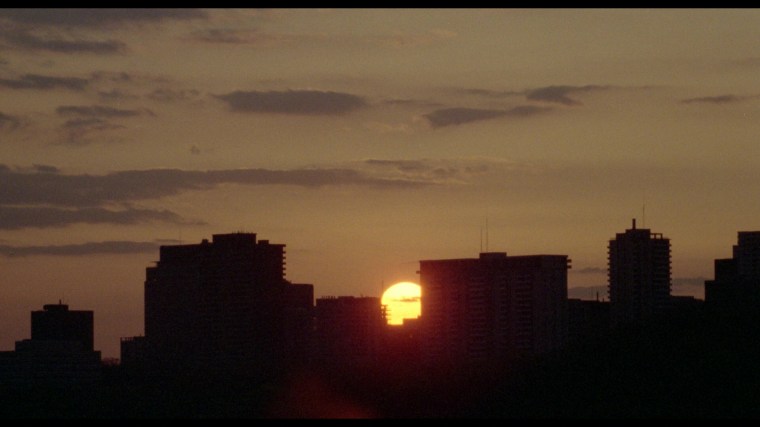
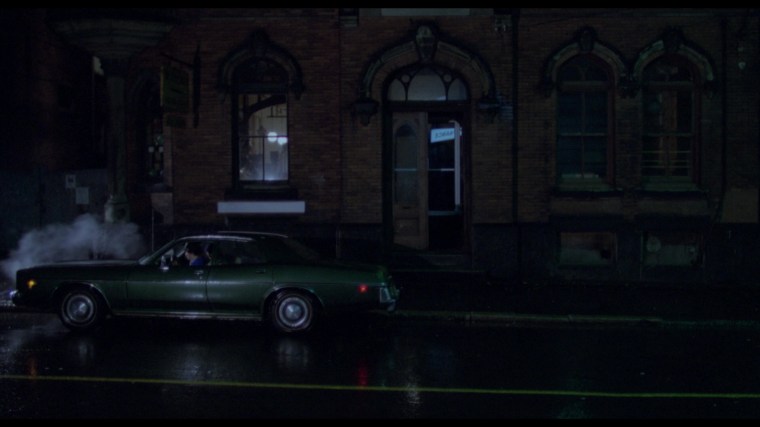
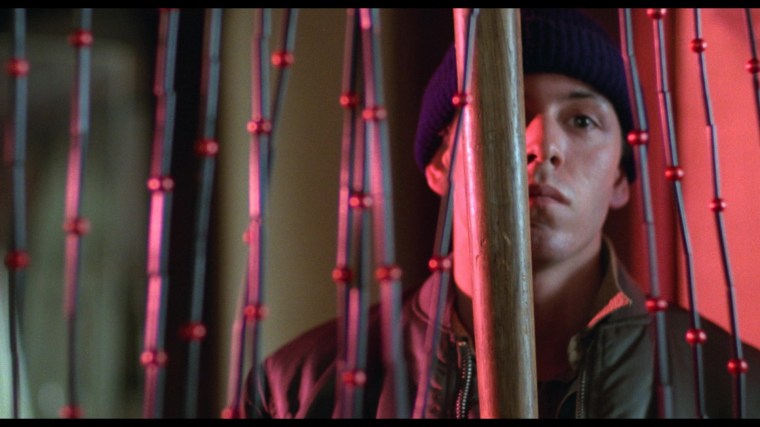
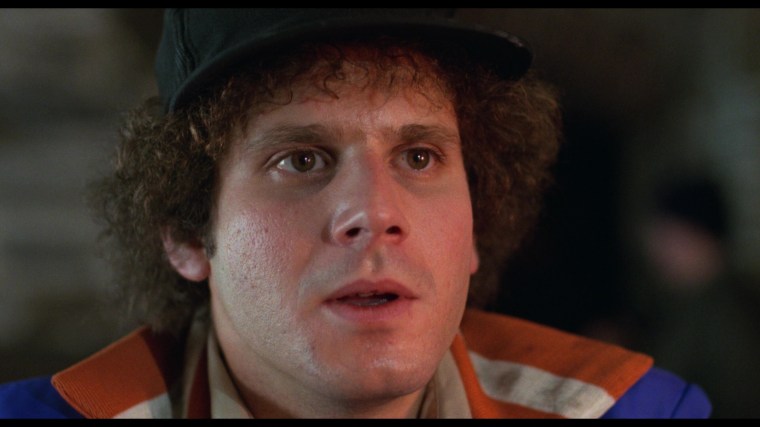
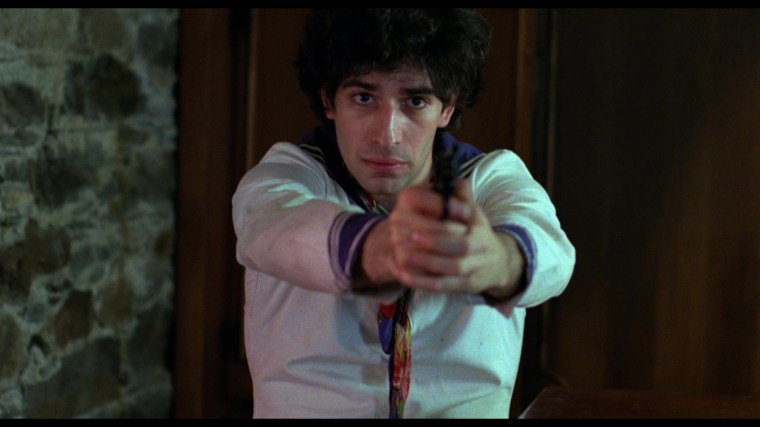
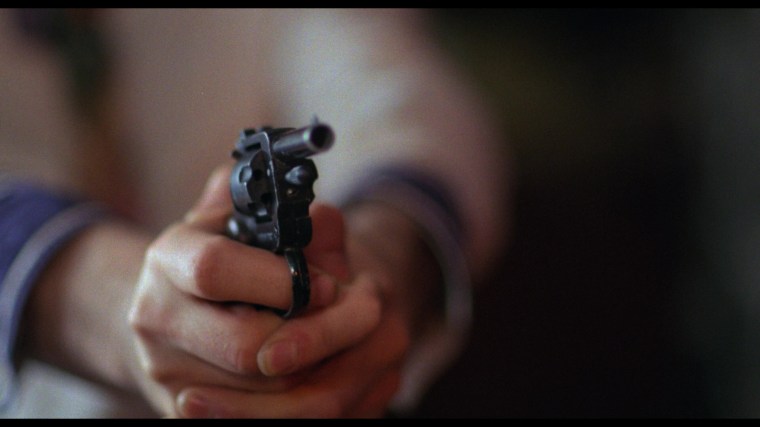
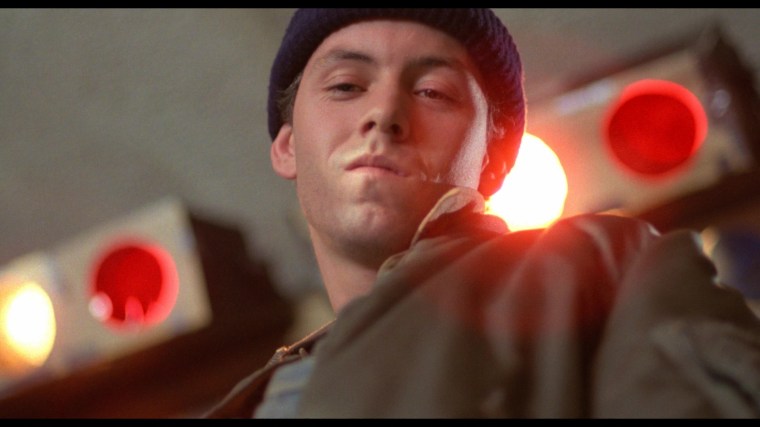
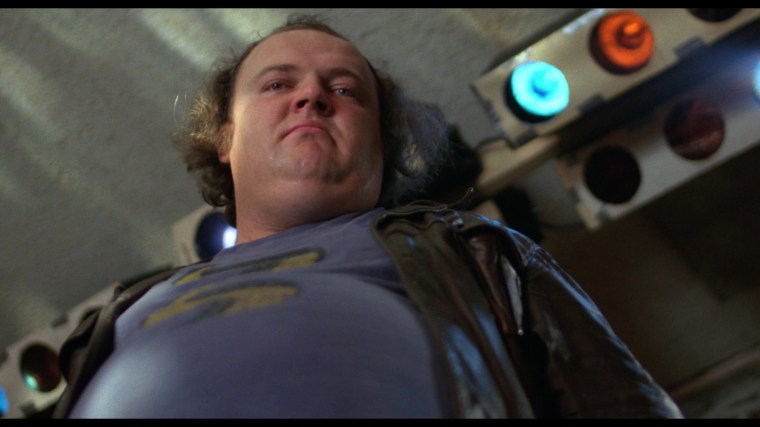
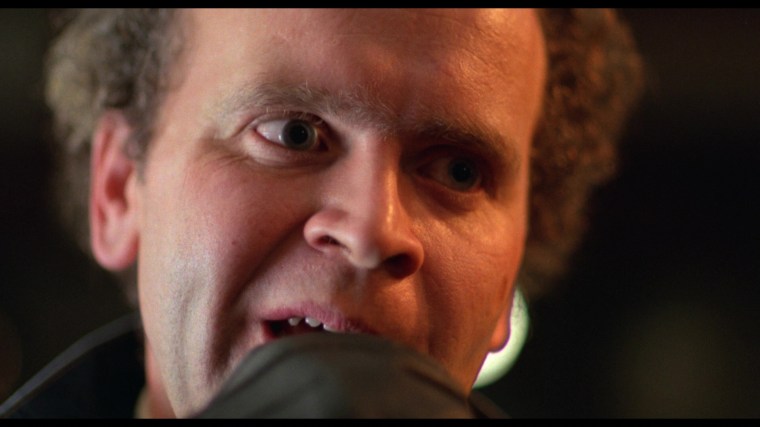
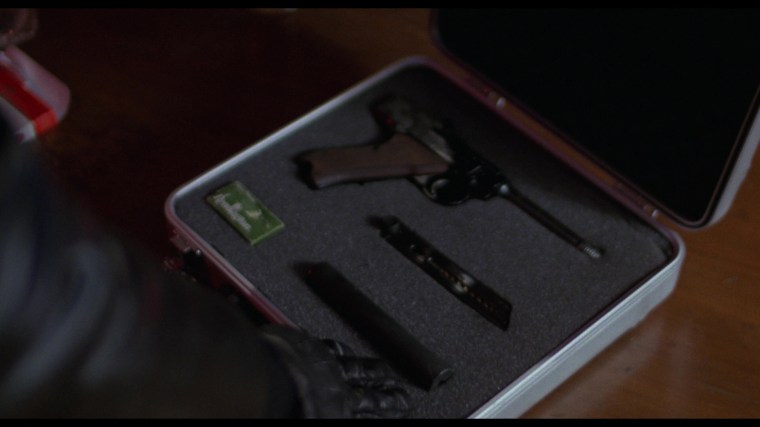
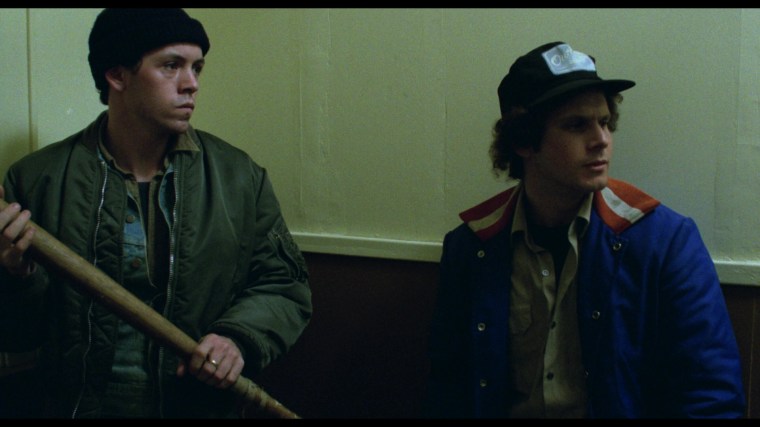
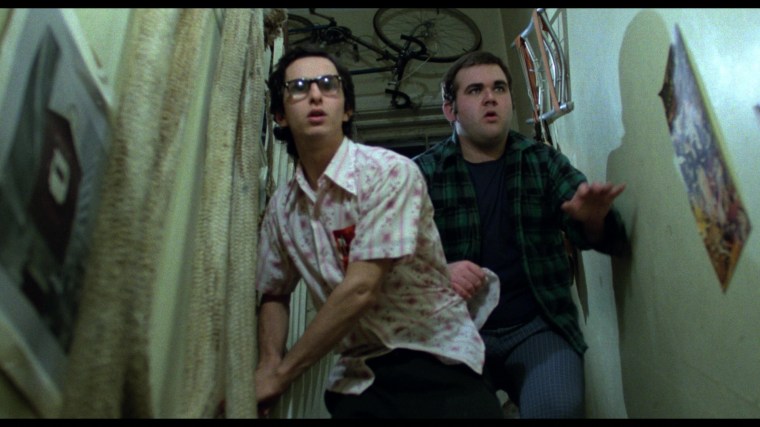
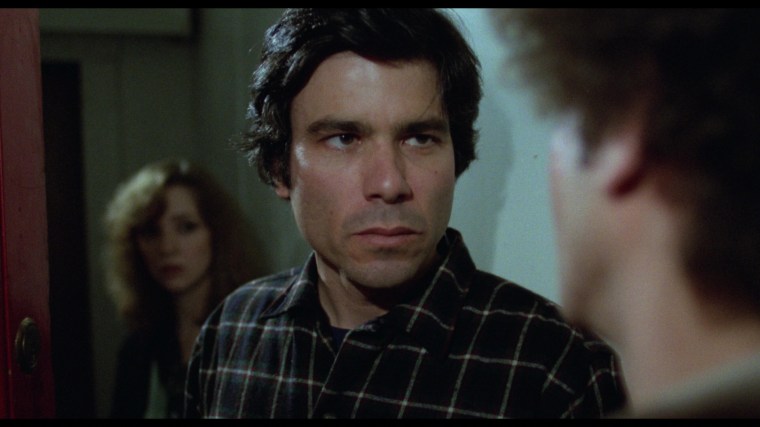
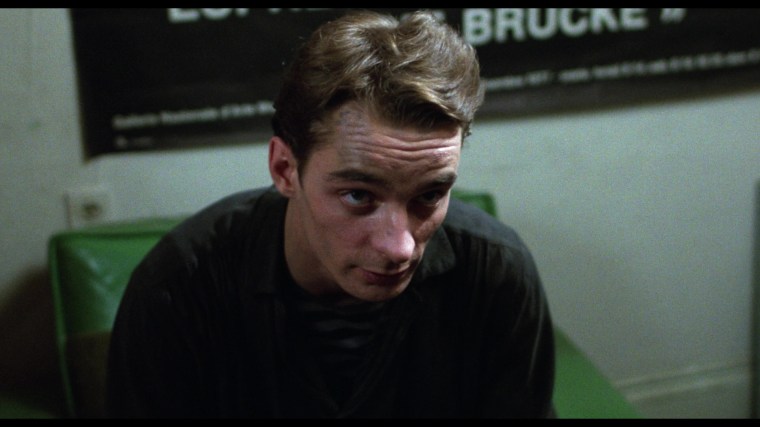
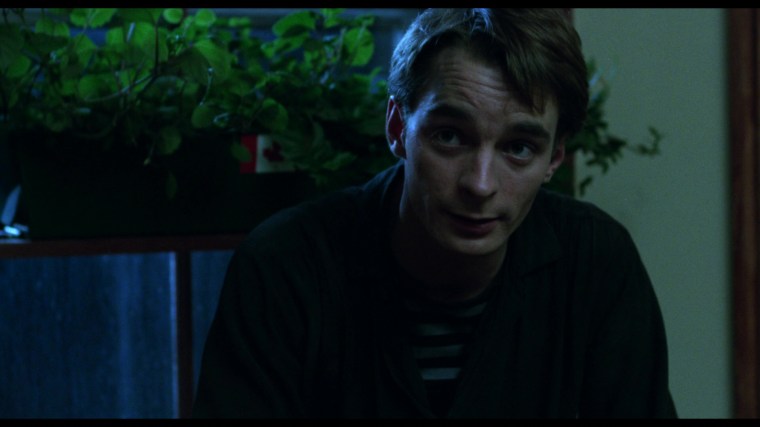
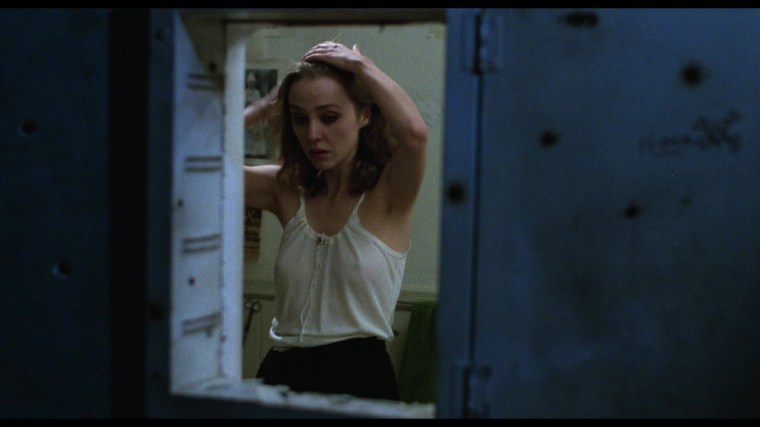
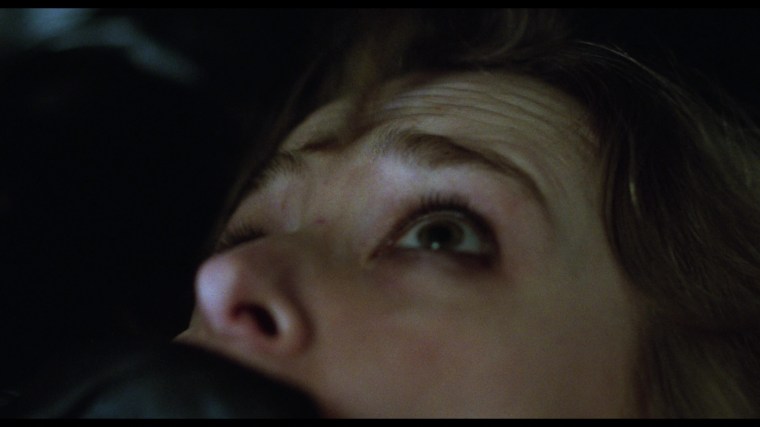
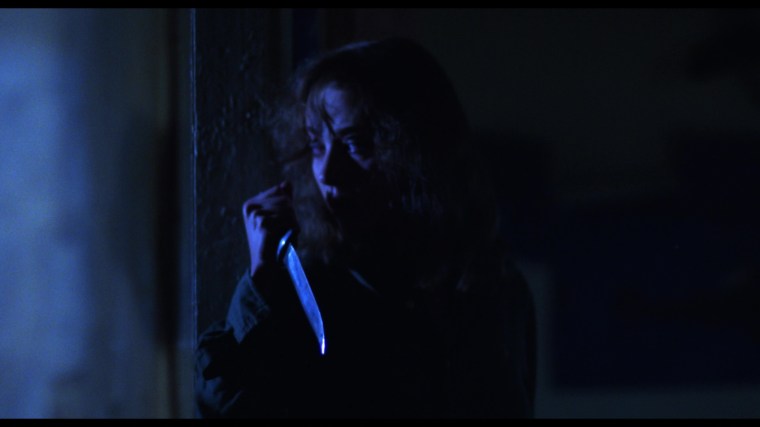
Frame Gallery #1
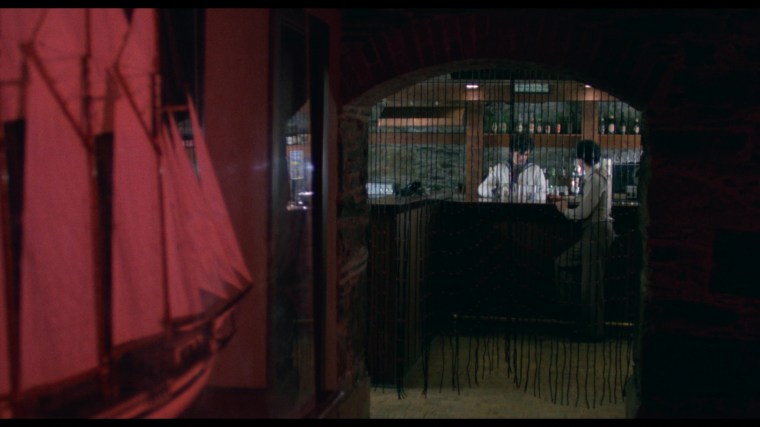
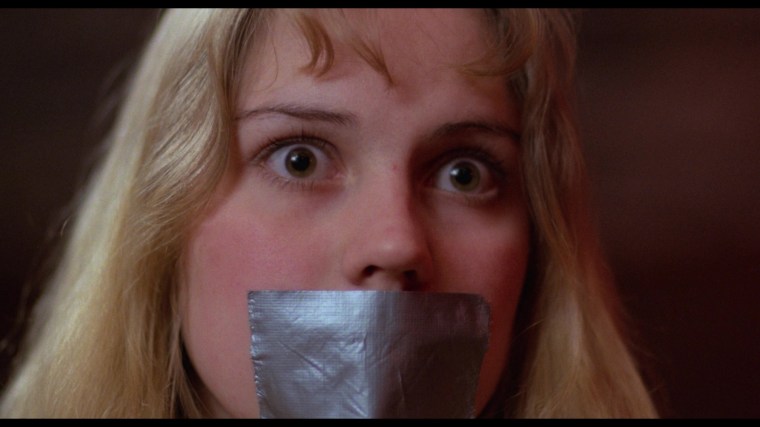
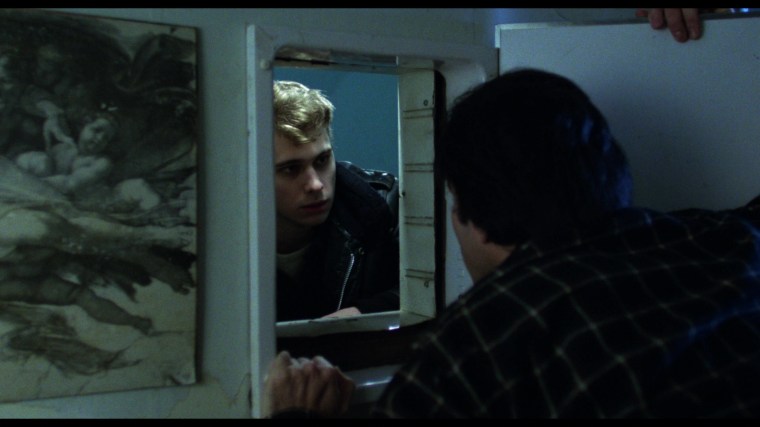
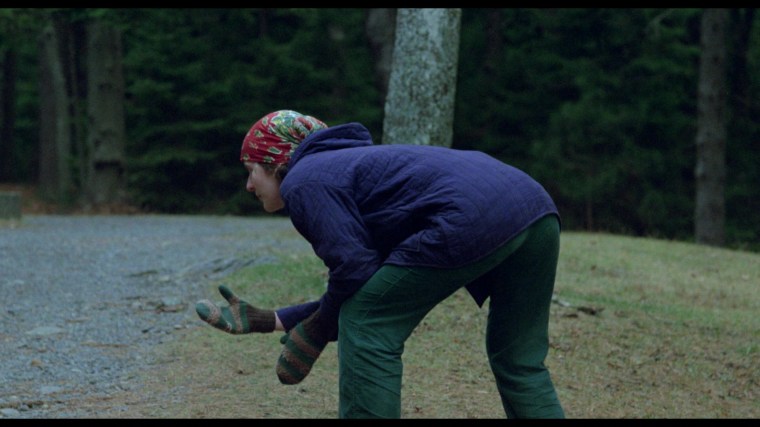
Frame Gallery #2
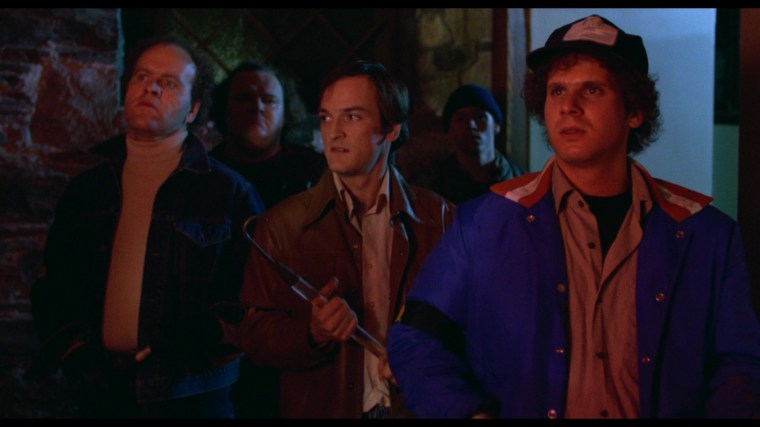
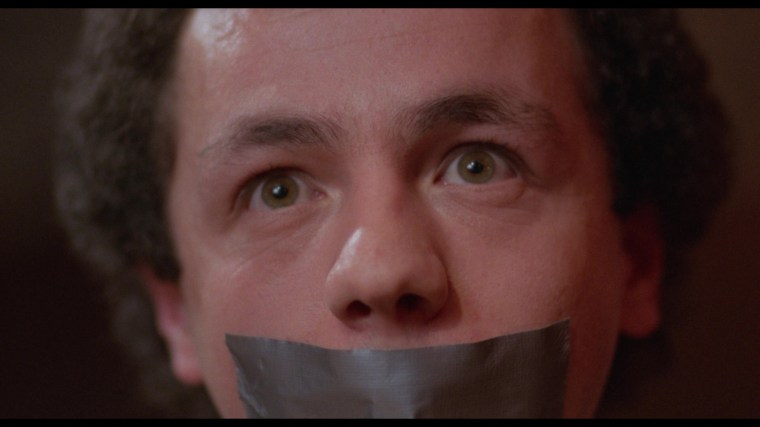
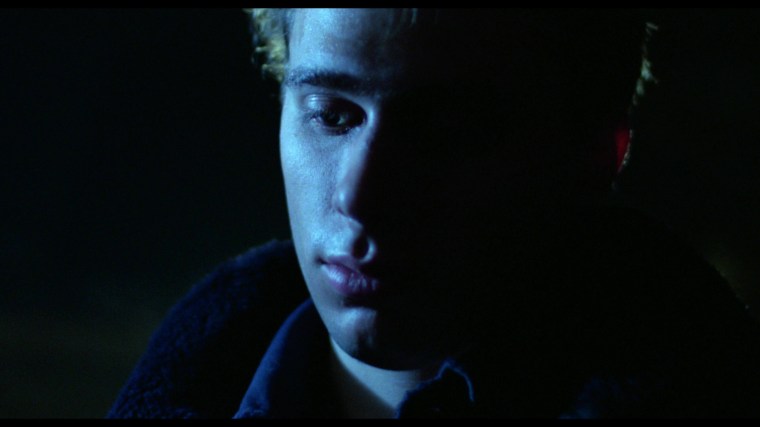
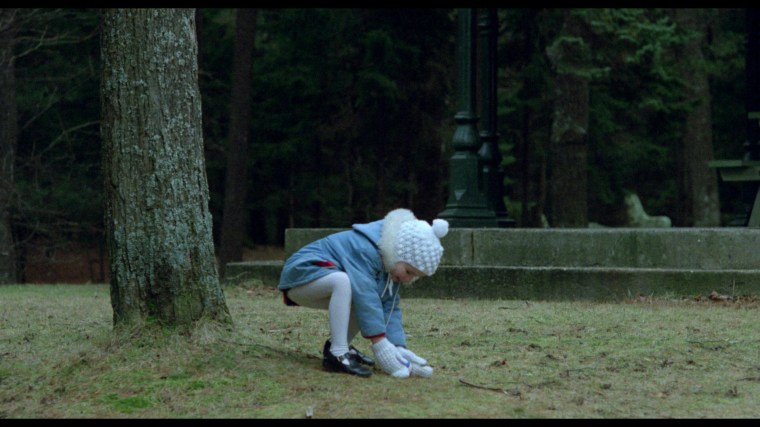
Frame Gallery #3
Spoliers
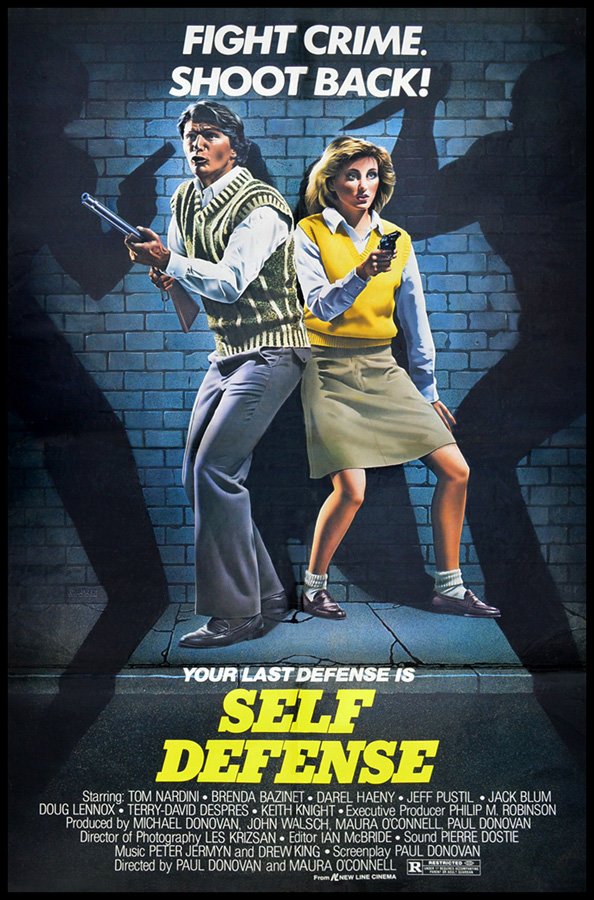
Poster for the film’s U.S. release, under the title Self Defense.






























































 deep fried movies