Year – 1984 Decade – 1980s Cinematographer – Robert E. Collins Director – Thomas Carter Studio – NBC Genre – Action; Television Other Keywords – Cop; Emmy Winning Cinematography Filming […]
The Show “In a lot of ways, you and your vice cop buddies are just the flip side of the same coin from these dealers you’re always masquerading around with. You’re all players, Sonny. You get high on the action.”
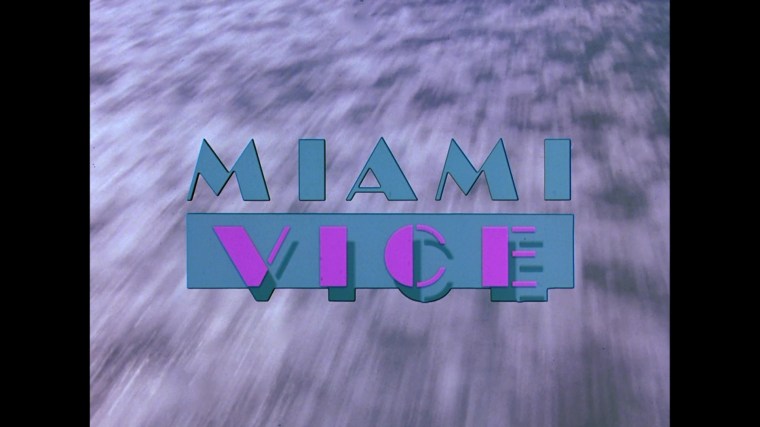
Those lines – delivered by Sonny Crockett’s soon-to-be ex-wife in the pilot episode of Miami Vice – succinctly define a preoccupation that Michael Mann has returned to repeatedly throughout his career. You could transpose that dialogue directly into Heat – Mann’s 1995 epic about the thin line separating an obsessive cop and cook – almost without alteration. Despite that thematic through line, Mann was certainly not the only authorial voice behind the seismically influential two-hour pilot episode of Miami Vice, which premiered in September of 1984.
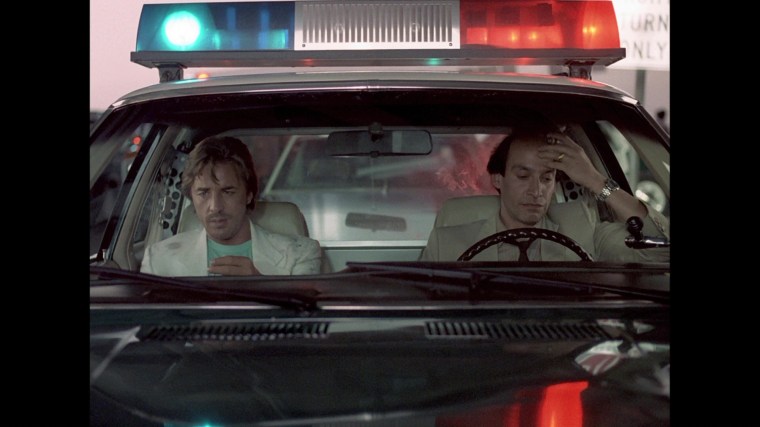
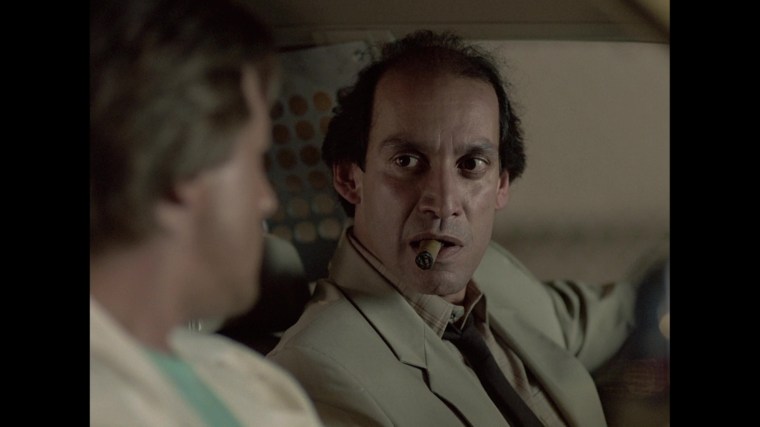
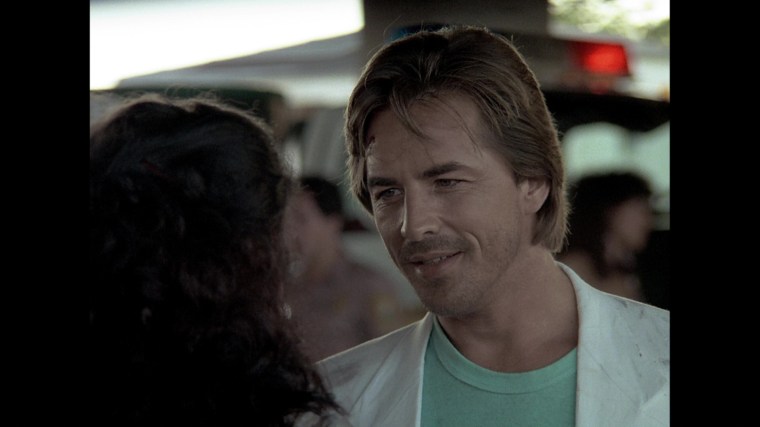
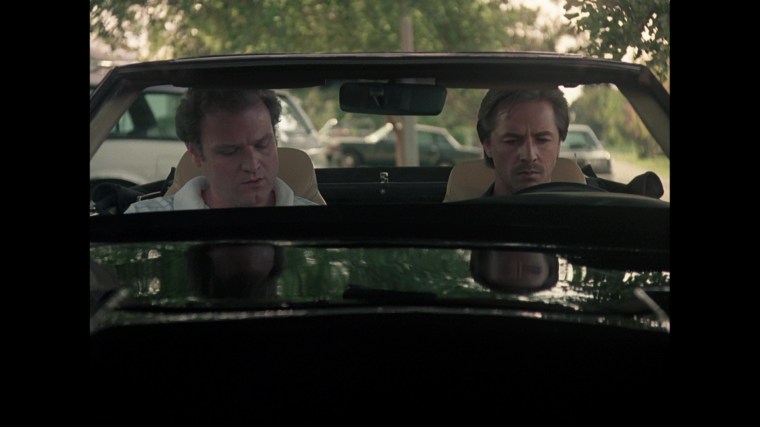
Penned by series creator Anthony Yerkovich and directed by Thomas Carter (dubbed “The Prince of Pilots” for launching shows like Miami Vice and St. Elsewhere and then dipping), the $4 million pilot finds New York City cop Ricardo Tubbs (Philip Michael Thomas) and Miami detective Sonny Crockett (Don Johnson) joining forces to take down the drug dealer responsible for the deaths of their respective partners.
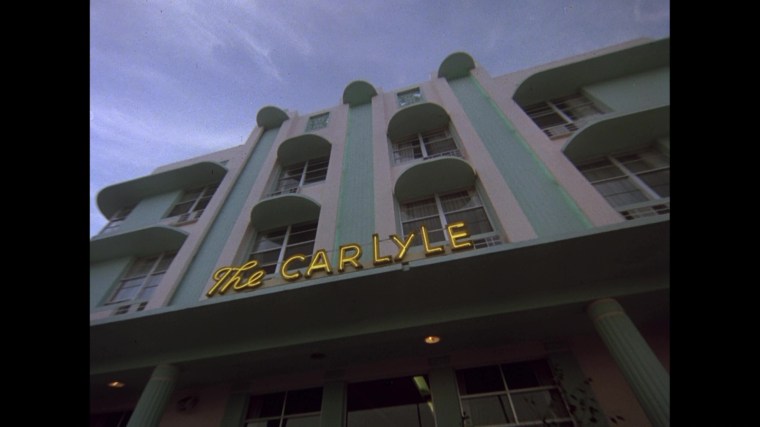
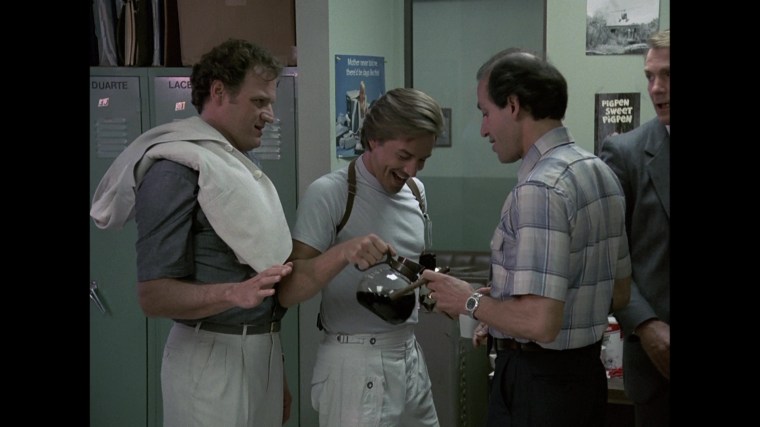
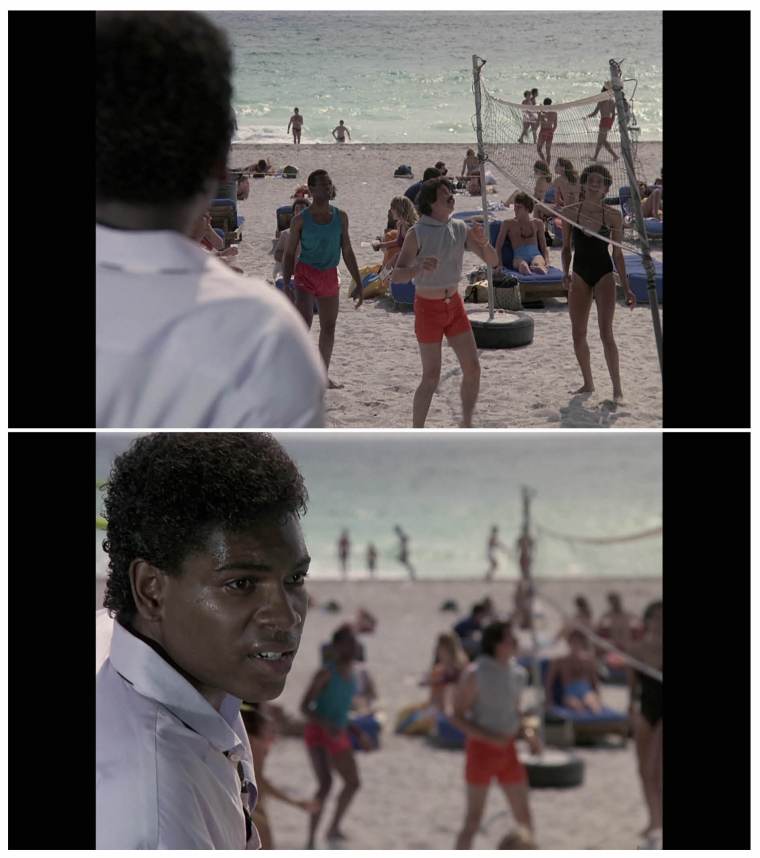
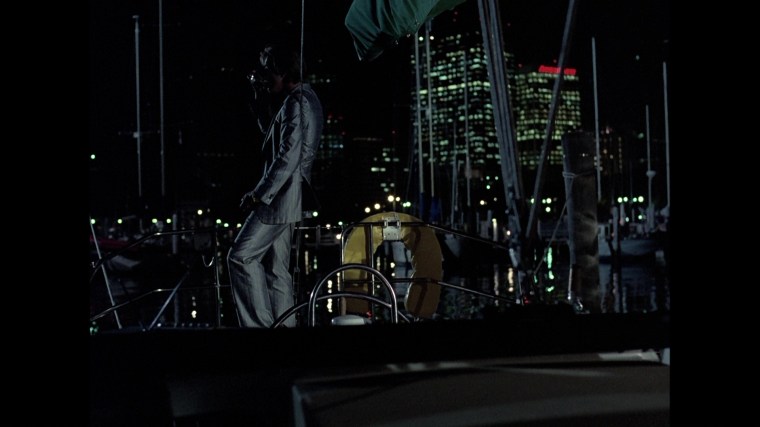
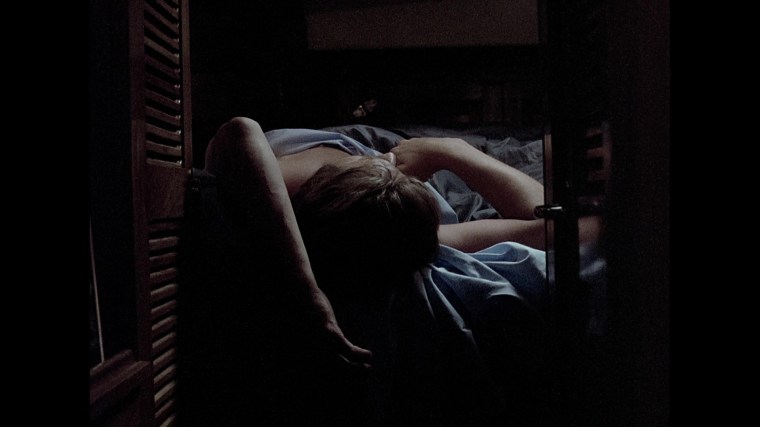
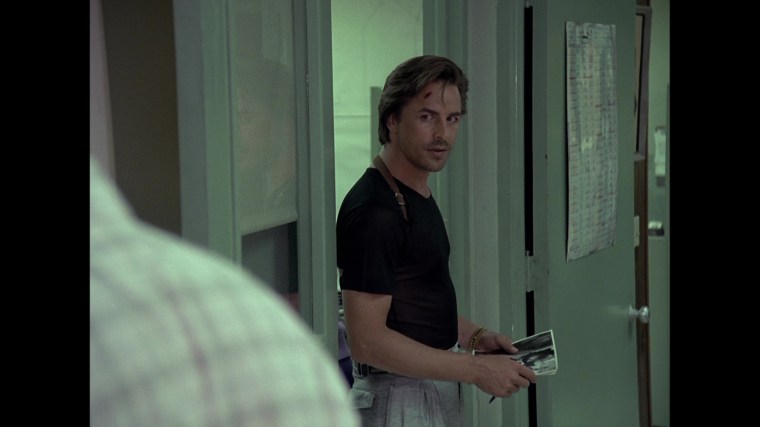
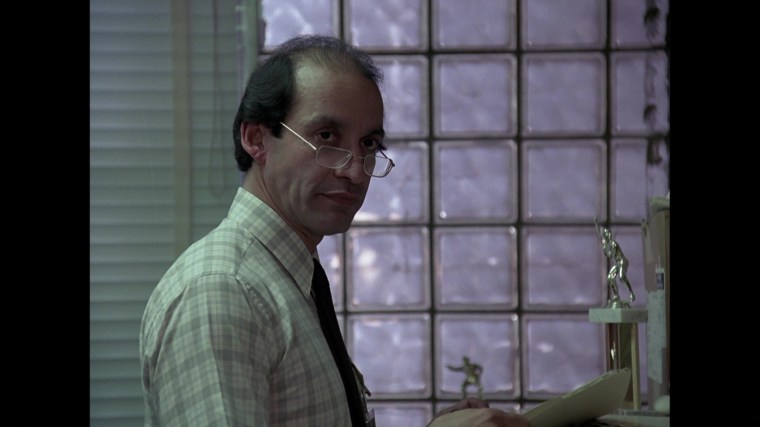
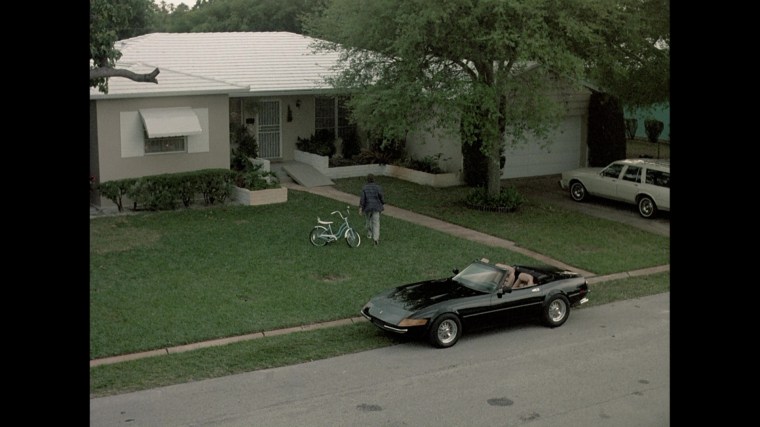
Though the show’s first season earned 15 Emmy nominations, Miami Vice wasn’t initially a hit. Relegated to an undesirable Friday night time slot, audiences didn’t discover the show en masse until summer reruns, when Vice vaulted in the Top 10, where it remained through Season 2. The show burned out as quickly as it ascended, with ratings steadily declining once Mann left his role as showrunner prior to Season 3 to focus on other projects. But while it was on the air, Miami Vice had an outsized influence on how both television and pop culture looked through its fashion, pastel palette, Art Deco locations, pop soundtrack, music video-inspired montages and filmic cinematography (of which the pilot is certainly the apex).
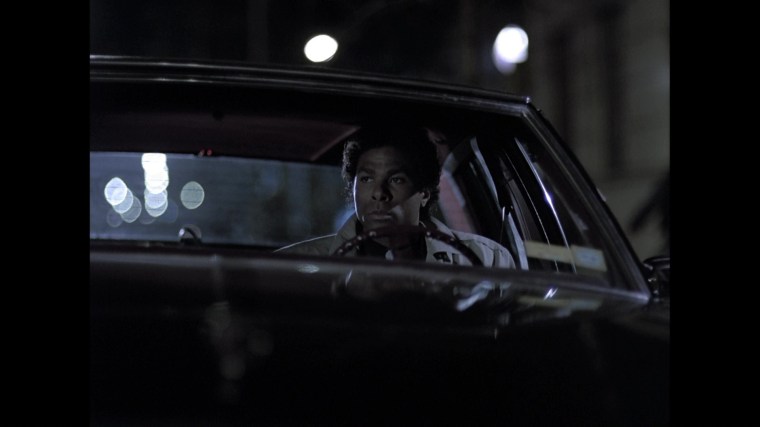
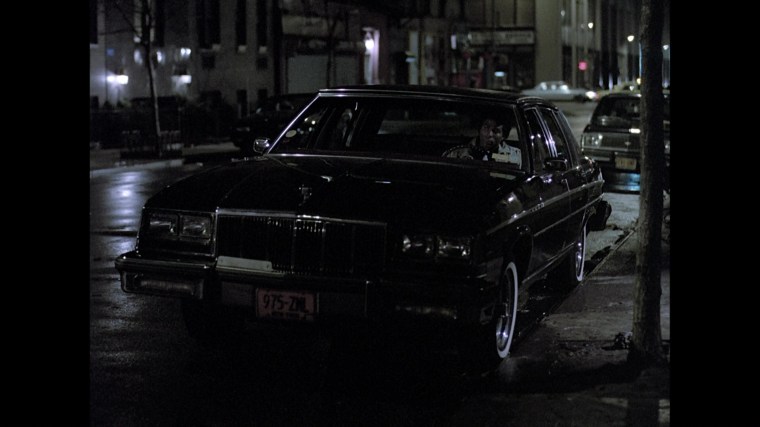
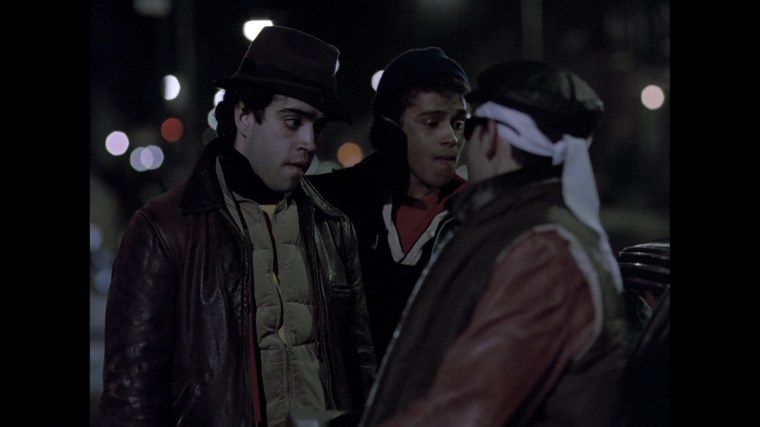
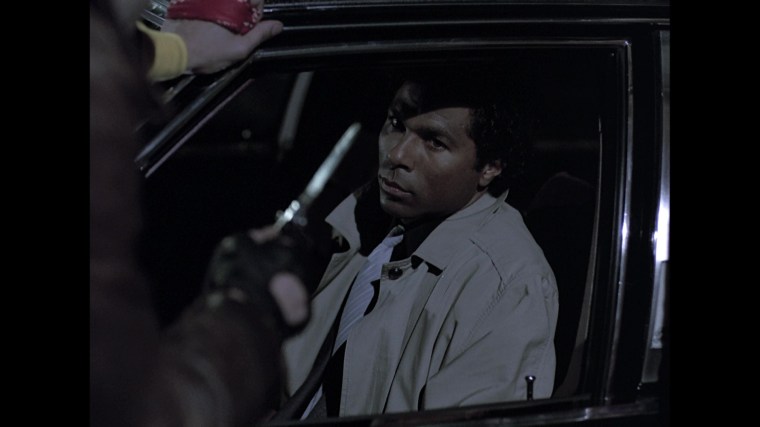
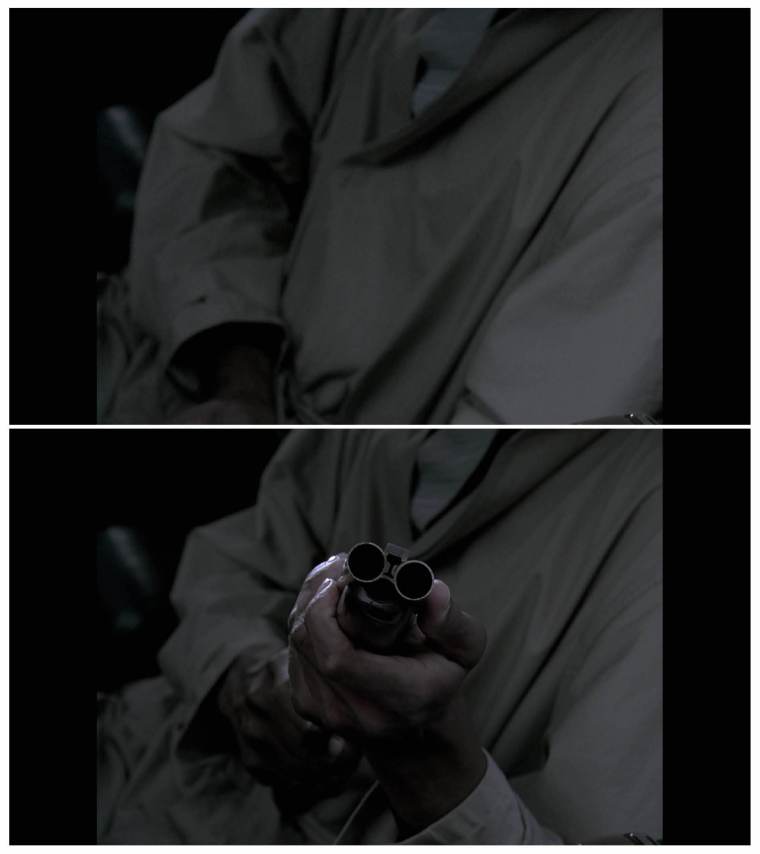
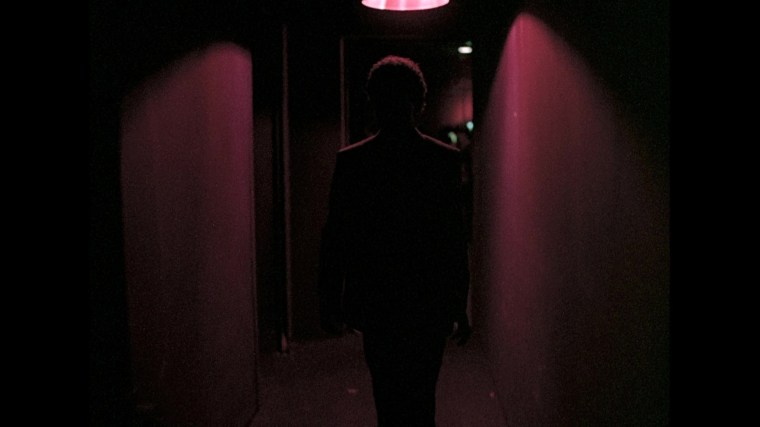
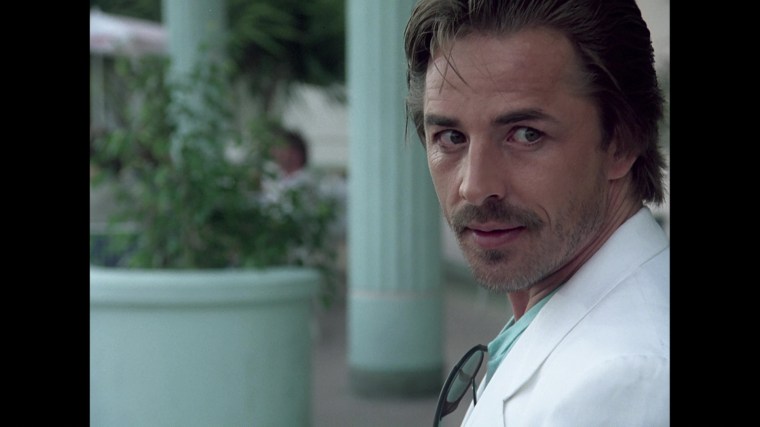
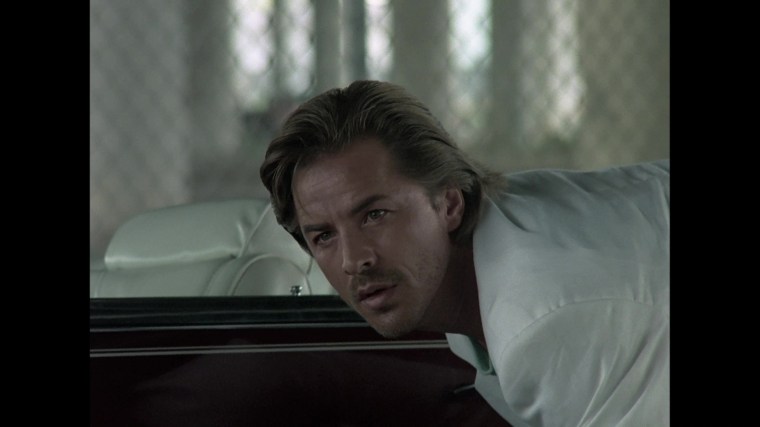
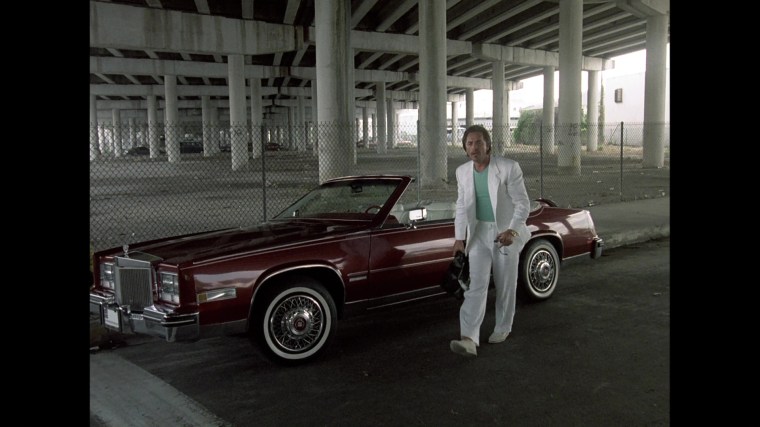
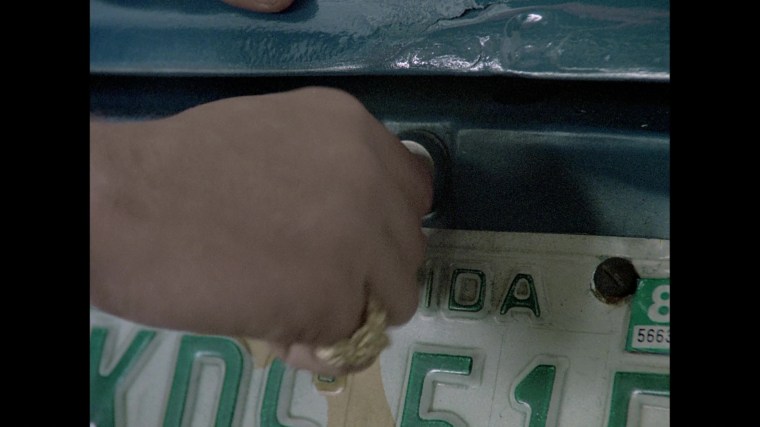
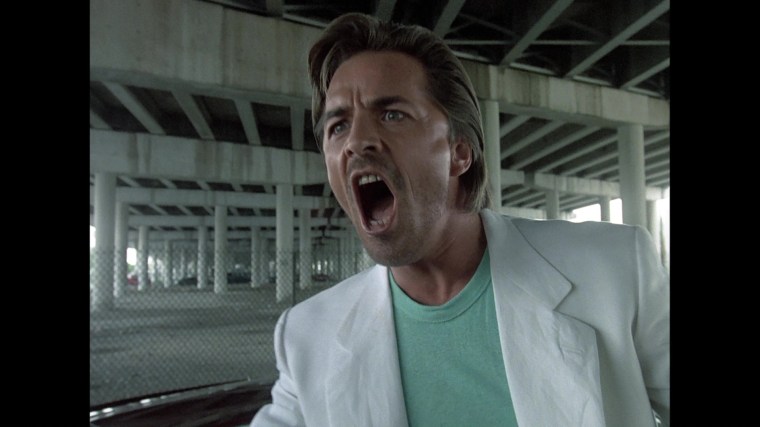
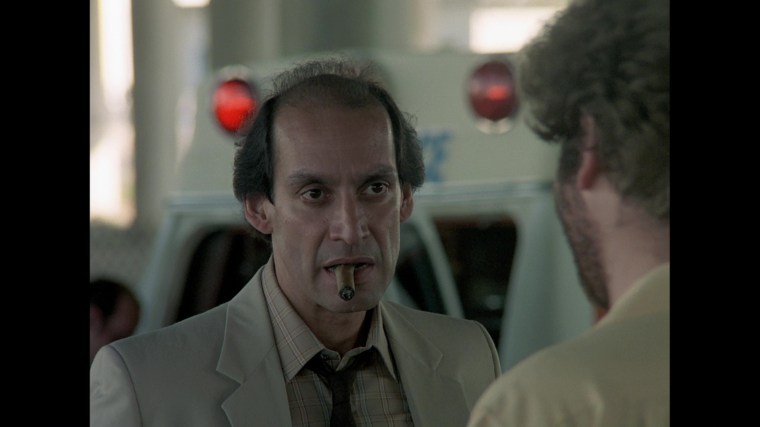
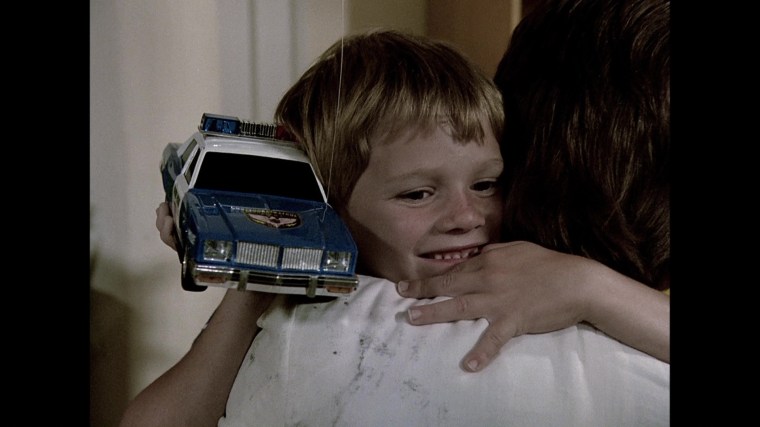
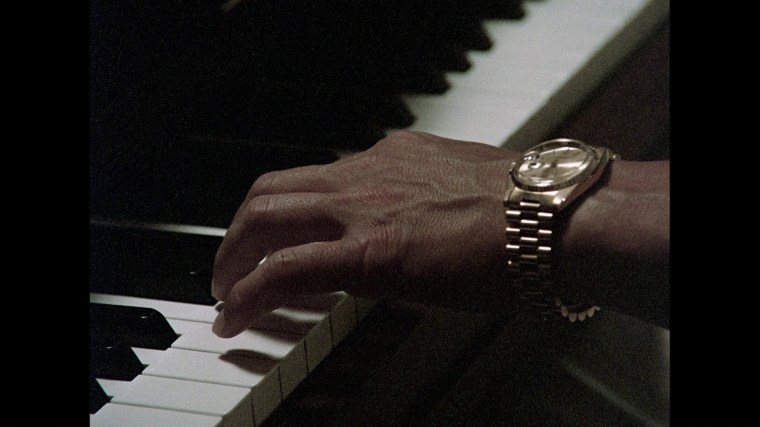
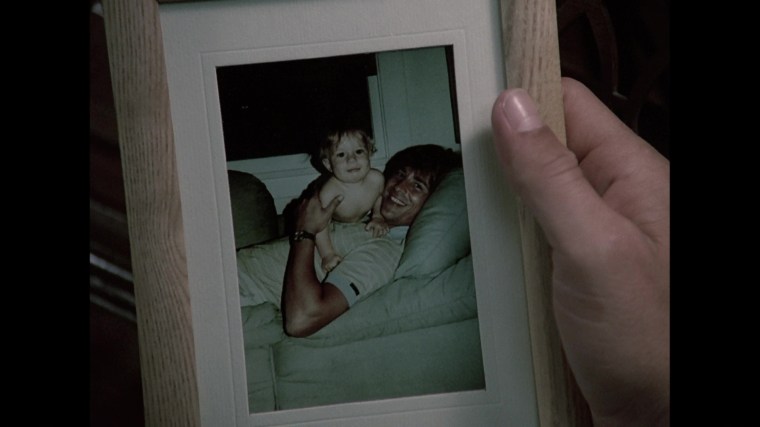
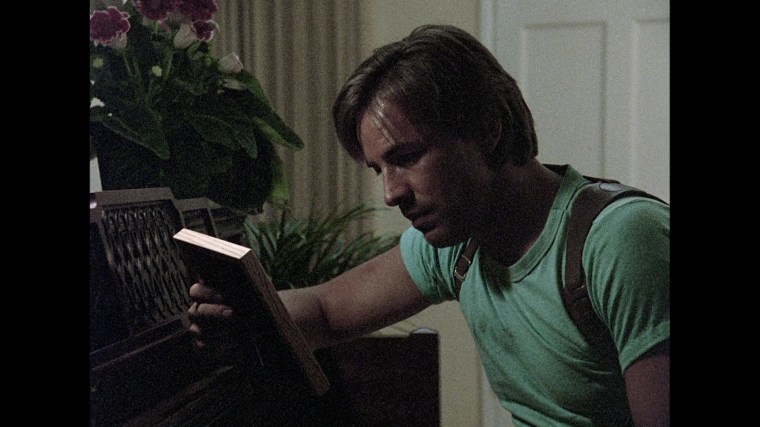
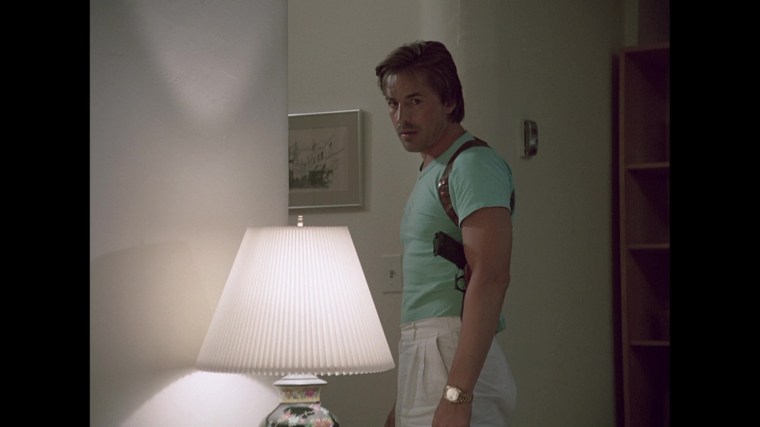
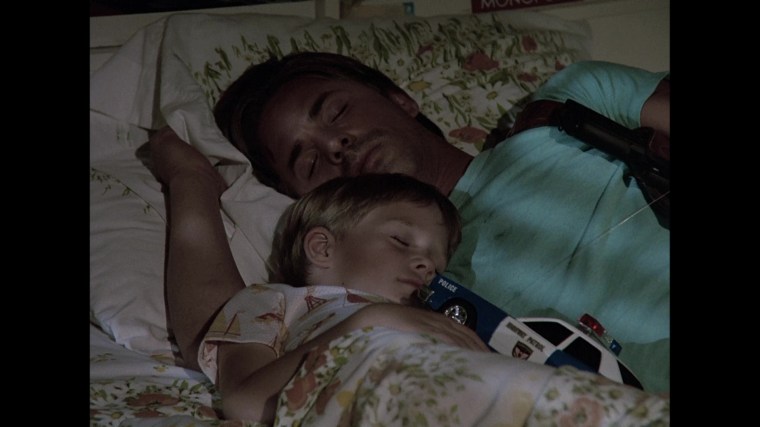
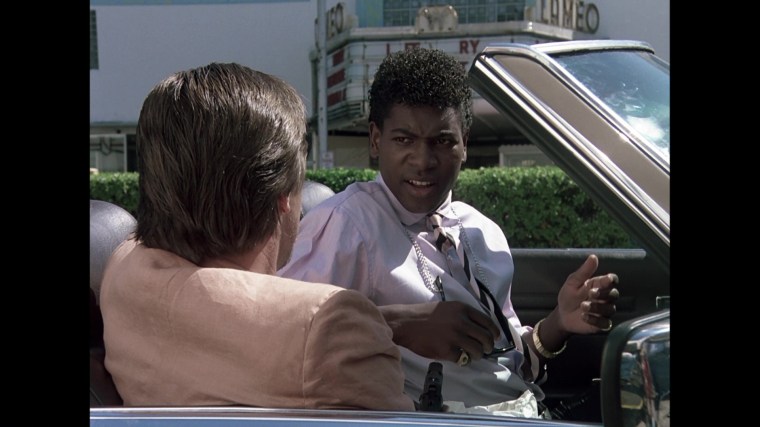
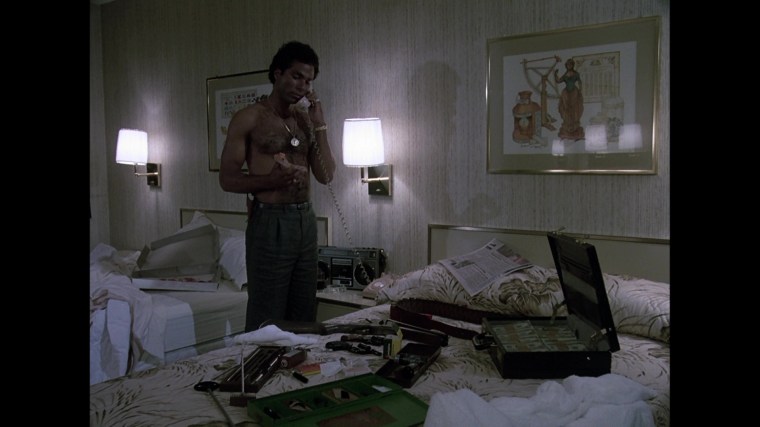
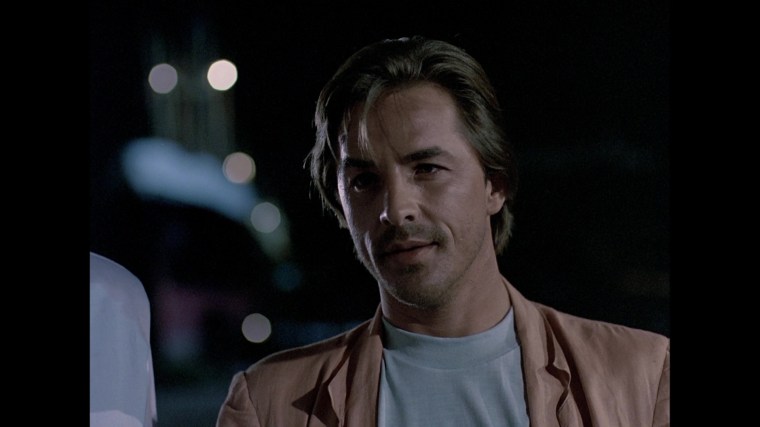
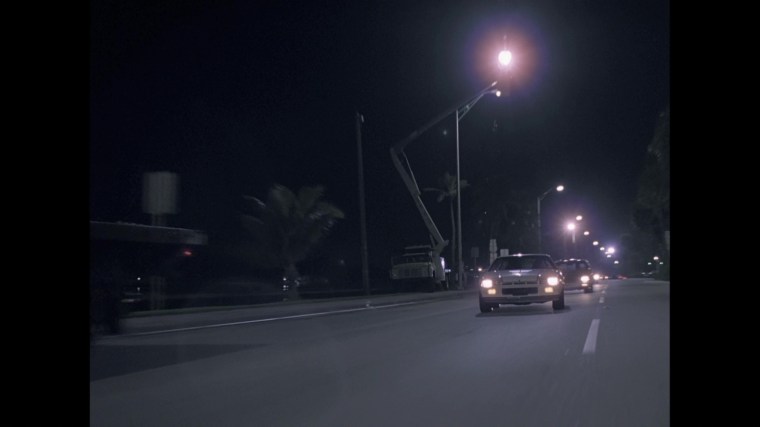
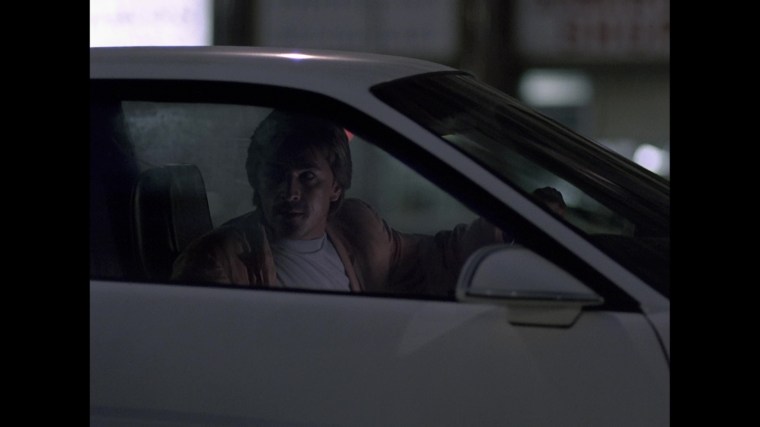
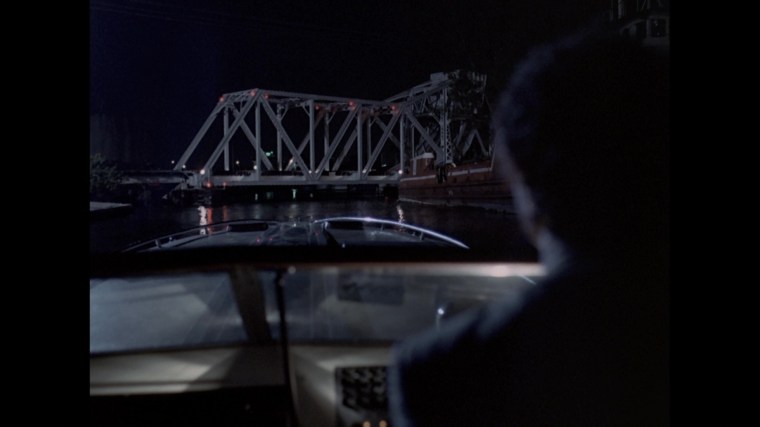
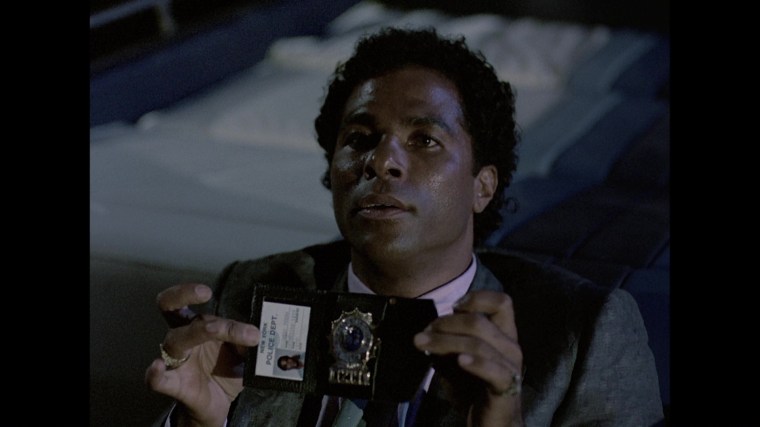
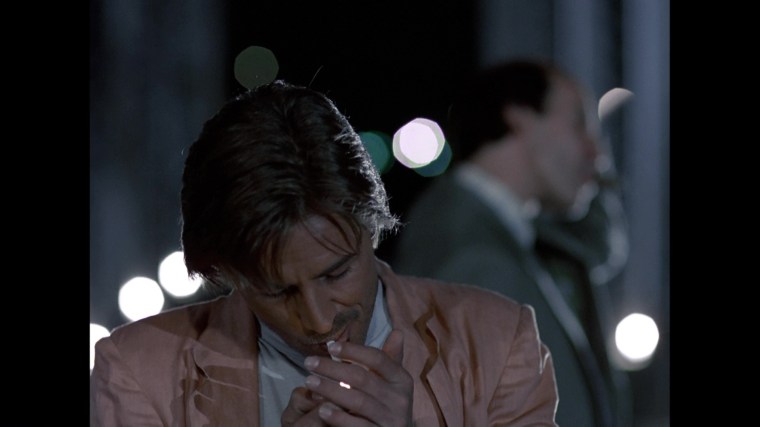
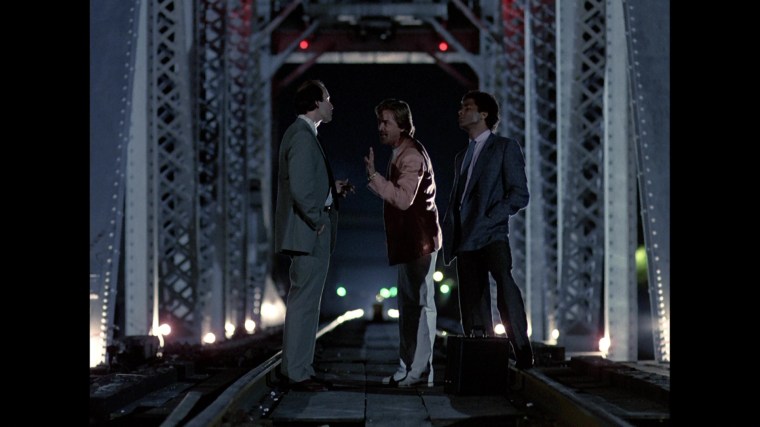
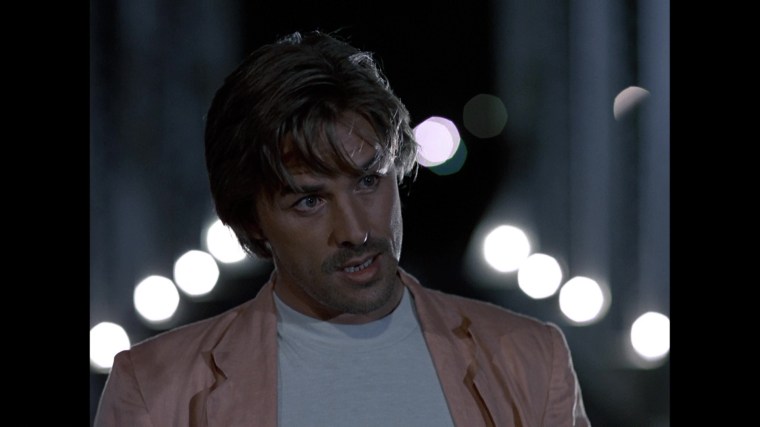
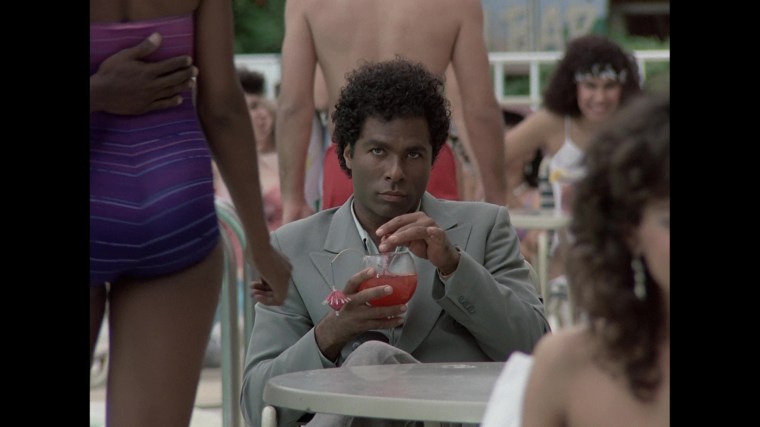
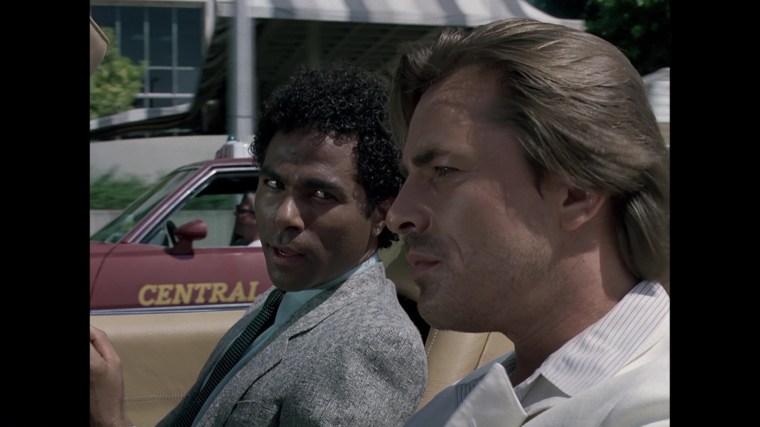
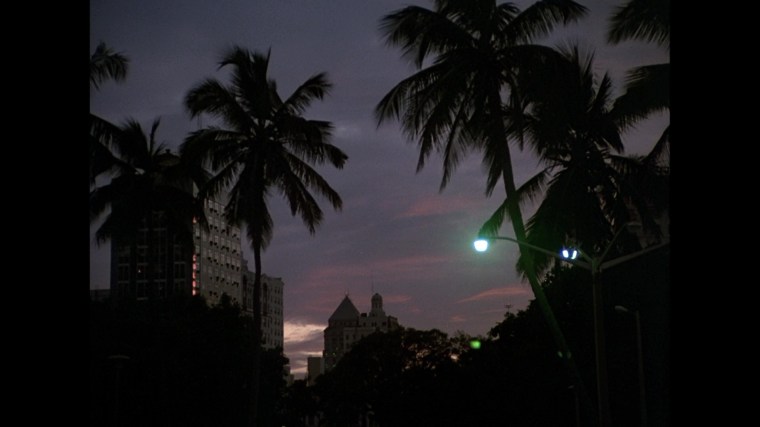
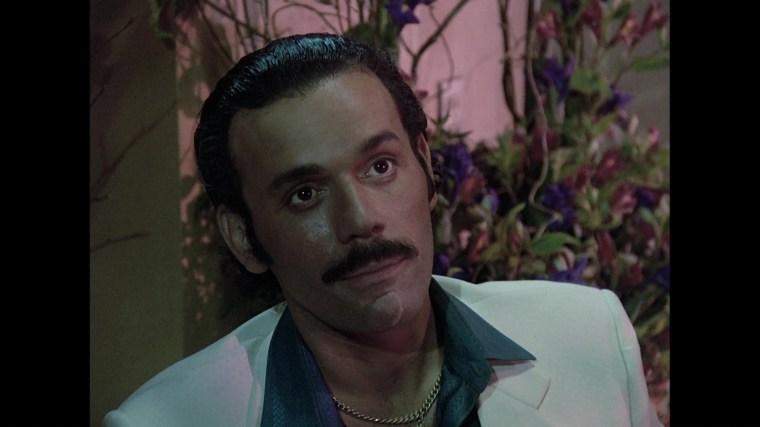
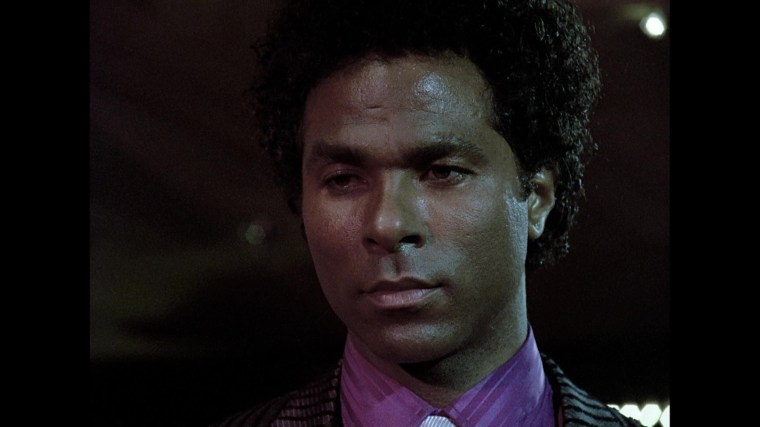
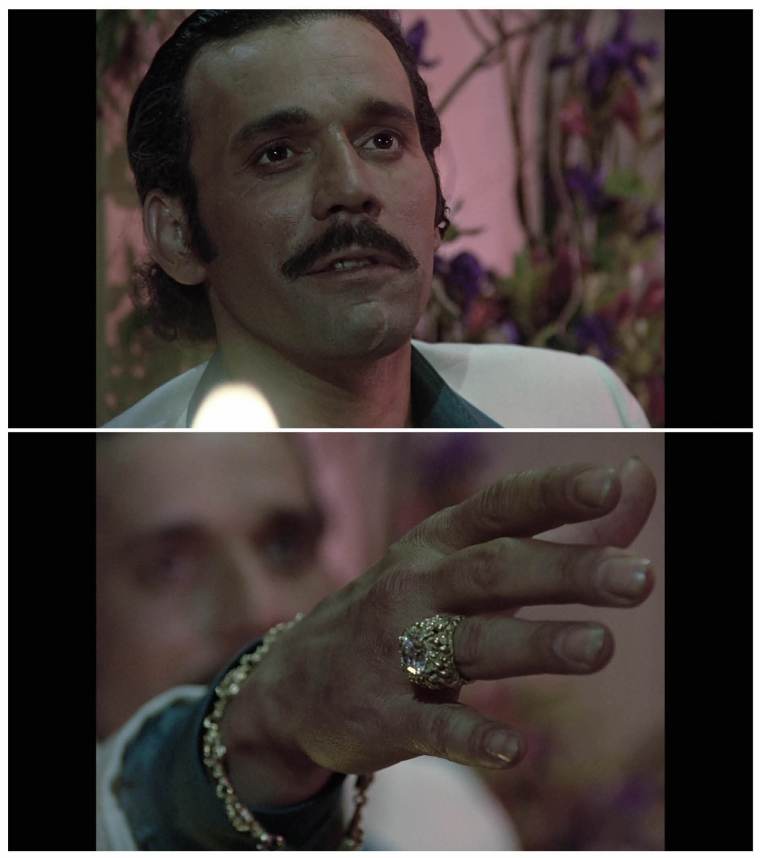
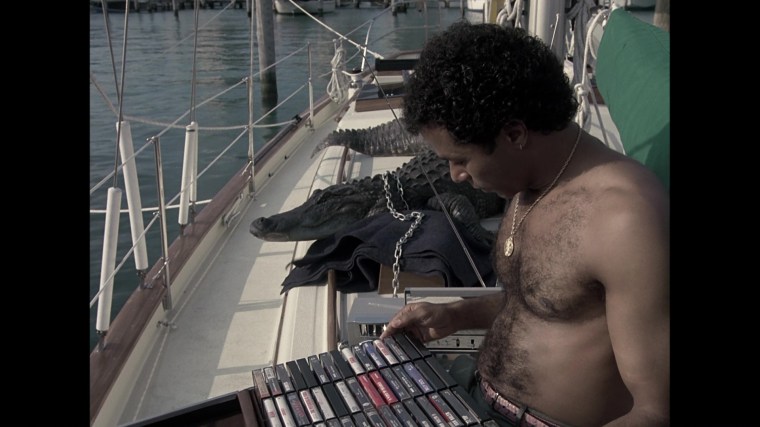
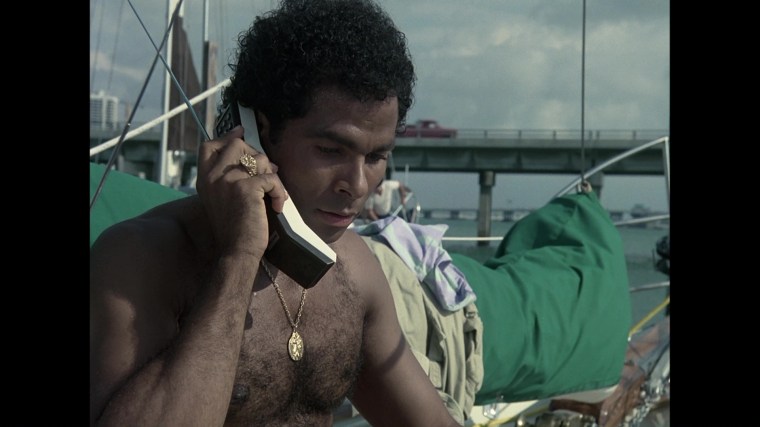
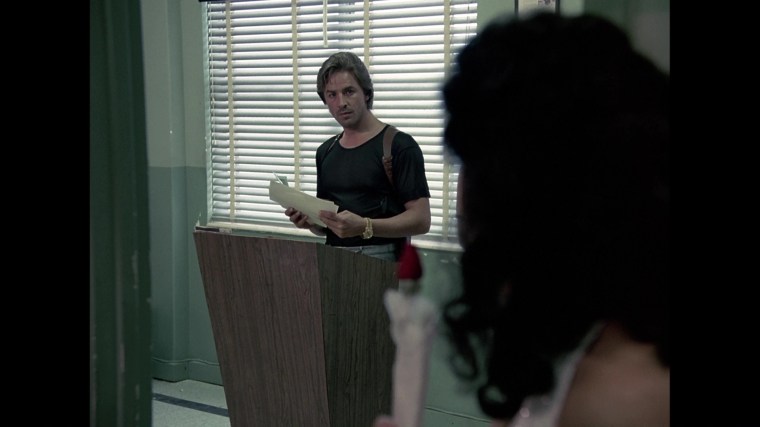
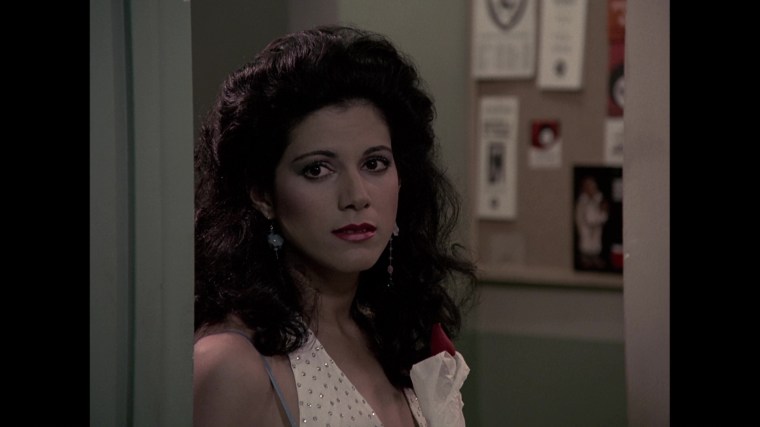
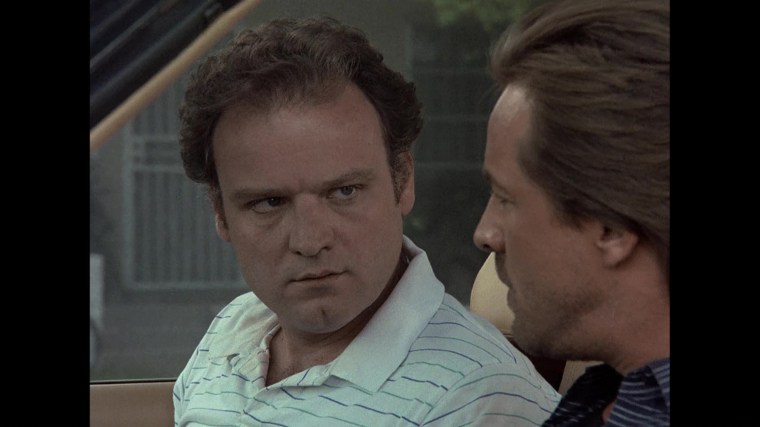
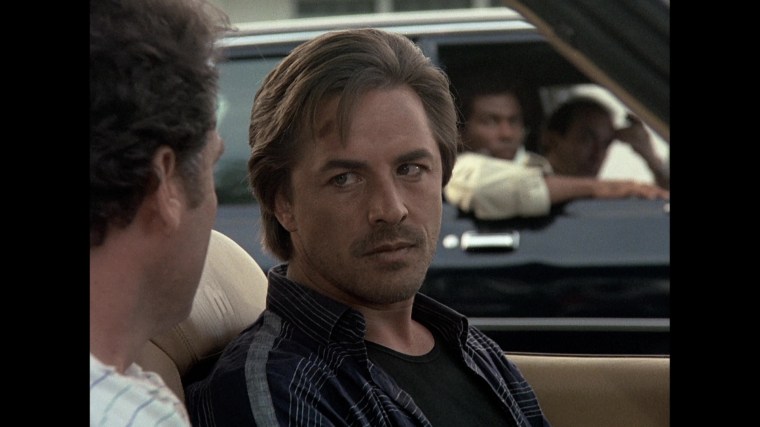
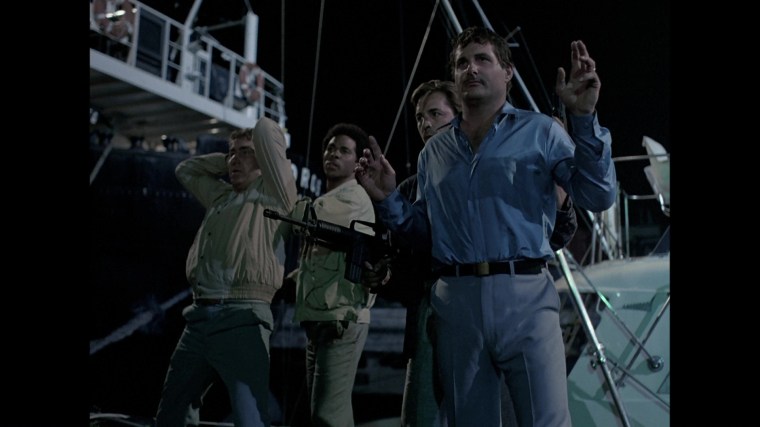
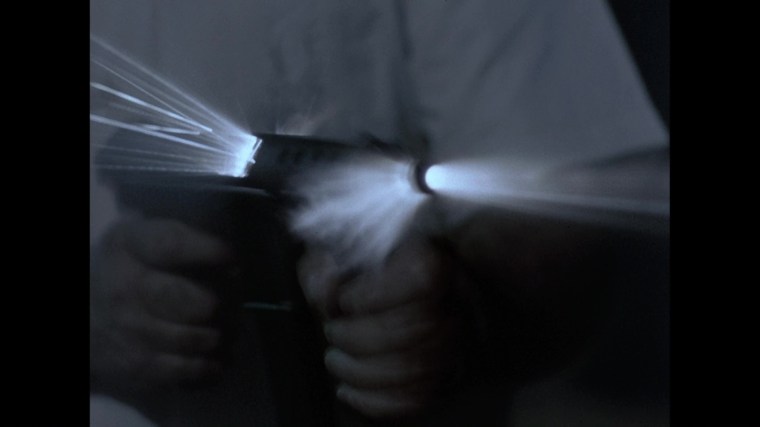
Frame Group #1
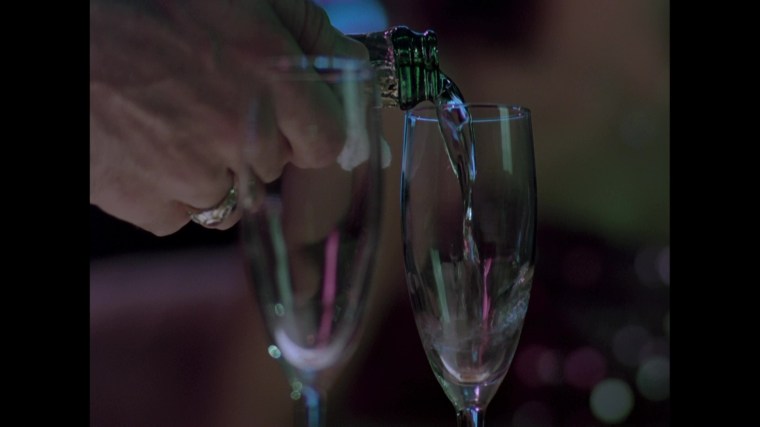
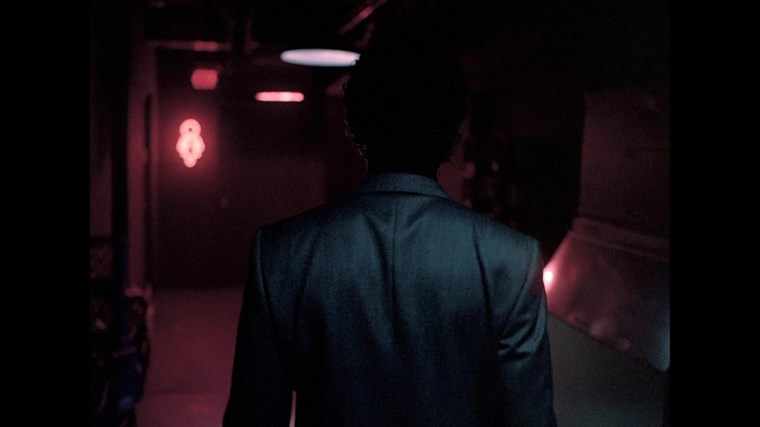
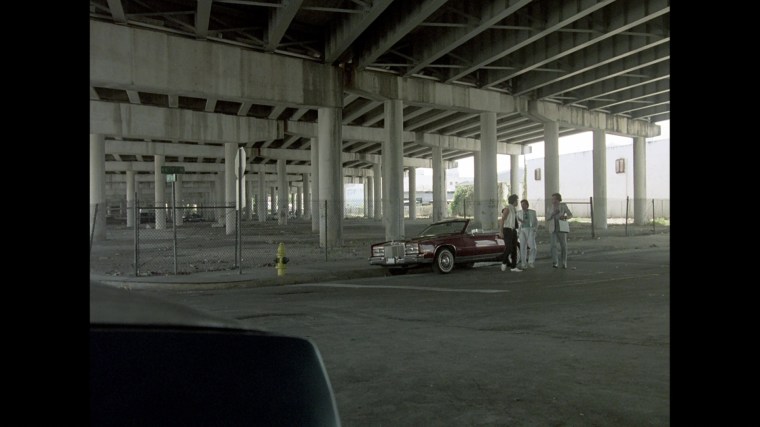
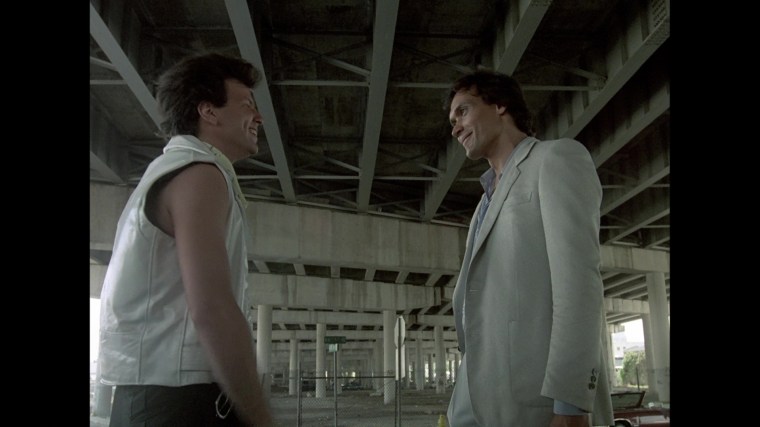
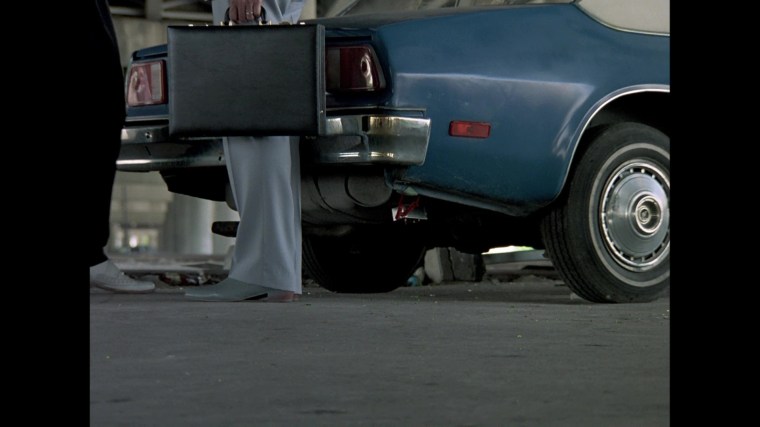
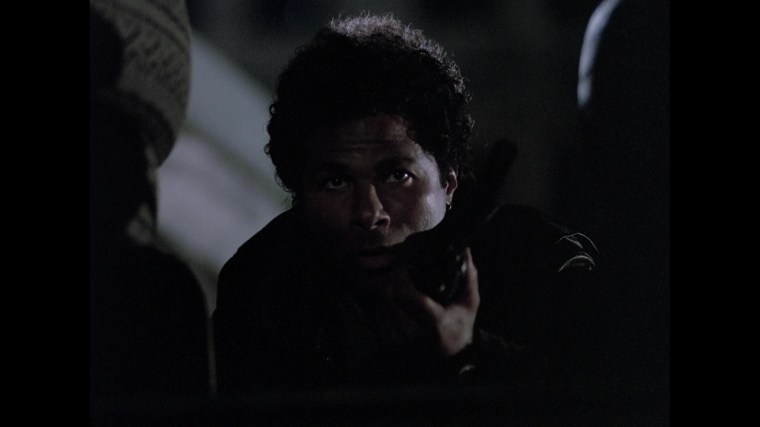
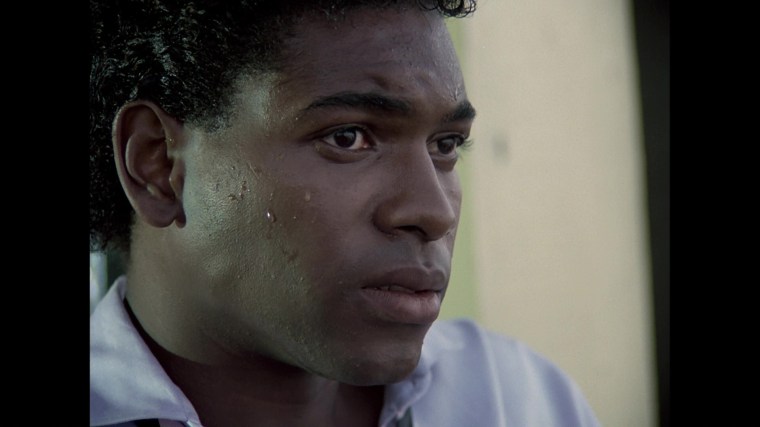
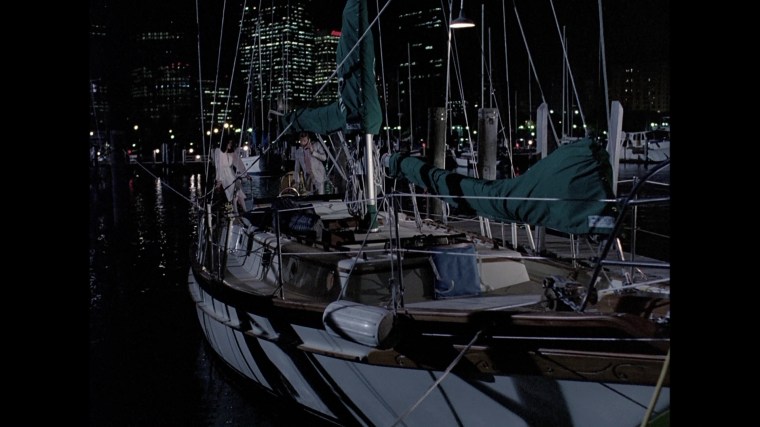
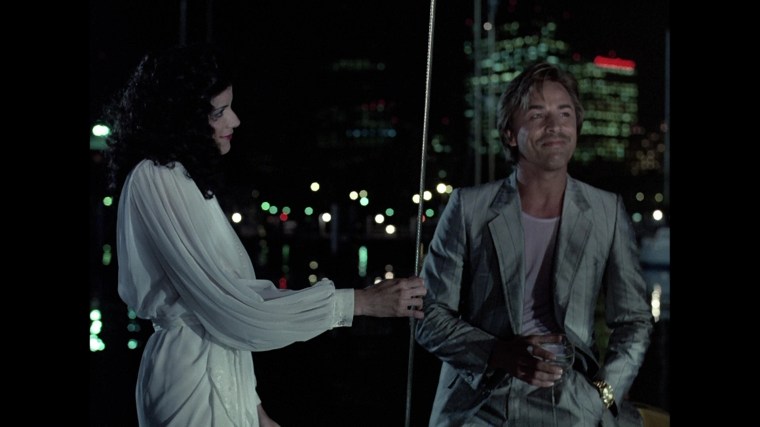
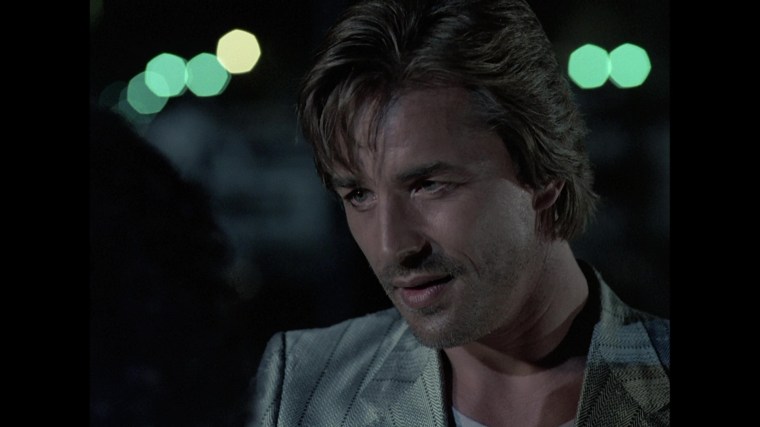
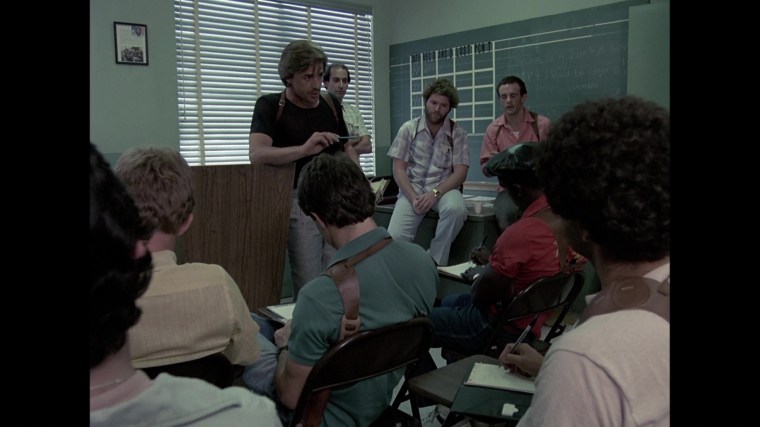
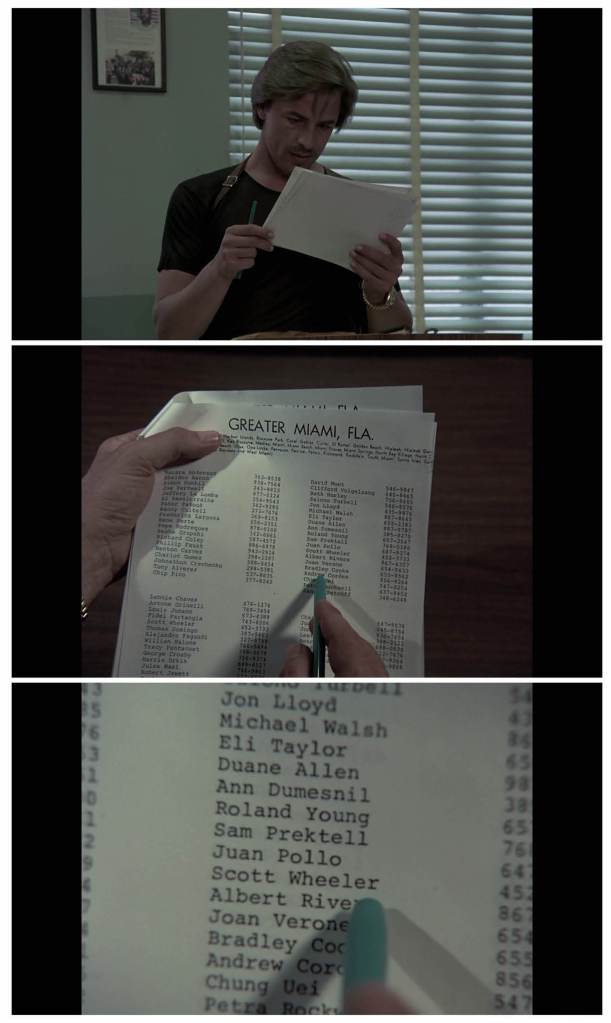
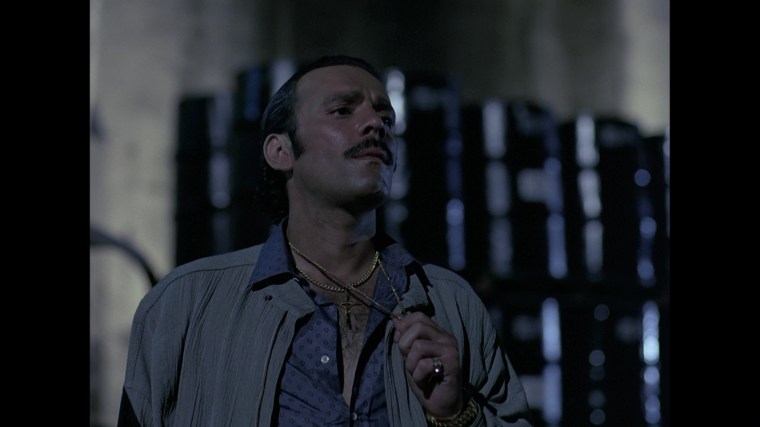
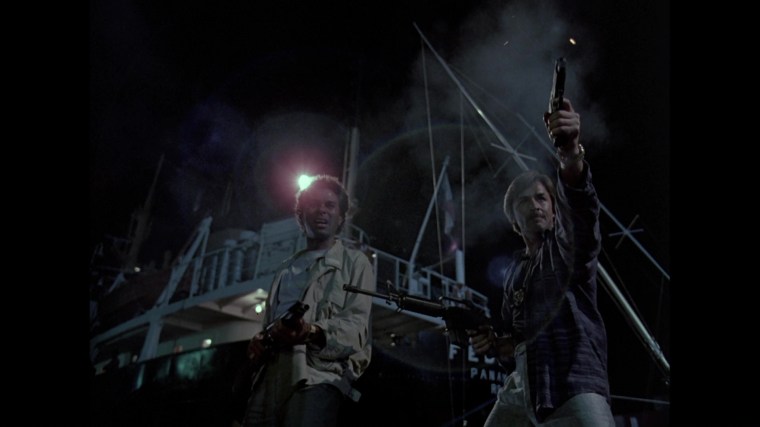
Frame Group #2
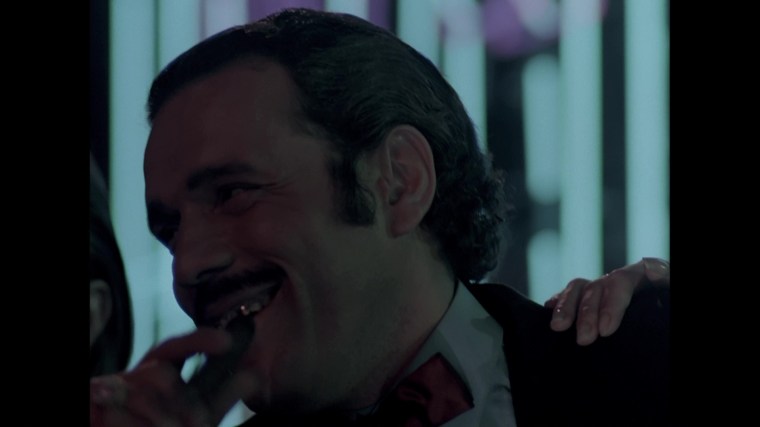
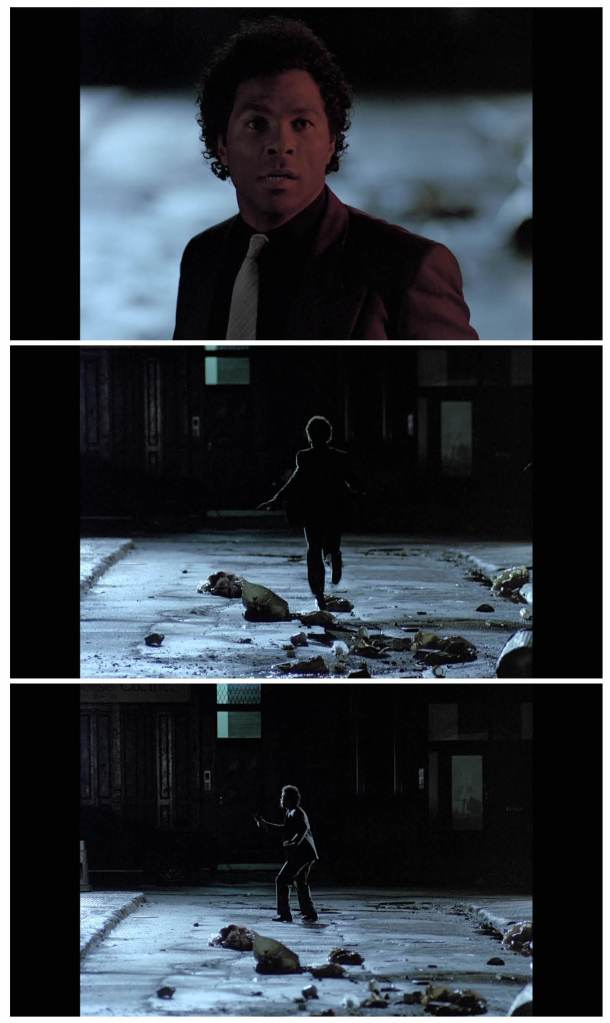
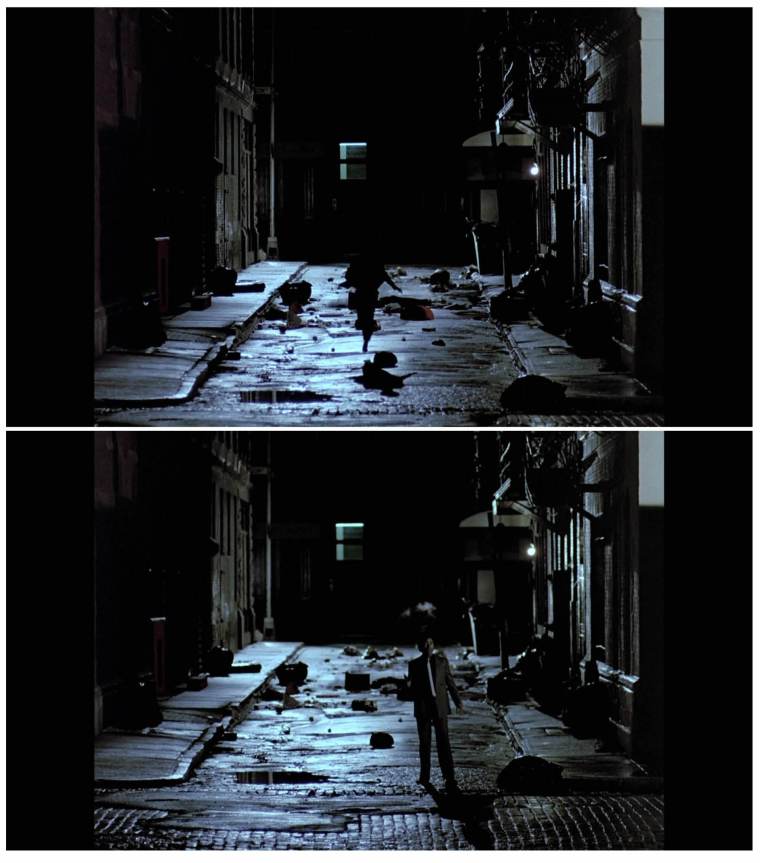
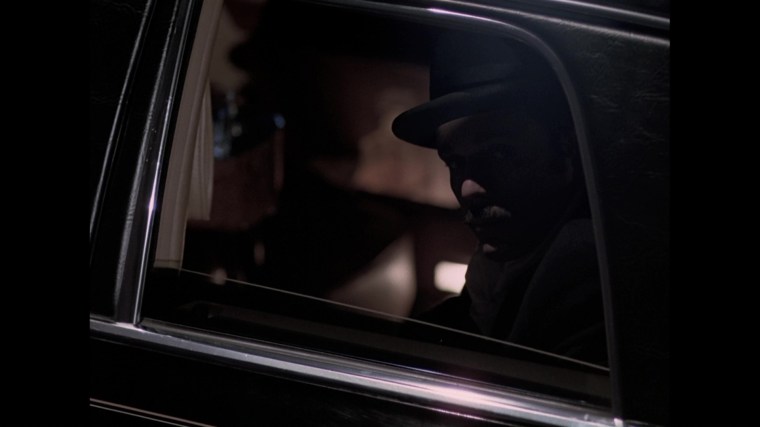
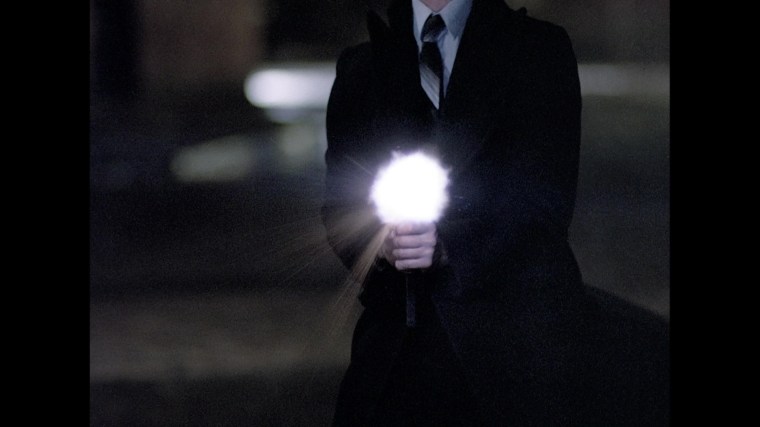
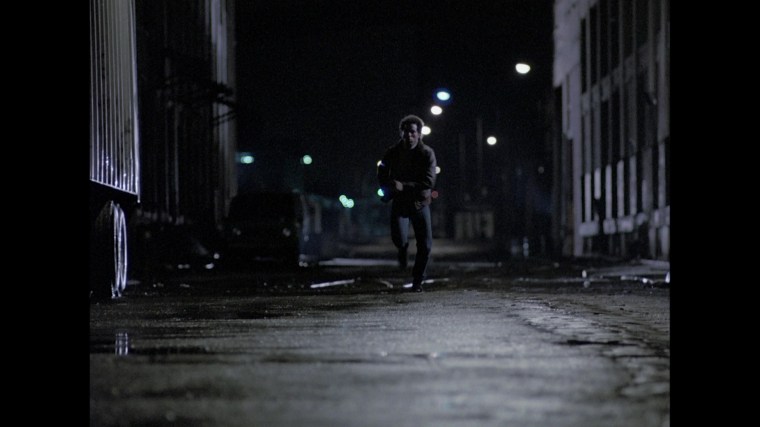
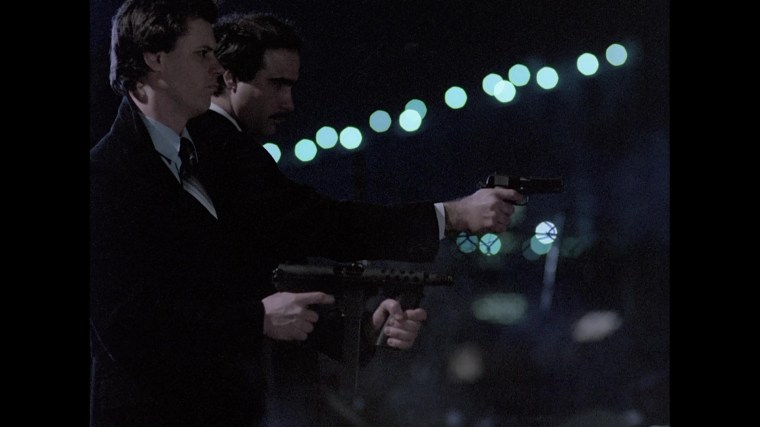
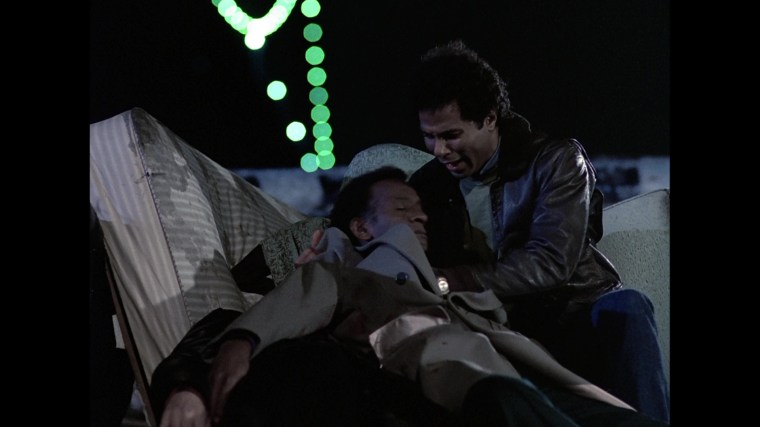
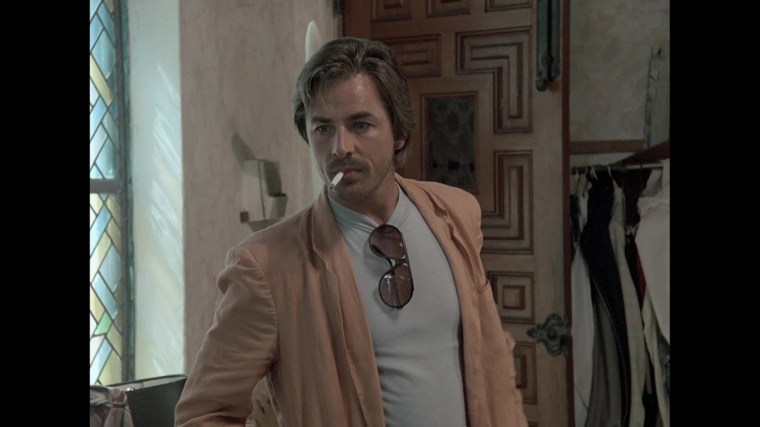
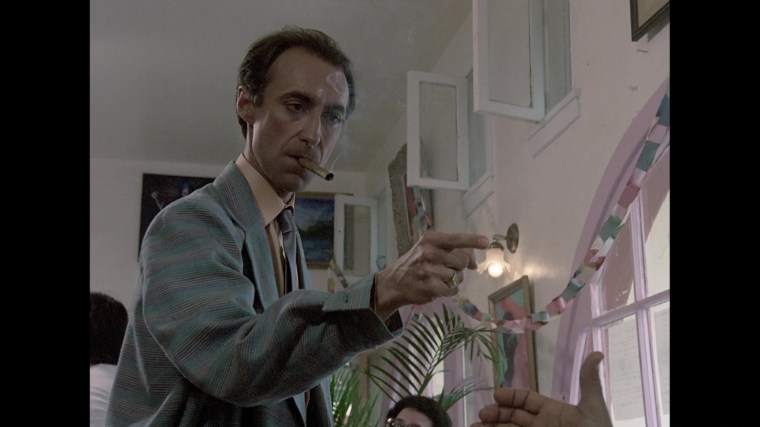
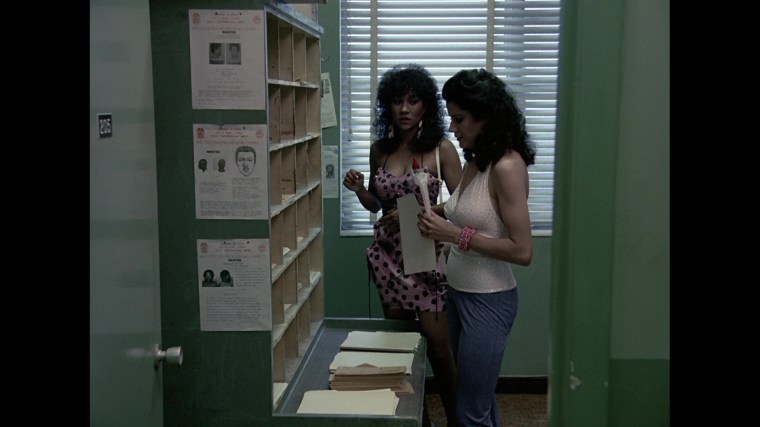
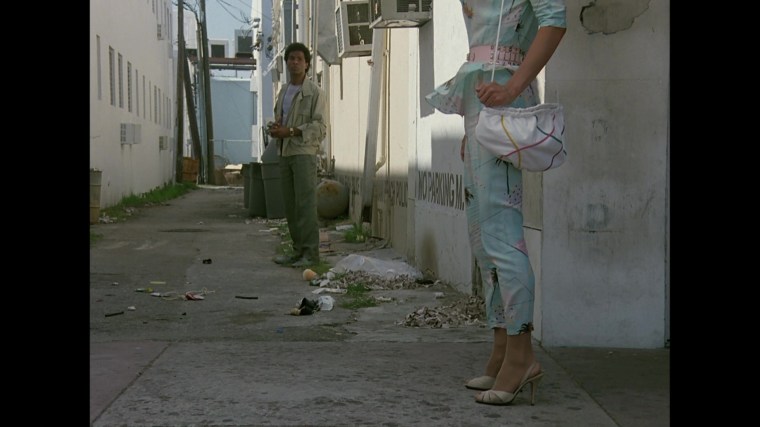
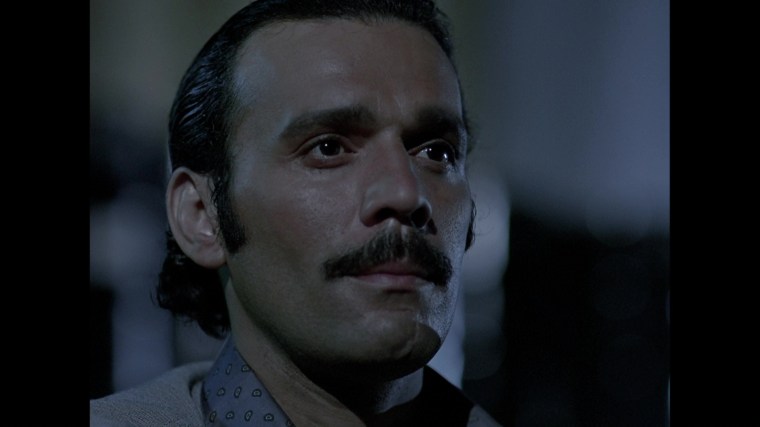
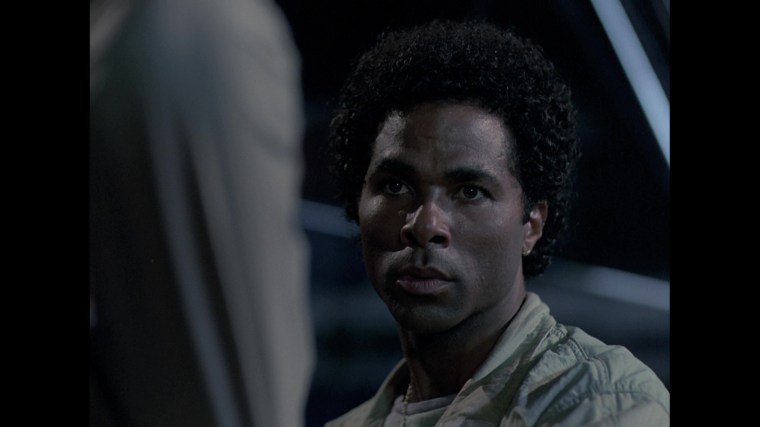
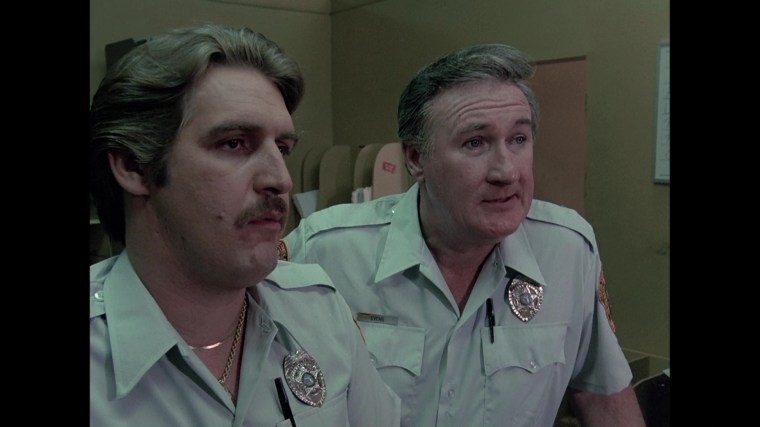
Frame Group #3
Scene Breakdowns
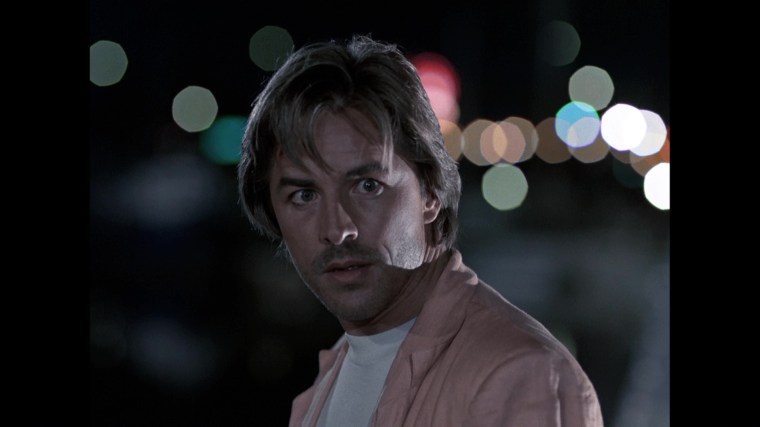
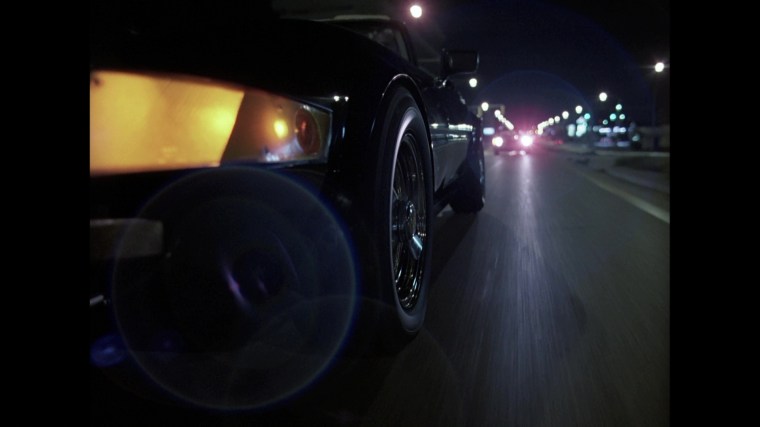
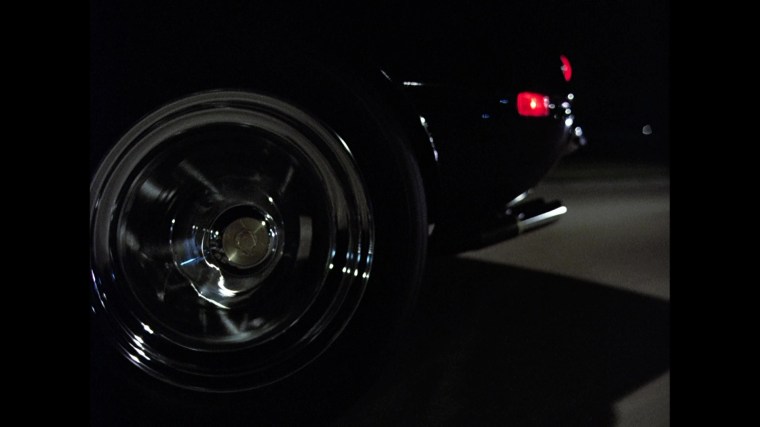
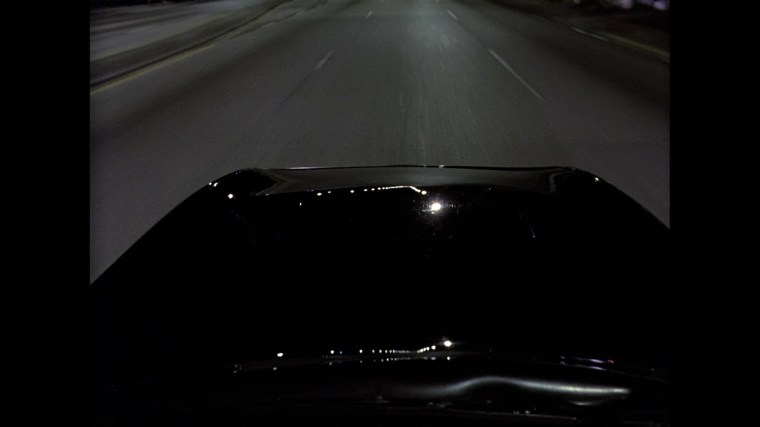
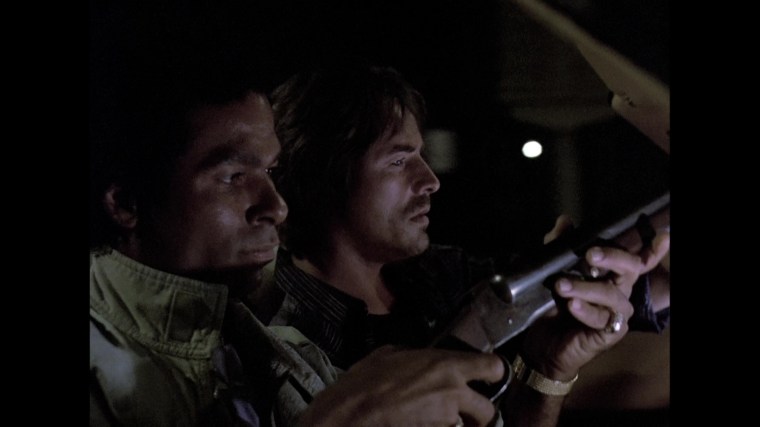
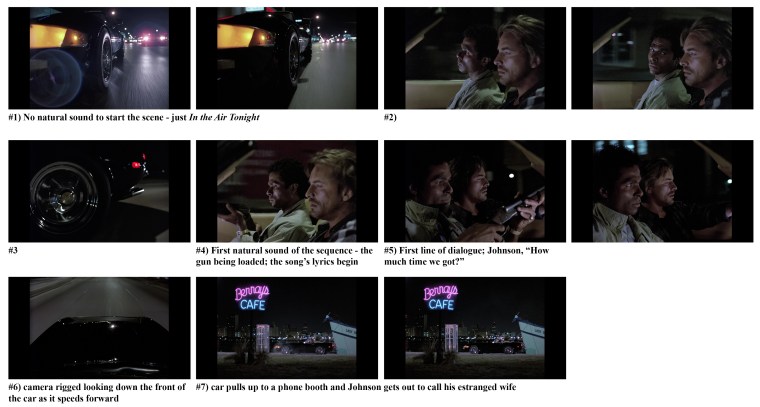
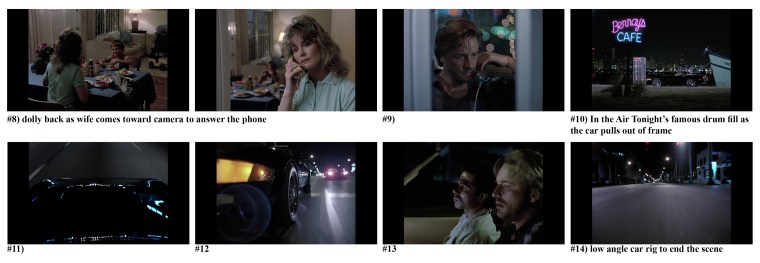
In the defining sequence of the pilot, Crockett and Tubbs speed toward their showdown with drug trafficker Esteban Calderone in Crockett’s black Ferrari, rhythmically edited to Phil Collins’ In the Air Tonight.
Director Thomas Carter on creating the scene…
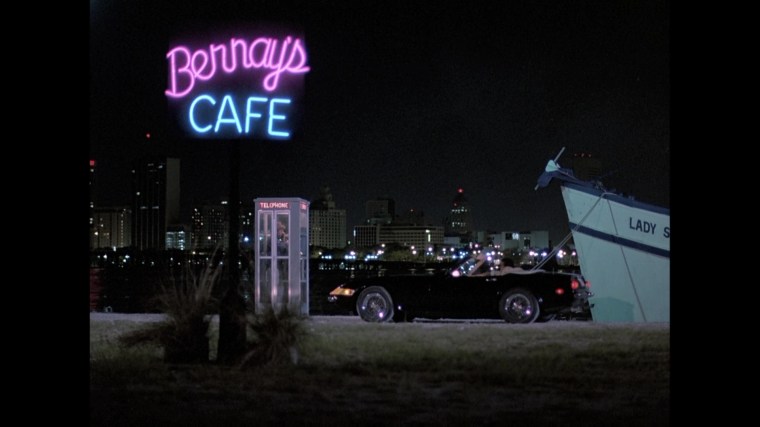
“(That sequence) wasn’t in the script. I thought there was a moment that I (needed) at a certain point in that story where Sonny Crockett had to hit rock bottom…He had to sort of touch reality again before he could move forward in the story. So, I really invented that whole sequence. I thought he should go to a phone booth and call his ex-wife and just ask her if what (they) had was real. If it was real and if she said yes, then he would have something that he could hold on to, because he had lost his best friend and partner, who had proven to have betrayed him and to betray the police force…I stole all those images that I used. We’d be shooting other scenes and I don’t even think it was on the call sheet. I would just do car mounts on the car from where we were shooting some other scene and say, ‘Go get me this on this street’ because the lights were right on that street and we could get the reflections that we want…I remember building the phone booth just on a lot – it was just an empty lot – with the phone booth almost in limbo with the water beyond it. And we hung a sign – the costume designer was Lynette Bernay and we made a sign that said Bernay’s Café – and we just hung it in limbo right above the frame…I called the editor and said, “Here’s a song I want” because I had heard that (Phil Collins) song and I had been haunted by it and it just worked incredibly well. And I think that’s what that show did best, which is tell a story with music and images with as little dialogue as possible so that you were really seduced into it…It somehow caught you in a way that other television wasn’t doing.” (check out the full career-spanning interview with Carter from the Archive of American Television)
Here’s Rolling Stone writer Emily Benedek from her March 1985 feature on the show…
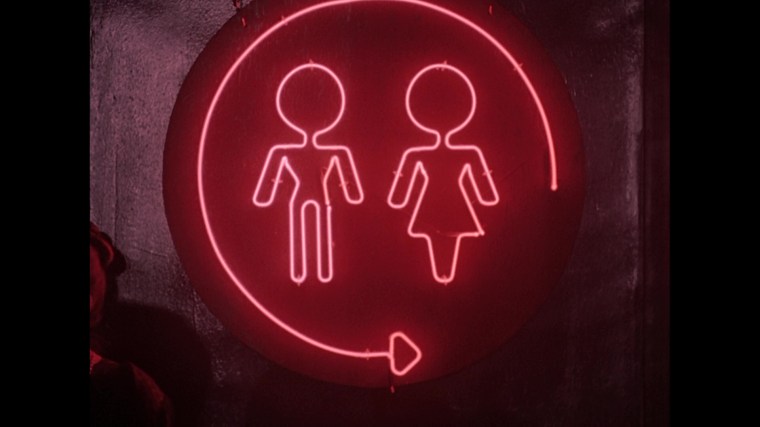
Johnson and Thomas have a quirky individualism more often seen in movie stars than in television actors, and their show looks more like a motion picture than TV. The design scheme is a juxtaposition of flashy high tech (cars, guns, chrome interiors) with the pastel colors and art deco lines of the restored South Beach area of Miami. In one scene from the pilot episode, following a long shot of Crockett and Tubbs in the Ferrari, the car rolls to a stop under an arching pink and blue neon sign that reads Bernay’s Cafe. Beneath the sign is a lone, lit telephone booth. Everything else is blacked out. Sonny gets out of the car and steps to the phone. Edward Hopper in Miami.
The full scene…
Phil Collins on the inspiration for In the Air Tonight…
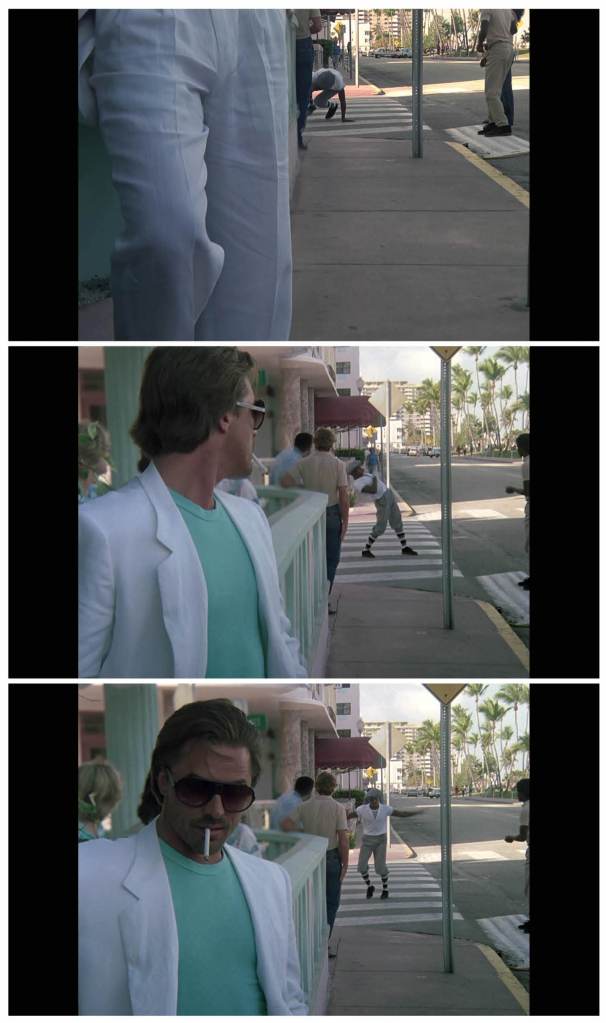
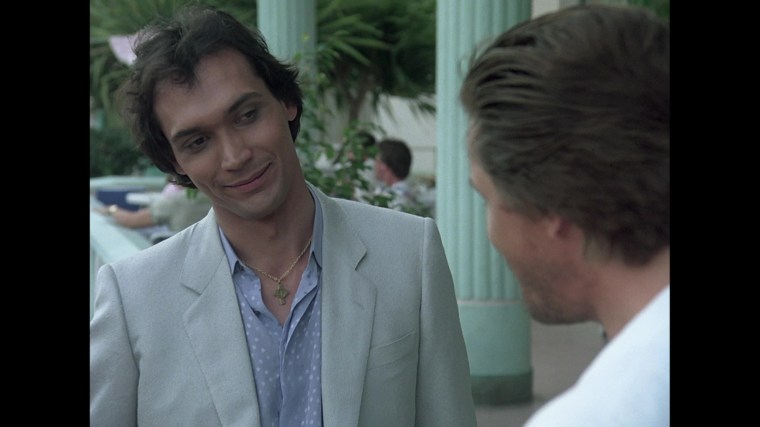
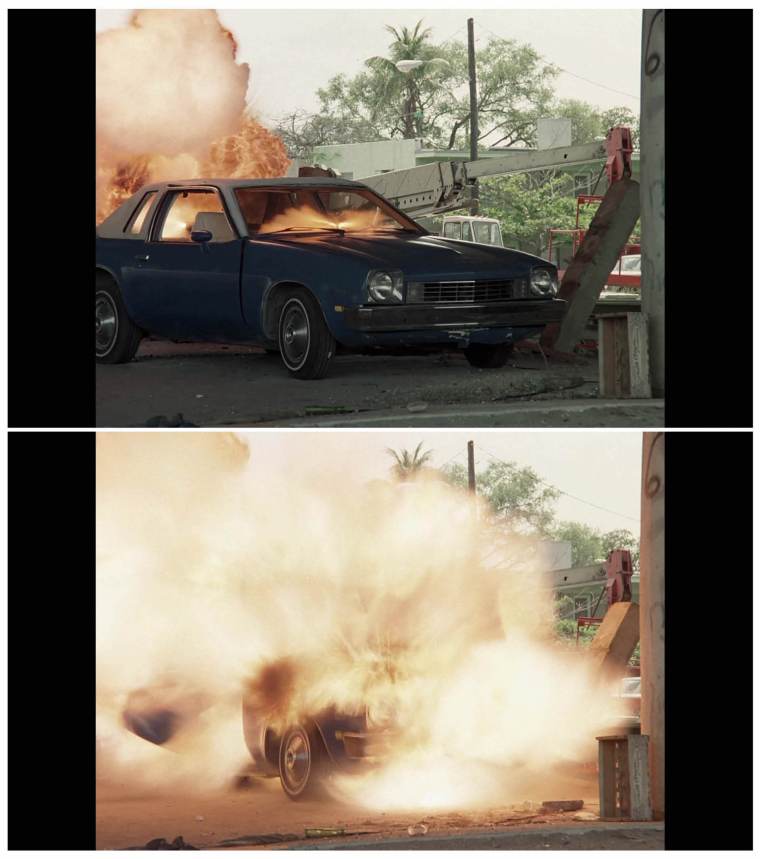
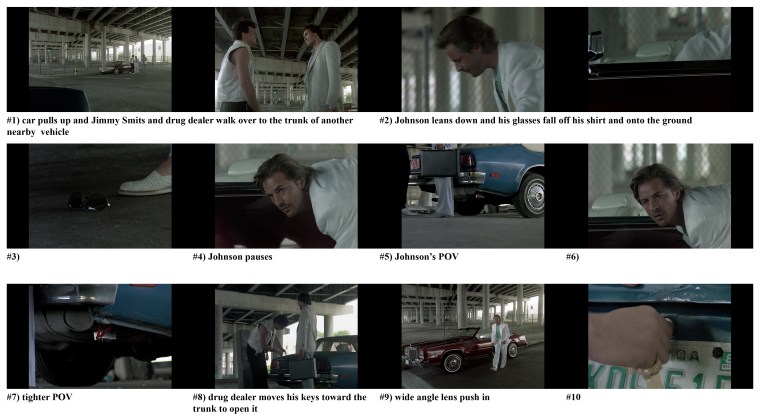
Jimmy Smits made his television debut as Don Johnson’s short-lived partner. Here’s a shot-by-shot breakdown of Smits getting taken out by a car bomb in the pilot’s opening minutes.
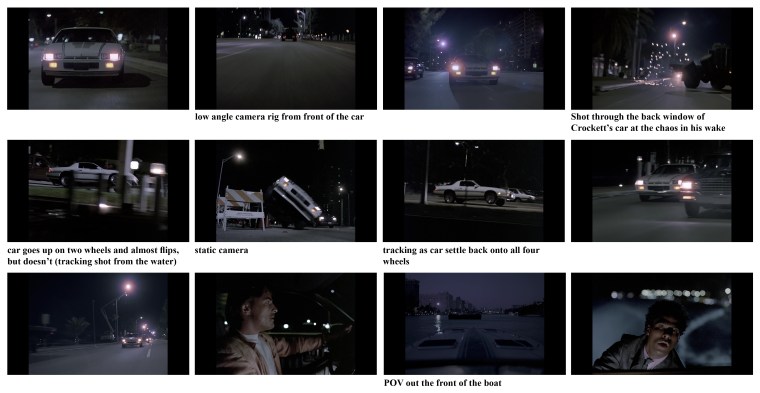
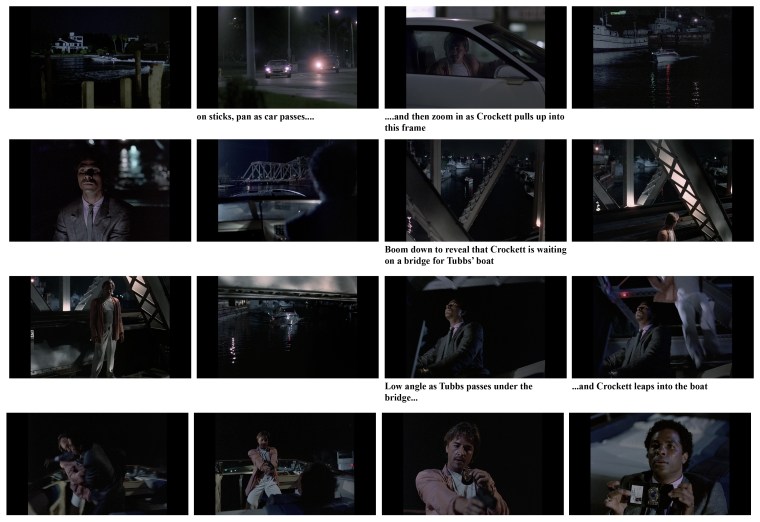
A selection of shots from Crockett and Tubbs’ first meeting, which begins with a car vs. speedboat chase scene.
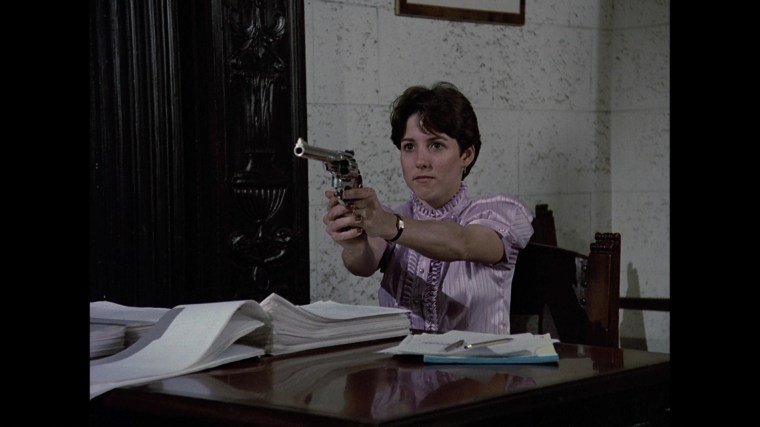
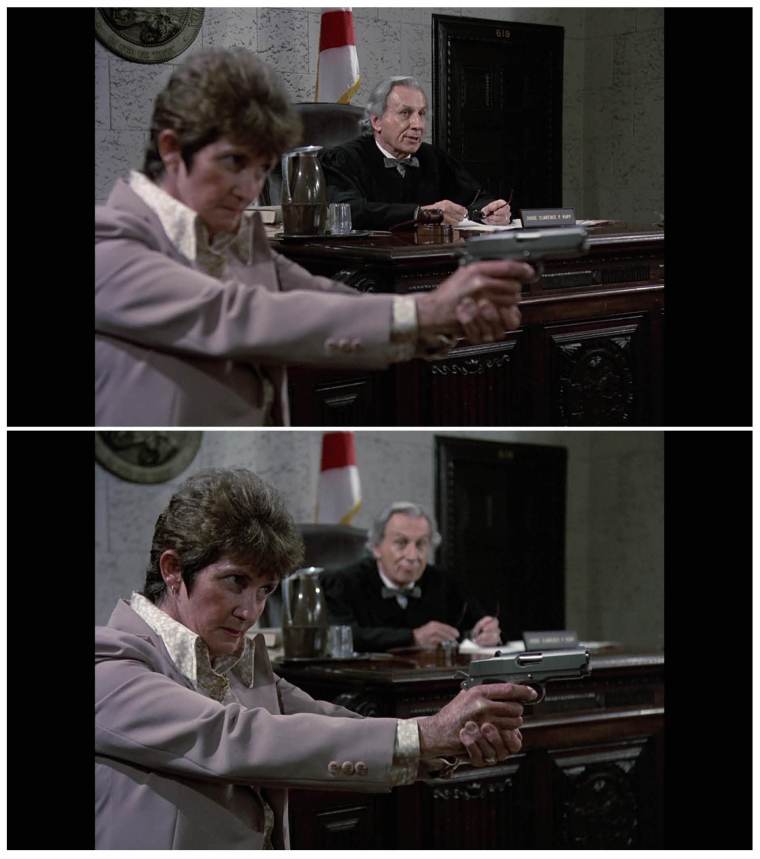
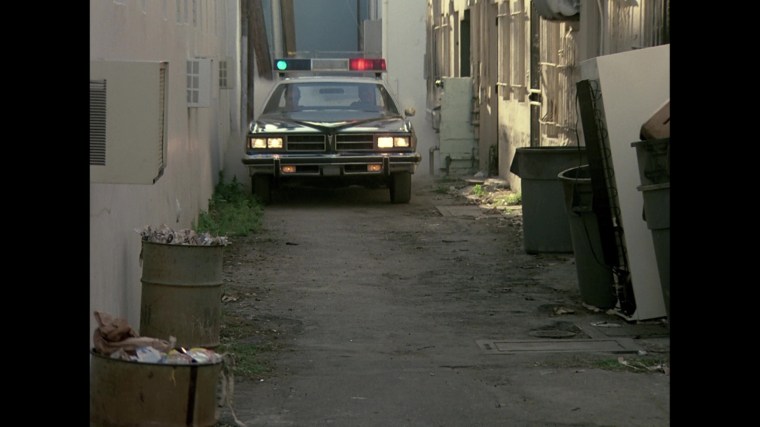
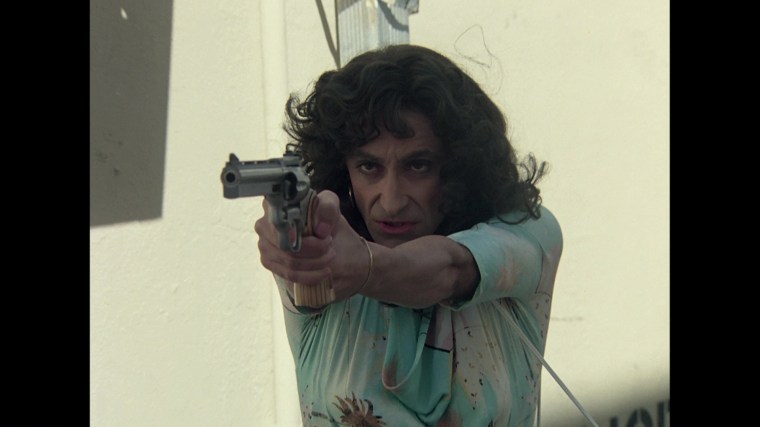
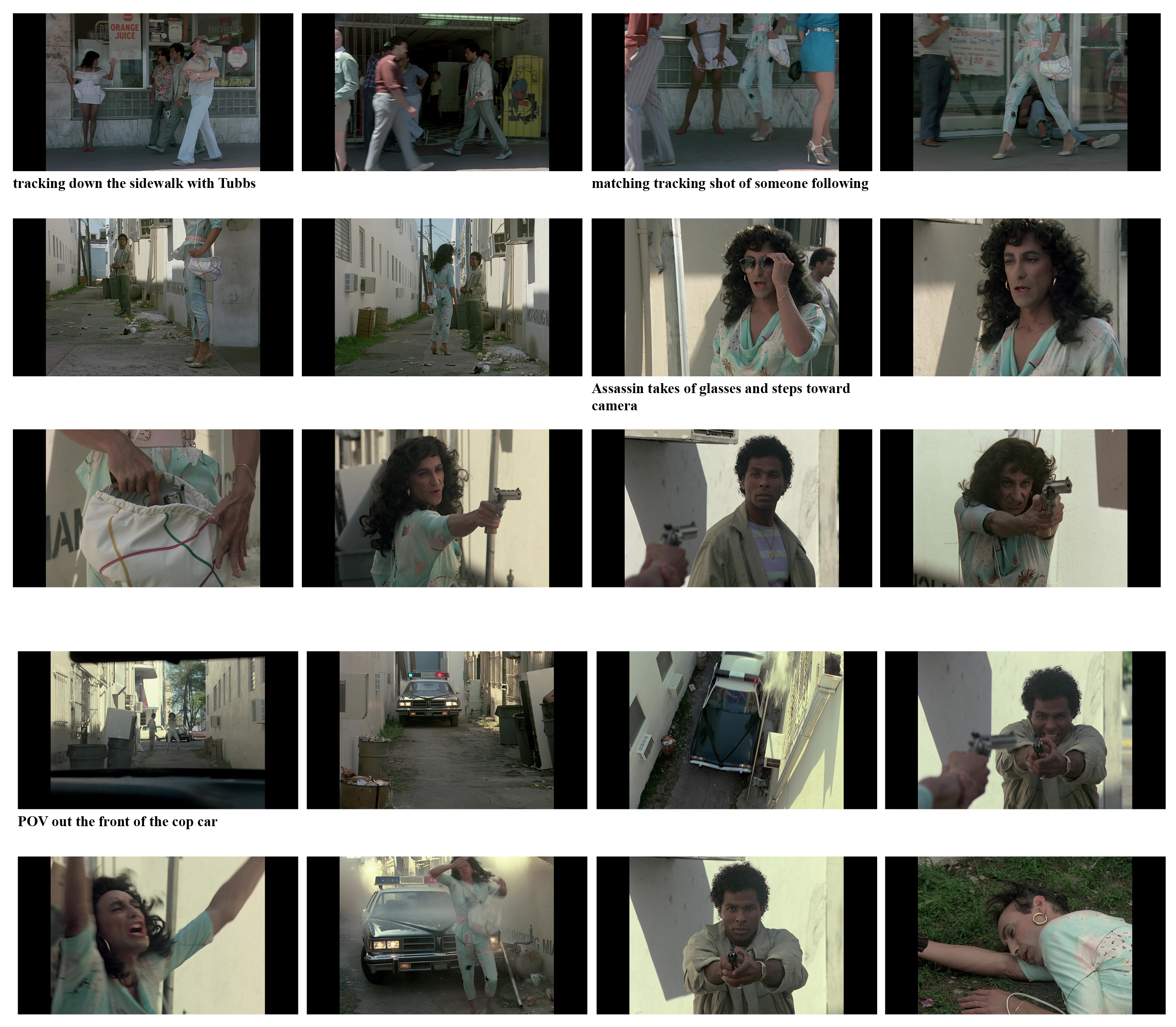
An amusing vestige of the days of 20-plus episode scripted network television seasons is the re-use of the same actors in the same show but in different roles. Below is partial coverage of a hit attempt in the pilot by an assassin in drag (played by Martin Ferrero) attempting to take out Tubbs. Seven episodes later, Ferrero (Jurassic Park, Get Shorty) was back in a new role as a weaselly police informant in what became a recurring part.
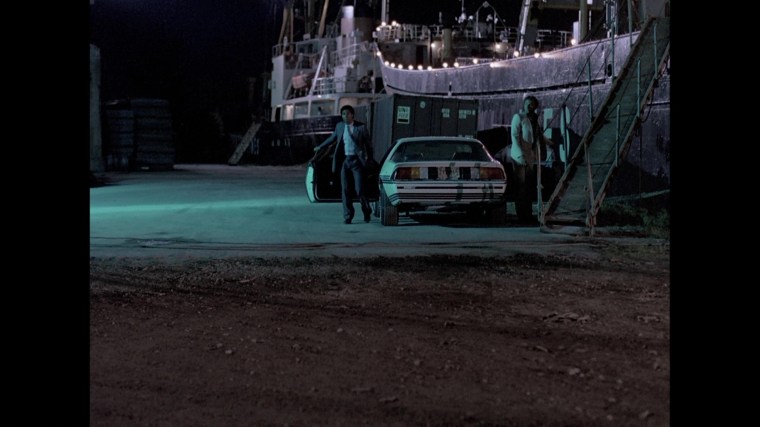
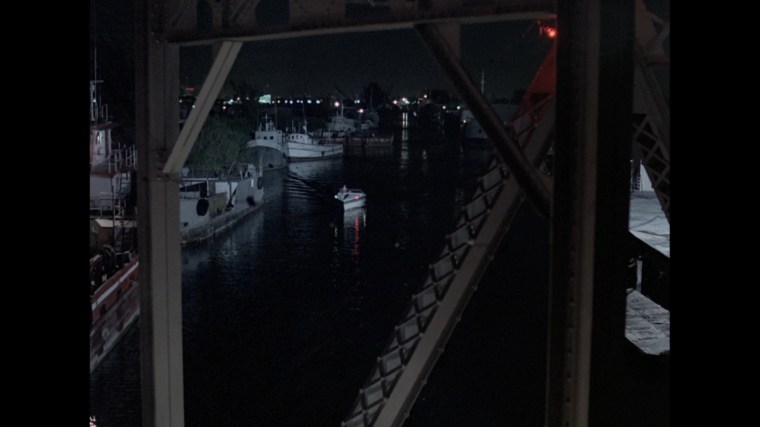
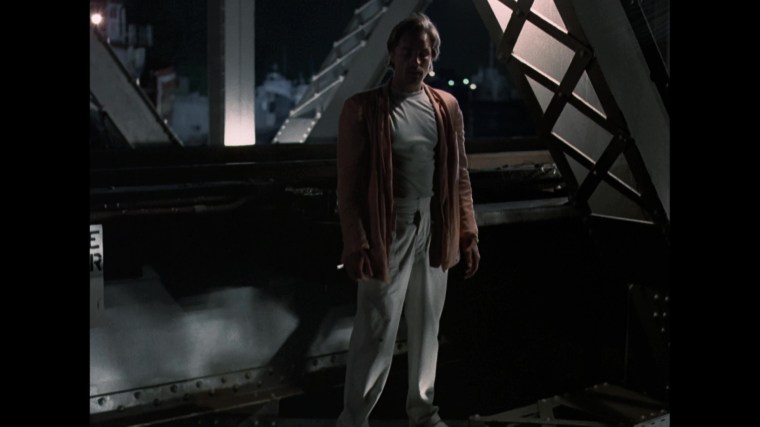
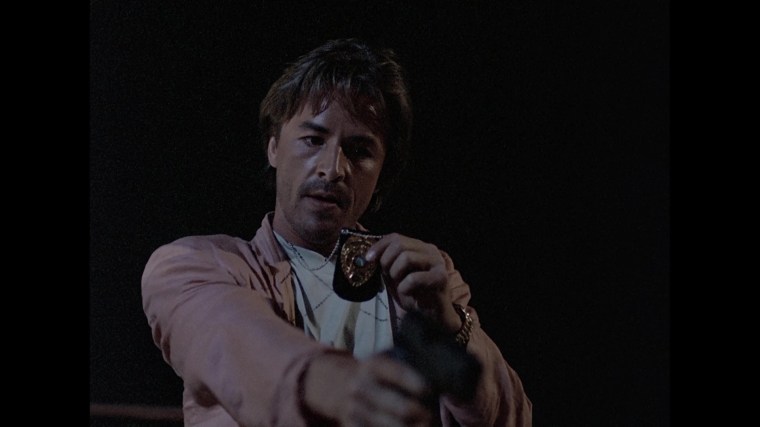
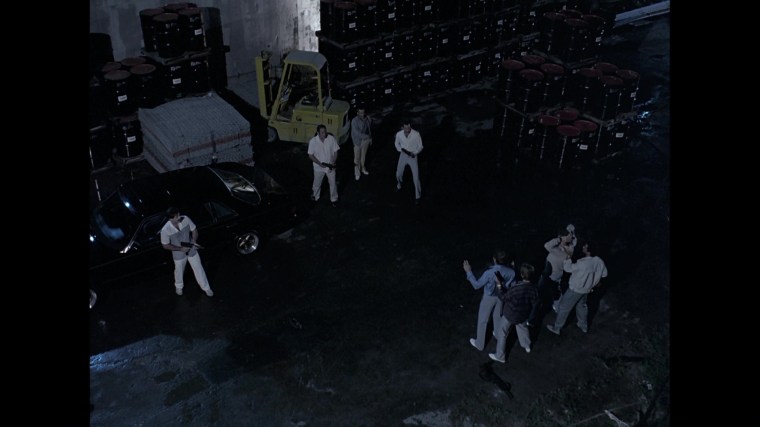
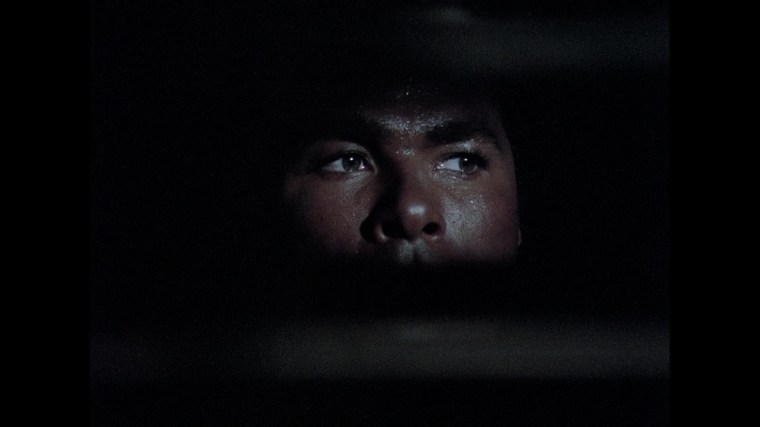
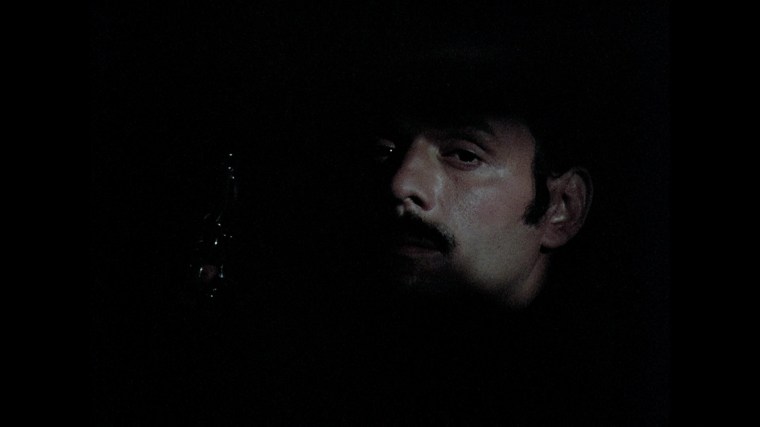
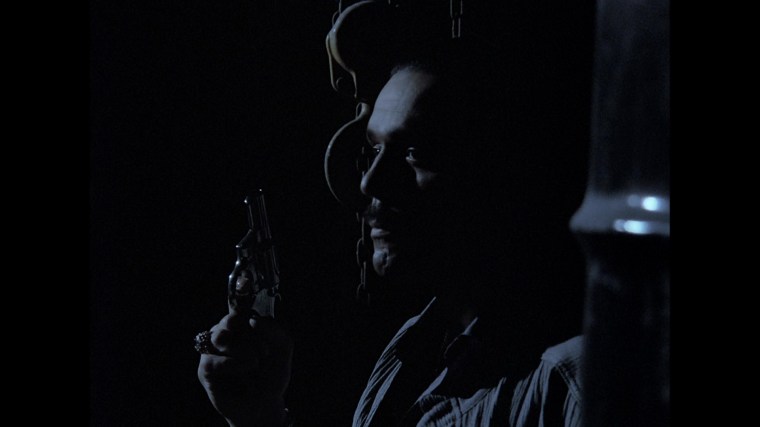
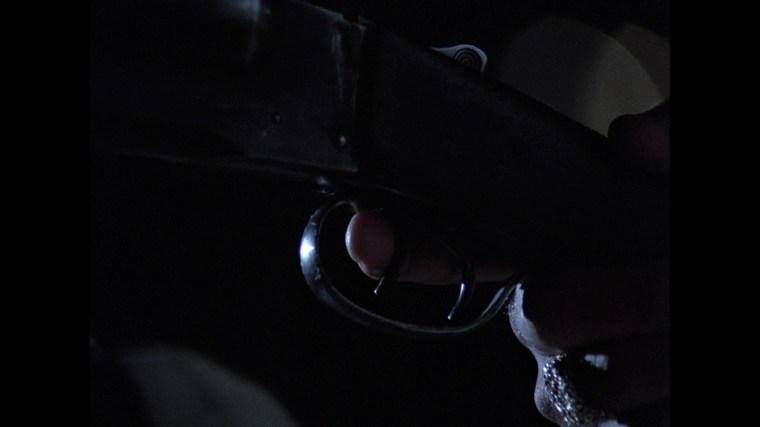
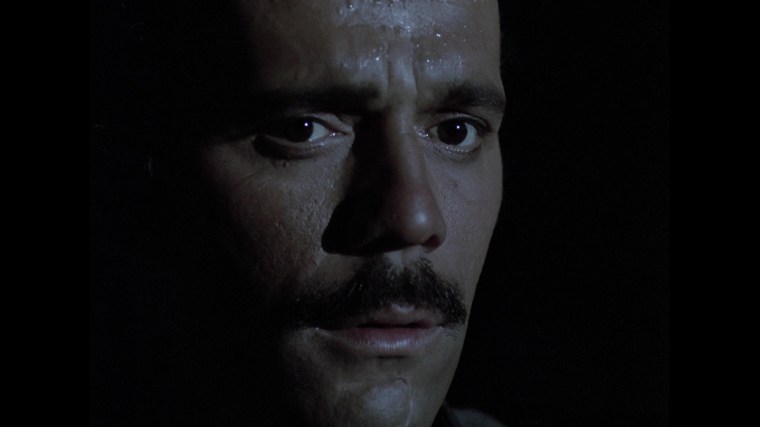
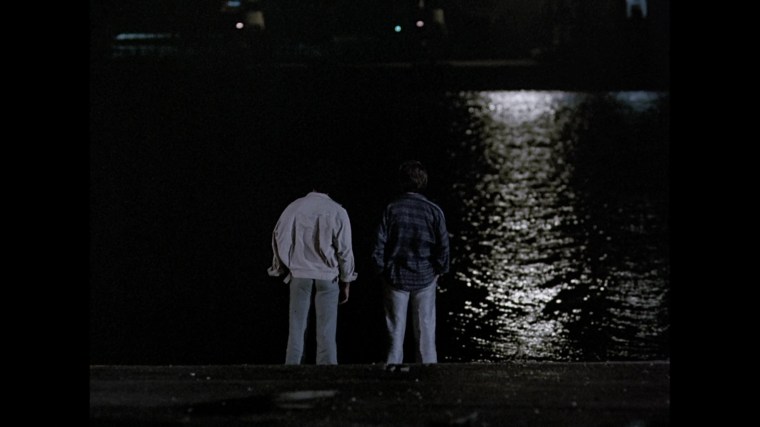
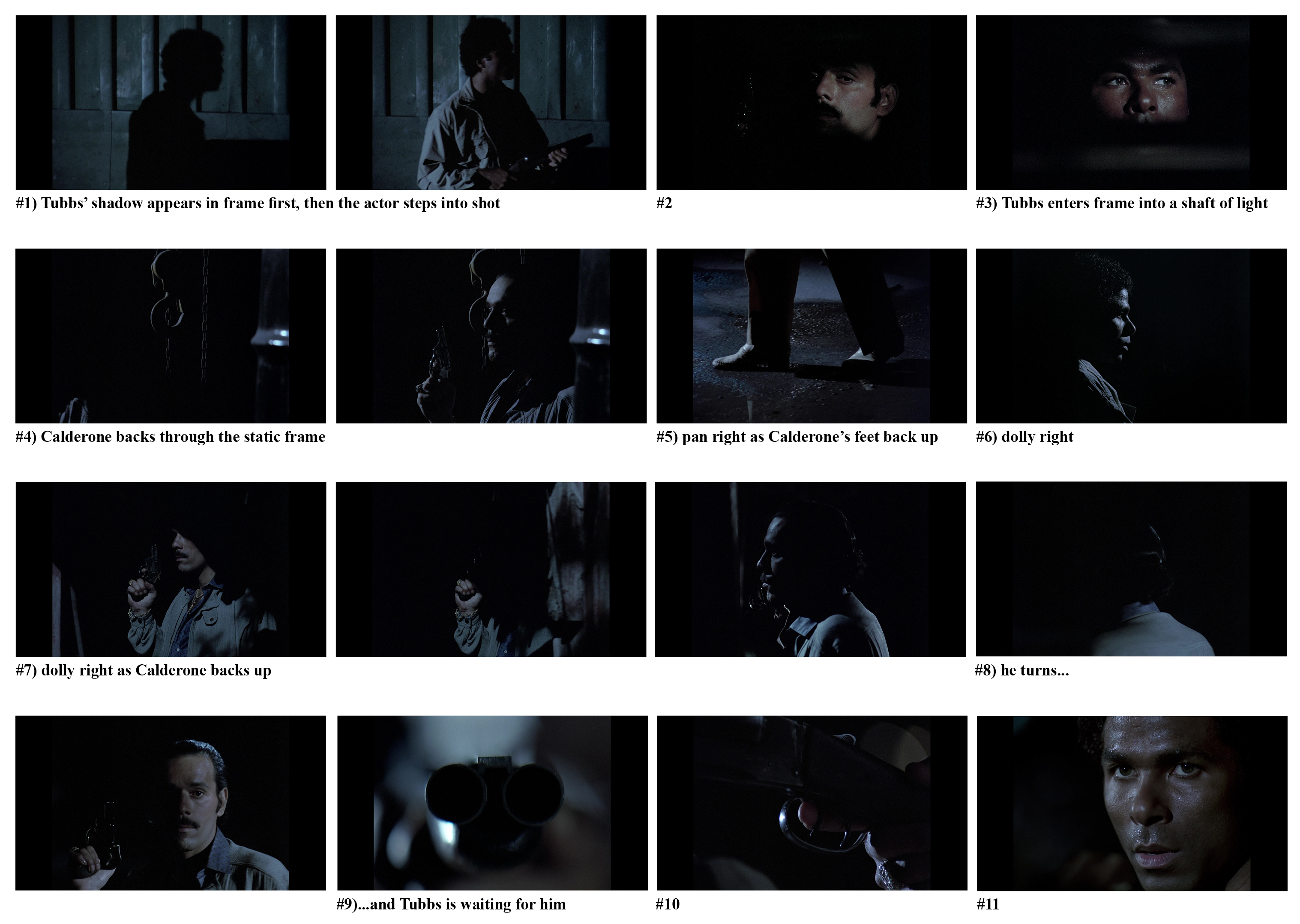
Moody, low-key lighting in this scene toward the episode’s finale where Tubbs pursues Calderone through a shadowy building on the docks.
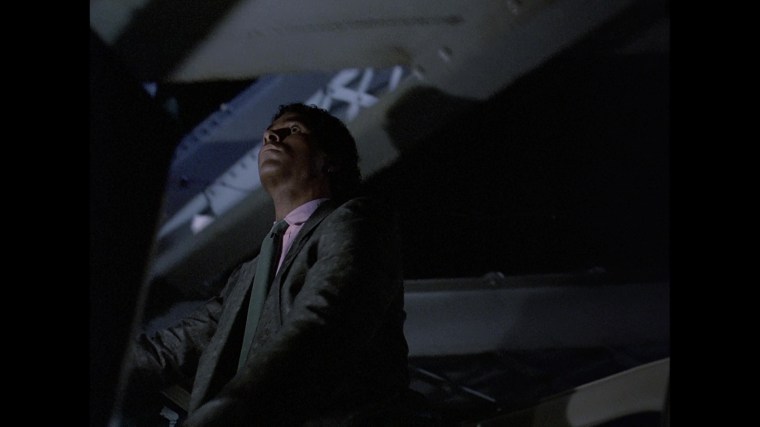
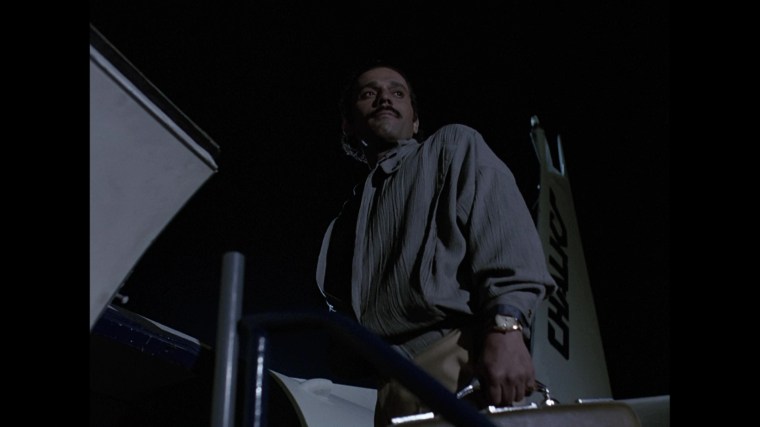
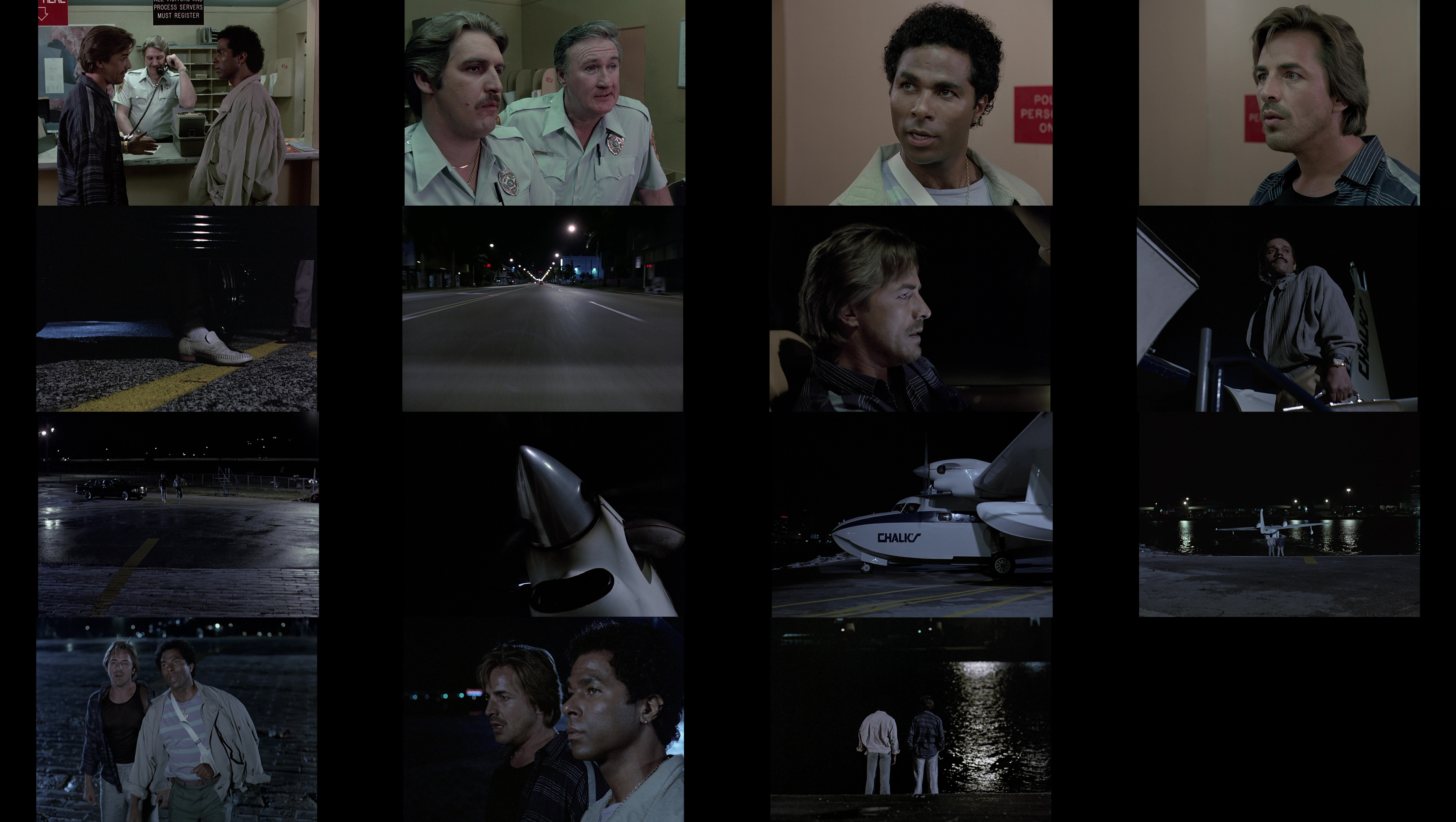
The pilot ends on a bleak note as Calderone makes bail and hops a plane as Crockett and Tubbs race to the airport in vain to stop him.







































 deep fried movies