
Frame By Frame
Frame By Frame – The Train Robbers (1973)
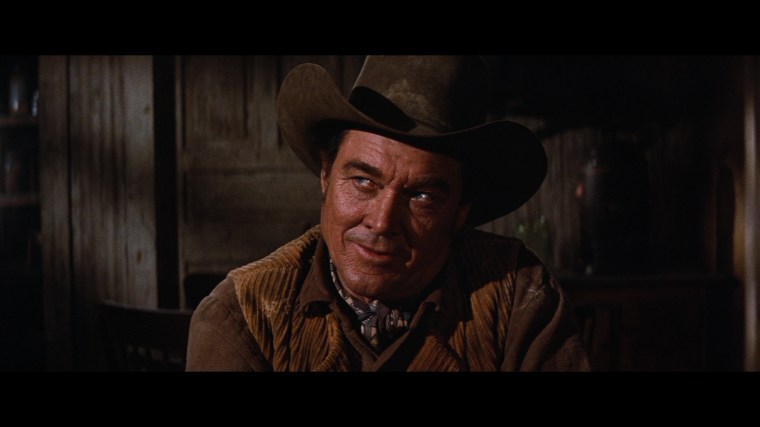
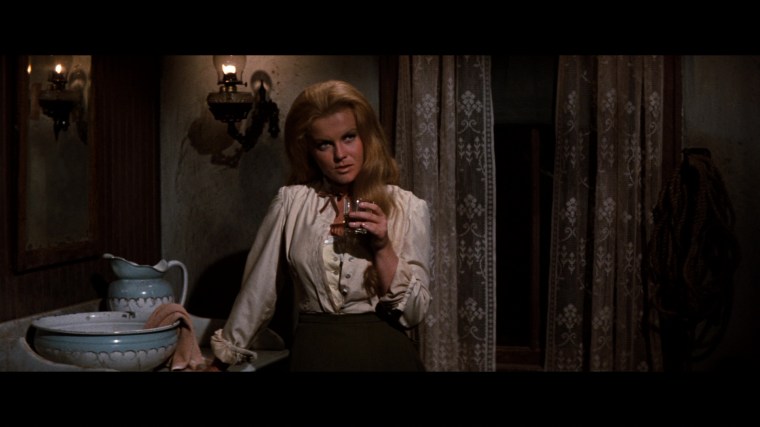
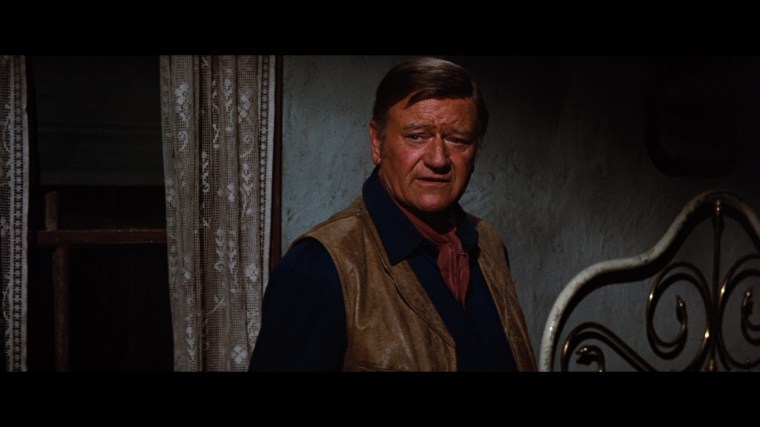
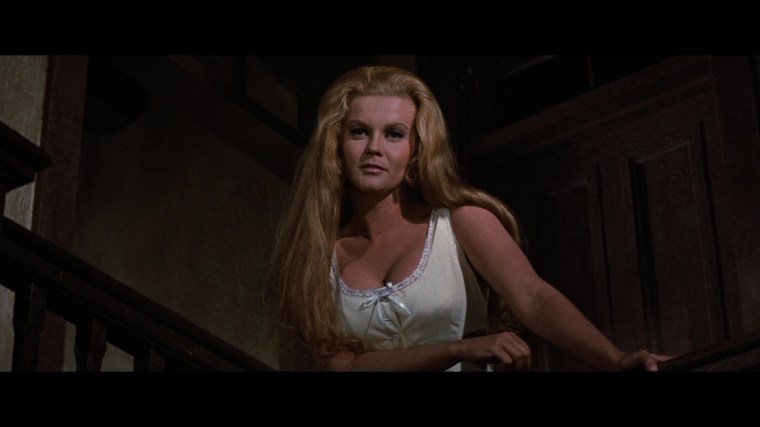
Year – 1973 Decade – 1970s Cinematographer – William H. Clothier Director – Burt Kennedy Distributor – Warner Bros. Genre – Western Aspect Ratio – 2.39 Format – 35mm film […]
Year – 1973 Decade – 1970s Cinematographer – William H. Clothier Director – Burt Kennedy Distributor – Warner Bros. Genre – Western Aspect Ratio – 2.39 Format – 35mm film […]
Year – 1973
Decade – 1970s
Cinematographer – William H. Clothier
Director – Burt Kennedy
Distributor – Warner Bros.
Genre – Western
Aspect Ratio – 2.39
Format – 35mm film with anamorphic lenses
Filming Locations – Durango, Mexico
The Film
“(In the 1970s) if you wanted to watch a western-western, it was usually directed by Andrew MacLaglen or his buddy Burt Kennedy and starred old farts like John Wayne, Kirk Douglas, Robert Mitchum, James Stewart, Henry Fonda, or Dean Martin. The youngest guys still doing straight westerns were James Garner and George Peppard. But if it was a true seventies pictures, and not a nostalgic throwback for an aging star’s aging audience, then it was an anti-western. Almost every genre film made for a while was an Anti-Genre Film. With the idea behind the film being to expose the absurdity and unsavory politics that have hidden underneath the genre since the beginning of Hollywood.” – Quentin Tarantino, Cinema Speculation
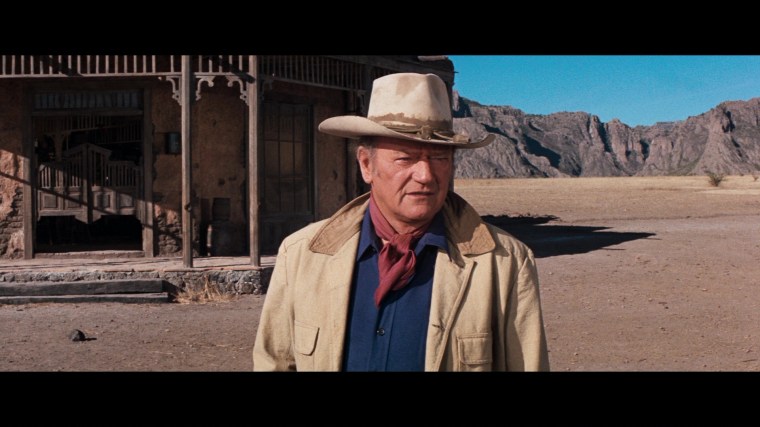
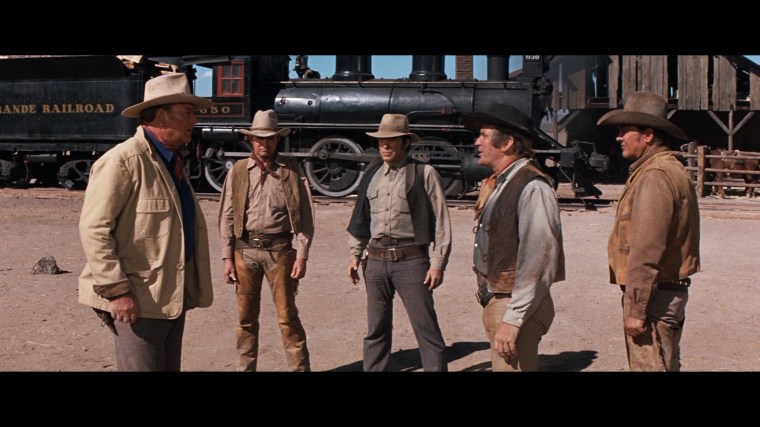
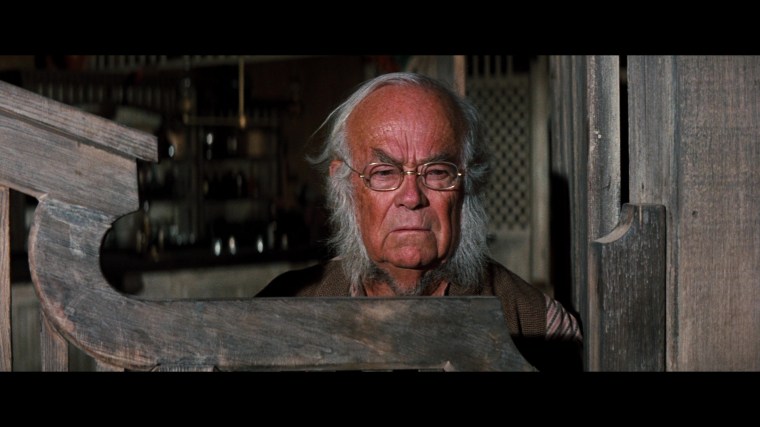
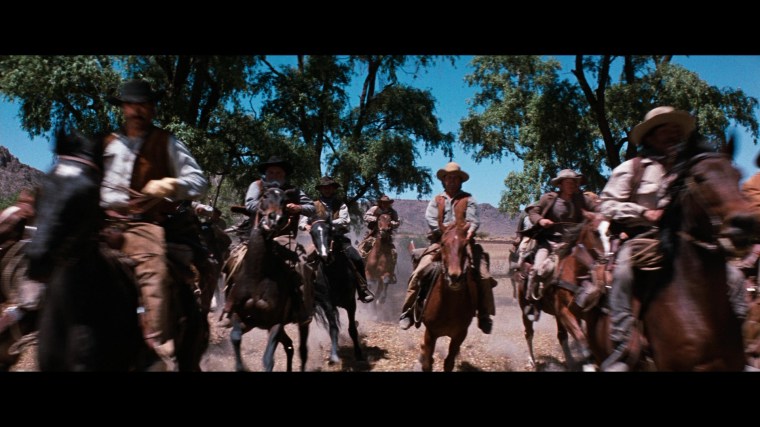
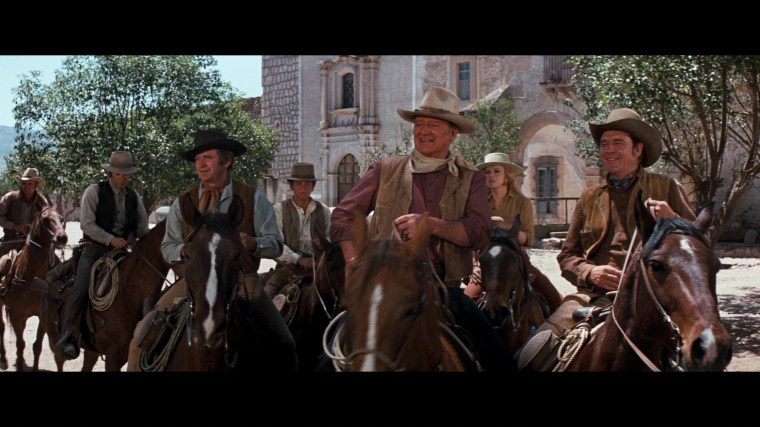
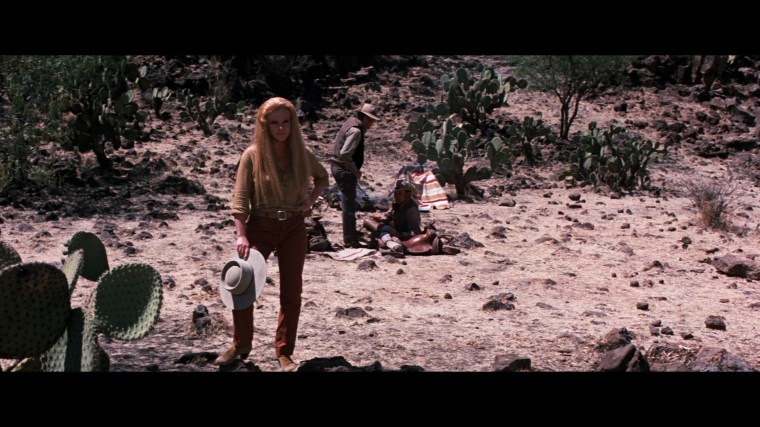
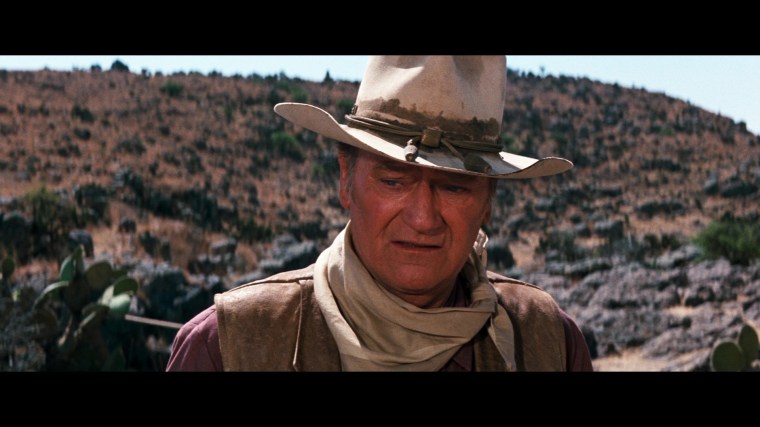
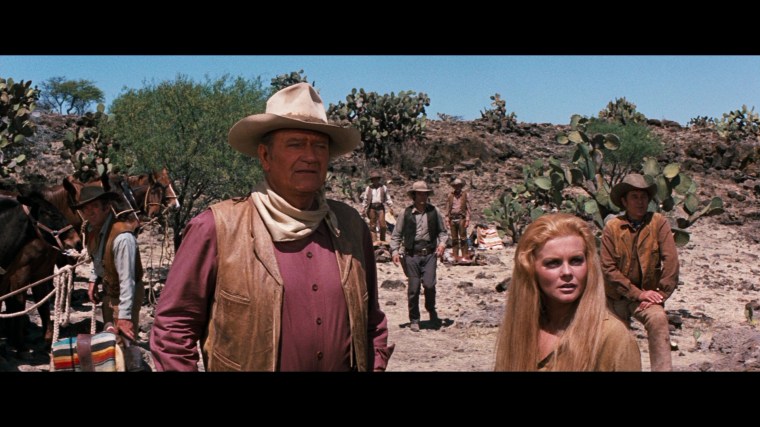
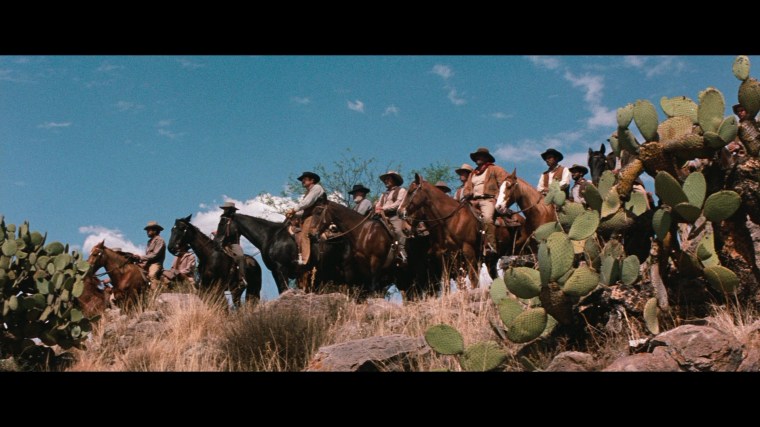
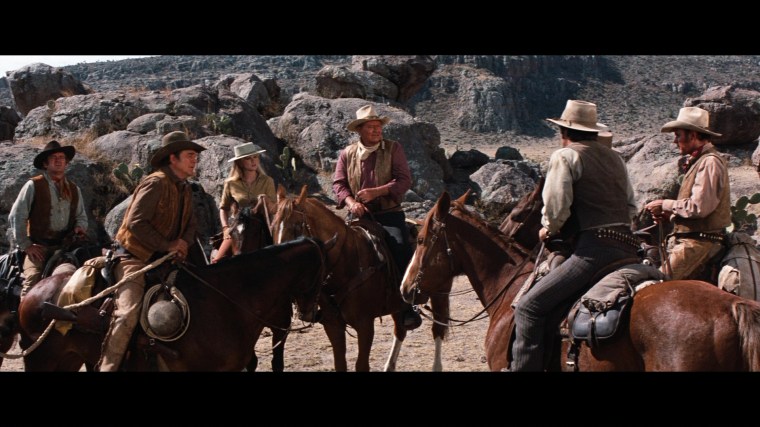
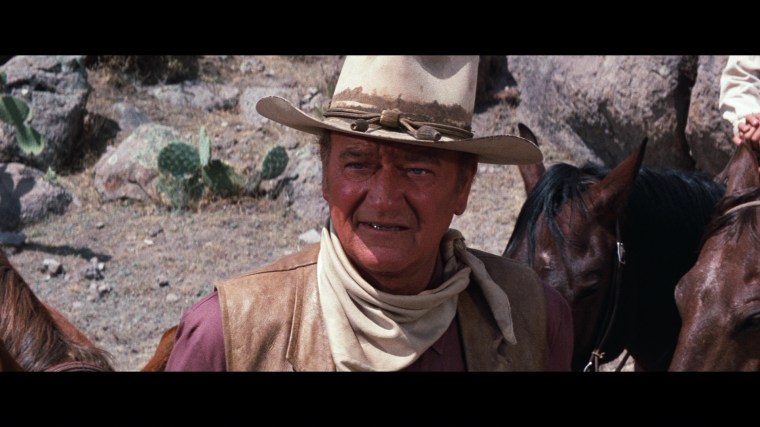
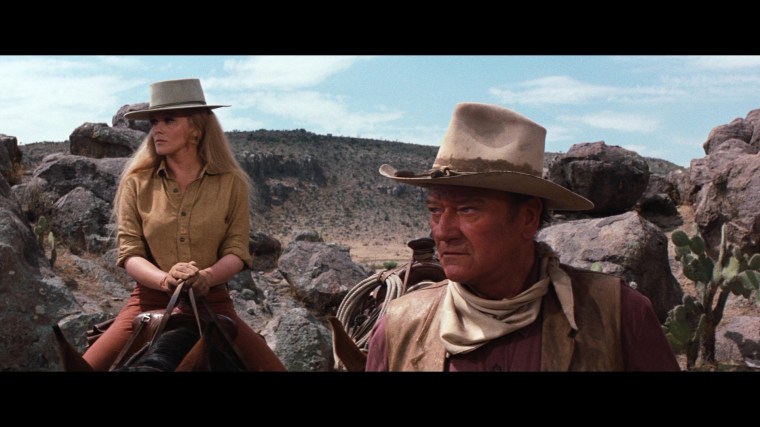
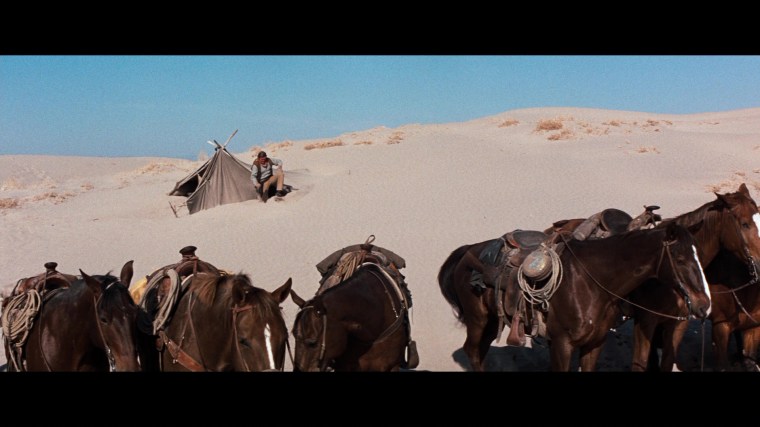
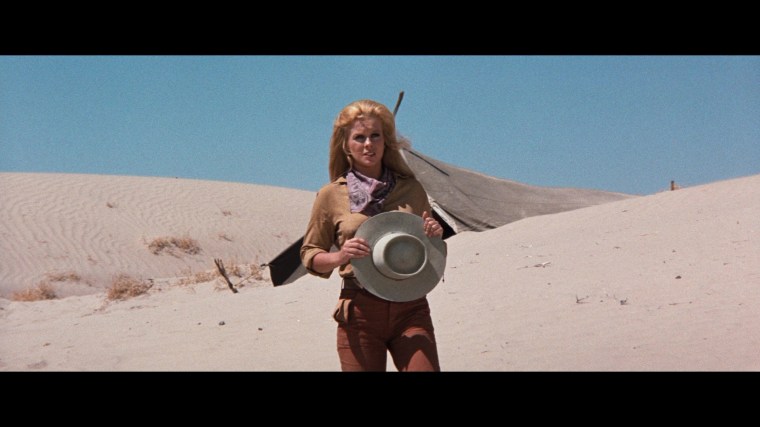
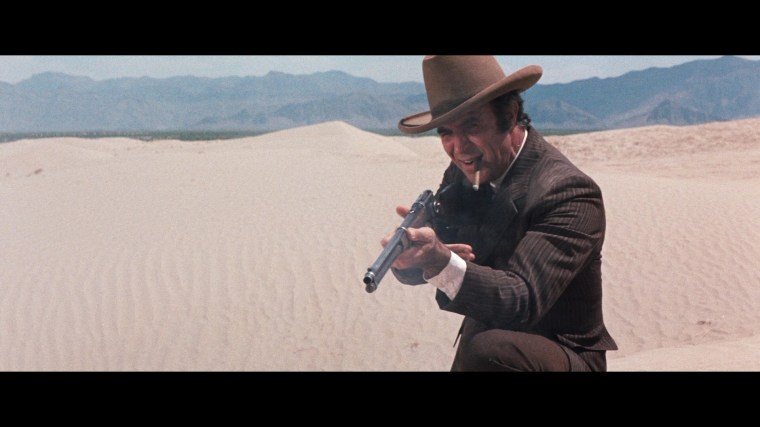
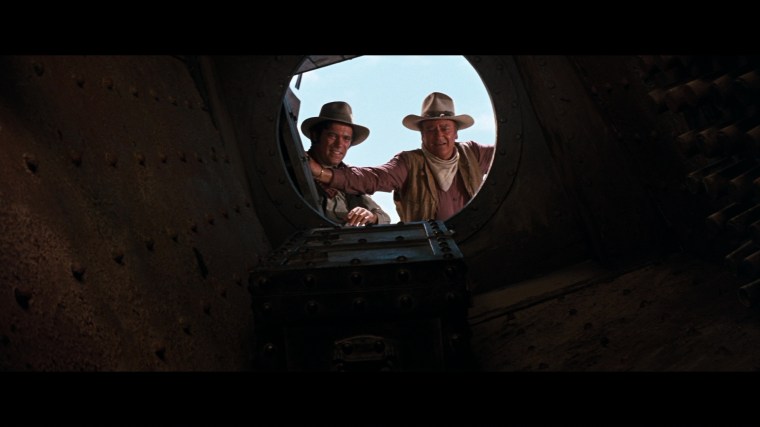
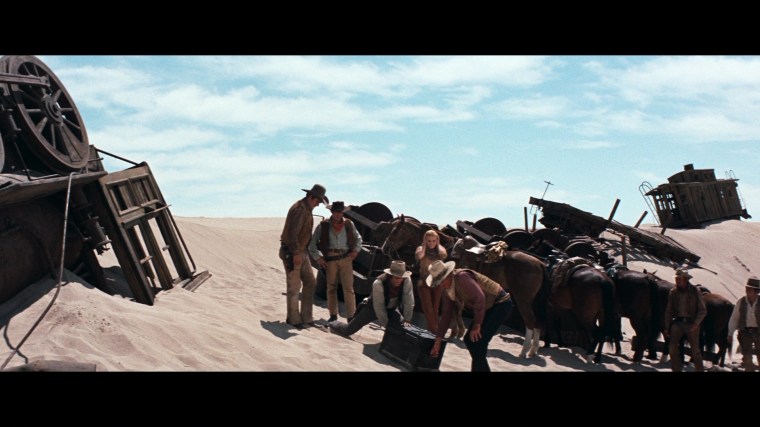
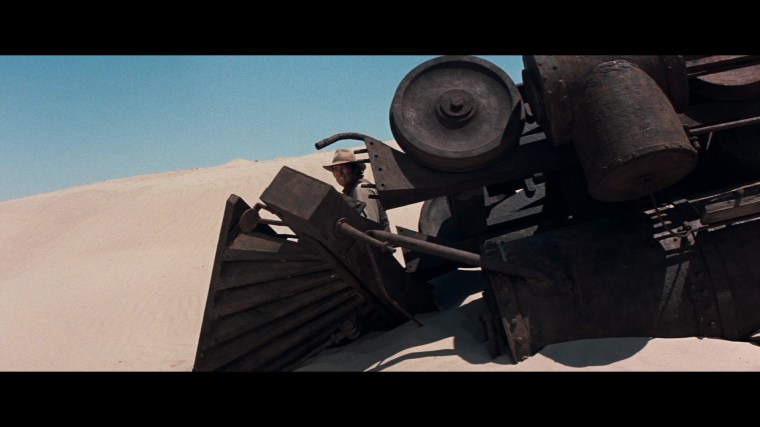
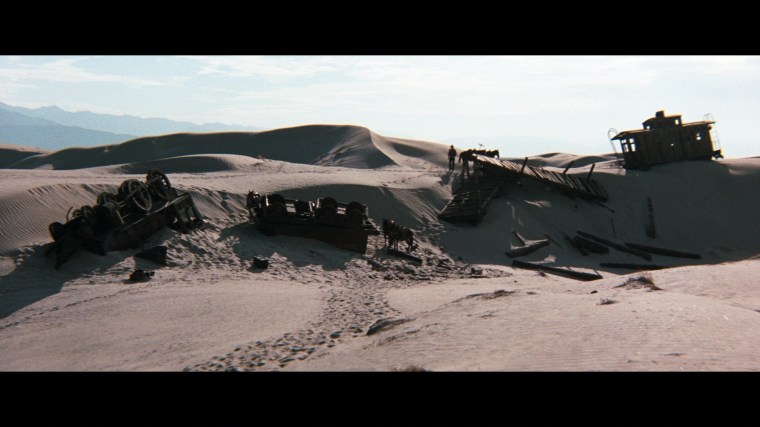
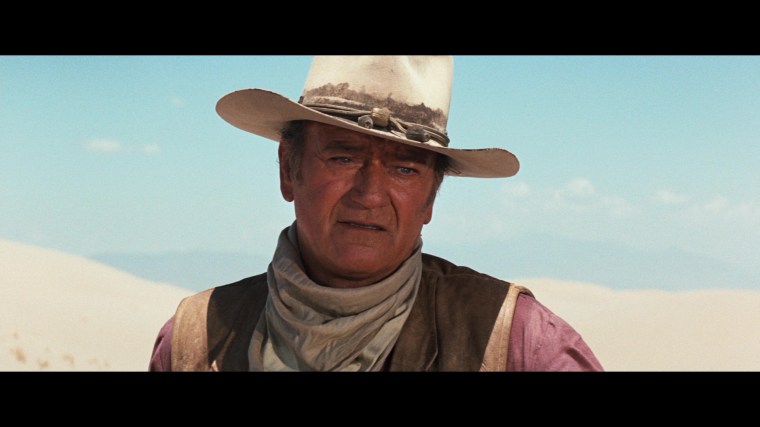
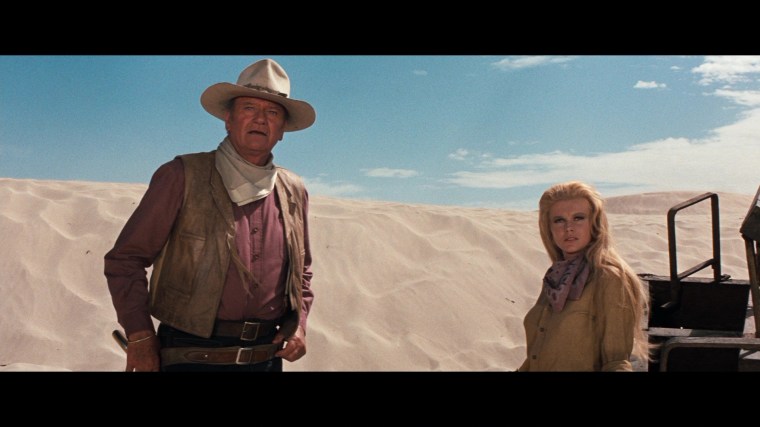
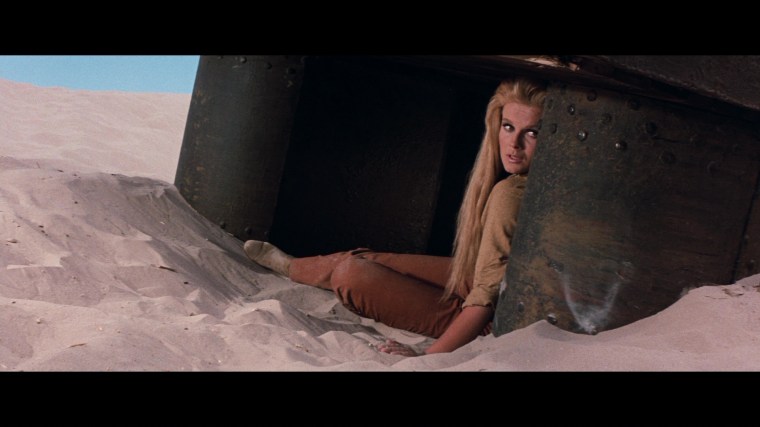
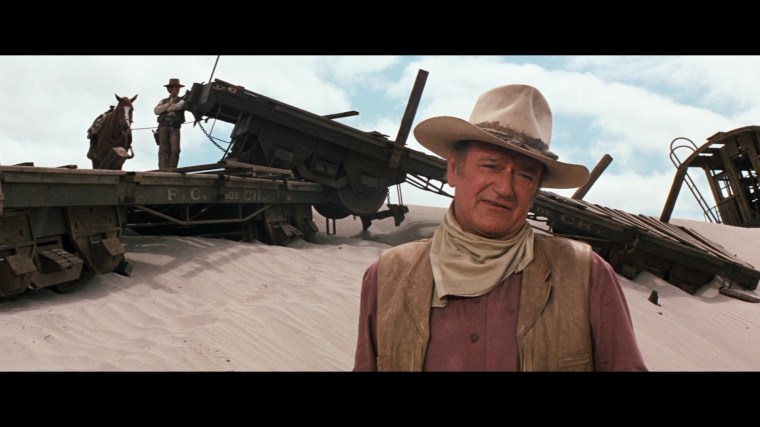
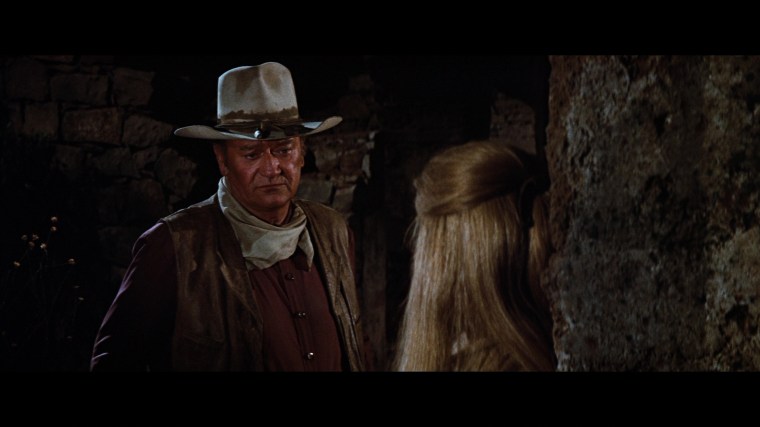
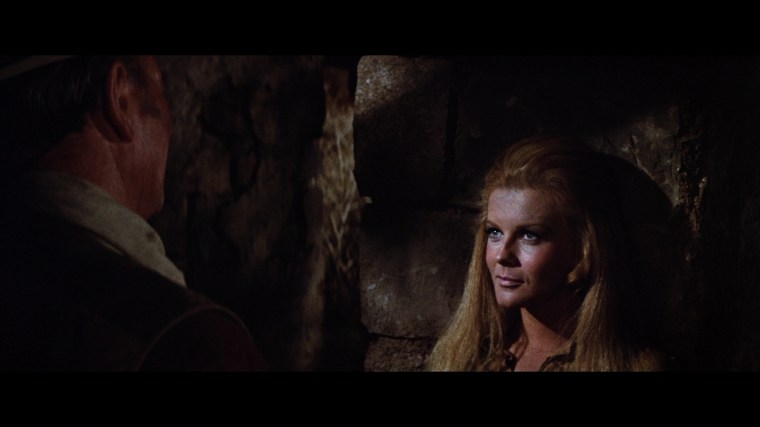
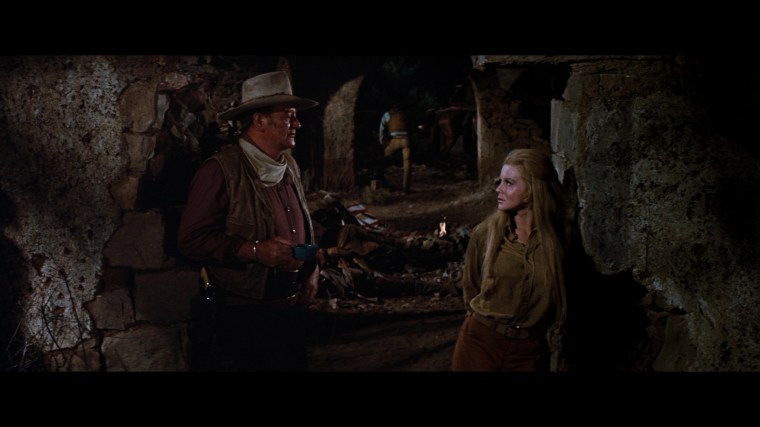
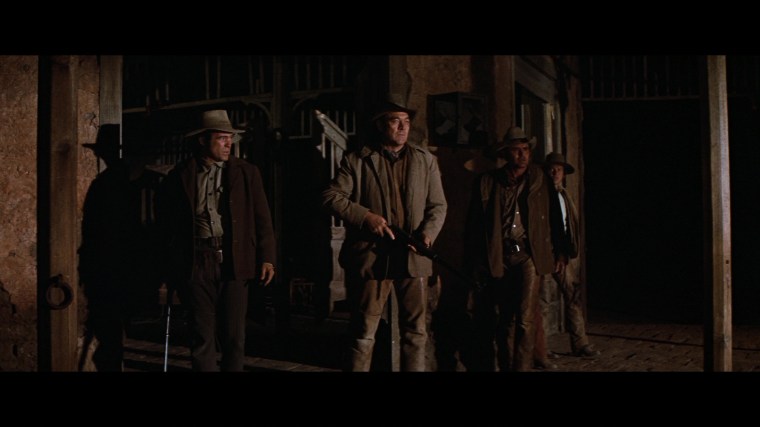
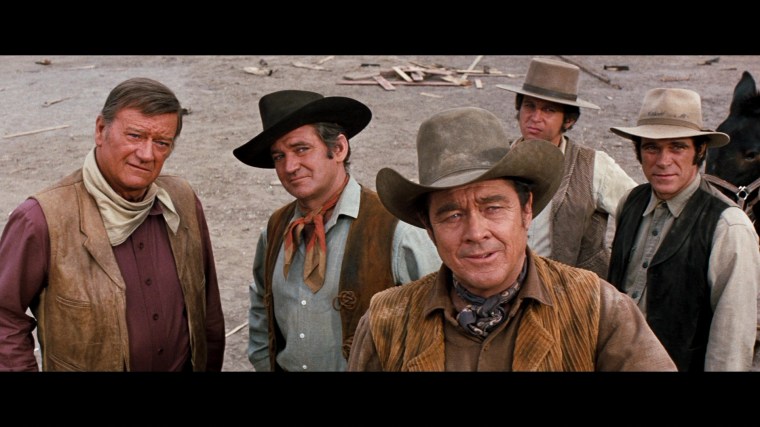
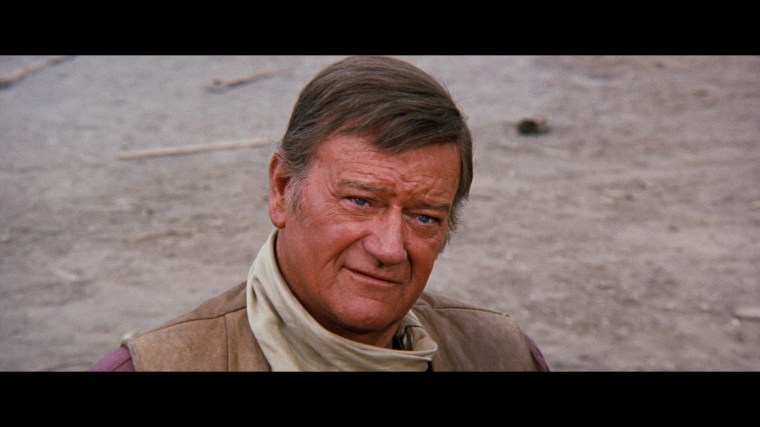
Directed by the aforementioned Burt Kennedy and starring one of those “old farts” (a paunchy, 66-year-old John Wayne), The Trian Robbers may be the quintessential example of Tarantino’s “nostalgic throwbacks” of the 1970s as the classical western gasped for its last breath. Wayne plays a hired gun escorting widow Ann-Margret to her late husband’s stolen bank loot, located in a derailed train car in the middle of the Mexican desert. A faceless posse lifted from Butch Cassidy and the Sundance Kid are in pursuit.
Wayne made only five more pictures after this one – three additional nostalgic oaters and – in a sign of the Western’s flagging popularity – a pair of post-Dirty Harry cop movies in McQ (1974) and Brannigan (1975).
Kennedy’s association with Wayne dates back to 1956’s 7 Men From Now, which Kennedy penned for the Duke’s production company. The film was one of several highly regarded westerns directed by Budd Boetticher from Kennedy’s scripts, including The Tall T, Ride Lonesome, and Comanche Station. In fact, Boetticher lauded Kennedy as “the best western screenwriter there ever was.” However, Kennedy’s work once he moved into the direcror’s chair was less exemplary, with plenty more old fart westerns like The Rounders (1965) with Glenn Ford and Henry Fonda and The War Wagon (1967) with Wayne and Kirk Douglas. My favorite of his films as a director is 1971’s Hannie Caulder, starring Raquel Welch as the revenge-bent titular character, who is tutored in the art of gunplay by bounty hunter Robert Culp as she tracks down the men who killed her husband.
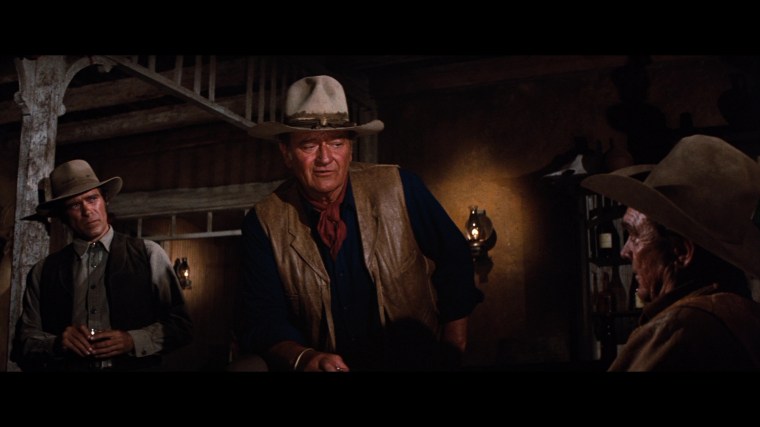
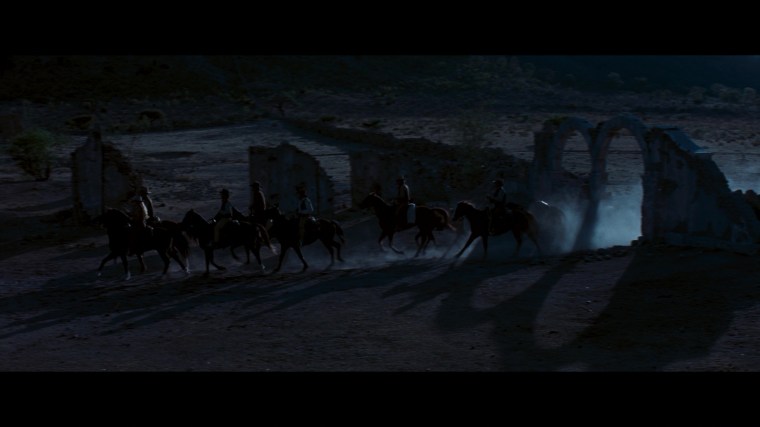
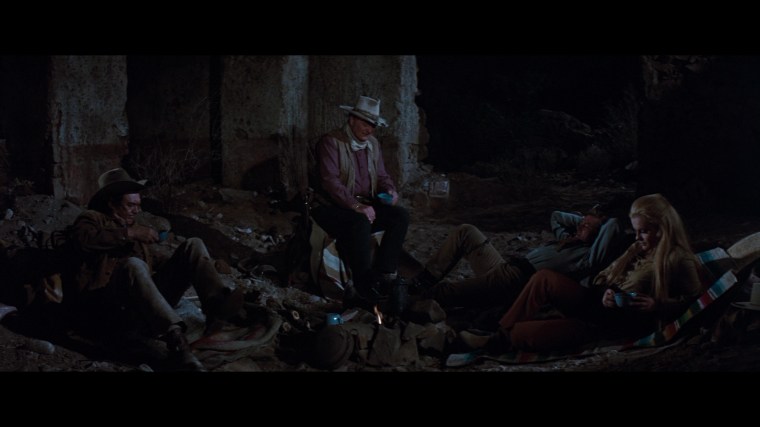
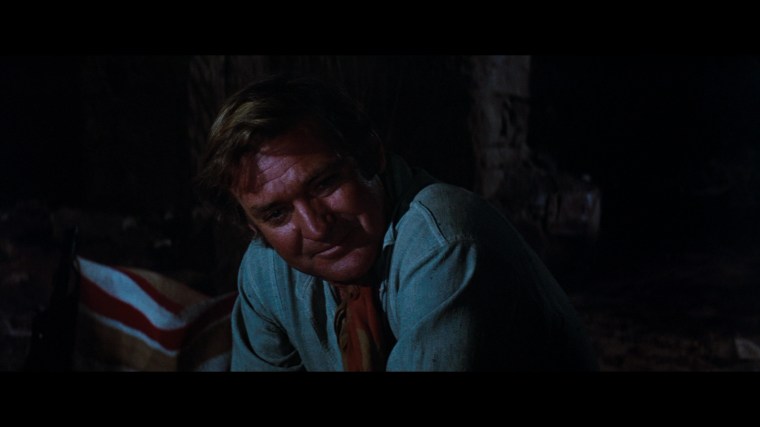
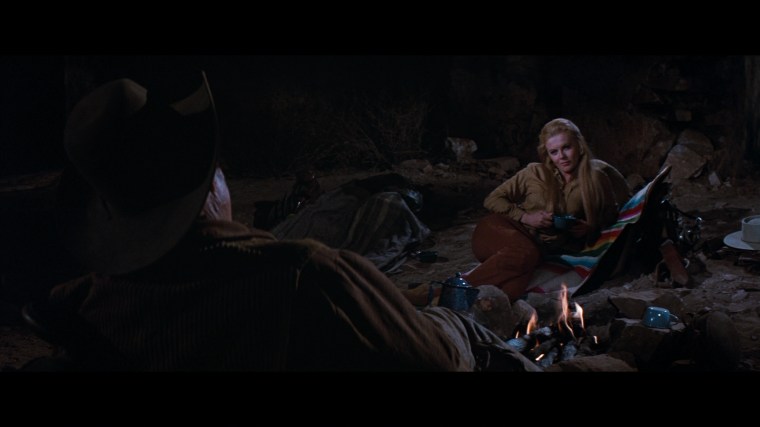
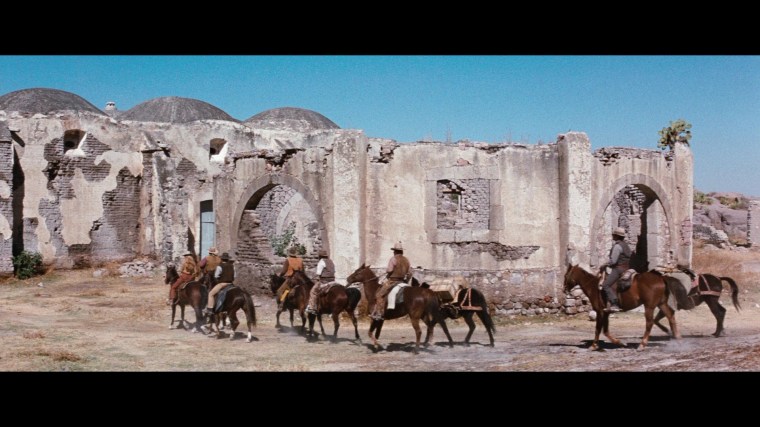
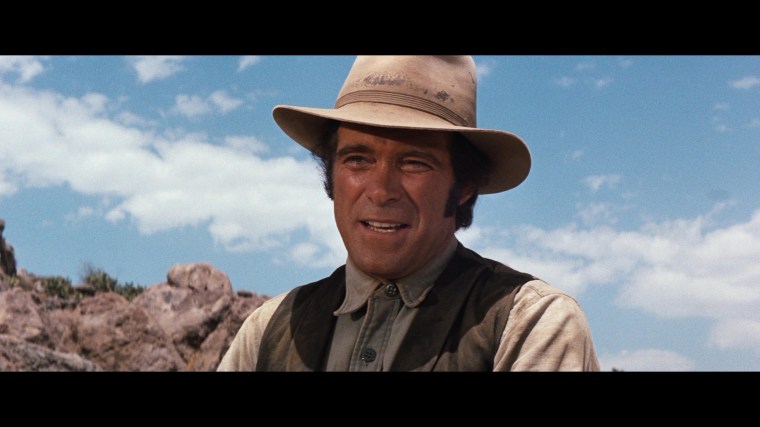
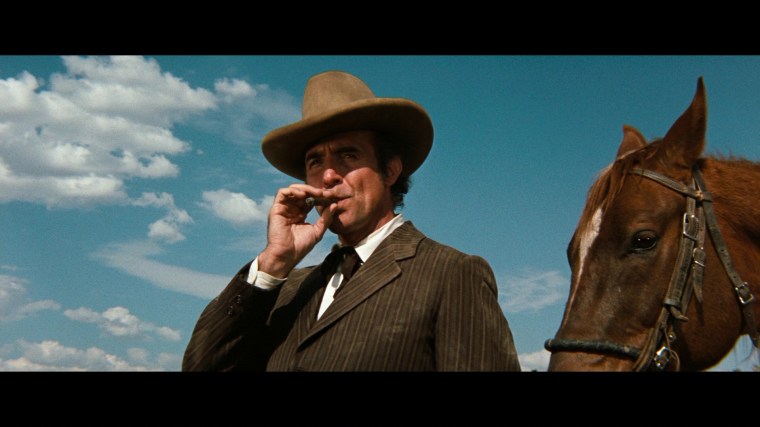
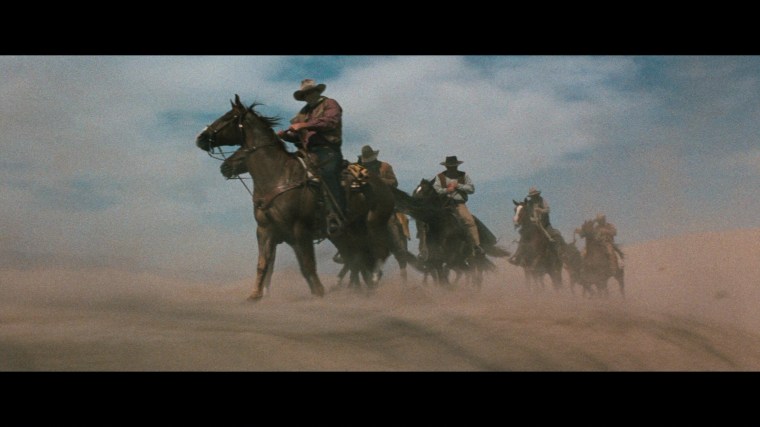
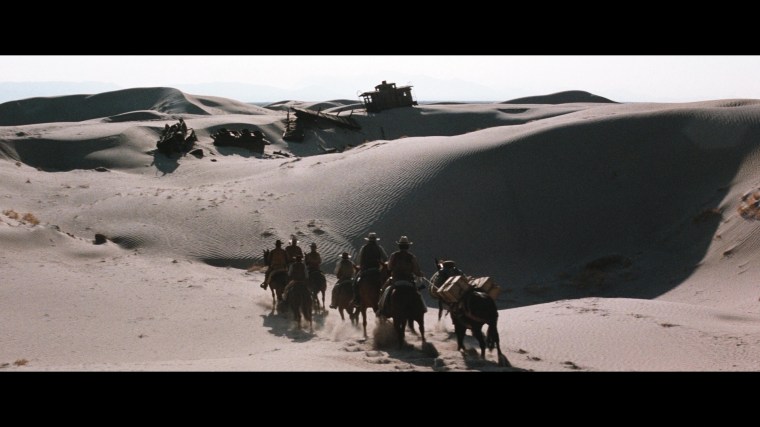
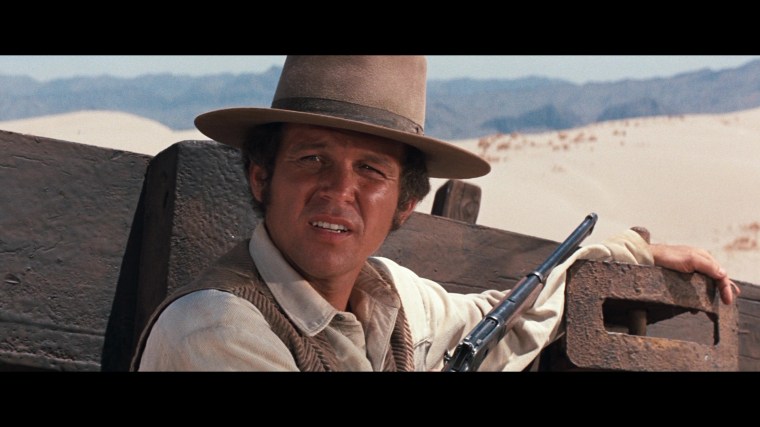
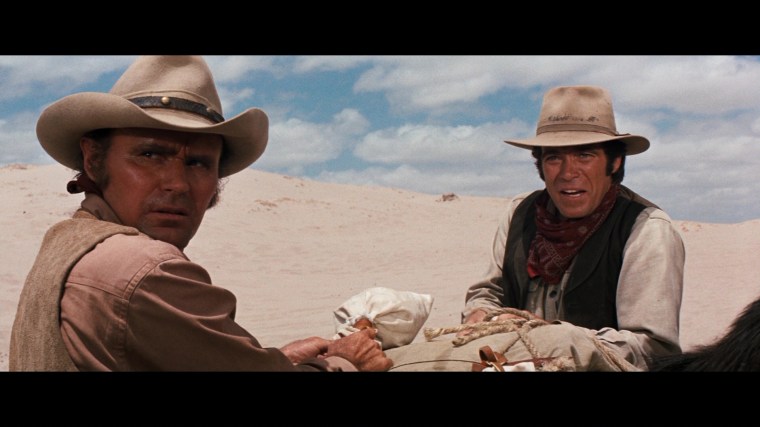
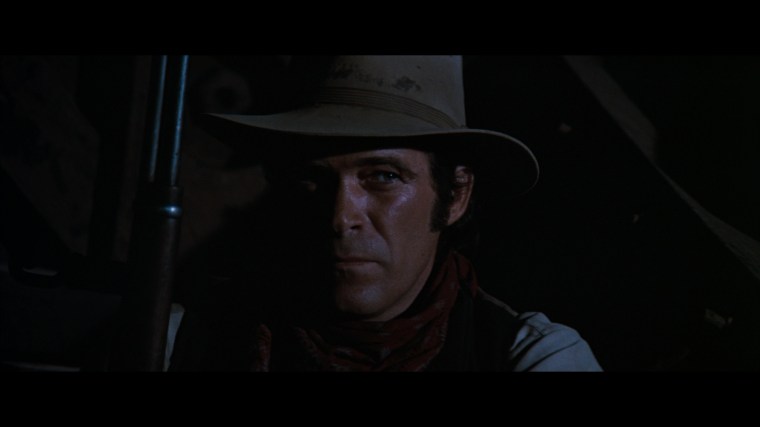
The Train Robbers offers up no such excitement. The first action set piece doesn’t arrive until nearly 60 minutes into the 90-minute runtime. That initial hour is primarily comprised of travel shots of Wayne and crew (including Ben Johnson and Rod Taylor) and gab fests around the campfire. Even Kennedy admitted that perhaps his cast wasn’t ideal for such a chatty journey.
“In those kinds of shows, trek shows, where you have a lot of talk….it has to be the right cast. If you don’t have the right cast those talky things don’t work. You’ve got to have really a good cast, and, you know, I had Bobby Vinton and a couple of other people, and dear Annie Margaret. Like Casey Stengel says, you’re only as good as your horses. I didn’t have the horses.”
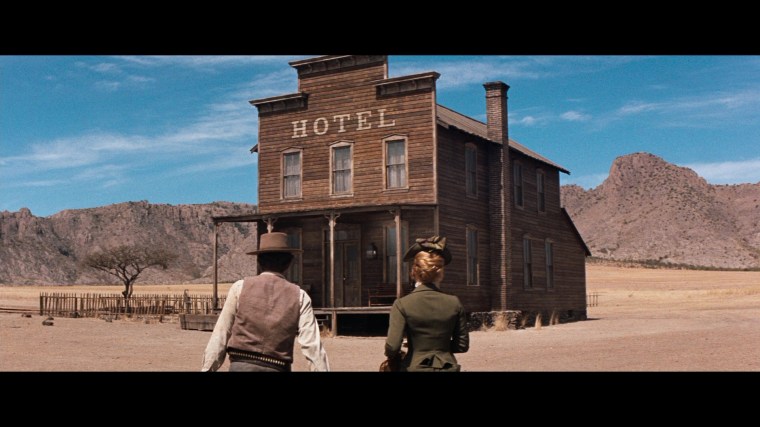
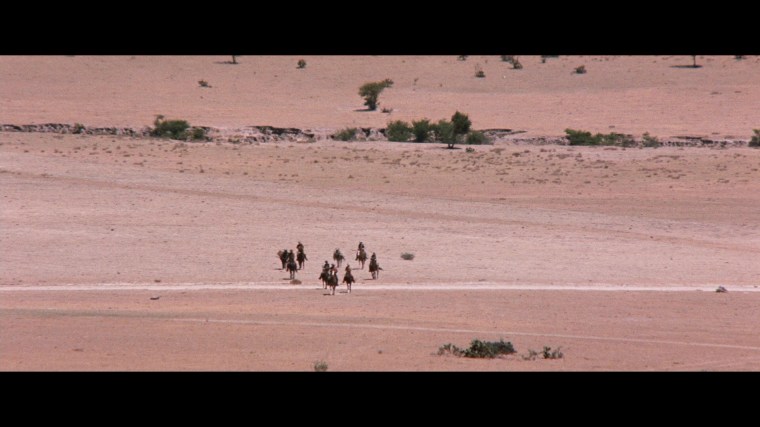
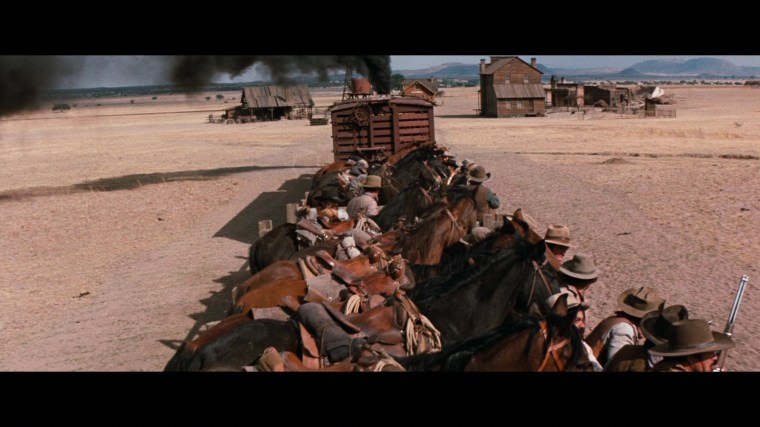
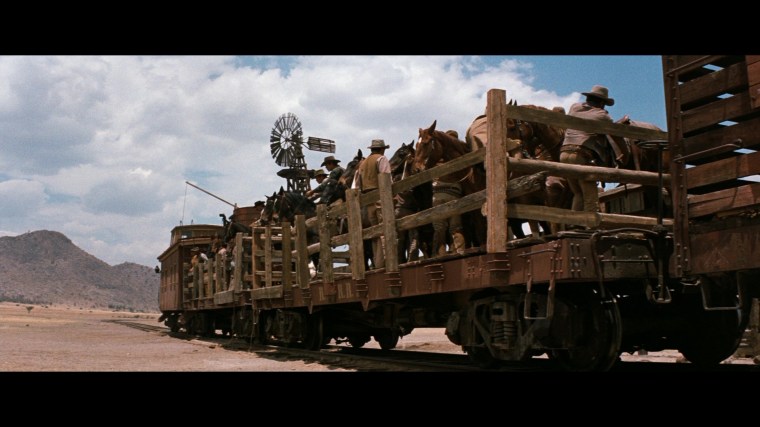
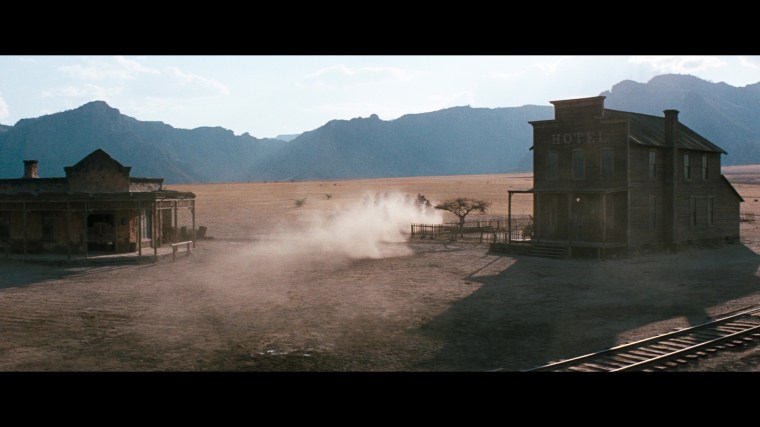
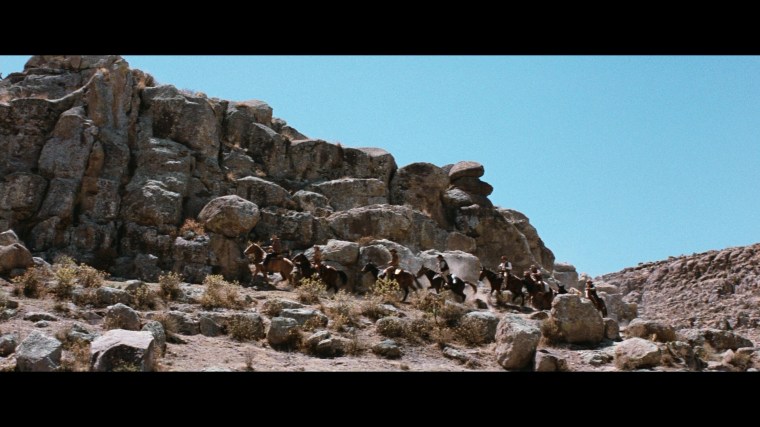
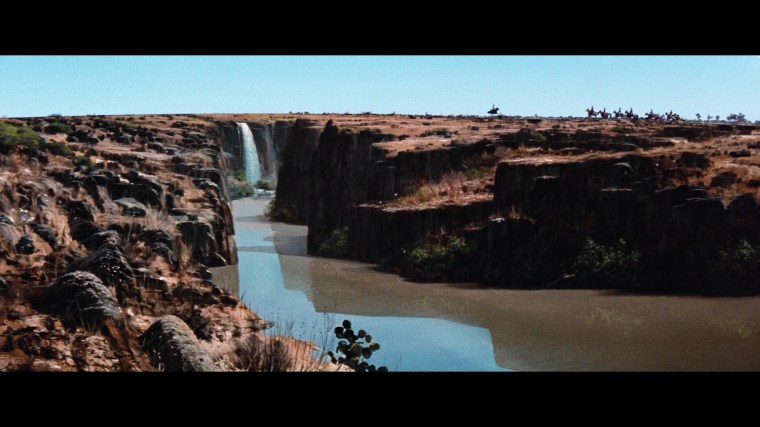
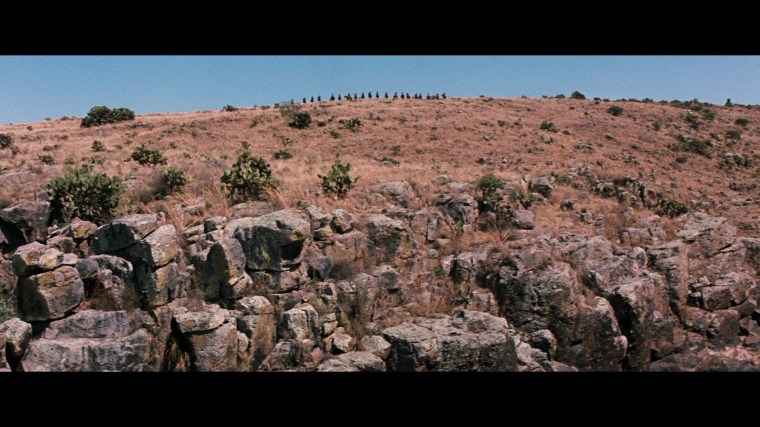
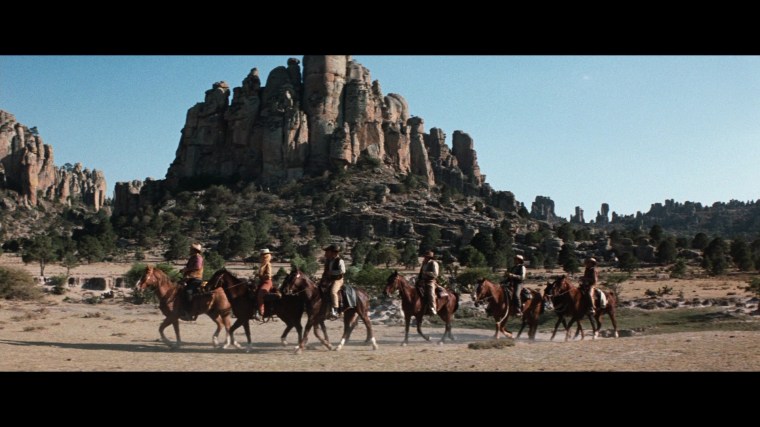
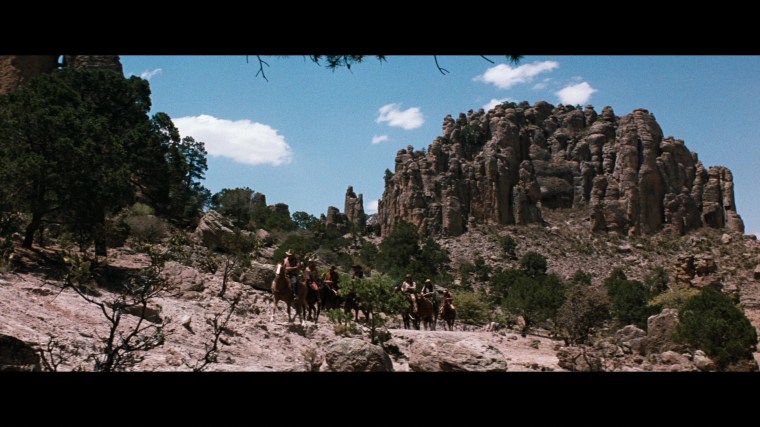
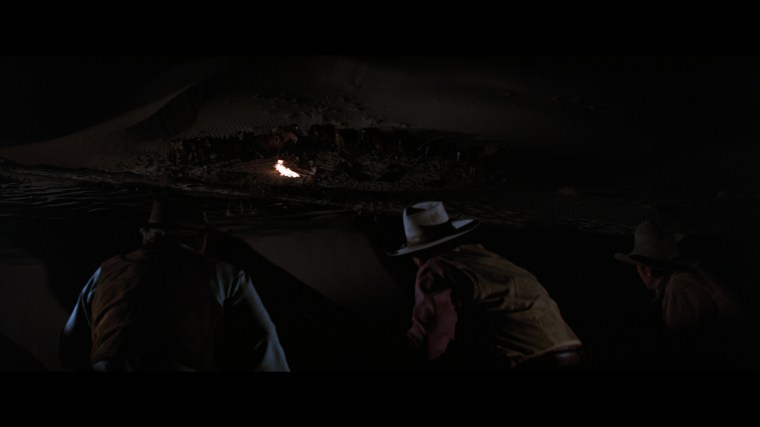
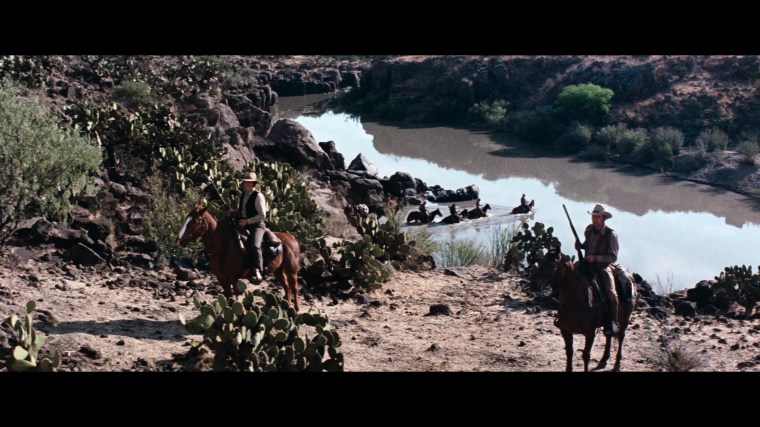
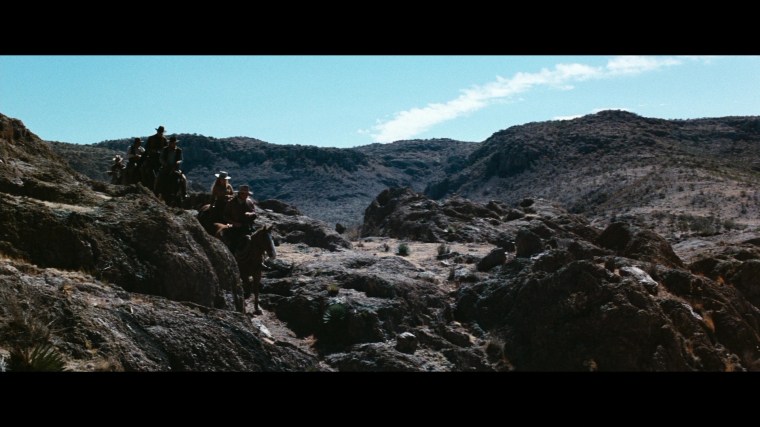
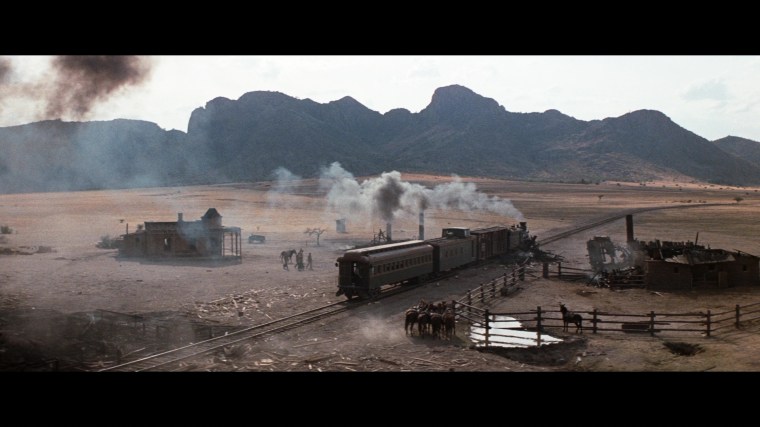
That trek does at least provide cinematographer William H. Clothier with some breathtaking vistas. Clothier’s career began all the way back at the birth of sound. He worked as a camera assistant on Wings (1927), the very first Oscar winner for Best Picture, before graduating to director of photography in the 1940s. He spent an inordinate amount of his career shooting westerns – frequently starring John Wayne, most notably in John Ford’s The Man Who Shot Liberty Valance.
The Train Robbers was Clothier’s last film. Here’s the DP on why he rode off into the sunset afterward, from Scott Eyman’s book Five American Cinematographers.
“I’ve quit now; I’m retired. Wayne wanted me to do Cahill (U.S. Marshall) and I refused to. ‘Why you dirty little SOB. The least you can do is one picture a year.’ ‘Goddamnit, Duke, that’s what you said six years ago, and I’ve been doing two or three a year.’…Duke likes to work; he gets a million dollars for one picture, six to ten weeks’ work. He’s accumulating a lot of money for his children who, if I know them, will throw it all away. Duke loves the movies, but lately it just wasn’t fun making pictures. (On The Train Robbers) I went to Duke and said, ‘Goddamnit, Duke, don’t yell at me.’ ‘I wasn’t yelling at you.’ ‘Well, you were looking at me while you were yelling.’ ‘I was yelling at that stupid goddamn director.’ ‘Well, go tell that stupid goddamn director and stop taking it out it out on everybody else. You hired the guy, go tell him.’ Old Duke is like my brother. I can say things to him nobody else can because I’ve known him better than anybody else does. I’ve known him for 43 years. But it just wasn’t fun anymore.”

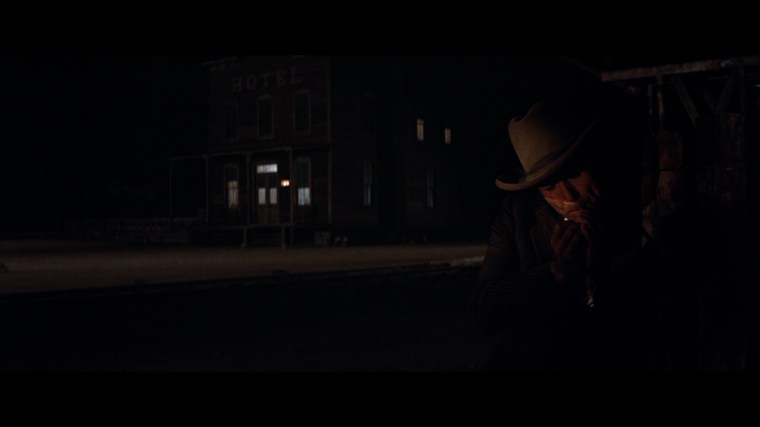
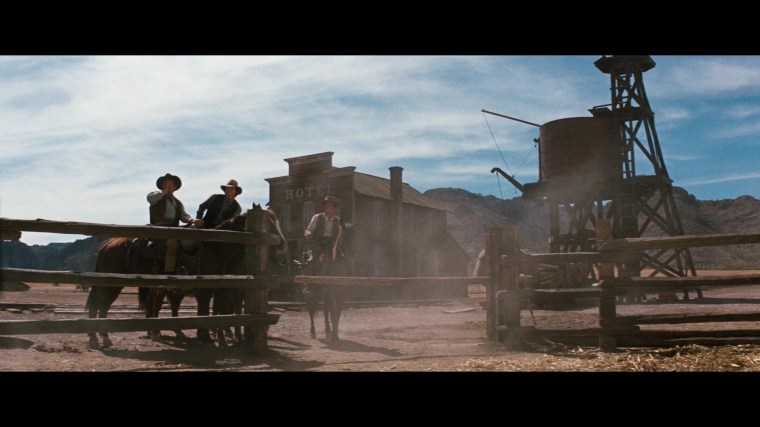
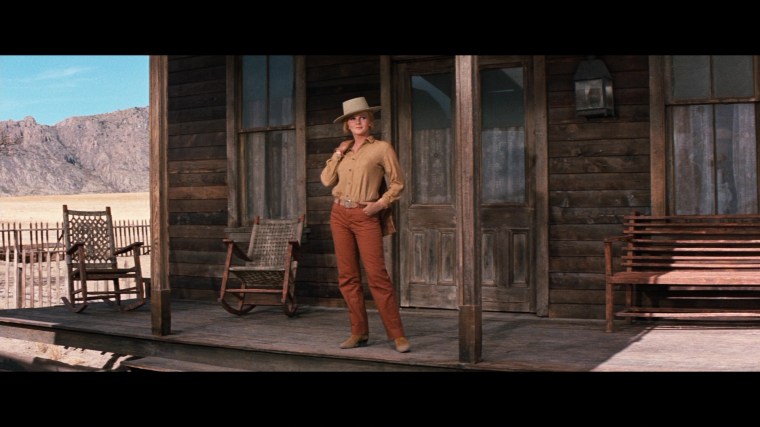
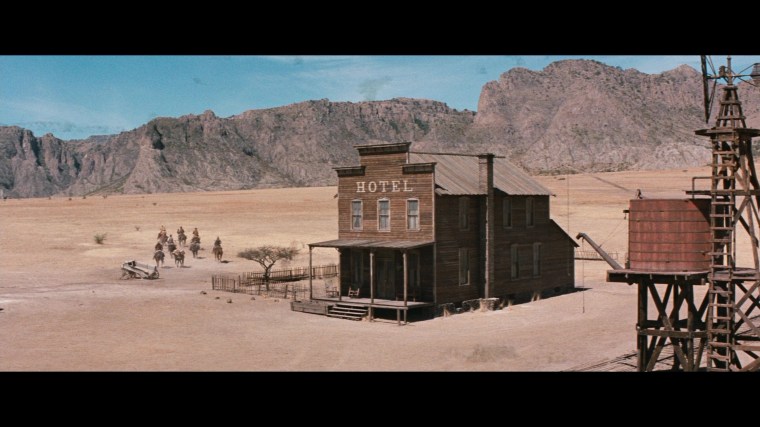

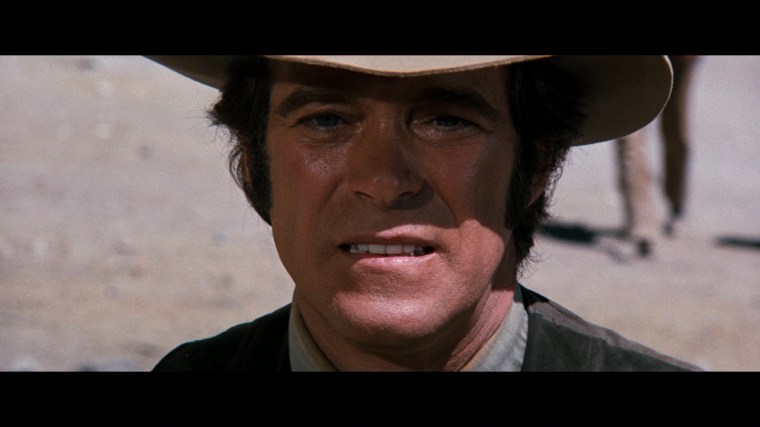
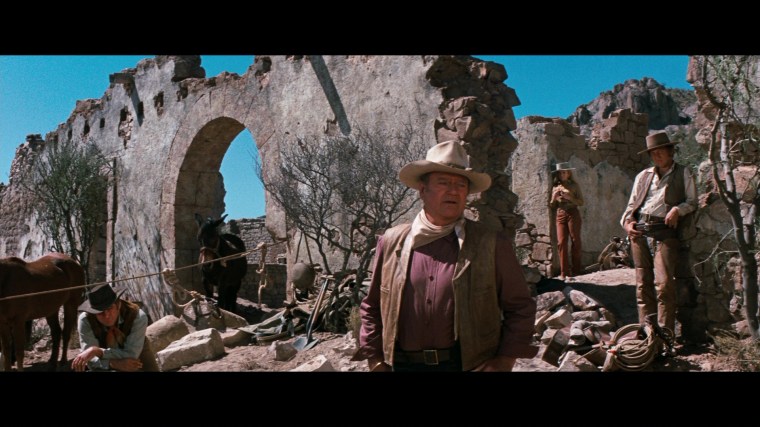
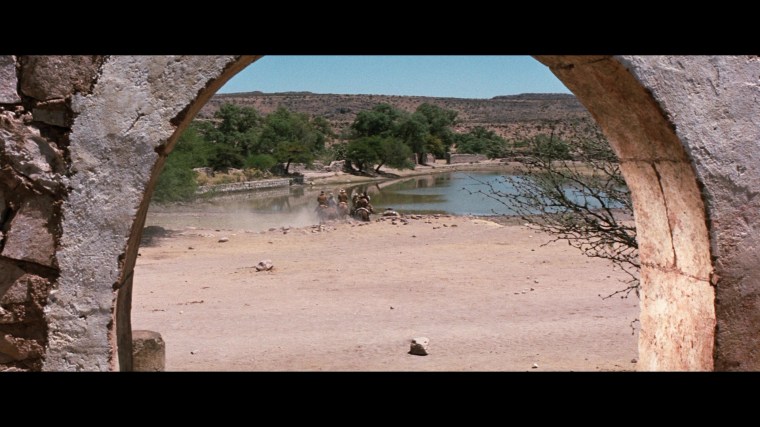
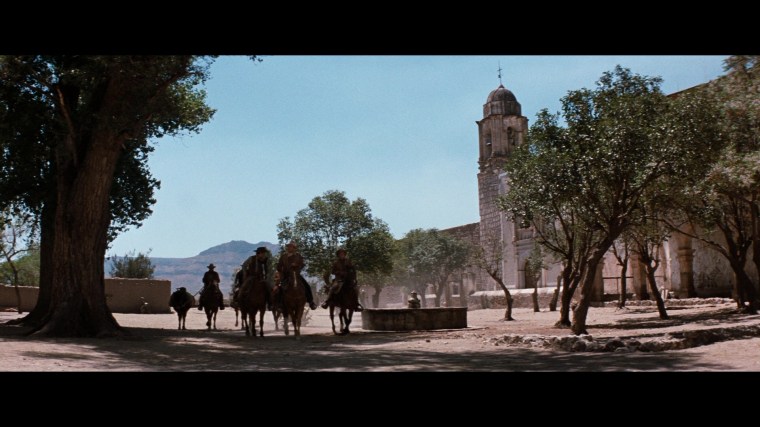
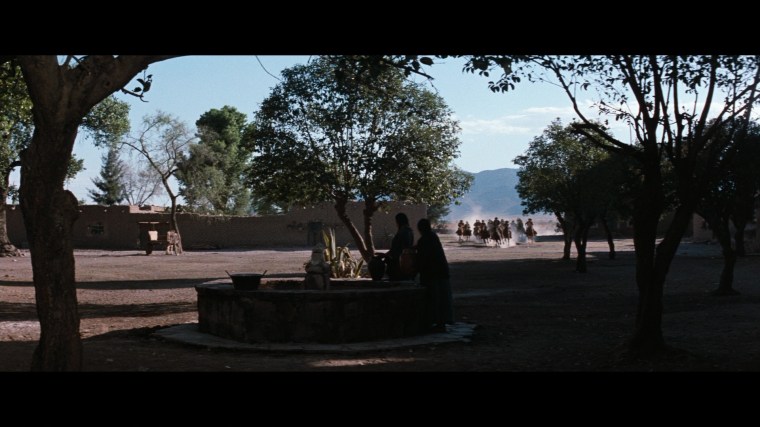
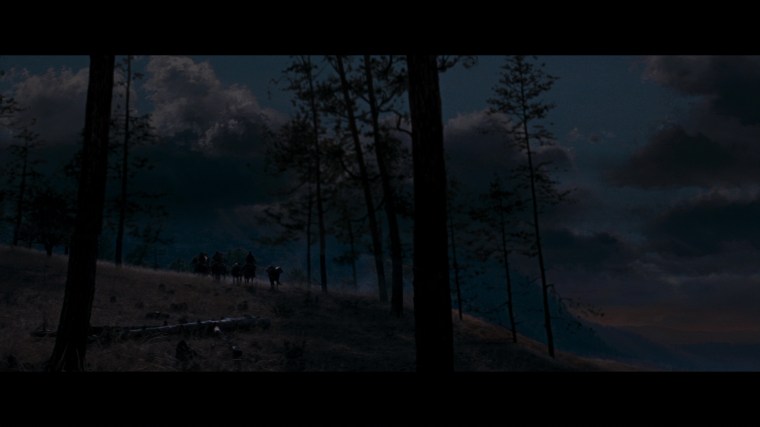
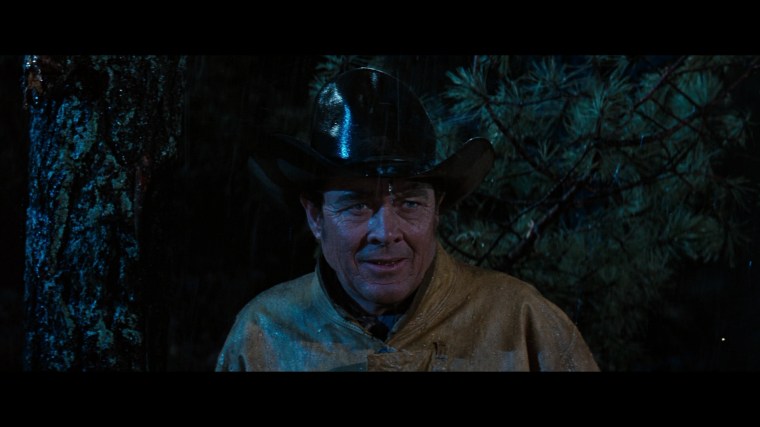

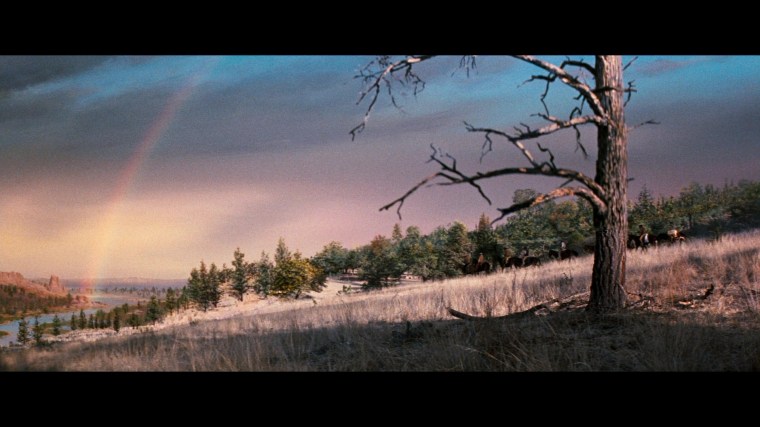











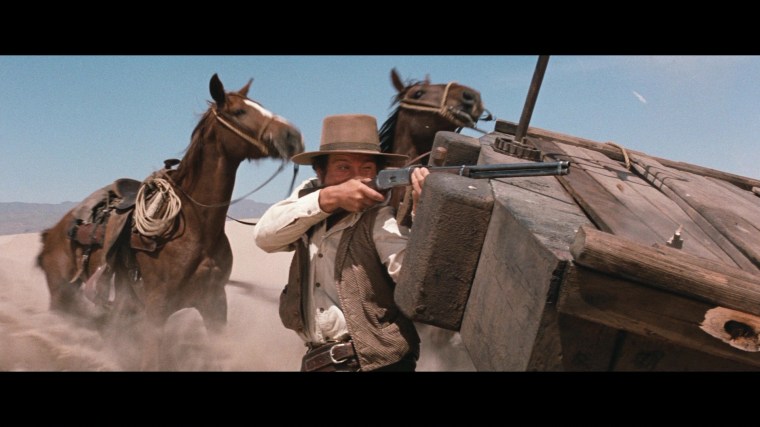
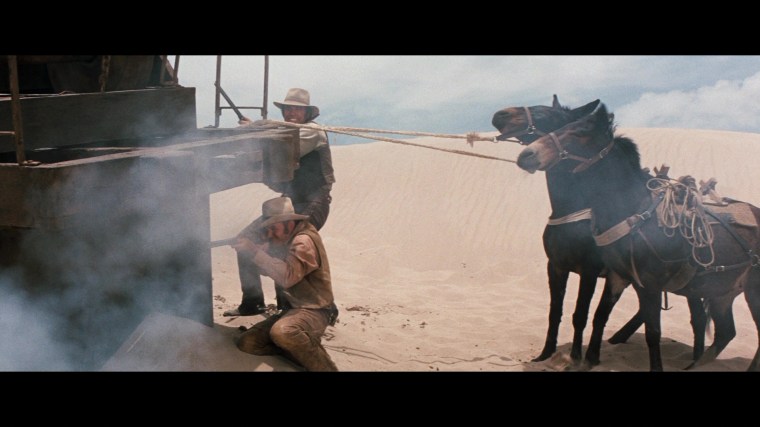
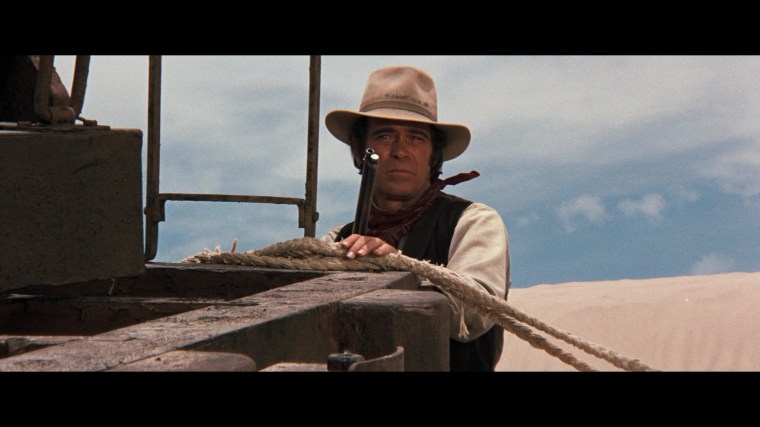
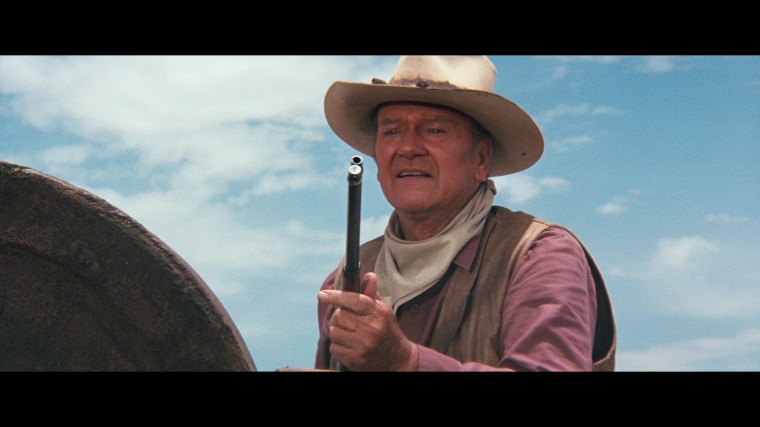
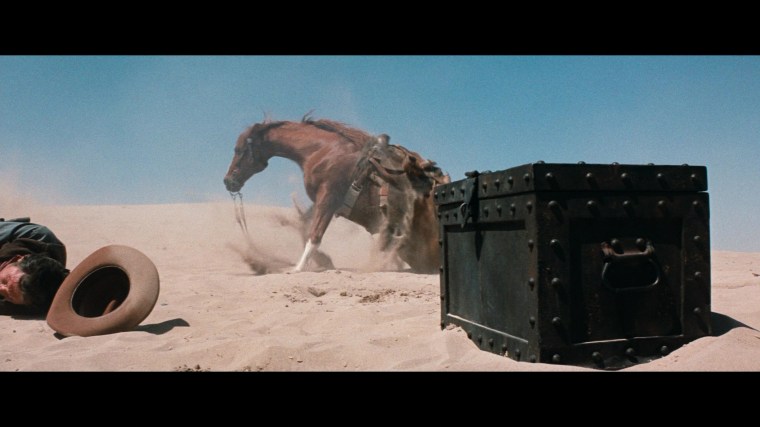

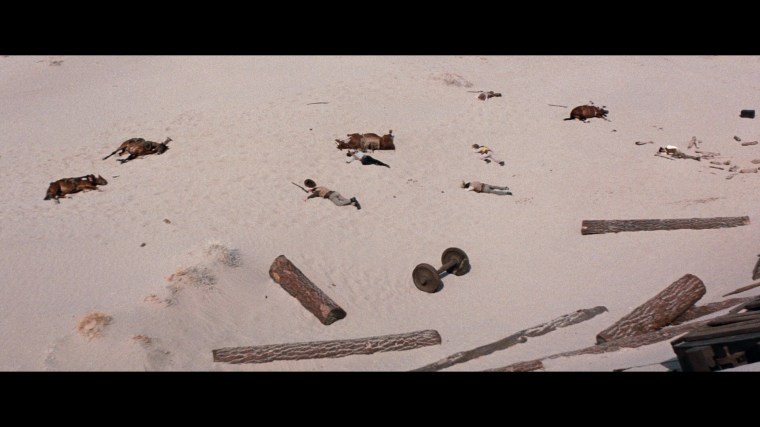

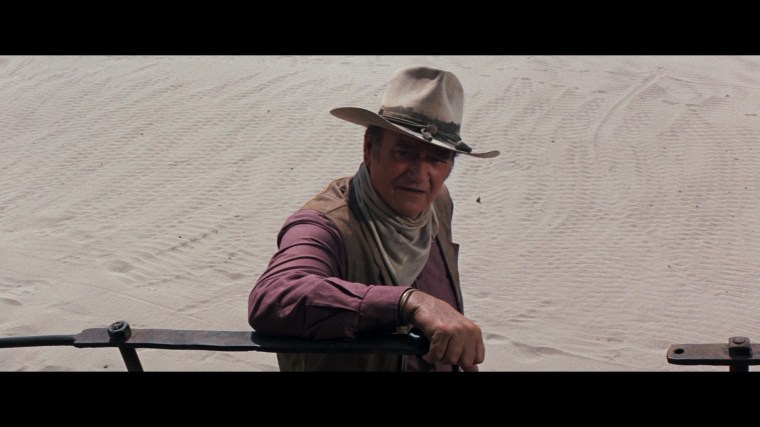
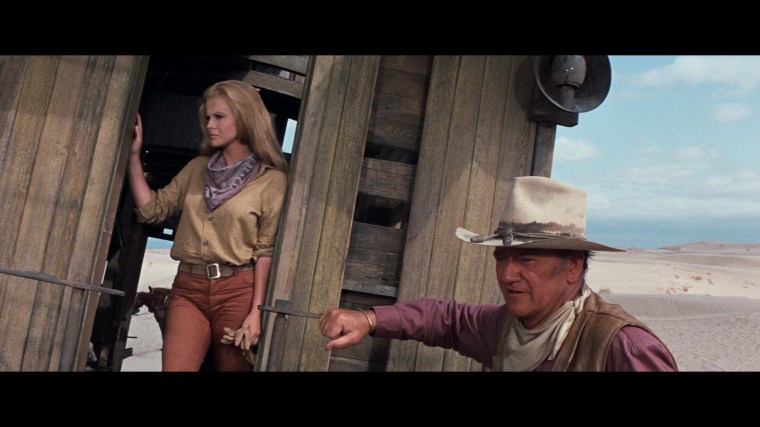
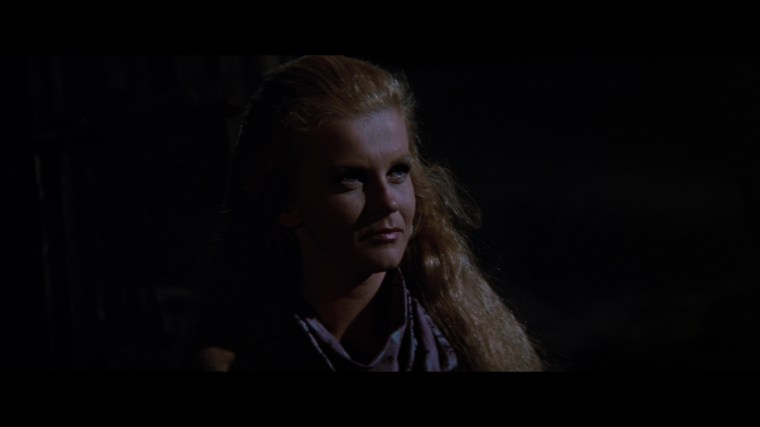

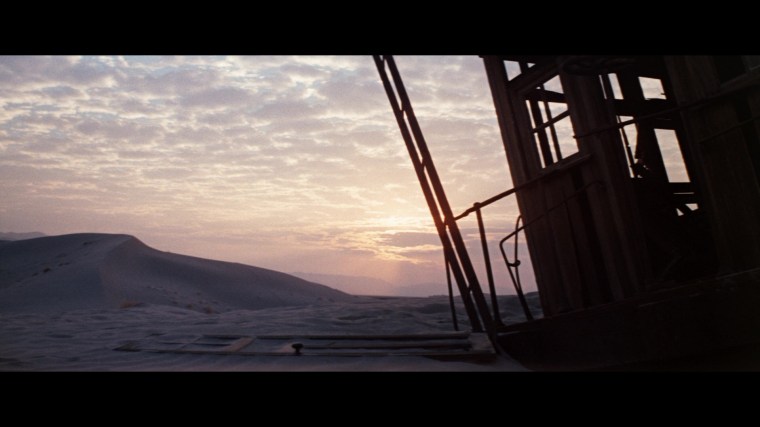

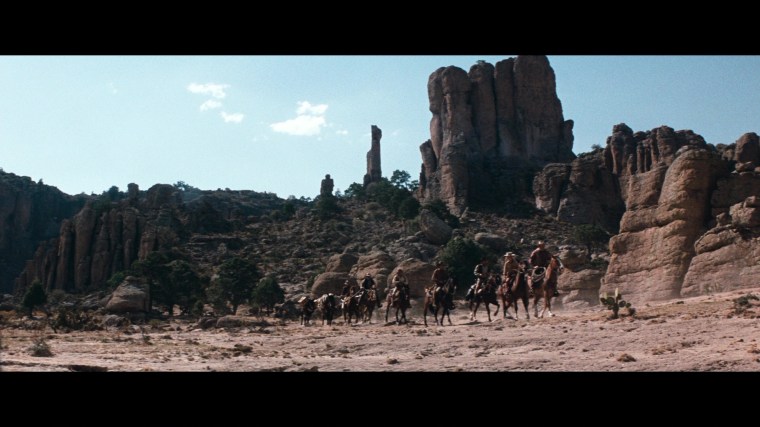
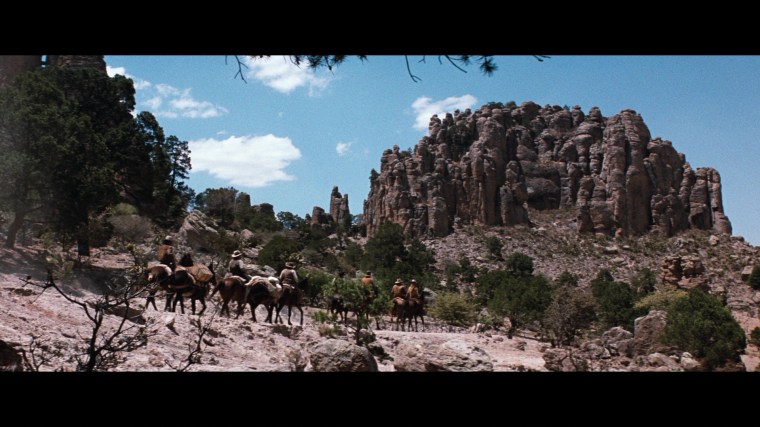





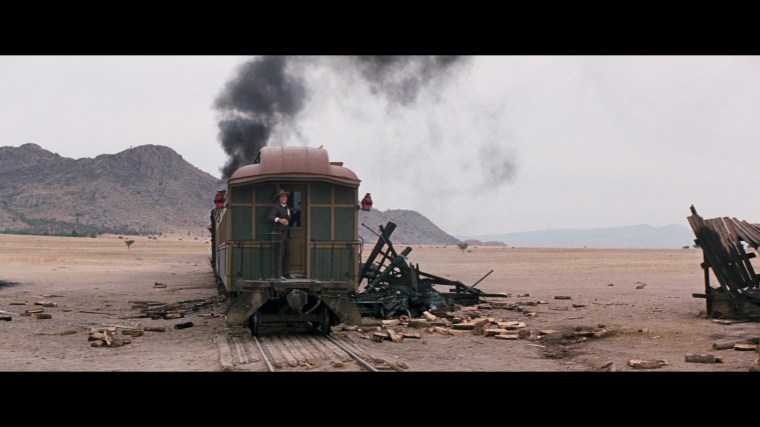
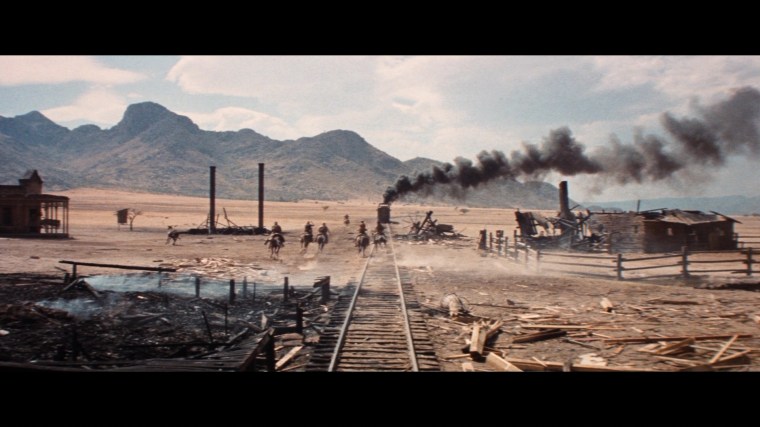
Scene Breakdowns
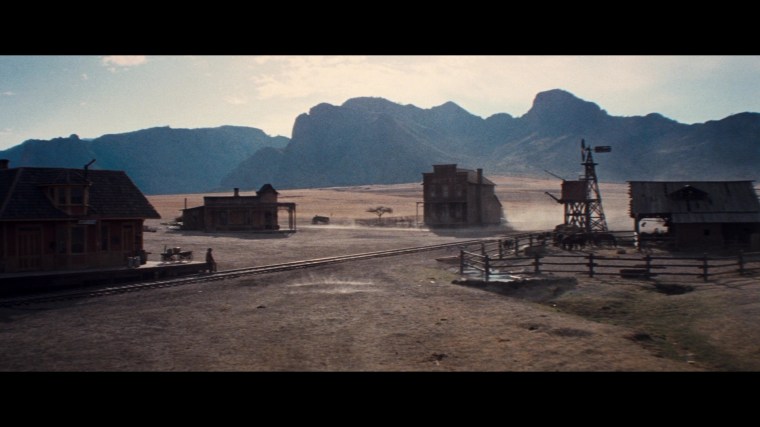
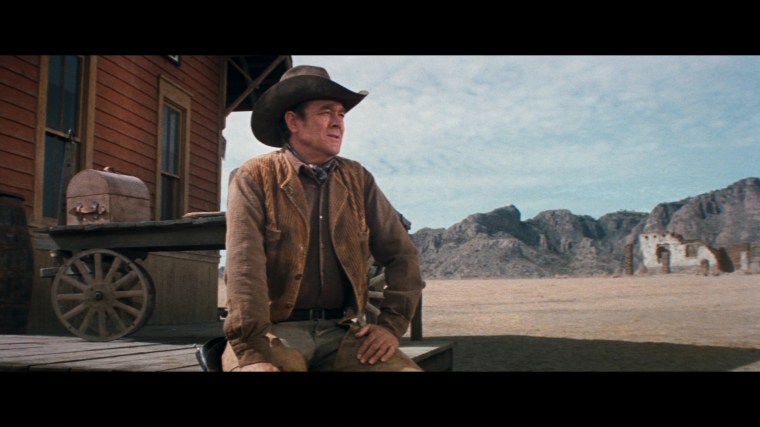
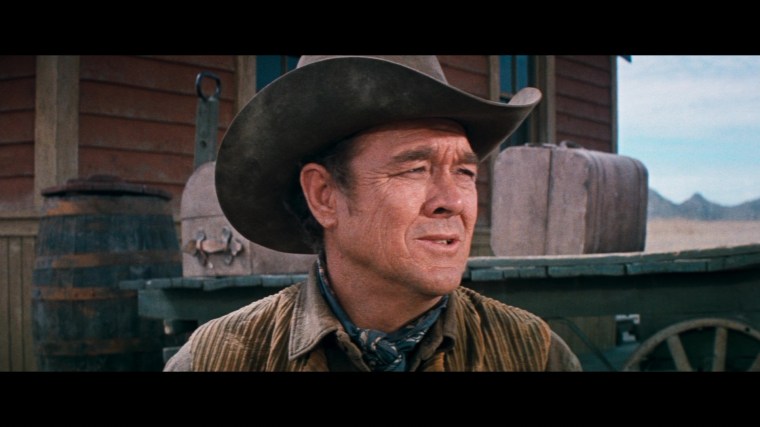
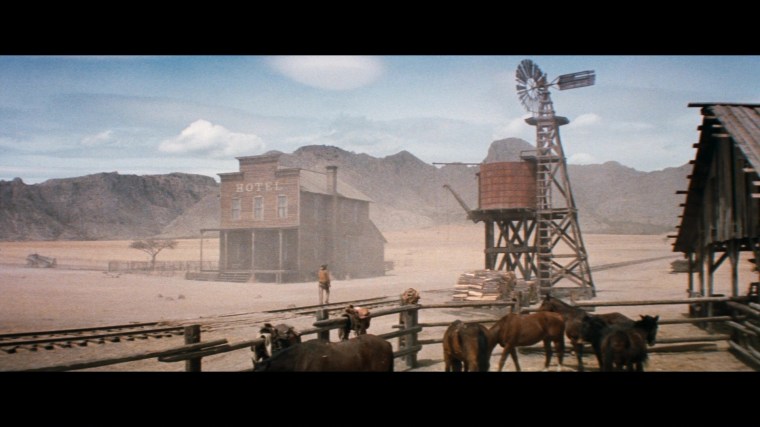
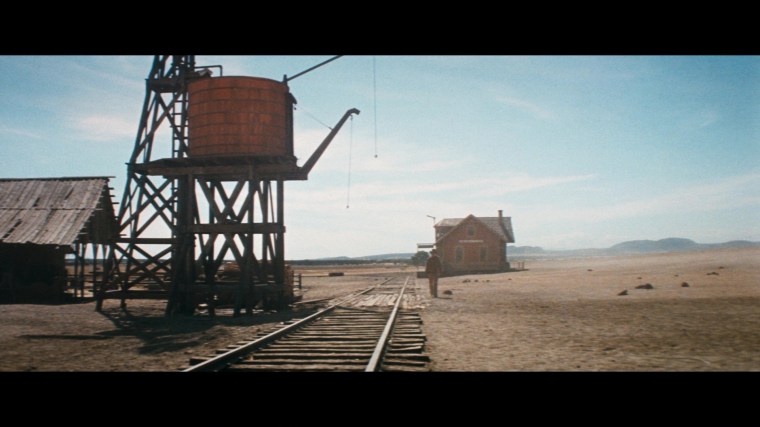
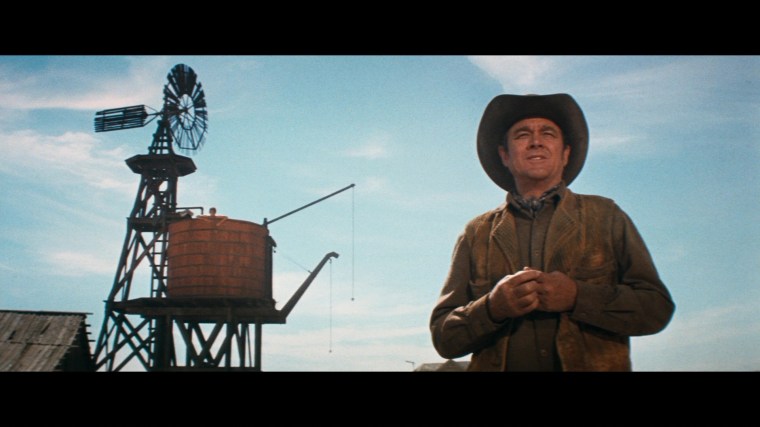
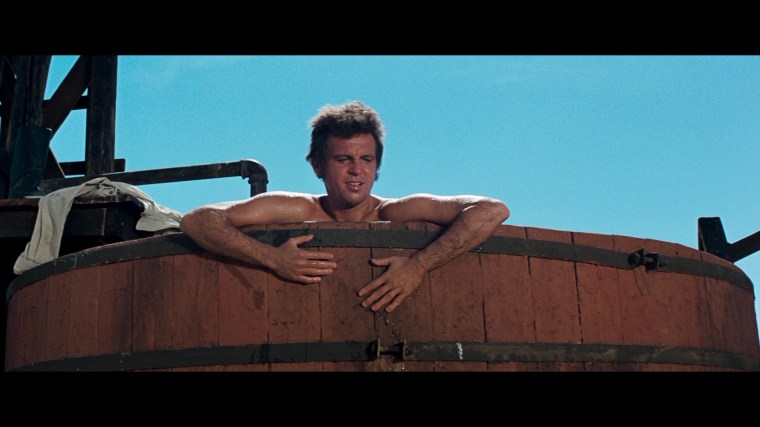
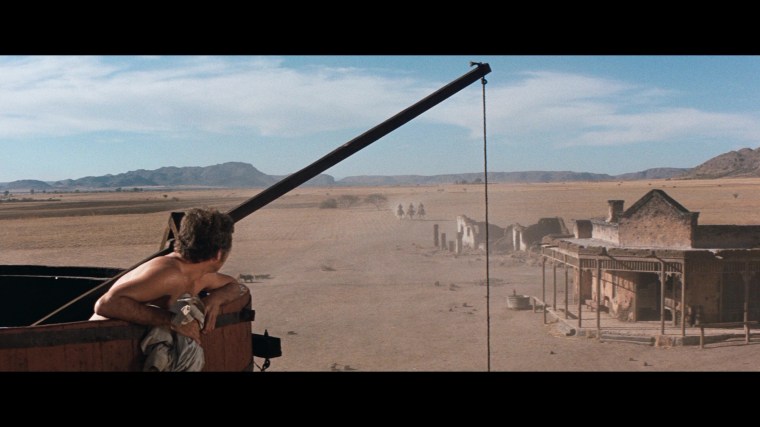
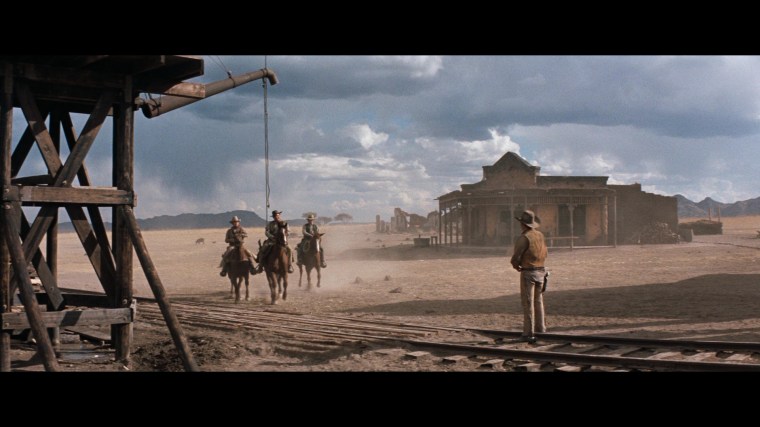
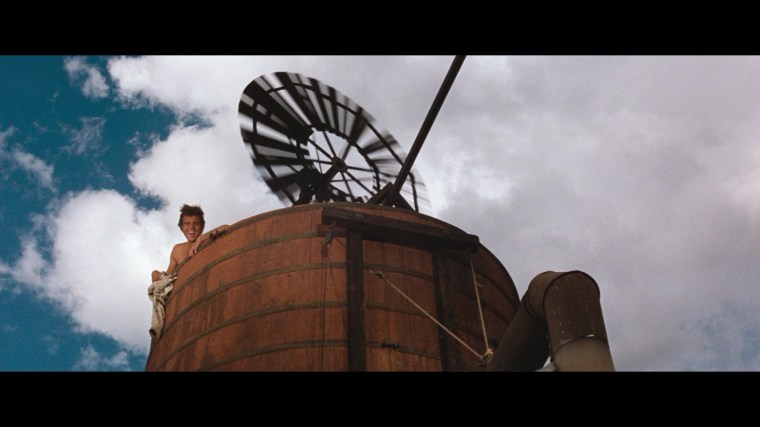
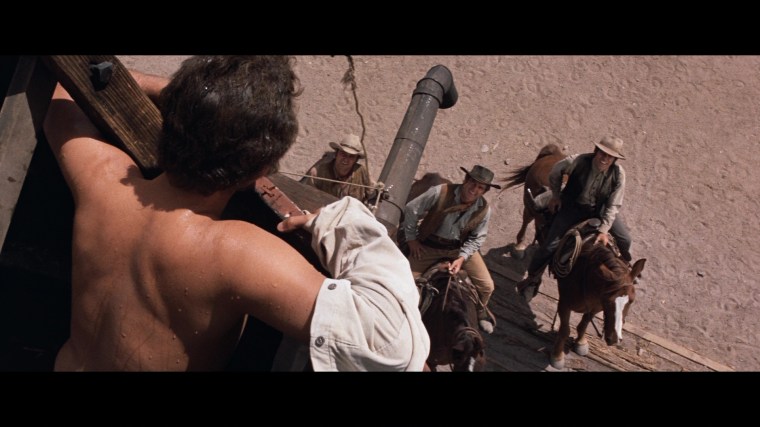
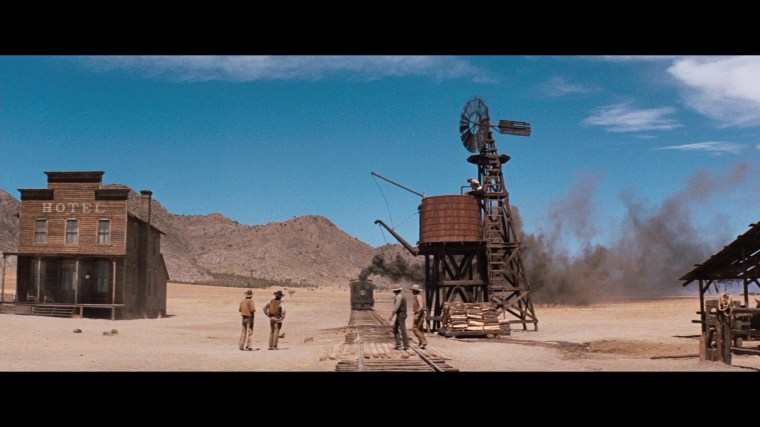
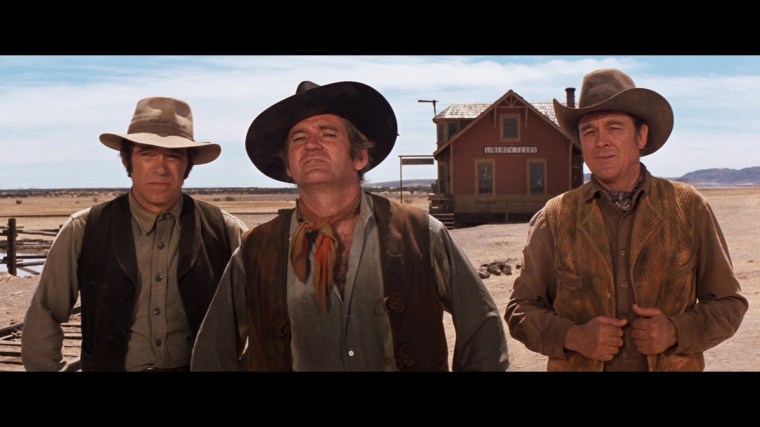
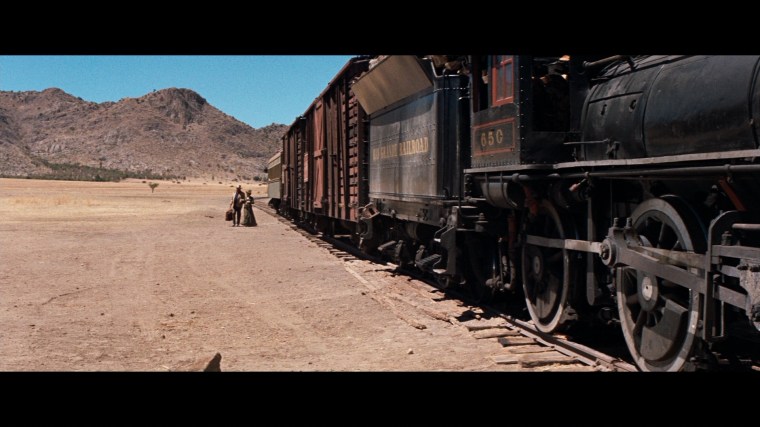
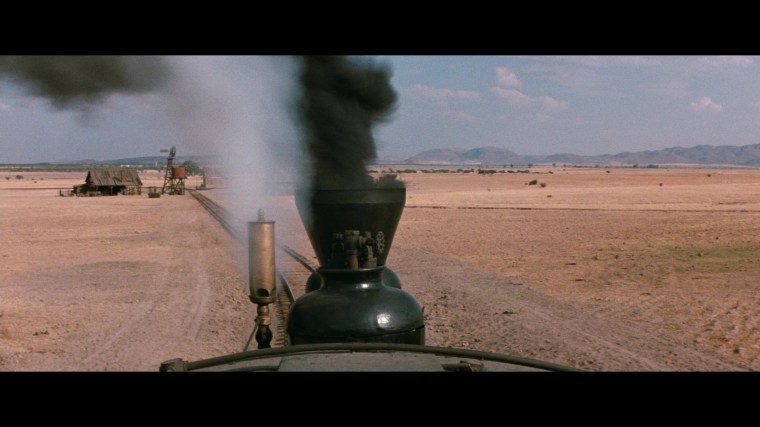
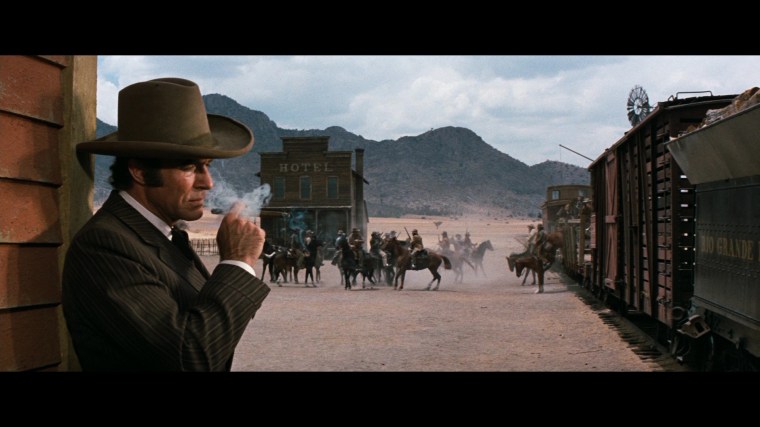
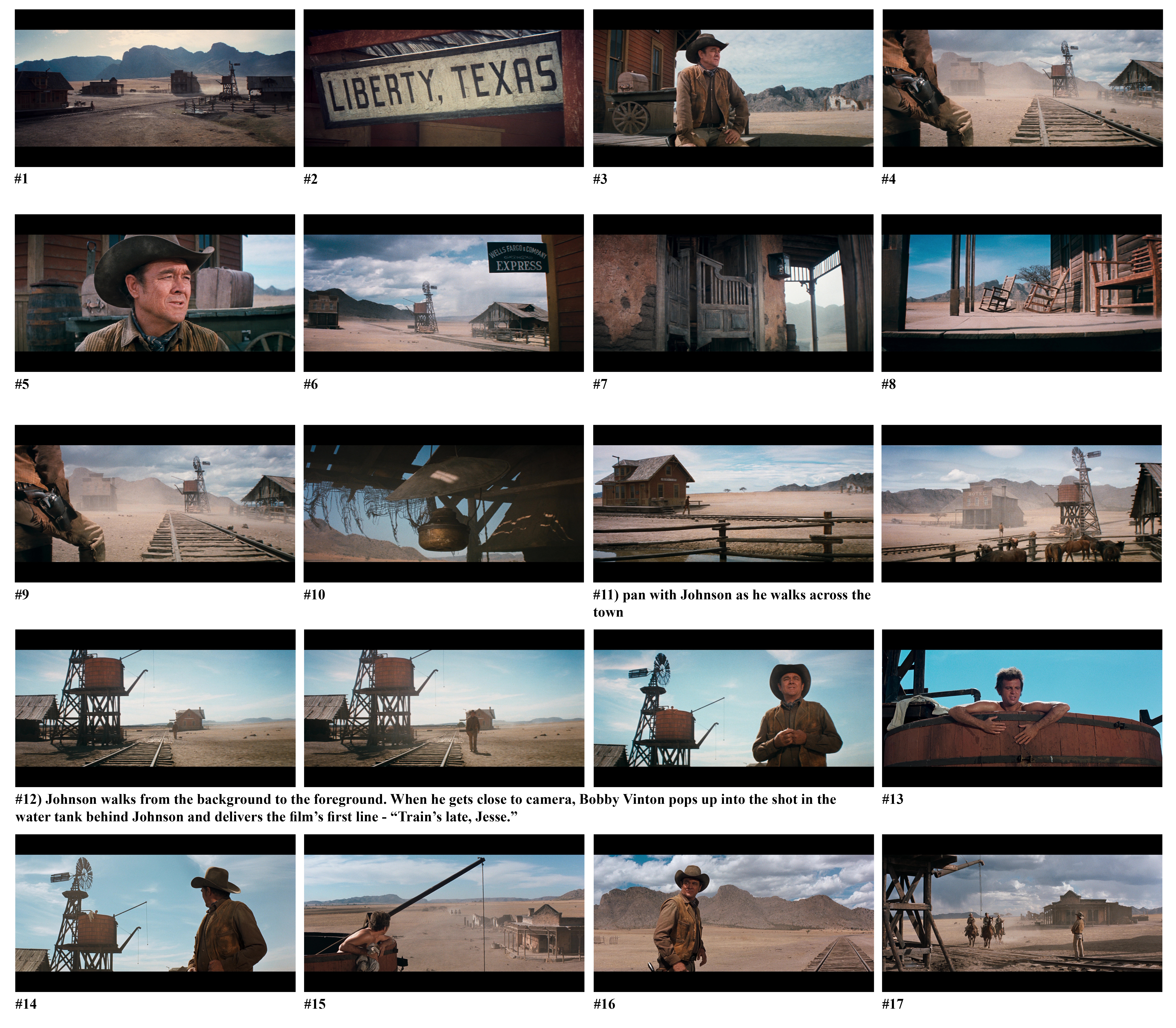
In the film’s opening scene, Ben Johnson waits in a windswept, nearly abandoned Texas town for a train that’s running late. It’s a well-composed intro, but certainly pales in comparison to the epic “waiting at the depot” sequence that kicks off Sergio Leone’s Once Upon a Time in the West (1968).
Scene Length: 3:32
Shots: 17
Avg. Length: 12.5 seconds
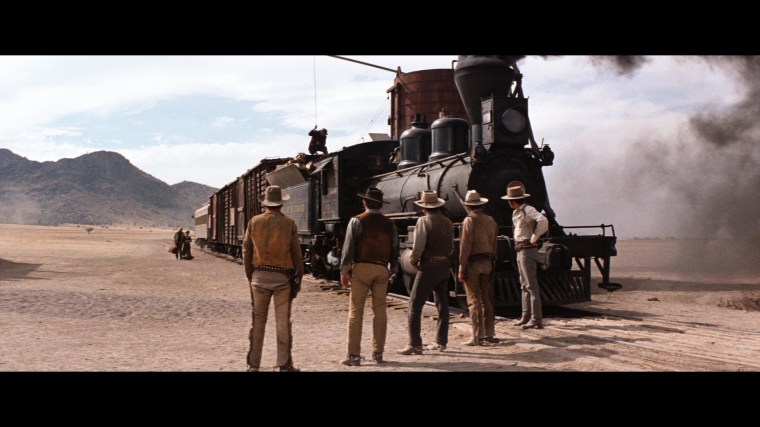
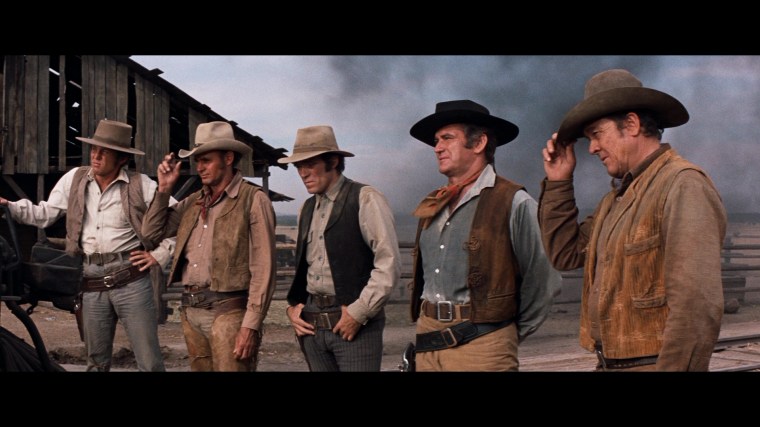
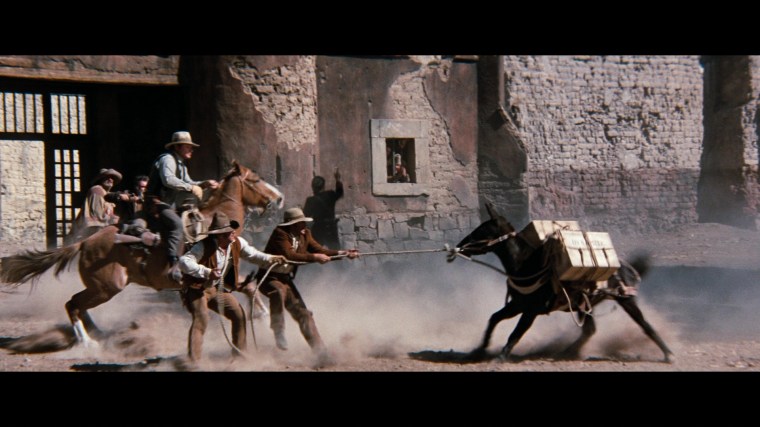
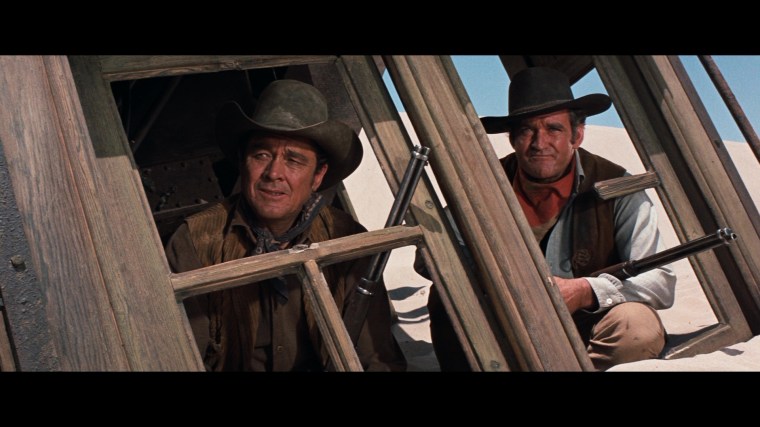
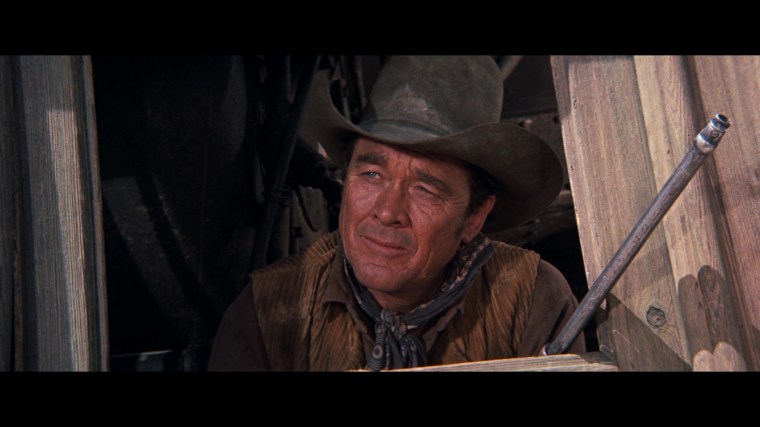
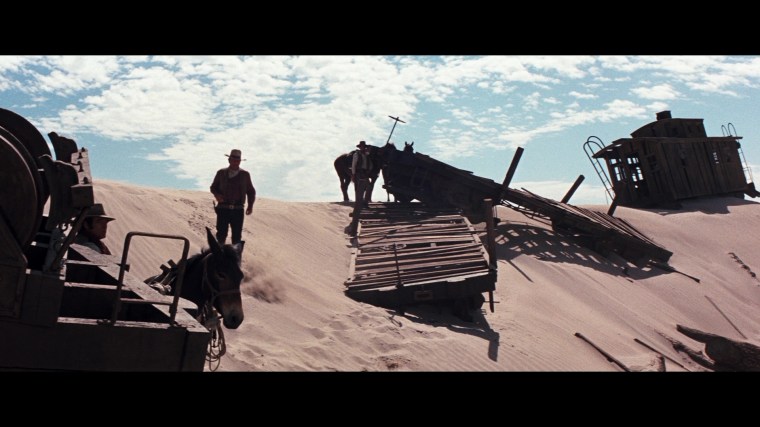
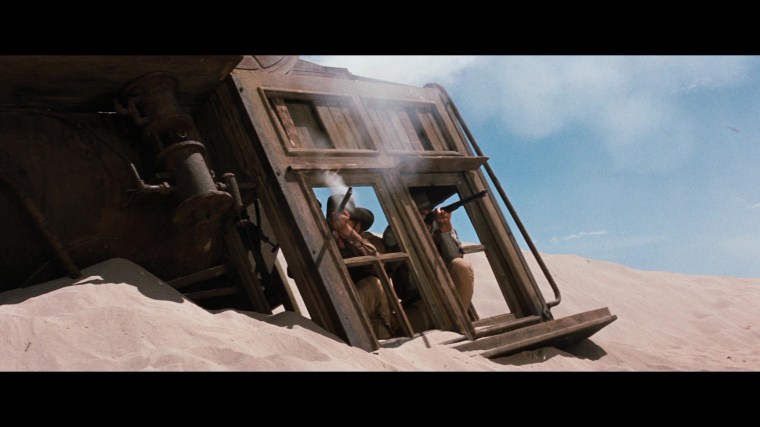
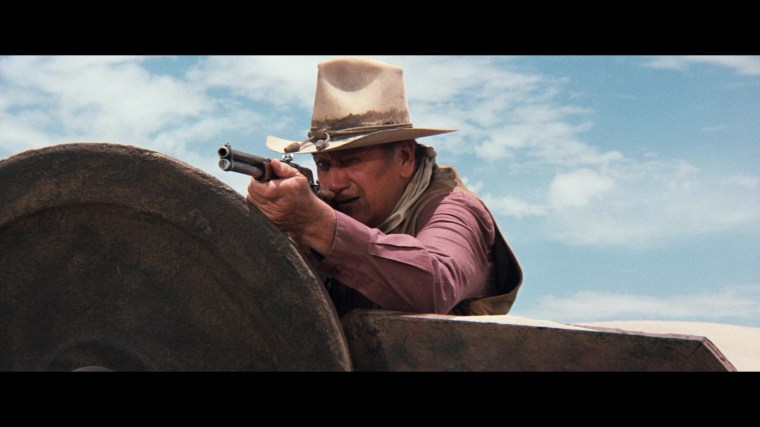
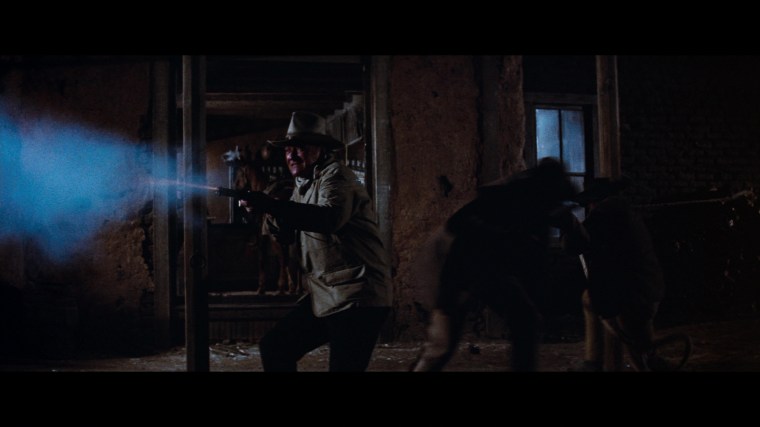
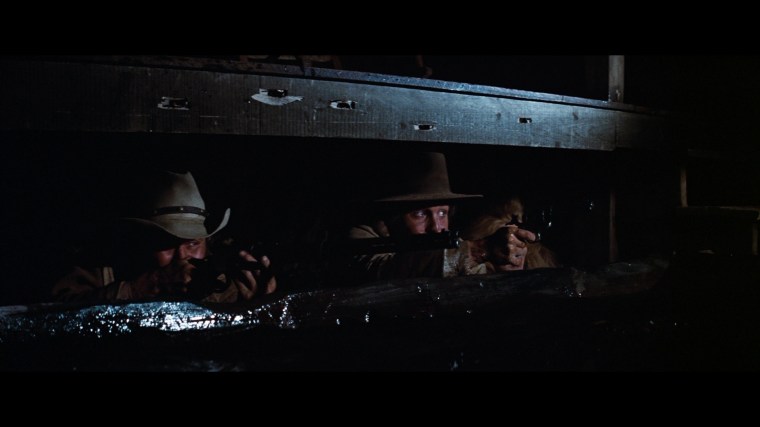
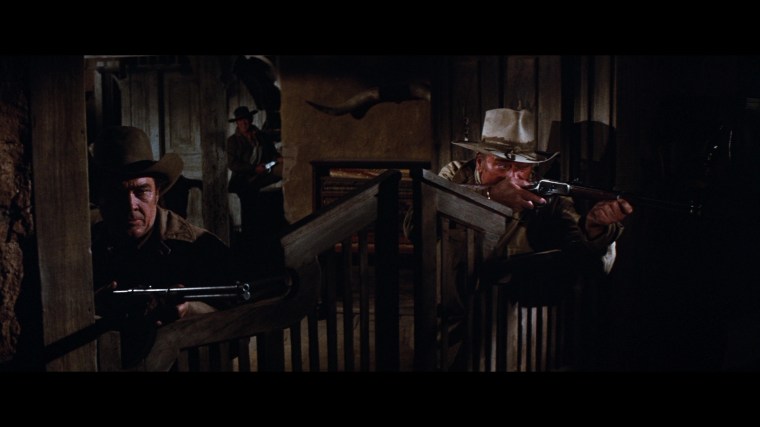
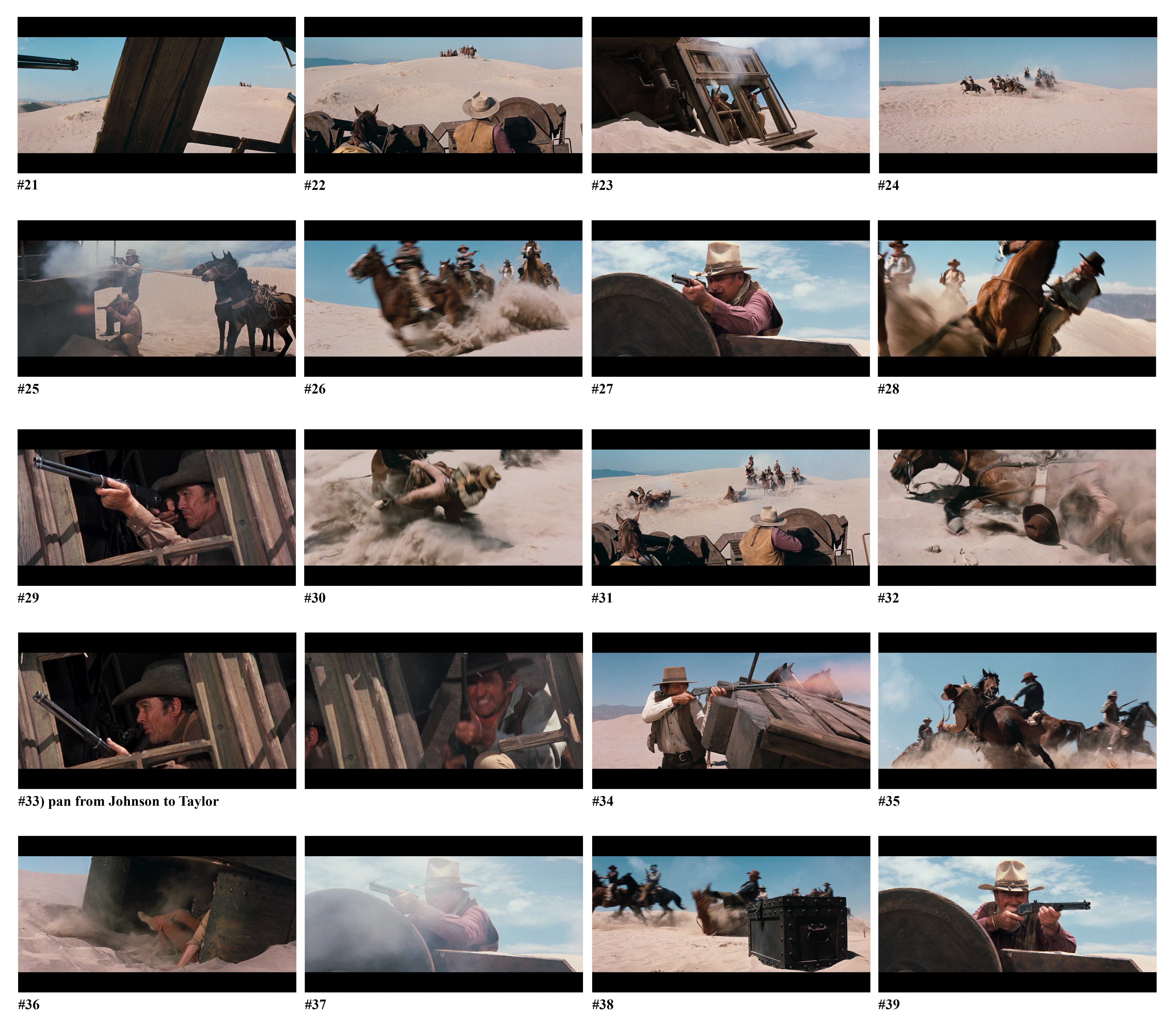
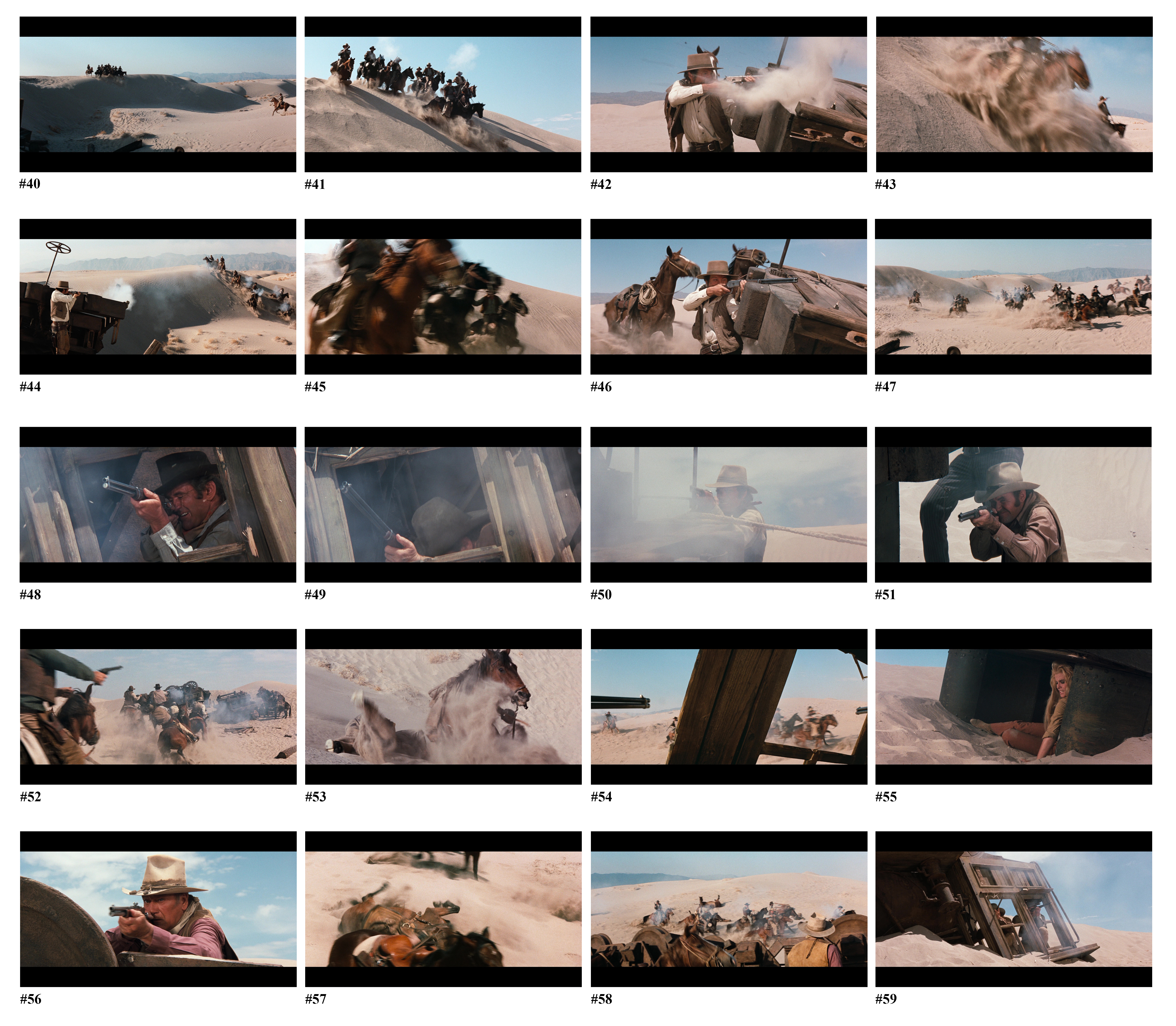
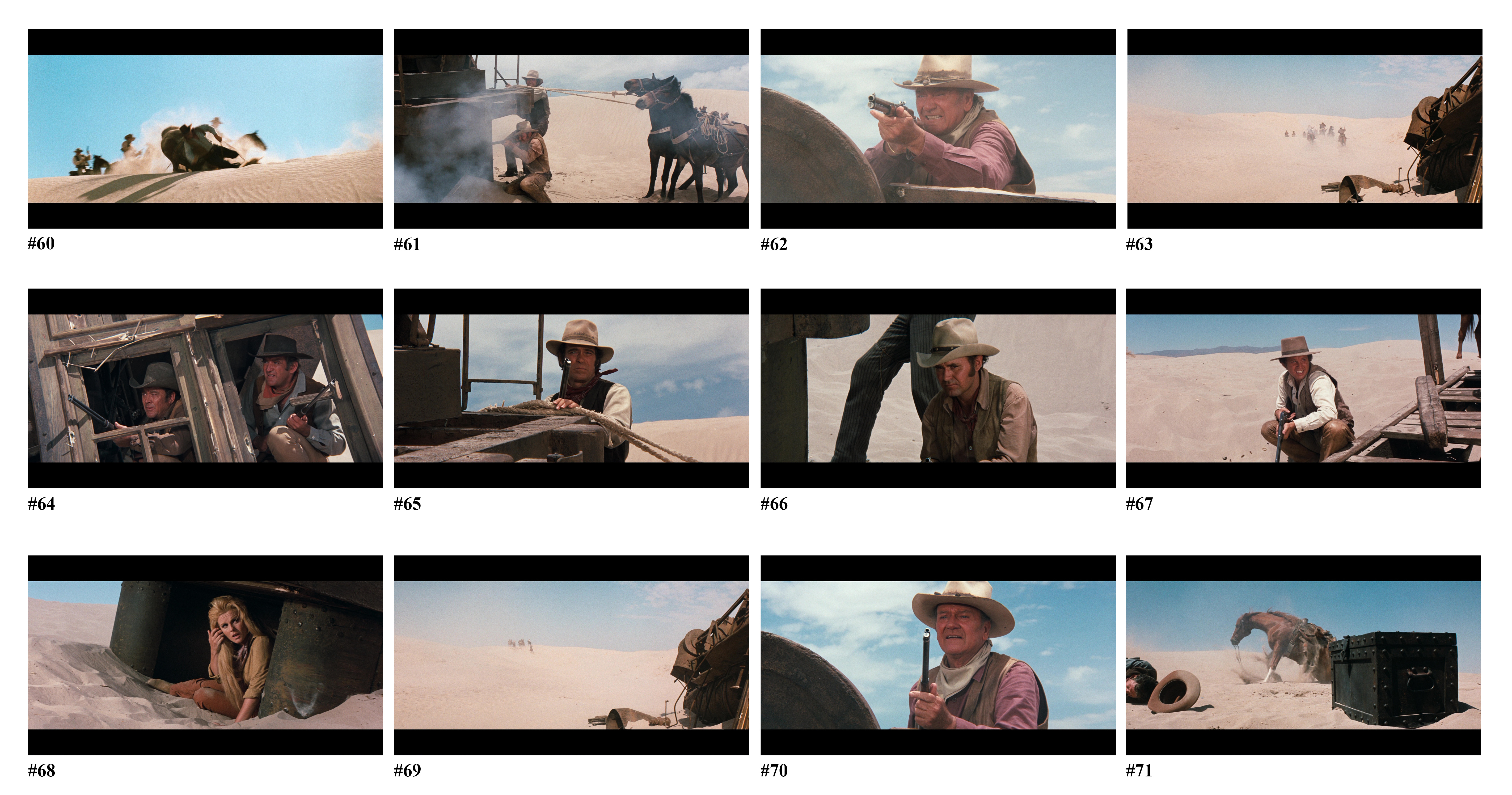
More than an hour into the movie, the first significant action scenes arrives with a shootout set at the desert ruins of a train wreck. Once the shooting begins, it’s a fairly static endeavor with almost no camera movement – essentially just crosscutting between Wayne and his cohorts firing from behind cover and stunt guys toppling over in the reverse shots.
Scene Length: 1:44
Shots: 71
Avg. Length: 1.5 seconds



 deep fried movies